
Introduction to Scratch-Resistant Acrylic
The development of scratch-resistant acrylic was to create a Material that has similar properties, which are mechanical strength and surface smoothness, but in addition offers better wear resistance. AG BR Mag is scratch resistant, but not as good as AG BR I or Coated N. Honda Light was tested together with AG BR I and AG BR II and delivered higher strain along the centrifuge than any AG BR II. Besides the car industry, construction, as well as science-based technologies, wear-resistant properties are developed. Frequent expensive replacements or repairs are not needed, which helps decrease costs and maintain the appearance of imbu. Surpassed.
💡 Key Insight: This hybrid technology is useful to those who require a balance within the variables, such as toughness, clarity, and service life or longevity of the scratch-resistant acrylic in use.
What is Scratch-Resistant Acrylic?
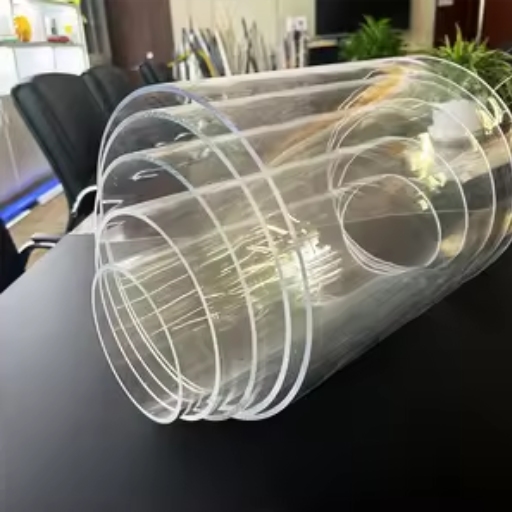
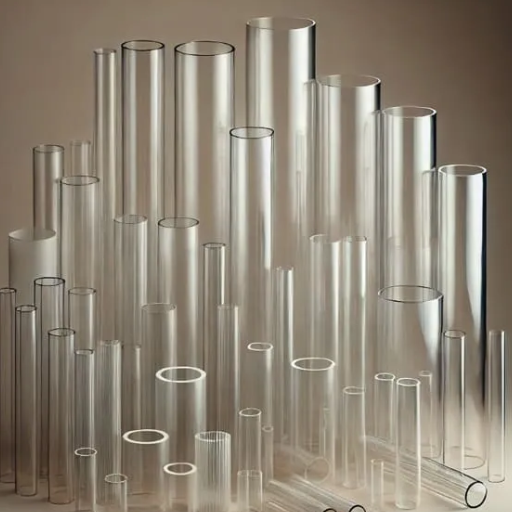
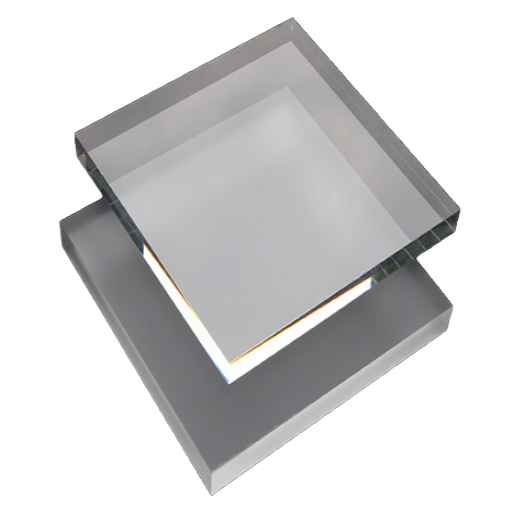
A specialized type of acrylic, scratch-resistant acrylic, has been formulated to withstand damage such as scratches or abrasions by being much stronger. This is possible owing to sophisticated treatments or processes, which improve the surface hardness of the material without sacrificing its transparency or elasticity.
Primary Applications:
🖥️
Protective screens
👓
Eyewear lenses
📦
Display cases
Benefits of Using Scratch-Resistant Acrylic
Durability
Conventional acrylic is used on the opposite side of the innovative scratch-resistant acrylic that offers incredibly high tenacity.
Low Maintenance
One cannot possibly clean up or properly manage a scratch-resistant acrylic surface with reduced cleaning and maintenance needs.
UV Resistance
There are numerous varieties of material that can be used to protect from sun rays, decreasing or eliminating the potential occurrence of fading or loss of surface.
🎨 Design Versatility
Available in various sizes, shapes, and finishes for customization
💰 Cost-Effectiveness
Lower overall costs over its lifecycle due to longevity
Common Misconceptions about Acrylic vs. Glass
Making sense of the variances between acrylic and glass is imperative when it comes to material selection. A detailed analysis of how they differ is as follows:
| Parameter | Acrylic | Glass |
|---|---|---|
| Durability | High impact strength | Fragile, shatters |
| Weight | Lightweight | Heavy |
| Transparency | Higher VLT (88-90%) | Lower VLT (75-85%) |
| UV Resistance | High (no yellowing) | Moderate |
| Scratch Resistance | Softer, polishable | Harder, not polishable |
| Cost | Higher upfront, lower long-term | Lower upfront, higher long-term |
| Applications | Versatile, safe | Limited, decorative |
| Weather Resistance | May warp outdoors | Stable outdoors |
| Ease of Handling | Easy to cut, install | Difficult to handle |
Properties of Scratch-Resistant Acrylic

Durability and Strength of Scratch-Resistant Acrylic
The scratch-resistant acrylic is harder and stronger than regular acrylic. Because of its harder surface, scratching or bruising is minimized, and a smooth surface is maintained, especially in areas of intense usage.
Surface Hardness
Enhanced surface hardness protects against scratches and abrasions in high-use environments.
Environmental Stress
Since the material is so durable and scratch-resistant acrylic, external strains cannot penetrate the surface very easily, and this keeps the surface spotless and intact for a longer duration of time.
UV Protection
Aren’t you tired of your scratch-resistant acrylic windows turning yellow thanks to ultraviolet light? Well, this technology ensures that the glass does not lose its transparency, at least not as time goes by.
📌 Note: While not as impact-resistant as polycarbonate, scratch-resistant acrylic offers an optimal balance of clarity, surface durability, and environmental resistance.
Comparison of Scratch-Resistant Acrylic with Other Materials
Comparing the behavioral attributes of acrylic versus polycarbonate assists in understanding which of them will do best in different conditions:
| Parameter | Acrylic | Polycarbonate |
|---|---|---|
| Scratch Resistance | High | Moderate |
| Impact Resistance | 17x stronger than glass | 250x stronger than glass |
| Clarity | 92% light transmittance | 88% light transmittance |
| UV Resistance | Excellent | Prone to yellowing |
| Heat Resistance | Up to 190°F | Up to 240°F |
| Durability | Prone to cracking | Virtually unbreakable |
| Cost | Lower | Higher |
| Weight | Lightweight | Lightweight |
| Customization | Easy to cut/polish | Easy to drill/bend |
| Applications | Displays, aquariums | Riot shields, helmets |
Understanding Abrasion Resistance in Acrylic Sheets
There is a high likelihood that scratches may occur on acrylic sheets as they possess a comparatively lower resistance to mechanical abrasion against surfaces or moving parts. Most acrylic sheets, if not all, are far easier to scratch relative to other plastics and glasses.
🔬 Enhanced Protection Technology
To minimize scratches and instances of surface damage, producers of defensive films use these sheets as protective shields. Hence, sheets that are acrylic coated shine as long as possible and are more advantageous for situations wherein constant handling is involved, or for situations that require the sheets to sustain extreme conditions for an extended period of time.
Applications of Scratch-Resistant Acrylic

Use Cases in Signage and Displays
Scratch-resistant acrylic has revolutionized the signage and display industry with durable, clear solutions for diverse applications:
Indoor Signage
With its unique properties of being clear, light, and durable, it is certainly popular for internal signage in workplaces, retail shops, and so on.
Outdoor Signage
Thanks to the weather and scratch-resistant acrylic and outer layer, it is ideal for promotional advertisements such as billboards and signage.
Point-of-Purchase Displays
Often placed in high congregation points like retail settings and showcase counters, as it is scratch-resistant acrylic and works toward viscerally augmenting beauty at all times.
Exhibit and Museum Displays
On application, as though specially tailored, a coating is dispersed across a majority of the surfaces of display stands or cabinets within the confines of museums, thereby beautifying and concurrently shielding it from mechanical harm.
LED and Backlit Displays
Enhances the longevity and efficacy of LED screens, including LED illuminated signage, while maintaining the same level of light diffusion.
Menu Boards & Directories
This is a distinguishing feature of restaurants, shopping centers, and workplaces, which utilizes a scratch-resistant acrylic surface for easy cleaning.
✨ Custom Retail Fixtures
Due to its beauty and resistance offered alongside crystal clear acrylics that are scratch resistant, it is a material of choice for in-store display stands.
Applications in Picture Frames and Home Décor
Picture Frames
Lightweight combined with high optical clarity retains and displays photographs and artwork unhindered, unclouded by any optical artifacts.
Wall Art & Panels
Easily cut and printed with bright, bold imagery, perfect for contemporary wall art and decorative panels.
Tabletop Décor
Designed as centerpieces, display stands, and accents harmonizing with uncluttered, streamlined, and modern decor.
Mirrors
Suggest a less breakable, less heavy alternative to glass mirrors for decor in homes and businesses.
Custom Shelving
Flexibility and rigidity perfectly combine functionality with unobtrusive refinement through the shelves.
Industrial Uses of Acrylic Sheets
Key Industrial Applications
Protective Barriers
Constructed molt shields and sneeze guards in the workplace, retail and healthcare facilities because of physical robustness and see-through nature.
Lighting Fixtures
Outstanding clarity of illumination, along with superb diffusion, provides the best solution for LED covers, backlit panels, and signage.
Machinery Guards
Provide clear guards and enclosures for industrial machines. Visibility is maintained with constructed precision and safety is offered.
Display Cases
Used primarily in retail and museum display for the lightweight and not easily breakable substitute for glass.
Maintenance and Care for Scratch-Resistant Acrylic
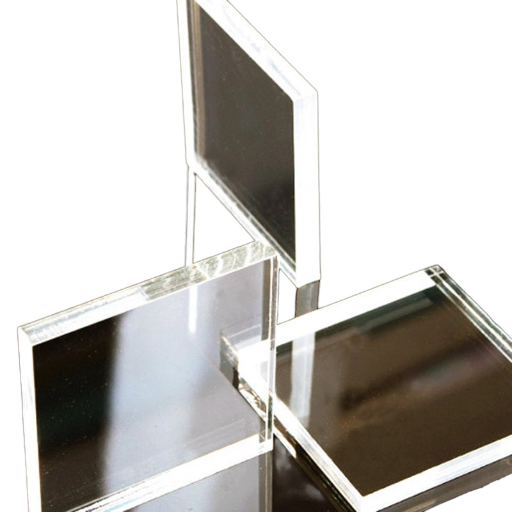
Cleaning Techniques for Acrylic Surfaces
In order to preserve the clarity and enhance the durability of etched acrylic surfaces, it is vital to abide to professional techniques as outlined below:
1
Cleaning Materials
When cleaning, ensure to use a soft and non-abrasive application so as to avoid damage to the acrylic surface.
2
Washing Technique
Using a non-abrasive soap, warm water, and a light touch, wash away any residue that may have settled.
3
Avoid Harsh Chemicals
Any cleaners containing ammonia, abrasive pads, or any other chemicals that may cause damage to the acrylic or reduce visibility should be avoided at all costs.
4
Final Washing
When the surface is clean, rinse out any cleaning solution, and then dab dry to avoid streaks.
5
Difficult Stains
When it is required to remove particularly troublesome marks or fingerprints, only cleaners designed for acrylic surfaces should be used.
⚠️ Important: Always follow the manufacturer’s recommendations for cleaning to ensure longevity and maintain the scratch-resistant properties.
Preventive Measures to Enhance Longevity
To ensure the longest possible life of scratch-resistant acrylic surfaces, employ the following willful preventative strategies:
Protective Covers
Utilize protective covers or films to safeguard against scratches or impacts during storage and transport
Limit Sun Exposure
Minimize direct exposure and active sun to avoid long-warping or sun or extreme temperature discoloration.
Suitable Conditions
Stability in a vibration-proof environment is essential to avoid micro and stress cracking over time.
Load Control
Do not place heavy objects on top of the surface, as under strai,n the surface can become permanently damaged.
Expert Tips for Maintaining Acrylic Products
🔧 Professional Maintenance Guidelines
🧽 Abrasive cleaning is not permitted
Use a cloth or a sponge with a tiny amount of soap to wash with water. Do not use any cleaning products that would scratch the surface
☀️ Preventive Measures for UV Rays Exposure
Constant direct sunlight exposure may result in fading or distortion. Whenever feasible, place in shaded or indoor spaces.
⚠️Fragile
If dropped, acrylic has a high tendency of being cracked. Avoid any circumstances that would result in impact damag
✨ Buffing out to Polish
According to many people, the simplest way to remove scratches is to buff them out using a scratch removing compound specially manufactured for acrylics.
🚫 Use of Chemical Solvent is Prohibited
Cleaning agents such as acetone and alcohol and other ammonia-based solutions might harm the material in question. Use only products advertised and specifically meant for acrylic.
🔍 Examine on a Regular Basis
Check for signs of wear and tear, cracks and stress points and other issues periodically. Too much wear on one point or area may cause irreparable damage.
⚖️ Do Not Exceed Load Limit
Evenly distribute different weights and do not place undue or excessive acrylic stress loads for the sake of structural integrity.
🗄️ Use of Relevant Storage
A suitable environment for acrylic products includes one that maintains a constant temperature and controlled room temperature and shaded areas to avoid warping and undue stress.
✅ Adhering to these instructions helps keep acrylic items in very good condition and usable to serve their functional and decorative purpose for years to come.
Where to Buy Scratch-Resistant Acrylic
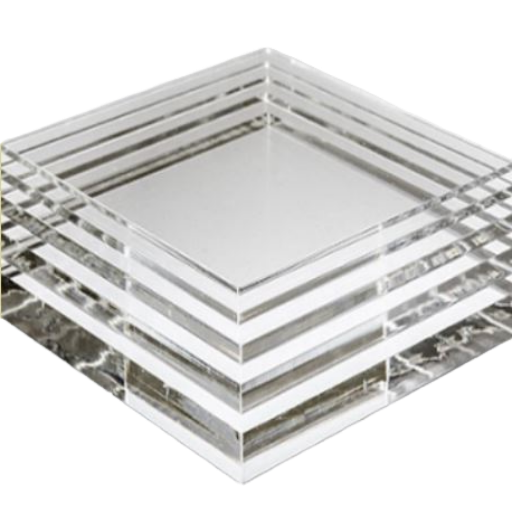
Finding Reliable Suppliers for Acrylic Sheets
Search for suppliers of acrylic sheets who have demonstrated a history of quality and happy customers. Seek out suppliers of certified scratch-resistant acrylic who provide a full technical data sheet.
🏭 Recommended Manufacturers
- ✓
Rohm – Leading manufacturer with extensive product range - ✓
Evonik – Premium quality acrylic products - ✓
TAP Plastics – Comprehensive distributor with custom services - ✓
Acme Plastics – Reliable distributor with industry expertise
🌐 Reputable Online Platforms
- ✓
McMaster-Carr – Wide range of high-quality acrylic sheets - ✓
U.S. Plastic Corp – Comprehensive selection with competitive pricing
💡 Key Factors: Ensure the supplier offers consistent product availability, transparent pricing, and customer support to address any inquiries.
Custom Cuts and Variations of Acrylic
The customizability of acrylic sheets is of great importance, offering accurate cutting and finishing to meet particular project needs. The material can be custom cut to any specification by many suppliers.
Custom Cutting Services
Custom cuts are done to a tailored specification, maintaining the integrity of the material with precision edges.
Finish Options
Finishes offered are clear, colored, frosted, textured, and mirrored, which allows for flexibility in aesthetics.
Advanced Techniques
Ensure suppliers employ cutting-edge techniques to achieve the desired accuracy and optimal results.
Exploring Different Grades and Types of Acrylic
Different types and grades of acrylic materials are developed for different purposes and come with their own sets of characteristics:
| Type | Key Features | Applications |
|---|---|---|
| Clear Acrylic | High clarity, versatile | Windows, displays |
| Colored Acrylic | Vibrant colors | Signage, branding |
| Textured Acrylic | Light diffusion, privacy | Partitions, skylights |
| Mirrored Acrylic | Reflective, lightweight | Décor, retail displays |
| Light-Diffusing Acrylic | Even light spread | LED signs, cabinets |
| Solar-Tinted Acrylic | UV protection | Windows, energy saving |
| Non-Glare Acrylic | Matte finish | Frames, exhibits |
| Anti-Static Acrylic | Static prevention | Electronics, labs |
| Abrasion-Resistant | Scratch-resistant | Public displays, glazing |
| Impact-Modified | High impact strength | Safety panels, signage |
| UV Filtering Acrylic | Blocks UV rays | Museums, artwork |
| UV Transmitting Acrylic | Allows UV light | Medical, tanning beds |
| Lucite Block Acrylic | LED integration | Illuminated signage |
Frequently Asked Questions (FAQs)
❓ Why is it Necessary to Have Scratch-Resistant Acrylic Products?
Standard acrylic, while naturally clear and versatile, is susceptible to scratches. This is particularly problematic for applications like plastic windows in stores and homes, or display cases, where maintaining a pristine, transparent surface is essential. Scratch-resistant acrylic addresses this vulnerability by incorporating protective coatings that preserve the material’s appearance and functionality, making it ideal for high-traffic areas and frequent-use applications.
📚 Reference Sources
Reference Sources
1. Scratch-resistant automotive clearcoat with curability accelerator based on hyperbranched polymer matrix with POS nanoobjects
- Authors: H. Yari, M. Mohseni & M. Messori
- Journal: RSC Advances
- Published: 08 August 2016
- Citation Token: (Yari et al., 2016, pp. 76028–76041)
Abstract:
- An innovative automotive clearcoat has been designed by incorporating hyperbranched polymers with Polyhedral Oligomeric Silsesquioxane (POSS) nanostructures to improve scratch resistance and healing properties. A clearcoat was designed and assessed for its performance with regard to scratch resistance and healing properties. The obtained data showed that the studied coatings possessed much higher scratch resistance than conventional products and could automatically heal scratches on the surface when heated.
2. Transparent and Nanofiller-Enforced, Anti-Scratch, And Scratch-Removing Composite Films
- Authors: Fuyang Yang, Wenming Pan, Tangku Fang, Lin Cheng, Shijie Ru
- Journal: Applied Surface Science
- Publication Date: 9 January 2017
- Citation Token: (Yang et al., 2017, pp. 1387–1392)
Synopsis:
- Herein, we report a study where we aim to develop highly transparent scratch-resistant acrylic-type nanocomposite film structures that possess self-healing capability. These films were created with a defined combination of polymer matrix and nanofiller. Different types of mechanical experiments were combined for the evaluation of beyond-scratch-resistance and healing effectiveness. The results showed that the films were able to repair even deep and wide scratches without losing their transparency.