
The field of architecture is undergoing a transformation through innovative materials which include acrylic tubes as a key element of this change. Architects and designers can use acrylic tubes as a versatile material which combines strength and visual beauty to create sustainable solutions for contemporary buildings. The blog investigates how architects use these lightweight durable materials to transform building design methods. The article shows why architects choose acrylic tubes as their main sustainable building material through its two main advantages: environmental sustainability and exceptional visual design capabilities. The article describes how these features will change architectural design while helping to solve current environmental challenges.
Understanding Acrylic and Its Applications

What is Acrylic?
Acrylic also known as polymethyl methacrylate (PMMA) functions as a flexible thermoplastic material which possesses both transparent and durable and lightweight characteristics. Its shatter-resistant properties make it a popular substitute for glass which can be transformed into different shapes to suit multiple uses. Designers and architects select acrylic as their preferred material because it provides both indoor and outdoor functionality while its weather resistance and long-lasting optical clarity. Designers and architects regard acrylic as a sustainable material solution which maintains its design versatility through its ability to be recycled in an environmentally friendly manner.
Properties of Clear Acrylic Tubes
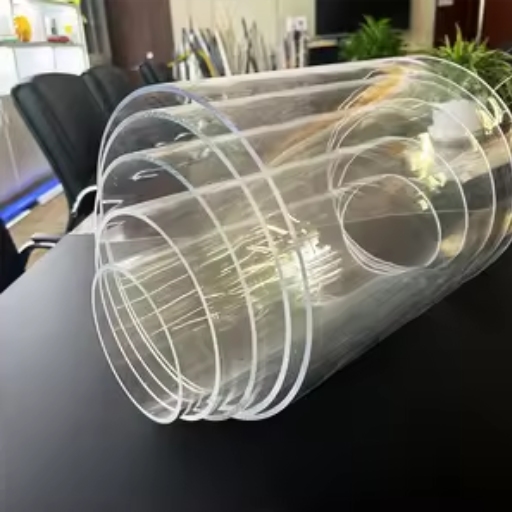
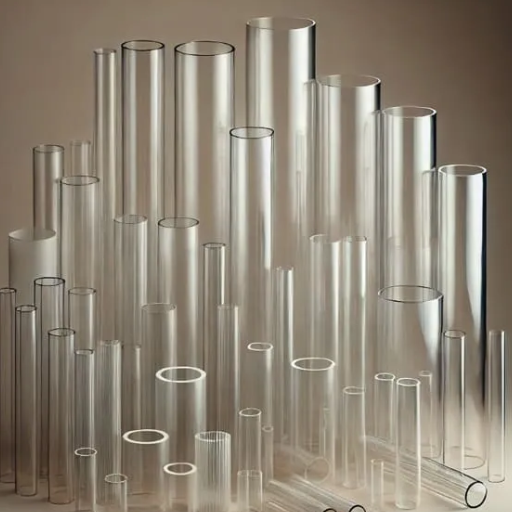
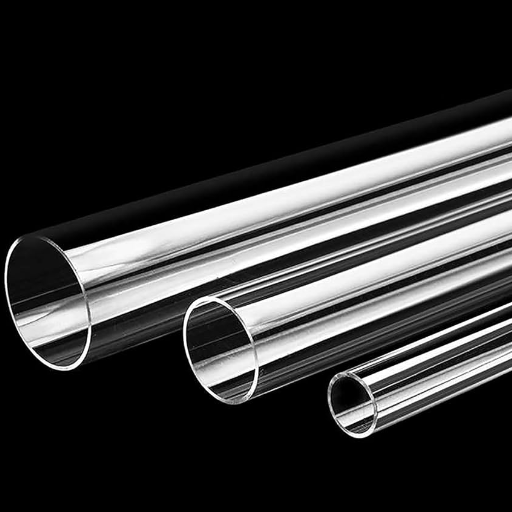
Clear acrylic tubes exhibit exceptional optical clarity, making them an ideal choice for applications requiring transparency and visibility. They are lightweight yet robust, offering excellent impact resistance compared to traditional glass. Acrylic tubes also demonstrate outstanding weather and UV resistance, ensuring durability even when exposed to harsh sunlight or outdoor conditions. Furthermore, they are highly versatile and easy to work with, allowing for cutting, drilling, and thermoforming without compromising structural integrity. Their resistance to chemicals and water adds to their appeal in industries such as aquatics, medical equipment, and industrial manufacturing. These characteristics make clear acrylic tubes a reliable choice for both functional and aesthetic applications.
Benefits of Using Acrylic in Architecture
Acrylic provides multiple advantages for architectural usage which makes it a preferred material in contemporary architectural design and construction work. I personally value its lightweight properties because they make installation simpler while maintaining structural strength better than common glass materials. Acrylic provides protection against impacts and endures various forms of damage which makes it suitable for spaces that experience heavy usage and face extreme weather conditions. The material remains clear over time because of its UV protection which prevents yellowing from direct sunlight exposure, which makes it suitable for skylights and windows and canopy applications.
Another advantage I find appealing about this product is its ability to function in multiple applications. Architects and designers can use acrylic because it can be molded and cut into any desired shape for their creative work. The product includes multiple color options, various finishing styles, and different transparency levels, which designers can use to achieve any desired appearance. The product contributes to sustainable building practices because its different forms can be recycled, which supports environmentally friendly building design. Acrylic functions as both a practical architectural element and an attractive design element through its ability to improve indoor natural light and create striking architectural elements.
The material provides me with two advantages about its cost-effectiveness. Acrylic delivers a premium appearance that costs less than glass and polycarbonate materials. The material’s simple upkeep requirements together with its scratch resistance capabilities, which protect its surface, decrease maintenance expenditures, thus delivering extended financial advantages to architectural design work. Architects choose acrylic as their primary material for their building projects because it delivers practical solutions and innovative design possibilities.
The Versatility of Acrylic Tubing in Sustainable Design
Acrylic Tubing in Green Building Projects
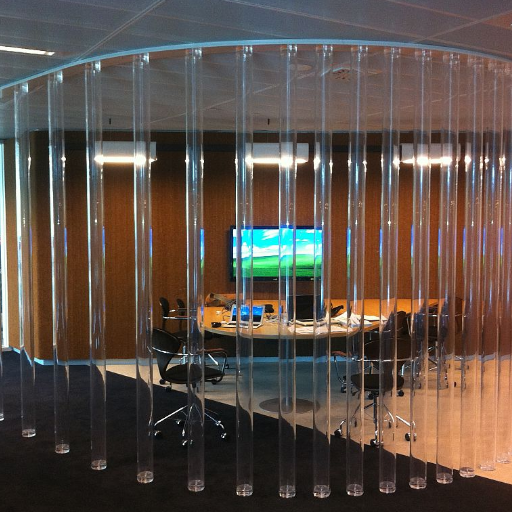
The green building industry depends on acrylic tubing because it offers two essential benefits and three different ways to use its properties. The lightweight design of the product enables eco-friendly transportation and installation because it uses less energy than traditional construction materials which include metal and glass. The production of acrylic tubing enables manufacturers to create sustainable products which maintain their original strength and visual appearance through recycled materials. Acrylic tubing serves as an important sustainable design component which architects use to create natural lighting systems. The ability of acrylic tubes to distribute sunlight through their design system enables buildings to achieve energy savings because they need less artificial lighting. The material maintains its durability through its protection against ultraviolet rays and extreme weather conditions which results in decreased need for product replacement and subsequent environmental damage. The combination of useful functions and positive environmental impacts makes acrylic tubing an essential material for contemporary sustainable architecture.
Custom Cut Options for Architectural Needs
Acrylic tubing provides architects with multiple design possibilities because it can be modified to meet their specific architectural needs. Modern cutting and fabrication technologies enable precise customization, allowing architects and designers to achieve exact dimensions for their projects. The design of acrylic tubing permits its application as decorative elements or structural highlights or functional lighting systems which can be integrated into any framework. Advanced milling and laser-cutting methods produce smooth edges together with detailed designs which improve visual attractiveness. The custom-cut acrylic tubing solution offers architectural designers both flexible design options and robust material performance.
Comparison of Acrylic and Other Plastic Tubes
Acrylic tubes display superior optical clarity and exceptional strength which distinguishes them from all other plastic tubing products. Acrylic material provides better long-term aesthetic performance than polycarbonate because it resists scratches better and maintains its clear appearance throughout time without becoming yellow. Acrylic material provides superior outdoor performance to PVC tubes because it delivers increased structural strength and extended protection against ultraviolet radiation. The increased chemical resistance and flexible properties of PVC make it superior to acrylic in certain applications. Acrylic tubes offer a cost-effective solution which costs less than polycarbonate yet exceeds the price of PVC while delivering both performance and value. Acrylic material demonstrates better impact resistance than common polystyrene yet falls short of polycarbonate which provides superior protection for industrial environments. Acrylic tubes demonstrate their unique properties through applications which require optical transparency and strong structure and protection from ultraviolet light while showing limitations in chemical resistance and ability to bend.
Fabrication Techniques for Acrylic Tubes

Extrusion Process Explained
Extrusion stands as a standard manufacturing method which fabricates acrylic tubes that possess precise measurements and uniform material characteristics. The process begins with molten acrylic material which operators direct through a die designed to create a continuous tube that maintains equal thickness and optical clarity throughout its length. The process starts with raw acrylic pellets which an extruder heats until they reach their melting point. The material becomes molten at the required temperature and operators use controlled pressure to push it through the die which creates a tubular shape. The emerging tube undergoes cooling and solidification through air or water which creates a smooth surface while maintaining its structural strength. Advanced extrusion technologies enable customized product specifications which include different diameters and wall thicknesses and length options to meet industry requirements for construction and medical equipment and signage production.
How to Cut and Shape Acrylic Tubing
To achieve precise cuts and shapes of acrylic tubing, operators must use appropriate tools together with established cutting techniques. The best cutting method requires operators to choose either a hacksaw or a circular saw which features a plastic-specific blade. The process requires operators to use clamps or vises to hold tubing because this method provides needed stability during cutting operations which prevents cracking or chipping. The process requires users to apply sandpaper or a file for edge smoothing because these tools help them to remove burrs from the cut area. The process of shaping acrylic tubing requires operators to heat the material until it becomes flexible. The tubing material can be softened through the use of either a heat gun or a specialized heating strip. The material becomes bendable after achieving its flexible state. A bending jig allows users to create precise bends while the flexible spring provides support to maintain the tube’s shape. The tubing requires a complete cooling period because this process establishes its final shape and maintains its structural strength. The process becomes safer when operators use proper safety measures which include wearing gloves together with goggles.
Wall Thickness Considerations for Strength
Wall thickness needs to be calculated because strength and flexibility need to be balanced according to the requirements of precise applications that must maintain durability. The structural integrity of a building increases when walls have thicker dimensions because they can withstand stronger external forces, which makes thicker walls appropriate for situations with extreme stress and heavy weight. The excessive thickness of walls creates extra weight while making materials harder to bend and increasing expenses for construction. To achieve maximum strength, strength testing should be performed on tubing materials according to their particular usage requirements. The process of advanced manufacturing enables engineers to analyze stress patterns through finite element analysis (FEA) to determine the optimal wall thickness which meets performance requirements while maintaining weight and cost efficiency.
Pricing and Sourcing Acrylic Tubes
Factors Influencing Prices of Acrylic Tubing
The cost of acrylic tubing is determined by several key factors. The material quality which includes standard acrylic and UV-resistant and specialty acrylic products determines their market value because higher-grade materials provide better durability and performance. Tube dimensions which include diameter and wall thickness and length also determine pricing because manufacturers need to spend extra resources to produce bigger or more customized tubes. The choice between extrusion and casting production methods determines the production costs because cast acrylic materials need higher expenses to make because they offer better optical properties and mechanical strength. The price of products changes because of shifts in market demand and alterations in supply chain operations. Industrial sectors experience increased costs during times of high demand because of shortages that affect their access to essential raw materials. The geographic location of suppliers may also affect pricing due to differences in manufacturing costs, import duties, and shipping fees. The pricing system is affected by two factors which include bulk purchasing and custom orders because buying larger amounts results in cost savings while custom designs need extra expenses for development and tooling.
Where to Buy High-Quality Clear Acrylic Tubes
Numerous trusted suppliers exist to provide clear acrylic tubes for industrial, commercial, and creative applications. I recommend starting with well-known online marketplaces such as McMaster-Carr and U. S. Plastic Corp. The stores provide various acrylic tubes which customers can purchase because the products meet their needs while maintaining high standards of durability and precise manufacturing. The company provides standard-sized products which customers can receive through fast shipping and dependable help from their support team. The company TAP Plastics together with the company ePlastics provides acrylic product solutions which enable customers to create customized designs through exact tube measurements or custom design development. Their expertise enables customers to obtain products which meet their specific requirements, which proves especially helpful for unique work assignments. The suppliers provide multiple additional services, including polishing and drilling and assembly work, which makes them an efficient solution for all your requirements. Businesses that need affordable pricing and bulk product acquisition should contact direct manufacturers and wholesalers like Regal Plastics and Interstate Plastics. The suppliers provide affordable rates because they can easily manage big purchases while upholding quality requirements. I suggest visiting local plastics suppliers because they might have current inventory which customers can pick up, which helps to decrease both delivery expenses and waiting periods. I am sure that you will discover the ideal clear acrylic tubes which match your exact needs through these different choices.
Durability and Resistance of Acrylic in Architecture

Weather Resistance of Acrylic Tubes
Acrylic tubes become a preferred material for architectural projects because of their outstanding ability to withstand different weather conditions. The material shows strong protection against UV radiation which enables it to maintain its original color and structural properties during extended sunlight exposure. Acrylic maintains its original structural strength through various environmental changes which include high-temperature and high-humidity conditions. The tubes provide indoor and outdoor functionality because they resist cracking and warping. The product maintains its operational capacity through time because it is built to withstand extreme weather conditions which require minimal upkeep.
Impact Resistance vs. Other Materials
Acrylic tubes show outstanding capacity to withstand impacts when compared to glass and various plastic materials. Acrylic offers better protection against impacts than glass because it can endure heavy impacts without developing cracks or breaks which makes it safer for multiple applications. Technical evaluations and studies demonstrate that acrylic provides 17 times more impact protection than glass which makes it more durable for areas that experience accidental contact. Advanced acrylic materials display better strength-to-weight ratios than common polymers because they maintain their protective ability while staying light enough for handling purposes. Acrylic stands as an ideal material solution because it delivers strong impact protection which construction and commercial display industries need to achieve their safety and durability requirements.
Long-term Benefits of Using Cast Acrylic Tubing
Cast acrylic tubing offers a wealth of long-term benefits, making it a highly reliable choice for various applications. The material’s UV resistance enables it to keep its optical and structural properties intact during extended exposure to sunlight which makes it suitable for outdoor use and transparent applications. Chemical corrosion resistance enables cast acrylic tubing to sustain its functionality in extreme environmental conditions without losing its operational capabilities. The material’s lightweight design enables easy handling while its durable properties support installation work, which decreases both operating expenses and required physical labor throughout its usable life. The material demonstrates exceptional thermal stability as it maintains its mechanical properties throughout a broad temperature range without experiencing warping. Cast acrylic tubing serves as an affordable efficient industrial solution because it requires very few maintenance activities in fields like architecture and manufacturing and scientific research.
Reference Sources
- Acrylic Panels Applications as Building Materials and Daylighting Devices
Discusses the use of acrylic materials, including tubes, in building designs for enhanced daylighting and aesthetics. - Tubular Structures in Architecture
Examines the architectural applications of tubular structures, including acrylic tubes, in modern construction. - Architectural Models: Materials, Fabrication, and Conservation Protocols
Discusses the use of acrylic tubes in architectural models, emphasizing their role in design and conservation.
Frequently Asked Questions (FAQs)
How does the optical clarity of clear acrylic tubing affect its visual appearance?
Acrylic tube for architecture delivers a primary architectural benefit through its transparency which exists in two options: crystal-clear and excellent optical clarity, found in both extruded clear and clear acrylic tubing. High clarity enables the creation of a smooth transparent appearance which works best for lighting and display and decorative purposes. When you desire diffused effects or artistic effects instead of transparency, you can choose between colored acrylic and opaque variants. The visual finish improves when you polish edges together with high-quality extruded acrylic specifications. Regular cleaning with a recommended cleaner preserves the optical clarity and prevents scratching or haze over time.
Can you use extruded acrylic tubing and plexiglass tube in lighting fixtures and decorative lighting applications?
Lighting fixtures and decorative lighting make use of extruded acrylic tubing and plexiglass tubing because these materials offer both lightweight properties and excellent optical clarity. The material can be cut to any length for custom fabrication and its surface can be Machined or Polished to match modern fixtures and installations. The material distributes light accurately for LED and linear lighting systems while the different colored acrylic variants produce various lighting results. The optical performance of extruded acrylic exceeds that of polycarbonate although polycarbonate provides superior resistance to impact damage. The tubing needs to match the heat output generated by lamps and all sealants or adhesives used for fixture assembly.
How reactive is virgin PMMA to most household cleaning products and which cleaning agents should be avoided most of the time?
Virgin PMMA is generally not affected by exposure to many ordinary household chemicals, but it also does not withstand harsher ones, through chamber debarnishment or chemical dip. Do not use cleaning products with strong acidic, alkaline, or solvent properties as these will be detrimental to the surface of the acrylic material, may resort in development of rainbow effect, or lead to degradation. A solution of supplier recommended, mild, non-scratching cleaner and a soft cloth will help remove marks from the surface of the acrylic. For pharmaceutical and biopharmaceutical industries that involve the use of various kinds of lab equipment, and systems that have chemical exposure, certain materials with higher chemical resistance or protective finishes may be used. It is effective illustrated that appropriate bonding can be provided also by the use of adhesives formulated for acrylic in order to protect the surfaces.
Is there any adverse reaction if I’ll have UV and homochromatic rays to Acrylic piping and what is One less Possessing UVsling Longevity?
Since UV exposure and UV light exposure can lead to ageing, opacification or embrittlement of standard acrylic material, it is critical to bid for UV-guaranteed cast acrylic when used in external construction or in direct sunlight. Most of clear and extruded cast acrylic tubular extrusions contain the inhibitors helping increases durability as prolongs the wear of the eye sights. When it comes to essential components of building whether, coatings above or corrected specifications for the UV-resistant sheets or tubular acrylic requirements. Polycarbonate demonstrates superior impact resistance although it is more likely to change its color under UV factors if no stabilization is applied so one needs to consider the impact and UV properties that the application requires. Design and most importantly deflection of sunlight by shading elements installed in a location, or if unfeasible, maintenance facility allows retaining the aesthetic and structural integrity of the construction.
Is any structural or architectural application suitable to use acrylic tubing, given that it is durable and resistant to breaking when compared to polycarbonate and PVC?
Applications of any such material to be used for architectural structures, however, do contain any focused blue print material provided on a building plan in US floors. Acrylic tube is hard, strong, and has amazing optical clarity, and here is it is seen that, such a product is ideal for a number of architectural uses on account of its appearance being paramount. On the other hand, while the strength and resilience of acrylic drain is quite good, the material is more prone to snapping if struck, than Polymer, the latter being impact resistant as Genesis. There are other thermoplastics such as PVC and polycarbonates that offer excellent impact and some chemical resistivity, except that clarity and other aesthetics often compromise. Pillars, ceilings, and installations that require a polished glass look and other highly precise and clear structures come with an economic twist when acrylic tubes and plexiglas pipes are used. In such instance, dimensions, loads at sustained action, potential information of the system, possibility of its use under harsh chemical or UV conditions and ut isotropic thicknesses are among the most important factors which in your project allow for the selection of the best thermoplastic available.
Is it possible to have someone modify pieces of acrylic tubing by cutting, sanding, and linking them for custom architectural purposes?
Of course, if you can use an existing tube and want to modify the length, as well as eliminate roughness by polishing the edges of the tube, you may as well be happy, because acrylic pipes are easily cut to size and then connected using adhesive designed specially for this purpose hence creating seamless installations or assemblies. The extruded pipes and bars presented in the sheets can be made like any other plastic using the average woodworking tools. Once the trim is cut, it is polished and appears very much like glass. A good quality adhesive for this material should always be used during installation to avoid any staining from the dissolving effect of the application medium, and so the joint can last longer; a test bond should be performed prior to the complete installation. For example, for aquariums or any other fixtures or lighting upon the need, provide extra information for the suppliers to enable them recommend the needed cut-to-size and special glue service. A good practice for installing acrylic architectural items is prevention from the immediate destruction of these items so that they can be enjoyed for the longest time possible.