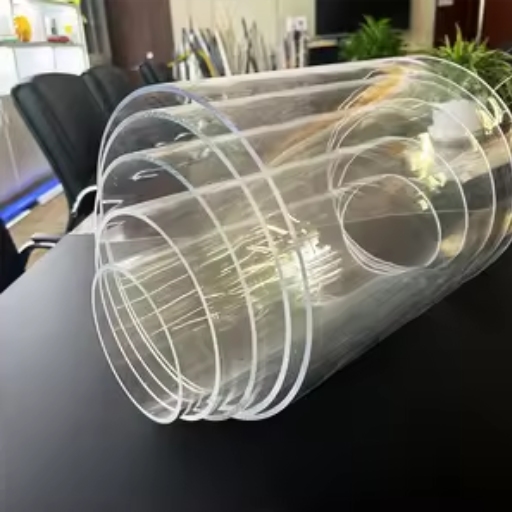

The cutting of 1/4-inch acrylic sheets and plexiglass may be seen as a precise and rewarding process, however, it needs the proper tools, right techniques and complete familiarity with the material. No matter if you are a professional fabricator or a DIY enthusiast, breaking the art of cutting acrylic is a must for producing clean, accurate cuts without breaking or ruining the sheet. This guide will take you through the core methods and practices for cutting 1/4-inch acrylic including, acrylic cutting at home, starting from the right tools to setting your workstation and guaranteeing maximum safety.
Introduction to Cutting Acrylic

To achieve clean and professional results while cutting acrylic, one requires the proper tools and preparation. The most common tools for cutting 1/4-inch acrylic include a scoring knife, jigsaw, circular saw, or laser cutter. Movement of the acrylic sheet during the cutting operation can be avoided by accurately clamping it. In order to reduce chipping, a fine-toothed blade meant for plastics should be used.
⚠️ Safety First: Always put on protective equipment like safety glasses and work in a well-ventilated area to be sure that you do not come into contact with acrylic dust or fumes. Being careful and taking your time are very important steps if you want to make exact cuts and still have the material intact.
Importance of Acrylic in Various Applications
The marvelous material acrylic is known for its unique properties such as strength, clarity, and adaptability, which make it suitable for various applications in different industries. The following are the major areas of application that reveal the importance of acrylic in today’s manufacturing and design world.
Construction
The characteristics of strength, imperviousness to the elements, and light transmission have established it as the most preferred material for the making of windows, skylights, and architectural panels.
Retail and Display
The ability to mold and the appealing appearance wait for it to be a great option for the production of signage, display cases, and point-of-sale stands.
✨ The different applications of acrylic emphasize its wide-ranging properties and value across different industries, hence it becomes one of the important materials in contemporary services.
Overview of Different Types of Acrylic Sheets

Acrylic sheets are of different kinds, each providing distinct features such as transparency, strength, and particular characteristics suitable for various uses like signs, exhibits, and protection against UV rays. Knowing the differences among these types of acrylic sheets will help you choose the right one for your project requirements.
Why Cut 1/4 Inch Thick Acrylic?
The Perfect Balance
Acrylic cutting of 1/4 inch thickness is a popular option because it offers a perfect mix of durability and versatility. It is thick enough to give rigid support and light enough to be used in various applications such as signs and protective barriers that do not weigh much.
High demand in home improvements
Compatible with precision laser cutting
Clean, polished edges
Necessary Tools and Materials for Cutting Acrylic

Essential Tools for Cutting Acrylic Sheets
- 🔪
Utility Knife
Right for scoring and snapping thin sheets of acrylic, giving a clean and precise cut. - ⚙️
Table SawIt
The most suitable for straight cuts of thick acrylic sheets; it is good to use a plastic-printed blade. - 🔧
Jigsaw
Perfect for cutting curves and detailed shapes; it is necessary to use a blade meant for acrylic. - ⚡
Circular Saw
Great for large, straight cuts on thick sheets, practically no chipping when the right blade is used. - 🎯
Laser Cutter
Gives an excellent and very clean border, which is ideal for detailed or complicated projects.
⚠️ Important: Always use the appropriate blade or cutting edge to ensure safety and quality.
Choosing the Right Saw Blade for Acrylic
In the case of cutting acrylic, the saw blades meant for plastics should be the first ones to be considered. They ordinarily come with extremely thin, uniformly distributed teeth in order to minimize the creation of chips and at the same time, provide a smooth surface. To put it another way, blades that are referred to as “plastic cutting” or “acrylic cutting” are perfect.
Key Considerations:
- Take into account the acrylic’s thickness and select the blade type accordingly.
- Choose a blade with more teeth for cutting thin sheets or for making detailed cuts.
- Using the right blade not only improves the quality of the cut but also increases the safety of the operation.
Additional Materials You May Need
Clamps
Holding the acrylic very firmly makes cutting a lot easier, since any deviation will be small.
Measuring Tools
Like a tape measure or a ruler for getting the most precise marking and dimensions.
Masking Tape
Keeps the acrylic surface safe and prevents splintering along the cut.
Marker or Grease Pencil
Mark is cutting lines very clearly on the acrylic.
Safety Gear
Such as safety goggles and gloves to guard against flying particles and sharp edges.
Polishing Equipment
Items such as sandpaper or polishing compounds will be useful in giving a nice finishing touch to the edges of the acrylic.
Step-by-Step Instructions on How to Cut Acrylic

Preparing Your Workspace and Materials
- 1
Clean the Workspace:
Clean the working area: Choose an area that is clean, flat, and stable. Any forethoughtlessness can lead to scratches on acrylic or erroneous cutting measurements. So, remove all dirt from the area. - 2
Ensure Proper Lighting:
Lighting plays a critical role in the marking and cutting process, so good lighting is a must. - 3
Secure the Acrylic Sheet:
Hold the acrylic firmly with clamps; this will cause less movement during the cutting process, which reduces the chances of mistakes. - 4
Arrange Tools and Materials:
Have all the necessary tools, like a cutting tool, a ruler, and safety gear, nearby, and they should all be within easy reach. - 5
Maintain Safety:
Check that you are using safety equipment that is appropriate and necessary, like gloves and goggles,s to keep yourself from being hurt..
✅ Pro Tip: If the employee did not already assure the person of understanding and assured the supervisor about his mandatory requirements, it was the supervisor who did so.
Marking the Cut Line on the Acrylic Sheet
For any cutting to be precise, the cut line on the acrylic sheet must be marked accurately. Begin by measuring the required dimensions with a straight edge or a ruler, and then identify the exact position of the cut.
Once measured, use a fine-tip marker or specialized grease pencil to draw a visible, clear line across the surface of the plexiglass acrylic sheet. It is crucial to verify the dimensions twice to avoid discrepancies that could result in material wastage.
Using a Circular Saw for Straight Cuts
Best Practices for Circular Saw Cutting:
When making straight cuts using a jigsaw on plastic sheets, first of all, it is important to securely clamp the sheet to the workstation to avoid any movement. It is also advisable to use a sharp, fine-toothed blade that is specially made for plastic as well as for acrylic to avoid chipping.
- Alignment: Align the saw blade with the marked cut line and ensure the saw guard is properly positioned
- Speed Control: Turn on the saw and guide it steadily along the line at a controlled speed, avoiding excessive force
- Pressure: Maintain consistent pressure and allow the blade to do the cutting
- Safety: For best results, use protective eyewear and work in a well-ventilated area
Safety Precautions When Cutting Acrylic
⚠️ Safety Must Always Come First ⚠️
When dealing with acrylic, safety precautions need to be taken to avoid accidents. For instance, personal protective equipment should be worn. Taking these safety precautions will guarantee a safe work environment.
Protective Gear and Equipment
Safety Goggles
Protect your eyes from the throwing out of cutting debris and fine particles
Dust Mask
Keep acrylic dust from entering your respiratory tract; in due time, it might be noxious.
Protective Gloves
For grasping the material at the same time protecting your hands from accidental cuts or scrapes.
💡 Additional Safety Tip: Make certain that the area where you work is illuminated sufficiently and free from any tools or objects that are not required to minimize the chance of accidents occurring.
Safe Handling of Tools and Materials
To safely handle tools and materials when cutting acrylic, prioritize proper usage and maintenance of equipment.
🔍 Before You Start:
Right, you should guarantee efficiency and avoid malfunctioning by checking the tools, such as a saw or a laser, to confirm they are not damaged or worn before using them.
🔒 Secure Your Material:
Acrylic should always be clamped or placed on a stable surface to prevent slipping while cutting.
✋ Handle with Care:
Make sure to handle the sharp tools very carefully and always keep your fingers away from the cutting line.
Proper Ventilation and Avoiding Fumes
🌬️ Ventilation is Critical
Proper ventilation is a must when working with acrylic materials to keep the workers from exposure to the harmful fumes that are released during cutting, heating, or gluing processes.
- ✓
Make sure that the work area is provided with a good ventilation system like an exhaust fan or air purifier - ✓
If such systems are not available, try to do your work next to opened windows or doors so that fresh air can circulate - ✓
For additional protection, use a respirator mask that is specifically designed for chemical fumes - ✓
Do not stay near fumes for a long time and take regular breaks in fresh air
Tips for Achieving Clean Cuts in Acrylic
Finishing Cuts for a Professional Look
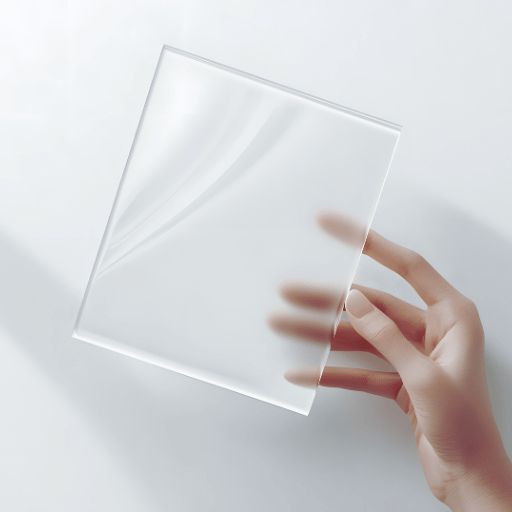
If you want to get a professional-looking finish on your acrylic cuts, then the following essential finishing steps should be followed:
Step-by-Step Finishing Process:
- Initial Sanding: Begin by sanding the edges using progressively finer grits of sandpaper, starting around 120 grit
- Fine Sanding: Move up to 600 grit or higher for smooth results
- Polishing: Use a polishing compound and a microfiber cloth or a buffing wheel to remove any remaining imperfections
- Final Clean: Ensure the surface is clean and free of debris before polishing to avoid scratching
✨ Result: This technique will help create a clear, polished finish suitable for professional applications.
Adjusting Saw Speed and Feed Rate
While adjusting saw speed and feed rate, it is critical to look at the material being cut and the desired finish.
⚡ Saw Speed
Material hardness and thickness determine the maximum speed of the saw, which is expressed as surface feet per minute (SFM).
- Softer materials: The fastest speed is recommended
- Harder materials: Reduced speed to avoid burning out the tools
📊 Feed Rate
The feed rate, which is expressed in inches per minute, must conform to the saw speed.
- Precision cuts: It is better to use a slower feed rate
- General cuts: less dense materials from the higher feed rates
Using Clamps to Secure the Acrylic Sheet
Mounting the acrylic sheet accurately with proper clamping techniques ensures safety and precision during cutting.
🔒 Proper Clamping Technique:
- Firmly position the acrylic sheet on the surface intended for work
- Along the periphery of the sheet, evenly distribute the clamps at regular intervals
- Make sure that the clamps apply pressure evenly and stably, and do not spoil the material by warping or cracking
- Either use clamps with padded jaws or put a protective layer between the clamp and the acrylic
- Before starting the cutting process, do a stability check on the setup again
Conclusion and Call to Action
Encouragement to Share Your Projects
Share Your Acrylic Projects!
One of the best methods to inspire others and, at the same time, get important feedback is by sharing your projects. Showing your work, be it through social platforms, online discussion boards, or neighborhood gatherings, allows you to meet those who think the same and get different views.
The main particulars of your process, along with difficulties and their corresponding solutions, will be the making of your inputs. Teamwork and mutual knowledge can produce growth, as well as innovations and more satisfaction.
Frequently Asked Questions (FAQs)

🎯 Ready to Start Your Acrylic Project?
Having received the complete package of the knowledge and techniques for cutting acrylic, it is now the time to practice your skills. Do not forget to safety, equipment selection and time management for the best results to be your priorities.
Dis close your projects to the community and let others take inspiration from your imagination!
📚 Reference Sources
- 1. Title: Different Ratios of Epoxy Resin and Acrylic Resin Used in Laminated Transfemoral Prosthetic Socket Surface Profile Analysis
- Authors: Nik Abdul Muiz Nik Zainuddin and others.
- Publication Date: 2023-02-15
- Fields of Study: Medicine
- Summary: The present work focuses on the surface profile analysis of the laminated prosthetic fosse made from various proportions of epoxy and acrylic resin. It is shown that the selection of the material has a direct impact on the quality of the surface, which is very important for the purpose of cutting and finishing with precision when using a router. Surface roughness measurements have been done by means of a stylus as part of the methodology, which might help determine how to cut acrylic materials in the most efficient way (Zainuddin et al., 2023).
2. Title: Silane Coupling Agent Modification: Effects on Brass Powder-Water-Based Acrylic Coating Properties for Tilia europaea
- Authors: Yan Han, Xiaoxing Yan
- Publication Date: 2023-03-01
- Fields of Study: Medicine
- Summary: The authors of this paper review the modification of brass powder in water-based acrylic coatings, which could lead to enhanced properties of acrylic materials. They experiment with different silane coupling agents to enhance the coatings’ mechanical properties, which, in turn, could be useful for applications such as cutting (Han & Yan, 2023).
3. Top Acrylic Sheet Manufacturers and Suppliers in China for high-quality plexiglass acrylic sheets.