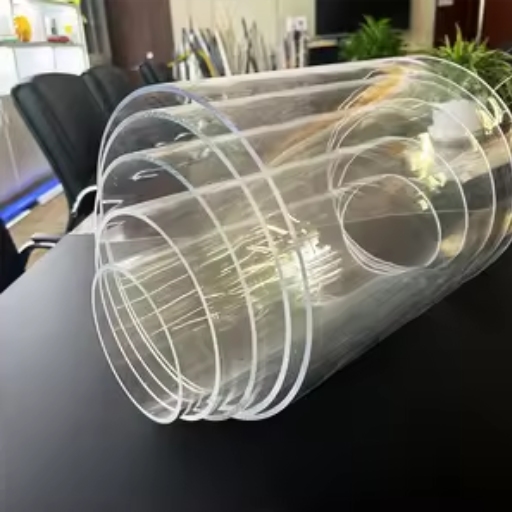

A versatile and widely used plastic in many industries, acrylic is also known by its chemical name, polymethyl methacrylate (PMMA). Acclaimed for its clarity, light weight, and impact-resistance, it has been touted as a worthy glass alternative. But what makes it so special among plastics? Why is it so desirable in architecture, and conversely, in medical devices? Throughout the article, a comprehensive treatise on the properties of acrylic, its chemical composition, and its various applications will be presented, providing the reader with a thorough understanding of the material’s characteristics and uses. Any professional interested in exploring the industrial potential of acrylic or simply curious about its applications in everyday life will find all the answers in this guide.
Introduction to Acrylic Plastic
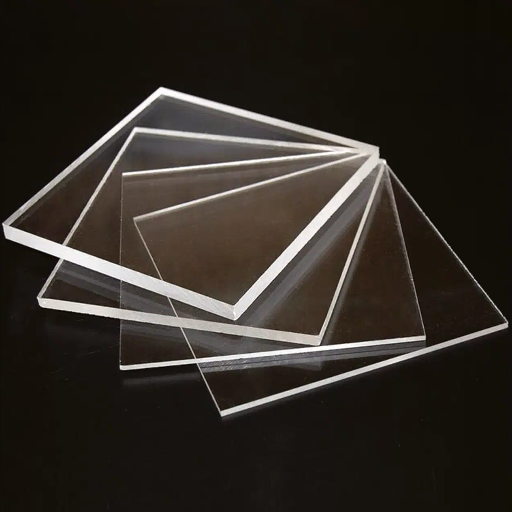
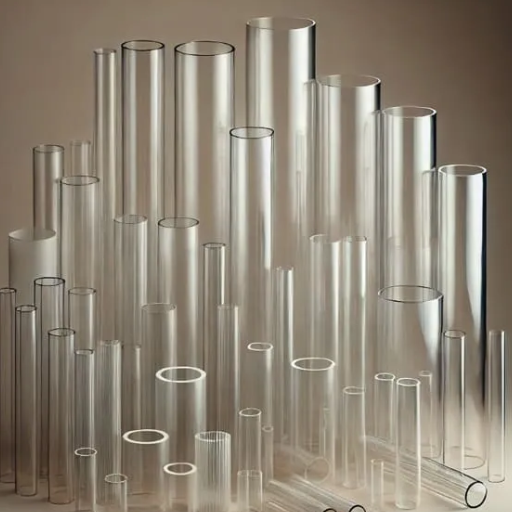
In common parlance, acrylic plastic is a type of injection-molded plastic known as polymethyl methacrylate (PMMA), highly regarded for its physical strength and durability. Acrylic is lightweight, ensuring shatter resistance, and offers outstanding optical clarity, whereas glass has many drawbacks in this space. However, rain-repellent properties, ease of fabrication, and aesthetics matter in these industries: construction, automotive, and healthcare. Additionally, it is recyclable and can be molded into various forms, such as sheets, rods, and tubes, thereby increasing its value as both a working medium and a decorative material.
Definition and Overview of Acrylic
Chemically termed polymethyl methacrylate (PMMA), acrylic is a transparent thermoplastic that is remarkably light. It is also endowed with strength and resistance, making it more versatile. Acrylic finds use as a substitute for glass due to its better impact resistance and optical clarity. They are UV-resistant and weather-resistant so that the material can withstand both UV and weather, both indoors and outdoors. It can be easily molded, cut, or shaped, making it indispensable across various industries, such as architecture, automobile production, and signage. With such properties as low density, high clarity, and recyclability, it stands to reason that it is among the most valuable and decorative materials in the world of fabrication.
Importance of Understanding Acrylic as a Type of Plastic
Acrylic, also called polymethyl methacrylate (PMMA), is a thermoplastic material known for being lightweight yet extremely strong. Industries that require materials for high performance to satisfy critical criteria should understand their nature. Acrylic is used in place of glass mainly for applications where optical clarity, weather resistance, impact resistance, and safety are essential features, such as in aerospace, medical devices, and safety barriers.
The thermal and chemical stability of acrylic further helps to maintain performance in environments where temperature fluctuations or chemical exposure are present. Consideration for its recyclability and manufacturing process can certainly appeal to an environmentally aware industry. Such an understanding of this material’s compatibility with various types of machining, e.g., laser cutting, CNC milling, and thermoforming, provides the designer-engineer with a wide latitude to explore design options while maintaining a conscientious approach to production efficiency. The overall performance of this material directly impacts the success of applications where cost, utility, and longevity are primary considerations in decision-making.
Common Misconceptions about Acrylic and Other Plastics
- Acrylic is fragile and easily breaks. While acrylic is not as impact-resistant as polycarbonate, it is much more durable than glass and can resist considerable force without shattering. With the advancement of acrylic formulations, their toughness has increased.
- All plastics are harmful to the environment: Although improper disposal is indeed an environmental issue, many plastics, including acrylic, are recyclable. Furthermore, long-lasting materials like acrylic reduce the need for frequent replacements, which in turn might decrease the overall consumption of resources.
- Plastics are not compatible with high temperatures. Some plastic materials degrade at high temperatures, but acrylic, with its excellent thermal stability throughout its operational range, stands out as a viable option for applications such as lighting, automotive components, and outdoor fixtures.
- Acrylic yellows or degrades quickly under UV exposure. Polymer from modern UV-stabilized acrylic is designed to resist yellowing and maintain its clarity under prolonged exposure to sunlight, thereby providing more extended longevity in outdoor applications.
- Plastics are often considered inferior to glass or metals. However, due to their light weight, corrosion resistance, ease of fabrication, and cost-effectiveness, acrylic and some advanced polymers can, in many cases, outperform traditional materials.
Properties of Acrylic Plastic
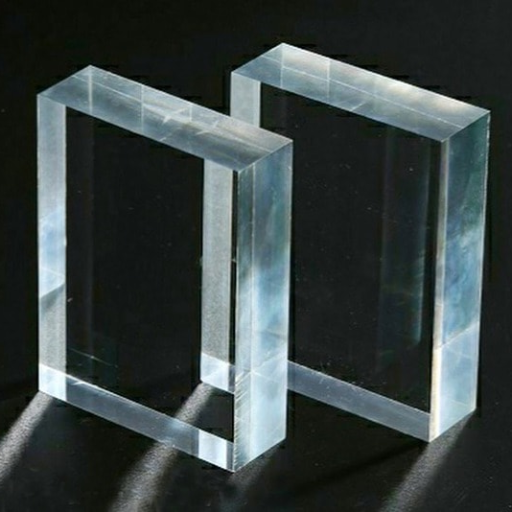
Acrylic offers numerous properties that make it an ideal choice for various applications. It provides optical clarity almost on par with or higher than that of glass, actually the highest since it can transmit 92% of visible light. And since it is 17 times stronger than glass, it provides a high degree of impact resistance and weather resistance for outdoor applications. Acrylic, being half the weight of glass, gives you the ease of machining, molding, or thermoforming into complex shapes. Additionally, it exhibits excellent UV stability, offering a range of colors, finishes, and thicknesses to suit any design or functional requirement.
Durability and Strength
The strength and durability that make acrylic suitable for numerous applications stem from its molecular structure, which enables the material to maintain mechanical integrity under specific environmental conditions. Laboratory findings on stress tests of multiple types of acrylics showed that the normal values for the tensile strength of excellent cast acrylic sheets were about 10,000 psi, which can resist huge forces without deforming. In contrast to glass, acrylic is shatterproof and can significantly reduce the risk of injuries from sharp fragments, thereby improving safety. Another property enhancing the material’s toughness is thermal stability, which makes it highly resistant to temperature changes ranging from -30°F to 190°F with little change in its properties. The ability to endure shocks, combined with tensile strength and the capacity to withstand environmental variations, ensures that acrylic applications, which demand long-term performance and structural reliability, are successful.
Clarity and Optical Properties
Acrylic transparent with optics is traditionally viewed as the most clear medium, permitting transmitted light rays with intensity levels of about 92%, as opposed to manufactured float-glass panels. They are employed in the manufacture of lenses, windows, and protective screens in the field of optics. The rendering capacity of acrylic is equal to a crisp, clear, and focused image with no haze or distortion. Acrylic materials can be tinted and coated in various ways to create special effects. However, such tints do not destroy visual clarity. Acrylic also has an extraordinary capability to resist UV radiation, maintaining its optical quality in the long term, without yellowing or disintegrating upon exposure to excessive sunlight. Here are some rendering-dependent considerations (requirements that must prevent the entry of visible light): these are reasons for drawing a fit in an application where high optical performance is desirable, coupled with aesthetic considerations.
Lightweight Nature of Acrylic
Acrylic shines in the lightweight category, weighing nearly half as much as glass while maintaining equal or enhanced strength characteristics. This lighter nature makes it easier to carry, hold, and install, especially when requiring large sheets or complex designs. The lightweight design also helps reduce shipping costs and minimize the need for structural support, making it a perfect choice for both industrial and commercial applications.
Types of Acrylic

Clear Acrylic
The most typical form of acrylic, it offers a high level of optical clarity and transparency, both qualities that are typical to glass. It finds use, for example, in windows, display enclosures, and protective barriers.
Colored Acrylic
With many bright colors available, this acrylic is utilized mainly for applications in signs, decorative panels, and artistic works where the color must be in harmony with other materials.
Frosted Acrylic
Matte and diffused, it allows light to pass while enabling privacy. It is commonly used for partitions, lighting fixtures, and screens.
Mirrored Acrylic
This version has a reflective coating on one side, somewhat similar to a traditional glass mirror. Such types are heavily used in interior design, retail displays, and other decorative applications.
Impact-Modified Acrylic
This type of acrylic offers enhanced impact resistance, greater durability, and improved resistance to cracking. High-stress applications, such as machine guards, protective barriers, and outdoor installations, are the typical uses.
Extruded Acrylic vs. Cast Acrylic
Extruded acrylic is more affordable and consistent in thickness, whereas cast acrylic offers superior optical clarity, strength, and chemical resistance.
Hand-Crafted Acrylic and Its Uses
The hand-crafted variety of acrylics is a more specialized class of acrylic materials that are shaped and finished to the minutest requirements. In contrast to machine-processed acrylics, hand-crafted acrylics take the course of craftsmanship to make singular designs, intricate detailing, and superior finishes. This specification applies particularly to niche markets such as luxury signage, custom display cases, artistic sculptures, and a modern class of furniture.
The pieces are cut precisely, laser-engraved, and finely polished. Where required, thermal bending is also employed, all to meet bespoke specifications. The manual labor required to produce these products is reflected in their higher cost; however, their durability, aesthetically pleasing qualities, and practical usefulness combine to justify their pricing in the handcrafted category. These solutions extend beyond interior decoration to precision-engineered parts required in aerospace or medical instrument domains, thereby placing a high value on craftsmanship in both technical and artistic fields.
Acrylic Glass and Its Applications
Acrylic glass, also known as polymethyl methacrylate (PMMA), has gained fame for its unique combination of properties, including optical clarity, impact resistance, and design versatility. Due to its lightweight nature, weather resistance, and ability to be easily molded into complex shapes, it has found applications in numerous industries. One dominant application concerns the construction of windows, skylights, and barriers intended for protection, in which the virtues of transparency and strength are highly valued. Beyond this, acrylic glass also finds uses in medical devices, including incubators and surgical tools, where sterilization is crucial, as well as for precise accuracy. The presence of an aerospace application attests to its technical viability, as evidenced by the use of PMMA for canopies and viewing ports in aircraft, which offers a superior strength-to-weight ratio. In any case, acrylic glass stands proud as the globally recognized and highly versatile generic material used in architectural applications, automotive designs, or consumer products.
Common Applications of Acrylic Plastic
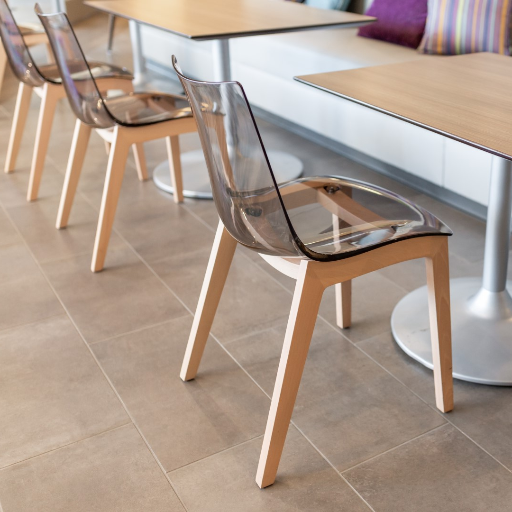
Architecture and Construction
For applications such as windows, skylights, and safety barriers, these materials are used for their qualities of transparency, durability, and weather resistance.
Automotive Industry
They are widely used for car light lenses and instrument panels as they are lightweight and highly impact-resistant.
Medical Equipment
It is found in areas such as incubator enclosures and surgical instruments where clarity and sterilizability are critical.
Aerospace Industry
The cockpit canopies and cabin windows benefit from these given the material’s superb strength-to-weight ratio and level of optical clarity.
Retail Displays and Signage
Being aesthetically pleasing and easy to customize, it is a standard material for point-of-sale displays, advertising panels, and illuminated signs.
Use in Signage and Displays
Acrylic materials are increasingly used in signage and display solutions of the present age, boasting attributes of unprecedented durability, visual clarity, and customization. Transparent acrylic with high light transmittance, akin to glass, below the weight guarantee for bright and lively graphics, suitable for both indoor and outdoor uses. On exposure to varying external conditions, UV degradation and weathering are of concern for any material being designed, making it an ideal choice for such applications. They are laser-cut, engraved, pillared, colored, or fused as per the client’s needs for outstanding visual display options. With further development of manufacturing techniques, acrylic-based solutions are now seamlessly integrated with LED lighting systems to efficiently illuminate signage and promote interest in its attractiveness.
Acrylic in Architecture and Design
Acrylic owes its versatility in the realm of contemporary architecture and design to its robustness, adaptability, and aesthetics. It is lightweight and immune to environmental degradation; therefore, it is an appropriate medium for all interior and exterior applications. For architects, acrylic finds use in transparent partitions and skylights, as well as in decorative panels and furniture pieces. Acrylic thus practically means glass with greater impact resistance at a lower weight and can be used in high-traffic areas or structures where people require safety.
The closest allied fabrication lines, including CNC machining and thermoforming, allow designers to create any complicated shape or structure. Its optical clarity makes acrylic highly conducive to amplifying natural light in architectural designs, further encouraging energy efficiency and promoting visually stimulating spaces. Moreover, with practically every color, texture, and thickness available, acrylic offers limitless possibilities for customization, which is why it is a key feature of contemporary design projects. These factors together solidify acrylic into the network of materials essential for creating innovatively expressive and robustly enduring architectural solutions.
Applications in the Automotive Industry
Since acrylic is highly useful in the automobile industry, primarily due to its durability, lightweight nature, and optical clarity, various components, including headlight lenses, interior panels, and rear light covers, are typically manufactured with it. The material presents the highest resistance to UV light and weathering, thus performing well even under extremely harsh conditions. Additionally, it offers excellent design flexibility, allowing manufacturers to create complex geometries and exquisite finishes, which benefits vehicles with higher functionality and visual appeal. These properties make acrylic a crucial material for modern vehicle construction.
Acrylic vs. Other Plastics
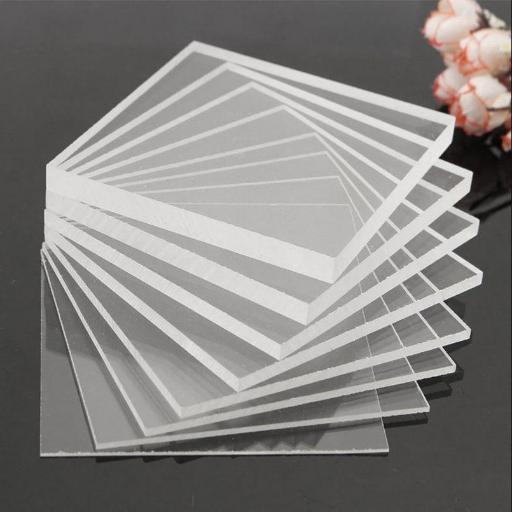
Acrylic differs from other plastics such as polycarbonate, polyethylene, polypropylene, ABS, and polystyrene in terms of strength, clarity, flexibility, cost, UV resistance, and weather durability.
This comparison highlights the properties of each material, enabling users to identify the most suitable plastic for specific applications.
Comparing Acrylic and Polycarbonate
Acrylic and polycarbonate differ in key areas, including clarity, strength, weight, impact resistance, UV resistance, cost, and workability.
This table concisely highlights the primary differences, providing a practical reference for selecting the most appropriate material for specific applications.
Acrylic vs. ABS Plastic
Acrylic and ABS plastic differ primarily in terms of strength, durability, rigidity, weight, thermal resistance, cost, and machinability.
This table provides a concise comparison to support informed decision-making based on the key attributes of each material.
Advantages and Disadvantages of Acrylic
✓ Advantages of Acrylic
- Lightweight: Acrylic is a much lighter material relative to others, making it an option for applications where excess weight is a disadvantage.
- Highly Transparent: It can transmit light almost entirely (92%), making it ideal for clear panels and displays.
- Resistant to Weather: Acrylic exhibits strong resistance to weathering, maintaining its original properties even after prolonged exposure to UV rays in outdoor environments.
- Ease to Machine: Easy to cut, shape, and polish, this material offers the flexibility of precision fabrication and custom treatment.
- Inexpensive: Acrylic is less expensive than glass or any other option, offering nearly the same transparency at a more affordable rate.
✗ Disadvantages of Acrylic
- Low Impact Strength: Acrylic cracks and breaks under pressure or sudden impact when compared with the stronger materials such as ABS plastic.
- Scratches Easily: Highly prone to scratching, its surface must be protected or cared for in sensitive applications.
- Poor Thermal Resistance: Acrylic has low thermal resistance, which can cause it to deform or melt when exposed to high temperatures.
- Chemical Resistance: It cannot resist the action of various chemicals, such as solvents, which can produce clouding or deterioration on the surface.
- Brittleness: Unlike acrylic, other plastics are flexible and thus suited for applications demanding high tensile strength and elasticity.
Reference Sources
- Wikipedia: Poly(methyl methacrylate) -A comprehensive overview of PMMA, also known as acrylic, including its properties and uses.
- AC Plastics: Types of Plastic – Insights into acrylic as a lightweight, shatter-resistant alternative to glass.
- Fab Glass and Mirror: Is Acrylic Plastic? – Explains acrylic as a type of transparent thermoplastic known as PMMA.
Frequently Asked Questions (FAQs)
Conclusion
Acrylic plastic (PMMA) stands as a versatile, lightweight, and optically superior alternative to traditional materials like glass. Its unique combination of clarity, durability, and workability makes it indispensable across numerous industries, from architecture and automotive to medical and aerospace applications. Understanding its properties, types, and applications enables informed decision-making for both professional and personal projects.