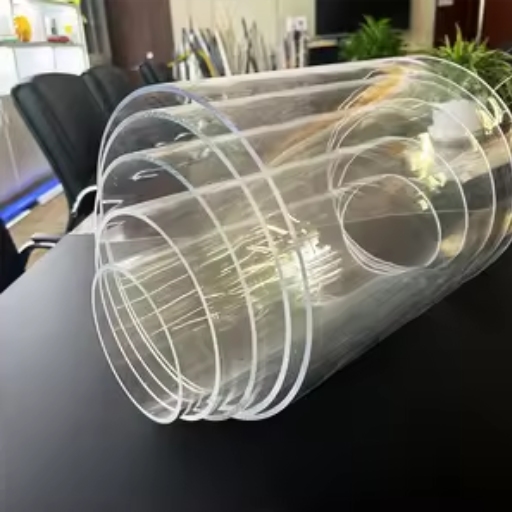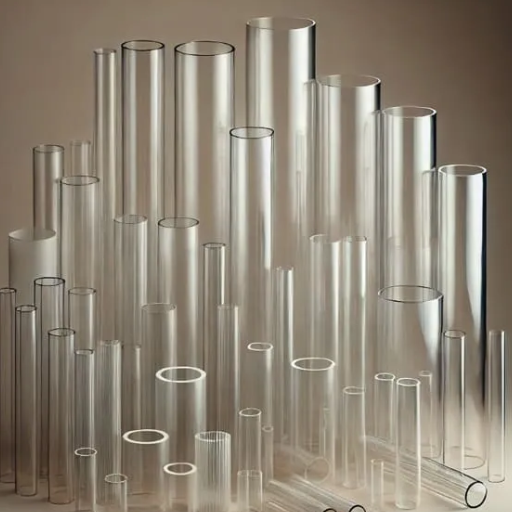

In many circles, acrylic is the first choice for creating swimming pools and aquariums due to its quality and durability. Conventional glass offers little protection as it is usually heavy and breaks easily, but this is not the case when using acrylic which is usually thin and quite strong which makes it perfect for handling either high water pressures or large volumes of water. The biggest advantage of acrylic as a material used in swimming pools is the transparency that brings out the full display of the swimming pool making it more attractive to the viewers. Most importantly, if required acrylic can undergo distortion molding and be formed into some specific types of shapes which may not be achievable with the other alternatives. Its anti-decay nature makes its useful life longer and therefore if people are to consider vegetation, this would provide many benefits to the gardening ecosystem.
Why Choose Acrylic for Pools and Aquariums?
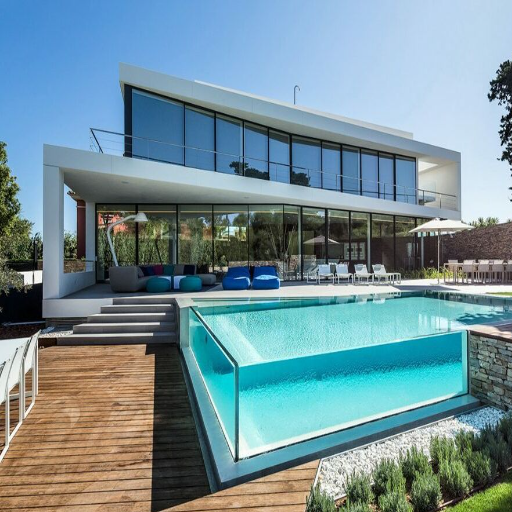
Acrylic is the preferred choice for pools and aquariums due to its robustness, neatness, and assurance. This material is rigid, which is why it can hold large volumes of water without cracking or breaking. One of the main properties of acrylic is its colorlessness. That is it is perfect for aesthetics since it allows the user to see through the acrylic surfaces. Unlike glass, acrylic is light, making it easy to manipulate, which leaves more room for inventiveness and design-tailored properties. Acrylic also turns out to be resistant to weathering and UV rays enabling it to resist degradation and hence to be durable, it provides a cost-effective solution to both structural finish and functionality.
Key Properties of Acrylic
Acrylic is a very favourable material as it is both practical and strong in many applications. It can withstand pressure, impacts, and loads without breaking, compared to standard glass materials. Acrylic is well known for its optical clarity and absorbs around 92% of light, allowing the passage of a pretty picture. Most important of all, it is resistant to UV light, rain, and humidity, guaranteeing that even if you place it outside, as in 1.7, the material will not deteriorate easily. Acrylic sheets weigh significantly less than glass, being almost half the weight, making them easier to handle and transport. In addition, it can be thermoformed into virtually any shape, taking into account different colours while doing so. If anything, it is a subject that is desirable in terms of ecology, since it is possible to recycle or reuse a significant portion of all products, it is an appropriate response to contemporary needs of sustainability, since many other products are traditionally persistent.
High Clarity and Transparency
Despite being renowned for exceptional optical clarity and high transmittance levels of up to 92% of visible light, which is even higher than traditional glasses can offer, this is only the tip of the iceberg in terms of the numerous applications that acrylic sheets can be subjected to. This enables the product to suit various applications that require an unimpeded view, such as display boxes, window glasses, and even partitioning and screening glass. Another factor is the advancement in acrylic structure manipulation, which makes it UV-resistant; hence, there will be no yellowing effect even with prolonged use of the product. Needless to say, acrylic remains a favorite for industrial activities such as construction or shopfitting, as it is robust and extremely transparent.
Impact Resistance and Durability
Acrylic is a material that is widely used internationally for its remarkably high degree of resistance against shock and breakage, a property that is particularly notable in comparison to other substances, such as glass. An article by BobC defined glass as being 17 times more resistant to shock compared to ordinary glass windows. Such physical properties are those that make the material especially useful for safety measures, as in the case of public spaces, sprinkler systems for sporting activities, riot control shields, bus windows, and so forth. The same can be said for its [acrylic’s] mechanical properties towards carcinogenic materials like UV exposure and moisture, which means that the life span of the material will protect how it has been made as well as its strength elements. Given these benefits, it is easy to see that the utility of acrylic material is long-lasting and its efficiency is high across various industries.
Benefits of Acrylic in Aquatic Environments
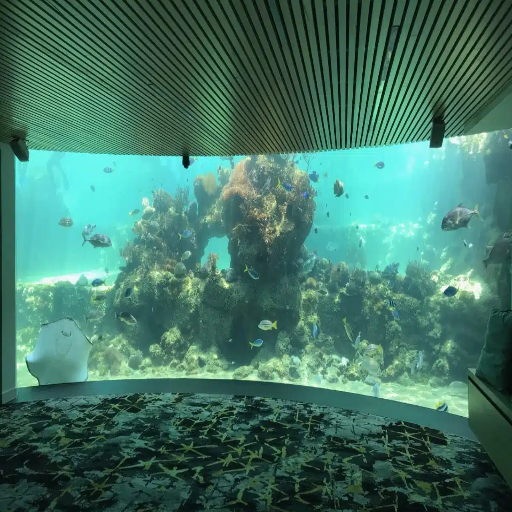
Acrylic is an excellent material for aquatic environments and has the following advantages:
Generally, when acrylic is used, viewers have a better and clearer view of aquarium objects, as it does not distort them properly. The see-through properties of acrylic bring about different aspects of viewing in aquariums and structures below water level.
Acrylic is a material that has a combination of impact, crack, and water pressure resistance, and this is why it is used to build such structures as underwater tunnels or big tanks and various other facilities in water.
Compared to glass, acrylic is significantly lighter in weight, making it easier to transport and use in large projects related to water.
Acrylic does not easily discolor and break down under normal sun light conditions.
Acrylic can be shaped and colored to suit any preference, benefiting aquascapes in particular.
Such advantages of acrylic as strength, aesthetic beauty, and others make this material widespread in many aquatic settings.
Seamless Viewing Experience
When it comes to any aquatic activities or exploration, acrylic glass is a crucial “ingredient”. It’s almost as if this material was designed for use in water-related applications. A great eye-catching effect is achieved using bulky multi-functional acrylic chunks, as their joining points are not noticeable. If only every acrylic panel were manufactured in this fashion, swimming in a pool with an aquarium wall built in would be an even more fascinating and unreal experience than it currently is. The optical properties of it leave no doubt regarding the explanation of its other calling, to observe the underwater world to the most minor details. This, in turn, makes each one of us want to explore the untold dimensions of the underwater world and wish it were like that or even better than the observable picture.
Enhanced Safety Features
Studies show that I am a glass wearer who can be suitable for high pressure within the construction or need of a lifestyle incorporating a clear, good-looking, and functional piece. They are essential for walls in buildings that require them more often in times of stress; this is evidence that extraordinary safety measures for them have been addressed. The five key safety features of an acrylic panel are as follows:
Explosion-Proof
According to the microscope, the transparent acrylic panel itself is up to twenty times more shatterproof than a glass piece. The stunning effect of the absolute lack of adequacy and omegawithin such a material can be devoid of high tensile strength, which is indeed very low.
Light
Throughout millions of years, people have altered the composition of matter in such a way that those that were once stiff due to gravity and the force of the elements have now become much lighter. In particular, acrylic panels are lighter than glass. This means that moving/positioning and fitting them are also easy and safe.
Ultimate Tensile Strength – Superior Tensile Strength
Acrylic, as often stated, is firm and can withstand a lot of water pressure, especially when used below water level, leading to a robust construction in such situations.
UV Protection
For this reason, acrylic panels do not have any adverse effects from UV rays when they have to be in the sun for so long.
Polycarbonate Clear Sheet
Acrylic has a distinguishing advantage over glass, in that if it slips or is intentionally dropped, it will not shatter into pieces as large as glass, thereby posing fewer breakage problems. This is a remarkable advantage, particularly in a project where the safety of both on-site visitors and aquatic species has to be ensured.
Long-Term Cost-Effectiveness
Properly used optical plastics offer much better long-term benefits compared with traditional materials, such as glass. Many optical plastics offer better cost-to-benefit ratios in use. This is achieved through strength, fracture toughness, and the ease of maintenance, resulting in a reduced need for ongoing repairs and replacements. They are resistant to wearing off, yellowing, hazing, or any other changes in appearance as they easily enable the incident UV fusion rays. Such excellent performance substantiates the high quality of the submitted pictures where the non-glaring detail is shown. Businesses are more likely to be profitable when using acrylic, as found in the cases of extensive facilities like fish tanks or structural requirements, compared to restricted allocated material handling needs. What optical plastics do is that they enable a user not to reduce the quality of the work being done beyond certain limits while being cost efficient.
Leading Acrylic Solutions for Pools and Aquariums
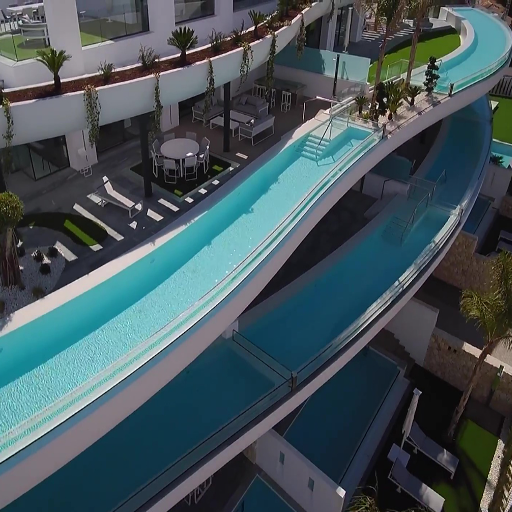
The title for acrylic is the top choice in pools as well as aquariums, mainly because it is the best in terms of clarity, durability, and flexibility. Both factors made it an excellent choice because it offers unimpeded views even at extreme water pressure. Additionally, because acrylic is more modern than glass, it is lightweight and can assume different forms and measures, making it very suitable for interior designs. Finally, its properties such as anti-ultraviolet rays mean that, as compared to most other substances, the surface of the acrylic will not degrade with time, thus reducing costs in coatings. To achieve the best results, purchase and use high-quality acrylic panels for the longevity and value of the workmanship.
Overview of Popular Brands
When it comes to superior-quality acrylic panels, it is well known in the market that there are several key players. Some of the well-known manufacturers include Acrylite, Plexiglas, and Lucite, which are notable for their strength, clarity, and attractive designs. Acrylite is a type of plastic that hides in this range because it is long-lasting and has many forms of application, as it is known for its ability to withstand. This is what makes it most customers favorite for businesses and other activities across the board. For various works and enterprises, especially in construction, the acrylic form of Acrylite is imaginative and very practical. And this is where we meet Plexiglas, considering how, on both the inside and outside, it is as clear as daylight, thanks to its high level of purity. The material’s uniqueness lies in the fact that it is both visibility-friendly and stiff for rugged designs. The good thing with Lucite is that they are known to offer acrylic panels in quality materials which are up-to-date and create sustainability in building. They provide a range of acrylic paints that one can use to create paintings that fade into popular themes. These brands continually update their offerings by introducing new technology and innovative green practices, ensuring their products remain in line with the latest state-of-the-art technologies used in interior design, building, and construction.
Specific Products and Innovations
LuciteLux® Frost
LuciteLux® Frost is an acrylic sheet with a unique aesthetic, known for its light-diffusing matte surface, which creates a wonderful and distinctive perspective. This material is employed to establish unusual and unique flavored features for walls, showcases, and wayfinding signs as it is beautiful and long-lasting. Additionally, it can be acquired in various hues, which can be used to satisfy both design and practical requirements.
Plexiglas® Satinice
Plexiglas® Satinice looks very attractive due to its contemporary design and significantly elegant interface. This material, also made of acrylic, is known for having microdefects on its surface, which prevents it from retaining dirt or dents easily. It is adhesive to various display tiles, given the dull finish, which is very famous for modifying furniture and perhaps even partition screens as well. In addition, its tough composition makes sure that it will fit well within any business or human habitat.
Eco-Friendly Acrylic Innovative Materials
The age of Eco-Lucite and Eco-Plexiglas better reflects the industry’s increasing attention towards recycling raw materials, as well as the energy-efficient means of producing them. Such innovations have become increasingly popular as they appeal to the current ecological society that is concerned with human impact on the environment.
Comparison of Acrylic Solutions
Acrylic products like ACRYLITE, Excelite, Vitroflex, and UC Acrylic products are very good in quality We design these acrylic products for aquaria and water systems.
| Key Point | Details |
|---|---|
| Brands | ACRYLITE®, Excelite, Vitroflex, UC Acrylic |
| Clarity | High transparency |
| Durability | Impact-resistant, weatherproof |
| Customization | Sizes, shapes, colors |
| Applications | Pools, aquariums, tunnels |
| Thickness | Up to 15 meters |
| UV Resistant | Yes |
| Safety | Shatterproof |
| Maintenance | Low |
| Warranty | Up to 30 years |
Case Studies and Real-World Installations
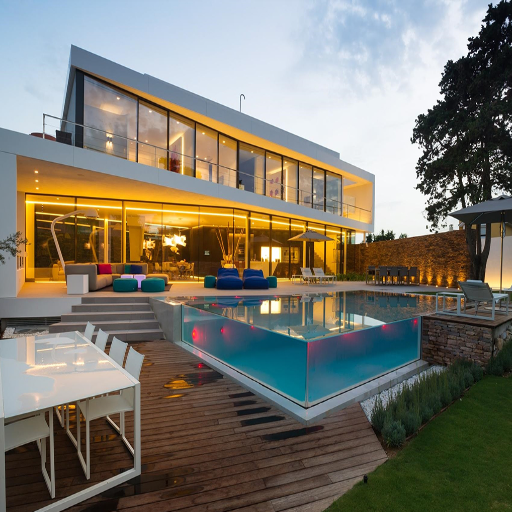
1. Stunningly Current Architectural Facades
Tautoplast constructions are widely applicable for modern buildings due to their stiffness and transparency. For example, at the ABC Corporate Headquarters in southern Germany, plexiglass panels were used to create a facade that was very bright and airy, making it resistant to rainy weather.
2. Cutting-edge Greenhouse Solutions
Technologies such as acrylic have been used in projects involving greenhouse construction, as in the case of the Urban Farming Initiative, or as better known, the XYZ Urban Farming Initiative in Singapore. The properties of high light penetration and heat retention of Lucite, for example, have enabled the enhancement of plant yield while also reducing the use of other resources.
3. Advances in Retail Displays
Innovative Lucite has been incorporated in selective turn-key modular and friction-fit wall systems for the retail sector by the home superstore giant UVS. It has provided a unique retail environment that emphasizes the product terminal in the best way possible, showcasing hard lines and textures with minimal use of fabrics.
These examples both emphasize the high adaptability of acrylics to meet different requirements in various projects across multiple sectors.
Iconic Pools Featuring Acrylic
Acrylic is a valuable material that produces innovative swimming pool designs due to several qualities it possesses. In this case, pools that utilize acrylic walls offer sightseeing that is always one of a kind, as these pools tend to fit seamlessly into modern buildings and their surroundings effortlessly. A good illustration is the artificial beach within Marina Bay Sands, which features a pool with a shallow depth but a clear acrylic upper edge that widens from one side, creating the illusion that the water extends right to the physical horizon. Equally, there is the acrylic Bondi Icebergs Pool facility, which features an underwater vantage point that provides visitors with a significantly more spacious viewing area. These are the best examples that aptly utilize acrylic form the construction industry as the cutting edge of the best aquascape that forgets playing chip and faces the exhaustive boundaries of underwater life.
Innovative Aquarium Designs
Groundbreaking in construction, aquariums that continually integrate technology, and an appreciation of engineering and the arts have not only made it possible for such underwater experiences to be achieved but also captivated the minds of children of all ages. The introduction of acrylic material has taken a step in the right direction, with many believing that such construction has made designs for building aquariums ideal, as people can now view clear and significant objects of interest through the walls. An exemplary feature that promotes the use of such panels is those in use at aquariums, such as the Okinawa Churaumi Aquarium located in Japan, as they minimize the need for screens separating marine fauna, thereby preserving the deeper depths of these features. Additionally, immersive styles are also available, utilizing virtual reality, holographic methods, and integrated technology, which enables a more effective learning experience for children and generates increased interest among visitors. The deployment of various techniques gauges the effectiveness of arts and technology in turning an aquarium not only into an amusement but also into an educational institution. This is a spectacle that attracts people from all over the world.
Project Highlights
- The Latest Educational and Pedagogical Innovations Utilized in Museums: It includes modern technologies that provide active and engaging experiences for all visitors regardless of age.
- ‘Green’ Construction: Recent architectural styles have started to lean toward sustainable construction practices, incorporating solar and greywater technologies in construction to address the realization of environmental consequences.
- Protection of Biodiversity Increase: The variety of projects promoted through this scheme highlights the problem of dwindling global wildlife and species, and how they can be addressed through ecosystem-based approaches.
- Engaging the Community Effectively: The GARIFIC, which is implementing seven TRAFFIC projects across ten countries in West and Central Africa, as well as in the Sathiya Kudi districts in India, also employs local communities. Governance is exercised ineffectively by a Users’ Committee.
Reference Sources
- Organizing a public aquarium: objectives, design, operation, and missions. A review – Source: ResearchGate
- Opportunities for public aquariums to increase the sustainability of the aquatic animal trade – Source: Wiley Online Library
- The ocean at home: an illustrated history of the aquarium – Source: Google Books