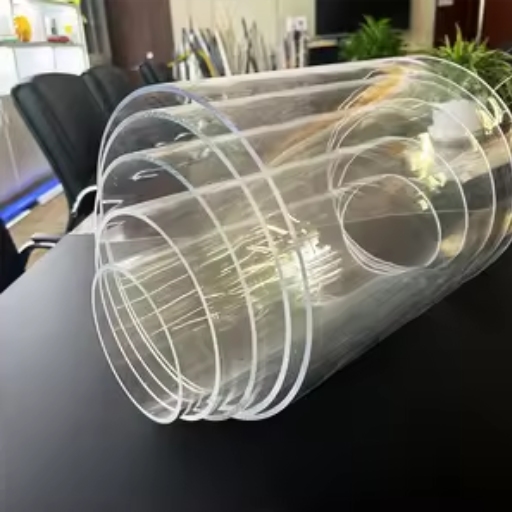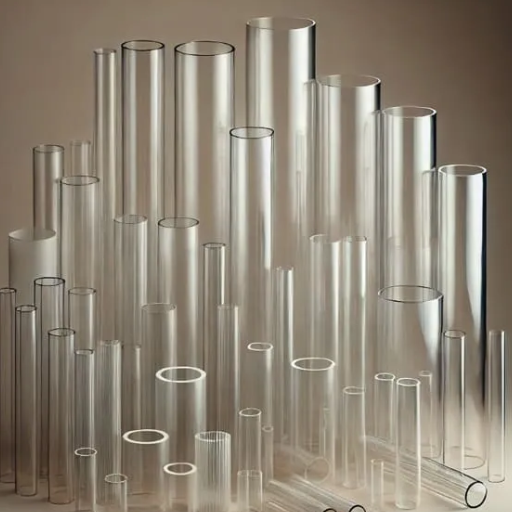

Among all other modern building materials, acrylic is rapidly gaining prominence. It not only allows the creation of very effective and most critical practical structures but also allows the decay and elements of architectural plastics to become the center of aesthetic activities in architectural design. Acrylic plastic is versatile, with applications ranging from basic uses to the most futuristic aspects, such as colored acrylic cast into various shapes and painted or illuminated. The material, thanks to its particular properties, is likely to offer multiple fields of use to both architects and designers across all extremities. This work examines the evolution of acrylic as an architectural medium, while also outlining its potential and aesthetic capacities. Whether readers are looking for ideas for their new work or are simply curious about how current materials are used in design, this text indeed places acrylic glass into the limelight as one of the most dynamic building materials.
Introduction to Acrylic in Architectural Design
Initially, a thinly sliced object was enwrapped, and its meanings were modified by the sudden and violent creation of a spatial dichotomy between void and solid.
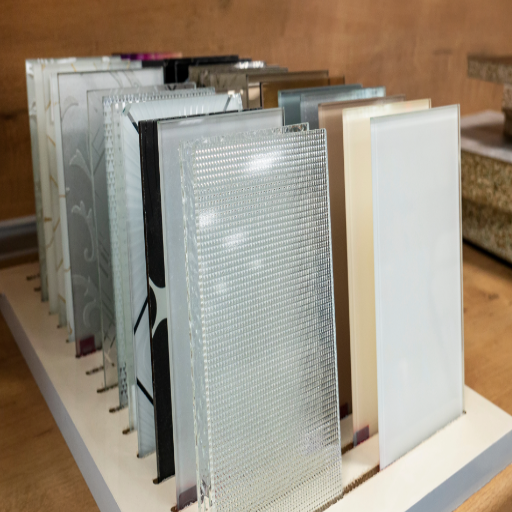
Mention the material that we call plexiglass and how it is often referred to as acrylic, and why engineers and designers often prefer to use it, enabling project performance due to its lightweight nature, it is strong in structure, and it is portable. There is even acrylic referred to as glass or more resilient to the same, whether it’s breaking or any kind of external pressure force. Some sorts offer acrylic stained glass-like effects, such as acrylic, which is more suitable for creative finishes, alternative designs, or any number of false walls, lending themselves to decoration and construction. This type of pigment is more appealing to project developers due to its ease of use and increased functional quality, which makes it suitable for use in a wide range of applications, unlike other designs.
Overview of Acrylic as a Material
Acrylic material is instrumental and possesses several beneficial features that make it essential in housing and industrial construction. It should never be consumed. It is not lost on the industry how some people have jokingly failed to take this s… It is a versatile material that is widely used in both residential and commercial construction. Its uses are many, and it is difficult for a person to use it without benefiting from its advantages. Its lightweight and complete flexibility push design to require things to have full performance of up to 100%.
Furthermore, although it is not often discussed, most people find a home automation system resourceful in unexpected ways. Another good pastime is light acrylic machining and other similar activities that may involve forming household appliances and various other mechanical machinery. Glass cannot be compared to acrylic in terms of optical clarity. Hence, large lobbies such as those in the Acrylic Inno. Environment will be a primary reason for choosing an acrylic material. Some events can be conducive to buying or hiring decorative paintings, such as picture framing or putting up traditional concrete exhibits. Acrylic has improved over the years, and if used in combination with paints, it has excellent covering properties. Acrylic, unlike glass, is less prone to breaking when used in the manufacture of window glass.
Versatility and Functional Benefits
Several elements make acrylic a unique and versatile material for various applications. It is therefore essential that, as I help compose this essay, pertinent details and characteristics of acrylic are outlined. Here are five facts that emphasize the versatility of this material in the industry:
Acrylic assets are for the most part clear, which is why they are fit for such applications and have a maximum transmission rate of 92% as opposed to many other types of materials. This has become significantly more effective compared to glass, especially when a clear view is required, as in windows, holes, and aquariums.
When compared to glass, acrylic is considerably lighter. Even finer still, it is able to possess more transparency thus reducing the expenses associated with both shipping and installation. Unlike the latter material, however, this resin brings savings and convenience without altering any critical aspects of the actual build.
Due to the construction, the regenerative properties of the materials are enhanced, and acrylic does not turn into mud or tarnish in the sun’s light. This is useful as it means these materials – and this includes, but is not limited to, furniture, weather screens, and decorative fittings that will be exposed to the elements – will remain in good condition for many generations.
Aesthetic Appeal in Architecture
As a result, acrylic has added a whole new dimension to modern architectural designs, offering both positive qualities and the ability to create snazzy-looking images. A transparent, nice appearance comparable to glass is certainly irreplaceable in modern buildings made from this substance, which is both lightweight and thinner. The material is used not only in skylights, but in balustrades, or even decorative panels for walls and ceilings in order to brighten the space wherever thermal presence is either unnecessary or has reached its maximum use. Furthermore, the surface can be colored, frosted, or roughened without losing its energy, making it look beautiful. This adaptability is sufficient to ensure that acrylic, or the way it encourages this quality in art and architectural design, remains at the very forefront of the architectural profession.
Understanding Acrylic

Acrylic is useful in many forms of structures. When dealing with design, particularly the creation of lightweight projects, it is recognized that acrylic is an optimal material because of its ability to withstand strain and its light weight. Moreover, in most scenarios, acrylic is often used to mimic glass because it can be used without the hazard of breaking it. Acrylic is also very workable and weldable, so it is typically used in various construction aspects, focusing on designing constructive components such as decoration and plastics, as well as lighting, signage, and even windows and door frames. The latter can withstand high orders of stress subjected to operating conditions as well as prolonged exposure to sunlight.
Definition and Properties of Acrylic Sheets
Plastic sheets offer numerous benefits, which is why they are preferred in both residential and commercial buildings. Very strong, lightweight sheets do not cause difficulties when it comes to shipping and installation, unlike ordinary glass. These are named after appeal because they enable unrestricted views and a pleasurable texture, and are break-resistant to prevent ugly cuts in places where there is a high chance of glass objects being unsafe. Acrylic sheets are also suitable for use as plastic shapes, as they are easy to tailor into various cuttings or bent into almost all shapes, making them useful for design and engineering purposes. Not only that, but they also have a playtime even in the most grueling outdoor conditions, thanks to their durability against the elements and chemicals, in addition to their ultraviolet resistance. Acrylic is therefore an ideal green option that is flexible.
Comparison with Traditional Materials
Compared to glass, wood, and metal, acrylic is a superior material due to its lightness, durability, multipurpose nature, and cost-effectiveness.
| Material | Weight | Durability | Versatility | Cost | Aesthetic |
|---|---|---|---|---|---|
| Acrylic | Lightweight | High | Very High | Affordable | Modern |
| Glass | Heavy | Fragile | Moderate | Expensive | Classic |
| Wood | Moderate | Moderate | Limited | Moderate | Rustic |
| Metal | Heavy | Very High | Limited | Expensive | Industrial |
Impact Resistance and Durability
It emerges that acrylic sheets are popular primarily because they are less likely to break or chip, unlike their ceramic counterparts. A fall-off appears to be in the surrounding area, thanks to caution being exercised in the event of an accident, which may occur. In addition, if they are out and about for any length of time, they do not appear to be perishable, as they do not wear out or develop suitable cracks, and last for quite a long time, as UV rays can penetrate the plastic in any direction they see fit. They are pretty resistant to temperature fluctuations and are significantly stronger than glass or its equivalents—no wonder they have become an efficient solution for the modern world’s needs.
Benefits of Using Acrylic in Architecture
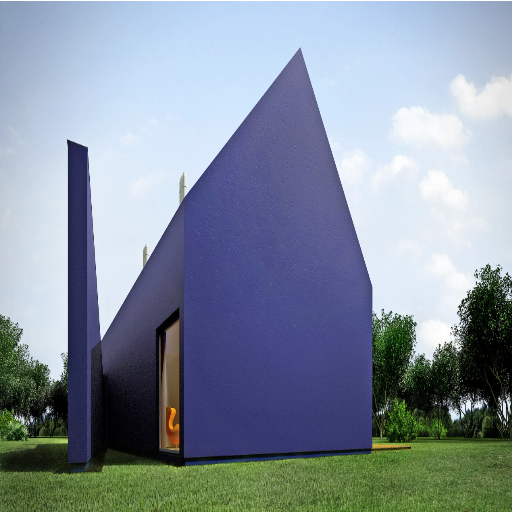
- While Light, Acrylic is Strong: The diminutive weight of acrylic, compared to glass, makes it more manageable in terms of both transportation and installation procedures. Despite this, the material is still characterized by it remarkable mechanical strength and resistance to impact.
- Creativity: Thanks to its versatility in being molded into a range of geometrical shapes, the building industry can consider more adventurous ideas in construction without compromising the load-carrying properties.
- Optical Clarity: With the extraordinary clarity of acrylic, it is possible to achieve the effect of complete light transmission, creating numerous light spaces within any architectural project.
- Resistance to Weather: Being resistant to tinting, cracking, and ultraviolet rays, acrylic withstands the harshest of climatic conditions.
- Affordability: The fact that it is long-lasting and requires very little maintenance makes this a high-quality material, and even more so over the years, for both small and large town infrastructure projects.
Lightweight and Easy Installation
Acrylic’s generic name, PMMA, has extraordinary properties that enhance the material’s quality compared to traditional glass. The weight of acrylic sheets is significantly reduced compared to glass, making them more convenient for transportation and installation. The processing, or more precisely, cutting of sheets is also easier, which means less effort is required in buildings that are customized, allowing for alterations in their shape. For specific applications, glass can still be a cheaper option; however, overall, given the tools or lack thereof required for building installations, acrylic wins in most areas, making it a good product to use in today’s construction.
Cost-Effectiveness Compared to Glass
The striking price difference between acrylic and glass occurs for several possible reasons. Regarding bulk purchases, the fact is that acrylic pours more agreeably than standard glass, despite all the practical implications discussed in the preceding analysis. And in general, the less weight of acrylic results in a lower cost of moving the material, and of course, a high occurrence of breakages while on transit too. The weatherability and impact resistance of this material also allow it to be used for much longer than glass, and for this reason, the replacement cost is reduced. This includes factors such as lower maintenance costs and the thermal properties of the material, both of which are beneficial in replacing glass with acrylic.
Transparency and Light Transmission
Acrylic is best known for its transparency, which is nearly perfect, and good light transmission values, making it a performance material suitable for any application or usage. The transmission value of light, light-gathering, and light-retention ability in the material can be very high, about 92%, and rises to the level of glass, enabling the clarity and brightness needed for various installations such as windows, including those set high in the room and those used for displays like those in showcases. Modern research and advanced development on acrylic has brought in limited gains in the creation of special tour coatings and alterations that reduce the occurrence of haze and provide protection from harmful sunlight with no sacrifice to the overall clarity. This technology helps acrylic outperform in areas where the effective scattering of light and its safe use are crucial. Designers and architects working on any sort of structure, foreseeable or not, including those for manufacture and articles aimed at bejeweling, will always be interested in acrylic due to its transparency levels and all-inclusive qualities, which support the material’s popularity.
Common Applications of Acrylic Sheets in Architectural Design
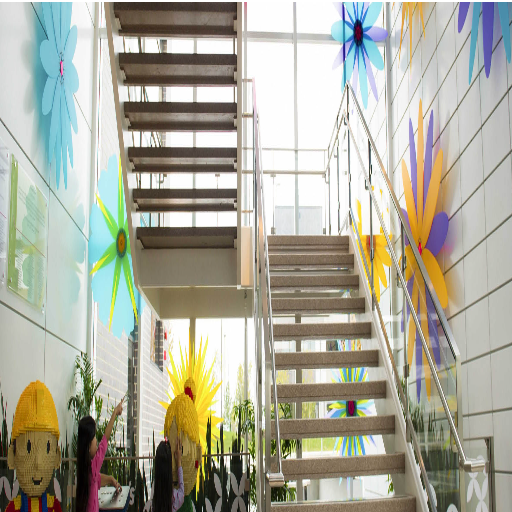
- Roof Windows, also known as skylights, and White Roofing: Acrylic roofs are often preferred for skylights and roof panels, as these sheets are robust and can withstand the effects of weathering. They are environmentally suitable, allowing light into the house while insulating and protecting the room against the harmful ultraviolet rays of the sun.
- Partition Walls and Wall Board: Simple to use and available in many variations, orderless to piece together, acrylics are perfect materials for operational and aesthetically sound home / commercial section division.
- Glazing Materials, Including Doors and Windows—and Their Facade: Acrylic is a lightweight compound used for windows and doors as an improved version of the glass material, which remains strong, clear, but has a higher breakage and lean handling.
- Sign Systems, also known as Business and Retail Signage: Often, businesses and retailers on premises use acrylic sheets in creating signage as these are most efficient in terms of aesthetics, technology, and even against the existing signs made of other materials installed outdoors.
- Railings and Balcony Railings—Integrity, Design, and Décor: Clear polymer acrylic plastic products are suitable for making balcony railings and stairway railings due to their reliability and transparency, as well as in fitting rooms in terms of popularity and aesthetics.
- Decorative Features: To add an attractive and transformed quality to decorative features, the acrylic finishes are great for the task of backlit displays, light boxes, or custom installations, etc., in which the acrylic acts as a clean light-carrying media within the elements in the space.
Windows and Skylights
The use of acrylic compounds in the manufacture of windows and sunroofs is gradually increasing owing to resilience, lightness, and good transparency. The fact that acrylic is usually less transparent than glass falls under the category of green engineering, as it is not only insulating and thick but also shatterproof. Its built-in ductility allows it to stretch the boundaries of any rectangle by a certain length and width, making it an excellent choice for designing modern buildings. Moreover, technological developments have led to the introduction of UV-resistant acrylic materials, which are more durable and exhibit reduced levels of yellowness over time. That is why there has recently been a surge in the use of Acrylic, both in residential and commercial installations, which want a service and design combined.
Partitions and Dividers in Modern Interiors
Partitions and dividers are vital elements in today’s architectural designs, as they offer both practical and aesthetic benefits. The purpose of these decorative elements is to create a place of comfort and productivity without creating actual solid walls, which is the case in the more recent designs. For instance, acrylic dividers are suitable because they are light yet stronger than they look, creating a display that looks nice while also adding some strength. Hence, natural light will flow freely while privacy is also maintained, especially in offices, working spaces, and even living areas where the plans are open to one another. Moving on, current practices are characterized by one being able to enhance while adding depth and dividing two sides of an accommodation with spatial beautification matching or contrasting the other interior’s colors and designs, making it easier for the woman or the interior designer in general to create the atmosphere they want.
Creative Uses of Colored Acrylic in Construction

Colored acrylic has numerous applications in construction for various reasons, including its versatility and aesthetic appeal.
- Colored acrylic can be used to create interesting and visually appealing wall panels that serve a dual purpose within a living space. It can be bonded to the walls and has lighter weight, beautiful properties, which also make it light and pleasing to handle, making it a popular material with designers today.
- Their colorful or clear coatings make it an excellent room element that is bound to attract attention from everyone. BJ and RT rooms, which are two common types of rooms, differ in that the former can be divided by acrylic panels, allowing for flexible segregation between the sections.
- In that case, colored acrylic can be used as insulation for modern or classic homes, which can have windows or even skylights. As well, decorative materials in the houses can be enhanced using colored acrylic in places where stained glass is ordinary instead than having colored glass.
- Custom Shape: It is also recommended due to its flat and transparent surface, as well as its impressive pigment density, for most indoor and outdoor signage applications.
- Design of furniture is new. Acrylic is commonly used to create colourful works of art with functionality, such as table tops, cabinets, and storage.
These examples emphasize the potential of the material to contribute to the operation and look of such construction projects.
Colored Acrylic Sheets in Architectural Projects
Colored acrylic sheets offer a high level of adaptability in the construction field, as they allow for combining a sturdy build with a pleasing design. These boards have a high resistance to aging, which will enable them to be used not only as an element of indoor decoration, but also for the exterior of buildings. The ability to absorb very little weight and also to be very manageable makes it possible to add characters to the building, such as transitional elements, partitions, and even designs made of color materials that emit light, all without going against these design principles. Moreover, the development of production facilities along with the production of tailored colors, finishes, and patterns has made heightening the complexity of designs a very straightforward affair. Whether employed in the construction of a new transformational building façade, or as a low-energy solution to the challenge of light pollution, colored acrylic sheets represent an essential step in the new current architecture.
Backlit Panels for Dramatic Effects
The use of backlit panels in modern interior design is widely recognized today, as they excel in creating striking visual effects and atmospheres. These are materials with a raised surface, which, thanks to the presence of light sources behind them (LEDs), such as colored acrylic sheets, provide either uniform light coverage or sharp emissions (due to the physical properties of such materials, but they have a relatively high Thomas coefficient). Backlit panels are widely used in various spheres of commerce, including advertising, stage art, marketing communication, and graphic design, as they combine efficiency and aesthetic appeal. This can be attributed to the fact that a majority of us welcome efficiency and convenience in such aspects. For example, Google does not fail to recognize how frequent their search queries are concerning enhancing the image of close-up compositions using LED lighting. However, the focus of interest lies in issues of energy compatibility and aesthetics.
Reference Sources
1. AI-enhanced conversational design process for the development of structural AirWebs
Publication Date: 2025-06-27
Authors: Juan Carlos Dall’Asta, Giancarlo Di Marco
Key Findings: This research proposes an AI-integrated conversational design process for developing “Structural AirWebs.” The study demonstrates how technology-augmented biomimetic workflows can lead to scalable, responsive solutions that strike a balance between environmental sensitivity and technical precision. Specifically, the prototype features a 15 × 5 × 5 m aluminum framework that suspends “morphemes” (laser-engraved acrylic panels) via steel cables. Computational simulation is used to optimize cable tensioning and panel alignment, drawing inspiration from the resilience of spider silk.
Methodology: The design process involved a progressive sequence of experiments, moving from simpler to more complex patterns. It integrated AI, biomimicry, and computational design, using AI-generated patterns and parametric tools for iterative refinement and simulation of spiderweb-inspired geometries. The workflow emphasizes a collaborative, conversational exchange between the designer and technology.
2. Performative System Linking Design and Developing System Based on the Behavior of Material
Publication Year: 2023
Authors: Hetal Desai, Satyam Vishwakarma
Key Findings: The primary aim of this study is to establish acrylic (thermoplastic) as a viable alternative building material for architectural outer skins, facades, and interiors, particularly for achieving required or desired curved forms.
Methodology: The abstract does not detail the specific methods; however, the TL;DR indicates a focus on the “behavior of material” to link design and development systems, suggesting a material-centric approach to experimentation or analysis.
3. Pollution Effect Of Painted End-of-Life Tires On Water Resources: Case Study Of Landscape Applications
Publication Date: 2023-07-27
Authors: Sezen Coşkun, C. Sahin
Key Findings: This research examines the environmental impact of reusing End-of-Life Tires (ELT) that have been painted, with a focus on their applications in architecture and landscaping. It found that acrylic spray-painted ELTs can release toxic pollutants through leaching into water resources. Electrical conductivity (EC), Total Dissolved Solid (TDS), and Salinity consistently increased as soaking continued in both lake water and ornamental pool water, with ornamental pool water showing higher values. The study hypothesized that landscape applications (such as decorative or park pools) have a greater aging effect on acrylic-painted ELT than lake water, thereby increasing the risk of water pollution.
Methodology: The study researched acrylic spray-painted whole-size ELTs to evaluate general leaching characteristics under two different water sources (lake water and ornamental pool water). Measurements included pH, electrical conductivity (EC), Total Dissolved Solids (TDS), Salinity, and turbidity.
Frequently Asked Questions (FAQs)
An extensive range of advantages is brought to the practice of architectural design when professionals utilize acrylic materials. Among these can be attributed the weightlessness of acrylic sheets, high resistance of surfaces that require no maintenance and thriftless light that is incredibly beautiful. This is where acrylic sheets come as a savior since advances in its technology not only enhance the appearances of structures but also allow efforts to reduce their energy consumption and reduce the use of artificial lighting.
There are wear acrylic is used in modern architectural structures, including in construction. The art of architecture offers a wide range of possibilities, including standard elements such as acrylic light structures or architectural decorations. Acrylic is excellent for these purposes, as it reduces reflection and is available in a wide range of colors and finishes for structural enhancement.
Acrylic plays a significant role in interior design, adding sophisticated elements that complement the space’s character. It is lightweight, hence very easy to work with, and its wide range of colors and finishes is a crucial factor when wanting to achieve a combined interior design. What is even better, the acrylic, besides lighting up the room, is also far more cost-effective in the context of its energy efficiency.
In architectural construction, the need for simpler-looking colored acrylic sheets is rising, and such include windows and roofing skylights. Installation of such colored sheets is very flexible and it allows architects and designers to achieve their designs and improve the daylighting in rooms unnecessarily.
Acrylic can be regarded as an element that promotes energy efficiency due to the minimization of the use of electric light. Transparent materials have excellent properties concerning the passage of light without losing intensity, and are conducive to specific uses, such as making light distribution to interior surroundings possible. All these parameters of acrylic make it a worthy and welcomed material for practice in ‘green’ architecture.
One of the most common uses of acrylic is in art projects due to its transparency and weightlessness, as well as the possibility to model it in various shapes and sizes.At the same time, the aesthetic values are of great significance as the material allows light to penetrate, therefore is used in creating effects and perceptions with other materials, which are also used in the decoration of a space – all these offer the possibility of turning conventional places into artistic and liveable ones.
One could say for sure, yes. One can have the acrylic glass shaped precisely to fit the given architecture, thus allowing for numerous creative options. It can be manufactured in any geometry, size, and shape, and possibilities for color integration with the corresponding designs can be explored. This is extremely important in enhancing both the aesthetics and the overall function of the building.
In particular, regarding the sound quality and clear acrylic sheets, the essential idea would be to commence production of acrylic sheets. In more specific terms, the production process begins with the polymerization of the raw materials, resulting in a transparent acrylic resin. This is because the processing of this part is critical, and the clarity of the picture from the material depends on the light. The sheets developed have undergone quality checks to ensure they meet construction standards.