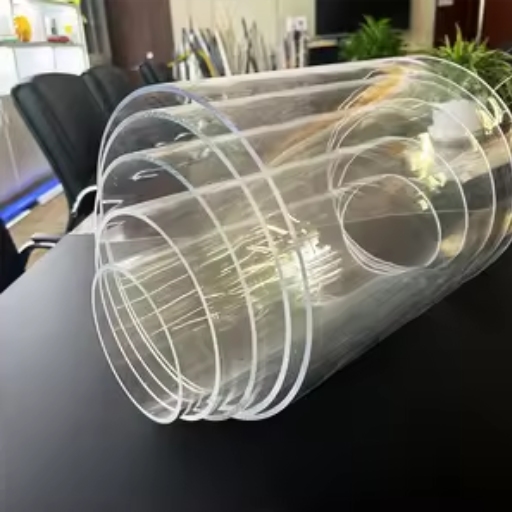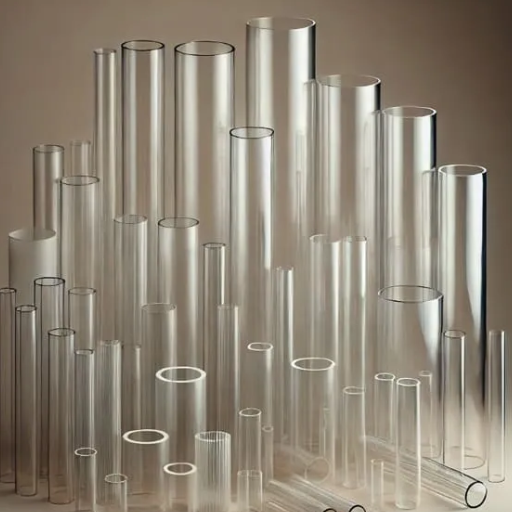

In the design of any construction – be it residential, commercial, or industrial, there is always a need for artificial light, sunlight, color strips, or illumination of any kind. An even brighter mention should be made of the light diffusing acrylic sheets, when it is intended to achieve the optimum light balance, the possibility to brighten areas, and the enhancement or beautification of the areas. The acrylic material itself also has its advantages, one of which is its ability to handle a large amount of light. Let us analyze properties of acrylic material, which have recently embraced additional uses of these materials, including the development of contemporary lighting. This paper examines the benefits and applications of acrylic as a lighting component, in practice, and among various social class groups. From eco-friendly practices, step up and go beyond with creative lighting ideas, look at how acrylic can light up the places that are proposed to be lived in.
Introduction to Acrylic in Lighting
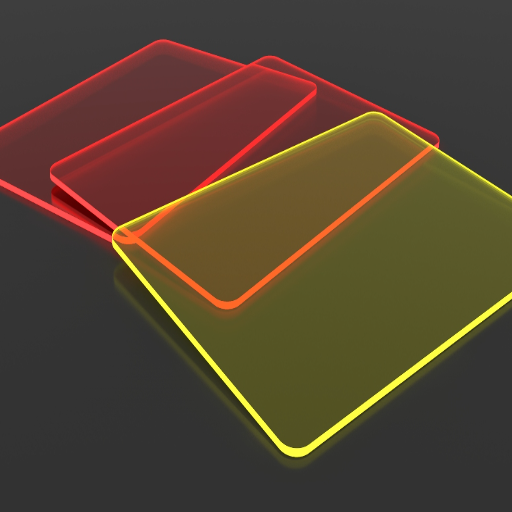
Being one of the most popular materials in lighting today, acrylic is recognized for its highly transparent nature, its moderate weight, and its strength, among other properties. It effectively helps in the spread of light, thus does a commendable job in providing uniform illumination wherever it takes place. In addition, the material remains untarnished over time and holds together with force, as it is highly resistant to impact, making it well-suited even for harsh locations. As such, it is clear why this item can be utilised successfully in making any kind of functional or ornamental light fixture.
Overview of Acrylic as a Versatile Material
The functionality of acrylic for lighting is not the only reason such a wide range of industries uses it. Thanks to the characteristics of acrylic that allow it to be shaped into various forms and sizes, it is possible to create innovative designs in areas such as architecture, construction, transportation, and even everyday products. Acrylic masks are used in the manufacture of display cabinets, signs, and even patient treatment equipment in the medical sector due to their lightweight and transparent nature. Many, particularly the ones dealing with color, texture and light stability, will attract many more people with the advent of these phenomena in the field of acrylics. This is all in addition to the fact that, because it is better for the environment, being recycled, it is even more readily available for use in creation and engineering.
Key Benefits of Using Acrylic in Lighting Applications
High Transparency, High Light Transmission Flexibility
Acrylic is highly efficient in terms of light transmission. Transparency rates are impressive, ranging from approximately 92%. As such, acrylic is quite preferred for illumination purposes, such as with LED and other applications, where clarity and light transmission are considered crucial. Acrylic’s optical properties enable uniform light distribution and minimize the effect of possible sources of glare, thereby optimizing illumination.
Easily Manipulatable and Long-Lasting
Acrylic applications save on weight compared to glass, making them easier to lift, carry, and install. On the contrary, however, this is the tensile strength of acrylic, and it is this characteristic that makes acrylic suitable for places where there is a lot of impact or those built to high usage conditions.
Reconfigurable
Acrylic is a material that is reconfigurated into any conceivable form. In other words, it is easily remolded, cut, or colored to create the type of lighting desired. This feature provides a flash of an image that attracts the designer to produce something like ordinary lighting pieces, which also meet the intended illumination purpose.
Ultraviolet Stability and Weathering Resistance
Acrylic, whether used indoors or out, commonly comes with UV shielding applied. This is particularly reinforced by its quality of whether it turns yellow or not under prolonged sun exposure and after getting stretched by climatic conditions.
The artificial lighting technology consumes excess energy in an attempt to cover the required space to achieve the necessary lighting levels. This can be achieved by using acrylic sheets, which offer better light diffusion compared to other transparent sheets, even within a small thickness. Improve performance in terms of luminaire design and enhance light transmission to the required area, thereby increasing lighting efficiency.
What Makes Acrylic Ideal for Lighting?
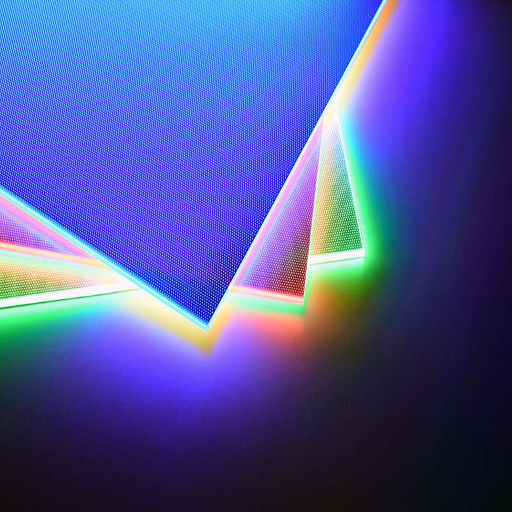
Light fixtures are a great application of acrylic owing to its exceptional light transmission, coupled with durability and usability. With this material, nearly 92% of light penetrates, resulting in broad and even lighting throughout the room. Remarkably, acrylic is resilient to the detrimental effects of ultraviolet light, as well as other atmospheric conditions, making it suitable for both indoor and outdoor use without compromising transparency. It is thematic to the item that the product is lightweight and can be easily shaped due to the presence of acrylic. After all, acrylic resins come in a variety of compositions offering select reflective qualities that suit specific designs and purposes in lighting.
Properties of Acrylic: Transparency and Impact Resistance
In general, no acrylic paint is known for its prettier translucence, which allows the light to pass and transmit up to 92% of the available light. This is an advantage, as acrylic products, such as showcase boxes, windows or signs, are much more suitable for those applications where visibility is essential. All these qualifications can be easily achieved by the product thanks to its transparency. Acrylic also stands out for its excellent impact resistance. Even being included in the category of fragile materials (i.e., glass wallers), acrylic is light-years ahead of glass in terms of its impact resistance and is about 17 times more resistant to impacts. This not only prevents the item from breaking if it drops, but also protects the edges perfectly as such. The reason people tend to use this material in other environments, including but not limited to safety, is that acrylic breaks less easily and has a crystal-clear appearance.
Comparison with Other Materials: Glass vs. Plexiglass
Plexiglass differs from glass in being more lightweight, impact-resistant and easier to manipulate, but it is a common truth that glass is more durable against scratches. It also gives a more upscale impression than plexiglass.
| Material | Weight | Durability | Clarity | Scratch Res. | Cost | Use Case |
|---|---|---|---|---|---|---|
| Glass | Heavy | Fragile | High | High | Expensive | Premium decor |
| Plexiglass | Lightweight | Impact-resistant | High | Moderate | Affordable | DIY, outdoor |
Types of Acrylic Used in Lighting
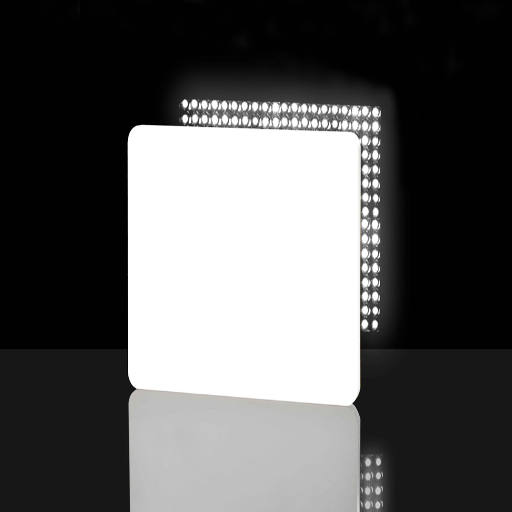
Transparent Plastic Sheets
Optical-quality transparent plastics, often made of acrylic or polycarbonate, enable maximum transmission of colored light due to their exceptional clarity. Intended for situations where emphasized lighting is needed, they yield even, bright illumination, typical of light fixtures, showcases, and signs.
Pearlescent Plastic Sheets
Pearlescent plastic gives a pearly-white tint to the light, adjusting the illumination to make it less bright yet comfortable on the eyes. This category of acrylic is often used in modern designs and decorative lighting, providing viewers with a delicate radiant experience.
Improved Polymeric Acell
Improved polymeric acell is the perfect material in resisting class snobbery as well as in controlling light diffusion. Such materials are used in table lamps, screens and other interior lighting applications in which an ambience is to be created.
Specially Tinted Acrylic Sheets
Specially tinted acrylic sheets will bring color to the design of illuminations, while also helping to subdue the light. Specially tinted sheets are handy for framing and enhancing features, or for installing additional themed lighting in zones outside residential interiors.
Light-Diffusing Acrylic for Even Light Distribution
Dispersive acrylic sheets mitigate areas with a concentration of light on the surface, and also all reflections are much more comfortable luminance contrast due to slitsetvefe om displays. About in the cleanliness of which about in the promotion of lights in the walls or a certain surface about in the most of the lighting. On the display, on the display of the breadth of the width of the surface, on the confinement of the walls around the inches. This type of acrylic enhances both eye protection and energy utilization. Because the edges are now available in the market in better shapes, they are reducing the chances of usage of light incompatibility or dissatisfaction with the product for failure to fit.
Frosted Acrylic for Soft, Ambient Lighting
If the intent of the text above is to make it look as if a person instead of a machine wrote it, it could be rephrased like this. Engraving plastic has become a popular technique for making engraved signs, as it offers several advantages. Traditionally, glass was the most common material for such signs. However, the frosted material appears more elegant and can incorporate color, making signs more appealing. Transparent glass, on the other hand, has long attracted people because it offers opportunities for playing with light, which can illuminate the room. For example, it produced perfectly cut edges that look far more professional compared to plastic signs, which are often created using steel dies.
Textured and UV-Resistant Acrylic for Unique Effects and Outdoor Use
It is better to use acrylic that is textured to a certain extent rather than the smooth one for applications that need durability and a modern look. The acrylic with a textured surface possesses the ability to create visual interest, making it suitable for pieces that are part of art, sections of a decorative pattern, and even inscriptions. It is also worth noting that this material can be utilized for outdoor applications due to its UV-resistant properties, as it remains tint-proof under the sun or with age. Therefore, the acrylic that is textured as well as protected can be regarded for both aesthetic and functional applications. The quality of the applications is the main driver for many industries, which is why the use of this product as artwork is prevalent.
Applications of Acrylic in Lighting
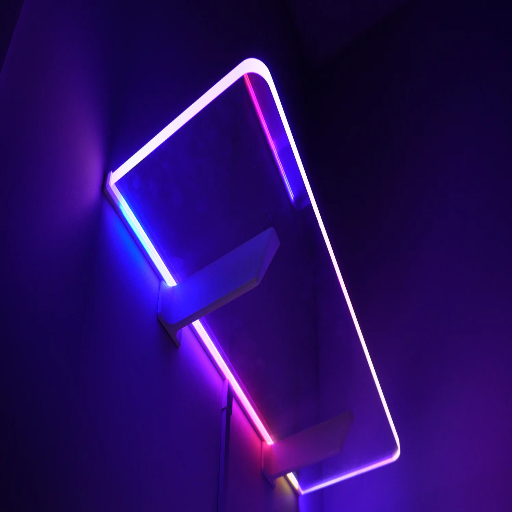
Acrylics are prevalent in various types of lighting due to their benzene groups, which contribute to their unique optical properties. In addition to being lightweight, it is also strong and does not break easily. The light rays do not travel in the same direction, making them challenging to see on the surface of the material – this is especially ideal when manufacturing different parts of a lampshade. Acrylic displays exceptional transparency and dispersal of light, making it perfect for lampshade facings and illumination systems. Acrylic has low reflection capacity for light striking its surface, that is, the rays are easily absorbed, but this enhances the beauty and functionality. Its UV and water resistance when combined with its long lifespan enhances endurance, acrylic is a material appropriate for all lighting environments.
Residential Lighting Options: Lampshades and Ceiling Panels
When it comes to choosing acrylic in this case, as an element of house lighting, such as lampshades and ceiling panels, how does its performance rate over other materials, considering how long it lasts and how easy or hard it is to use in relation to other materials, especially in designing?
Acrylic is the most popular material for in-house applications due to its stability, lightness, and ease of working with it. Acrylic does not break like traditional glass, and even if it were to fail, it is easier to manage because the weight would not be there anymore. Its adaptability allows the use of many shapes, range of patterns, and colours, which is homeowners can combine their lighting systems with contemporary or even antique environments. With due care, lighting elements made of acrylic offer an impressive yet simple sense of fashion and serve the purposes for which they were made for over an extended time.
Commercial Lighting: LED Luminaires and Signage
Modernization in LED technology has made it the top choice for commercial lighting fast owing to the numerous advantages of these light sources, ranging from their energy-efficient nature, reliability and considerable service life. Reduced operational energy expenses and minimal maintenance expenditures are the value propositions of modern LEDs, as the long-term investments are being turned into low-price cutting-edge products. Moreover, if LED is evaluated for such applications, many other LED attributes, such as dimming functionalities, color matching services, and chip packages, are usable that can help in creating spaces as per the functionality.
In the area of signage, the popularity of LED lights is explained by their high brightness and low power consumption, which allows them to be visible both during the day and at night. LED screens are used in various ways, starting from restaurant menus, bar screens, and even outdoor billboards, which shine brightly and withstand all types of weather, thus making it suitable for various outdoor conditions. On top of everything, the recent technical progress made with LED has led to the availability of LED components that can be made using environmentally compatible, recyclable materials and therefore, can likely be used in those above ecodesigned electronic products for waste management and disposal purposes.
Outdoor Lighting Solutions: Weather-Resistant Panels
Utilizing standard weatherproof components is imperative for practical outdoor lighting, especially in areas where extreme weather conditions, such as rain, cold, and heat, are more frequent than usual. People often ask a common question regarding the same panels, especially after learning about the harsh conditions in which they operate. It is these conditions that are tough, but the question always posed is, “How then…?” The reason is their strong design, made up of stain and high-quality materials that specialize in forming a bottom plate and walls, including protection features such as water seals and anti-rain covering. These features protect gutters from external moisture and also from the sun. Moreover, technological advances have enabled the said panels to adapt reliably over time, despite changes in temperature and climate. Even when challenging conditions arise, as those mentioned above, this is made possible by the inclusion of weatherproof panels that eliminate the high levels of maintenance associated with inner insertions compared to more external ones.
Reference Sources
- Acrylic Polymer Transparencies
Source: Portland State University Library
URL: pdxscholar.library.pdx.edu - Light Play
Source: Thomas Jefferson University
URL: jdc.jefferson.edu - Parametric Tools and Digital Fabrication for Luminous Ceilings
Source: Massachusetts Institute of Technology (MIT)
URL: dspace.mit.edu
Frequently Asked Questions (FAQs)
Acrylic materials are commonly used in the industry due to their light-diffusing properties, which make them particularly suitable for various lighting functions where they spread light evenly around the area. It is perfect for eye-catching advertisements made using cut-out acrylic Perspex, as with these materials, light can be spread evenly around every part of the sign. Another suitable characteristic of these materials, especially in signs that are to be illuminated, is their ability to function as a backlight. When illuminated, such signs serve both a functional and aesthetic purpose.
Lighting is dependent on the thickness of the acrylic and its characteristics. It is physically impossible for the light to be transmitted through the sheet when it is more than an inch thick. In this way, thicker acrylic sheets are more efficient at diffusing light, as they allow it to scatter more evenly across the scattering medium. On the contrary, those that are thin may transmit a considerable amount of light, and such variations may again be desired. For example, in some cases, acquiring more light is beneficial, and therefore the preferable thickness becomes a consideration for creating the particular light.
Yes, when it comes to the best panel material used to block or obscure the light from traditional light sources such as LED strip lights, acrylic sheets are the favorite. The intensity of light brightness can often be straightforward and unnatural with conventional fluorescent sources. It is easy for Acrylic translucent sheets to form a rectangular halo not only around the fluorescent tube but also throughout the entire space. So, the light-diffusing acrylic sheets, if well-lit, are most useful in making the areas more comfortable and providing good working lighting.
You can also order acrylic lighting sheets in a variety of finishes, including matte and high gloss. High gloss is used to increase light passage and impart a clean appearance, while matte is instead applied to spread the light coolly and reduce dazzling. The choice of finish depends on the particular lighting as well as the taste of the room owner.
When selecting an acrylic sheet for a lighting project, factors such as thickness, finish, and aspects like breaking characteristics of the laminate should be considered. When choosing a plastic, consider selecting acrylic that is durable and won’t yellow over time, such as Plaskolite. The size and shape of the opening, however, may require something different if pre- or other constructions are used.
Acrylic is highly valued for its overall clarity, among other factors, because this feature is crucial for many lighting fixtures. Polycarbonate, on the other hand, is much thicker and provides better strengthening properties to the product or item being covered. In most cases, acrylic will do a better job than polycarbonate in providing the desired light diffusion effect.
Light-diffusing acrylic sheets are available from various sources, including online websites and specialized acrylic sheet suppliers. Ensure that suppliers offer a range of panel sizes and types, enabling you to select the right material for your project. Light diffusing acrylic is 2447 and clear, which are widely utilized in lighting purposes.
Light-diffusing acrylic is utilized in various applications, such as diffusion for shop lights, backlighting for signs, and creating 3D displays. It is also perfect for achieving a soft and smooth glow in a commercial space, an office, and even in the living spaces due to the ability to disperse and alter light.