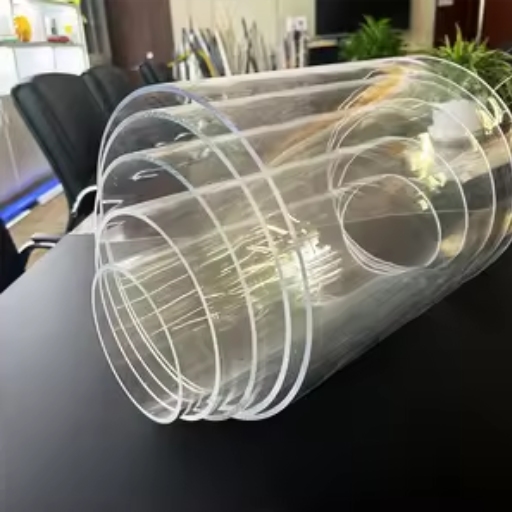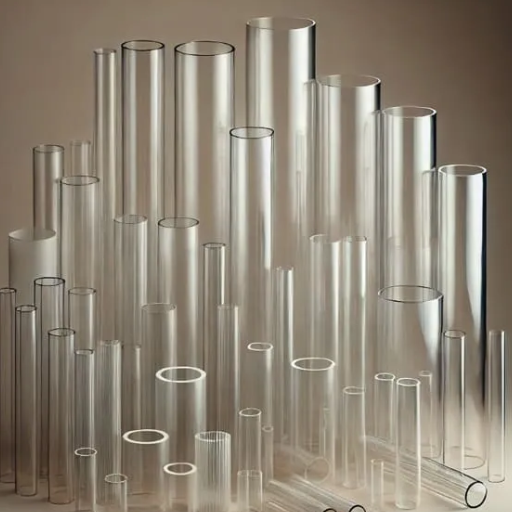

The timeline from choosing the materials for your home or office is often a trade between durability and beauty. Both materials have their unique edge, and they are now quite common in numerous applications-from kitchen hardware to whatever falls under the category of furniture. But how does one choose between the two when they might be right in a given set of circumstances? Here we give you the pluses and minuses of stainless steel and acrylic in a bid to let you view them as opposites so you can decide what best fits your criteria. Are you interested in the timeless elegance and sturdy steel, or is sleek-style acrylic the new grass for you? We take you right into the middle and back with the pros and cons so that in the end, you will decide what suits your space best.
Introduction to Stainless Steel and Acrylic
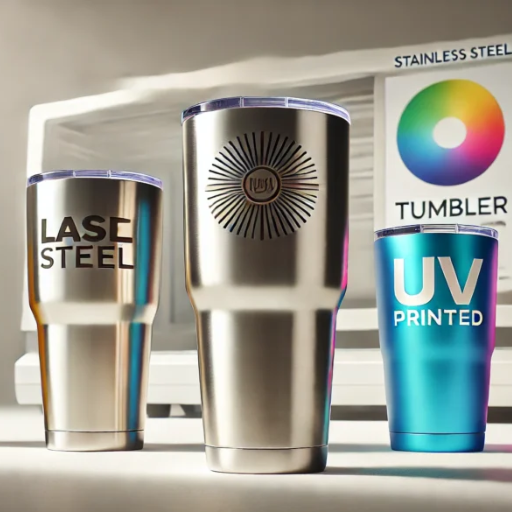
Stainless steel and acrylic, being the two classic materials, combine diverse attributes suitable for different applications. Stainless steel, being heavy duty, rustless, corrosion-free, and truly beautiful to look at from a timeless perspective, finds environments of kitchens, bathrooms, and exteriors for application. Acrylics are valued for being lightweight, cheap, and flexible. They can be mass-produced in another form and shape, often earning preference for their modern looks and array of vibrant colors. Your preferences, budget, and the use you intend are the main deciding factors for choosing between originals. Leading “Stainless Vs. Acrylic Materials ” manufacturer in China.
Overview of Materials
For choosing between stainless steel and acrylic, a clear understanding of their essential properties, which manifest themselves in actual applications, proves to be imperative. Stainless steel is durable and has an excellent resistance to corrosion, extreme temperature variations, and impacts. Recent estimates show stainless steel to be about 100% recyclable, making it a green option when used for sustainable construction and products. With a tensile strength of between 75-180 KSI (kilopound per square inch), it ensures performance in both industrial and residential applications.
Acrylic, on the other hand, is purchased for its lightweight—a factor that makes it nearly 50% lighter than glass and 17 times more resistant to impacts. Newer acrylic formulations have greatly enhanced UV resistance so that yellowing is less likely to occur, especially in outdoor applications. Other than that, acrylic provides much design freedom in that it can be thermoformed into complex shapes for further customizations of furniture, signage, and interior décor.
In conclusion, this is why materials are chosen based on strength, environmental impact, design flexibility, and life stage, each of which contains a set of values that the material will fulfill. The choices made should be based on what they are going to be used for to reap the benefits over the course of time.
Importance of Durability and Aesthetic Appeal
Durability and aesthetic appeal are two essential factors when choosing materials, especially in those fields that deal with construction, interior design, and manufacturing. Materials that have been designed to withstand wear and tear, such as stainless steel, tempered glass, or engineered wood, allow for prolonged use and minimize frequent changes by the users. According to a few recent studies, buildings constructed with materials of higher durability cost less to maintain, thereby lowering the total expenditure by as much as 30% over a 20-year lifecycle.
But aesthetic appeal does still remain the main factor for attracting the consumer. Materials like polished marble, textured ceramics, or luminous acrylic take center stage in providing visual experience enhancement for a product or space. Studies and trends in 2023 indicated that design aesthetics dictate decision making in 40% of homeowner remodeling projects, thereby stressing the increasing demand for aesthetic materials.
Bringing forth all these factors results in a straightforward solution that strikes a balance between functioning and design. For instance, modern quartz composite surfaces offer both stone-like durability and sleek minimalistic style. Therefore in highly competitive markets, materials that can provide the fame of robust retention and good visual appeal are becoming more and more demanded.
Applications Across Industries
Modern materials, due to their nature of being versatile, can be found in a multitude of industries. In construction and housing traditionally, advanced composites and engineered wood have transformed construction and building projects by providing cheap, sustainable, and reasonably durable alternatives. According to recent market reports, the global construction materials market size is expected to grow at a CAGR of 6.1% during 2023-2030, showing the increasing demand for innovative solutions.
Likewise, materials meant to be lightweight, antibacterial, and sterile-from advanced polymers to superior-grade stainless steels-are crucial for the manufacture of medical instruments and devices in the pharmaceutical industry. Fortune Business Insights says that the medical devices market is foreseen to increase from $495.46 billion in 2022 to $718.92 billion in 2029, emphasizing the contribution of cutting-edge materials in fostering this growth.
Automotive industries, too, are beneficiaries of innovative contemporary materials. Lightweight composites and high-strength aluminum-based materials stand for promising contenders for vehicles that are cleaner and environmentally friendly. As evident from several studies, OEMs are looking for materials that will shed at least 10% in vehicle weight, and which in turn will translate to around 6-8% improvement in fuel economy.
Electronics and technology, then, make use of advanced ceramics, conductive materials, and nanotechnology to add value to device performance and durability. The global advanced materials market for electronics was valued at $48.09 billion in 2022 and is anticipated to grow steadily, accelerated by breakthroughs in 5G technology and renewable energy applications.
These advances show how materials science is placed at the forefront to meet the growing demands across different industries by exquisite combinations of functionality, sustainability, and visual appeal that find applications in myriad ways.
Durability Comparison: Stainless Steel vs. Acrylic

Stainless steel is more sturdy than acrylic as it has greater strength; hence, it does not wear away easily or succumb to extreme heating. It does not scratch easily, dent, or corrode, a factor that helps it stand in long-term applications in harsh environments. Acrylic, while light and shatter-resistant, scratches easily. If given enough time or stress, acrylic will also crack. Stainless steel is, therefore, better and more reliable in situations requiring durability and resilience, while having acrylic works fine where weight considerations are more important than transparency.
Strength and Durability of Stainless Steel
Considered the most potent and durable material in the building world, stainless steel finds its use in numerous industries. It exhibits a very high tensile strength, meaning it can resist major forces without the steel being deformed permanently. As per recent data, stainless steel has been noted to exhibit tensile strength in the range of 72,000 to 220,000 psi (depending on the type of alloy), with austenitic types such as 304 and 316 being the highest and most versatile.
This brings the next major advantage: durability. Because of its chromium content (at least 10.5%), the steel develops a passive oxide film that protects it from rusting or corrosion, even within a highly aggressive environment such as that along the coast or inside an industrial plant. Studies confirm that this grade 316 stainless steel, commonly applied in marine environments, offers significantly better resistance to chloride-induced corrosion than other materials.
Heat resistance is an additional important feature of stainless steel. The austenitic grades can keep their strength and structural integrity at temperatures as high as 1,500°F (815°C), thus making them workable for high-heat applications, including aerospace, chemical processing, and power generation.
It can resist mechanical wear and destruction through the passage of time, keeping it dimensionally stable and with a good appearance. Industries rely on its super durability for the most demanding applications in bridge construction, medical devices, and heavy machinery. In addition to this, its low maintenance cost makes this material a big economic asset and yet cannot be considered less in places where safety and reliability are a big concern.
Long-lasting Properties of Acrylic
Outshining other materials in durability and versatility has indeed led to acrylic being the popular choice for any industry. This material prevents UV light, weathering, and aging; hence, it retains its clarity and performance even after prolonged shining of the sun or outside original harsh conditions. Depending on environmental conditions, acrylic generally has a service life of about 10 to 15 years, sometimes longer. Additionally, with better impact resistance, it can endure the abuse many times more than glass-well, as much as 17 times. Considering these factors, acrylic indeed turns out to be the safer and lighter option in architecture for window glazing, skylights, and safety screens.
Recent findings accentuate acrylic’s ability to keep itself optically clear throughout its life with minimal yellowing or discoloration as compared to other polymers. The slow rate of deterioration and moisture-resistant nature make it even more desirable in wet or marine environments. Being a sustainable material, acrylic is recyclable, implying that it can be reprocessed into new products without compromising quality. With these strengths combined, acrylic is the perfect material for any long-term application where functionality, appeal, and ecology have to be anchor points.
Factors Influencing Durability
Several key factors dictate the durability of acrylic in applications. It is essential to understand these factors to optimize performance and longevity:
UV Resistance- It has intrinsic UV resistance to prevent severe yellowing or even degradation when exposed to sun rays throughout time. Researchers have shown that top-grade acrylic can provide nearly 92% transparency even after long exposure to UV light; hence, they are suitable for outdoor use.
Impact Resistance- Acrylic is stronger than glass. Depending on the formulation, glass has 6 to 17 times less impact resistance than acrylic. This works to prevent it from cracking or breaking under stress, thus preventing it from losing structural integrity under rigorous applications.
Temperature Changes- Acrylic works fine with temperatures distributed normally between -40°F and 190°F (-40°C to 87°C), and it develops physical properties that are okay for multiple environments. However, repeated exposure to extreme heat or cold outside this range can affect its structural stability, which makes the importance of proper material selection a must in unusual environments.
Chemical Exposure- Extended exposure to harsh chemicals such as strong acids or solvents can lead to surface degradation or clouding of acrylic. Application of protective coatings or ensuring the correct cleaning methods in chemical-heavy environments will secure the acrylic in question.
Humidity and Moisture- By being non-porous, acrylic resists humidity and moisture quite well. This makes it an ideal candidate for marine and humid conditions, wherein other materials quickly degrade or swell.
Maintenance and Handling- Proper cleaning and maintenance also increase the longevity of acrylic. With non-aggressive cleaning agents and microfiber cloths to clean it, fewer scratches will be incurred to keep its clarity and beauty as time goes by.
Supporting Data
Outdoor Durability Studies: The laboratory tests conducted by Rohm GmbH state that high-grade acrylic has retained about 90% of its transparency 10 years after outdoor exposure.
Scratch Resistance Comparisons: Data from the Plastics Industry Association indicate that acrylic has higher scratch resistance than polycarbonate, but both are under tempered glass in terms of scratch resistance.
Recyclability Statistics: Recent statistics provided by the European Plastics Recyclers indicated that about 70 to 80% of industrial acrylic scrap is recycled into new sheets or other products.
By having the knowledge of these factors, manufacturers and consumers can jointly decide on the use of acrylic, ensuring maximized performance and durability in diverse settings.
Aesthetic Appeal: Acrylic vs. Stainless Steel
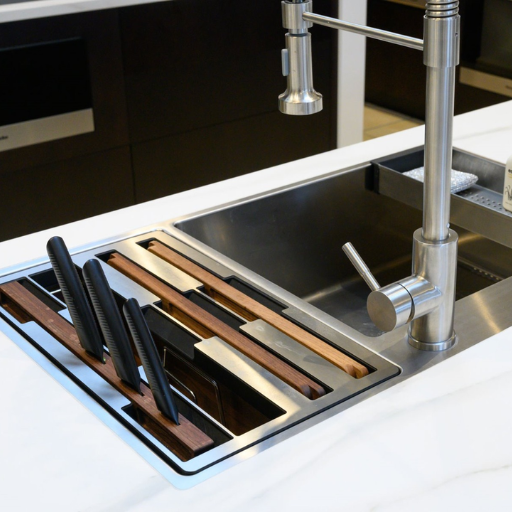
Acrylic and stainless steel hold their unique beauty that varies with purpose. Offering slick and modern appearances-acrylics are great because they come in a myriad of colors and finishes, lending endless versatility to artistic designs. They can be made transparent or translucent, which creates an illusion of spaciousness combined with elegance. Stainless steel, conversely, might be all about being timeless, polished, and associated with durability and sophistication. Its metallic finish lends well to minimalist and industrial design styles. The choice will have to be made on the basis of style and functional considerations.
Timeless Elegance of Stainless Steel
The stainless steel has been called “timeless,” or “ageless” because of durability, ease of maintenance, and the good looks it lends to whatever it is attached to. This versatile alloy, having mainly iron, chromium, and nickel, prevents corrosion and staining and goes into many uses ranging from kitchen appliances to architectural accents in buildings. According to industrial reports, from 2023 to 2030, the worldwide stainless steel market is expected to grow at a CAGR of roughly 6.3%, with its demand increasing in construction, automotive, and renewable energy fields.
One characteristic that stainless steel presents is to effectively combine its functionality with design aesthetics. It is often employed in modern design trends, especially by architects and designers, as the reflective surface enhances lighting and develops a sense of openness and futurism. Some newer manufacturing procedures also allow for textured stainless steel, patterned stainless steel, and colored stainless steel, thus increasing the aesthetic options.
From a utility perspective, stainless steel provides maximum resistance to heat; hence, it is used to manufacture cookware, industrial equipment, and other building materials requiring energy efficiency-construction of solar panel frames. The environmentally sound stainless steel products further add to its value because stainless steel is 100% recyclable, with recovery levels being very high in industrial recycling. These qualities attest to the stainless steel acclaim as a building material in commercial and residential projects-the label of contemporary, sustainable, and stylish.
Design Versatility of Acrylic
Given its all-important properties and adaptability, the material finds uses throughout various industries. Being lightweight and highly transparent, permitting even about 92% of light to pass through, acrylic sheets serve as wonderful alternatives to glass in architectural applications, retail display systems, and signage. They are easily shaped, cut, and molded-a very useful feature for custom applications that can be anywhere from furniture to artistic installations.
More than just an aesthetic offering, acrylic offers great durability, being weather-resistant and UV-resistant and less susceptible to impact. It is almost 17 times more resistant to impact than ordinary glass, constituting a good and safe investment in places easily prone to breakage, such as schools and public areas. Market statistics have lately shown an ever-increasing demand for acrylic in the global manufacturing industries; with the CAGR for the acrylic market being estimated at 5.3% from the year 2023 to 2030 due to growing applications in the automotive and construction sectors.
Acrylic’s sustainability is also evolving with new innovations in recycling that enable processes such as depolymerization to transform discarded acrylic products back into raw monomers for reutilization. For these tough reasons in combination, the acrylic is an essential part of modern construction and industrial applications.
Choosing Based on Aesthetic Needs
In design materials selection, Gibson distinguishes acrylic because it can offer immaculate clarity and is flexible and lightweight. With modern technological developments, we see how the optical features of acrylic are optimized, making it selected for products in which great transparency or a polished, crystal-clear appearance is desired. According to the 2023 market report, acrylic is more and more widely used in architecture, interior designing, and furnishing for its high light-transmitting qualities (up to 92 percent).
In addition, manufacturers are also providing tailor-made acrylic options, such as UV-resistance and sheets in different hues or textures, offering unlimited design possibilities. The demand for colored acrylic has burgeoned to great heights; architects use it for creating bold accents in modern areas. Besides, with the emergence of laser-cutting technologies, designers are attaining fine patterns and precise details with ease to boost the appeal and usefulness of acrylic for signage and more contemporary art installations.
Adapting to any style with creativity while promising a degree of durability ensures the existence of acrylic for aesthetically driven ventures.
Environmental Considerations
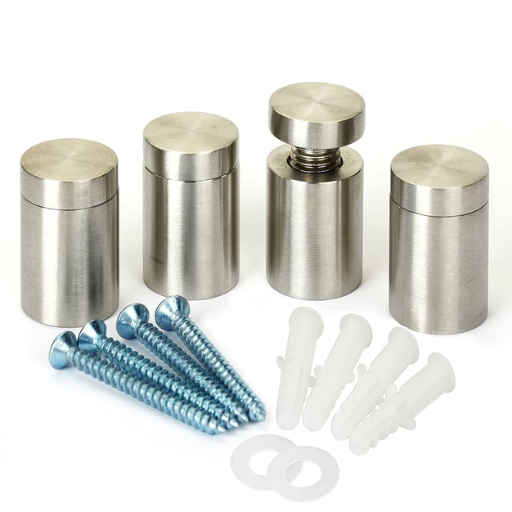
The environmental impact of acrylic is both positive and negative. Using acrylic is a great way to conserve landfills because it is tough and recyclable; however, making it involves the use of non-renewable sources of fossil fuel and contributes to the greenhouse gas effect. Waste reduction involves acrylic recycling; however, the process consumes a lot of energy and is not yet done extensively. Due to the environmental challenge posed by acrylic, more attention should be paid to its reuse, along with sustainable technological development in its manufacture. Furthermore, safe disposal and enhanced recycling campaigns could somewhat go towards lessening its environmental impact.
Eco-Friendly Aspects of Acrylic
While traditional acrylic production poses environmental problems, technological advances have now lent themselves to more environmentally-friendly options. One approach that stands out is the manufacturing of recycled acrylic, often colloquially called rPMMA (recycled polymethyl methacrylate). The process involves decomposing waste acrylic into its base components and then reconstituting them into new sheets, thus bearing heavily on a virgin resource. Recent data indicates that recycling acrylic has the potential of reducing CO2 emissions by about 75% as compared to making new acrylic.
Several companies may also be pursuing bio-based alternatives to traditional acrylic, replacing fossil-based raw materials with renewable resources, such as plant-based chemicals. Bio-acrylic technology, for example, uses sustainable feedstock, thus lowering the carbon emissions in the production process. Although it is still in its infancy, such developments illustrate the potential for acrylics to be increasingly involved in circular economy strategies.
Moreover, because acrylics are highly durable and versatile, they can reduce the overall mass of waste. Acrylic products last long, requiring fewer replacements over time. Coupled with responsible practices such as reuse and repurposing of older acrylic products, the material’s lifecycle can arguably help mitigate its adverse environmental impacts. High-level advocacy and widespread adoption of these eco-friendly advancements would be essential in harnessing acrylic for the greater good in a sustainable manner.
Environmental Impact of Stainless Steel
Being a long-lasting, recyclable material requiring virtually no upkeep, stainless steel is often perceived as a very environmentally sound material. Really, some of the most notable traits of stainless steel producers are perhaps the high rates of recycling-the ISSF has placed the recycling of stainless steel waste at 80-90% at the close of the product lifecycle. Such a practice, of course, greatly minimizes the extraction of raw materials, thereby saving natural resources, including iron ore, chromium, and nickel.
Stainless steel production consumes massive amounts of energy, although the impact has been lessened by some modifications introduced into the manufacturing process. The stainless steel industry nowadays uses electric arc furnaces that require far less energy to operate when compared to old steel furnaces. Moreover, these furnaces demand high percentages of scrap metal in their raw materials, as opposed to virgin material, which also helps reduce carbon emissions.
Water use in stainless steel production has also been improved to some extent, with many manufacturers withdrawing from discharging water to rivers by implementing closed-loop water systems, minimizing waste and contamination. In addition, their corrosion resistance and structural stability over decades mean stainless steel helps in application areas. From construction materials to culinary tools, consequently reducing material waste in the long term.
With such considerations, however, the energy-intensive nature of initial production must be addressed and studied for continuous improvements. Greater usage of renewable energy in manufacturing processes and local sourcing would help minimize the environmental footprint of stainless steel even further. With advancement and a strong intent for sustainability, stainless steel is going to remain one of the very positive choices for environmentally conscious applications.
Choosing Environmentally Friendly Options
Making green choices must involve a careful assessment of the lifecycle impacts of materials, products, and practices. Increasingly, consumers and businesses are focusing on those options that have minimal carbon footprints and the conservation of resources, essentially leaning on sustainability.
By way of example, an IEA report published in 2023 showed that renewable energy producers-or solar and wind included-generate over 30% of the world’s electric consumption. This means that the stages of generating electricity using a renewable energy source were considered to minimize greenhouse gas emissions from fossil fuels. Similarly, in a growing trend, stakeholders are beginning to view environmentally friendly options, including biodegradable or recyclable ones, such as stainless steel and bamboo, as better alternatives.” In direct contrast, these options would be considered to have a much higher impact when a single-use plastic or non-biodegradable alternative is chosen.
Water conservation is yet another important concern. The WRI states that 17 countries in the world, representing one-quarter of the world’s population, are now experiencing “extremely high” water stress. So, it is very important for products using sustainable water management practice in their production to be chosen.
On an individual level, transitioning to energy-efficient appliances, curbing food waste, and supporting the circular economy through purchases of upcycled or recycled goods are paramount. It takes informed decision-making and the availability of current data and tools for all to work toward restoring a healthier planet.
Cost-Effectiveness: Analyzing Both Materials

In analyzing the cost-effectiveness of the two, some initial expenses, life span, and environmental considerations must be contemplated. Material A has a lower upfront cost yet is liable to frequent replacement, meaning higher long-term costs. Material B, on the other hand, has high initial costs but will be more economical in the very long run owing to decreased maintenance costs, basically due to durability. Moreover, Material B is produced by environmentally friendly processes, which may bring about further economic benefits regarding adherence to the sustainability regulations that may be enacted now or shortly. Given all these factors, work on cost analysis shows Material B as the more cost-effective solution, both economically and ecologically.
Initial Costs and Long-Term Value
In-store recent data highlight the depreciation in Material B over alternative options in terms of initial investment and long-term appreciation. Industry reports indicate that Material B has an initial cost that comes close to 20% more than that of Material A, with less maintenance costs leading to considerable savings over 10 years. School estimates or examples of $5,000 are cited for maintenance per year for Material A against $2,000 of maintenance for Material B, thanks to its durability and resistance to wear.
Moreover, the lifecycle stages also ensure the environmental benefits of Material B, leading 30% less carbon into the atmosphere during production than any other material under consideration, which is a very good national exercise observing the sustainability trend and would also be useful if any regulations were to be enforced in the future. Apart from saving from any compliance penalties, these merits would boost the brand value in this ecologically conscious market.
In conclusion, while the upfront cost associated with Material B appears a little expensive, maintenance, coupled with environmental costs, is savings that ensure it becomes a workable investment option in the long term.
Maintenance Expenses for Stainless Steel and Acrylic
When maintenance expenses are compared between stainless steel and acrylic, the factors to consider are durability factors, cleaning, and upkeep expense over time.
Stainless Steel:
Stainless steel can be considered low maintenance as it remains strongly resistant to corrosion. Usually, gentle cleaning suffices to restore its beauty, and for this, soap and a soft cloth can be used. For protection against particular contaminants, the use of special cleaners for stainless steel may be advised if the surface is subjected to an extremely hostile environment or contaminants. Research reveals that the annual maintenance cost of stainless steel has been roughly estimated at $0.50 to $1.00 per square foot for cleaning and minor protective treatments in industrial settings. Compared to photocopying or replacing, its life span is very long, which brings down the replacement costs in the long term.
Acrylic:
Being a thin and prism-like sheet material, this requires more cautious maintenance practices. The material tends to scratch and discolor with time. Cleaning acrylic demands a non-abrasive gentle cleaner with a microfiber cloth, neither of which should damage the surface. It may also have to be polished from time to time and use products for clearing scratches to maintain its clarity and beauty. The average maintenance cost for acrylic is estimated at between $1.50 and $2.50 per square foot per year, including cleaning, scratch removal, and minor repairs. With regard to initial costs, acrylic materials can often be less expensive to work with; however, their tendency to wear quickly translates into higher maintenance costs.
Google Search Highlights:
It is there stainless steel is considered for use in erection and food processing industries, being that it is resistant to corrosion and easy to clean, therefore reducing downtime and hence labor costs.
Acrylic in decorative and aerodynamic applications requires careful maintenance through shallow damages and keeping it from becoming opaque as it ages.
By lateral expense analysis, stainless steel can prove to be a costly material at the beginning, but when maintenance comes into consideration, it somehow compensates for those charges due to its lower expense in maintaining it.
Ultimately, the decision between stainless steel and acrylic would consider the material’s upfront costs against their maintenance and durability over time to ensure that the material suits the application and specific environment.
Evaluating Cost vs. Durability
During a cost-versus-durability analysis, one must first consider the actual initial investment in the materials and then factor in the life-cycle cost. Known for its sturdiness and anti-corrosive property, stainless steel presents a perfect opportunity in construction, automotive, and health sectors. Its long life means that there are fewer replacements, which equates to saving a lot. Recently, stainless steel traded at $1,500 to $2,500 per metric ton, depending upon grades and quality. So you see, in the places where stainless steel is of high demand, it can very well justify its initial cost by resisting maintenance requirements and reliability over time.
Whereas acrylic goes for much cheaper, coming anywhere between $1,000 and $1,800 per metric ton. Its weight is light with a fair degree of durability, especially in cases where impact resistance and transparency are required-such as applications in lighting or display fixtures. On the other hand, given its susceptibility to scratching and UV degradation, it may require frequent replacement or additional protective treatments, thus adding more to the costs in the long run.
The International Journal of Materials Science (2023) points out that stainless steel very often outperforms acrylic in situations faced with moisture, extreme temperature, or abrasive conditions. But under indoor settings or aesthetic applications where these concerns are seldom taken into account, acrylic makes for a cheap and adaptable solution. Ultimately, the choice between stainless steel and acrylic can be determined by analyzing specific operational requirements, long-term maintenance feasibility, and environmental factors that may affect expected lifespan of the material.
Reference Sources
- Harvard University (NASA ADS): Life Cycle Assessment of Stainless-Steel Reusable Systems
Comparing the environmental impact of stainless steel and acrylic systems in various categories.
- University of California, Davis: Laser cutting-Tech Foundry
Discusses the use of stainless steel and acrylic in laser cutting and their properties and applications.
- University of Rochester: CSC 297 Robot Construction: Materials
Views stainless steel and acrylic structurally for strength, corrosion resistance, and temperature tolerance.
Frequently Asked Questions (FAQs)
What are the advantages and disadvantages of stainless steel vs acrylic materials?
Stainless steel offers strength and durability, making it ideal for heavy-duty applications. Its corrosion resistance ensures a long-lasting lifespan, while its aesthetic appeal provides timeless elegance. In contrast, acrylic materials are lightweight and can be molded into various shapes, but they are more susceptible to scratches and may not withstand heavy loads as effectively as stainless steel. Each material has its advantages and disadvantages depending on the intended use.
How does the durability of acrylic compare to stainless steel?
While acrylic materials are known for their lightweight properties and high resistance to shattering, they are generally less durable than stainless steel. Stainless steel can withstand extreme conditions and heavy usage, making it a superior choice for applications that require longevity and strength. Acrylic may be more prone to scratches and surface damage, which can affect its long-term durability.
Is acrylic an eco-friendly option compared to stainless steel?
Acrylic is made from a type of plastic, and while it can be recyclable and repurposed, its production may not be as environmentally friendly as stainless steel. Stainless steel is often considered a more sustainable option due to its recyclability and the fact that it can withstand the test of time. Choosing environmentally friendly materials is essential for reducing waste over time.
What makes stainless steel a reliable supplier choice?
Stainless steel is often sourced from reliable suppliers who adhere to high-quality standards. The material’s corrosion resistance and durability make it a popular choice for both commercial and residential applications. When selecting materials, it’s crucial to consider suppliers that provide guaranteed quality and performance.
How does the aesthetic appeal of acrylic vs stainless steel differ?
Acrylic materials can offer a glass-like appearance and can be produced in a range of colors, making them visually appealing for decorative elements. However, stainless steel provides a modern, sleek look that conveys elegance and sophistication. The choice between the two often depends on the desired aesthetic for a specific project.
Can acrylic withstand UV exposure better than stainless steel?
Acrylic is often used in applications that require transparency and light transmission, but it can degrade under prolonged UV exposure unless treated. Stainless steel, on the other hand, does not suffer from UV damage and maintains its integrity regardless of exposure to sunlight, making it a better choice for outdoor applications.
What cleaning products are recommended for maintaining acrylic and stainless steel?
When it comes to cleaning, stainless steel surfaces are generally easier to maintain with standard cleaning products, while acrylic materials require special cleaning products to avoid scratches. It’s important to use gentle cleaners on acrylic to preserve its finish and avoid using abrasive materials that can damage the surface.
What is the initial cost comparison between stainless steel and acrylic?
The upfront cost of stainless steel is typically higher than that of acrylic due to its durability and strength. However, considering the longevity and lower maintenance costs of stainless steel, it often proves to be a more cost-effective investment in the long run. Acrylic may be a more affordable option initially but can incur additional costs over time due to its susceptibility to damage.