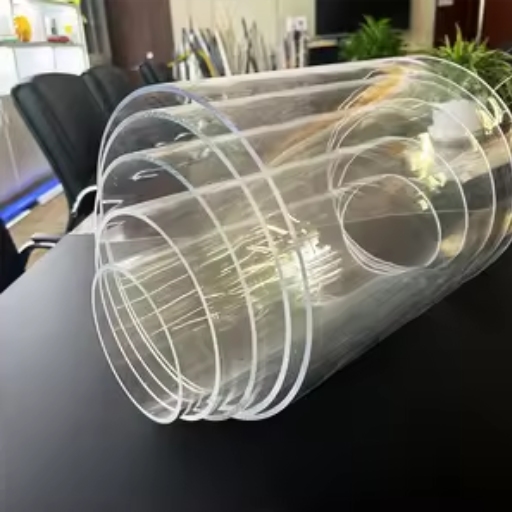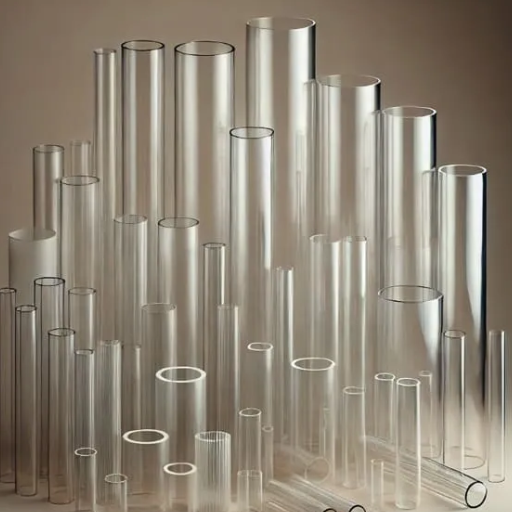

One of the inventions in sanitary applications is Acrylic, offering functionality, elegance, and strength. Thinly etched bathroom fixtures, modern installations for bathtubs, and shower enclosures are examples of how this adaptable material enhances function and meets current design and hygiene standards. What makes acrylic so great for sanitary applications? Why has it adorned itself as a preferred choice from designers and manufacturers alike? The above guide provides an overview of acrylic, its advantages in sanitary applications, and how it has, in turn, led to a transformation in everyday sanitation solutions. So either for your project or just an interest in materials, keep reading to understand why Acrylic is truly the number one choice of material for sanitary applications.
Introduction to Acrylic in Sanitary Applications
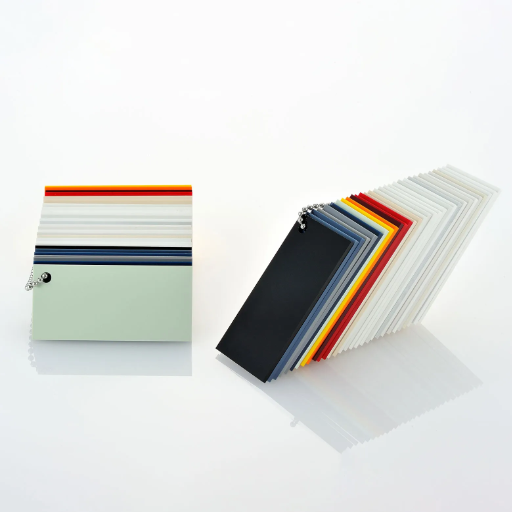
The design possibilities for an acrylic building department seem to have little limitation because of acrylic’s single largest advantage of being able to be fabricated into any shape. Acrylic allows for molding into virtually any form: gigantic block shapes, geometrical, tubular, and flat abstract shapes. Furthermore, acrylic has high strength for a one-tenth weight of glass, making it easy to fabricate for any shape. The glossy finish can thus give a fabulous look while being very easy to clean and maintain, resulting in a gleaming appearance. These factors put acrylic upfront as a contemporary choice in the demand for sanitary ware.
Overview of Acrylic as a Versatile Material
The versatile acrylic material, with its contradictory combination of properties, serves both functional requirements and aesthetic appeal. It gives super clarity to objects like glass but is far lighter in weight and more resistant to impacts. With moldability, one can easily manufacture a wide range of items, from architectural designs to everyday consumer products. Of course, in particular instances, it can be chosen for its weathering and UV resistance, making it a very good acquisition for either an indoor or outdoor setup. With performance, sustainability, and practicality being factored into a scorecard, the demand for acrylic materials averages, thus driving and integrating its industrial usage across various sectors, including construction, healthcare, furniture, and automotive.ity soar.
Importance of Choosing the Right Material
For a project to realize optimum performance, along with sustainability and cost performance, material selection must be done judiciously. Materials, therefore, become very important in guaranteeing product life-span, energy efficiency, and environmental evaluation. In response to this evaluation, Statista in a report enumerates that demand for lightweight and recyclable materials like aluminum and composites will witness a 4.5% growth rate per year globally till 2030, considering their importance in industries like automotive and aerospace. Correspondingly, the ScienceDirect article states that green materials, such as biodegradable plastics and bamboo, are growing in response to consumer demand for green products, with the market for green materials forecasted to reach $444 billion by 2028.
The environmental conditions must be taken into account in material selection, including compatibility with other materials and compliance with regulatory codes. High-strength concrete and high-strength steel alloys are used in construction due to their strength and ability to stand against culprits like inclement weather. The way electronics are produced, in contrast, some materials such as silicon and gallium arsenide are preferred for their electrical conduction capabilities and heat resistivity.
Common Uses in Bathrooms and Sanitary Ware
Materials for bathrooms and sanitary items, also for any varieties covering sanitary application, are principally selected for their durability and cleanliness or for their aesthetic appeal. While ceramics are used for lavatories and water closets-they resist stains and are antibacterial-type floors and wall tiles, the coppersmith will use brass or stainless steel for faucets and showerheads to avoid corrosion and maintain their bright finish. Apart from these more than technical developments have found entry into the bathroom to enhance comfort and efficiency-wise motion sensor faucets and self-cleaning toilets. These developments express the changing aspirations of the consumer concerning sanitary ware solutions that now caters to function, sustainability, and state-of-the-art styling.
What is Sanitary Acrylic?
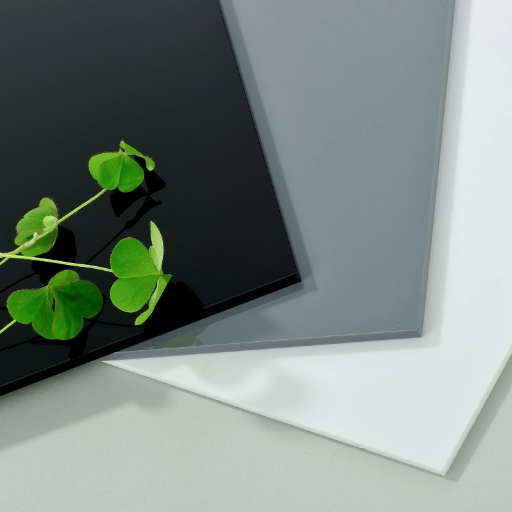
Sanitary acrylic is a resistant, non-porous material used in the manufacture of bathroom fixtures such as bathtubs, basins, and shower trays. The material is lightweight, easy to mold into any shape desired, and resists cracking and chipping. Being karat smooth, the surface cannot be dusted with dirt, whereas the insulating characteristics keep warmth, hence the preference for the material to be made into a bathtub. It is usually compacted with fiberglass to add more strength to the product, ensuring long-term durability and good performance.
Definition and Characteristics of Sanitary Acrylic
Sanitary acrylic is a synthetic polymer embraced for bathroom fixture production, joining practical side with aesthetics. The material sports characteristics of being light, strong, and highly-exterior (customizable), allowing for a range of designs and shapes suitable for modern bathroom styles. Sanitary acrylic is highly thermally insulated, making it a great choice in bathtubs and sinks as they keep water temperature for longer. Being non-porous, the material does not allow stagnation of microorganisms, thus aiding in cleanliness and hygiene. In case of fiberglass application, the sanitary acrylic receives extra strength and could be used in long-term home and commercial application. With all these benefits of using the material being discussed, sanitary acrylic continues to hold a major position in bathroom design selections.
Differences Between Sanitary and Standard Acrylic Sheets
Standard acrylic sheets are more of a universal solution since they can be used in all kinds of applications. The moisture-bearing nature of those sanitary acrylic sheets makes them a perfect choice for any bathroom.
| Key Point | Sanitary Acrylic | Standard Acrylic |
|---|---|---|
| Durability | High | Moderate |
| Hygiene | Non-Porous | Porous |
| Finish | Glossy/Satin | Glossy/Matte |
| Application | Bathrooms | General Use |
| Resistance | Mold/Water | Limited |
| Thickness | Thicker | Variable |
| Cost | Higher | Lower |
| Eco-Friendly | Moderate | Moderate |
Key Properties of Sanitary Acrylic
These features make sanitary acrylic a clean material with research-driven advantages for hygiene-related applications. The sanitization acrylic was developed to be non-porous, thus preventing bacterial or mold formation-a critical sanitary condition, especially in bathrooms or hospitals. In addition to that, it is hard, being wear-resistant and water-resistant; this, in turn, prolongs its life in wet conditions. It imparts a transparent or satin-like glossy finish to the surface, giving it a top priority for finer looks while being easy to wipe and maintain. Though costlier than regular acrylic, the benefits of sanitary acrylic in the fields of hygiene, durability, and beauty are well worth paying extra for in specialized fields.
Applications of Sanitary Acrylic
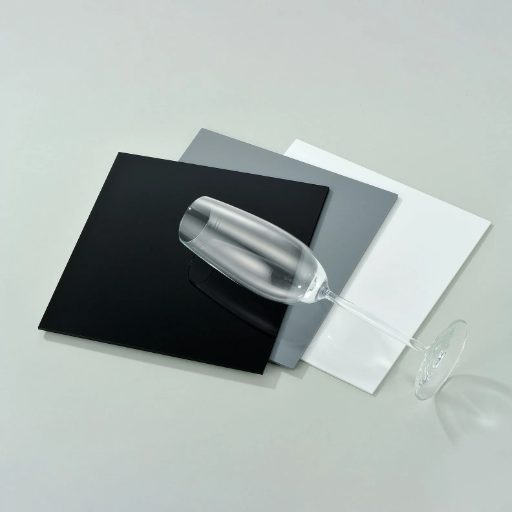
Sanitary acrylic comes to play wherever cleanliness and durability are the top priorities within an application. Some common uses are as follows:
- Bathroom Fixtures: Used in bathtubs, shower trays, and sinks for water resistance and easy cleaning.
- Healthcare Settings: Used in medical equipment, washbasins, and interior panels within hospitals and clinics in order to keep hygiene standards.
- Kitchens: Day-to-day use for countertops and splashbacks, just for show or actually useful.
- Commercial Spaces: Spas, gyms, and wellness centers might find it suitable for surfaces exposed to moisture and frequent cleaning needs.
Its flexibility makes it a top choice on both the residential and commercial fronts requiring sanitary solutions.
Bathtubs: Lightweight and Durable
Weighing much lower is their durability. These bathtubs unite the balance of modern materials. These materials hold resistance against cracks and staining. They also work well with installing and servicing. They are lightweight, giving them a bunch of options when it comes to bathroom set-ups, including an older-vintage-down design, or multi-stories-low on beams arrangement. To counter their soft structure, these tubs have a strong build worthy of the daily routines of any residential setting that will maintain their integrity over time. Coupling it with modern look and finish keeps these tubs a popular take among homeowners for carving functionality and style.
Shower Trays: Non-Porous and Water Resistant
Modern bathrooms require shower trays that are usable and elegant for the shower enclosures. These trays being non-porous and water-resistant act as barriers to water absorption, thus stopping mold and mildew blossom. This ensures a cleaner and easy-to-maintain bathroom. Made of sturdy materials like acrylic, stone resin, or ceramic to quality withstand wear and tear, these trays stand a chance to look beautiful through their entire life. The surface is often given a texture that makes it anti-slip, thus giving top-notch security to anyone who uses it, from kids to elderly persons. Combined with the look of a modern bathroom, a shower tray remains the secure, functional, and fashionable option.
Washbasins: Smooth and Easy-to-Clean Surfaces
As households modernize, so do washbasins—they are both practical and elegantly designed. Ceramic, porcelain, or tempered glass are materials that ensure utmost durability with low maintenance. Smooth surfaces repel staining and grime, needing only a simple wipe to clean. With improving manufacturing techniques, antimicrobial coatings are also being applied so consumers can enjoy the highest levels of hygiene in daily use. Washbasins come in myriad forms and shapes to greet any bathroom as a focal point combining practicality and sophisticated state-of-the-art design.
Benefits of Using Acrylic for Sanitary Ware
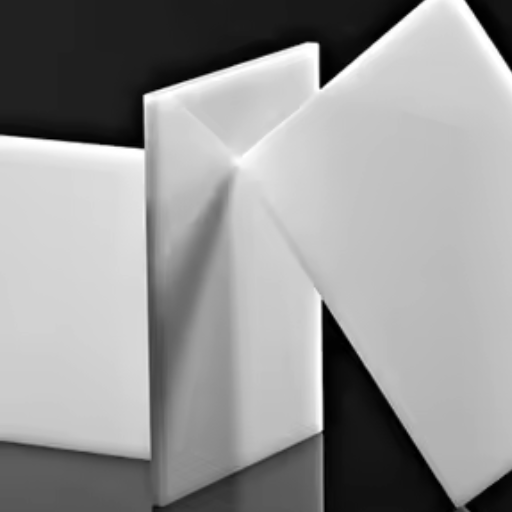
Acrylic, lighter than most other materials, makes it comfortable to transport, handle, and install.
It has excelled in the resistance to impacts and chipping for long-term use.
Acrylic: cost-effective material with a sheen giving it modern look nicely.
Having a non-porous surface makes it stain-resistant and easily cleaned with simple everyday maintenance.
Acrylic can be shaped into a variety of configurations and styles, allowing for an extensive assortment of contemporary designs.
It holds heat well, making this an enjoyable choice for an acrylic bath or washbasin.
High prices acrylics resist discoloration and fading, even when constantly exposed to sunlight.
Durability Against Cracks and Chips
Acrylic has long been renowned for its durability, particularly in resisting cracks and chips. Today, exhaustive audits of manufacturing processes, combined with the latest advances in material engineering, have elevated its strength and resilience to new heights, making it a dependable option for technically varied applications. Based on the current data, users regularly search for materials that combine aesthetic appeal with permanence, and acrylic is among the top choices since it loses its surface easily due to everyday usage and is not easily damaged by rough use. Its flexibility allows it to absorb very minor impacts, minimizing the possibility of cracking or chipping under normal wear.
Hygiene: Preventing Bacterial Growth
Upholding cleanliness is a vital consideration in places where hygienic conditions are imperative, such as kitchens, laboratories, or hospitals. Acrylic holds paramount importance in this respect because of its non-porous surface, which prevents any form of bacteria or mold from penetrating and proliferating within the material. Current search data shows an increased concern for materials that are easy to keep hygienic, a phenomenon driven mainly by global consciousness for health standards. Acrylics address this concern because they can be easily disinfected with common cleaning substances, which in turn minimizes the required upkeep while fostering a germ-free environment.
Aesthetics: Glossy and Satin Finishes
Glossy and satin finishes have gained popularity in the modern interior design world, as evidenced by an increase in Google search engine data reflecting a preference for these classy finishes. One of the selling points of the glossy finish is that it creates a slick, high-shine look that reflects a lot of light, making spaces appear brighter and larger. Satin finish, on the other hand, offers a muted elegance that combines a gentle sheen with a smooth texture-well suited for minimalist and contemporary designs. This decision will largely be influenced by factors such as lighting, room dimensions, and personal preferences, thus allowing homeowners to choose an option that in essence satisfies their needs in both aesthetic and functional terms.
Reference Sources
- A Program of Investigation and Laboratory Research of Acrylic-Modified Earthen Mortar – Source: University of Pennsylvania Repository
- Preparation and Properties of Composite Materials for Potential Medical and Sanitary Application – Source: Academia.edu
- Modification of Sequencing Batch Reactor (SBR) Using Novel Acryl-Fiber for Sanitary Landfill Leachate Safe Disposal – Source: Academia.edu
Frequently Asked Questions (FAQs)
Acrylic being lightweight, having a great surface hardness, and offering a very high gloss finish is preferred for sanitary ware. It shall meet hygienic requirements for bathtubs and other sanitary uses and would, therefore, be an ideal choice for decrepit bathrooms. Assign these advantages to acrylic: long life and easy care, making sure that the products remain clean and visually appealing with time.
Several types of acrylic are employed in bathroom products; these include cast acrylic and virgin PMMA (polymethyl methacrylate). In general, such materials offer high levels of durability, resistance against weather conditioning, and are easily processable. White acrylic finds the greatest use for bathtubs as well as shower panels because of its beautiful appearance and functionality.
It carries the very best surface hardness, offering a high resistance to scratching and impact, more than any other material, such as polycarbonate. Such features maintain the aesthetic and functional qualities of bathroom products in price, so they really can withstand day-to-day use without laying up any loss.
Acrylic, especially when purchased through fair sources, will be considered environmentally friendly. Many acrylics are made of recycled materials, with low emissions released during production. Also, the acrylic acid polymerization used to make PMMA will be protecting the environment, when it is handled correctly.
Having UV resistance in cases of acrylic products is necessary because they need to endure baths exposed to sunlight. Acryl, able to discolor and deteriorate with time under the assault of UV rays, guarantees that bath surrounds and tubs will retain an attractive appearance and remain structurally sound.
Yes, acrylic being so easy to work and fabricate allows one to design and fabricate custom products for sanitation. Its versatility allows a manufacturer to create unique bathroom features, including built-in bathtubs and custom shower panels, while still conferring a very precise finish to the workmanship.
In selecting the acrylic suppliers, it is considered to be of paramount importance to ascertain the quality of the materials supplied, adherence to sanitary requisites, and the availability of miscellaneous related products. That said, a worthy acrylic supplier will be one recognized to provide very good quality acrylic with outstanding thermal properties and mechanical properties applicable to numerous applications in the bathroom.
The light transmittance properties of acrylic greatly influence the design of the bathroom to trickle in some daylight while ensuring privacy. They are highly essential when opening up spaces through the use of acrylic panels or light fixtures for a fresh contemporary ambiance of the bathroom.