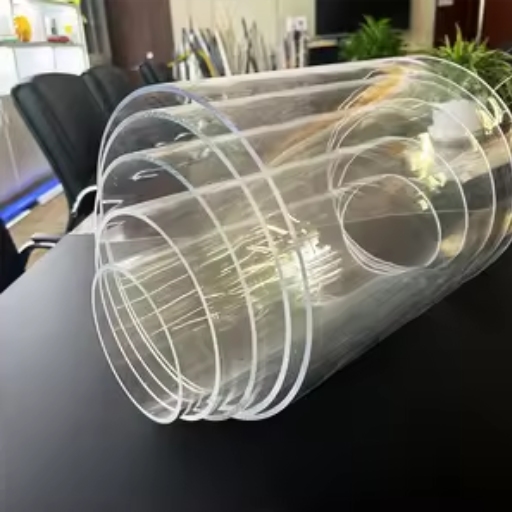

Cutting acrylic sheets, also known as plexiglass, might seem scary at first, but having the correct skills and tools can make it easy for anybody to accomplish. Whether a DIYer working on a creative project or a professional requiring clean, crisp, precise cuts, working with acrylic means that you must know the best techniques to employ. The objective of this guide is to give you insight into easing your way into cutting those sheets with accuracy. Procedures covered will range from simple hand tools to very sophisticated pieces of equipment, giving you the best of both worlds as well as tips and tricks to accomplish perfect straight lines every single time. Stick with us to learn how to shape plexiglass into your perfect material!
Understanding Acrylic and Its Uses
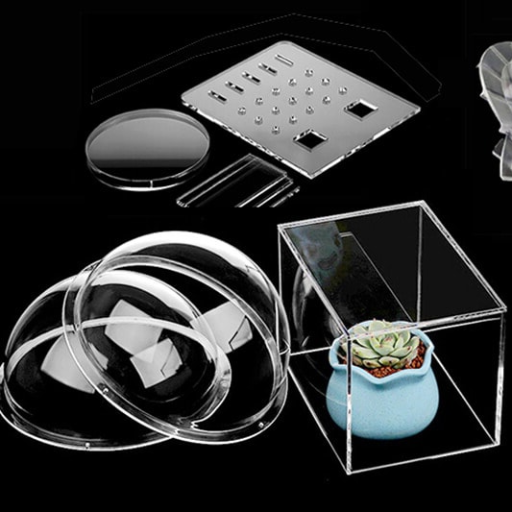
Commonly known as plexiglass, acrylic is a very versatile, durable material being used in various industries and for different projects. The transparency, lightness, and impact resistance of acrylic make it an excellent alternative to traditional glass. Typical applications include use as window panes, display cases, signage, and aquariums for barrier protection. Its ease of cutting, shaping, and polishing also makes this an ideal material for DIY and custom design projects.
What is Acrylic and Why Use It?
Acrylic, scientifically termed polymethyl methacrylate or PMMA, is a synthetic polymer derived from acrylic acid or related compounds. Acrylic beads are made uniquely and are therefore widely used across various industries. Acrylic is known for being up to 17 times more impact-resistant than regular glass and much lighter with almost similar optical clarity. Things that can be done with acrylics are considered significant for outdoor use, such as greenhouse panels and billboards. Furthermore, acrylic is highly customizable in terms of texture and operation, as it can be thermoformed into the desired shape and is available in various colors, finishes, and thicknesses. All these options make acrylic necessary in a wide range of settings, from interior decoration to specialized industrial use. The last two factors have actually made acrylics the popular choice: they are inexpensive, sustainable through recycling, and used in present-day manufacturing and consumer products.
Common Applications of Acrylic Sheets
- ●
Signage and Displays: Because acrylic sheets give utmost clarity and Olympic weather resistance, they are often used for experimental signage, retail displays, and exhibition materials. - ●
Greenhouse Panels: Due to their high durability and efficient light transmission, aluminum sheets are typically used for glazing in greenhouses. - ●
Interior Design: The acrylic sheets are manufactured into furniture, wall panels, lighting fixtures, and decorative elements, offering carbon versatility alongside a modern design. - ●
Protective Screens: Because they are sturdy and transparent, acrylic sheets are used as a shield against contagion in office spaces, retail counters, and medical centers. - ●
Automotive and Transportation: Due to their lightweight nature and resistance to impacts, these acrylic sheets are used in vehicle windows, interior trims, and lighting fixtures.
Benefits of Using Plexiglass Over Glass
- ✓
Lightweight: Plexiglass is considerably lighter than the conventional glass, which makes it easier to handle and to be taken to various installations. - ✓
Shatter Resistance: Plexiglass resists shattering, unlike glass, providing safety alternatives in situations that demand durability. - ✓
Optical Clarity: With high transparency and clarity, plexiglass often surpasses glass in maintaining visibility without distortion. - ✓
Weather Resistance: It exhibits good resistance to weathering, including radiation from the sun; therefore, plexiglass lasts well in outdoor settings. - ✓
Customizability: Plexiglass can be custom cut, shaped, and designed, offering greater flexibility for both creative and practical uses compared to glass.
Tools and Materials for Cutting Acrylic
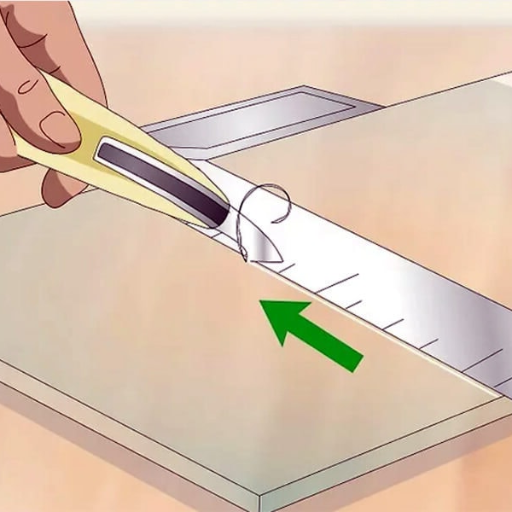
Correct and appropriate equipment and supplies will help you cut acrylic. A utility knife scores the acrylic; curved pieces can be cut with a jigsaw; precision cuts require using a table saw with a fine-toothed blade. Clamps to hold the acrylic and masking tape to protect the surface are essential complementary supplies. Safety is crucial: use safety glasses and gloves to protect from flying debris or sharp edges.
Essential Tools for Cutting Acrylic Sheets
Utility Knife
Best for scoring and snapping thinner acrylic sheets for straight cuts.
Jigsaw
Used for curved or complicated shapes with fine-tooth blades specifically for acrylic.
Table Saw
A fine-tooth or carbide-tipped blade results having the ability to make accurate straight cuts on the thicker sheets.
Clamps
Used for holding acrylic pieces securely while cutting to avoid any movement or incorrect cuts.
Masking Tape
Used to protect the surface of the acrylic and minimize chipping along the edges while cutting.
Safety Gear
Always wear protective goggles and gloves to avoid harm from flying debris or sharp edges.
Choosing the Right Blade for the Job
When cutting through acrylic, selecting the proper blade enables smooth and accurate cutting. Use blades with a fine-tooth configuration to minimize chipping when working by hand with jigsaws or circular saws, as these blades are specifically designed for plastics. It is, however, preferable to use a carbide-tipped blade with more than 60 teeth when working on table saws for clean and smooth cuts. Also, try to keep your blade sharp and clean; needless to say, an old blade may produce cracks or rough edges in the workpieces.
Safety Equipment and Precautions
⚠️ Safety should always be considered in a priority when working with acrylic cutting tools to avoid injuries and mishaps.
Sometime flying debris may enter one’s eyes; hence, always wear safety goggles for protection. A dust mask will protect the wearer from inhaling fine particles of acrylic, as they have the capacity to irritate the respiratory system. Gloves are needed to protect one’s hands from sharp edges or an unexpected touch with the cutting blade, but only if they fit snugly since baggy gloves can get caught in the equipment. Additionally, ear protection is necessary when operating loud power tools for extended periods. Always prefer well-ventilated work environments and use clamps to hold the acrylic sheet during cutting to avoid slippage. To further minimize risks, double-check all tool settings and switch off all tools when making adjustments.
Best Ways to Cut Acrylic Sheets
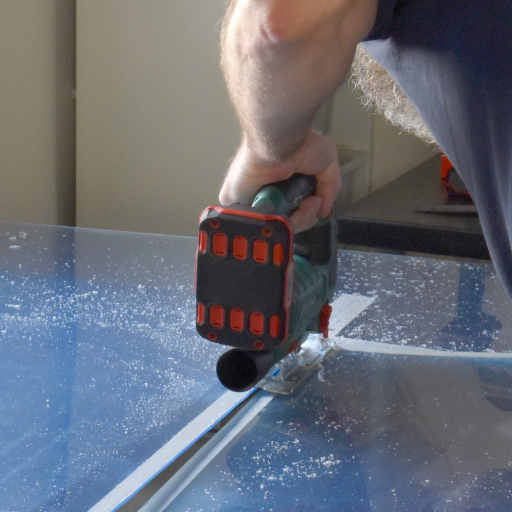
Depending on the thickness and cut needed for acrylic sheet cutting, the best methods change. For straight cuts on thin sheets, a scoring knife can be used to score the surface multiple times and then snap it along the line. For thicker sheets or more precise cuts, a circular or table saw with a fine-toothed blade for plastics is very helpful. For curves or intricate cuts, the jigsaw is the tool to use. Always maintain slow and steady movements to prevent cracking or chipping the materials, and ensure your tools are sharp to achieve neat edges.
Using a Laser Cutter: Pros and Cons
Laser cutters offer an exact and efficient manner to cut acrylic sheets.
✓ Pros
- +
Precision: Laser cutters will cut the fabric with clean and smooth edges and their designs can be very intricate. - +
Versatility: The cutter is suitable for both straight and curved cuts, making it ideal for detail work. - +
No Contact: Since it is a non-contact process, it does not crack or damage the material during the cutting process.
✗ Cons
- −
Cost: Laser-cutting machines and their maintenance are expensive, making them less readily available to civilians. - −
Fumes: The acrylic that is cut produces fumes, and it is essential to ventilate them properly to ensure safety. - −
Practice: Operating the laser cutter effectively may require some skill and practice.
It would be wise to consider a laser cutter if your project requires a high degree of precision and intricate designs, but weigh the costs and safety issues.
Manual Cutting Techniques: Scoring and Breaking
Acrylic sheets are best scored and broken if cost-effective and straightforward. This technique is, therefore, favored among do-it-yourselfers and for smaller projects. You will need a scoring knife with a sharp edge or an acrylic utility knife to perform this process. Measure and mark the desired cut line onto the acrylic sheet. Using a ruler or ANY straight edge as a guide, apply moderate pressure to the scoring knife as you run it repeatedly across the surface along the marked line to create a deeply etched groove.
Once it is pronounced deeply, position the acrylic sheet so that the scored line hangs just over the edge of your work surface. Apply a great deal of downward pressure on the overhanging section, causing the sheet to snap cleanly along the scored line. Clamps can be used to secure the sheet while snapping to achieve greater accuracy. Though scoring and breaking are less precise than laser cutting, they require minimal setup and work well for simple cuts on thinner sheets of acrylic. Take necessary safety precautions, such as wearing gloves and goggles, to prevent any unfortunate accidents.
Power Tools for Efficient Cutting
Considered safer and cleaner, power tools can make fast straight cuts into acrylic sheets. A circular saw or a table saw with a fine-toothed blade, specifically designed for plastics, works best for straight cuts, producing smooth finishes. For complex designs or those requiring curves, the jigsaw with a fine-toothed blade lends versatility and control. Clamp the acrylic sheets straightly before starting with the cuts to ensure smooth edges. Safety first! Always wear eye protection and gloves when using power tools to prevent injuries. Blade sharpening is another benefit during maintenance, as it supports better accuracy and faster execution of cuts.
Cutting Acrylic Without Breaking: Tips and Tricks
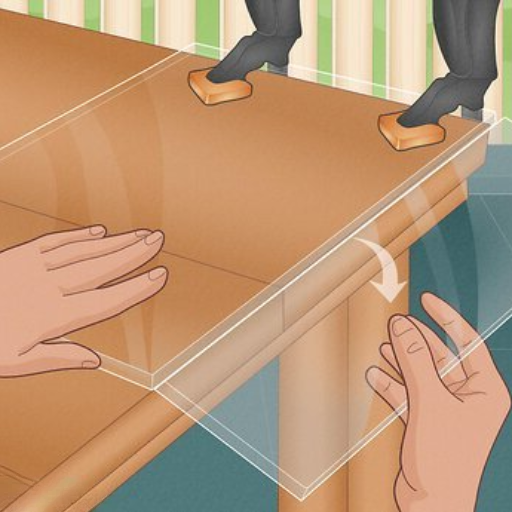
- Score and Snap Method: Score the acrylic a couple of times with the scoring tool or utility knife, along the desired line. Now apply pressure along the score line and the sheet should snap cleanly along it. This method is most effective for making straight cuts on thinner sheets.
- Use a Fine-Toothed Saw Blade: A fine-toothed blade, preferably for plastics, will help prevent the risk of cracks or chipping when using a power saw.
- Work Slowly and Steadily: Avoid rushing the cutting process. Slow and steady movements reduce strain on the acrylic and accidental breakage.
- Drill Pilot Holes for Curves: When cutting curves, drill pilot holes at the design’s corners to help guide the blade while reducing stress on the material.
- Keep the Acrylic Cool: Heat from cutting may melt or warp the edges. Use one of the cooling methods, such as pausing or spraying water, that keep the acrylic cool.
Temperature Considerations When Cutting
The aging process is something I try to avoid when I cut acrylic, as it could warp thin sheets or even melt them. So I try to work in a well-aerated place, along at a steady pace, preferably letting in some water or air to cool things down and doing the above yields clean edges with perfect precision.
Maintaining Clean Edges and Avoiding Chipping
Cutting acrylic requires a sharp cutting tool, such as a fine-tooth saw or laser cutter, depending on the type and thickness of the material. It is essential to maintain a steady speed without sudden movements, as these can cause chipping during the process. If power tools are in use, ensure the acrylic workpiece is clamped firmly to avoid vibrations passing through. Lastly, after cutting, sand gently with fine-grit sandpaper to remove any imperfections, guaranteeing the delicate smoothness of the edges. This tip will provide you with professional, clean results.
Finishing Techniques for Cut Acrylic Edges
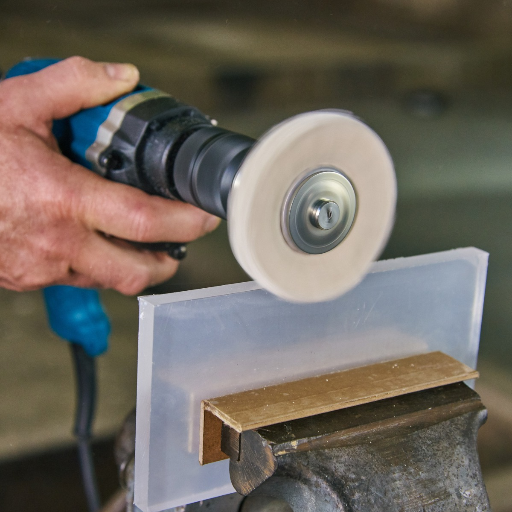
To achieve smooth, polished edges, the acrylic must be sanded, starting with a coarse grit and progressing to finer grits. A buffing wheel or polishing compound is used to bring out the shine from the acrylic surface. Flame polishing is used for a crystal-clear edge; the flame has to be run smoothly along the edge with fingers that should never tremble or the acrylic will be overheated or warped.
Sanding Edges for a Smooth Finish
Acrylic edges should be sanded smooth by first coarser sanding (with about 120 grit) to remove any roughness. Slowly increasing the grit level (400 or 600) provides a good finishing surface. Sand reasoning-wise in a straight direction, as any undulations will develop uneven edges. Lastly, wet sanding is highly recommended using fantastic grit sandpaper (800 to 1200 grit), as drying will only lessen the superficial scratches and prepare the edges for polishing. The acrylic must be firmly held down with no chance of movement during the sanding process.
Polishing Techniques to Enhance Clarity
Prepare the acrylic surface to have a clear, polished finish by first applying polishing compound. Next, use a soft microfiber cloth to buff the surface, or, if it is easier, use a buffing wheel connected to a drill or rotary tool, which maintains consistent pressure and motion. Apply the finishing compound in small circular motions. Once you have finished polishing the item, wash off all residue with warm water and mild soap. Plastic polish works wonders for clarity when applied as the final step. Avoid harsh cleaners and abrasives at all costs, as they may create scratches or haze.
Sealing Edges for a Professional Look
Seal acrylic edges for a perfect professional finish using any clear, fast-drying acrylic adhesive or solvent. Apply the glue sparingly to the edge using a small brush, syringe, or applicator bottle; precise control is essential. Give it the time it needs to dry, and once it is dry, you’ll achieve a smooth and seamless finish. If further finishing is required, you can proceed by lightly sanding the edges to achieve an even surface and an enhanced appearance. Always ensure good ventilation and follow all safety recommendations provided by the adhesive manufacturer.
Reference Sources
- 📚
SendCutSend Blog: How to Cut Acrylic Sheets Like a Pro – Offers tips on using sharp blades and specialized tools for cutting acrylic. - 📚
The Grumble Forum: Cutting Acrylic Sheets – Discusses tools like circular saws and techniques for achieving clean cuts. - 📚
Dallas Makerspace Forum: Best Way to Cut Down Acrylic Sheets – Shares insights on using table saws and crosscut techniques for precise cuts. - 📚
Regal Plastics Blog: 3 Ways to Cut Plexiglass Sheets – Explains methods for cutting plexiglass at home using hand tools or power saws. - 📚
xTool Blog: How to Cut Plexiglass? – Highlights laser cutting as an effective method to prevent cracking and achieve precision.
Frequently Asked Questions (FAQs)
What would be the best way to cut acrylic sheet without breaking it?
Fine-tooth blades can be used to cut acrylic sheets without breaking them. Using a band saw or a track saw would be acceptable for this. Chatter caused by an improper blade results in a rough surface. Hence, for a smooth cut, the right blade must be used. Furthermore, securing the sheet firmly to a flat surface while working is essential. Also, use a zero clearance insert in the saw to avoid any shards.
How can I cut large acrylic sheets efficiently?
For cutting larger sheets efficiently, use a circular saw with a fine-tooth blade or a table saw fitted with a plastic-cutting blade. Whenever working with sheets 4×8 acrylic sheets, be sure to have proper support as long cuts need to be made along the sheet to dissipate heat accumulation that causes warping.
What are the tools to cut acrylic sheets?
Cutting an acrylic sheet can be done using several tools. Acrylic blades, band saws, circular saws, and even an exacto knife for smaller precise cuts are all possible choices. Ensuring that the blade you use is specifically designed for plastic will increase your chances of achieving a successful cut with minimal damage to the sheet.
How should I keep the cut edge of acrylic sheets smooth?
To keep the cut edge smooth, use a fine-toothed blade when cutting. Sandpaper or a flame-polishing technique also works well to smooth out the acrylic edges after cutting. Until you are ready to work with it, protecting the acrylic with a protective film or paper is recommended to prevent any scratches.
What safety precautions should I take when cutting acrylic?
When cutting acrylic, it is advisable to wear your safety glasses to prevent injury. This is because debris might fly into your eyes, or shards might hit you. Secondly, a good measure is to ensure proper ventilation and keep your workspace clutter-free. Always adhere to instructions given by the manufacturer on the tools you intend to use.
What is the best blade to be used for cutting acrylic sheets?
One with 80 to 180 teeth and blades specifically designed for cutting plastic is the ideal blade for cutting acrylic sheets. Freud blades are highly recommended due to their specialty in making clean cuts and, at the same time, protecting materials from heat build-up that would otherwise result in the warping of acrylic sheets.