
Understanding Acrylic Panels: An Introduction
Lightweight and tough, acrylic panels for decks are popular options because of their transparency. Weather conditions are not an issue since they are UV-protected, and in any case, the material lasts for an extended period without becoming dull or yellow or missing. This versatility ensures that open looks are achieved in almost all configurations. The advantage of using acrylic panels is that they take very little effort to fit in place and to keep clean – two characteristics very useful, especially in outdoor spaces.
What Are Acrylic Panels?
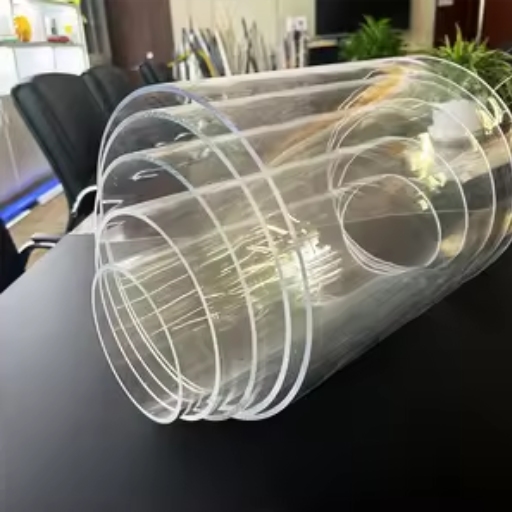
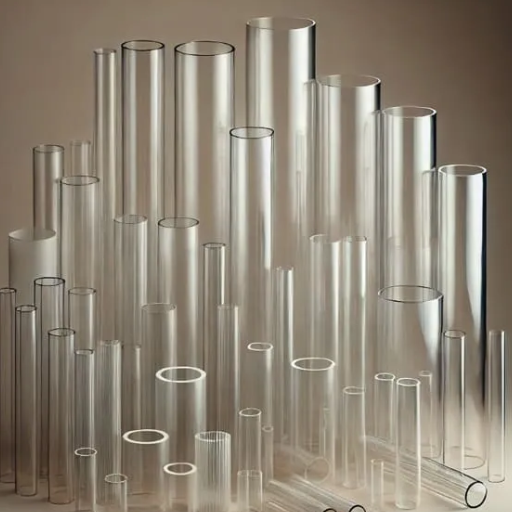
There is a particular plastic material with many unique properties: poly(methyl methylacrylate)(PMMA), also known as acrylic panels. Some of these properties include high transparency, high impact resistance, and being lightweight, which make it a popular replacement for glass as it has most of its appearances but is more resistant and cheaper.
Acrylic panels are manufactured using different techniques such as cell casting and extrusion. Acrylic sheets find use in construction, automotive, and decoration industries, among others. These panels are inherently resistant to UV light among other weathering effects,s hence are mostly used in outdoor applications where optical clarity and structural quality ensure long usage.
Because of the flexible nature of these materials, a number of these panels can be extruded, twisted, or even cut out into different configurations,s and this has opened very many horizons of creative possibilities. This adaptability has enhanced acrylic panels’ widespread use in contemporaneously designed buildings and other design interventions in the use of acrylic panels for decks or for any other purpose.
Key Benefits of Using Acrylic for Decks
- Longevity: Unlike many traditional materials, acrylic can withstand climatic conditions such as UV rays, humidity, and changes in temperature, making it appropriate for outdoor applications.
- Light-Weight Design: Acrylic also has a good strength/weight ratio in contrast to normal materials like glass, making it relatively simpler to handle and fix for such jobs.
- Superb Clarity: Mainly, acrylic panels are efficient in bestowing clarity because they allow sufficient light, while at the same time initiating a sophisticated and contemporary appearance that does not disrupt the picturesque view.
- Minimum Management Expectations: This material has a nonporous coat, which enables it to be easily wiped or erased without any effort for cleaning, allowing fewer corrective actions to take place than other kinds of railings.
- Options in a Custom Ornamental style: Blades of Metal and Acrylic are easily cut into sophisticated shapes to fit any decking structure a person, architect, or homeowner would prefer the most.
- Super Impact Strength: It offers wonderful glossiness and, above all, amazing impact strength compared to glass. Thus, it helps to minimize breakage in places with regular public usage, such as malls.
- Sustainable Alternatives: Recyclable types are provided by many of the acrylic panel manufacturers, which makes it appropriate for ‘greener’ projects, whether construction or otherwise.
- Range of Colours and Finishes: There is a wide range of colors available with a number of finishes suitable for different decorative designs, including a frosted appearance to a high gloss metallic look.
Acrylic Panels vs. Traditional Glass: A Detailed Comparison
| Parameter | Acrylic Panels | Traditional Glass |
|---|---|---|
| Weight | Lightweight (approximately half the weight of glass) | Heavy |
| Impact Resistance | High (10-20x stronger than glass) | Low (prone to shattering) |
| Optical Clarity | 92% light transmission | 80-90% light transmission |
| UV Protection | 99% UV blocking capability | Minimal UV protection |
| Scratch Resistance | Low (requires careful cleaning) | High (more scratch-resistant) |
| Thermal Insulation | Better insulation properties | Poor insulation |
| Overall Durability | High (weather and impact-resistant) | Moderate (fragile under stress) |
| Cost | Higher upfront investment | Lower initial cost |
| Formability | Easy to shape and customize | Limited shaping options |
| Recyclability | Difficult to recycle | Easy to recycle |
| Primary Applications | Aquariums, skylights, deck railings | Windows, large architectural structures |
Product Options and Features
Types of Acrylic Sheets for Deck Railings
| Type | Key Features | Best Use | Durability | Aesthetic |
|---|---|---|---|---|
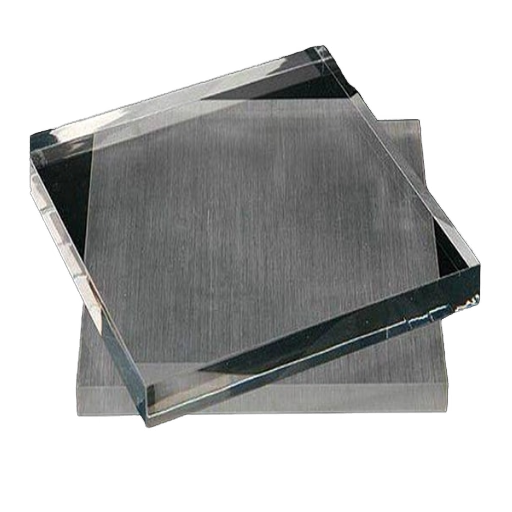
| Clear Acrylic | Transparent, versatile, high clarity | General deck railing applications | High | Modern, sleek appearance |
| White Acrylic | Opaque, custom sizes available | Privacy screens, signage | High | Clean, minimal design |
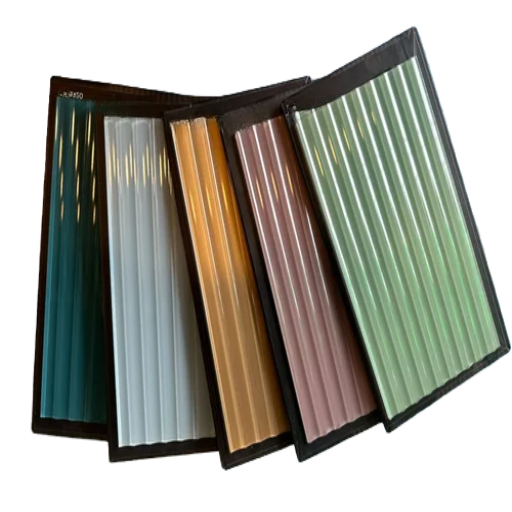
| Colored Acrylic | Vibrant hues, customizable | Decorative projects | High | Bold, striking visual impact |
| Mirrored Acrylic | Reflective surface, durable | High-stress areas | High | Functional, stylish |
| Light-Diffusing | Even light distribution | Backlit signs, ambient lighting | High | Subtle, effective illumination |
| Solar-Tinted | Enhanced UV protection | Outdoor deck applications | High | Functional, modern look |
| Non-Glare | Matte finish surface | Display cases, viewing panels | High | Professional appearance |
| Anti-Static | Static-resistant properties | Electronics protection | High | Functional design |
| Abrasion-Resistant | Scratch-resistant coating | Public spaces, high-traffic areas | Very High | Durable, long-lasting |
| Impact-Modified | Enhanced impact strength | Safety applications | Very High | Practical, reliable |
| Lucite Block | LED integration capability | Lighting projects | High | Unique, glowing effect |
| Textured Acrylic | Privacy with light control | Partitions, doors, privacy screens | High | Decorative, functional |
Thickness and Durability Considerations
The acrylic panels for decks configuration is an element of crucial importance since it determines how robust they are. The standard sizes are generally between 1/8 inch and 1 inch, although thicker sheets are more impact-proof and stronger structurally over the long run.
Analyzing the best possibilities for railing thickness: According to recommendations, rail sizes higher than 1/4” are much stronger and flexible because of the external force, wind and any minor stress captivity allowances. But when it comes to the aspect of comfort or areas that are in use all the time and in adverse weather conditions, 3/8” to 1/2 inch thick panels come in handy.
Moreover, acrylic gear panels are resistant to direct sunlight, remain transparent, and indoors don’t lose in ever their practical use outside. At the right conditions, it is possible to place this type of acrylic panel for decks for up to 10 years.
Features of Clear Acrylic Sheets
- Unmatched Transparency: Transmits over 90% of light, providing clarity and transparency equal to or better than glass.
- Light-weight: Weighing nearly half of what a glass does, which makes the material easy to manipulate, transport, and install.
- Superior: It is very tough, i.e., tougher by as much as 17 times than ordinary glass.
- Effective Against UV: Made to resist the adverse effects of UV light, able to retain clear colors when in the sun for long durations.
- Weather Performance: Successfully survives in different outdoor environments without breaking or deforming due to temperature differences, wind or rain.
- Ease in Fabrication: Comes with the adaptability to different uses and bespoke designs due to the fact that it can be cut, drilled and shaped by ordinary tools.
- Economical Recommendation: Suggests being a cheap substitute for glass with pretty much the same or better glass features in the case of decks.
- Insulation: In measures of thermal insulation, it insulates better than glass and so finds application in certain patterns of energy consumption.
- Assorted Dimensions: Available in a variety of thicknesses, within which customers can specify dimensions and satisfy full scope of projects.
- Resistant to Chemicals: It resists most, if not all, plastics, oils, and some fragrances used in cleaning solvents and extends its useful life even under harsh outdoor conditions.
- Acrylic Weather Seal: To prevent water intrusion and staining while still looking good year after year, acrylic panels for decks are put in place as a decorative feature on some patios and also perform the important waterproofing function of the surface.
Installation Guide for Acrylic Deck Railings

Essential Tools and Hardware Needed
You need to assemble these items that are needed for the installation work before embarking on any actual installation:
- Tape Measure: For having proper dimensions of the heights and lengths of railings and the gap between the slats
- Drill: It is used where there is a need to drill holes and fix plexiglass in place
- Screw Drivers: Used during the fixtures and tensioning of the screws as accessories
- Saw (with fine teeth or even a circular saw): Used to cut acrylic panels for decks in the dimensions wanted, leaving no sharp edges
- Spirit Level: Used to manually check the vertical or horizontal alignment of the railings
- Brackets with Screws: Used for the attachment of the panels, as well as the construction
- Protective Equipment: This may include goggles, masks, gloves, and other protective equipment, among other installation activities that can be described as dusty and risky.
Step-by-Step Installation Process
- Assess the Surface for CompatibilityUtilize a vinyl measuring tape to take the measurements of the linear railing and determine the positions where the linear section brackets are located. Avoid mistakes by ensuring all measurements are treated uniformly.
- Make Ready the Acrylic SheetsMeasure their dimensions by preparing the required pieces with a saw or circular saw, if applicable. Every edge of the panels must comply with the plan. The blue polythene covers will not come off until they are fixed into position, since they may get scratched.
- Attach the Support Brackets the marked points, and place the brackets in position. These are then fixed into place using screws, which are powered by a screwdriver. This is checked so that the brackets are aligned before they are secured.
- Fit the SectionsInstall the acrylic panels for decks within the brackets. The level tool should be used to ensure an even horizontal and vertical fitment of the panels. If necessary, re-align them before fixing.
- Secure PanelsUse tightened screws, some even apply nuts or oversized washers through the mounting brackets in order to protect the existing shapes of the acrylic panels, once they have been installed. In case excessive tightening of the placement bolts can damage the acrylic, avoid it.
- Ensure Everything is Tightened and BalancedFinally, make sure all brackets and connections have been included and positioned to the correct points, and that they fit properly. Check the stability of the boxes filled with panels by positioning more than one panel on top of Art Box 28.
- Involves Cleaning the Installation Completed, begin with, clear the area and the panels of any dust or debris deposited onto these panels. For maximum transparency and appealing looks, the dirt on the acrylic panels can be safely cleaned with a smooth textile material and a soap solution. Carefully peel off the defenders.
- Put Away All the Tools and Clean and order the Wastage Store the used equipment with care and relegate the waste and material coated incapacity together with the usual local ordinances.
Common Installation Mistakes to Avoid
| Key Point | Description |
|---|---|
| Inaccurate Measurements | Always measure twice and cut once. Ensure accurate dimensions to avoid gaps or misalignment in the final installation. |
| Using Incorrect Tools | Use appropriate tools designed for acrylic to prevent cracking or damage. Avoid tools that generate excessive heat. |
| Over-Tightening Fasteners | Apply appropriate tension when securing panels. Over-tightening can cause stress cracks in the acrylic material. |
| Neglecting Surface Preparation | Clean and level the surface properly before installation. Debris or uneven surfaces compromise stability and appearance. |
| Ignoring Manufacturer Guidelines | Always follow manufacturer specifications for installation, including recommended panel thickness and mounting methods. |
| Skipping Alignment Checks | Check level and alignment incrementally throughout installation rather than waiting until the end. |
| Rushing the Inspection | Take time to thoroughly inspect all connections and ensure structural integrity before considering the project complete. |
| Improper Cleaning Methods | Use only recommended cleaning solutions and soft cloths. Harsh chemicals or abrasive materials can damage the acrylic surface. |
Cost Analysis: Acrylic vs. Alternative Materials
Long-Term Value: Durability and Maintenance Costs
Analyzing acrylic panels for decks against glass panels or decks over the horizon, the objective of this study is to assist in the choice of the most suitable for building or construction based on certain elements like availability, price, feasibility, and reliability.
Durability Comparison
It is important to note that acrylic panels stand out when it comes to impact resistance, with up to 17 times the impact resistance as compared to ordinary glass. The odds of cracks or fractures are indeed minimized, especially where there is a lot of activity or for outdoor use. However, despite being resistant to scratching than acrylic, glass material is even more vulnerable to cracking as well. For such scenarios where durability and safety are primary concerns, acrylic panels for decks are an ideal option.
Maintenance Costs Over Time
Eventually, the cumulative expenditure on the acrylic structural elements is, as a rule, less than that applied for glass. Acrylic is of lesser mass, hence, it can be more comfortably handled for regular cleaning or changing out. However, if cleaned inappropriately, it is more likely to have unavoidable surface abrasion. To circumvent such issues, there are directions against using any scrubbing agents and instead encouraging the use of microfiber cloths.
The use of glass in some other circumstances does not involve too much effort to prevent scratching, yet replacing or fixing it when broken could be quite costly. Further, creating gravity-fed systems, transporting and protecting CRT glass infrastructure requires more cost, and even more in the case of restoring damages.
Cost Data and Lifespan
In light of statistical data on the market, the lifespan of acrylic items is from 10 to 15 years in most cases, instead of conventional glass, since they are mostly installed in areas that wear out easily. In addition, the preventive costs related to repairs or maintaining glass throughout its useful life, on average worldwide, reach 30% more cost than when acrylic is used due to its heavier and more delicate nature.
At the end of the day, acrylic or glass must be chosen for a particular purpose. However, it is important to know that in areas where maximum longevity and minimum level of sustenance are required, acrylic will always be the better choice and definitely the cost-friendly one.
Budget-Friendly Alternatives to Acrylic
If glazing that is less costly than acrylic is desired, the following materials can be suggested:
- Polycarbonate: More resistant to impact than acrylic but almost the same in clarity, this material is affordable. It is a good alternative for applications involving a very high impact.
- PETG (Polyethylene Terephthalate Glycol): It is much less costly and more conveniently moulded into various shapes than acrylic. Its clarity is acceptable and does not react with many chemicals.
- Rigid PVC Sheets: where light-duty or cheaper grades are required for very short periods of time, PVC sheets are used. They are very cheap due to their lightweight nature and cannot be used effectively in instances where more strength than basic projects, clarity, and UV resistance of acrylic is required.
Important point to consider: Each material should be analyzed with regardto its application to a particular area to achieve the required functioning and costs. Your considerations at best should comprise the following variables: level of exposure to UV rays, transparency desired, requirement for impact resistance, and durability of design.
Design Inspiration for Acrylic Decks
Modern Design Trends Using Acrylic Panels
Current designs of acrylic panels for decks and walls put a lot of emphasis on their use when it comes to decorative partitions, room dividers, and furniture, as well l giving users clean, minimalist designs with a lot of light and possibilities for both indoor and outdoor utilization. Current design patterns aim at offering an effective change from one internal structural composition to another, as well as harnessing the use of as much light and views as possible.
Creative Ways to Use Clear Acrylic in Deck Design
The applications of clear acrylic in deck architecture have progressed significantly to the extent that homeowners and experts wish to maximize the use of this material in order to obtain functionality and modernism at the same time. These are examples of applications based on new design techniques:
1. Clear, Glass-Like Railings
These clear acrylic panels are mainly used for deck rails because they guarantee safety and viewing pleasure. In cases like that of beach houses or scenic homes, such sight retention becomes even more relevant. It helps preserve the feeling and look of being within an open space, which is still in conformance with the building codes.
2. Clear Floor Acrylic Panels to Achieve Various Interior Effects
Clear acrylic panels for decks can also be used as addon elements within a deck in order to enhance unique visual elements like interior gardens, fish ponds, and LED lighting beneath the deck. This innovation enhances the depth of the design and gives it a more modern touch with elements to intrigue a room.
3. Checkered window blind
The use of acrylic in the construction of deck covers aids in protecting covered areas from harsh weather conditions but maintains the availability of natural light. It has high strength and ultraviolet light resistance, allowing it to keep the room light and open materials free from damage when the sun appears. Hence, this material has, and is perfect as a covering in patios where people enjoy spending time even in winter.
4 Decor Relations With Built-In Furniture
Mounted or furniture designs, such as benches and even tables,s can be realized with the use of acrylic, which provides easy incorporation of design features without the unnecessary weight and at the same time with the structural strength that is characteristic of acrylics. It gives an elegant, floating effect which is suitable for both minimalist and classic decks.
5. Illuminated Edges and Panels
Placing LED light strips skillfully along the clear cut ends or panels results in a warm glow during the night and hence improves the atmosphere as well as safety. This form of adding enhancement has also become very popular in outdoor living areas for decks well within reach of one’s home, which allows for better silhouetting of furniture, for instance.
Case Studies: Successful Acrylic Deck Installations
| Project Type | Key Characteristics | Special Features | Primary Benefits |
|---|---|---|---|
| Modern Rooftop Deck | Urban setting, clear panels | Integrated LED lighting | Unobstructed city views |
| Coastal Home | Beach environment, UV-resistant | Durable construction | Modern aesthetic, ocean views |
| Woodland Retreat | Forest setting, clear panels | Temperature-resistant design | Seamless nature views |
| Rooftop Dining Space | Commercial use, frosted panels | Lightweight installation | Privacy with natural light |
| Marina Walkway | Clear, durable panels | Water-resistant coating | Panoramic aquatic views |
Safety Considerations for Acrylic Deck Railings
Understanding the Safety Standards
Safety, along with building code, is to be adhered d if the acrylic panels for decks are to be installed, ensuring longevity and safety of use. The key ones are: –‐
- On The Matter Of Height: Appropriate clearance, usually between 36 inches and 42 inches, ought to be provided by the railings so as to reduce all dangers (from falling) and meet the building standards of a given locality.
- Shock-Absorption Materials: Panels used should be of adequate thickness such that they can resist pressure or impact from impacts or accidents.
- Fireproofing and FirefIGHTinG Regulations: Appropriate fire protection requirements and ratings for a specific location and use shall be satisfied in the materials used.
- Weather resistance: The panels should be made from non-toxic acrylic, which is weather-resistant to avoid their destruction over time.
- Shear Strength Capacity: As described in the building standards manual (usually 200 pounds per foot), the installation should bear the recommended lateral loads.
Important: Regular inspections for maintenance are advisable to maintain safety and compliance in the long run. When in doubt, cross-check local and national building codes, which will have specific regulations.
Impact Resistance of Acrylic Panels
Acrylic panels are known for their superior impact resistance compared to glass, as they can resist impacts 10 to 20 times more than glass under equal conditions, and especially than clear glass. That is why they are preferred in cases where glass breakage could present any danger.
Furthermore, acrylic panels for decks do not soften even when temperatures change, and they can withstand minimal pressure without shattering. To prevent issues, ensure that the materials are installed correctly with enough thickness (at least a quarter inch in the case of deck railing) for use, and carry out periodic checks to avoid extensive wear and tear.
Maintaining Safety with Proper Installation
The correct application of acrylic panels is very important in maintaining the safety and service life of mechanisms. To achieve these objectives, one must take into account the following standards:
- Select Auricular Panel Thickness Recommendation: Consider the thickness of the auricular panels to be used, as it affects their capability against structural warping. In the case of deck rails, the recommended thickness is at least ¼.
- Fit That One Specific Kind of Fastener: Stop inventing fasteners and carrying out modifications on the structure itself in order to fix the panels, but rather aim at using fasteners and brackets oriented on acrylic paneling in particular.
- Keep Stress Concentrations Low: Failure to correctly position the fasteners may cause cracks. It is advisable to use rubber or neoprene rings to offset the stress.
- Factor in the Existing Weathering Effects: Ensure that the surface is clean and dry while mounting the structure so that it does not lose its integrity and adhesion strength.
- Reverse Visual Templates Thermally and Structuring Motorized Movements: Provide clearance for thermal variations in the form of longer and shorter movements of protruded acrylic panels for decks.
- Regularly Perform Assessments: Perform regular inspections and repairs to enhance safety by recognizing signs of fatigue and wear and tear and acting before all conditions worsen.
Latest Innovations in Acrylic Panel Technology
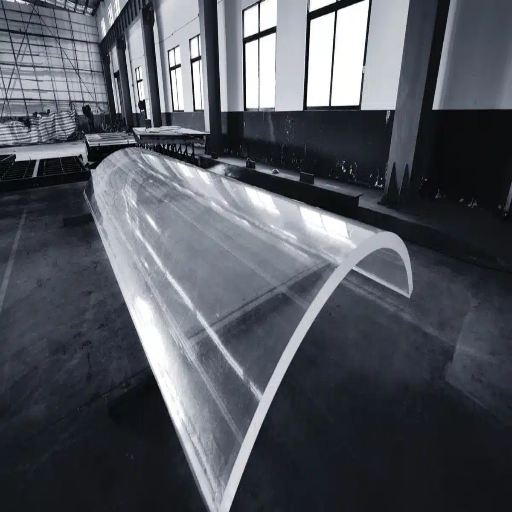
Advancements in Acrylic Manufacturing
Recently, acrylic production has improved so much that the capacity and the quality of the material have risen remarkably for different areas of applications:
- Strengthened Polymers: Many of the contemporary methods of polymerization have high strength, gloss, and high-quality acrylic sheets these days.
- Advanced & High-Tensile Sheets: The sophisticated extrusion technology has made it possible to maintain the thickness and also the quality of large sheets made with extruding technology.
- Incorporation of Enterprise Technology: This technology especially helps in making scratch and sunlight-resistant surfaces, which are very useful in outdoor and infrastructural use.
- Better Surface Treatments: Modern abrasive sophisticates can also be applied as a clear optical coating of almost small thickness without losing durability.
- Environment-Friendly Manufacturing Techniques: There are various energy-saving techniques used in the manufacturing processes that most companies use, where water recycling is also practiced, and such processes seize the global waves of curbing pollution.
These latest advances serve to ensure that acrylic maintains its relevance in the context of contemporary design and technology, for example, by being perfect for use as deck railing.
Eco-Friendly Acrylic Options
Environmentally friendly designers of acrylic search for solutions that do not negatively impact nature without losing the essence of the acrylic.
- Recycled Acrylic Boards: These boards are made from recyclable materials and thus decrease the amount of waste generated as well as the use of virgin materials, all the while adhering to the desired performance levels.
- Efficient Energy Utilisation in the Making of Products: Companies are embracing green energy and seeking to enhance processes of production to lessen the CO2 emissions in the air.
- Reused Water: The processes involved in manufacturing have improved in terms of water recycling, which helps improve environmental sustainability.
- Acrylic from Plants: Acrylic from plants instead of oil-retrieved products is a new option that promises to be sustainable as more bio-based materials gain popularity.
- Lasting Longer: Acrylic panels for decks that last at least a decade, if not more, lessen the need for replacement and thus have a positive environmental impact in the long term.
These solutions are more eco-friendly than traditional ones, yet they also combine all the beneficial characteristics of acrylic and can be employed in a variety of situations,s and therefore are highly recommended for green building projects.
Future Trends in Deck Railing Design
Primary focus is on simple yet smart designs in deck railings, focusing on the following:
- Tough Long Lasting Materials: More and more use of aluminum, cable, and acrylic material {done}, such as installations that will last a long time and require little or no maintenance
- Designs with Inbuilt Lighting: Railings incorporating lighting systems, usually an LED-based system, solve both decoration requirements and also night nighttime railing function.
- Safety and Security: Devices such as smart sensors and mechanical systems are added for safety and ease of use
- Mixed Material Designs: Some of the designs use acrylic combined with metal and/or wood.
- No Frame Acrylic Designs: Mounting with topbar spacers and bottom bar only, and acrylic panels for decks, skywalks, and railing protection without any frame.
- Personalization: More emphasis is in the ISC designs, exact colors, and prints that fulfill the bodily structural proportions of people’s desires.
Frequently Asked Questions (FAQs)
Q: Do Acrylic Panels Add Value to Deck Installations?
A: There are numerous advantages of employing acrylic panels for decks, including enhanced strength and environmental resilience. Reasons for their adoption include their lightweight nature as well as the ease with which they are scaled and shaped for different projects. These are transparent and do not restrict the view, making them suitable for extensions for different units such as patios and decks. Besides, acrylic panels shield users from the destructive forces of nature, allowing activities to be carried out within buildings as well as on open spaces for years without any problem.
Q: What is the best way to install acrylic panels on a deck?
A: Concrete slabs can be obtained and installed within a few hours easily. However, it is accurate to say there are barriers to such operation, especially in work areas or areas with fireplaces. Prepare the area, mark the location of the sheet panels, and cut the sheet to size, if needed. After installation using the proper hardware and kit for acrylic, fix the sheets to the posts or rails in a way that ensures their support for safety and longevity. Be sure to use the manufacturer’s guidelines in the assembly of the structure to receive the best outcome.
Q: Are Suitably Prepared Coated Polycarbonate Materials Stronger Than Tempered Glass?
A: Acrylic sheets tend to be more versatile than tempered glass when working with certain materials, because they are less brittle and therefore more resistant in outdoor structures. Tempered glass is clear; however, acrylic is more portable and modifiable. In projects that would need impact property, the approval rating for acrylic is very high.
Q: What is the allowable thickness of the acrylic sheet shown and other heights available, i.e, for outdoor purposes?
A: The optimal outdoor usage span of acrylic sheet thickness is from 1/8 inch to 1/4 inch or even more in some cases. This is because thicker panels can withstand more force in terms of wind and rain than thinner panels. Before choosing an appropriate thickness of acrylic, it’s important to consider local climatic conditions as well as the project’s requirements for durability and scratch resistance.
Q: Are there acrylic panels for decks that offer privacy?
A: Certainly, and adding acrylic panel designs to your deck provides some level of privacy. Considering the presence of sun filtering screens and other values, one can actually utilize customized panels to make the area more hidden without making it boring and overstretched. These panels are multifunctional – they provide security; they are decorative, and hence can be used for fencing or even dividing spaces.
Q: How is the cost of acrylic panels versus the cost of other elements?
A: Tempered glass is usually pricier than acrylic panels, while wood, on the other hand, is more economical. The cost is highly dependent on the thickness, dimensions, and special cutting. If you start calculating the project costs, you will notice an important position of cultural preservation, conserved thanks to acrylic – it is more economical to use in a longer perspective, there is no need to repair it that often, it serves longer, and that sometimes compensates for the terrible initial costs.
Q: To what extent is the maintenance of the acrylic panels for decks?
A: It is not difficult to care for acrylic panels. Mild soap solution and a soft cloth are adequate to clean these panels, as they look crystal clear and beautiful. It is also sensible not to use strong solvents or abrasives, as the surface can easily get damaged. Furthermore, the application of UV protection turns out to be beneficial in preventing the panels from damaging the essence of discoloration and sun exposure
Q: Is it possible to make something creative with acrylic sheets at home?
A: There are many advantages of using acrylic panels for different purposes indoors. They can make accents on furniture, partitions in rooms, or decorative glass for windows. Due to their light weight, these panels are often easy to manipulate and install. Also, the different colors and textures that one can choose to install any place indoors, including options with acrylite®, make for such interesting options.
Q: How are the acrylic sheets sold? Are the shipping glasses attached?
A: Shipping methods for acrylic sheets differ depending on the supplier; however, most suppliers offer both ground and express shipping options. Some of the companies have custom-cut-to-length sheets available as well, so that the project will be fabricated in various ways, and such requirements have been established. Take a look at the shipping policies for additional charges and time frames, particularly for orders that contain large quantities.
Research and Reference Sources
1. The Use of Acrylic Panels in Construction and for Daylighting Purposes
- Authors: R. Al-Qudah, A. Freewan
- Trade: Journal of Direct Daylighting
- Date of Issue: 12th December 2020
- Reference Token: (Al-Qudah & Freewan, 2020)
Abstract:
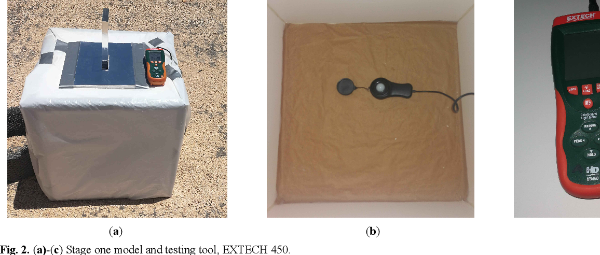
- In this research, the capabilities of Acrylic panels are examined; in terms of daylight enhancement, it is possible for different structural forms. Furthermore, this study began with physical models, which were employed to conduct actual experiments and measure daylight enhancements.
Main Results:
- Acrylic sheets can let light up to eight times than an ordinary glass sheet.
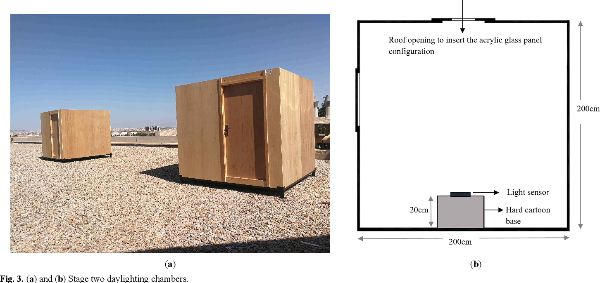
- The optimum studied consisted of a 20mm thick acrylic panel, 30cm collector length and thickness, and 20cm diffuser length and thickness – resulting in the transmission of 3493.3 lux under extreme conditions at peak summer time.
- The work highlights the significance of design parameters, namely thickness, length, orientation and materials surrounding the device towards the objectives of optimum light transmission.
Procedural Approach:
- Focused heavily on experimental setups, the scope of the research expanded in accordance with the peculiarities and customary practices of physical models. Qualification of methods that are engaged in light transmission and the competence of acrylic panels for decks in different arrangements were considered.
2. The acrylic panel stress measuring instruments installed in the JUNO project
- Authors: X. Yang and colleagues.
- Journal: Equipment Journal
- Date Published: 2021
- Direct Quote: (Yang & al., 2021)
Abstract:
- In this paper, they outline the stress determination mechanism used for acrylic instrument panels that shield the JUNO apparatus in a neutrino experiment.
Main Points:
- The research elucidates acrylic panels’ strength and the number of internal stresses produced under span loads – a useful information for defining how much any specific element can withstand in extreme cases.
Method:
- These elements professionals used mixed techniques of direct tension and compression with theoretical modelling in predicting how acrylic panels for decks functioned under diverse loads.
3. Placing a transparent roofing sheet onto photovoltaic modules with a purpose of suppressing overexposure.
- Researcher: Tippul Murtadha
- Magazine: Engineering Works
- Issue No: March 1, 2023
- Reference: (Murtadha, 2023)
Abstract:
- Particularly, it covers an exploitation of a transparent rooftop sheet over photovoltaic panels so as to protect them from excess light.
Findings:
- The emphasis on covering the photovoltaic cell with an acrylic panel is that it eliminates glare and cuts off undesirable UV rays, thereby increasing the productive range of the cells.
Approach:
- In carrying out this work, we constructed experimental systems for performing measurements of how well panels with (or without) clear plastics perform, calibrated for different lighting exposures.