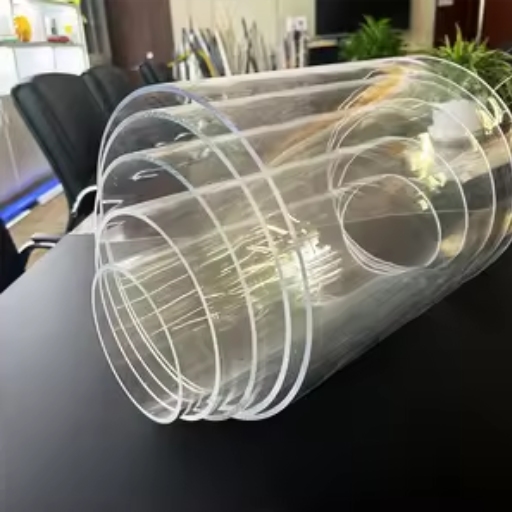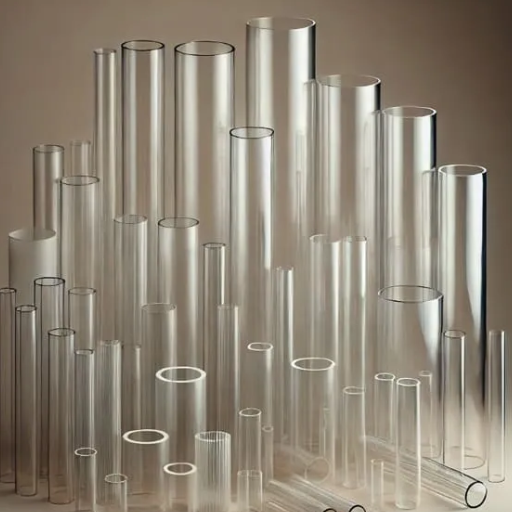

Creating a captivating and sustainable aquascape is an artistic endeavor requiring creativity, technical knowledge, and a deep appreciation for marine life. Out of all tools in an aquarist’s arsenal, acrylic rods have truly made their mark in the design of beautiful reef and marine aquarium setups. These malleable yet strong tools provide a solid footing for the rock structures on which intricate artists build massive, gravity-defying designs. Hence, ensuring their survival in the long run is essential. Here, we discuss the acrylic rods that can spur your aquascoping process, their advantages, how to use them, and how they contribute to a healthy marine ecosystem. The guide will surely provide great ideas and practical solutions for enhancing your regime underwater, whether you’re an experienced enthusiast or a beginner just starting on the road to aquascaping.
Introduction to Aquascaping with Acrylic

Aquascaping with the utilization of acrylic represents perhaps the most unique way to create breathtakingly beautiful and structurally sound underwater environments. Acrylic rods are strong, lightweight, and easy to handle, allowing for the connecting of rocks to form complicated setups that simulate natural underwater landscapes. Unlike some traditional materials, acrylic never degrades underwater, therefore ensuring its long-term stability in marine- and freshwater-based installations. Aquascapers can use acrylics to create some amazing gravity-defying designs whilst ensuring that the aquatic life and water quality are unharmed.
What is Aquascaping?
Aquascaping is the manipulation and organization of living and hardscape features in dark containers, such as in freshwater fish aquaria, natural water, or marine aquaria, inspired by terrestrial landscape, and the arrangement of these elements is an art and creative design in itself. It involves using natural rocks and wood for aquascaping and substrates in addition to the placement of other items like plants, grass plants, and in some cases even ornamental products and fish in such a manner to reach a desired visual effect. Some of the popular aquascaping categories, including the Iwagumi aquascaping style, are aimed at simplicity and focus on balance, which is often achieved through the use of rocks.
The fresh perspectives released on this topic reveal that an increasing number of people are taking an interest in aquascaping, which combines creativity with eco-friendliness. After all, it is not just an enjoyable hobby, but also seen as a viable activity that discourages the severe use of chemicals and promotes the use of natural resources, such as planting alongside the fish. As stated, it is such an activity, and many people take this up for meditation and leisure while at it, also learning how to visualize the perfect balance of life and beauty that should exist within, turned out to be the water world.
Benefits of Using Acrylic Rods
- Light and Resistant
Acrylic rods are lighter than glass or metal; they are easier to move and transport, unlike their counterparts. Do not be deceived by the term “light” in their application and quality; they are strong and non-breakable, ensuring continuity in use.
- A crystal-clear quality of the light
Acrylic rods are best known for their excellent transparency, achieving a light passage of up to 92 %. Hence, it is possible to use these designs in applications where complete vision is required or for decoration purposes.
- Protection against Resistance to Chemicals
A wide range of chemicals can be handled by an acrylic rod, making it ideal for laboratories and industrial applications where spills often occur because of solvents and other chemicals.
- Easy to Cut, Bend, Weld or Mould
Acrylic rods are easy to shape, cut, and weld, and they can be modified to suit the needs of any project. This allows many designers and art enthusiasts to work on even the most detailed of works without any difficulty.
- Protection Against Moisture and Weather:
Resistant to moisture and UV light, acrylic bars ensure longevity of their operations and appearance even in outdoor and indoor environments with higher humidity. This persistence of the rods towards various uses is an advantage of them.
Overview of Reef and Marine Aquariums
To most people, all you need to know about a reef and marine aquariums seems like an easy task, but it is a task. For working with water, which is the centre of sea and reef environments, calls for some special skills, including careful planning, water treatment, water quality monitoring, and appreciation of the concepts of aquatic ecology. These aquariums are even better as they tend to accommodate the different fish species and interesting invertebrates. Based on recent figures, searches for the topics “how to make a reef tank” and “the right way to keep a fish tank” have increased, indicating the growing popularity of this field. Thus, we will discuss the essential aspects that every beginner should know, such as the use of protein skimmers, lighting, and the placement of live rocks. During maintenance, pH, salinity, and temperature play a significant role in maintaining a healthy aquarium. Adequate attention and education ensure that enthusiasts are exploring visually appealing reef tanks full of thriving corals.
Types of Acrylic Rods for Aquascaping
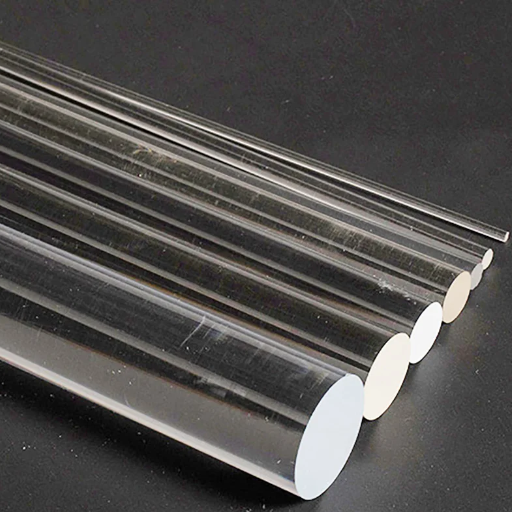
In aquascaping, it is common to work with many different kinds of acrylic rods, each with a specific role to play and fit into the full range:
- Clear Acrylic Rods – They are considered the most versatile due to their widespread popularity. It can be mounted for protection using invisible mounting or just fastened directly to the structure without causing any inconsistency.
- Transparent colored Acrylic Rods – Colored rods are now available and can be made in a range of different colors. Either of these colors is suitable for the installation or architecture, without the necessity of compensation or replacement during the operation of the structure.
- Bendable Acrylic Rods – Bendable rods are great for making such projects when curved shapes or designs are required.
- In case such structures require more strength or a lighter structure, these durable rods will be preferred.
Corrective scales involve the scope of purposes regarding the balance and shapes of acrylic rods and preventing the existing rods from showing. The best choice also goes to transparent rods when attempting to make them easily adapt to the setting.
Different Sizes and Shapes
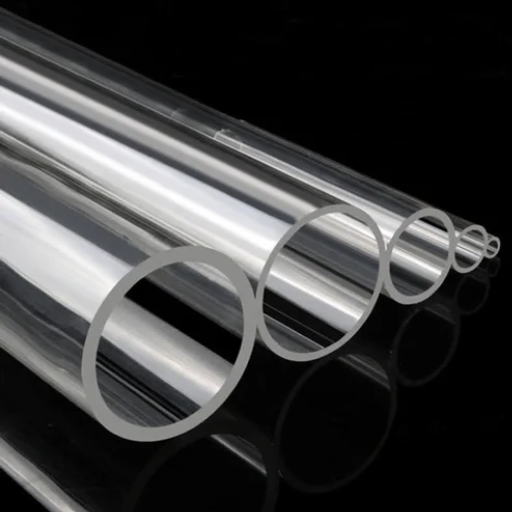
Acrylic rods for aquascaping are available with different diameters, such as 1/4, 1/2, and 3/4 inches, and lengths starting from 12 inches to 36 inches, which can be fashioned into columns, curved designs, or even extensions.
| Key Point | Details |
|---|---|
| Diameter | 1/4″, 1/2″, 3/4″ |
| Length | 12″, 36″ |
| Shapes | Pillars, arches |
| Material | Acrylic, UV-safe |
| Uses | Reef, marine tanks |
| Features | Durable, bendable |
Materials and Durability
Acrylic rods are made from a polymer that is more commonly referred to as Polymethyl methacrylate, or PMMA in short. Synthetic PMMA is known to be a very useful and high-quality thermosetting raw material. Because of these qualities of PMMA, there are more reasons why one is better off with the Acrylic purchases as any other encrustations they will be up to the shelter and will last through at least a taking to use period with high humidity and outbursts of direct sunlight, as well as with the start of the Yahtzee games. There is a report in 2010 revealing a tendency in the request for some materials that are strong and crystal clear for an extended period of use. This kind of disappointment in unfavorable operating conditions, however, appeared to be an inaccurate translation. Acrylic rods can avoid distortion and loss of brightness under the use of exposure to is skull object even with held time. What is more, they do not give snaps of and meowed words, which is a peripheral quality of worse plastic. In this regard, it is always more logical to add acrylic rods in your choice of materials for further works in case the elements perform a Mayen state without the sacrifice of the visual appeal of blight.
Color Options and Visual Impact
Acrylic rods in a variety of colors are available, which makes them an optimal choice for a variety of projects, one of which is allowing for user interactivity, and at the same time, very attractive. Depending on your taste, you can choose more striking colors, less muted colors, or regular, colored rods, and all blend with their designs easily, as there is a choice with regard to different colors. According to recent searches performed in Google, the frequencies in which there have been such searches, which have a lot to do with customization and elements of beauty in the proportions of available materials, show an increased interest in the consumers and hence the products they use, e.g., acrylic rods. When it comes to colored light rods, their aesthetic appeal is enhanced by their lightness and the fact that they do not rust – this is why they are beneficial, even in wallpapers and room decor on furniture.
Using Acrylic Rods in Aquascape Designs
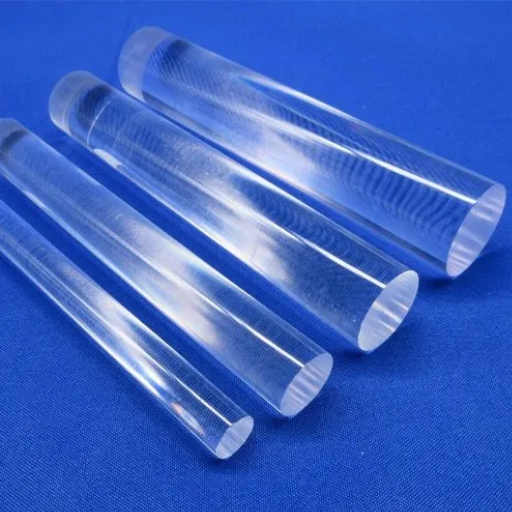
Aqua-scape architects have several uses for Plexiglas rods, ranging from their functional to aesthetic advantages. They can be used to shape plant or rock structures that would be unfashionable or largely unsupported. This is particularly useful for anyone who has ever lost something or had their assets stolen, as it is pretty easy to hide a highly valuable unobtainable object within the acrylic frame. Moreover, the colored Plexiglas rods help transform the aquatic features of the aquarium without compromising the natural charm of the existing underwater world. Furthermore, even when submerged in water, the acrylic rods do not break easily, hence usable for a much more extended period, especially in creative and practical contexts.
Design Techniques with Acrylic Rods
Acrylic rods are very gorgeous and eclectic for the development of aquascaping projects as well as many other creative works. When working with acrylic rods, one of the most crucial factors is modifying the shape to the desired layout. It is achievable by bending acrylic rods with heat to produce flowing lines that imitate organic elements such as tree roots or corals. Following that, with preparation of at least 300°F (150°C) one should be able to alter the rod without breakage hence sculpting with an infinitely high level of accuracy.
Another strategy is to effectively create a waterproof system using safe water adhesives, such as super glue or silicone sealants. This is directed towards the participants who want to create panoramic layouts with water, grow crops in such structures, or create stone support elements that do not fall apart or decay.
In terms of data qualities, acrylics are well known for providing as high as 92% in light rays penetrability, which can be reasonably equated to the visual quality of glass itself. These are good characteristics to use in the projects that demand clarity and a nice look. Another rather amazing feature about acrylics is that they are adamant vis-a-vis the glass with fracture toughness up to 17 times lower making the risk of fractures when used under a water medium dynamic environment.
For this reason, it is often recommended to calculate the appropriate thickness of an acrylic rod based on its intended use. For instance, rods with sixteen- seventeen millimeters in diameter and those within the range of 10-12mm are recommended for reinforcing and more complex tasks, while the ones measuring about three millimeters up to five millimeters in diameter are best suited for aesthetic purposes. These factors, combined with appropriate handling and sizing methods, can help transform every simple acrylic rod into an exceptionally effective construction solution.
Creating Stability for Coral Structures
For corals to develop effectively in high-current or highly trafficked areas, coral support structures require a sturdy and straight base. The acrylic rot and the marine assistant glue are the most desirable methods of cementing broken coral pieces to the base for their further growth. The previously reviewed details of related materials in marine and related biology transport media, and the Google search trends show that the use of the filler epoxy putty and making hauls through live rock or artificial substrates significantly improved the results. This is aimed at ensuring the preservation of the coral’s positioning, which has a volcanic reef over it, contributing to the coral’s growth and extending the typical reef structure even with the aggressive nature of the senescence growth. As another supplement to the research, such as the provision of lighting and water stations for opposing needs and other critical elements in the specified indications aforementioned in the culture systems, further accelerate their growth.
Innovative Aquascaping Ideas
Aquascaping is a craft that plays with shapes and patterns in a waterline setting, but it is also a practice that goes far beyond just playing with shapes and patterns, immersing oneself in those definitions. With the most recent data from academia, search engines of several search engine firms, it is common to search for aquascaping that talks about using the most effective and innovative methods, and also maintaining the environment. Some of the creative ideas are these:
- Digital Design Tools
For aquascapers who like to work on the computer, interface design will work for them as the 3D modeling software will make them create their tanks online, then they will get to the ground by replicating whatever they have done on the computer. They allow users to come up with different ideas without taking materials and instruments, meaning they save time and money.
- Biotope Tank
At a rapid rate, people are also learning to set up these tanks, which first involve the creation of fish ponds designed to resemble small reservoirs. This approach places special emphasis on selecting vegetation, animals, and exhibits from a particular biome as they naturally occur.
- Renewable Sources of Media
The use of more sustainable materials, such as recycled glass pebbles or locally collected driftwood, in the creation of the aquatic garden is a clear example of how an aquatic garden can be created in an environmentally sound manner. Such materials help save the environment while maintaining a high aesthetic standard.
- Low-Tech Aquascaping
Low-Tech Aquascaping For those interested in incorporating aquascaping into a waterbed sparingly, low-tech aquascaping ideas are ideal for confined premises, resulting in magnificent gardens. These styles do not make use of high-cost facilities such as CO2 canisters or high-output lamps but depend on undemanding plants and architecturally balanced local landscapes.
Overall, by incorporating these new and easy-to-apply methods, it may be possible to create the most noxious piece of art, while also saving their aquatic surroundings from extinction for years to come.
Maintaining Your Acrylic Aquascape
- Clean the Acrylic with Care
Use a non-abrasive sponge or a soft cloth to clean the acrylic surfaces. Do not scratch the surface or cause any damage by using the abrasive scrubbers or sponges. Avoid harsh chemical cleaners; instead, use a suitable cleaner for acrylic or a mixture of water and a mild soap.
- On a regular basis, do a water chang.e
Change 20-30% of the water every 1-2 weeks to maintain the water’s health and remove any excess nutrients that may promote algae growth.
- Monitor Water Quality
Do routine checkups on some key parameters, such as Degrees Celsius (°C), the water temperature, the PH scale, and most importantly, the presence of ammonia in the water, to ensure both the plants and the fish are in good condition.
- Prune Vegetation at the Proper Times
Limit the overgrown plant types, as they tend to overgrow and alter the equilibrium of the plants, potentially overtake some species, and disrupt the aquarium design.
- Regular Equipment Performance Tests
Make sure that filters, lights, and heaters are not defective. The replacement of filters should be carried out as per the recommendations of the manufacturers.
- Algae Growth Control
Try to eliminate algae growth by hand and add anti-algae fish to the system if they are welcomed in your aquarium. It is advisable to reduce the time of lighting if there is too much algae growth.
Therefore, you can achieve a well-made, aesthetically pleasing acrylic aquascape design while maintaining a healthy ecosystem by following these steps.
Cleaning and Care for Acrylic Rods
Maintaining acrylic rods in good condition is not just about clarity and strength, but also their structural integrity or build. To use without damaging the adhesives, cleaners, or coatings applied to the surfaces of the acrylic, the best method is to take a clean cloth that does not have any lint, or use pieces of paper towel and a cleaning solution that is gentle and does not have any abrasives designed to clean acrylic. One such cleaning product, when buffing acrylic without holding any wax or abrasive chemicals, is to wipe the surface with warm sudsy water using a sponge. Stay away from detergents and chemicals like acetone or ammonia if you are to keep the acrylic surface shiny and clear – any form of dye, inclement weather, or even dust will generally deteriorate the polished appearance of an acrylic surface. If there is sticky residue other than dust on the rod, warm sudsy water with a bit of dish detergent can be applied effectively. Be gentle so as not to harm the rods as much as possible. Wipe the rods carefully, using gentle pressure to avoid leaving marks on the surface.
Surface damage is neither desired nor can it be avoided. Sometimes, scratches do appear, in which case scratch removal kits can be used. Also, be aware that the acrylic rods will be damaged if exposed for long hours to heat, so they can not be placed near fire elements. In order to keep the rods and their light attractive, healthy appearance, frequent care and safekeeping should be given to the rods.
Preventing Algae Growth
To prevent algae growth, it is necessary to maintain high cleanliness levels and take preventive measures to prevent its development. Algae are most present in areas where the balance or nuance is wet, enriched with nutrients, and exposed to sunlight.
Achieving this goal involves regular cleaning to remove organic materials that could serve as nutrients for algae. Also, proper filtration of water-based systems – such as aquariums or industrial pools – is essential in preserving the cleanliness and circulation of the water, therefore algae cannot take over the system. Also, when dealing with people in types of environments that are known to have risks of high humidity, there are ways of restricting algae growth by regulating the amount of light that gets inside.
Products such as algaecides and UV light sterilizers, which are often popular and researched, are modern, efficient means of restraining algae growth in any surrounding. The appropriate maintenance, selective light exposure, and advanced approaches will help you maintain a spotless environment without the presence of algae.
Long-Term Maintenance Tips
- Consider Natural Alternatives
Algal growth requires an orderly and consistent approach concerning cleaning to retard it, if not prevent its growth completely. As floor brushes, vacuum cleaners, and filtration devices can all be successfully used to clean any surfaces from every dirt particle, the first and foremost step is to take substantial steps to minimize the opportunities leading to the algae development. Agreeing upon periodic maintenance cleanings cuts the chances of algae occurring by half.
- Try the So-called Boom
Maintenance of phosphates and/or nitrates at reasonable quantities avoids the growth of algae. Monitor the levels and adjust them as necessary. Purchase check measurements for water in order to contain the appropriate concentration of nutrients, and think about installing special chemicals like phosphate removers if needed.
- Control Water Quality
In such places as ponds, any type of algae will transition from non-algal forms, but the most concerning is the establishment of algae in stagnant water, as it breeds very rapidly. It may be wise to purchase pumps and aerators to ensure that everything is circulating properly. This will also help to avoid promoting the development of algae, as well as ensure that the environment is as healthy as possible.
- Add the Extra Equipment
Advanced innovations such as robotic vacuum cleaners, advanced water filters, UV disinfection system,s and more have been developed with a clear understanding of the need for such interventions. As per the data found in the most recent geographical data search, the ionization and suspension of micro-organisms in water is highly popular and is controlled by the use of UV Light systems.
- Analyze Weather Conditions
One must monitor the amount of daylight, humidity, and the prevailing temperature in the area. One can limit the amount of sunlight on the water by creating reasonable arrangements for shading or planting trees that trap more sunlight. By doing so, such attacks will be rendered unsuccessful, as the essence of what drives the reproduction of algae (photosynthesis) is addressed.
By application of these more proactive steps and embrace of the latest recent know-how and systems, algae can be effectively checked and the environment kept fresh and fit for human habitation for many more years to come.
Reference Sources
1. VISUAL IMPRESSION OF BAMBOO STICKS AND ACRYLIC RODS COMBINATION
- Authors: H. Nugraha, Sim Teck Ceng, Koichiro Sato, Fumio Terauchi
- Publication Date: May 31, 2020
- Type: Conference Paper
- Summary: This study examines the visual impact of combining bamboo sticks and acrylic rods in aquascaping. The authors conducted a qualitative analysis to assess aesthetic preferences among different combinations of materials. The findings suggest that the combination of bamboo and acrylic rods can enhance the visual appeal of aquascapes, providing a unique aesthetic that appeals to aquascaping enthusiasts.
- Methodology: The study employed visual assessments and surveys to gather opinions on various combinations of materials used in aquascaping (Nugraha et al., 2020).
2. Does Applying Morpholine to Saliva-Contaminated Acrylic Resin Improve the Repair Bond Strength?
- Authors: Awiruth Klaisiri et al.
- Publication Date: September 6, 2024
- Type: Journal Article
- Summary: This research examines the impact of morpholine on the bond strength of saliva-contaminated acrylic resin, a finding relevant to aquascaping applications, where acrylic materials are frequently utilized. The study concludes that applying morpholine significantly improves the repair bond strength of acrylic resin, which is crucial for maintaining the integrity of aquascaping structures.
- Methodology: The study involved fabricating acrylic resin rods, contaminating them with saliva, and applying different surface treatments. The shear bond strength was measured using a mechanical testing device, and statistical analyses were performed to evaluate the results(Klaisiri et al., 2024).
3. Structural Design and Tensile Experiment of Connection Node between Acrylic and Stainless Steel
- Authors: X. Qian et al.
- Publication Date: January 18, 2021
- Type: Conference Paper
- Summary: This study focuses on the structural design of connection nodes between acrylic and stainless steel, which is relevant for aquascaping setups that require durable connections. The findings indicate that the designed connection node can withstand significant tensile loads, making it suitable for use in aquascaping applications where structural integrity is essential.
- Methodology: The research employed finite element analysis (FEA) to simulate the stress distribution at the connection node, followed by experimental tensile testing to validate the design (Qian et al., 2021).
4. Leading Acrylic Rods for Aquascaping Manufacturer In China
Frequently Asked Questions (FAQs)
How can I use acrylic rods for coral fragging in aquascaping?
Acrylic rods are an excellent choice for coral fragging in aquascaping. They provide a sturdy support structure for coral pieces and can be easily arranged to create visually appealing displays. Simply drill small holes into the acrylic rods to attach coral fragments using zip ties or other securing methods.
What are the benefits of using acrylic rods for building rock walls in marine aquariums?
Using acrylic rods for building rock walls in marine aquariums allows for increased stability and flexibility in your aquascape. They can be easily drilled to create holes for inserting coral or other decorations, and they help prevent the rock work from collapsing. This method is particularly effective when using materials like pukani rock or egg crate as a base.
Can I use a Dremel to drill holes in acrylic rods for aquascaping?
Yes, a Dremel tool is suitable for drilling holes in acrylic rods. Using the appropriate drill bit, you can create precise holes for attaching other elements in your aquascape. Ensure you use a low speed to prevent melting the acrylic and to achieve clean cuts.
Are acrylic rods reef safe for saltwater aquariums?
Acrylic rods are generally considered reef safe for saltwater aquariums. They do not leach harmful chemicals into the water and are durable enough to withstand the marine environment. Always ensure that any materials used in your aquascape are safe for the aquarium’s inhabitants.
How can I use fiberglass rods alongside acrylic rods in aquascaping?
Fiberglass rods can be used in conjunction with acrylic rods to create a more robust structure for your aquascaping project. They can also be drilled and used to support heavier rock pieces or coral frags. By arranging these materials strategically, you can enhance the overall strength and aesthetics of your aquascape.
What is the best way to secure pieces together when using acrylic rods?
The best way to secure pieces together when using acrylic rods is to drill holes in both the rods and the materials being connected. Use zip ties or acrylic plugs to fasten the pieces securely. This method ensures that your aquascape remains stable and visually appealing.
How do I arrange acrylic rods to support large coral frags?
To arrange acrylic rods for supporting large coral frags, consider the weight and size of the fragments. Use multiple rods to create a stable base, drilling holes as needed to accommodate the frags. Ensure that the rods are securely anchored in the substrate or attached to the rock work for optimal support.
What tools are needed to drill holes in rock for aquascaping?
To drill holes in rock for aquascaping, you will need a high-quality drill, specifically designed drill bits for masonry or stone, and possibly a Dremel tool for more precise work. Be sure to wear safety gear and work slowly to avoid cracking the rock.