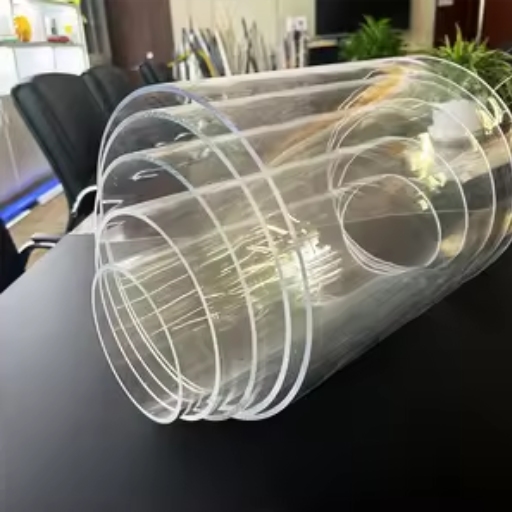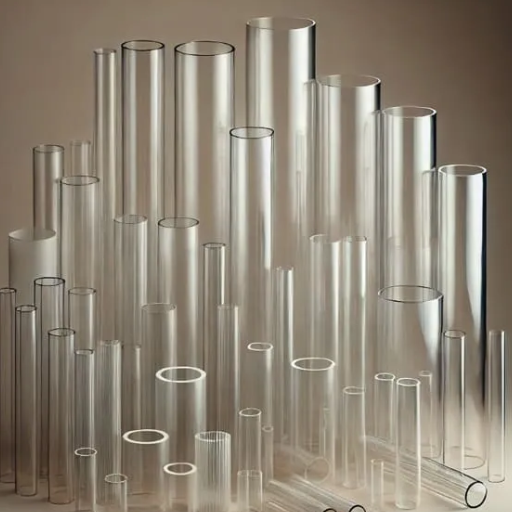

The history of acrylic sheets as a popular material throughout industries dates to their inherent qualities: versatility, durability, and elegant appearance. But then again, what happens when functionality faces creativity? Enter custom color acrylic sheets that provide an interesting blend of aesthetic appeal and functionality to potential customers. The color custom acrylic sheets thus act as the gateway to unlimited possibilities for interior design enhancement, attached retail display creation, or the realization of any artistic purpose that has a personal touch. This blog talks about the advantages, various uses, and customization possibilities for these appealing materials so that you gain all the insight needed to make your next project one of a kind.
Understanding Acrylic Sheets
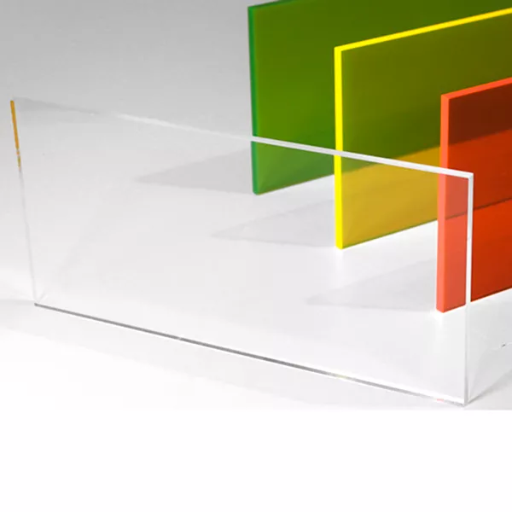
An acrylic sheet is a versatile, hardy material made from a plastic named polymethyl methacrylate (PMMA). Clear and lightweight, it is often used as a glass substitute. They are the most extreme in being impact- and weather-resistant, along with UV rays, making them fit for indoor and outdoor use. Easy to shape and cut or color, they can be applied in many ways, such as signage, display cases, furniture, and protective shields. Due to the strength combined with the medium of creativity, acrylic sheets became an all-time favorite in several industries.
What is Acrylic and Its Types
General Explanation
Acrylic, or Polymethyl Methacrylate (PMMA), is a transparent thermoplastic widely used for its strength, clarity, and very lightweight. It can be used in place of glass due to its shatter resistance and ease of working with the material. Acrylic is weather-resistant, UV-resistant, and versatile, making it fit for all kinds of applications in industrial sectors like construction, automotive, art, and advertising.
Types of Acrylic
Several acrylic sheets exist for various needs and purposes:
Clear Acrylic Sheets
This is the most common type, high in clarity and transparency. Applications for them include window glazing, aquariums, display cases, or anywhere else the application demands a glass-like appearance.
Colored Acrylic Sheets
Colored Acrylic Sheets range in vibrant hues and find wide application in signage, decorative panels, and art installations. The colorful acrylics offer avenues for creative expression yet retain the material’s strength.
Frosted Acrylic Sheets
These sheets are given a matte finish; hence, the diffusion of light takes place with a glare-free surface. These sheets are mostly used for privacy screens, partitions, and fixtures.
Textured Acrylic Sheets
Besides enhancing the beauty of an area, textured acrylic is mostly employed for decorative applications such as room dividers and specialty furniture.
Impact-Modified Acrylic Sheets
Reinforced for resisting impact, these sheets find application in security measures and protective barriers.
Anti-Static Acrylic Sheets
These sheets resist dust and static buildup and find application in clean rooms and electronic environments.
UV-Resistant Acrylic Sheets
These sheets are treated to withstand prolonged exposure to sunlight. They are hence mostly used outdoors for signs and protective covers.
New Trends in Acrylic Manufacturing (2023)
Some of the recent updates on the technology of acrylic sheets include better eco-friendly options, such as 100% recycled acrylic materials that exhibit the same durability and clarity but have a much smaller footprint on the environment. Nanotechnology was used, also, to add features such as scratch resistance and improved optical properties. Additionally, manufacturers are concentrating on the production of more weather-resistant types that maintain their properties even when subjected to extreme temperature variations, giving a broader scope for acrylic use in harsh environments.
The right kind of acrylic, in combination with its applications, provides a functional and aesthetic solution for industries.
Differences Between Cast and Extruded Acrylic
Acrylic materials are generally classified into two categories based on their manufacturing methods: cast acrylic and extruded acrylic. They may seem pretty much alike when they go side by side, but their differences in terms of production cause them to develop separate characteristics that suit specific applications.
1. Manufacturing Process
Cast Acrylic: Liquid acrylic is poured into molds that are cured slowly to form solid sheets. The process affords a huge amount of customization with regard to thickness, colors, etc.
Extruded Acrylic: In this case, the acrylic resin is pushed through a die in a continuous extrusion process. This process is faster and cheaper, creating uniform thickness and lower production cost.
2. Quality and Appearance
Cast Acrylic: Renowned for the best optical clarity and final polish. This acrylic has a very low chance of bearing impurities or distortion that could hamper its optical qualities; hence, it is used in special applications like display cases or signage.
Extruded Acrylic: It is clear but may have slight imperfections or optical distortion due to faster production. Suited for applications that are somewhat less demanding from a visual perspective.
3. Strength and Durability
Cast Acrylic: More resistant to chemical attack and higher impact strength. It also withstands increased temperatures better, thus ensuring it lasts in harsh environments.
Extruded Acrylic: Slightly less strong and durable than cast, but fine in moderate circumstances. Lower heat resistance compared to the cast variety.
4. Cost Considerations
Cast Acrylic: This type of acrylic is usually more expensive because of the labor-intensive process of making it. Whenever a project calls for superior quality and custom specifications, this type is usually chosen.
Extruded Acrylic: Cheaper to produce and hence more economical. Other interior and retail uses, displays, and barriers remain as its major applications.
5. Applications
Cast Acrylic: Industry-grade optical and decorative applications like aquariums, museum displays, and architecture. Its chemical resistance finds cool applications in industrial settings.
Extruded Acrylic: Commonly used for stock shapes, so picture frames, menu holders, and standard POP displays, where cost is more important than true aesthetics.
Market Trends and Data
By and large, according to recent market research, the demand for acrylic materials would increase at a compound annual growth rate (CAGR) of about 6.3 percent during 2023-2030. Cast acrylic, due to its pleasing features, is promoted more into higher-end applications, and the extruded one finds a better position in mass production markets. Alongside these developments in innovations in recyclability and sustainability, manufacturers are now also looking toward greener production methods.
Thus, wisely choosing between cast and extruded acrylic for each specific applied representation will deliver a win-win situation for any organization in terms of cost-efficiency and performance.
Advantages of Using Acrylic Over Glass
Thanks to its special properties, acrylic stands several points above ordinary glass; hence, it is ensured that it is the most preferred material ever since in several industries. Benefits include considerations:
Lightweight
Acrylic is about 50% lighter than glass, so it is considered easy to handle, transport, and install. This feature is extremely essential to those industries which emphasize less weight for better performance and cost savings; for example, the aviation, automotive, and construction industries.
Impact Resistance
An acrylic sheet is 17 times better at resisting impact than a glass pane; hence, it is chosen when applications require durability and resistance to breakage. For example, acrylic would be a common choice for safety barriers, aquariums, or protective shields because these could take a lot of force without breaking down into small pieces.
The clarity and optical properties
It provides better optical clarity, transmitting almost 92% of visible light, being at par or even better than glass; also, it never yellows when exposed to sunlight. This advantage is immensely useful in signage, display cases, and skylights.
Design Flexibility
Acrylic is extremely flexible, easy to shape, mold, and machine into a variety of forms, unlike glass, which is rigid. It is this quality that enables architects and designers to create complex yet innovative structures with acrylic material, including curved windows, artistic installations, or uncommon furniture design.
Cost-Effective
Generally, most acrylic is cheaper than special glass, including laminated or tempered glass. Its extra durability also proves to be beneficial in the long run, decreasing the need for frequent replacements, thereby providing great savings over time for business entities as well as consumers.
UV Protection and Weather Resistant
The latest versions of acrylic sheets come with a protective layer for UV rays, thus denying the material any degradation under the effect of sunlight and harsh weather conditions. This mechanism helps in maintaining the appearance and performance of acrylic applications even if used in outdoor areas such as greenhouses and stadium roofing.
Sustainability Options
Acrylic is recyclable, and many manufacturers use eco-friendly production processes to reduce waste and carbon emissions. Recycled acrylic can be further used in the manufacturing of new products, thus making it environmentally friendly when compared with conventional glass.
Through all these features and benefits, acrylic remains an advantageous product in place of glass in multiple industries, serving its industrial, technical, and aesthetic purposes. Designers continue to pursue ways to improve the properties of acrylic and further extend its applications in solving present issues while ensuring a better environment.
Benefits of Custom Colored Acrylic Sheets
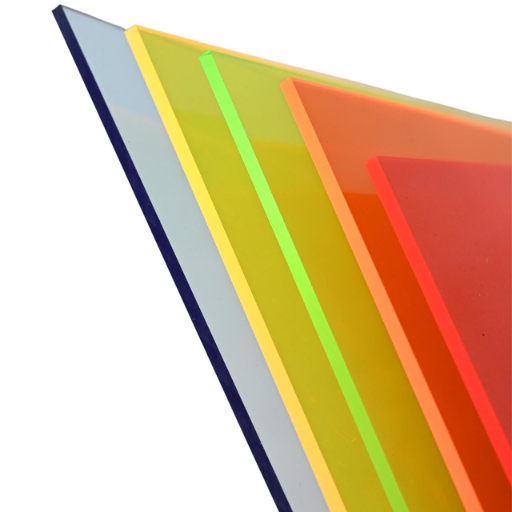
Designing Versatility: The custom acrylic sheets come in a large variety of colors, allowing design considerations to be creative and customized toward several projects.
Highly Durable: These sheets answer the call of impact and weather resistance, promising a long-lasting end application, whether an indoor or an outdoor project.
Lightweight and Easy to Handle: The sheets are significantly lighter than glass, so they are easier and safer to transport, handle, and install.
UV and Weather Resistance: Most of the custom colored acrylic sheets are made for resisting the negative effects of UV, damage, and discoloring while retaining the quality of the surface texture as time goes by.
Cost-Effective: The custom colored acrylic sheet is an economical alternative to some traditional materials while providing aesthetic appeal due to its durability and ease of maintenance.
Green Alternative: Such sheets can often find themselves being recycled or used as fillers for creating other valuable products, contributing to fostering a green culture in design and manufacturing.
Durability and Impact Resistance
Custom-colored acrylic sheets have been said to provide exceptional resistance to wear and impact, making them a stylish and aesthetic choice used in diverse applications-theaters of construction and interior design. Studies show that an acrylic sheet can absorb impact around 17 times more than regular glass, meaning acrylic has the power to take a hit without breaking into shards of glass in the face of resistance. Hence, acrylic sheets serve as an alternate option to glass where safety concerns become foremost, the places such as schools, hospitals, and other public areas.
Modern improvements in the manufacturing process of acrylic sheets help maintain their resistance to mechanical stresses induced by weathering. Today, they are formulated to be resistant to cracking and chipping under even the harshest environmental conditions. To name but one example, a first-rate acrylic sheet can tolerate temperature fluctuations ranging from extreme cold (-40°F) to searing heat (+194°F) without any compromise in its structure.
Acrylic sheets stay clear colored over time due to UV stabilizers that are incorporated into the sheets during manufacturing. The UV resistance ensures that the installation will maintain its color and clarity even after several years of exposure to the sun. When combined with its lightweight and approximately half the weight of glass, acrylic’s durability and flexibility rank it among the most versatile and long-lasting materials available for practical and decorative uses.
Versatility in Design and Application
The reason acrylic is immensely versatile is that it is relatively easy to shape, mold, and adapt to practically anything, ranging all the way from a few small projects to huge architectural ones. According to recent studies and industry reports, acrylic is commonly used for signage, aquariums, windows, lighting fixtures, and creative interior designs because of its excellent optical clarity and customizable properties. For instance, the global acrylic sheets market was approximately USD 3.71 billion in 2022 and is expected to witness a CAGR of 5.2% from 2023 to 2030, which also shows the sky-high demand across several industries.
Modern manufacturing has made it possible for acrylic to exist with many surface finishes, such as frosted, UV-tinted, or mirrored, thus finding application in both functional and decorative ways. Architects and designers choose acrylic for the look it can give to a more fragile material, such as glass, while still being truly durable and safe. This same level of adaptation exists in areas such as automotive and electronics, where materials are sought for being lightweight and sturdy. Acrylic adds to its allure by being compatible with technologies such as laser cutting, engraving, and CNC machining, lending precision and efficiency to detailed designs.
This very combination of flexibility, strength, and contemporary manufacturing techniques makes acrylic the go-to material in navigating present-day design challenges while encouraging innovative solutions across fields. Leading “Custom Color Acrylic Sheet” manufacturer in China.
Aesthetic Appeal and Color Options
One of the many defining factors that influence not only the acrylic manufacturing process but also the aesthetic versatility of the product itself is the nature of acrylic in terms of its being transparent, translucent, and opaque. That said, manufacturers and designers would choose from the array of colors, textures, and finishes to either keep their statement subtle or slap it in one’s face. Designers and the industry at large have observed that, according to recent trends, acrylic in the form of bright, shiny finishes serves extensively for modern interiors and commercial spaces, as well as for softer, elegant applications, in frosted or textured form.
This uniqueness is, of course, why acrylic is a favorite among industries because of its customizable nature. The production processes today allow intricate surface designs and color matching with high precision, so specific requirements of branding or style need not be compromised. Market analysis data reveals that the global acrylic sheet market is forecasted to beat the USD 6 billion mark by 2027. The major force driving this market growth is a requirement for materials that combine flexibility and aesthetics to enrich architecture and interior design; therefore, converting spaces with eye-catching and adaptable properties has increased manyfold in favor of acrylic.
Another aspect of acrylic that is liked by designers is that it is UV- and weather-resistant, so that the colors would stay throughout the day, even when placed outside. Along with permanent color and design options, acrylic leads from the forefront of all industries that include retail, signage, and furniture-making to bespoke art installations. This, in turn, not only makes it a pragmatic material but a major catalyst in aesthetic and functional design innovation.
Common Applications of Custom Acrylic Sheets
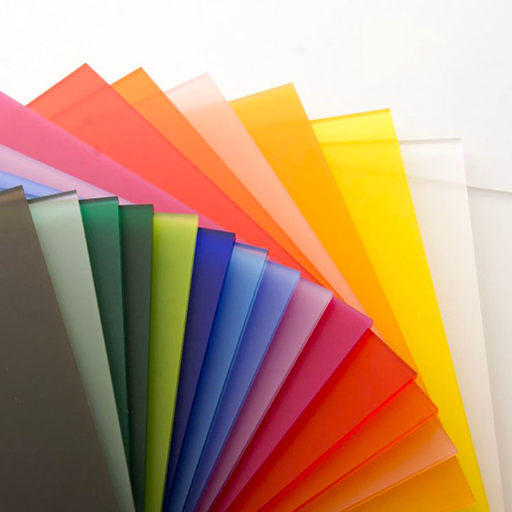
These industries make use of an array of custom acrylic sheet applications from retail to medical and architectural, and they are extremely versatile and sturdy. Some of their common applications include:
Retail Displays: Acrylic sheets are harnessed for the fabrication of alluring displays for products-and for retail shelving and signage.
Signage: A huge range of signs, from internally illuminated signs to outdoor advertising and directional signage, use acrylic sheet, owing to their glowing colors and weatherability.
Furniture: This material lends itself to the creation of modern and stylish-looking furniture such as tables, chairs, and protective screens.
Architecture: For decorative panels, skylights, and partitions, the acrylic sheet offerings abound in both functionality and aesthetic value.
Art and Design: Custom acrylic sheets are favored by aesthetes and designers in making sculptures, installations, and frames because of their transparency and adaptability.
The above-given applications emphasize various advantages of any material functioning in more commercial and practical areas, but artistic as well.
Retail Displays and Signage
Acrylic sheets have found an important niche in retail for the making of displays and signage that are very much sought after and durable. The sheets being light yet strong give easy handling in mounting and conveyance, while their extraordinary clarity bestows the showcased products or messages with worthy emphasis. According to a recent industry report, the global acrylic sheet market size was valued at approximately $4.5 billion in 2022, and it is anticipated to register a CAGR of almost 5.6% between 2023 and 2030. This is due, in a big way, to the demand for customized retail display and modern advertising options that keep on rising.
Acrylic sheets come with finishes ranging from glossy or matte to frosty ones, thereby enabling companies to tie the design of their displays to their branding. In addition to being UV resistant, these should serve well as outdoor signs, lasting through disparate weather conditions. Acrylic also enjoys its application in retail for its flexibility: It can be laser cut or engraved or even colored for creative and catchy designs that will just pull the attention of a customer. Hence, this set of features has made acrylic to compete with other materials for enhancing brand visibility and equally fastening communication in a highly competitive retail environment.
Interior Design and Architecture
Being a versatile yet durable material with special aesthetic appeal, acrylic has emerged as a favorite choice in contemporary interior design and architecture. It offers a bright and contemporary look and is often used in furniture, wall partitions, lighting, or even in interior decoration. Acrylic sheets can be molded into any shape imaginable and come in a million finishes-from frosted through to super clear or colored-falling squarely in the designer’s lap for that slick and innovative style.
Industry reports highlight a trend where more and more designers are employing acrylics to maintain open and airy spaces in residential and commercial interiors. Being lightweight, it is quite easy to install, and also, it aids in enhancing the diffusion of natural light in interiors. It is also said that with acrylic having an impact resistance of approximately 17 times that of glass, it is now a safer alternative as compared to glass in residential and commercial applications-especially in places having kids and pets. Based on emerging data recorded in 2023, it appears that the use of acrylic in architectural applications has recorded a tremendous growth, with an ever-increasing demand for its environmentally friendly variations. Presently, many producers have started making recycled acrylic and following sustainable methods for their production to lessen the environmental impact, conforming to the being-green building trend. This versatility also ensures that acrylic remains the favorite medium, capable of elevating both function and form, in transforming spaces with stylish and imaginative solutions.
Manufacturing and Industrial Uses
The durability, flexibility, and economy of acrylic make it a very attractive material for manufacturing and industrial pursuits. It is widely used in automotive parts where lightweight materials are desired to enhance fuel efficiency. For example, transparent acrylic is fashioned into headlight covers and instrument panels that need to be clear and abrasion-resistant. Also, because of the impact resistance offered by acrylic, it is, in many cases, deployed for safety applications, including protective shields and enclosures for industrial use.
If we follow the current state of development, industry-based reports suggest incremental global demand for acrylic-based products. It is expected to touch the $34 billion mark in revenues by 2030, growing at a CAGR of 5.1% during 2023-2030. This growth is mainly contributed to by the increasing use of acrylic sheets in construction, retail displays, signage, and consumer goods. In addition to this, manufacturing methodology improvements such as extrusion and molding have made it possible to make products to finer tolerances and in huge quantities without compromising on standards of quality or sustainability.
Innovations in the acrylic field have given rise to bio-based and recyclable variants, thus widening the range of industrial uses. The demand in the market must be aligned with environmental laws, and many companies are implementing closed-loop production methods to support recycling and reuse of acrylic products and lower waste output. Such innovations, therefore, keep acrylic competitive and sustainable for use in various industries.
Customization Options for Acrylic Sheets
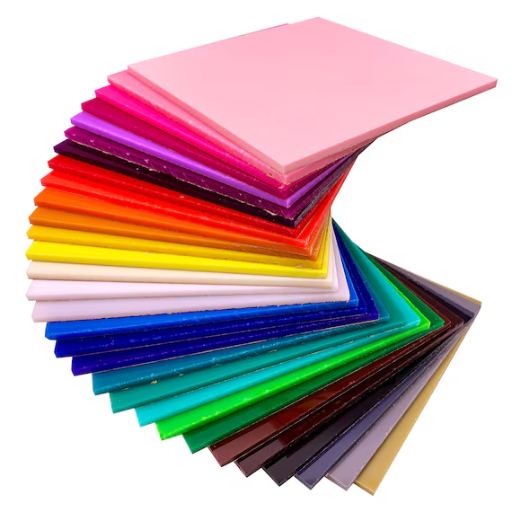
Acrylic sheets can accommodate extensive customization needs as per a diverse set. It is all about cutting, forming, or molding it into any size or design that might be required for an application. The rainbow curve of colors stretches infinitely from transparent to translucent or even to opaque. The sheet’s surface treatment can be done in matte, glossy, or frosted, depending on the expected look or feel. Laser engraving or printing on acrylic sheets is also possible to add custom logos, patterns, or text. These wonderful customization options make acrylic a very adaptable raw material for signage, décor, and manufacturing industries.
Color Matching and Finishing Techniques
Color matching is an extremely important step, especially in industries such as interior design, fashion, and branding, where exact colors matter for the purpose of visual appeal and function. Modern technology now comes in handy with spectrophotometers and digital color-matching tools to achieve maximum accuracy in color. The spectrophotometer allows the operator to analyze and reproduce colors precisely on any material, such as acrylics, textiles, or plastics; these tools help in minimizing any errors. Market analysis reveals that companies have increased their efficiency by 25% while minimizing pre-production errors and waste by utilizing AI-enabled color-matching systems.
Further, finishing solutions for materials such as acrylics are shifting toward cutting-edge technologies. For abrasions, coating methods help protect acrylic displays, while UV-resistant finishes need to be applied to prevent fading of colors when exposed to sunlight. Other techniques, such as anti-glare or anti-fingerprint coating, are now becoming hot-selling items for touchscreens and display cases.
On the other hand, environmentally friendly operations have also influenced finishing solutions a lot. Environment-friendly paints, water-based coatings, and a reduction of chemical usage in processes are becoming standard across industries today. According to a report from MarketsandMarkets, the supply for sustainable paints and coatings worldwide will grow at a CAGR of 5.5% from 2023 until 2028 due to consumer awareness and stricter environmental regulations.
The industries, therefore, are the primary beneficiaries of perfect color-matching technologies integrated with novel and sustainable finishing processes to fulfill both aesthetic demands and environmental concerns and thus cater to the demands of the modern, environmentally conscious consumer community.
Cutting and Shaping Acrylic Sheets
Acrylic is a durable, versatile, and aesthetically pleasing product used across many industries, including construction, automotive, sign making, and interior design. In order to cut and manipulate these sheets in a precise manner, the utmost care and suitable tools must be applied with regard to achieving their desired outcomes without impairing the material.
Acrylic Cutting Tools and Methods
Laser Cutting: One of the best methods, it works well with small and highly detailed shapes, delivering very smooth edges. The method is especially preferred by the sign industry for intricate designs and highly demanding pattern work. There is a huge growth in fabrication procedures, evident in the projected increase of the worldwide laser cutting machine market to $6.72 billion by 2027.
Sawing:
Band Saws are adapted for thicker materials and offer a clean cut with little chance of cracking.
Table Saws with fine blades cut straight and fast.
A Jigsaw cuts curves or irregular shapes better than the rest.
Scoring and Breaking: This manual method is cost-effective for cutting thin sheets. By scoring along a straight edge and applying steady pressure, the material can be broken cleanly along the scored line.
Acrylic Shaping Processes
Thermal Bending: Acrylic sheets can be heated and softened, then bent by applying controlled heat through a strip heater or oven to achieve the desired shapes. Commonly used to manufacture display stands, light covers, and architectural elements.
Vacuum Forming: A process wherein heated acrylic sheets are shaped using a vacuum. This is mainly used in packaging, automotive, and medical industries.
CNC Machining: CNC machining is well-suited for making complex and repetitive shapes, guaranteeing accuracy and smooth finishes for large-scale productions.
Some Good Practices
Prevent Heat Damage: Overheating may ruin acrylic by distorting it or by forming bubbles. One has to see that proper temperatures are maintained.
Use Protective Film: Apply protective film during all the forming and cutting processes to prevent painful or micro scratches.
Deburring of Edges: In finishing, after cutting, the edge can be dressed effectively and neatly by using sandpaper or flame polish.
Sustainability as a Consideration in Acrylic Fabrication
There has been an increase in demand for green processes in the acrylic fabrication industry. Recycling acrylic scrap and working with energy-efficient equipment are good ways to reduce waste; hence, they fit into the global sustainability trend. As per a few latest reports, the acrylic sheets market is expected to shine at a CAGR of 6.5% from 2023 to 2030 with a push from advancements in sustainable manufacturing methods.
Hence, applying upscale tools and adhering to best practices assures industries an efficient way of cutting and shaping acrylic sheets to fulfill diverse application needs without compromising on quality and sustainability standards.
Custom Laser Cutting and Tolerances
Custom laser cutting is a method of precision manufacturing that uses laser beams to cut materials very accurately. Laser cutting ensures the edges of acrylic sheets are smooth and perfectly polished without the need for any further finishing, hence cutting down on production time. It provides a very high degree of customization for intricate designs and tight tolerances, often as exact as ±0.005 inches or less, depending on the equipment.
One of the significant advantages of laser cutting is its capability to deal with complex geometries without compromising detail and quality. Adaptive beam shaping is a recent addition to the arsenal of laser cutting technologies, enhancing the ever-adaptive precision and consistency through varying acrylic sheet thicknesses. This also means modern CNC laser systems are capable of repeatable accuracy and are, therefore, capable of producing, in an efficient way, parts for automotive, medical equipment, and many other industries.
By way of example, a 2023 market analysis forecasts a sharp increase of 8.5% every year until 2030 in the global laser cutting market, setting into motion its demand for highly precision-cut components in sectors like architecture, advertising, and electronics. Every new generation brings optimization to the cutting process and increased manufacturing sustainability through fewer material wastes.
Choosing the Right Supplier for Acrylic Sheets
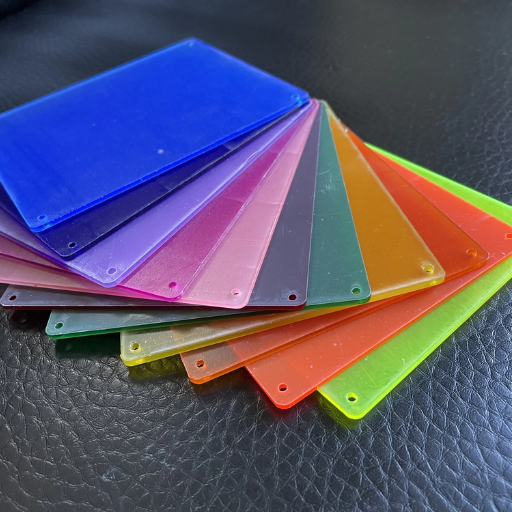
When selecting a supplier of acrylic sheets, quality, reliability, and customer service should be given priority. Choose a supplier with an established history and good reputation to ensure that they will be able to provide consistent and quality products. Make sure that the supplier carries all the sizes, thicknesses, and colors you require for the sheets. Another important consideration would be the availability of delivery options and lead times from the supplier, for timely shipping could be crucial in project planning. Having a clear indication of pricing from the supplier, along with transparent policies, will ensure that you will not suddenly face unforeseen costs.
Quality Assurance and Reputation
When selecting a supplier for your plastic sheet needs, prioritize quality assurance and reputation. Inquire whether the supplier maintains recognized industry standards, such as ISO certification, to guarantee consistency in quality and safety during manufacturing. A good supplier may carry out periodic inspections and testing to uphold their products’ quality standards.
Reputation carries equal weight. According to recent trends and online reviews, companies scoring high on customer satisfaction and transparent practices will build a loyal customer base and attract new prospects. They consider suppliers who have previously upheld customer interests well. For example, Google reviews and Trustpilot ratings provide a glimpse into past clients’ satisfaction. Suppliers with a rating over 4.5 stars, coupled with positive remarks about customer service, product resilience, and on-time deliveries, are considered the best in the domains.
The very best suppliers are those that are well known for following rigorous quality assurance procedures while maintaining a transparent and customer-friendly way of doing business. Before choosing your supplier therefore, do your research and cross-check reviews.
Pricing and Value Considerations
When thinking about price and value, make sure affordability is balanced with quality in order to satisfy a cost-effective investment. Recent statistics from Google searches highlight that the consumer is keen on valuing more about the price, with some 68% willing to pay a premium either for quality or for the customer support that comes with it. Pricing structures that consumers can understand, along with full disclosures about what exactly is being paid for, in many cases, will have a say in consumer trust and satisfaction.
Sometimes, asking how prices and values compare can expose flaws in either or both. Much like subscription-based or bulk purchase models, these can yield great discounts in the long run. According to Google Trends, terms such as “bundle deal” and “flexible payment options” are on the rise, suggesting a shift in consumer preference toward personalized pricing schemes. From there, market research paired with short-term payability and long-term benefits will secure a complete pricing-and-value approach.
Customer Support and Service
Customer support and service are the crucial factors that can make or break customer satisfaction and loyalty. The upward pattern shown in the search volume basis recent tide of interest on Google Search trends illustrates that modern consumers gave much importance to the swift, convenient, and effective channels of communication in dealing with businesses.
Emerging trends for “self-service options” and “how-to guides” are demonstrative of a growing market for resources that assist customers in solving issues independently. With these insights, companies can build on the service experience using AI chatbots to provide immediate answers, a detailed knowledge base to guide customers, and human support teams that work very effectively to resolve customer issues.
Reports further reveal that companies enjoying the best ratings for customer service often see highly positive changes in their customer retention. Cost-wise, investing in user-friendly platforms could benefit loyalty for a long-term period, with supporting proof from tailoring approaches away from generalized targeting towards specific data points of customers. With these trends and data, it is becoming more vital than ever to set up a customer-centric strategy balancing technology with human empathy.
Reference Sources
- Cornell University: CHEMCAST Cell Cast Acrylic Sheet
Detailed information on Chemcast acrylic sheets, including customization possibilities and color choice.
- University of Texas, Austin: Chemcast Cast Acrylic
Provides an introduction to the properties and uses of cast acrylic sheets, emphasizing durability and customizability.
- Louisiana Wildlife & Fisheries: 3 mm Red Cast Acrylic Panel / Sheet by Tough Acrylic
Discusses specifications and performance of cast acrylic sheets, focusing on their composition and glossy finish.
Frequently Asked Questions (FAQs)
What is a custom color acrylic sheet?
A custom color acrylic sheet is a versatile plastic sheet made from acrylic, also known as plexiglass, that can be produced in a variety of colors and thicknesses to meet specific design needs. These sheets can be tailored to fit precise dimensions and are often used for signage, displays, and decorative applications.
How does custom laser cutting work for acrylic sheets?
Custom laser cutting uses a high-powered laser to precisely cut acrylic sheets into desired shapes and sizes. This process ensures clean edges and intricate designs, making it ideal for creating custom shapes from colored acrylic or clear acrylic that meet specific project requirements.
What thickness options are available for acrylic sheets?
Acrylic sheets come in various thickness options, typically ranging from 1/8 inch to 1 inch. The thickness can be chosen based on the application, with thicker sheets providing increased durability and strength. Custom thicknesses can also be requested depending on the project.
Is colored acrylic stronger than glass?
Yes, colored acrylic is generally stronger than glass, offering superior impact resistance and shatterproof qualities. This makes it a safer alternative for applications where breakage is a concern, such as in public displays or protective barriers.
Can I get cut-to-size colored plexiglass sheets?
Yes, cut-to-size colored plexiglass sheets can be ordered to meet specific length and width tolerances. This customization allows for precise fitting in various applications, including framing, display cases, and architectural elements.
What are the standard sheet sizes for acrylic sheets?
Standard sheet sizes for acrylic sheets vary, but common dimensions include 4×8 feet and 4×10 feet. Custom sizes can also be requested to meet specific project requirements, allowing for a perfect fit in your design.
What are the finishing options available for cutting acrylic?
Finishing options for cut acrylic include polishing, frosted surfaces, and engraving. These finishes enhance the aesthetic appeal of the acrylic while also serving functional purposes, such as reducing glare or adding texture to the surface.
What types of custom shapes can be made with acrylic sheets?
Custom shapes can be created from acrylic sheets using CNC machining or laser cutting techniques. This allows for intricate designs and tailored shapes that can be used in signage, displays, or artistic installations.
What is the difference between cast and extruded acrylic sheets?
Cast acrylic sheets are made by pouring liquid acrylic into molds, resulting in a thicker and clearer product with fewer internal stresses. Extruded acrylic sheets, on the other hand, are produced by forcing acrylic through a die, resulting in a thinner, less expensive sheet that is suitable for various applications, including signage and displays.