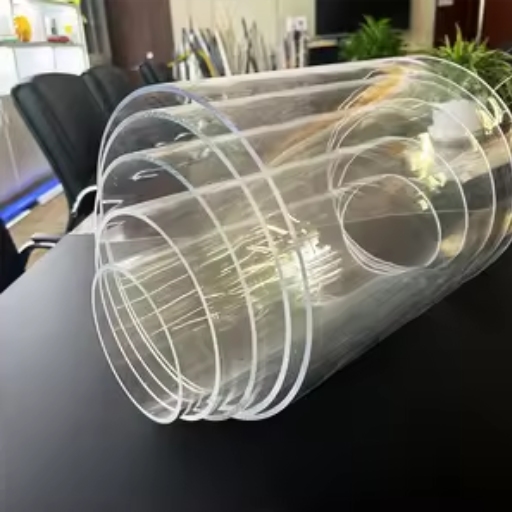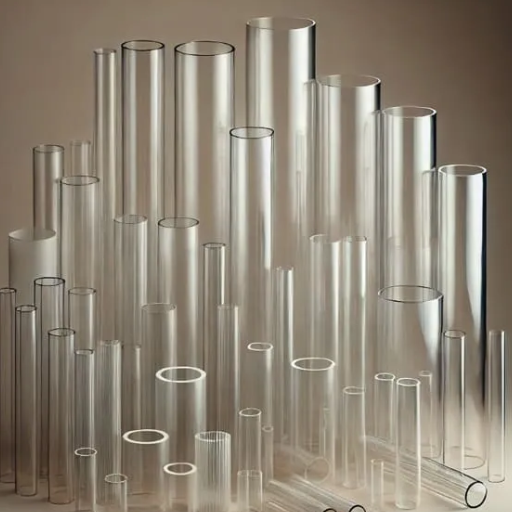

Architectural design elements use acrylic tubing because of its ability to create diverse aesthetic effects which designers can use in their work. Decorative acrylic tubing provides designers with unlimited design opportunities because it enables them to create modern interior spaces and functional outdoor areas. The blog post investigates how architects use acrylic tubing to create architecture that merges aesthetic design with practical building elements and produces visually appealing durable structural components. The new material system creates innovative design possibilities for architects and designers to transform indoor and outdoor environments through their artistic vision.
Introduction to Decorative Acrylic Tubing
What is decorative acrylic tubing
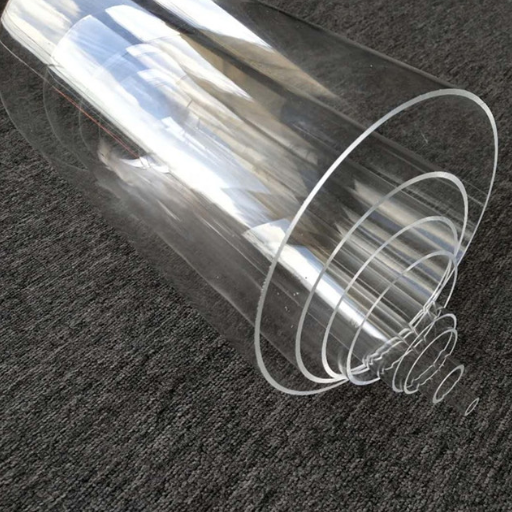
Decorative acrylic tubing serves as a flexible and long-lasting product which manufacturers create using acrylic material which features properties of lightweight construction and breakage resistance. The material known as acrylic tubing provides designers with an industrial design solution because they can create custom shapes and dimensions which maintain its transparent and visually attractive properties. The material offers multiple finishing options because it contains three different types of visual displays which include transparent and frosted and colored finishes. The material functions effectively in indoor and outdoor environments because of its strong construction and weatherproof capabilities and its ability to spread light throughout modern lighting systems. Decorative acrylic tubing combines practical functions with sophisticated design elements which empower architects and designers to explore creative boundaries in their work.
Brief history and evolution in design
Acrylic first entered the market during the early 20th century and transformed design and manufacturing processes through its ability to create modern visual designs. The initial applications of the material included military and industrial use cases which required durable lightweight materials for aircraft windshields and submarine periscopes. Acrylic production methods advanced through time which enabled manufacturers to produce the material at lower costs for use in architectural projects and interior design elements and consumer products. By the mid-20th century furniture and art and lighting installations became popular uses of the material because of its transparent properties and versatile design capabilities. Advancements in technology today enable designers to use acrylic in new ways which result in products that incorporate laser-cut patterns and 3D fabrication and color customization. Architects and designers use the material as a practical element and as an essential component of contemporary design. The material enables artists to create functional designs which sustain their existence in artistic environments.
The decision to select acrylic instead of conventional materials
Acrylic provides multiple benefits which make it a more suitable option than conventional materials that include glass and metal. The primary advantage of acrylic material lies in its lightweight properties which enable it to weigh only half of glass yet still achieve equivalent or superior strength. The material exhibits an improved ability for people to move it because of its lightweight properties. The material offers shatter-proof properties which make it a safer choice than glass for use in spaces that need both strength and safety protection such as retail displays and protective barriers. Acrylic provides protection against metal corrosion because it does not develop rust which makes it suitable for both interior and exterior use. The material offers exceptional optical clarity which exceeds the performance of multiple other materials and delivers a transparent appearance that remains untarnished throughout time. Acrylic can be transformed into different designs because of its ability to be cut and molded and colored according to specific design requirements. The combination of these features with its affordable price and simple maintenance make acrylic an efficient choice for both practical needs and visual requirements.
Advantages of Decorative Acrylic Tubing in Design
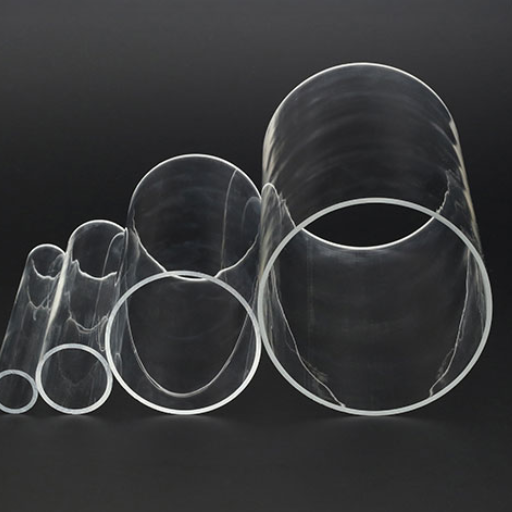
- • Flexible design options: Acrylic tubing offers designers complete design flexibility because the material can be produced in different shapes and different sizes and different colors. Designers can achieve intricate patterns and precise measurements, making it suitable for both practical applications and artistic projects. Acrylic material enables designers to create both bold visual displays and subtle minimalist features which fulfill their design needs. The product attracts multiple industries which include architecture and interior design and retail because it can replicate glass appearance while maintaining its strong durability.
- •
Durability and shatter resistance: Acrylic tubing stands out as a safer glass replacement because of its exceptional durability and built-in shatter protection. The material’s strong structure enables it to endure impacts without any breakage which decreases the chances of people getting hurt or things getting damaged. The strength of the material becomes essential for environments which experience continuous foot traffic and for locations which handle industrial operations. - •
Light transmission and optical clarity: Acrylic tubing provides outstanding light transmission and optical clarity which makes it the best material for applications that need maximum visual brightness. The material achieves a light transmission capacity of 92% which makes it as clear as glass yet weighs less and lasts longer than glass. Its transparent nature enables accurate visual observation in scientific instruments and displays and architectural designs.
Innovative Interior Design Applications
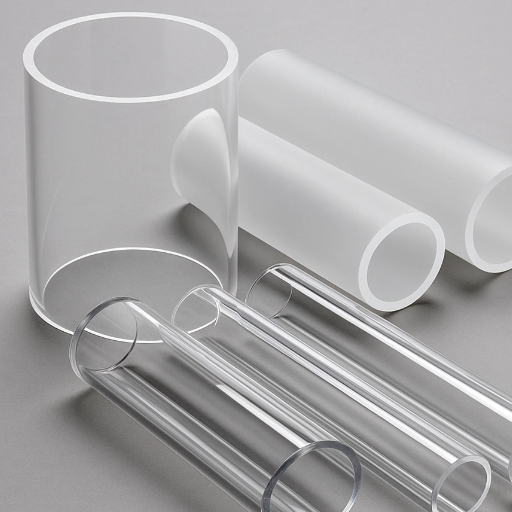
Room dividers and partitions
Acrylic tubing has become a popular choice to create modern room dividers and partitions used in residential and commercial buildings. The material’s lightweight design and transparent properties create an open space while enabling effective space division. Designers use the material to create visual illusions by combining different light refractive properties with their selected shapes and colors and patterns. The flexible nature of acrylic tubing allows it to match various design styles which range from minimalist and industrial to colorful and creative. The flexible nature of this product allows designers to develop spaces that create active and exciting atmospheres.
Staircase railings and balustrades
Acrylic tubing serves as a contemporary material which architects use to create staircase railings and balustrades because it combines long-lasting strength with visual appeal. Designers use its transparent quality to create minimalist designs which harmonize with different building styles. Designers increasingly integrate LED lighting within acrylic railings, creating captivating illuminated effects that enhance safety while adding a creative focal point. Acrylic material provides a lightweight solution which maintains strength for high-traffic spaces because it meets safety requirements and keeps structural strength. The material delivers weather resistance together with low maintenance requirements, which enables its use in both indoor and outdoor environments.
Retail and commercial spaces
Acrylic railings have emerged as the preferred railing option for retail spaces because their modern visual appeal and flexible design capabilities. Transparent and frosted designs of their products enable them to merge effortlessly with different interior design styles while maintaining an attractive look that improves spatial perception. The robust nature of acrylic materials combined with their minimal upkeep needs makes them perfect for areas with heavy foot traffic because it enables companies to maintain their daily activities without needing to conduct regular maintenance work. The combination of modern lighting systems with custom designs enables acrylic railings to create striking visual effects that attract customers while establishing brand recognition. These qualities create an innovative commercial solution for stores, malls, restaurants, and other commercial spaces which need to combine functional requirements with stylish design elements.
Creative Exterior Design Applications
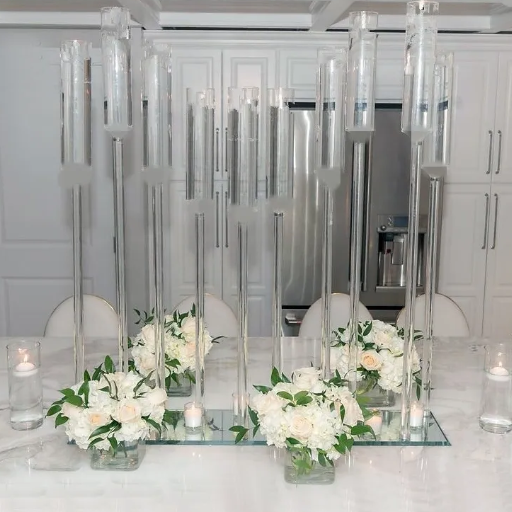
Architectural facades and cladding
The architectural facades and cladding systems of contemporary buildings serve as essential elements that establish both their visual appearance and functional characteristics of their modern design. Designers can boost building visual appeal through modern materials which include composite panels and metal finishes and high-performance glass. Architects can develop modern energy-efficient building designs which meet environmental sustainability requirements through these technological advancements. The advanced cladding systems offer architects a flexible solution because they improve thermal insulation and decrease maintenance requirements and safeguard buildings from weather damage.
Outdoor lighting and landscape design elements
Outdoor lighting and thoughtfully designed landscape features create the main atmosphere which determines how people use outdoor spaces. Modern outdoor lighting systems which include LED fixtures and solar-powered systems provide energy-saving solutions that improve safety and nighttime sight visibility. The strategic placement of lights enables the display of architectural features while providing light for walkways and establishing welcoming spaces in outdoor living areas. The design of landscape features which include native plants and water elements and sustainable materials creates visual beauty and maintains ecological balance. The combination of these elements creates outdoor areas which function as unified extensions of the constructed space while showing through visual design and functional design.
Balcony railings and fences
Outdoor design uses balcony railings and fences as functional elements which also serve decorative purposes. The structures provide safety protection while enhancing the visual appeal of the property. People use modern railing designs which contain stainless steel and tempered glass and powder-coated aluminum to obtain long-lasting products which need little upkeep. Fences create privacy spaces and establish property lines through their multiple available materials which include traditional wood and modern composite panels. Balcony railings and fences bring outdoor spaces value through their design which uses innovative materials for aesthetic purposes while maintaining practical usability.
Design Considerations and Best Practices
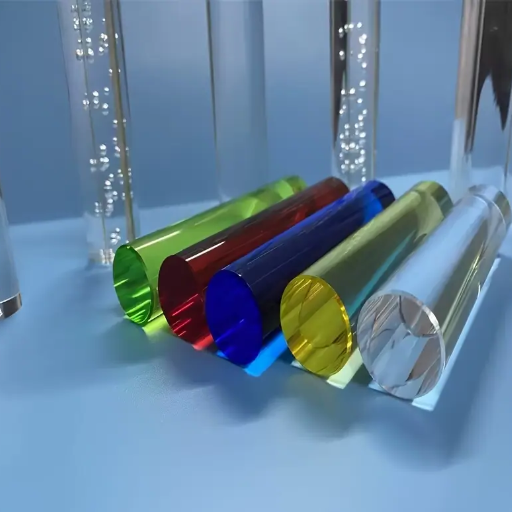
Choosing the right type of acrylic tubing
| Factor | Cast Acrylic | Extruded Acrylic |
|---|---|---|
| Properties | High optical clarity, chemical resistance | Economical, consistent dimensions |
| Applications | High-end decorative, architectural | General DIY, mass-produced displays |
The correct acrylic tubing type needs to be selected through my assessment of multiple elements which will determine whether the tubing meets my particular requirements. First, I evaluate whether I need cast or extruded acrylic. The optical clarity and chemical resistance which cast acrylic tubing provides together with its durable properties make it suitable for use in decorative and high-end applications. Extruded acrylic tubing provides higher cost advantages so it becomes the better choice for projects which need to be done with minimal financial expenses such as crafting work and general use activities. I use outer diameter and inner diameter measurements to determine whether the tubing meets my requirements for the specific use case. The tubing strength and flexibly both depend on thickness as a vital element. For projects that need to maintain structural integrity, my preferred material is thicker tubing which I use in both aquariums and display cases. I test the tubing to determine its capacity to handle pressure or flow rate needs which arise during liquid or gas movement through the material. Finally, I assess the acrylic tubing’s temperature and UV resistance. I select UV-stabilized acrylic or specialty grades which offer heat resistance for outdoor applications and high-temperature environments. The decision between aesthetics and functionality determines the importance of transparency and color options and machinability. The acrylic tubing selection process requires me to evaluate multiple factors which determine my exact project needs.
Maintenance and care for longevity
To ensure the longevity of acrylic tubing, proper maintenance and care are essential:
- The regular cleaning process requires users to wash with mild non-abrasive soap and soft cloths, which prevents both dirt accumulation and scratch development.
- The material becomes damaged when people use chemical products or solvents that lead to both material weakening and permanent discoloration.
- The specialized acrylic polish serves as a solution for scratch removal, which enables users to regain both clarity and smooth surface finish.
- The tubing will maintain its original condition when users protect it from both extreme temperature conditions and direct sunlight exposure during periods of non-use.
Safety and structural considerations
The first step in my safety and structural assessment process involves testing tubing which serves its intended load capacity and environmental requirements. The process of assessing material properties requires testing both tensile strength and flexibility and pressure resistance to establish its enduring performance under pressure. I determine the maximum force or weight which the tubing will face during operation and I use materials that exceed this load to create additional safety protection. The tubing inspection process requires me to examine for wear and tear which includes cracks and joint weaknesses and deformation since these factors will lead to integrity loss over time. The secure installation of tubing according to manufacturer specifications represents a critical requirement for successful operations. The presence of stress points occurs when tubing becomes either misaligned or improperly secured which creates a risk for system failure. I develop airtight connections which include proper fittings and seals to maintain leak-free conditions for systems that use liquids or gases under pressure. The operating environment needs to be evaluated because certain materials will be damaged through exposure to corrosive substances and high temperatures and UV radiation. The implementation of protective coatings together with UV stabilizers in tubing systems will decrease operational hazards. The tubing application process requires me to follow all applicable safety standards and regulatory requirements. The use of these guidelines ensures safe operations across medical equipment industrial systems and everyday appliances because it enhances both safety and operational reliability and product lifespan. The implementation of these practices enables me to create a secure and efficient system which reduces potential dangers while maintaining optimal tubing operation.
Reference Sources
- Research and Application of Multi-Functional Acrylic Resin Grouting Material – Examines the properties and applications of acrylic resin materials in construction and design.
- Research on the Analysis and Application of Polymer Materials in Contemporary Sculpture Art Creation – Highlights the use of polymer materials, including acrylics, in shaping and decorating contemporary art and design.
- Exploring the Purpose and Types of Home Glass Accessories – Discusses the role of decorative materials, including acrylics, in enhancing interior design aesthetics and sustainability.
Frequently Asked Questions (FAQs)
What Are the Key Benefits of Using Decorative Acrylic Tubing in Architectural Designs?
Architectural projects for both interior and exterior spaces use decorative acrylic tubing because it provides multiple benefits to their design needs. The product combines light weight with strong durability which enables simple installation and maintains its function for extended periods. Architects can create distinct visual effects through the material’s optical transparency which allows them to choose from different color and texture and finish options. The cost of acrylic tubing remains lower than that of glass and other materials which makes it a budget-friendly choice for extensive construction projects.
How Does Decorative Acrylic Tubing Enhance Interior Design?
Interior designers use decorative acrylic tubing to make eye-catching designs which include custom lighting fixtures and partitions and furniture accents. The material makes an excellent choice for chandeliers and LED installations because it provides uniform light distribution while creating a contemporary and elegant design element for spaces. Designers can create innovative yet practical interior spaces through the material’s multiple uses which include wall designs and artistic displays.
What Are the Most Common Applications of Decorative Acrylic Tubing in Exterior Architecture?
The exterior architectural elements of outdoor signage and railings and cladding use decorative acrylic tubing. The material maintains its strength throughout different weather conditions while its modern design improves the visual appeal of architectural structures. The architects employ acrylic tubing to design modern outdoor lighting systems which include lighted walkways and ornamental columns for their exterior designs.
Is Decorative Acrylic Tubing a Sustainable Choice for Architectural Projects?
The decorative acrylic tubing serves as a sustainable architectural material for building projects. The current market provides eco-friendly acrylic materials which many manufacturers produce through ACRYLITE® to decrease energy usage and lower CO2 emissions. The material functions as an environmentally friendly solution because acrylic tubing remains recyclable and endures for many years in both indoor and outdoor applications. The material achieves its sustainability targets through its energy-saving features which benefit lighting systems.
How can I select the suitable decorative acrylic tubing which meets the requirements of my project work?
The selection process for decorative acrylic tubing requires assessment of three main characteristics which include the component dimensions and material thickness and surface appearance. The interior space needs both visual transparency and custom color possibilities while the outdoor space requires materials which can resist ultraviolet light and extreme weather conditions. The project needs high-quality materials which should be obtained from an established supplier because they will fulfill both your design requirements and functional requirements. The best tubing solution for your project needs evaluation from an architect or designer according to your specific requirements.
What Are the Current Decorative Acrylic Tubing Trends Which Architects Use in Their Designs?
The current decorative acrylic tubing trends use frosted and colored finishes to produce distinct visual effects. Frosted acrylic tubing has become a popular choice because it produces soft light diffusion which works well with contemporary lighting solutions. Designers use colored acrylic tubing to create energetic and distinctive atmospheres across interior and exterior environments. The design industry currently emphasizes sustainable acrylic materials which conserve energy while maintaining their performance standards.