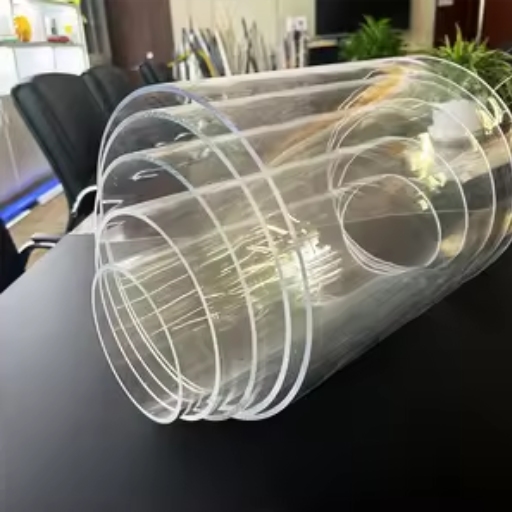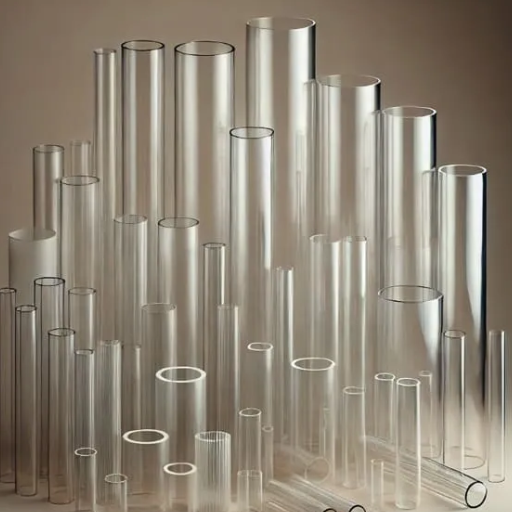

When it comes to versatile materials for both living spaces and commercial use, the Symitar Plexiglass sheets, as clear acrylic, are equally suitable in terms of application. Besides its unequivocal popularity in various areas where the product can be practically demanded, its affordability, vibrant coloring, and fit-to-size features appeal to everyone, including home improvers, decorative artists, interior designers, and business professionals. These sheets can be used for almost every purpose, whether it is designing a lettering board, modifying spaces, or creating unusual exhibitions, and are still free from any restraints, with a lucite or acrylic thickness pattern that makes them easier to manage. On this occasion, we would like to discuss everything you need to know about the material, including the various colorful options and sizes available, as well as our custom-made-to-size services.
Understanding Acrylic Sheets
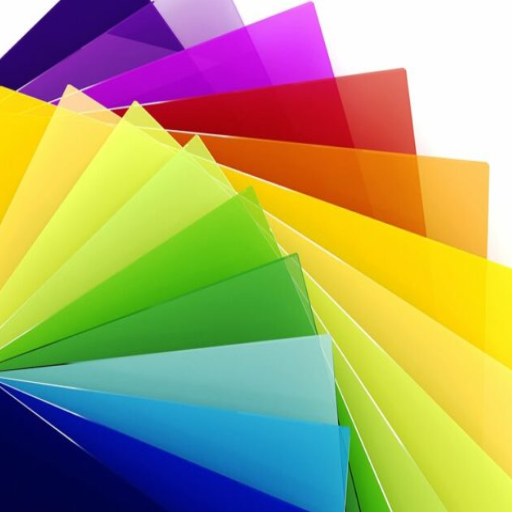
Acrylic sheets are handy plastic sheets that are often used by in construction. These versatile materials come in various shapes and sizes and are pretty sturdy. Other than that, these elements are also quite clear and do not break easily, even when sustained under strong pressures, so they are often used in the placement of glass. These sheets come in various colors, thicknesses, and finishes, indicating that they can be used in both structural and decorative applications in construction. Additionally, laboratory machining is relatively straightforward to conduct on these materials, as cuts around the disks can be made at angles and lengths greater than those typically used in construction or architectural design, which are often limited to a few weeks.
What is an Acrylic Sheet?
Poly(methyl methacrylate) (PMMA), also known as acrylic glass, is a versatile polymer plastic material with numerous applications. Acrylic, in a broad sense, is a transparent thermoplastic known for its glass-like quality, which makes it resistant to breakage and typically lightweight. Consequently, it is equally used in industries where there is a need for lightweight, shatterproof, and durable materials. Common names for acrylic include Plexiglas or Lucite. Acrylic is said to have further attractive properties; for example, in the external environment, the material remains unaffected. Thus, acrylic sheets are cut, polished, and welded to another piece of plastic or a flexible material, and then thermoformed, among other uses. Most of the applications are more specifically within the High Tack Optical Adhesives, Art Framing, Sneeze Guards, Souvenirs, Hyperbaric Chamber Windows, Video Equipment Enclosures, Gun Cases, Extended Family Photos, and Hanging a Sign, as well as Group D Smoking Partition Materials. The number and different uses of this polymer, including but not limited to in the High Tack Optical Adhesives; Art Framing; Sneeze Guards, Size of Air Curtains; INFLATABLE shelters, PICTURE Decoration, STEP and REPEAT BANNERS in front of camera windows, and all others listed, control and vice versa of wood. Is overwhelming.
Types of Acrylic Sheets: Cast vs. Extruded
Benefits of Using Plexiglass Sheets
- Durability and Sturdiness:
Compared to traditional glass, a plexiglass sheet is more resilient and can withstand punishing treatment with relative ease. With this advantage, one can be sure about the prolonged useful value of plexiglass in such atmospheres.
- Weight:
And even though plexiglass is the cause of this strength, plexiglass glasses weigh significantly less than glass. As a result, they are easier to use, transport, and repair in various applications.
- Clarity:
Plexiglass can transmit up to 92% of the available light, which is very impressive and convenient in application areas that require visibility, such as windows, cases, and partitions.
- Weathering:
The term “weathering” is mainly used to refer to the quality of readymade vases and flowerpots that are placed in gardens, hotels, and other public places as decorative items. The plexiglas, however, has special properties that can resist these decay aspects and even withstand ultraviolet radiation, sustained temperatures, and other wear factors, such as rain.
Adaptability: Plexiglass is popular due to its ease of cutting, shaping, and thermal deformation, allowing it to be molded into the shape of any object. It is used in various industries, including construction, where it is utilized in the manufacture of doors, as well as in everyday automotive engineering.
Choosing the Right Size for Your Project
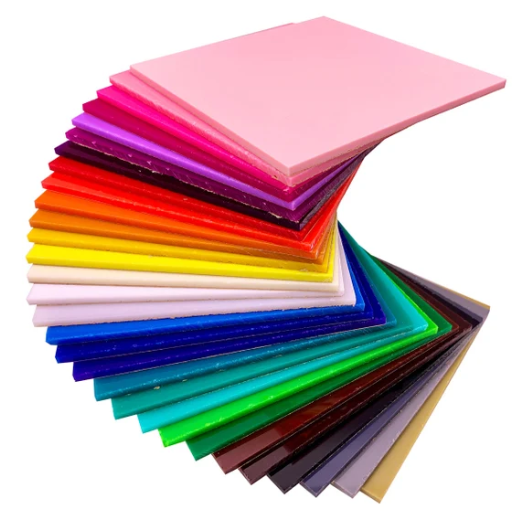
The size of your project will likely dictate the choice and the measurement of the plexiglass. Start by taking the dimensions of the space or object that the plexiglass is intended to fill up. The thickness of the sheet is a question of its applications— the thicker the sheets the more comparatively durable they are against heavy-duty jobs. Conversely, the thinner ones are more suitable for serving lighter roles or as decorations. Besides, there is always the allowance for cutting or fitting; that is a handy thing to ensure a close fit. In case you are fulfilling a task and not getting where it is lacking, request for assistance either from architectural equipment sellers or other people who use it.
Standard Sizes of Acrylic Plexiglass
A wide range of acrylic sheets, produced using plexiglass, can be found on the market, accompanied by a variety of standard sizes for different uses. The dimensions may be such as 24 x 36 inches, 48 x 96 inches, 72 x 96 inches, and others. Furthermore, the thickness of the sheets varies, ranging from as thin as 1/16 inch to as thick as 1 inch, making them suitable for both mild and heavy-duty applications. Should the customer require it, one can also cut the sheets to the dimensions requested by the customer. In so doing, the dimension of the sheets should go together with the purpose of the sheets and maintenance skills, so that the sheets are not too bulky and are not too cumbersome during handling and installation.
Custom Cut-to-Size Options
Visiting professional cutting or cutting to order (we may need to add a hyperlink here) capabilities are your go-to since they facilitate that any further amendments other than the initial cut modifications can be done accurately for the particular case. In other words, it is feasible to cut the materials such as acrylic, plexiglas, wood and metal depending on a specific requirement and its exact proportions as well as its use. According to the new study, the interest in cut-to-size sheets is most often due to the issue of how its dimensions look on the screen and what discounts can be obtained. Most cut-to-order setups also allow users to enter the dimensions, see how the pieces would look, and know the pricing at the same time, which improves the delivery of the service. One standard measure that can be used to achieve the goal of continually correcting and modifying the custom form is the determination of material properties as measured, along with the workmanship of the cutting. This leaves one with only the precision of cutting and timing, as far as the cost is concerned.
Measuring for Your Acrylic Sheet
When measuring an acrylic sheet, especially during the initial measurements, it’s essential to define the boundaries of the sheet’s installation area clearly. Utilize a dependable tool for measuring, such as a tape or laser measurer, and ensure to measure the width, height, and depth, whichever is necessary. Check and ensure that such measurements are accurate, as the slightest error affects the final installation draw. If there are any discrepancies, the gap measurement size should be adjusted accordingly. According to the latest data available on Google, a search engine, users often inquire about allowances or gaps. For most applications, it is recommended that you allow a little extra space by leaving a gap of 1/16 to 1/8 inch to accommodate material expansion and ensure hassle-free fitting. With such precautions in place, thanks to accurate measurements, the acrylic sheet design will be able to fulfill its intended purpose.
Color Options for Opaque and Translucent Acrylics
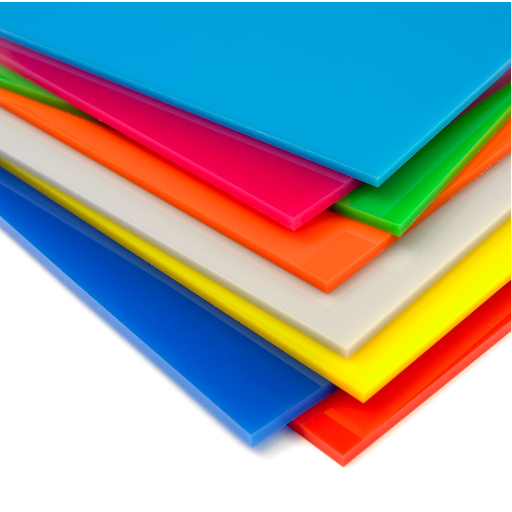
Acrylic sheets can come in a variety of colors that can adequately serve the needs of design. Oppittinatic acrylics will contain bright and vivid tints such as black, white, red, blue, and green, making it easy to block the passage of light completely, and hence, it is ideal for complete black applications. On the contrary, translucent acrylic is expressed in gentle pastels, or transparent colors like frosty, or bold primary colors, which can be molded using light inside the sheet itself. Both options can be adapted for specific uses and/or in terms of the appearance / performance of the color, making them more flexible for various applications.
Popular Colors for Acrylic Plexiglass Sheets
Recent information from Google indicates that the public has an equal preference for classic and slightly more extravagant plexiglass acrylic colors on the spectrum. The most desirable colors among them are transparent, which can mimic the appearance of glass, and are therefore preferred by most people. Another common but liked plexiglass color shade is mainly purchased for its soft and scattered lighting, ay, in white. However, this is primarily found in contemporary settings. Even bright shades such as red, blue, and green cannot be overlooked, especially when designing signage and decorative items. For some time now, brands have been using pastel colors, which are more pronounced and include mint green and blush pink, as they resonate with the objective of making a person feel a certain way. These colors are demarcated between trends and mashups of design.
Understanding Opaque vs. Translucent Acrylic
While blocking all light, opaque acrylic lets nothing out, ensuring total privacy. In contrast, translucent acrylic allows some light to pass through, making objects and shadows appear gently blurred.
| Key Point | Opaque | Translucent |
|---|---|---|
| Light | Blocks all | Diffuses softly |
| Privacy | Full | Partial |
| Uses | Signs, partitions | Lighting, screens |
| Colors | Vibrant | Subtle |
| Aesthetic | Bold | Elegant |
How Color Affects Aesthetic and Functionality
Colour plays a crucial role in both the artistic and practical sides of using acrylic plexiglass. One striking feature of colour, according to recent analytics on Google search data, is that design is moving towards colours that evoke specific emotions, such as soothing and bold. For instance, designers are more likely to use transparent cellophane sheets in spa decors in shades of blues and greens as they promote relaxation, and opacities of such lively colours are predominant for most other spaces to grab attention and show the brand image at a glance. In terms of functionality, areas with lighter shades made from acrylic materials reflect more natural light, which facilitates visibility in dim light conditions and hostile environments, such as sunny days and sandy deserts, due to the clear and bright acrylics. On the other hand, some areas will prefer more light to be absorbed, and they will be designed with darker-hued materials. This functionality allows the user of acrylic to choose styles that include functionality in case of light diffusion, light protection, or practical issues.
Special Features of White Acrylic Sheets
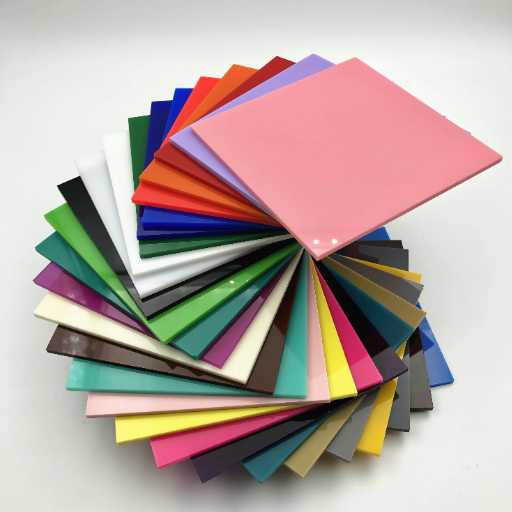
- White acrylic sheets are the ideal choice for applications where light dispersion is necessary, especially in cases where uniform intensity is required, such as in light boxes or advertising materials.
- Whether in use or not, these sheets are robust and can resist forces. They can be kept in different environmental conditions without fear of damage occurring.
- There is always an additional option to cut, mold, or create white acrylic sheets in any desired way for any application, whether industrial or decorative.
- These white acrylic sheets weigh less than glass, and this is an advantage.
- Most white acrylic sheets have an inbuilt Ultra-Violet light (UV) ray protective material to prevent the sheets from discoloring with time mainly when used for exterior purposes.
Advantages of White Acrylic Plexiglass
- Durability: The white plastic gum military is durable and resistant to impact, making it less likely to break. Its strength relative to glass increases by 17-fold, making it exceptional for use in places where concern for safety and usefulness is high.
- -weather resistance: Acrylic sheets are resilient to any environmental conditions. They are resistant to rain, wind and sun, hence are perfect for outdoor use.
- -Clarity and Acoustic Plastic Appeal: Such white coloured clear acrylic A4 sheets offer a nice modern and tidy visual quality within their high scattering efficiency, as required for lighting and sign applications.
- -Cost: Such a multi-purpose material of good quality is likely to benefit customers who typically purchase materials such as glass , which is hard to resist (moves through high price rather than performance).
- Maintenance–related issues concern how best to care for the items. The sheets of these materials do not require grueling cleaning, whereas some steel surfaces can be poorly maintained as loads of dirt accumulate without ease of cleaning.
Applications for White Acrylic Sheets
White acrylic boards are easy to handle and have numerous applications in various industries. Here are, however, five of the most common applications:
- Signs and Displays
The major highlight of white acrylic boards is that due to their remarkable ability to diffuse the light, they can be used in various illuminated sign boards, billboards, and for retail purposes. This will enhance the appearance of these areas because the light will be evenly distribute,d making the presentation more appealing.
- Light Fixtures
They have been found extremely useful in making diffusers and lamp covers, where they are used to create anti-glare LED acrylic light panels and approved lighting installations. They can stand the test of time alongside the fact justified by their anti-yellowing features, hence making them perfect.
- Interior Design
Indeed, even if we take partition walls, decorative screens or furniture, today it will not work without white acrylic. Design projects allow for these finishes to be modern, even furnished with smooth surfaces and the possibility of any required shapes.
- Retail and Exhibition Stands
In the medical sector, white acrylic continues to be popular because of its anti-contaminative nature, wear resistance, and the simplicity of wiping out any unwanted substances. This can be observed in areas such as clean rooms, laboratories, research facilities, and hospitals, among others.
Comparing White Acrylic to Other Colors
It’s outstanding how white mineral colors, predominantly white with titanium pigment, require only a few layers for good coverage. However, not all colors are created equal in terms of their transparency and vividness.
| Key Point | White Acrylic | Other Colors |
|---|---|---|
| Opacity | High | Varies |
| Coverage | Excellent | Moderate |
| Vibrancy | Neutral | High |
| Uses | Base, highlights | Mixing, layering |
| Effect | Muted tones | Rich, vibrant hues |
Reference Sources
- Thermal Performance of Hollow Acrylic Sheet Integrated with Thermal Energy Storage in Tropical Climate (Ameen et al., 2023)
- Key Findings:
- Incorporation of shape stabilized phase change material (PCM) mixed with 5% fine graphite powder in hollow acrylic multiwall polycarbonate sheet shows peak temperature reduction of 10.16°C, thermal amplitude reduction of 27.08%, decrement factor of 0.750, and time lag of 110 min compared to reference acrylic sheet.
- Methodology:
- Comparative study of thermal performance between hollow acrylic multiwall polycarbonate sheet with and without PCM and fine graphite powder integration.
- Measured parameters include peak temperature reduction, thermal amplitude, time lag, and decrement factor.
- Key Findings:
- Installing clear acrylic sheet to reduce unwanted sunlight waves that photovoltaic panels receive (Murtadha, 2023)
- Key Findings:
- Installing clear acrylic sheet on top of photovoltaic panels can reduce the amount of unwanted sunlight waves that the panels receive, improving their efficiency.
- Methodology:
- No specific methodology details provided, but the study seems to be a conceptual analysis of using acrylic sheets to filter sunlight for photovoltaic applications.
- Key Findings:
- Ultrasonic Embossment of Acrylic Sheets with Transparency Control (Tsutsui et al., 2023)
- Key Findings:
- High-intensity focused ultrasound (HIFU) can be used to melt the surface of acrylic sheets, creating controllable bumps and depressions that can adjust the transparency, line thickness, and tactility of the acrylic.
- This technology allows for instantaneous embossing, etching, and braille generation on acrylic plates.
- Methodology:
- The study demonstrates the use of HIFU to process acrylic sheets and control their optical and tactile properties.
- Adjustable parameters include irradiation time, speed, distance, and amplitude of the HIFU.
- Key Findings:
- Leading Opaque Acrylic Sheet Manufacturer In China
Frequently Asked Questions (FAQs)
What is an opaque acrylic sheet?
An opaque acrylic sheet is a type of plastic panel made from cast acrylic or plexiglass that does not allow light to pass through. These sheets are commonly used in applications where privacy or light blockage is desired, such as in light boxes, signage, and displays.
How can I order cast acrylic sheets in different sizes?
You can order cast acrylic sheets in various sizes, including full sheets or custom dimensions. Many suppliers offer options for sheets cut to size, including popular sizes like 12 x 24 inches or 48 x 96 inches. When placing your order, specify the dimensions you need, and the supplier will provide you with a quote.
Can I laser cut opaque acrylic sheets?
Yes, opaque acrylic sheets can be laser cut using a laser cutter. This method enables the creation of precise designs and shapes, making it ideal for intricate projects. It’s essential to ensure that the laser cutter is set to the correct parameters for acrylic to achieve clean edges and avoid melting.
What are the advantages of using white plexiglass for DIY projects?
White plexiglass, especially in opaque colors, is ideal for DIY projects as it provides a clean, modern look while being lightweight and durable. Its smooth surface can be easily engraved or painted, making it versatile for a variety of creative applications such as light boxes and decorative pieces.
What is the difference between transparent and opaque acrylic sheets?
The main difference between transparent and opaque acrylic sheets lies in their ability to transmit light. Transparent sheets allow light to pass through, while opaque sheets block light entirely. This makes opaque sheets suitable for applications requiring privacy, while transparent sheets are used for visibility.
What tolerance should I expect when ordering pre-cut acrylic sheets?
When ordering pre-cut acrylic sheets, a typical tolerance is around +/- 1/16 inch. However, this can vary depending on the manufacturer and the cutting method used, such as saw cutting or CNC machining. Always check with your supplier for their specific tolerances on sheet sizes.
Are there colored acrylic sheets available in opaque options?
Yes, colored acrylic sheets are available in opaque options. These sheets come in various shades and can be used for creative applications, allowing for customization in a wide range of projects. Opaque colored acrylic is often used for signs, displays, and artistic installations.
How can I create custom hole sizes in acrylic sheets?
To create custom hole sizes in acrylic sheets, you can use various methods such as drilling or laser cutting. If you’re using a laser cutter, you can specify the hole sizes in your design file. For manual methods, ensure you use the correct drill bit for the desired hole size to avoid cracking the material.