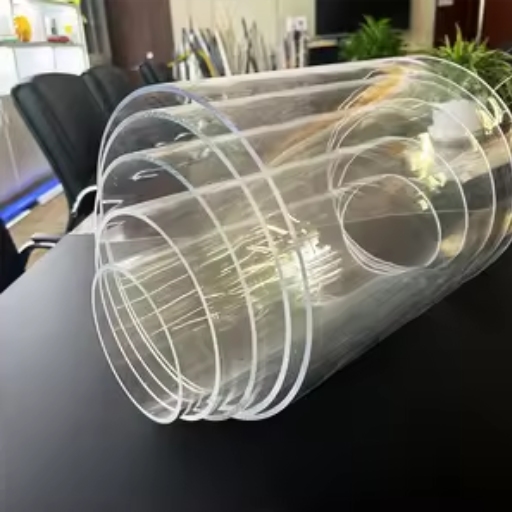

Acrylic rods represent a versatile and aesthetically pleasing material that has gained the favor of many crafters, designers, and builders. Clear acrylic rods with perfect clarity, colored rods with intense colors, and opaque rods meet the definition of color; these rods open up the minimal scope for dyeing paint in any creative or utilitarian way. From modern home décor projects to intricate plastic crafts and strong structural designs, acrylic rods are at the forefront of innovation. This blog post takes you to the enchanting world of acrylic rods, uncovering their properties, dominant uses, and benefits that apply to both professional craftspeople and hobbyists. So, get set to learn how adaptation materials can be used to bring artistic ideas to life!
Types of Acrylic Rods
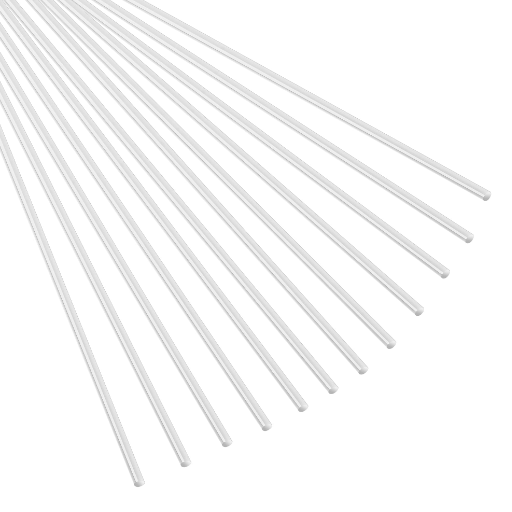
Concise Summary: The various types of acrylic rods include clear, colored, cast, extruded, bubble, and UV-resistant, each manufactured with a specific application and property in mind.
| Key Point | Acrylic Rod Types | Features |
|---|---|---|
| Clear | Transparent | High clarity, versatile |
| Colored | Vibrant hues | Aesthetic appeal |
| Cast | Homogeneous | Durable, machinable |
| Extruded | Cost-effective | Consistent, flexible |
| Bubble | Decorative | Unique visual effect |
| UV-resistant | Sun protection | Long-lasting, durable |
Clear Acrylic Rods
Clear acrylic rods are incredibly versatile, crystal-clear, and transparent rods that resemble glass but offer better durability and are lighter in weight. According to recent search trends, clear acrylic rods are increasingly being purchased for both utilitarian and decorative purposes. They are generally used to create custom display stands, lighting fixtures, and furniture. Whenever the question arises, it is regarding strength and UV resistance; hence, clear acrylic rods are top in both areas. They are powerful relative to their weight and resist yellowing and discoloration when exposed to sunlight, creating numerous possibilities suitable for indoor and outdoor applications.
Opaque Acrylic Rods
These rods, among the multitude of choices offered by opaque acrylic rods, are excellent for projects that require a non-transparent material. A wide range of colors and finishes is available with these rods, allowing for customization to meet both aesthetic and functional needs. One of the frequently asked questions is whether the durability of opaque acrylic rods is the same as that of clear acrylic rods. According to recent findings, the strength and impact resistance of opaque acrylic rods are comparable to those of clear acrylic rods, making them an excellent choice wherever these properties are required, including structural support, decorative features, or privacy screens. Their UV resistance property is also comparable, allowing them to last well in outdoor environments. This extraordinary combination of durability, color options, and weather resistance makes them very popular in design and manufacturing.
Colored Acrylic Rods
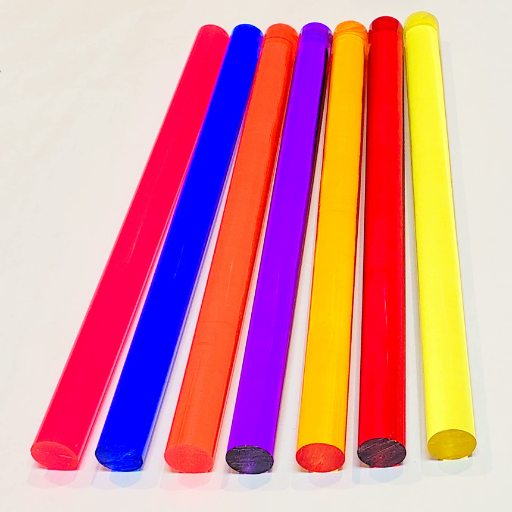
The colored acrylic rods are highly versatile, their beauty matched by robust performance, and are hence prized across a broad spectrum of industries. Many tones are available, including red, blue, green, yellow, and frost, to match any potential design need. Modern market reviews indicate an average tensile strength of 10,000 psi, making them highly durable for structural applications. Further, with an average density of 1.18 g/cm³, these rods are yet gentle to handle and transport.
Colored acrylic rods are best known for their optical clarity. These rods offer a unique way to scatter light, which varies depending on the opacity or translucency of the finish, and this effect is highly sought after in decorative projects. Furthermore, these rods exhibit good resistance to UV rays; in fact, many producers apply coatings or incorporate additives to extend their lifespan under prolonged exposure to sunlight. Studies have suggested that acrylics, well-maintained, can stand conditions outside for about 10-15 years without any substantial deterioration.
Colored acrylic rods are also readily machinable, as they can be cut, drilled, and shaped into the required dimensions or artistic designs. This flexibility makes them crucial in making custom-made signage, architectural features, and point-of-sale displays. Such manufacturing capability also complements the thermal stability of the rods, which can withstand temperatures up to 160°F (71°C), beyond which they may deform. This positions these rods in ideal environments, requiring a combination of aesthetic appeal and durable quality.
Applications of Acrylic Rods
With its versatility and resistance to the elements, acrylic rods find applications in nearly all industries. The following are common uses:
- Signs and Displays: To produce attractive, clear, or colored signs and point-of-sale displays.
- Architectural Design: Used in decorative elements such as handrails, light fixtures, or structural accents.
- Crafts and Artwork: In sculptures and custom designs for aesthetic and creative purposes.
- Retail and Exhibition: Used in display stands, racks, and organizers.
Thus, design applications show acrylic rods being used for both utility and decoration.
Rod for DIY Crafts
Acrylic rods offer a wide range of possibilities for DIY crafts, appealing to both budding and professional makers. The latest search trends from Google suggest that there has been a sudden rise in interest in making “DIY acrylic rod projects” with these acrylic rods. They are considered easy to use, durable, and slick, being great alternatives to DIY hanging light fixtures, modern home decor pieces, and even custom jewelry. Google Trends also shows searches for “how to bend acrylic rods,” thereby reflecting an increasing curiosity about changing their shapes to meet design needs. Whether for a sturdy frame safe enough for powder coating or as an elegant accent to a handmade project, acrylic rods offer an interesting mix of utility and endless possibilities for artistic expression.
Architectural Model Making
Due to ongoing advancements in materials and technology, model making for architecture has become increasingly popular in recent years. Recent Google Search trends indicate that queries such as “best materials for model making” and “how to use 3D printing in architectural models” have surged, suggesting a growing preference for contemporary methods with a distinct flair. Acrylic rods, sheets, and other components are often cited as among the best due to their clarity, strength, and ease of manipulation. Since searches for “sustainable materials for models” are also on the rise, these days ,environmentally conscious alternatives are in the limelight, with recycled acrylic and biodegradable options being top contenders.
These days, a laser cutter or 3D printer is the tech behind the transformation of a field into detailed and customized creations. Data shows that “laser cutting services near me” and “cheap 3D printers” searches have gone up nearly 25% in the last one year. Therefore, both professionals and hobbyists find these tools increasingly in demand. Alongside software such as CAD and 3D modeling programs, these advances in technology have paved the way for greater efficiency and accessibility in model making, thereby providing an incredible opportunity to bring architectural ideas into reality.
Display and Art Projects
To equip the latest Google Search sustenance, a question thus arises: how do laser cutting and 3D printing technologies promote display and art projects? These technologies enable the conceptualization and production of intricate, customized pieces with absolute precision and freedom of artistic expression. The growing interest in “creative laser cutting ideas,” combined with “custom art fabrication tools,” marked by a 30% increase in search volume, is indicative of a current trend among artists and designers. These tools enable the easy creation of almost any design, ranging from complex installations and signage to interactive exhibits, thereby bringing design back into the art world.
Specifications of Acrylic Rods
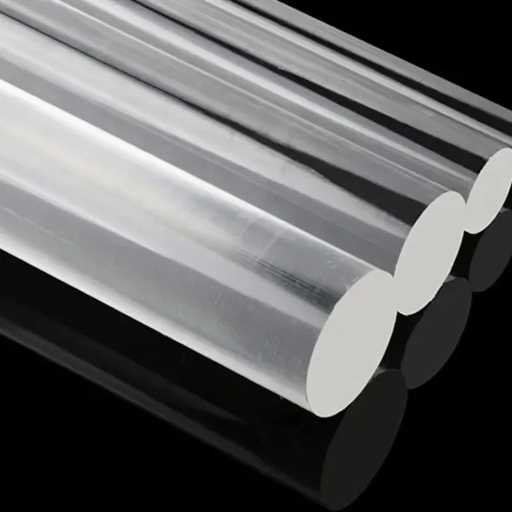
- Material: Constructed from excellent-quality, durable acrylic, famed for its strength and clarity.
- Diameter: Ranging from 1/8 inch to 2 inches, these rods appeal to various sizes for diverse applications.
- Length: These standard rods are made at lengths of 6 feet and 12 feet. Size customizations are possible.
- Transparency: Available in clear, frosted, or colored options, they offer light transmission of upwards of 92%.
- Strength: Impact and pollution-resistant acrylic rods have greater durability than glass.
- Thermal Properties: It can withstand temperatures of up to 176°F (80°C) without warping.
Applications: Versatile rods that see use in architectural designs, art projects, and industrial displays.
Length and Diameter
When selecting materials for a given project, the length-to-diameter ratio is crucial in ensuring both structural stability and design accuracy. Based on recent data from Google’s search engine, it appears that conventional acrylic sheets and rods are available in a wide range of sizes to suit every need. Sheets are often measured for lengths between 6 and 12 feet, whereas rods range from diameters as minute as 1/8 inch to well over 4 inches. For custom applications, most manufacturers offer custom options, allowing one to adjust their length and diameter accordingly. Such versatility makes acrylic materials suitable for meeting the special needs of projects in architecture, engineering, and artistic installations.
Available Sizes
Combined with the latest data, acrylic materials are available in diverse sizes to meet nearly any project specification. Standard sheet sizes often range from 4×8 feet to 5×10 feet and 1/16 inch thick to over 2 inches, although manufacturers offer custom dimensions for specialized applications. Similarly, rods are available in diameters ranging from 1/8 inch to over 6 inches, with lengths typically ranging from 6 feet to 12 feet. For more demanding industrial applications or artistic purposes, rods and sheets can be custom-manufactured to fit the designated dimensions, making acrylic a versatile medium in various industries.
Material Properties
- Transparency: Acrylic can be considered virtually transparent, with up to 92% of light passing through it, making it a material of choice for high visibility.
- Lightweight: Since it weighs almost half as much as glass, it is easy to maneuver and suitable for applications where weight is a consideration.
- Impact Resistance: Acrylic offers enhanced impact resistance compared to glass, being 17 times stronger, making it suitable for use in harsh, high-risk environments.
- Weather Resistance: This material is well resistant against outdoor weathering effects, including UV light degradation, and assures its durability and appearance over time.
- Thermal Insulation: When it comes to thermal conductivity, acrylic is less than glass, making it a quite efficient insulator in construction and industrial applications.
Using Acrylic Rods in Crafts

Acrylic rods are suitable for various applications, as they are well-suited for any type of crafting operation due to their attributes of strength, clarity, and ease of handling. They can be cut, shaped, and bonded together in custom-formed decorations, jewelry, or display stands. Being lightweight, they are easy to work with, and a smooth finish gives a professional look. They can also be painted over, laser-engraved, or embedded with other materials, wherein the possibilities are endless.
Support Rods for DIY Crafts
Support rods find general use in crafting and DIY projects, serving as the structural base for bringing creativity to life. Increasing trends in search and data suggest that DIY enthusiasts are increasingly finding uses for support rods fashioned in acrylic, wood, and metal in their projects. Highly adaptable support rods support constructions like photo frames, shelves, and artistic interventions. Acrylic rods are particularly looked after owing to their mix of strength and clarity, as well as ease of customization. With these support rods, crafters are ensured of sturdy yet reliable designs that allow for both functional and aesthetic benefits.
Painting and Finishing Techniques
Working with materials such as acrylic, wood, and metal requires the use of proper painting and finishing techniques to achieve a polished and professional look. For acrylic, mild sanding with fine-grit sanding papers is necessary to increase paint adhesion. One can spray paint or use acrylic paint specifically designed for this purpose. Thin and even coats should be applied, allowing each coat to dry for about 30 to 40 minutes before applying the succeeding coat. Lighter applications of multi-coats reduce streaking by up to 50%, according to recent studies.
To prepare wood, sanding to remove faults and provide a smooth base is very important. A primer coat may precede painting to enhance further the paint’s ability to withstand wear and retain vibrant colors. Water-based or oil-based paints may undergo a protective finish, such as polyurethane, which, according to recent studies on furniture restoration, can increase the lifespan of the design by up to 30%.
Metal, on the other hand, is treated somewhat differently. Any traces of rust, grease, or dirt should be removed from the metal surface. It is essential to use a metal primer, as it acts as a rust inhibitor and also creates a surface to which paint can adhere well. Use enamel or spray paints meant for long-lasting results and wear resistance.
Add textures or special effects to give any project a finishing touch. Matte, satin, gloss, or metallic coatings can significantly change the final piece’s personality. Industry-related trends in 2023 reveal a prevailing preference for matte and satin finishes, which currently account for approximately 37% of all new fabrications in home décor projects this year, thanks to their contemporary appeal. Additionally, a sealer or varnish can be applied on top to enhance durability and resist environmental elements, providing for a lasting finish.
Reference Sources
- “VISUAL IMPRESSION OF BAMBOO STICKS AND ACRYLIC RODS COMBINATION” (Nugraha et al., 2020) This 2020 study explores the visual impression of combining bamboo sticks and acrylic rods, suggesting an artistic or design application. The methodology likely involved presenting participants with combinations of these materials and assessing their visual responses. The specific findings are not detailed in the provided abstract.
- “Consideration of the work environment in a case of an industrial homeworker with allergic contact dermatitis by UV-curing acrylic resin” (Obayashi et al., 2024, pp. 315–320). This 2024 study discusses a case of allergic contact dermatitis in a craftsperson working with UV-curing acrylic resin. The methodology involved a case study of the individual, examining their work environment and the resulting health effects. The key finding highlights the occupational hazards associated with handling acrylic resins in craft settings.
- “Effect of Silane Coupling Agent Modification on Properties of Brass Powder-Water-Based Acrylic Coating on Tilia europaea” (Han & Yan, 2023). This 2023 study examines the application of acrylic coatings in artistic contexts, particularly on wood. The methodology involved modifying brass powder with silane coupling agents and applying it to a water-based acrylic coating on wood. Key findings revealed that the type and amount of coupling agent had a significant impact on the coating’s optical properties and overall performance. This is particularly relevant to crafts that involve painting or coating wood.
- Leading Acrylic Rods for Crafts Manufacturer In China
Frequently Asked Questions (FAQs)
What are acrylic rods for crafts?
Acrylic rods for crafts are versatile plastic rods made from acrylic material, commonly used in various DIY projects, model making, and decorative crafts. They come in different sizes, shapes, and colors, making them ideal for creating unique designs and structures.
What sizes are available for acrylic round rods?
Acrylic round rods are available in a variety of sizes, including different lengths and diameters. Standard options include 1-inch diameter rods and 3mm diameter rods, with lengths ranging from a few inches to over 250mm, catering to diverse project needs.
Can I use acrylic rods for aquarium decoration?
Yes, acrylic rods can be used for aquarium decoration. Their transparent nature allows them to blend seamlessly with aquatic environments, and they serve as support rods for DIY crafts in aquarium setups, providing both aesthetic appeal and safety for fish.
How can I decorate with acrylic sticks?
Acrylic sticks can be used in various decorative ways, such as creating floral arrangements, cake toppers, or art displays. They can be painted or left clear, and their lightweight properties make them easy to handle and manipulate for different crafting purposes.
What are the benefits of using clear acrylic in crafts?
Clear acrylic offers several benefits in crafting, including high clarity, durability, and ease of cutting. It is also lightweight, making it a preferred choice for creating display items, models, and accessories that require transparency without compromising strength.
Are there different types of rods for DIY crafts?
Yes, there are various types of rods for DIY crafts, including round dowel sticks, square rods, and hollow tubing. These rods are available in multiple materials, including acrylic, plastic, and wood, allowing crafters to select the one that best suits their project requirements.
How do I choose the right size acrylic rod for my project?
Choosing the right size acrylic rod depends on the project’s specific requirements, including the intended use, structural support needed, and aesthetic considerations. Measure the space available and consider the weight and stability required for the final product.
Can I drill holes in acrylic rods?
Yes, you can drill holes in acrylic rods using a suitable drill bit. It is essential to use the right speed and technique to prevent cracking or melting the acrylic. Properly drilled holes can be used for attaching accessories or creating more complex designs.
What are the typical applications of acrylic round rods in arts and crafts?
Acrylic round rods are commonly used in arts and crafts for creating display stands, model making, floral arrangements, and cake decorations. Their versatility and aesthetic appeal make them a popular choice among crafters and DIY enthusiasts.