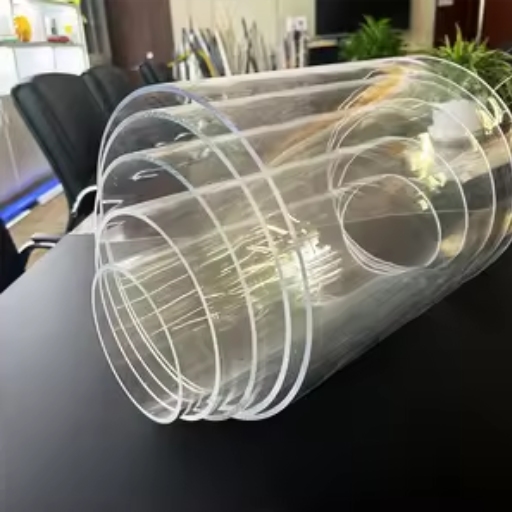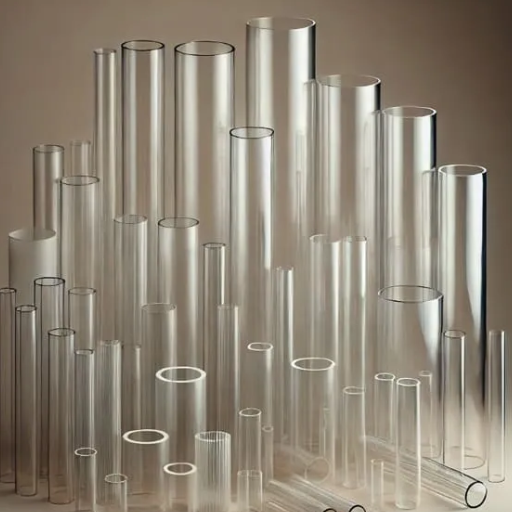

When considering a material that serves numerous roles and looks fantastic, too, colored acrylic rods and tubes are the solution one quickly opts for. These lightweight yet robust plastic structures are perfect for almost any type of display design and/or artistic work. The acrylic tube referenced above was made using the highest-quality, most colorful acrylic available for the manufacture of such articles. This guide section, when complete, will document all the practical and aesthetic benefits of working with these interesting materials. In the following paragraphs, outlined are the various ways in which craft makers and performers can make use of these acrylic rods and tubes. Continue reading to discover how these materials can elevate the design of any project you have in progress and produce an exceptional outcome.
Acrylic Rods Overview
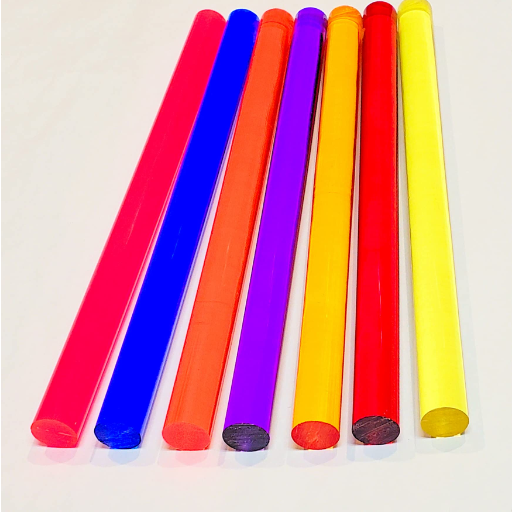
Acrylic rods are a versatile substance that is transformed into a highly resistant type of acrylic plastic. The rods are characterized by their elaborate colors and various sizes and types, along with several shades and finishes; they can be applied to any use. Acrylic is known for its optical clarity, and acrylic rods are used in creative and construction works. It means that, since acrylic rods are a non-metallic material, many users have a sense of familiarity with this material. Acrylic rods are UV-protected, which prevents them from wearing out, regardless of the location where they are placed. They can even be curved or mended to meet the required dimensions in construction, allowing for any desired look, as they are made with no rough edges.
What are Acrylic Rods?
Poly(methyl methacrylate) or acrylic rods are beneficial products that can serve as a replacement material for heavy and potentially hazardous glass materials, while offering excellent optical clarity. The use of Acrylic rods and tubes is a perfect solution for individuals who prefer plastics to metals, particularly when flexibility in shape is more convenient. The most common finishing options include clear, colored, frosted, and patterned, which meet different needs, whether aesthetic or functional. They are applicable in many sectors, including interior decoration, sign making, civil engineering, and numerous private projects, as they can be easily cut, inlaid, machined, and even heat-bonded. Withstand harsh weather conditions and ultraviolet rays, which are often experienced by outdoor gear. Thanks to technical developments in polymer processing, various lengths and thicknesses of rods are now being produced, allowing for the creation of any desired design.
Types of Acrylic Rods
Acrylic rods are available in various forms, including clear, opaque, frosted, and both cast and extruded, each suited for different sectors.
| Type | Feature | Use | Strength | Cost |
|---|---|---|---|---|
| Clear | Transparent | Displays, decor | High clarity | Moderate |
| Colored | Vibrant hues | Crafts, signs | Aesthetic | Moderate |
| Frosted | Matte finish | Lighting, decor | Diffused light | Moderate |
| Cast | Homogeneous | Machining | High durability | Higher |
| Extruded | Thermoformable | General use | Cost-effective | Lower |
Benefits of Using Acrylic Rods
Apart from the acrylic rods’ durability, they are also very resistant to impacts compared to conventional glass material. In particular, due to its resistance to impacts, it is difficult to break this material. Therefore, long utilization of the material is highly assured.
- Design
Moreover, acrylic rods are lightweight despite their superior durability, implying that they aren’t a hassle to work with, transport, or install. This property is quite reasonable in applications involving the movement of structures or any structure to which they are inserted.
Being a form of plastic that is widely known to degrade when exposed to UV, acrylic rods, on the other hand, have been found to resist UV efficiently. Thus, these materials should not lose their clarity and strength when exposed to the elements for extended periods.
- Optical Grade
One of the most critical aspects of acrylic rods is their unique transparency qualities, which have index values as high as 92%. This level indicates very high clarity comparable to, if not better than, even that of glass. Often, they are incorporated in works that involve the use of light-sensitive, most explicit materials.
- Diversity in the Use of Such Material
Products include acrylic rod, acrylic sheet, acrylic tubes, and various other shapes that are easily formed and more practically utilized in most instances, looking reasonably attractive from most perspectives.
There is a range of sizes and shades from which acrylic rods are available, making them suitable for various purposes, including, but not limited to, designing architectural components, sculptures, and working with other construction plastics, as well as medical implements. This applicability guarantees their utility in multiple spheres.
Colored Acrylic Rods
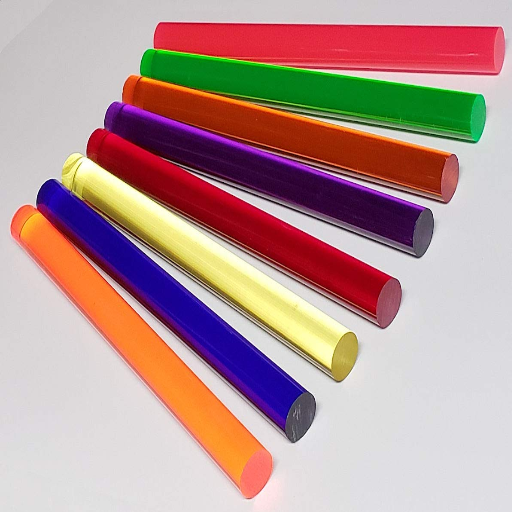
Colored acrylic rods, like clear acrylic rods, have proven to be tough and resilient, adding vibrant and attractive color to the item they are used in, in the form of the rod. These rods come in an extensive color gamut, from transparent to translucent to opaque. More often than not, these acrylic rods are fitted into creative patterns, artistic constructions, wayfinding, and decorative artwork, delivering both aesthetic appeal and strength requirements in full. They are very expressive in color, with the possibility of being formulated in any design and length, typically with requirements where most attention is drawn.
Varieties of Colors
With colored acrylic rods, there is a wide variety of colors. Primary colors, such as red, blue, and yellow, are the most popular, as well as pastel colors like mint, baby pink, and lavender. Occasionally, bright colored rods and several fluorescent rods are used to enhance the overall look. These options are mainly used in sign-making and modernism. Colorless and transparent colors, which create discreet and charming images, are often used in the field of exhibits and decorations. In contrast, the decorative side is equipped with colors that provide even, complete coverage to avoid interfering patterns.
Boundary Shift, Off-axis view clarified., Trend analysis of client searches shows an increase in customer interest toward gradient and multi-colored acrylic rods which create motion in a space, especially in contemporary designs with increasing demand as liquid rulers plastic trend accelerates. As flexible as the trends may become, such products are in high demand in the creative and image-related industries.
Fluorescent vs. Opaque Colors
Fluorescent colors glow under UV light, while opaque colors are solid and block light completely.
| Parameter | Fluorescent | Opaque |
|---|---|---|
| Glow | UV light glow | No glow |
| Light Effect | Absorbs & emits | Blocks light |
| Appearance | Bright, vivid | Solid, dense |
| Usage | Art, signage | Coverage |
| Mixing | Loses effect | Retains color |
Applications of Colored Acrylic Rods
In numerous business and artistic industries, colored acrylic rods are utilized effectively. Here are some of the applications that clarify this assertion:
1. Titles and subtitles.
Colored acrylic rods have found application in the design of interiors and architecture more than special decor. These colorful rods are suitable for various interior uses. Compositions of stylish shades are available in most of the designs.
2. Titles and subtitles.
If shops are designed to attract customers by featuring a specific item or image, they often follow this concept – all the walls inside are painted the same color. There are times and materials to change them to any other. However, large windows of boutiques and shopping malls also enhance the obligatory pinkish, but not very coquettish, usage.
3. Titles and subtitles.
Acrylic is like the artist’s journals. You can be assured that all the windows in the house are tinted. Each of the acrylic structures and its attached brackets and so on in the marketplace has people running to them. ___ can be minimal and straightforward, often being just a piece of plexiglass held in place, or desk shelves in a plexiglass rack.
3D printed designs are prototyped for various industries because acrylics are highly durable and easy to customize. Typically, the parts are used in colorful and engineered machines, instruments, or objects working in stations, unlike their primary purposes.
Now, for a detailed breakdown of theatre within an event. Acrylic rods, either colored or clear, can be used in these designs to add drama and interest to the stage, and more specifically, to create a sensual touch. The explanation can be very abstract; however, the use of these materials in the technique of sticking, gluing, making, and rendering additive decorations and installations makes them vivid and exhilarating, a must-have for those who do so, resulting in a mind-blowing and unforgettable experience.
Specifications of Acrylic Rods and Tubes
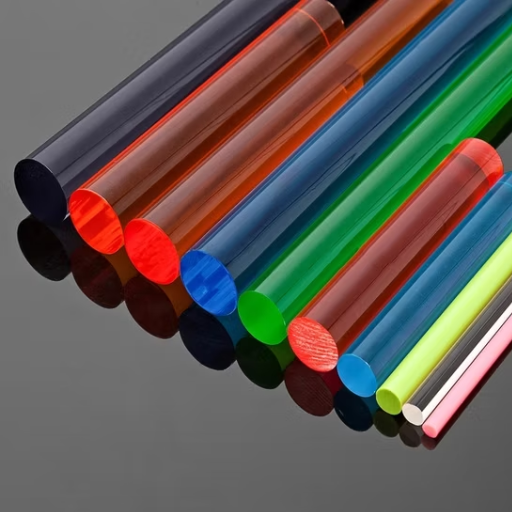
- Constitution of Matter
Acrylic plastics rods and tubes are made from high-grade polymethylmethacrylate, known for its superior clarity and toughness.
- Sizes
Want a smaller or a bigger rod? Too hot, but you can have a variation of enough diameter, more than an inch and less than 100 inches in rods. But do not ask of them in any case that is thin to thin; they have to accomplish such a ridiculous specification.
- Transparency and Colours
Such products come in transparent, opaque, and numerous bright tints, allowing them to be utilized where light still needs to pass through.
- Corner-Survival
Acrylic rods and tubes are also lightweight, shock-resistant, and weather-resistant; thus, they will remain in good condition for a long time, whether used indoors or outdoors.
- It Will Stay as Good as New
These components show good performance at moderate temperatures, with a maximum permissible temperature of 80°C.
- Customizing
These products can be stamped, cut, and molded into various shapes to create the best possible design.
Acrylic rods and tubes are utilized in a wide range of engineering and artistic applications, offering reliability, multifunctionality, and the ability to withstand extreme pressure.
Length and Diameter Options
Within stock options, lengths are commonly found to be 6ft to 12ft, but a tailored cut ideally can be done for all of them. This is because the manufacturing of such materials is precise and well-organized in advanced settings; hence, they fit in places even in DIY work. The ease of creating receipts and objects for various purposes, such as design and building, is what makes high-quality acrylic rods and tubes suitable for any customer demand.
Thickness Tolerances
When discussing the thickness conformance of acrylic rods and tubes, accuracy is essential to meet both cosmetic and utilitarian requirements. As to permissible deviations, it suffices to say that the diameter in use plus frequency of use determines the standard fittedness. In the case of lesser diameters, tolerances may range from +0.005 inches. Forced accuracy does not apply to larger diameters or relatively unusual shapes; such have enlarged tolerances usually within +0.020 inches or even more than that. Such variations are always maintained to ensure that, in each application, the purpose and serviceability of the product remain constant. Every part is checked against the required specifications using specialized equipment, even when the precision limit is exceeded, thus making rods and tubes made of acrylic the approved operating material in such cases.
Impact Resistance and Durability
Acrylic rods and tubes are known for their ability to withstand cracking and shattering, making them a suitable material, particularly for applications that require strong materials. The data and information provided by Google’s search engine indicate that, in terms of shock resistance, the value of acrylic is 17 times higher than that of glass. Such a valuable feature enables the acrylic to withstand strains and blows that would otherwise break other materials under normal circumstances. Due to the nature of acrylic being resistant to weather, it is not prone to discoloration or breaking as a result of external factors, such as ultraviolet light waves or harsh temperatures. These properties of the resin, namely its strength and clarity, make it useful in any type of project, whether indoors or outdoors.
Cutting and DIY Projects with Acrylic Rods
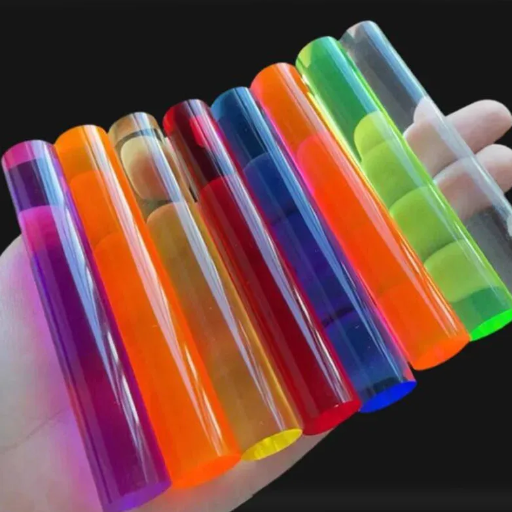
When using acrylic rods in your template, special trimming techniques should be learned. To avoid chips or cracks and achieve even cuts over intricate patterns, cutting tools such as a fine saw blade, plastic cutter, or laser screen will be a huge help. One would then fix the rod so it is stable before commencement of operations so that there are no chances of slippage. For structural purposes, after cutting, edges are ground using fine sandpaper to a smooth finish. Acrylic rods have found ideal applications in designing containers, knobs, and ornaments, among other items, due to their clean lines and valuable properties. When cutting, it is essential to take all the necessary safety measures, especially in rehearsals or situations if possible, and more particularly the use of protective gear such as safety glasses.
Tips for DIY Projects
- Be Ready: Develop a detailed plan for every stage of the project, including materials, instruments, and terms. Priority will be given to effective management and avoiding unnecessary delays.
- Make Use of Proper Space: When dealing with applications of adhesives, coloring agents, or other substances, see to it that an appropriate level of fresh air is maintained inside, which is safe for you.
- Use the right Tools: Buy good quality tools that are suitable for your job to ensure exact results and to minimize any chances of making mistakes.
- Measure it Twice, Cut it Once: Reiterate any measurement to minimize errors, which can be costly, and also avoid material wastage.
- It is Better to be Safe than Sorry: Always wear protective gear, such as hand gloves, protective eyewear, and a face mask, whenever necessary, and ensure you use the appropriate tools and follow safety rules.
Common Uses in Crafting and Display
Do-It-Yourself (DIY) activities are most often carried out with the help of materials like wood, acrylic, and fabric. It is common to see such materials transformed into objects, such as signs, utensils, and wall decorations, which typify domesticity. Since the majority of Google online search users are DIY crafters and designers, at some point, they will search for terms like: ‘DIY wedding decorations’, ‘how to make something like a phone case images’, and so on. This is attributed to the growing demand for one-of-a-kind, handmade items. These materials give enthusiasts and artists enough room for experimentation, allowing them to try out different designs using cutting machines and even hand saws for various styles to emerge. Nevertheless, their flexibility and considerably easy usage would lead one to the conclusion that the above nitpicking is much ado about nothing. Most importantly, such decor is not just a pretty piece of art here, but it also serves a specific design and decorative purpose for the premise.
Reference Sources
1. “Study on the subjective brightness of photonic crystal structural colored wood products” (Su et al., 2023, pp. 702–709)
- Publication Date: 2023-12-13
- Methodology: Poly(styrene-methyl methacrylate-acrylic acid) latex microspheres of varying diameters were used to create photonic crystal coatings on wood. Subjective brightness was assessed under different color temperature light sources. Optical properties of the coatings were also analyzed.
- Key Findings: The study established a correlation between the photonic crystal coating’s optical properties, the color temperature of the light source, and the perceived brightness. Coatings in the near-red visible light range showed higher brightness under low color temperature light, while those in the near-purple range were brighter under high color temperature light. Brightness was strongly linked to coating reflectivity. Although not directly related to acrylic rods, the research utilizes acrylic-based materials to create colored surfaces.
2. “Underwater Structurally‐Colored Adhesives for Visualized Adhesion Monitoring in Aqueous Media” (Yu et al., 2024)
- Publication Date: 2024-10-29
- Methodology: A structurally colored adhesive was created by shearing composites of poly(butyl acrylate‐co‐acrylic acid) copolymer and carboxylated polystyrene colloidal particles. The adhesive’s underwater strength and color-shifting properties under force were tested.
- Key Findings: The adhesive demonstrated strong underwater adhesion to various substrates and exhibited color changes in response to applied force, allowing for real-time monitoring of strain/stress. Although not explicitly related to rods, the material properties are relevant to the behavior of acrylic materials.
3. “Comparison of step heating and modulated frequency thermography for detecting bubble defects in colored acrylic glass” (Wang & Hsieh, 2015)
- Publication Date: 2015-05-12 (Outside the 5-year timeframe, but included for completeness as it directly relates to colored acrylic)
- Methodology: Step heating and modulated frequency thermography were used to detect bubble defects in colored acrylic glass.
- Key Findings: The study compared the effectiveness of two different thermographic techniques for detecting defects. (Note: This paper is outside the specified timeframe but is highly relevant to the query.)
4. Leading Acrylic Rods Colored Manufacturer In China
Frequently Asked Questions (FAQs)
What are colored acrylic rods and their applications?
Colored acrylic rods are versatile plastic rods made from cast acrylic material that come in various vibrant colors such as blue, green, red, and fluorescent pink. They are commonly used in DIY projects, signage, artistic displays, and as structural components due to their lightweight and impact-resistant properties.
How do I choose the right size for my acrylic rod project?
Choosing the right size of acrylic rods involves considering the length and diameter that best suit your project. Acrylic rods are available in various lengths, including options up to 6 feet, and diameters ranging from small to large, allowing for a wide range of applications, from crafting to industrial uses.
Can I cut acrylic rods to a custom length?
Yes, you can cut acrylic rods to a custom length. When cutting, it’s essential to use proper tools to ensure a clean edge and to prevent cracking. Many DIY enthusiasts and professionals prefer using a fine-toothed saw or a laser cutter for precision.
Are there transparent and opaque options for acrylic rods?
Acrylic rods come in both transparent and opaque options. Transparent acrylic rods, such as clear acrylic, allow light to pass through, making them ideal for decorative or lighting applications. Opaque options, such as opaque black and pearl cast acrylic, are ideal for projects that require privacy or a solid color.
What is the impact resistance of acrylic rods?
Acrylic rods are known for their high impact resistance compared to glass. This characteristic makes them a suitable choice for applications where durability is essential, such as in outdoor displays or environments where breakage is a concern.
Can colored acrylic rods be used outdoors?
Yes, colored acrylic rods can be used outdoors. They are resistant to UV light, moisture, and various weather conditions, ensuring that their color and clarity remain intact over time. This makes them an excellent option for outdoor signage and artistic installations.
What colors are available for cast acrylic rods?
Cast acrylic rods are available in a wide variety of colors, including standard shades like white, black, and transparent, as well as vibrant colors such as fluorescent green, amber, and purple. This extensive selection enables customization tailored to individual project needs.
How do I clean and maintain colored acrylic rods?
Cleaning colored acrylic rods is simple. Use a mild soap solution and a soft cloth to wipe them down, avoiding abrasive cleaners that can scratch the surface. Regular maintenance will help preserve their clarity and prevent discoloration over time.
Are there any specific safety considerations when working with acrylic rods?
When working with acrylic rods, it’s essential to wear safety goggles and a mask, especially when cutting or sanding, to protect against dust. Additionally, ensure proper ventilation when using adhesives or solvents to avoid inhaling fumes.