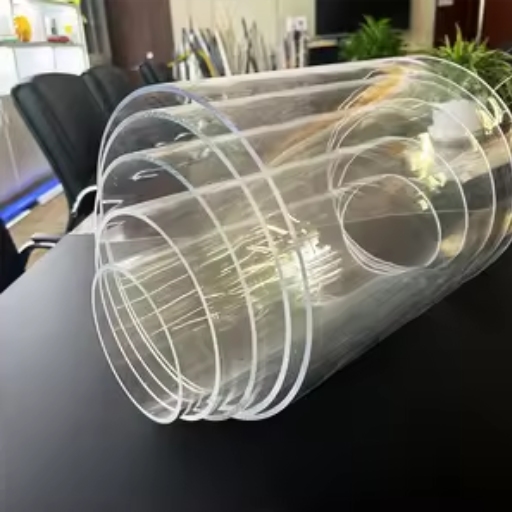

The cutting of plexiglass is commonly known as glass cutting. If one does not have proper tools, methods, or guidance, it may seem like an almost impossible task. Glass with a thin dimension requires minimal stress to cut; the thicker it is, the more care must be taken to avoid cracks, chips, or an uneven cut. This guide will walk you through everything needed to select your cutting tools and master the cutting techniques, enabling you to achieve professional results. After completing this guide, you will be comfortable working with acrylic sheets, regardless of the size or complexity of your project.
Introduction to Plexiglass
Plexiglass, also known as acrylic, and more technically, acrylic glass, is a transparent thermoplastic material recognized for its strength, durability, and light weight. It is, therefore, an excellent alternative to regular glass, offering shatter resistance and versatility. Being commonly for windows, signage, and protective barriers, plexiglass is very easy to cut, making it a favorite choice for many do-it-yourself projects and professional fabrication alike. It has outstanding optical clarity and weather resistance, which provide significant benefits for woodworking projects used either on the ocean or within the confines of a building.
What is Plexiglass?
Plexiglass is a transparent acrylic material, primarily composed of polymethyl methacrylate (PMMA). It is a lighter, more durable, and shatter-resistant substitute for glass, offering fine optical clarity. Used across the construction, automotive, and design industries, plexiglass’s weather-resistance makes it adaptable for various applications, both indoors and outdoors.
Benefits of Using Acrylic
Acrylic offers several significant advantages, making it a widely used material across various industries:
| Benefit | Description |
|---|---|
| Durability | Highly impact-resistant, reducing the risk of shattering compared to traditional glass |
| Lightweight | Considerably lighter than glass, simplifying transportation and installation |
| Optical Clarity | Excellent transparency, allowing up to 92% of light to pass through for clear visibility |
| Weather Resistance | Withstands prolonged exposure to UV rays and harsh weather without yellowing or degrading |
| Versatility | Can be easily molded, cut, and shaped for a broad range of applications |
These traits make acrylic a reliable and practical choice for both functional and aesthetic purposes.
Common Applications of Plexiglass
- Windows and Glazing: Plexiglass is commonly used as a lightweight and durable alternative to glass for windows, skylights, and protective barriers.
- Signage: Due to its clarity and weather resistance, it is widely used for indoor and outdoor signs, offering excellent visibility and durability.
- Display Cases: Plexiglass is often chosen for museum displays, retail showcases, and protective covers due to its transparency and impact resistance.
- Aquariums: Their ability to hold weight and provide clear visibility makes them ideal for aquarium panels and tanks.
- Furniture and Home Décor: Plexiglass is used to create modern designs for tables, chairs, and decorative items due to its versatility in shaping and polishing.
Tools Required for Cutting Plexiglass
Manual Cutters
Manual cutters are the most straightforward and effective medium for cutting plexiglass, especially in cases where you are dealing with smaller or thinner sheets that are less than 1/4 inch thick. Some of the more common manual cutters include utility knives, scoring tools, and plexiglass cutters that utilize hardened blades for precision cutting. The procedure begins by measuring and marking the cut line, then using a straight edge as a guide and scoring the plexiglass numerous times until a nice, clean break point can be formed. These are lightweight, easy to handle, and require minimal setup; thus, they are most suitable for amateurs and DIYers on smaller-scale projects.
💡 Pro Tip: It is recommended to make at least three to five deep scores along the same line to ensure the material can be reliably snapped. For safety, always wear protective gloves and goggles to avoid injuries from sharp edges or accidental slips.
Power Tools: Jigsaw and Circular Saw
Both jigsaws and circular saws are high-performance tools for any application involving cutting plexiglass, especially large-scale or intricate designs. A jigsaw outfitted with fine-toothed blades, mainly intended for plastics, affords as much precision as versatility. It is perfect in situations that require cutting curves, complicated shapes, or irregular patterns in plexiglass. To ensure clean results, keep the speed slow because the heat created by the friction of the blades might melt or crack the plexiglass. It is also good to clamp down the plexiglass so it does not vibrate when being cut.
A circular saw is primarily used for making straight cuts, especially long ones, on thicker sheets of plexiglass. It is essential to use a carbide-tipped blade with a high tooth count, specifically designed for use with plastics, to prevent chipping or cracking. The blade must rotate at the constant speed recommended, and the pressure applied on the cut must be minimum; the temperature caused by friction could damage the material.
Always use personal protective equipment such as safety glasses and gloves to ensure safety and accuracy during the use of either tool. Moreover, by cleaning and sharpening your tools and blades on a regular basis, you ensure that they will remain in good working condition for longer.
Advanced Options: Laser Cutter and Dremel
When taking advantage of the high technology incorporated into each machine, applying their functions in conjunction can only help improve the project’s outcome. A laser cutter is the tool of choice when both detailed patterns and intricate designs are required, with applications including engraving, cutting acrylic, and creating exceptional woodwork. With modern, efficient laser cutters that offer numerous power settings, one can control the depth, interaction with the material, and many other variables. For example, CO2 laser cutters excel with non-metal materials, offering an accuracy tolerance as small as 0.001 inches.
For small-scale detailing, trimming, and polishing, the Dremel is second to none, given its versatility and excellent portability. The various speed settings available on Dremels allow it to spin at 5,000 to 35,000 rpm, applying top-down pressure to a wide array of materials, including metals, plastics, and even ceramics. Equipped with diamond bit or sanding drum attachments, the Dremel can produce bevels, chamfers, or very fine engravings.
🔧 Hybrid Approach: Combining these tools creates a synergy where the laser cutter performs the preliminary, high-precision cuts or engravings, while the Dremel refines and polishes the final details. This approach is not only efficient but also allows for greater creativity and adaptability in fabricating projects with complex requirements.
Safety Precautions When Cutting Plexiglass
Personal Protective Equipment (PPE)
When cutting plexiglass, prioritizing safety through the use of proper Personal Protective Equipment (PPE) is essential:
- 🥽 Protective Eyewear: Safety goggles or face shields to safeguard against debris and particles
- 🎧 Hearing Protection: Noise-canceling earmuffs or earplugs for high-noise power tools
- 😷 Respiratory Protection: Dust mask or respirator rated for fine particles
- 🧤 Hand Protection: Cut-resistant gloves to reduce hand injury risk
- 👕 Body Protection: Long-sleeved shirt and durable pants for added coverage
Workspace ventilation is essential to dissipate fumes produced during various thermal processes, such as laser cutting. Getting any dirt or clutter away further helps in hazard reduction. The use of PPE, as described herein, will provide a safer and efficient working condition inside.
Workspace Safety Tips
- Proper Lighting: Maintain lighting levels between 300 and 500 lux for optimal visibility and reduced eye strain
- Ergonomics: Use adjustable workstations and chairs to minimize strain on the spine, wrists, and shoulders
- Fire Safety: Store flammable materials in approved containers away from ignition sources; keep fire extinguishers rated for Class A, B, and C fires readily available
- Equipment Maintenance: Regularly inspect tools for wear or damage; ensure safety mechanisms are functional
- Clear Communication: Implement safety briefing protocols and use visual signage to indicate hazards
Handling and Storage of Acrylic Sheets
Proper handling and storage of acrylic sheets are critical to maintaining their quality and performance:
| Aspect | Best Practice |
|---|---|
| Handling | Use clean, dry gloves to prevent fingerprints and scratches; use mechanical lifting for large sheets |
| Storage Position | Store horizontally on flat surfaces with protective padding between layers |
| Environment | Keep in clean, dry area away from direct sunlight and extreme temperatures |
| Humidity | Maintain indoor humidity between 40% and 60% to minimize static buildup |
| Protection | Leave protective film intact until installation to prevent surface damage |
Step-by-Step Guide to Cutting Plexiglass
Step 1: Preparing Your Workspace
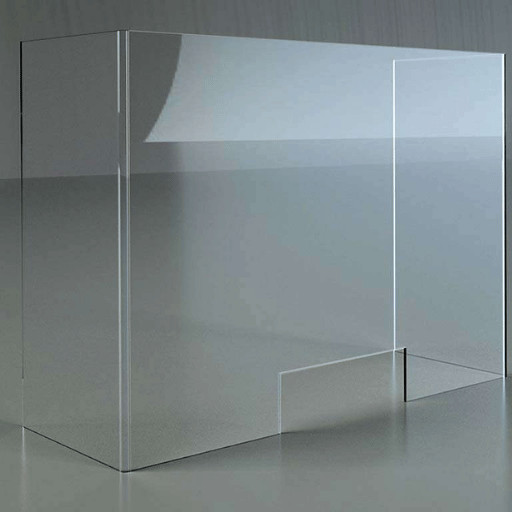
An immaculate workspace for cutting plexiglass is essential for safe and precise cutting. Begin by selecting a clean, sturdy surface that supports the plexiglass sheet fully. Not doing so leads to accidental flexing or bending of the sheet. The area should be well-illuminated for better visibility and accuracy while working.
✅ Checklist: Gather all tools, clamp the sheet to keep it steady, wear all pertinent PPE, use adequate ventilation, and keep the workspace free of clutter.
Step 2: Measuring and Marking the Acrylic Sheets
To ensure perfect cuts and fit, measurements and markings are made with specialized tools and techniques. If possible, use only high-quality measuring tapes or rulers designed explicitly for precise work. For marking straight lines, consider using a metal ruler or T-square, which offers an accurate straight edge for marking. It helps to learn to measure twice and mark once to avoid errors that might cost you.
A fine-point marker or grease pencil can be used for marking, as it creates distinct, visible lines on the acrylic surface and does not smudge easily. If delicate curves or irregular shapes must be drawn, it’s better to use templates or a compass to guide your markings. A well-lit workspace is essential for clearly seeing measurements and markings. Moreover, try using light pressure; intense pressure can hide scratches on the protective film, so the lighter the pressure, the better.
Step 3: Choosing the Right Method to Cut Plexiglass
The selection of a cutting method for a type of plexiglass depends significantly on factors such as thickness, required precision, and available tools:
| Thickness | Recommended Method | Key Considerations |
|---|---|---|
| Under 3mm | Scoring and Snapping | Use scoring knife for deep grooves; apply even pressure to snap cleanly |
| 3mm – 6mm | Jigsaw or Handsaw | Fine-toothed blades; secure with clamps; ideal for curves |
| Over 6mm | Circular Saw or Band Saw | Carbide-tipped blade; high RPM; steady feed to prevent overheating |
| Intricate Designs | Laser Cutting | Unparalleled precision; clean edges; ideal for complex patterns |
Ultimately, the choice of cutting technique should consider the properties of the plexiglass and the specific requirements of your project. Combining the right tools with proper preparation ensures high-quality results while minimizing errors and waste.
Common Mistakes to Avoid
❌ Critical Errors That Can Ruin Your Project
1. Not Using the Right Tools
Using the wrong tools for cutting plexiglas can destroy the accuracy and quality of the final work, often making cracks and chips or rough edges. Studies show that improper tooling is one of the most significant contributors to material wastage, with one report citing that up to 20% of plexiglas sheets are rendered useless when entirely inappropriate tools are used in processing. Top-grade, specialized tools enable precise cuts with minimal waste and minimal time spent on post-processing.
2. Ignoring Safety Guidelines
Suppose safety protocols are neglected during work with materials such as plexiglass. In that case, the dangers can spread and threaten not only the worker but also the final product, potentially compromising its quality and integrity. Up to 40% higher incident rates are reported in workplaces that disregard safety compliance, which underscores the importance of adhering to precautionary practices in the first place.
3. Improper Measurement Techniques
Inaccurate measurement techniques can create actual inaccuracies, resulting in reduced efficiency, and may also pose safety hazards. Studies show that processes are unsuccessful in a quarter of the time annually due to inaccurate measurements, accounting for a significant percentage of total industrial downtime. To prevent these types of issues, rigorous calibration schedules are maintained, and employees are trained on measurement protocols, taking into account environmental conditions during the measurement procedure.
Frequently Asked Questions (FAQs)
Q: What is the best way to cut plexiglass?
The best way to cut plexiglass typically involves using a table saw or a jigsaw with a fine-tooth blade. These tools provide clean cuts and are suitable for both thick and thin sheets of plexiglass. For minor cuts, a utility knife or scoring tool can be an effective option.
Q: Can I cut plexiglass by hand?
Yes, you can cut plexiglass by hand using a scoring tool or a glass cutter. For thinner sheets, you can score along the cut line and snap it to create a clean break. This method is suitable for smaller projects but may not provide as precise results as power tools like a router or band saw.
Q: What type of blade should I use to cut plexiglass?
A saw blade designed specifically for cutting plastic, such as a fine tooth blade or a blade with a high tooth count, is ideal for cutting plexiglass. This helps prevent chipping and ensures a clean cut.
Q: Is it possible to use a circular saw for cutting plexiglass?
Yes, you can use a circular saw to cut plexiglass, but make sure to use a fine-tooth blade to minimize chipping. Always clamp the plexiglass sheet securely to the edge of the table to ensure stability while cutting.
Q: How do I achieve clean-cut edges on plexiglass?
To achieve clean-cut edges on plexiglass, use a saw with a fine-tooth blade and cut at a slow and steady pace. After cutting, you can use sandpaper to smooth any rough edges for a polished finish.
Q: Can I use a laser cutter for plexiglass cutting?
Yes, a CO2 laser cutter is an excellent option for cutting acrylic (also known as plexiglass). It can provide exact cuts and is ideal for intricate designs. However, ensure you have the correct settings to prevent the plexiglass from melting.
Q: What should I do if the plexiglass melts while cutting?
If the plexiglass melts while cutting, it may be due to using the wrong blade or cutting too quickly. To avoid this, use a blade designed for cutting plastic and maintain a steady speed. If melting occurs, allow the material to cool and trim any melted edges carefully.
Q: What is the difference between plexiglass and acrylic?
Plexiglass is a brand name for acrylic, which is a type of clear plastic. Both terms are often used interchangeably, but “plexiglass” typically refers to extruded acrylic sheets commonly used in various projects.
Q: Can I cut thick plexiglass with a hand saw?
Yes, you can cut thick plexiglass with a hand saw, but it is recommended to use a saw with a fine-tooth blade for better results. This method may require more effort and time compared to using power tools like a table saw or jigsaw.
Q: Where can I buy tools for cutting plexiglass?
Tools for cutting plexiglass, such as blades, jigsaws, and utility knives, can be found at local hardware stores like Home Depot or a local glass shop. Ensure you select the appropriate tools designed for cutting plastic to achieve the best results.
Conclusion
Key Takeaways
Cutting plexiglass successfully requires the right combination of tools, techniques, and safety precautions. By understanding the properties of acrylic sheets and selecting the appropriate cutting method based on thickness and project requirements, you can achieve professional-quality results every time.
- ✓ Always prioritize safety by wearing proper PPE and maintaining a well-organized workspace
- ✓ Choose tools that match your project’s complexity and material thickness
- ✓ Take accurate measurements and mark carefully to avoid costly mistakes
- ✓ Work at controlled speeds to prevent melting, cracking, or chipping
- ✓ Store and handle acrylic sheets properly to maintain their quality
With practice and attention to detail, you’ll develop the confidence to tackle plexiglass cutting projects of any size or complexity, transforming this versatile material into beautiful, functional creations.
Reference Sources
- Working with Acrylic – Caltech document providing detailed guidance on working with acrylic materials, including cutting techniques
- SolidWorks and Laser Cutting-Working With Acrylic – Carnegie Mellon University resource on plexiglass properties and cutting methods
- Top Acrylic Sheet Manufacturers and Suppliers in China – Industry resource for material sourcing
- Poly(methyl methacrylate) – Technical documentation on PMMA composition and properties