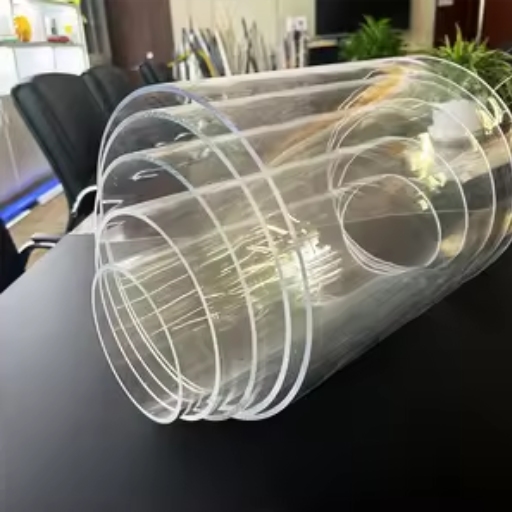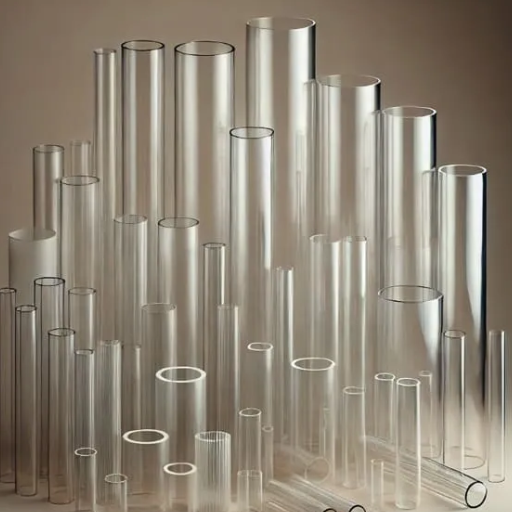

Once considered very versatile and strong, acrylic sheets have been the material of choice for homeowners, DIY people, and crafters. Be it looking for a contemporary alternative to conventional window glass or for an unorthodox custom artistic expression-Acrylic sheeting fulfills just about anything that can be desired. Lightweight, impact-resistant, with limitless colors and finishes, it is the perfect yin-yang among design and utility. In this article, we will see what makes acrylic sheets so preferred for window installation and creative craft work, discuss their unique benefits, and provide inspiration for your next project.
Introduction to Acrylic Sheets
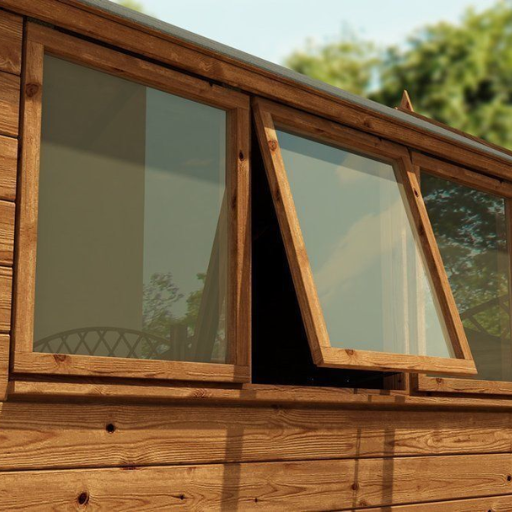
Acrylic sheets hold prestige as versatile and sturdy materials with multiple applications. Due to their lightweight nature and impact resistance, they are commonly found as substitutes for windows, signage, and displays that would otherwise use glass. These acrylic sheets vary in hues, finishes, and thicknesses, allowing the material to mold for either aesthetic or functional desires. They are also popularly easy to cut and shape, yet to install, making them really ideal for any semblance of day-to-day or career projects.
What is an Acrylic Sheet?
An acrylic sheet is a transparent thermoplastic material for making things PMMA). It boasts attributes of brilliance, durability, and friendliness for various uses. Some brand names for selling the acrylic sheets are Plexiglass, Perspex, and Acrylite. It is an excellent alternative to glass because it is lighter and much more resilient to impact. Clearer than glass, it can transmit up to 92% of all rays of visible light and also offers UV radiation protection when applied with specialized coatings.
Acrylic sheets are manufactured in multiple sizes, colors, and thicknesses for various applications, depending on the needs of the client. Construction-related applications of acrylic sheets include the manufacture of skylights, partitions, and protective barriers, while retail applications make use of display cases and signage. Art installations, furniture, and custom decorations are a favorite choice of acrylic sheets among creative types due to the ability to cut it in any shape, perform laser engraving, and thermoform it into any desired shape.
On the sustainability front, advancements in recycling acrylic sheets try to minimize waste and enhance their reuse. Some modern technologies can reprocess acrylic into its monomer form, which, when re-polymerized back into sheets, is almost equal in quality to the original sheet material. These advancements render the material as one that is hardwearing and environmentally conscious under the umbrella of a sustainable world.
Manufacturing Process of Acrylic Sheets
The manufacturing process of acrylic sheets involves several critical steps that convert raw materials into high-quality, versatile sheets to be used in various industries. Here’s a detailed process overview:
Raw Material Preparation
Acrylic sheets are chiefly made from polymethyl methacrylate (PMMA), a synthetic resin obtained through polymerization. The raw material, methyl methacrylate (MMA), is produced chemically, purified, and only then allowed to enter the production line.
Polymerization
The monomer MMA undergoes polymerization initiated by heat and chemical catalysts. This step converts the liquid MMA into an acrylic polymer in a syrup-textured state. The polymer solution is finally poured into glass molds for making sheets of definite dimensions and thicknesses.
Casting or Extrusion
There are two kinds of methods to produce acrylic sheets:
Cell Casting: It is a slower and more expensive process of curing the polymer between two cells of glass cells to form highly durable and optically clear sheets. It is used to make custom sizes and higher-quality acrylic.
Extrusion: It is a continuous means of production wherein molten acrylic is pushed through the die to form sheets. The extruded acrylic tends to cost less and is more widely used, although its performance in optical clarity and heat resistance is slightly lower when compared to cast acrylic.
Curing and Cooling
In the curing phase, the material is heated to firm up and stabilize the acrylic sheets so that they develop their desired end properties like strength and optical transparency. The sheets are then cooled, usually gradually, to avoid the formation of cracks or distortion. In cast sheets, though, curing may take hours and sometimes days based on the size and thickness.
Cutting and Finishing
After the introduction, casting, and curing processes, the acrylic sheets will be released from the mold or cutting lines and are thus ready for trimming, washing, and polishing for smooth, crisp edges and surface consistency. The finishing process may include UV coating, anti-scratch, or other functional coatings to enhance the performance of sheets.
Quality Inspection
Before entering the market, acrylic sheets undergo strict quality inspections to ensure they adhere to industry standards in thickness, optical clarity, and structural integrity. A visual inspection combined with mechanical and thermal testing might be conducted at this stage.
Industry Trends and Data
Recent advancements in manufacturing have increased efficiency and sustainability. For example, some manufacturers now use AI-based systems for production line monitoring to minimize waste and ensure precision in temperature control during polymerization and curing. Also, the acrylic sheet market worldwide would reach 10.2 billion by 2030 at a 5.1% CAGR, according to recent market analyses. In the next few years, growth and sustainability in the acrylic sheet industry will be driven by next-generation bio-based PMMA and advanced recycling techniques.
Acrylic sheets production blends the best of scientific traditions, like cell casting, with modern technical tools, like AI monitoring, to make the manufacturing process both technically feasible and potentially for an eco-friendly world.”
Growing Popularity of Plexiglass in Various Industries
Acrylic, also known as Plexiglass or PMMA, has witnessed a growing market across multiple industries due to its durability, optical clarity, and lightweight nature. Industry reports declare the global acrylic glass market to have been valued at around US$6 billion in 2022, moving towards a projected valuation of over US$10 billion by 2030, owing to a CAGR of 5.3%.
The construction sector is among the largest stakeholders in this developing industry; the increased usage of plexiglass in windows, skylights, and safety barriers stems from its strength and shatterproof ability. On the other hand, the automotive industry uses Plexiglass in lighter-weight and fuel-saving components to some extent, such as windshields and interior screens, without compromising the strength of the Plexiglass.
Similarly, the healthcare sector also lucratively counts on plexiglass’s potential rise in demand. Easy to sanitize and transparent, plexiglass becomes an ideal material used in developing protective partitions, medical devices, and surgical instruments. The global trend towards better healthcare infrastructure goes in favor of plastic demand, which got a boost during the COVID-19 pandemic era when plexiglass partitions and shields became critical for infection control measures.
Plexiglass has been utilized by advertising and retail industries for displays, signage, and product showcases, capitalizing on the material’s optical clarity and flexibility. Furthermore, innovations like laser cutting and 3D printing have multiplied design opportunities toward customized and eco-conscious solutions for corporations.
With its advancement in bio-based plexiglass and increased emphasis on recycling, the material aligns itself with the world’s sustainability objectives to facilitate its usage and, in turn, popularity, as consumer preferences evolve. These factors make it evident that plexiglass in the years to come would further remain one of the materials that meet functional as well as aesthetic requirements of varied sectors. Leading “Acrylic Sheet for Windows” manufacturer in China.
Advantages of Acrylic Sheets over Glass
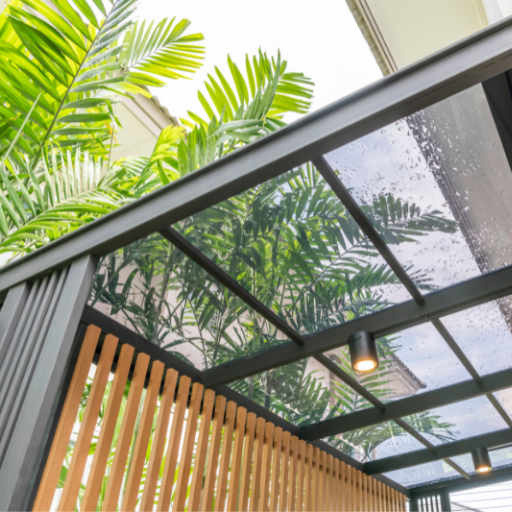
Weight – Acrylic sheets are much lighter than glass, and thus are easier to handle, transport, and install.
Durability – Acrylic is far more resistant to impacts than glass, which means less chance of breaking and a longer lifespan.
Clarity – Acrylic sheets have excellent optical clarity and remain transparent; they do not yellow or discolor over time.
Versatility – Their flexible property allows acrylic sheets to be formed into various shapes, offering more design options than glass.
Cost-Effectiveness – Generally, acrylic costs less than glass does, especially for bigger installations or replacements.
Safety – Acrylic is considered safe for many applications because, once broken, it does not break into sharp, dangerous pieces the way glass does.
Durability and Impact Resistance
Acrylic sheets have always been well-appreciated for their strength and the robustness of their impact resistance as compared to glass. Research studies illustrate that acrylics exhibit about 17 times the ability to resist impact that glass has, making it a great material to use in places where safety and sustainability must be considered. For example, acrylic is very much capable of withstanding gusts from a harsh weather front or inclement accidental impacts without developing any cracks and breaking apart. Hence, one finds applications of acrylics in pole guards, skylights, and outdoor signage.
Owing to the recent advances in the field of acrylic screen manufacturing, it has reached higher standards of tensile strength and durability. The modern acrylic sheets are intended to withstand meteorological fluctuations and UV radiation. Thus, they stay clear and perform well even if used outside. This material is also scratch resistant to some extent and easy to maintain combination that contributes to the longevity of the material and saves replacement cost.
Acrylic is one choice of material, providing a set of options depending on whether your project is residential, commercial, or industrial. The inexplicable versatility of acrylic lies in its property of being lightweight yet highly impact-resistant. Given the durability of acrylic, it may truly hold its own in a demanding environment and offer an alternative to glass in many applications.
Lightweight Nature and Cost-Effectiveness
The lightweight nature of acrylic makes it a unique characteristic for any given direction. It weighs about half as much as standard glass, so it allows easier handling, reshipping, and installation-great advantage to labor costs while lessening logistical challenges. A weight reduction would, therefore, mean that in construction or designing projects, a lower structural load must be borne, thus lowering expenses.
Another favorable point of acrylic is that it is a price factor when compared to other materials, such as glass or polycarbonate. While the initial costs are, of course, variable depending on thickness and quality, the savings from durability and cheap maintenance make for considerable long-term profits. It is reported that sheets of acrylic cost on average $5 to $10 per square foot, while similar thicknesses of glass can go for anywhere between $15 and $30 per square foot. This lower price makes acrylic a prime consideration in industries such as advertising, where signs and displays meet on a compromise between cost and performance.
Other than this, the fact that no specialized equipment is required to mold or cut it makes the earning potential of this material high. Companies tend to leverage this to keep production simple, which helps make acrylic an easy material to work with on a wide scale of projects.
UV Resistance and Clarity of Clear Acrylic Sheets
For outdoor applications, clear acrylic sheets are highly favored for their excellent UV resistance and lasting optical clarity. While other materials yellow or degrade with prolonged sun exposure, premium acrylic sheets come with UV stabilizers that are incorporated during manufacture to guard them against long-term ultraviolet radiation. These additives ensure that the material remains clear and structurally sound even after several years of outdoor exposure.
Research has shown that high-grade clear acrylic sheets block about 90% of detrimental UV rays, which not only serves to protect the sheets themselves but also any products or displays behind them. Hence, making them an excellent alternative in the building of outdoor signs, skylights, and hoardings. Several manufacturers today offer acrylic sheets built for specific requirements, such as more UV blocking or glazing for energy-efficient windows.
Studies reveal that clear acrylic sheets offer a light transmittance rate of around 92%, similar to or better than glass. This impeccable clarity ensures worthy visibility along with resplendent displays and hence an excellent choice wherever looks and optical performance matter. When combined with weather resistance and durability, acrylic sheets offer a wonderful, long-lasting solution to both functional and decorative purposes for home and commercial environments.
Use Cases for Acrylic Sheets in Windows
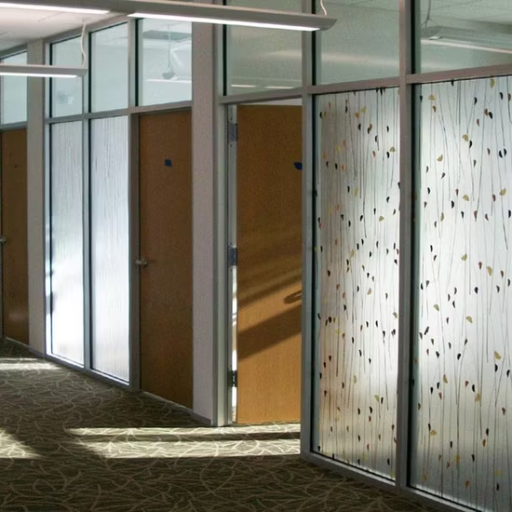
Residential Windows: These acrylic sheets present an excellent option for home windows owing to their high clarity, lightness, and resistance to damage, making them, in a way, both safe and aesthetically pleasing.
Decorative Windows: These are perfect for decoration, as in the case of frosted or colored windows, from the design perspective while giving durability to the system.
Skylights: Acrylic sheets are good for skylights because they can weather the elements while allowing maximum light through.
Commercial Applications: Storefronts and window displays are often made using acrylic sheets so that visibility is high and there is a reduced chance of shattering compared to glass.
Residential Applications: Home Windows and Insulation
In modern-day residential design, acrylic sheets have a crucial role to play due to their adaptability and energy efficiency. For household windows, acrylic is a lightweight, shatter-resistant alternative to glass. This clarity allows natural light to fill the living areas, while the UV-resistant coatings offer protection to the interior from harmful ultraviolet rays.
Acrylic windows have been represented as being able to absorb 20 times more impact compared to conventional glass, thus posing as an added safety in areas notorious for extreme weather or accidents.
The thermal performance of acrylic sheets is high as far as insulation is concerned, as they reduce heat transfer. This, in turn, brings the benefits of energy efficiency, with homeowners paying less in heating and cooling costs. Research has shown that energy-efficient acrylic installations can lower the amount of energy consumed in a home by 30 percent, depending on the location and climate setup. On the other hand, their long life ensures that these benefits are upheld for a very long time, needing the least maintenance. Acrylic windows and insulation are very much considered by homeowners as practical and green solutions toward comfort and minding the environment.
Commercial Uses: Office and Industrial Spaces
Due to their versatility and energy efficiency, acrylic materials have become traded goods in the commercial sectors, specifically in office buildings and industrial use areas. Being light-weight and clear, these acrylic windows, partitions, and protective barriers are used in commercial office buildings that require resistance against impact. Further information from ASCE suggests that acrylic panels used in office environments can help in reducing energy costs by 20% on an annual basis, as they provide better insulation and penetration of natural light.
Also, acrylics are excellent in terms of industrial strength and versatility. For instance, acrylic sheets find great application in covering machinery and serve as safety barriers, thus keeping the working environment safe in view. Enhanced manufacturing of acrylics has paved the path for offering industries UV-resistant and anti-scratch types, further increasing durability and decreasing maintenance costs. The MarketsandMarkets report of 2023 estimates that due to the building, automotive, and industrial industries, the acrylic sheet market would register a CAGR of 5.5% over the following five years.
Such are the qualities that make acrylic a paramount material for the development of a sustainable and efficient commercial infrastructure.
Creative Designs: Custom Craft Projects
Acrylic sheets have been gaining popularity as materials for custom craft projects because of their versatility, durability, and beauty. These sheets are easy to cut, shape, and engrave into designs, so they can be made into home decor, signage, jewelry, and artistic displays on demand. Indeed, laser-cut acrylic opens unprecedented pathways for laser architects in carrying out intricate projects-thereby enabling designers to give life to their detailed and unique designs with exact precision.
Based on a recent query made on Google, the demand for crafting supplies, more specifically for acrylic, reportedly rose by nearly 40% in the last two years, all because of the surge of DIY trends and online craft communities. Etsy, Pinterest, and several other craft sites indicate high levels of interest in acrylic crafts, where custom keychains, photo frames, and LED-lit designs are ranking among the top popular ones. In addition, the introduction and promotion of environmentally friendly acrylics have worked in favor of the projects and have institutionalized them under green crafts.
Acrylic sheets weave together the strength and beauty to impart creativity in their makers, hence enabling them to outrun personal hobby spaces down to small businesses looking for top-notch creative output. This trend is a testimony to the evolution of this material with the growth of modern craft culture.
Selecting the Right Acrylic Sheet
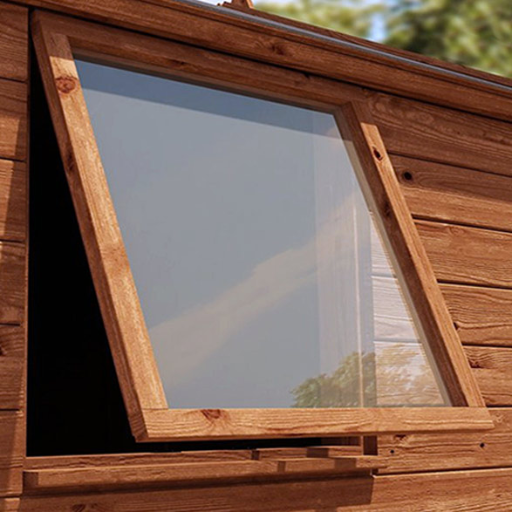
Good acrylic sheet selection rests on the consideration of the following factors:
It is Thickness – Choose a thickness appropriate for your application. Thin sheets are for lightweight designs, whereas thick sheets are for extra durability.
It is Clarity – Consider clear or colored acrylic depending on your aesthetic and functional needs. Clear acrylic gives good transparency; colored sheets are for decoration.
It is Finish – Opt for a glossy, matte, or textured finish, depending on how the final look and feel should be.
It is Durability – In cases where impact resistance may be needed or where outdoor use is a feature, the acrylic sheet will have to be weather-resistant and sturdy.
By concentrating on these factors, an acrylic sheet can be chosen that truly fits your project needs.
Factors to Consider: Thickness and Light Transmission
When selecting your acrylic sheets, it is important to consider thickness and light transmission, ensuring they conform to the specific requirements of your project.
Thickness – Acrylic sheets are made in many thicknesses, generally from 1mm to 25mm and more. When used in structural applications or wherever strength is an issue, thicker sheets (normally of 10mm and above) are preferable. Thinner ones (like 2mm-5mm) are suited for being light and decorative. Standard grading makes it so that a 3mm thick acrylic sheet is considered to hold light impact and serves for signage, while anything thicker goes into load-bearing designs such as aquariums or furniture.
Light Transmission – Standard clear acrylic can transmit as much as 92% of the visible light and hence serves as a perfect alternative to glass. For privacy or special visual effects, frosted, tinted, and even opaque acrylic sheets are in circulation. Translucent white acrylic sheets, for instance, tend to transmit anywhere from about 35% to 75% of the light, depending on the type and thickness. These choices find their application in light fixtures, display cases, and decorative panels.
Taking these two points into close account will ensure that the acrylic sheet you choose fits perfectly with the functional requirements and aesthetics of your project.
Choosing Between Plexiglass or Acrylic
It is important for users to realize the subtle differences between the two materials to be able to make a suitable choice for their specific project needs. Both plexiglass and acrylic are polymethyl methacrylate (PMMA) materials with good optical clarity and resistance to weathering. However, these two materials differ slightly in the methods of manufacture, performance, and their typical uses.
Plexiglass is an acrylic brand associated with high impact resistance and sheerness in durability. New data suggest that plexiglass would resist shattering more so than an ordinary acrylic, making it the preferred material in protective barriers, storefront window glazing, and fabrication requiring enhanced strength. It is usually cell-casted, which makes it more resistant to chemical attack and also highly polished in edge finish.
The generic acrylic sheet is cheaper and highly versatile and is usually manufactured in the extruded or continuous cast method. With extruded acrylic, it is more dimensionally stable and easier to cut, making it ideal for laser and CNC machining. A recent market study showed that acrylic is used far more in signage, display fixtures, and DIY craftworks due to its affordability and versatility. Moreover, acrylic sheets come in more colors, textures, and thicknesses, thus having an advantage in the creative aspect.
Either material used outdoors will perform well. The weather-resistant coating adds longevity to any primer. Latest information reflects that with both sheets of plexiglass and standard acrylic, many manufacturers now offer UV-stabilized sheets, making sure that their materials retain their clarity and durability even with prolonged exposure to sunlight.
Finally, the plexiglass vs. acrylic impasse is resolved around the matter of balance involving factors such as budget, durability, and needs of the specific application. Heavy-duty applications or safety-critical applications are better suited to the plexiglass. The cheaper acrylic sheet is a better option for day-to-day use, artistic application, or budget applications. Upon weighing these factors with technological advancements in materials yourself, you should be able to come to a confident decision.
Understanding Acrylic Plastic Sheets and Their Varieties
Acryl plastic sheets-the best example of common names like Plexiglas, or Perspex, are transparent thermoplastics with commendable versatility, endurance, and a wide range of applications. It is made from Polymethyl Methacrylate (PMMA), which is known for optical clarity and resistance to adverse impact and weather. Acrylic sheets come in different grades and finishes such as clear, frosted, colored, and mirrored acrylic sheets-so they really fulfill their functional and aesthetic requirements.
Acquisition of Types in Acrylic Plastic Sheets:
Clear Acrylic Sheets
These are the common types that provide the best transparency, with about 92% light transmission. These are inexpensive and alternatives to glass due to their lightweight and shatter resistance. Uses include display cases, aquariums, and protective barriers.
Colored Acrylic Sheets
Acrylic sheets come in a broad spectrum of bright, vivid hues, making them an ideal option for signage, decorative elements, and lighting panels. Colors that do not fade with UV exposure make these colors hold their brilliance over time.
Frosted Acrylic Sheets
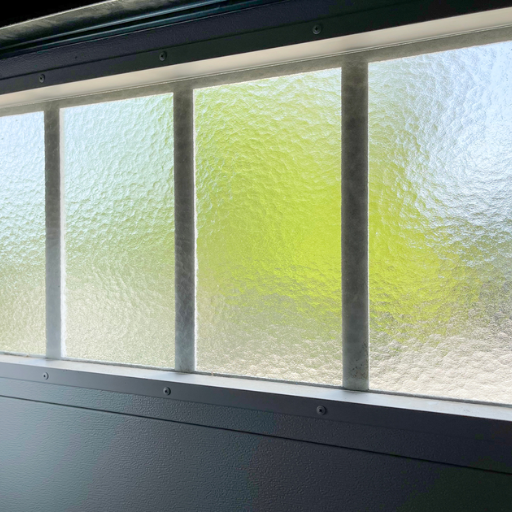
These sheets have a matte translucent finish and softly diffuse light while preserving privacy. They often find applications in office partitions, shower screens, and illuminated displays.
Mirrored Acrylic Sheets
Offering reflective surfaces, they weigh less than glass mirrors traditionally offered and are more impact-resistant. These are used extensively in interior decoration, retail displays, and crafts.
Textured and Patterned Acrylic Sheets
These are for decorative purposes only and come in several surface styles and patterns. They are apt in areas where appearance is paramount, such as store fixtures and architectural details.
Scientific Advances in Acrylic:
The versatility of acrylic sheets has been widened in recent years. For example:
Anti-Glare Acrylic decreases reflection and is therefore suitable for picture frames and digital displays.
Abrasion-Resistant Acrylic goes on with a layer that resists scratching and helps to maintain its use in heavily trafficked places.
UV-Blocking Acrylic blocks harmful ultraviolet rays, which would otherwise be harmful to the items underneath.
Key Data and Their Benefits:
Durability: Acrylic sheets are much tougher than glass, with an impact resistance of 10 to 20 times greater.
Light in weight: Their weight is close to half that of glass, making them easier to carry.
Workable: Acrylic lies easily on cutting, shaping, and thermoforming, providing maximum flexibility to custom projects.
Environment-friendly: Most acrylic sheets are recyclable, and with newer production methods being developed, the environmental impact from production is being reduced.
Once all these varieties and their unique features become understood, businesses and individuals find the right type of acrylic sheet for their varied needs, keeping pace with these new-age material technological innovations.
Maintenance and Longevity of Acrylic Sheets
Proper maintenance can increase the lifespan of the acrylic sheet. For cleaning, use a soft cloth and a mild detergent that would not cause abrasions. Do not use any harsh chemicals or solvents since they could cause damage or discoloration to the acrylic surface. Cracks should be looked for in the sheets, as many of them could be affecting surface tension and pressure, especially upon application of sunlight. Keep the sheets in a cool and dry place and handle them with care to avoid accidental breakage. By following simple procedures like these, acrylic sheets can preserve clarity for decades to come.
Cleaning Guidelines for Clear Acrylic Sheets
All these holy cleaning guidelines will help maximize transparency and therefore the usage life of an acrylic sheet. Here are some famous cleaning methods combined with the most updated information:
Use Proper Cleaning Solutions
Always opt for a mild, non-abrasive detergent or cleaning solutions designed for acrylic surfaces. Never opt for glass cleaners, several of which contain ammonia: they will dull the surface. An ordinary cleaning with warm water with a few drops of dish soap will suffice.
Soft Cleaning Materials Only
Use a microfiber or soft lint-free cloth to gently clean the surface. Paper towels, abrasive sponges, or scourers will produce minute scratches on the sheet over time, thereby reducing its clarity.
Rinse and Dry Carefully
Once cleaned, rinse the acrylic sheet with clean water well to completely wash away any soap residue. Dry it with a second clean microfiber cloth to ensure there are no water spots or streaks.
Avoid Harsh Chemicals
Never do solvents—acetone, alcohol, benzene—on acrylic sheets. Industry experts voice a consensus that these substances tend to weaken the sheet’s structure and give way to discoloration or crazing (fine cracks). To safeguard its integrity, always taking safe cleaning measures is the best option.
Remove Stubborn Dirt or Grime
In case of stronger spots, soak for some minutes with warm soapy water to soften the grime, then wipe gently. Do not go in for an aggressive scrub, since it could also harm the surface.
Regular Maintenance
Cleaning on occasion, even when the sheet seems clean, keeps the dust and pollutants from their surface that would otherwise lead to degradation. If used outdoors, then due to environmental factors like pollen or bird droppings, further cleaning would certainly be required.
Polishing for Restoring Clarity
Fine scratches and hazing are thought to be a welcome opening for a commercial acrylic polish to do the work of restoring the finish. Follow the directions closely on the product and use a soft polishing cloth to apply.
By following the above detailed cleaning guide coupled with the use of quality materials, clear acrylic sheets can remain smudge-free and beautiful for years to come. The secret really lies in regular upkeep of clear acrylic sheets, which helps maintain their original performance and aesthetics.
Preventing Scratches and Damage
While maintaining cleanliness prevents a typical attack of dust, ignoring scratches and mechanical damage is a questionable approach for keeping acrylic sheets. Because they are light and versatile, acrylic sheets can get surface scratches when not handled properly. Below are some effective measures that can be taken to minimize the risk of damage:
Use Protective Films
Based on their use, many acrylic sheets come with a protective film. Keep it on until installation or at least until ready to be put to use. An additional protective layer should also be considered for areas subjected to heavy human traffic or contact.
Cautiously Clean
Do away with abrasive sponges, hardcore brushes, and commercial cleaners containing ammonia or other menacing substances. These are dangerous elements that can scratch and cloud the surface. Microfiber cloths should be used with acrylic-friendly cleaners to retain their transparent surface without damage.
Installation and Handling Must Be in Good Tune
Improper handling during installation can expose the sheets to excessive force, bending, pressure, and other damage. Rubber washers or spacers should be used to relieve the stress on the material, lessening the possibility of cracking over time.
Avoid Heat Exposure
Prolonged exposure to high temperatures may cause acrylic sheets to warp or deteriorate. For outdoor applications, opt for the UV-resistant variety, which can tolerate ambient sunlight without degradation.
Regular Maintenance Checks
Check periodically if there are any weird kinds of scratches or hazing on the sheet or any signs of wear. Detecting an early form of these issues will make it easy to erase, extending the material’s lifetime. Commercial polishing kits can be used to reduce fine scratches when they arise.
Considering the recent market insight, industries such as automotive and architecture have a growing demand for scratch-resistant acrylic sheet variants, which are considered to be those with an advanced type of coating. With regard to residential purposes, advances in anti-scratch coatings would mean that the higher grade acrylic sheets will lead to fewer maintenance worries.
Clear acrylic sheets will retain their durability and a clean look if carefully handled and maintained properly, even in rough environments.
Longevity Tips for Window Replacements
Choosing High-Quality Materials
Using a high-quality material means ensuring your window lasts for many years in use; thus, opting for materials like tempered glass or acrylic with anti-scratch coating will do the trick. These days, materials are manufactured to resist weathering from UV exposure and daily wear, which means that they rarely need to be regenerated. To illustrate, an acrylic sheet with UV-resistant coating maintains its clarity and structural integrity for over 10 years outdoors.
Proper Installation is Very Important
Have your windows installed by a certified professional using the latest techniques and tools available. Any poor installation will create drafts, leak moisture, and fail to insulate properly. According to the U.S. Department of Energy, it indicated that bad sealing around windows could cause energy losses in a home to go as high as 25%.
Clean and Maintain
It should be cleaned to remove dirt, grime, and deposits that may harm the windows over time. Use a non-abrasive cleaner that is designed specifically for glass or acrylic surfaces. Follow with a rinse of clean water to prevent scratching and residue.
Energy-Efficient Features
Double or triple-pane windows with Low-E coatings can be installed to provide better thermal insulation and reduce energy consumption. Energy Star windows can save homeowners between $126 and $465 on average in energy bills per year, depending on their region and the type of house.
Inspect and Repair Seals and Frames
With time and exposure to temperature fluctuations and moisture, window sealants and frames may slowly degrade or lose coupling. Such areas should be inspected at least once a year. Cracks or any possibility of loss of sealing caused by caulking or warped frames should be fixed immediately. This will keep away the drafts and also maintain the longevity of the windows.
Use Window Films or Shades
Use window films or install exterior shades to prevent damage or scratching of windows. UV-blocking films limit the fading of interior furnishings.
Reference Sources
- Montana State University Extension: Storm Windows
Discusses the use of acrylic sheets in storm windows, emphasizing durability and aesthetics.
- California Institute of Technology (Caltech): Working with Acrylic
Presents some aspects of the structural behavior of acrylic sheets when subjected to wind loads.
- National Research Council Canada (NRC-IRC): Plastics in Glazing and Lighting Applications
Looks at using tinted acrylic sheets in windows for reducing solar heat gain and glazing in buildings.
Frequently Asked Questions (FAQs)
What is an acrylic sheet for windows?
An acrylic sheet for windows is a versatile and durable alternative to traditional glass. Often made from polymethyl methacrylate (PMMA), these sheets are lightweight, impact-resistant, and provide excellent light transmission. They can be used in a variety of applications, including window replacements, signage, and even craft projects.
How thick should an acrylic plastic sheet be for windows?
The thickness of the acrylic plastic sheet you choose for windows can vary based on the application. Common thicknesses range from 1/8 inch to 1/4 inch for regular window use. For larger windows or areas that require more strength, thicker sheets, such as 1/2 inch or even more, may be advisable.
Is plexiglass or acrylic better for window applications?
Plexiglass and acrylic essentially refer to the same material, as plexiglass is a brand name for acrylic sheets. Both offer similar benefits, including shatter resistance and lightweight properties. The choice between them often comes down to specific requirements such as UV resistance, clarity, and price.
Can I use a plastic sheet for DIY window projects?
Yes, using a plastic sheet like acrylic or plexiglass for DIY window projects is a popular choice. These materials are easy to cut and can be shaped according to your needs, making them suitable for custom window panes or storm windows in various home improvement projects.
What are the advantages of using acrylic sheets instead of traditional glass?
Acrylic sheets offer several advantages over traditional glass, including being half the weight, having shatter-resistant properties, and better insulation. Additionally, they can be cut to size easily and are available in a variety of thicknesses to suit different project needs.
How can I cut plexiglass sheets for my windows?
You can cut plexiglass sheets using various methods, including a table saw, utility knife, or laser cutter. For smaller, simpler cuts, a scoring method with a utility knife works well. Always ensure you use the appropriate drill bits and cutting tools to achieve clean edges.
Are acrylic plastic sheets UV resistant?
Many acrylic plastic sheets are designed to be UV resistant, which helps prevent yellowing and degradation over time. This feature makes them ideal for applications exposed to sunlight, such as window replacements and outdoor signage.
What size options are available for acrylic sheets for windows?
Acrylic sheets for windows come in various sizes, including common dimensions like 24 x 36 inches, 48 x 96 inches, and custom sizes to meet specific project requirements. Some suppliers also offer sheets in packs of 2 for larger projects.