
Pipe smoking isn’t a form of wasting time, as such – it is an art form that includes handiwork, particular likings, and traditions. A considerable number of aspects determine how long one can use their high-quality, well-designed smoking pipe and what will make this usability more enjoyable. Regarding pipe design, the stem occupies a vital position. Well, the stem can be made of various materials; however, most smoke makers prefer an acrylic rod for specific reasons, which will be addressed in due time. The question is what allures numerous pipe enthusiasts to the acrylic stem of a pipe? – Getting a bit technical – This part is an elaboration on the topic of acetal rods used in the production of cranes, dwelling on the benefits of this material and the possibility of producing quite attractive pipe stems with three different inserts. It explains why they are not purely academic exercises and are appreciated by pipe makers, pipe users, and all others. Even if you are unfamiliar with the basic principles of designing a pipe, you can still determine the best dichlorylacetate pipe.
Introduction to Acrylic as a Pipe Stem Material
Acrylic is often preferred for a pipe’s mouthpiece due to its strong resistance, beautiful appearance, and limitless design options. In contrast to classic materials, acrylic retains its attractiveness, does not absorb water, and remains stable over time. It is simple to process and allows for the creation of any form, making it possible to produce exquisite and appealing items for smoking pipes. In addition, acrylic mouthpieces can be found in different colors and designs, thus admitting everyone to participate in it actively. All these things undoubtedly make acrylic the favored material to use for pipe builders and the smoking population as a whole.
Overview of Acrylic in Pipe Making
In the sector of pipe construction, it’s worth pointing out that all specialists and amateurs equally love acrylic tubes. It has recently been observed that acrylic is more likely to withstand breaking, damaging concrete, etc., when used in the standard harsh color, wear, and erosive environments of its intended usage. For example, such a property implies that these materials can be utilized for a very long period without the infraction and failure most commonly witnessed in glassware. It can be used daily, and you still will not get an odor.
Comparison with Traditional Materials like Briar
Brief Overview: Compared to traditional briar stems, acrylic stems retain color well, are tougher, and require less maintenance care than leather stems.
| Key Point | Acrylic Stems | Briar Stems |
|---|---|---|
| Durability | High | Moderate |
| Maintenance | Low | High |
| Comfort | Hard | Soft |
| Aesthetics | Colorful | Classic |
| Weight | Lightweight | Heavier |
| Cost | Moderate | Higher |
| Customization | Extensive | Limited |
| Oxidation | None | Possible |
Benefits of Using Acrylic for Pipe Stems
- Durability: Acrylic, on the other hand, is a truly durable material that can resist cracking, chipping, and typical signs of damage over time, making it an ideal material for creating long-lasting pipe stems that can withstand regular use.
- Variety of Colors and Designs: All in all, acrylic provides a wide range of vibrant colors and designs, enabling pipe designers to create something that appeals to their thoughts and tastes.
- Ease of Maintenance: Additionally, acrylic pipe stems are less wettable, making them easy to wash and resistant to absorbing moisture, including odors. Remains clean after regular wash – it is as easy as done.
- Resistance to Environmental Conditions – One more strength of acrylic is its resistance to environmental conditions. Unlike vulcanite, acrylic can withstand oxidation and damage from UV radiation, allowing the pipe stem to continue functioning and looking as good as new.
- Lightweight and comfortable, these qualities make the material easy to use, causing no fatigue even after prolonged use, while still maintaining its appearance and strength.
Types of Acrylic Rods Available
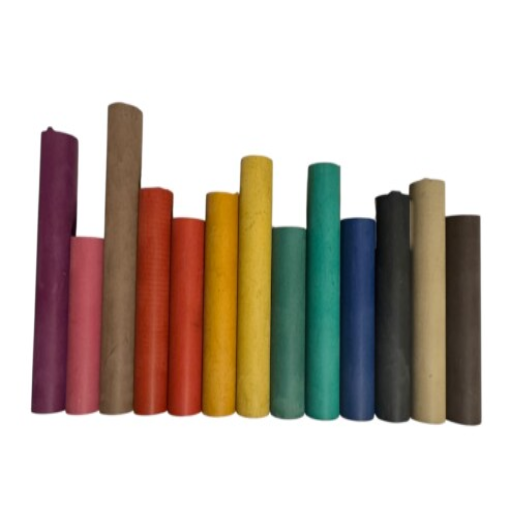
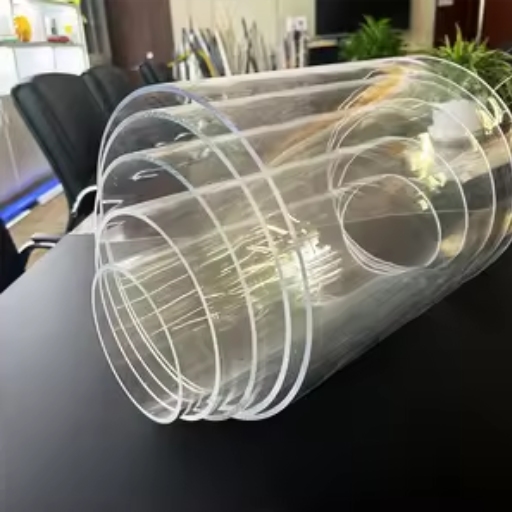
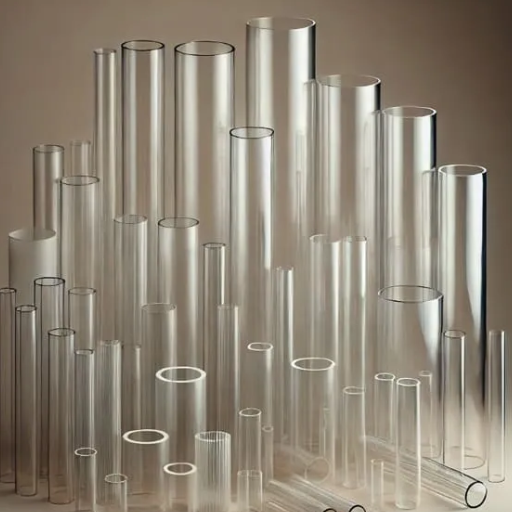
- Clear Acrylic Rods: These are transparent, round body parts that offer exceptional optics and can be effectively used in decorations or as part of structures.
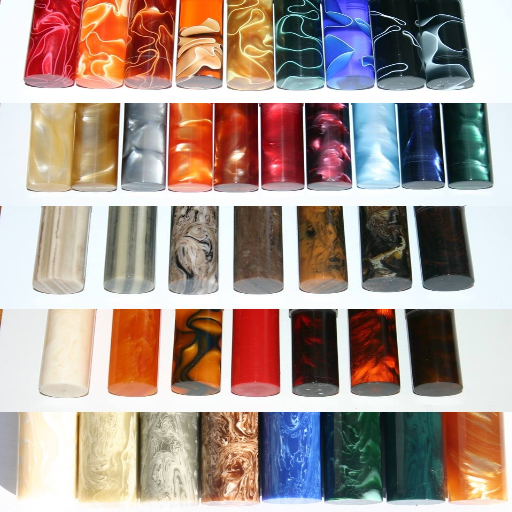
- Colored Acrylic Rods: They are of the most vibrant range of colors and are, in most cases, cut into rods and used for purposes that are more of an art and design.
- Frosted Acrylic Rods: These are made from a water-based innovative technology and synthetic materials, coated with a frosted finish, which is particularly helpful for lighting-based purposes and sophisticated style designs.
- Textured Acrylic Rods: These closed-ended, widened rods feature specific surface patterns that enhance their versatility for various tasks.
- Similar Acrylic Rods with Solid and Hollow Structures. Solid ones are tougher and more rigid, while hollow ones are less tough and lighter, but also more multifunctional.
Each of the offered types is available in a range of diameters and lengths, allowing for adaptation to individual task-specific requirements.
Cast Acrylic vs. Extruded Acrylic Rods
Briefly Speaking: Indeed, cast acrylic is more heavy-duty and waterproof, with more possibilities for alterations, whereas extruded acrylic is more suitable for those looking to save money, maintain a consistent thickness, and handle it more simply during thermoforming.
| Key Point | Cast Acrylic | Extruded Acrylic |
|---|---|---|
| Cost | Higher | Lower |
| Durability | High | Moderate |
| Thickness | Up to 100mm | Up to 20mm |
| Scratch Res. | High | Moderate |
| Chemical Res. | High | Moderate |
| Customization | Extensive | Limited |
| Thermoforming | Less suitable | Ideal |
| Optical Clarity | Superior | Good |
| Applications | Premium, artistic | Large-scale, economical |
Varieties of Colors, Sizes, and Finishes
A wide array of colored, sized, and finished acrylic rods can serve great purposes. They are designed primarily to be transparent, with some being somewhat opaque or making a light color transition, but producing no shadows is considerably more beneficial, as people are accustomed to it. Regarding preferences, customers can find a variety of colors, including transparent, frost black, white, and others that are either base colors or mentioned in some other way in a myth. There are still bonding colors that are added in the form of pigments, metallic shades for treating surfaces, symbicide shades for radioactive decay, or hair that has practically no glow.
The shapes also tend to vary, depending on the course of application. The sizes of acrylic rods range from 116 inches to several inches in diameter, with some custom sizes available depending on the application. Should standard lengths be small and meet only short applications, an increase can be as much as twelve feet, while others are cut to fit the purpose.
The range of finishes invariably distinguishes different designs. Gloss paint gives a more shiny tablet, which is generally used in modern designs, while matte or satin finishes provide a soft, defused look. They may come with rods of different shapes for added finger grip or decorative purposes. This, combined with their durability and convenience, is the reason why acrylic rods are widely used in sectors such as architecture, interior design, and signage.
Pre-formed Stems vs. Raw Rod Material
Brief Summary: Premade rod materials are cheaper and more readily available, albeit with a slight disregard for their application quality, whereas individual manufacturers are willing to create custom-made rods that take longer to construct as they require more effort.
| Key Point | Pre-formed Stems | Raw Rod Material |
|---|---|---|
| Cost | Lower | Higher |
| Quality | Lower | Higher |
| Customization | Limited | Extensive |
| Skill | Basic | Advanced |
| Time | Less | More |
| Material | Molded | Ebonite/Acrylic Rod |
| Durability | Moderate | High |
| Aesthetics | Standard | Premium |
Benefits of Acrylic as a Stem Material
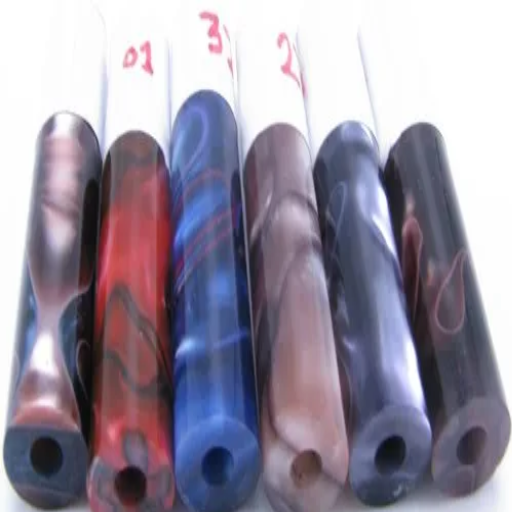
The material used in STEM instructional grouping should be acrylic because it presents the following characteristics.
- Acrylic Specific Strength – Extremely Low. Acrylic is so light that it makes it easy to handle, and with the added benefit of being a strong material that can be used for construction
- Highly Resistant to Fracture and Crush Resistant, very tough against cracking and breaking – minimal chances of replacement.
- Moreover, it is a high-quality material suitable for both decorative and functional metallic applications.
- Moreover, Acrylic is not susceptible to UV degradation or Loss of physical properties and therefore can be used for both interior and exterior purposes.
- Availability of Building and Neutral Shaping Ability: Acrylic plastic can be easily machined, molded, or subjected to any other form of fabrication that the designing engineer may wish.
Hence, there is a reason why acrylic is regarded as having many purposes and being a good material for STEM.
Durability and Longevity
Acrylic is an excellent material in terms of durability. It does not lose strength, color, or clarity in time. Moreover, some studies have shown that high-quality acrylic can last for up to a decade without turning yellow or undergoing degradation due to exposure to certain environmental factors, such as UV radiation or weather. Due to its inherent chemical resistance, it is challenging to exceed the defined standards or become discolored over time.
Furthermore, acrylic is more impact-resistant than glass, with most such glazing systems having good impact resistance for up to 17 times. This makes it less prone to cracking under load, which in turn makes it very suitable for areas where safety and durability are critical, such as skylights, falling protection structures, or showcases. It is also not surprising that the material loses none of its properties even at varying temperatures; as is usually the case between the limit temperatures of -40°F and 190°F (-40°C to 88°C), hence it can be used in extreme weather conditions.
Ensuring that acrylic is well-maintained, from time to time, enhances its durability. The use of acrylic in applications where other materials, say polycarbonate or glass, would also be used is even moderate, very low weight is resistant to impact, and it is cheaper, which is good news for people who are looking for long-term solutions for indoor and outdoor projects.
Optical Clarity and Aesthetics
With a 92% transmittance level that exceeds that of conventional glass, this significantly enhances the applications of acrylic. Primarily, the marketability of the product comes from the fact that its refraction and reflection are minimized, since its properties allow the user to be tempted. There is no need to argue the place of glass in fragile market environments when a more aesthetically pleasing vision shield is available. The good news about this material, on the other hand, is that it does not discolor, turn yellow, or fade over time, with both sunlight exposure and age almost completely obliterating any imperfections.
To make matters even more interesting, up-to-date production technologies can currently create a range of finishes and textures that enhance the appearance of acrylic sheets. Whether it is a high polish for a contemporary or industrial edge, or a softer frosted texture to visually mellow out a space, acrylic can nonetheless be easily dressed and cut to fit predefined requirements. Partly, its lightness and handiness make it possible to offer new ideas involving complex, shaped forms, which can be used in contemporary architecture, interior decoration, and art. The fact that it serves at least two purposes – as both an operational material and an appealing ornamentation, serving as a token of embellishment – makes acrylic the darling of this category, those who look for both strength and beauty.
FDA Approval and Safety for Food Contact
Acrylic is often used in the food industry and other sectors as a material that is both persistent and attractive. It is known that certain acrylic formulations pass the safety test. Only if materials meet these safety limits will they be an acceptable conductive article in contact with food and drink. For example, if a product such as an acrylic fabricated food container, an acrylic cupboard, etc. is being considered, product safety assessments to ensure compliance with pertinent regulations will be performed. And before purchasing any food container, all consumers need to ensure that is has the proper marking or packaging standards approved by the Food and Drug Administration (‘FDA’). Aiming for these thresholds inspires providing food and beverages while also allowing the uses of acrylic for its practical functions and visual aesthetics.
Working Techniques with Acrylic Rods

- Trimming Acrylic Pictures
To cut acrylic bears, you can make use of either a fine-toothed saw or a rotary cutting device for a better and neater cut. To avoid any uncalculated moves and ensure the safety of those working, the rod should be made firm. After cutting, use sandpaper board and a small hand metal file to organize the cut edges.
- Displays Acrylic Bears
Acrylic bears can be bent by applying heat. To heat the acrylic rod any tool such as a hot air gun may be directed towards the surface evenly, making it flexible. Use a jig or a mold for the heated acrylic rod and bend it in the shape you want. To prolong the cool-down period, place it carefully.
- Drilling Figures in Acrylic.
When drilling acrylic rods, selecting a specialized drill bit that is specifically designed for plastics is a great idea to practice. Drill at a medium speed and avoid using excessive force. If necessary, use water or lubricant to prevent overheating.
- Buffing Images with Acrylic Beads
If we want a better crystal finish on acrylic rods, use a fine grade emery paper to abrade the surface, followed by a soft abrasive material called a polish, or you can polish at a buffing wheel. Take your time, and make sure you work on small parts for more effective results.—such configurations are more favourable.
Machining Requirements for Acrylic Stems
The machining of acrylic stems is an exact science and ineptitude may not be tolerated if excellent results are to be achieved. Cutting clean edges without any breakages might be possible with the use of sharp and tough tools that have a carbide tip or a diamond edge. Cutting or drilling at low or medium speeds is recommended to prevent overheating which may lead to the material melting or worse, cracking. A good way of keeping the acrylic materials cool while cutting them is by using a coolant such as water or a plastic-approved lubricant.Apart from that, ensure that the acrylic stems are always in place so that they do not shake during machining and milling as they can also change the dimensions and roughness of the surface. If these standards are followed, acrylic stems can be machined to the user’s satisfaction.
Heat Forming and Bending Techniques
To heat and bend acrylic tubes require precision adjustment in order to maintain hardness characteristics of acrylic material, rather than the uneven heating in the process. In most cases, acrylic is heated until it is soft enough to be pliable with thermoplastic materials above 290°F and below 350°F, depending on its thickness, ranging between 143°C and 177 177°C. Usually, strip heaters or special heated plastics ovens are used for such purpose. When heated and softened, the acrylic can be shaped using formwork or templates to make sure that there is all roundness and alignment.
Lately, respondents’ concerns about avoiding troubles or temperature damage when performing hot bending have become a common issue due to the results of a Google search. To achieve this, it is essential to heat the acrylic step by step without exceeding extreme temperatures, as this may cause the material to undergo very high internal stress, leading to discoloration. These steps can be effectively undertaken by using protective gloves and proper molds for the heating process to ensure safety and adherence to quality standards. In conclusion, it is also advisable, for this form of acrylic bending, to prevent stress build-up by cooling the formed plastic without haste, as the material may crack or warp. When it comes to heat treating or bending acrylic, these guidelines should be followed to achieve the maximum extent of bending possible.
Polishing and Finishing Methods
To achieve a polished look on acrylic, polishing and finishing steps are very important. These will not only increase the overall aesthetic quality of the material but also enhance the longevity and functionality of the product. Following are the five key methods which are used in the polishing and finishing of acrylic:
- Hand Sanding
Starting with sandpaper of low grit rating, hundread-fifty for example (600 grit), hold the surface and rub it in a horizontal direction till the rough feel subsides before progressing using higher grit aggregated sandpaper all the way to not lower than two thousand grit for free from scratches and smooth surface. This signifies that this method is in practice for a very limited region whilst providing complete control.
- Buffing with a Polishing Wheel
The method of buffing entails the use of a soft cloth by people and a now buffing compound. It is found to be the best option as it will enable the attainment of high gloss or mirror-like polish while dealing with a larger area of the acrylic surface plus edges.
- Flame Polishing
Flame polishing involves passing the edge of the acrylic piece through a flame to slowly remove the imperfections on the surface. Convincingly, this method of polishing is difficult due to the requirement for dexterity and coordination; however, usually, it gives a brilliant polished edge.
- Mechanical Polishing
Utilize power tools with buffing attachments, like orbital polishers or buffing pads. I find this method useful especially when working on larger areas that need polishing.
- Electrochemical Polishing
To get rid of all the scratches on the surfaces of the workpiece, use special types of chemicals. This form is widely used in industries and it needs precautions to be taken.
Any of these ways are effective and each one may be better than the other in certain design spaces to help in achieving the design of the application concerning the acrylic part and especially its looks and works well.
Reference Sources
- These papers discuss experiments using acrylic pipes in which a heated rod is placed. While not directly related to pipe stems, they show the use of acrylic in a pipe-related context. The methodology involves experimental setups with temperature and flow measurements. Key findings demonstrate the accuracy of CFD simulations in predicting flow and temperature fields in these systems. (Thanh et al., 2024, 2025)
- This study uses an acrylic rod as a reflector in an acoustic experiment. Again, this is not directly related to pipe stems, but it illustrates the use of acrylic rods in a specific application. The methodology involves exciting flexural damped traveling waves in a pipe and observing the trapping of a small object using the acrylic rod as a reflector. Key findings show that the shape of the reflector surface affects the trapping state. (Aoyagi et al., 2016, pp. 3434–3434)
- Leading Acrylic Rods for Pipe Stems Manufacturer In China
Frequently Asked Questions (FAQs)
What are acrylic rods for pipe stems?
Acrylic rods for pipe stems are solid cylindrical pieces made from acrylic material, commonly used by pipe artisans to create or replace the stems of smoking pipes. They offer durability, a variety of colors, and can be shaped or carved to suit individual preferences.
How do I choose the right acrylic rod for my pipe stem?
When selecting an acrylic rod for your pipe stem, consider factors such as diameter, length, and color. It’s also essential to think about the type of stem work you plan to do, such as whether you will be using a lathe for shaping or hand-cutting the stem. Matching the rod to your pipe’s mortise is essential for a proper fit.
Can I buy acrylic rods for pipe stems online?
Yes, there are many online retailers and forums where you can buy acrylic rods for pipe stems. When buying, ensure you check the specifications and read reviews to confirm you are getting high-quality rod stock suitable for serious pipe makers.
What tools do I need for working with acrylic rods?
To work with acrylic rods, you will need basic tools like a lathe for shaping, a saw for cutting, and sandpaper for finishing. Epoxy may also be required for joining pieces or securing the rod in place. Tripoli can be used for polishing the finished stem to achieve a smooth, glossy surface.
Are there different types of acrylic rods available?
Yes, there are variations of acrylic rods available, including Lucite and Delrin, each with its unique properties. Lucite is known for its clarity and color options, while Delrin offers a more robust and impact-resistant option. Choosing the right type depends on your specific needs for stem making.
What is the process for creating a pipe stem from an acrylic rod?
The process for creating a pipe stem from an acrylic rod involves cutting the rod to the desired length, shaping it using a lathe or hand tools, and finishing the surface for comfort. Pay attention to the airway and slot design to ensure a good draw and prevent tooth bite zones.
Where can I find tutorials on stem making with acrylic rods?
You can find various tutorials on stem making in online forums, pipe-making blogs, and video platforms. These resources often cover techniques for carving, shaping, and finishing acrylic rods, making them invaluable for both beginners and experienced pipe artisans.
What are the benefits of using acrylic rods over ebonite or other materials?
Acrylic rods offer several benefits compared to ebonite or other materials, including a wider variety of colors, ease of shaping, and resistance to moisture. They are also less prone to developing a tooth bite zone, making them a preferred choice for many hobbyists and serious pipe makers.