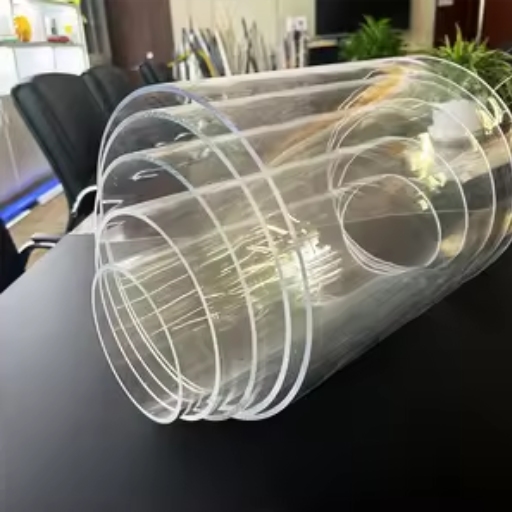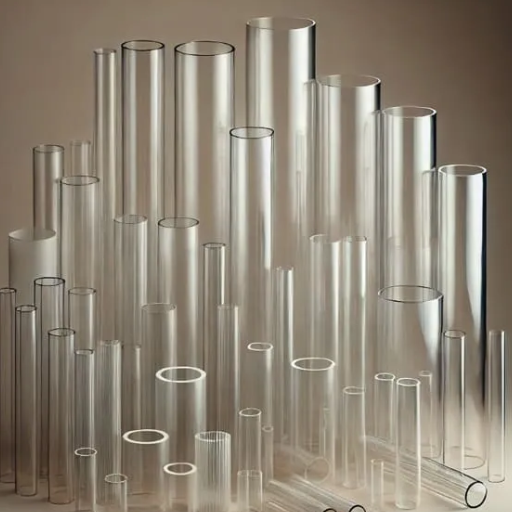

The selection of acrylic sheets among the chosen materials stems from their versatility, strength, and beauty. When it comes to choosing the right kind for your job, it is most important to understand the difference between clear and translucent acrylic sheets. Both options have special features and advantages, while alternatives depend on the very needs of your application. This article will go over the anatomy of both materials to help you in your decision. From signage to barrier construction and artistic use, every aspect depends on how light interacts with either of these acrylic types-based on which would be a choice for you.
Understanding Acrylic Sheets
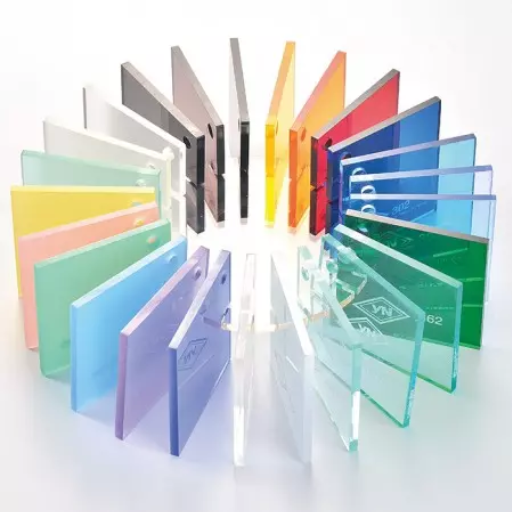
Acrylic sheet is a plastic material accommodating the diverse applications that could be served by it; with strength, good transparency, and easy-to-fabricate qualities are the attributes associated with such materials. It is lightweight yet sturdy, providing a good option over glass. In different forms, the two most common varieties are cast acrylic and extruded acrylic. Cast acrylic is superior in terms of optical clarity and is regarded as having good resistance to cracking. On the other hand, extruded acrylic is economical and better suited for applications requiring precision shaping. An appropriate choice of material, depending on the needs of the project, should offer superlative performance and looks.
Definition of Transparent and Translucent Acrylic
Transparent acrylic describes any acrylic sheet that permits light to be transmitted fully through it, offering clear and unobstructed visibility, as does traditional glass. It is mostly employed in situations where the optical clarity is of utmost consideration, such as in signage, aquariums, and protective barriers. Transparent acrylics generally have light transmittances of above 92% and stand as one of the clearest plastics in the marketplace.
However, translucent acrylic enables light to pass through but scatters it, diffusing so that the visibility of images on the other side is obscured. Typical applications of translucent acrylic include use as light diffusers, decorative panels, and privacy screens, providing a balance between light transmission and privacy. Light transmission by translucent acrylic normally varies between 20% and 75%, mostly depending on thickness and finish.
Both types of acrylic are lightweight materials, weather-resistant, and durable. They are great in fabrication as they can be cut, molded, or polished to meet any requirement for a particular project. New developments have brought about the introduction of acrylic sheets with UV-resistant coating and improved scratch resistance, and therefore they have found their way into much more demanding applications.
Composition and Physical Attributes
Cast acrylic is made by mixing the MMA monomer with various initiators and plasticizers to polymerize MMA under strictly controlled conditions at elevated temperature over several days, which ensures optimum properties of the polymer. This casting process imparts excellent optical clarity and chemical resistance to cast acrylic, whereas in extruded acrylic, the polymer is heated and melted and forced through a flat die to form sheets, making it cheaper and easier to cut or thermoform.
Physically, acrylic sheets have an average density of about 1.19 g/cm³, which is less dense than glass, with its approximate 2.5 g/cm³. From an impact standpoint, acrylic is from 6 to 17 times stronger than glass, depending on the quality and thickness. Most acrylic sheets can withstand temperatures from -40°F to 190°F (-40°C to 88°C), making them very versatile for indoor and outdoor applications.
Another notable attribute is acrylic’s light transmission properties. Clear acrylic sheets generally transmit about 92% of all visible light, more than standard glass, which transmits approximately 90%. UV-resistant acrylic, with special coatings, can prevent up to 98% of harmful UV rays, thus protecting skylights and barriers, amongst other applications. Also, acrylic sheets generally have a tensile strength of about 10,000 psi, making them able to bear a considerable amount of mechanical stress before cracking or breaking.
Being so versatile and physical in properties, with constant improvements such as anti-glare and anti-scratch coatings, acrylic will remain a preferred material in various fields of construction, automotive, electronics, and design.
Key Differences Between Transparent and Translucent Acrylic
Transparent and translucent acrylic mainly differ in the way light travels through them, allowing each to suit certain applications depending on the desired give-and-take between aesthetic and functional considerations.
Light Transmission
Transparent acrylic has very nearly 92% light transmission, and it has unblemished clarity comparable to glass. This kind of acrylic is perfectly suitable when great visibility is required, such as for display cases, aquaria, and windows. Contrarily, translucent acrylic diffuses the light to create moisture or the radiant glow of scattered light. Translucent acrylic usually consists of 50% to 85% light transmission and is used as a light diffuser, for signage purposes, and for decorative panels when suggesting that more privacy is required and subdued illumination is supplied.
Appearance
Transparent acrylic has a solid glass finish through which you can see clearly, generally applied when objects must be viewed directly with no visual distortion. Translucent acrylic, meanwhile, is semi-opaque and does nothing to soften objects viewed through it and creating a frosted or milky appearance. These fluoride applications are where light diffusion or privacy is required; for example, it would be perfect for frosted partitions or backlit advertisements.
Applications
Where clarity, protection, and viewability are pertinent, transparent acrylic is mostly used; examples include optical lenses, dashboards, and covers of delicate equipment. Translucent punches are, however, more efficient for artistic and lighting purposes, as they offer very good light dispersion over the surface and are suitable for light and banners, architectural lighting, and decorative installations.
Customization and Coatings
Whether transparent or translucent acrylic, both types of acrylic sheets are highly customizable and can take various coatings, such as anti-scratch, anti-glare, and UV resistance, to improve durability and functionality. For instance, UV-resistant coatings on transparent acrylic will protect the optical acrylic surface for a longer time, whereas anti-glare coatings on translucent acrylic promote ease of reading and lessen reflections in brightly lit areas.
Considerations for Pricing
With respect to pricing, there may be some variation between the two depending on their thickness, size, and whether they have promissory coatings. However, an overall fair price difference barely exists, therefore leaving the decision largely upon the requirements of the application and aesthetic preferences.
So, again, the choice between transparent and translucent acrylic is dependent on the desired interaction of light with the material. Both varieties continue to fulfill the increasing and multifarious demands of industries for their versatility, cost-effectiveness, and compatibility with a multitude of designs.
Comparative Properties of Acrylic Types
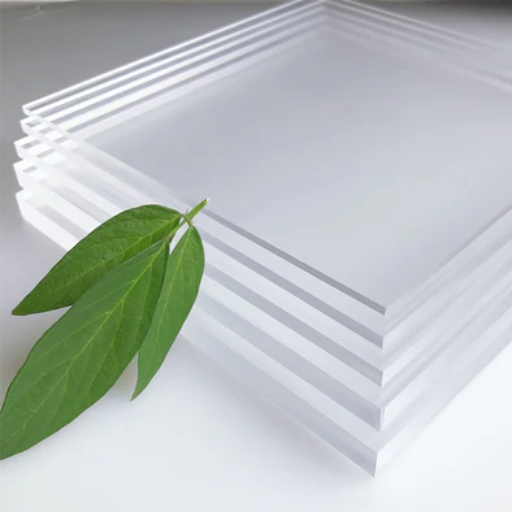
Transparency
The transparent acrylic permits a clear passage of light, producing an appearance similar to glass and allowing an unobstructed view.
Light Diffusion
Being translucent, the acrylic diffuses light and lends a subtle glow to ambient light, while the transparent acrylic does not allow diffusion of light.
Strength and Durability
Both types are equally durable and resistant to impacts, though at times differences in thickness and manufacturing process can make a difference.
Applications
Transparent acrylic should be used in displays, glazing, and signage that require complete visibility, whereas translucent acrylic should be used for privacy panels and decorative lighting.
Both sorts give in terms of reliability and versatility, depending on the particular needs of a project.
Light Transmission and Clarity
For acrylic sheets, their light transmission quality differs with regard to being transparent or translucent. A clear, transparent acrylic can allow up to 92% of visible light, which is clearer than glass. This degree of clarity ensures an unobstructed preferred view of applications, including display cabinets, picture frames, and windows.
For translucent acrylic, light can be transmitted from it as well as dispersed so as to yield a soft and even glow. In general, a translucent acrylic will transmit less light, anywhere from 50%-70%, depending on the particular material and its thickness. Therefore, it finds its best use with privacy panels, light fixtures, and decorative features where diffused light is preferred.
Such UV resistance is, of course, not a feature of acrylic sheets and hence, with technological advancements, this has been one of the areas of ever-growing interest. Some producers have gone on to offer coatings to improve clarity, reduce glare, and prevent yellowing through time, widening the scope for acrylic in various commercial and residential applications. Thus, acrylic attains a near-portability to meet varying requirements of light and aesthetics.
Durability and Flexibility
The acrylic’s single interaction, which combines durability and flexibility, caters to different industries around the world. It can resist impact 17 times better than glass, which means it will hardly shatter or crack under pressure. This resiliency aids the sheet in withstanding very harsh conditions, such as weather phenomena: acrylic sheets, according to recent data, can bear temperatures from -30 degrees Fahrenheit to 190 degrees Fahrenheit. Hence, it is fit for an upper indoor or outdoor application.
Also, it is flexible to bend for molding, shaping, or cutting according to requirements. This property universalizes it for everything from car parts to architectural highlights. Modern manufacturing techniques, on the other hand, make acrylic more versatile, involving creating custom shapes and sizes with almost no material waste. Innovations such as heat-treated acrylic paneling have extended its life, so the product can retain function for decades without the sacrifice in aesthetics or strength. These demonstrate how acrylic remains dependable and versatile for the implementation of aesthetic and utilitarian pursuits.
Examples of Performance in Various Conditions
The ability of acrylic to withstand diverse conditions has been demonstrated time and again. Below are some illustrative examples showing the interactions of this material with different environmental factors:
UV Resistance and Outdoor Durability
Acrylic is said in the industry to resist prolonged exposure to sunlight without yellowing or becoming brittle, as many plastics would do. For example, studies on the UV stability of acrylic sheets have shown them to remain clear for approximately 10 years or more in outdoor conditions. Hence, it finds its application in outdoor signage, skylights, and greenhouses.
Extreme Temperatures
Acrylic reacts nominally to extreme temperature fluctuations, unlike standard plastics, which cannot resist temperatures from -30°F to 190°F (-34°C to 88°C) without deformation. For this reason, it finds application in places like refrigeration units and protective barriers in cold regions.
Impact Resistance
Being 10 times stronger in terms of impact resistance than glass, it is usually chosen for applications in safety glass, aquariums, and car windows. According to laboratory test results, acrylic provides for the absorption of much energy from a hitting force, avoiding sudden shattering and ensuring a better level of safety in high-risk applications.
Chemical Resistance
Current acrylic formulations do resist a good range of various chemicals, from mild acids to cleaning solutions and oils. For example, acrylic is said to resist household cleaners very well by manufacturers, hence making it a good choice for bathroom panels and kitchen splashbacks.
Moisture and Humidity Performance
Acrylic, unlike wood or any other porous substance, does not absorb moisture; thus, it maintains its shape and texture in a humid atmosphere. Such behavior is best suited for bathroom pools and marine applications where humidity is a functional parameter.
These very suggestions highlight the qualities that make acrylic a favorite material used in all kinds of construction, industrial works, to automotive manufacturing. The price, adaptability, and resilience for any environment have earned it a reputable status.
Applications Across Industries
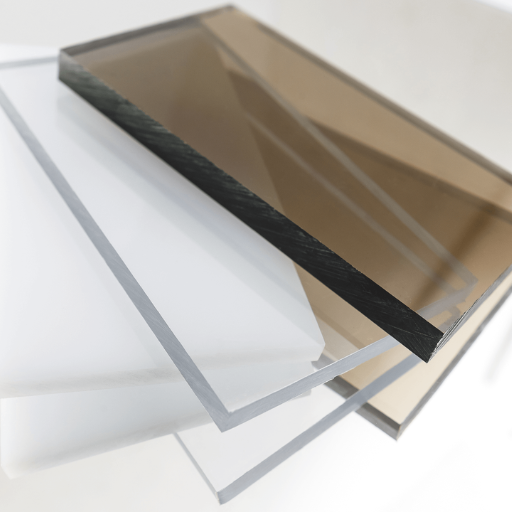
Acrylic is very common due to the nature within it of capability and adaptability. It is used in construction for the windows, the skylights, and in internal doors and partitions, stress being laid on strength and transparency. The automotive sector uses acrylic for covering the lights and interior designs, making them functional as well as aesthetic. Hence, it is also the perfect material, being weather-resistant. From protection barriers through display cases to fixtures, acrylic can be used in many ways in different industries like health care and retail.
Architecture and Interior Design
It’s become a very trendy material nowadays for architecture and interior design because of its flexibility, durability, and chic finish. Designers implement acrylic into furniture, lighting, and decorations because it can easily mimic glass transparency while being lighter and harder to break. With its variety of colors, textures, and finishes, architects and interior designers are able to engage in creative experiments that yield unique aesthetic effects.
Recently, we have seen acrylic used to create flowing minimalist forms for furniture pieces, including chairs, tables, and shelving, thereby imparting a sleek and contemporary feel to interiors. According to a market report published in 2023, the cast and extruded acrylic sheet market worldwide is expected to grow at a compound annual growth rate (CAGR) of 5.2% between 2021 and 2028, giving credence to the increasing demand for the material in residential and commercial projects. There is also a rising concern for sustainability, with acrylic being recyclable and repurposable, thereby trending along with an eco-conscious design ethos.
Furthermore, acrylic is used in spatial dividing and partitioning, especially in open-plan compositions, where style meets function. Frosted or tinted acrylic panels, for example, will grant your design privacy without sacrificing natural light. With improved laser-cutting technology, acrylic is now intricately designed for wall art or ceiling installations, transforming spaces into breathtaking views.
Signage and Marketing
A material that is very durable and one of the most versatile and aesthetically pleasing materials is acrylic. Using acrylic, companies realize that it can be made into all sorts of things: from model storefront signs to exhibit trade show displays, which can then be custom-made for engraving, printing, or even laser cutting. According to recent research data, the global acrylic signage market has entered into steady growth, being driven by increased demand for green and durable materials in commercial advertising.
Because of its weather resistance, acrylic is one of the best options for signage that is intended to be indoors or outdoors. Acrylic signs display a sophisticated and professional appearance, and most are made from clear or colored acrylic sheets coupled with LED lights to cast illuminated displays in the urban landscape, capturing viewers’ attention. Illuminated signs can boost brand visibility by up to 60% in busy areas, studies have demonstrated.
Digital printing advances have also accelerated the growth of acrylic for marketing uses. Now, vibrant and visually stunning graphics can be high-res printed directly onto the surface of acrylic materials. When combined with its lightweight, acrylic becomes so much easier to handle and install, and is perhaps the most cost-effective means for brand marketing and advertising campaigns.
Automotive Design and Art Installations
Because of their adaptability and resilience, acrylics are largely used both in automotive design and contemporary art installations. Acrylics widely serve in the automotive industry as lightweight yet sturdy parts like windshields, windows, headlight covers, and interior panels. Since it is optically clear, highly scratch-resistant, and able to endure severe weather conditions, the use of acrylics in the enhancement of vehicle style and functioning becomes an obvious choice. Technological advances have further added to these advantages by incorporating UV-resistant coatings on acrylics, which ensure their longevity and clarity with extended use.
Acrylic has become a new medium in art and opens creative possibilities for innovation in this direction. The flexibility of the materials has been widely exploited by artists and designers for large installations and sculptures. Further promoting the use of acrylic are trends that predict the global acrylic sheet market to grow at a CAGR of 5.1% by 2030. Being lightweight and strong allows artists to create bold and complex designs that are visually striking and easy to handle. Furthermore, acrylics are available in an infinite number of colors and finishes, which offers limitless capacities to contemporary art installations.
Acrylic is always about the merging of technology with aesthetics in automotive design and art. This fixes its place in innovations, while maintaining its relevance and demand in various industries.
Advantages and Disadvantages of Each Type
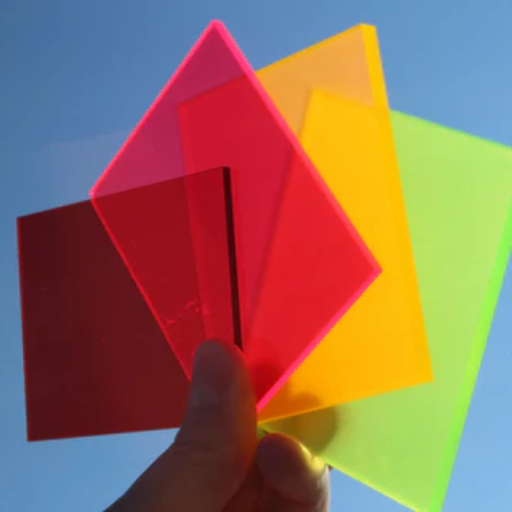
Advantages of Acrylic
Durability: Acrylic is break and shatter-resistant and impervious to weathering, rendering it very durable for any kind of use.
Lightweight: It weighs significantly less than glass; hence, it is easy to handle and transport.
Versatility: Given its multicolor and multifinish attributes and various thicknesses, acrylic proves very versatile to suit creative and functional applications.
Clarity: Acrylic furnishes unparalleled clarity against glass and does not yellow with age if well maintained.
Disadvantages of Acrylic
Scratch-Prone: Acrylic shows higher susceptibility to scratches when compared with other materials like glass or metals.
Cost: This can be costlier than materials in some cases when a qualitative type is chosen.
Heat Sensitivity: Great heat can make your acrylic warp and lose its shape.
Environmental Concerns: While it is recyclable, energy-intensive processes constitute the making of acrylic and might cause harm to the environment.
Strengths of Transparent Acrylic Sheets
This sheet is optically clearer than glass by allowing up to 92% of visible light to pass. Thus, windows, display cases, and signage are just a few ways in which this material may be utilized.
Safety and Durability: Compared to glass, acrylic offers a superior safety and durability factor as an acrylic sheet is approximately 17 times more impact-resistant, suitable in a setting where its broken form may be hazardous.
Light in Weight: An acrylic sheet is lighter than glass by roughly 50%, making it green to handle and transport and install without compromising strength.
Weather Resistance: Transparent acrylic resists environmental effects coming from UV rays and moisture, not gaining any yellowish tint due to sunlight, thus maintaining a clear view for outdoor applications for a long time.
Versatility: The sheets can be cut, shaped, and worked on to any form they desire; this kind of adaptability is great for creative projects, industrial applications, and customized applications across various industries.
Cost-Effective in Maintenance: It is easy to clean and maintain the acrylic. Cleaning is using water and a soft cloth to wipe off dirt and smudges. The longer the service life of acrylic also means fewer replacements are required; hence, it costs less.
The Eco-conscious Choices: More recently, renewable and recyclable forms of acrylic have been made, including those that have a lower carbon footprint during production.
Limitations of Translucent Acrylic Sheets
Despite their versatility, a few limitations exist for translucent acrylic sheets, and thus, they should be considered before use:
Susceptibility to Scratches: Acrylic is softer than other materials like glass and, hence, is more prone to being scratched. Invariably, cleaning witha rough cloth or placing abrasive objects may cause superficial scratches that would tend to ruin the appearance of the material over time.
Lower Heat Resistance: Compared to tempered glass, acrylic is much less heat resistant. It starts to soften at temperatures of around 160°F (70°C) and under intense thermal stress is liable to warp and crack and hence cannot be used where temperatures are high.
Risk of UV Degradation: Though UV-resistant coatings for acrylic have been developed, some non-coated sheets do suffer from discoloration or yellowing when exposed directly to sunlight for long periods of time. Discoloration would have affected clarity and appearance eventually.
Environmental Impact: Though recyclable ones are available, not all types of acrylic sheets are biodegradable. Inappropriately disposed of, they only add further burden to plastic waste; some might even give off polluting emissions during manufacture.
Brittleness Under Stress: While acrylic sheets offer strength and impact resistance, any excessive force applied over a small area of surface can cause cracking or even fragmentation. This becomes very undesirable in certain high-stress areas.
Cost Compared to Glass: Translucent acrylic sheets are often costlier than glass options, traditional in size and thickness, which might be the blocking factor for a budget-conscious project.
Once you understand these limitations, selecting materials for particular applications would be much easier, guaranteeing the durability and cost-effectiveness of projects using translucent acrylic sheets.
Cost and Handling Considerations
The cost and handling of translucent acrylic sheets require considering several factors. Price varies with thickness, dimensions, and particular manufacturing procedures. Recent market data indicated that the average price of translucent acrylic sheets ranged between $5 and $35 per square foot, if it ever ranges that way, which can put them above many glass alternatives, but certainly balances each other through the serious advantages it has regarding lightweight, impact resistance, and versatility.
Carry and installation should all be on careful consideration just to prevent scratches and chipping of the acrylic surface. While their lightweight features make their transportation and installation easier than that of glass, special tools are usually employed when it comes to cutting and shaping to avert any cracks and/or imperfections. Applying polishing compounds or flame polishing is equally recommended so that the edges can be restored after cutting.
For cost purposes, one would try to source acrylic materials in bulk or from direct manufacturers, where, for large projects, this may serve to lower the per-unit price. New manufacturing processes have also made available fairly cost-competitive options, such as recycled acrylic sheets, which benefit from sustainability aspects without compromising their performance. Thus, the overall understanding of these issues will promote the choice of optimal material while balancing consideration of initial cost with durability and maintenance. Leading “What is the difference between transparent and translucent acrylic sheets? ” manufacturer in China.
Choosing the Right Acrylic Sheet
Application Needs- It depends on whether one intends to put acrylic sheet inside or outside an enclosure, because some types work better under solar UV exposure, for instance, UV-resistant acrylic.
Thickness- According to the structural consideration, select the appropriate thickness. A thicker sheet would hardly be damaged under any heavy load application.
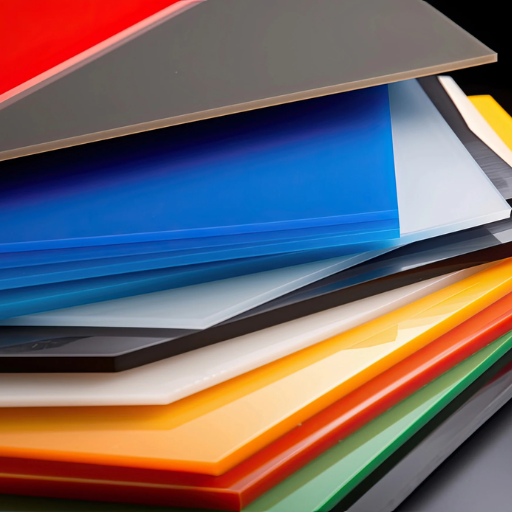
Finish and color- It would be great if we could consider some finishes: matte, rather glossy, to name a couple, and a color suitable for our project, both aesthetically and functionally.
Budget- Price should be commensurate with quality. Recycled acrylic might serve as an economical, greener alternative without compromising on performance.
Durability- Make sure of impact resistance, withstanding weathering, and chemical resistance for the acrylic sheet if the application may demand it.
Considering these factors, you shall arrive at a decision most appropriate to your project needs.
Factors to Consider: Aesthetics and Functionality
New trends and technology should have an important role in choosing materials such as acrylic sheets for aesthetics and function. Drawing from some data, there have been recent developments in the acrylic material market, spot anti-glare coatings, and UV-resistant finishes, which boost visual appeal and longevity under direct sunlight, thereby making these suitable for indoor and outdoor applications.
Another option available now is the color. Designers today can choose from a vast array of tinting and texturing options offered by modern-day producers to meet any special branding specification or artistic execution needs without compromising the material integrity.
On the functional side, these sheets are lightweight even on very large installs where structural integrity is considered to be a foremost issue; some reports say that with these new materials, existing loads can be reduced to as low as 50 percent compared with traditional glass, thereby saving cost-wise in transportation and structural support.
The development of environmentally friendly methods emphasizes the aim of sustainability during acrylic production. More and more manufacturers produce sheets out of recycled materials in pursuit of aesthetic requirements, also facing environmental demands. In 2007, a report was issued showing that recycled acrylic can reduce carbon emissions by 35 percent relative to virgin acrylic and thus becomes a material of choice for any green program.
With aesthetic flexibility tied to cutting-edge functionality, acrylic sheets of today present versatile solutions for all kinds of projects, from retail displays to construction and interior design.
Budget and Environmental Conditions
Budget considerations should be closely aligned with environmental considerations for project development. Acrylic sheets come with variations in versatility and durability, and prices depend on the type, thickness, and mode of manufacture. Cast acrylics are far more expensive when compared to their extruded counterparts, mainly due to the higher optical clarity and improved impact resistance that they afford. On the contrary, employing recycled acrylic allows one to keep costs down and simultaneously follow a sustainable path. Recycled acrylics are usually sold at about 15 to 20% cheaper than virgin materials in most countries currently making this the ideal choice for design considerations that are price-sensitive and environmentally conscious.
On the upside of the environment, its long life means less waste generation being thrown away, and recycling developments have made it possible to very efficiently reprocess reclaimed acrylic into new sheets, thereby lessening the carbon footprint even further. Recent studies in the industry indicated that manufacturers who use recycled acrylic cut energy consumption in production by nearly 50% versus traditional methods. Such options that are well aligned with budget considerations can meet their objectives both financially and environmentally without compromising on quality and performance.
Project-Specific Recommendations
To gain maximum green and cost benefits without compromising the quality of outcomes, the latest advances and available data on sustainable materials-especially recycled acrylic-should be considered. According to recent findings (source: Google Search), recycled acrylic could cut down on construction and design projects’ material costs to the tune of 30% due to less energy diverted in its manufacturing. The precision of recycled acrylic, coupled with enhancements in laser cutting and machining technologies, made the imposition of a more intricate design feasible while simultaneously reducing the generation of waste.
Review of further evidence on the performance of current recycled acrylic brings to light the reality of its durability in the tanning UV rays and resisting yellowing for 10 years at a minimum, rendering it suitable for indoor/outdoor applications. This breeding of the use of advanced material technology with an intelligent method of technology dielectric augmentation makes projects that respect sustainability compromise in long-life engineering at that time. Thus, building such an approach into your planning provides environmentally sanctioned projects that innovate and find cost-effective solutions.
Reference Sources
- California Institute of Technology (Caltech): Working with Acrylic
Gives explanations on the properties of light transmission with clear and translucent acrylic sheets, touching upon their clarity and applications.
- Carnegie Mellon University (CMU): Acrylic Data Sheet
Discusses properties of the clear acrylic sheet, which include its capacity to be joined with another material to form strong transparent joints.
- Eastern Illinois University (EIU): Acrylic Sheet in Combination with Other Plastics
Discusses the use of clear and translucent acrylic sheets in combination with other materials for different applications.
Frequently Asked Questions (FAQs)
What is the difference between transparent and translucent acrylic sheets?
Transparent acrylic sheets allow light to pass through without significant diffusion, making them ideal for applications requiring clear visibility. In contrast, translucent acrylic sheets diffuse light, allowing some light to pass while obscuring detailed shapes and images.
How do I choose the right type of acrylic for my project?
Choosing the right acrylic depends on your specific needs. Transparent acrylic is suitable for display cases and signage, while translucent acrylic is better for partitions and lighting applications where you want to diffuse light.
What are the physical properties of clear acrylic sheets?
Clear acrylic sheets are known for their excellent optical clarity, impact resistance, and UV stability. They are lightweight yet strong, making them a popular choice for a variety of applications, including picture frames and retail displays.
What applications are ideal for using non-glare acrylic sheeting?
Non-glare acrylic sheeting is often used in environments where glare may be an issue, such as in display cases, art galleries, and picture frames. Its matte finish helps reduce reflections while maintaining clarity.
What is the difference between opaque and translucent acrylic?
Opaque acrylic does not allow any light to pass through, making it suitable for applications where privacy is necessary. Translucent acrylic, on the other hand, allows light to diffuse through while still providing a level of privacy.
How can I use colored acrylic sheets in my designs?
Colored acrylic sheets can enhance the aesthetics of your designs by adding vibrancy and personality. They are often used in signage, art installations, and decorative elements where color plays a key role in the visual appeal.
What are mirrored acrylic sheets used for?
Mirrored acrylic sheets are used in a variety of applications, including decorative mirrors, retail displays, and architectural elements. They provide a reflective surface while being lightweight and shatter-resistant compared to traditional glass mirrors.
What are the benefits of using textured acrylic?
Textured acrylic sheets can add depth and interest to designs while helping to diffuse light. They are often used in partitions and decorative panels, providing both aesthetic appeal and functional benefits in light diffusion.
Can you explain the properties of fluorescent acrylic?
Fluorescent acrylic sheets are designed to glow under UV light, making them ideal for signage and displays in low-light environments. Their vibrant colors can attract attention and enhance visibility, especially in dark settings.