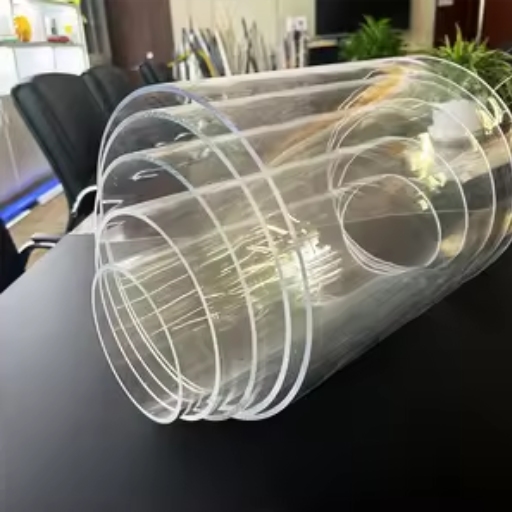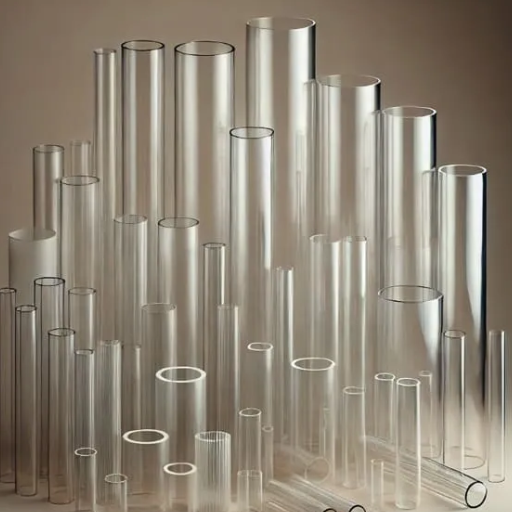

In terms of precision, versatility, and creativity for designing or manufacturing, laser cutting brings innovation to many domains. Among the many materials that receive the best laser cutting treatment due to their exceptional strength, clarity, and design possibilities, acrylic sheets are a strong competitor. Wholesale acrylic sheets are a necessity that every professional or pioneer needs to recognize properly for optimal final output. This manual covers all aspects of locating, choosing, and working with acrylic sheets for laser cutting. From describing the different types and uses of these materials to recognizing suppliers and providing you with some tips that will guarantee smooth cutting, this article aims to be your comprehensive guide in perfecting the art of laser cutting acrylic.
Introduction to Acrylic Sheets

Different industries utilize acrylic sheets for various purposes, including design and manufacturing. And construction is another one. It is made from the polymer polymethyl methacrylate (PMMA) and is appreciated for its optical properties, impact resistance, and ease of fabrication. Acrylic sheets are available in various profiles, finishes, and thicknesses, and can be laser-cut into precise shapes according to the specifications required by a particular client. Applications of the acrylic sheets include signboards, displays, furniture, and protective shields. Hence, it holds fame amongst art enthusiasts.
What is Acrylic?
Acrylic, also known by its popular name plexiglass and its chemical name polymethyl methacrylate, is a class of thermoplastic material that is clear and often used for lighter, shatter-resistant window alternatives. Having mellowed in usage since its inception in 1928, with commercialization happening in the 1930s, acrylic is cherished for being versatile and durable. It is highly appreciated for its optical clarity, UV resistance, and outdoor weather resistance, which prevents yellowing or degradation.
Being easily shaped, cut, or formed, this acrylic finds preference in construction, automotive, art, and design industries. Further improvements in manufacturing have, in fact, widened its spectrum of applications, with anti-glare, colored, or textured sheet acrylics becoming readily available. Safety barriers, aquariums, advertising displays, or skylights—wherever used —the inquisitive acrylic represents an indispensable part of modern design and fabrication.
Types of Acrylic Sheets
Acrylic sheets are available in various types, such as clear, colored, mirrored, frosted, textured, UV-resistant, anti-static, light-diffusing, bulletproof, and impact-modified.
| Type | Description | Key Feature | Use Case |
|---|---|---|---|
| Clear | Transparent, classic | High clarity | Displays, windows |
| Colored | Vibrant hues | Variety | Décor, signage |
| Mirrored | Reflective surface | Mirror finish | Vanity mirrors |
| Frosted | Opaque finish | Light diffusion | Partitions |
| Textured | Patterned surface | Design appeal | Art, design |
| UV-Resistant | Sunlight durable | UV protection | Outdoor uses |
| Anti-Static | Dust-resistant | Static control | Electronics |
| Light-Diffusing | Uniform light spread | Soft glow | Light fixtures |
| Bulletproof | High strength | Impact safety | Security windows |
| Impact-Modified | Enhanced durability | Toughness | Machine covers |
Properties of Cast Acrylic vs. PMMA
Cast acrylic and PMMA exhibit differences and similarities in their durability, optical clarity, UV resistance, thickness consistency, cost, and ease of fabrication.
| Property | Cast Acrylic | PMMA (Extruded) |
|---|---|---|
| Durability | Higher impact strength | Moderate strength |
| Clarity | Exceptional clarity | Excellent clarity |
| UV Resist | Superior UV resistance | Moderate resistance |
| Thickness | Less consistent | Uniform thickness |
| Cost | Higher cost | Lower cost |
| Fabricate | Easier to machine | More prone to melt |
The Benefits of Laser Cutting Acrylic
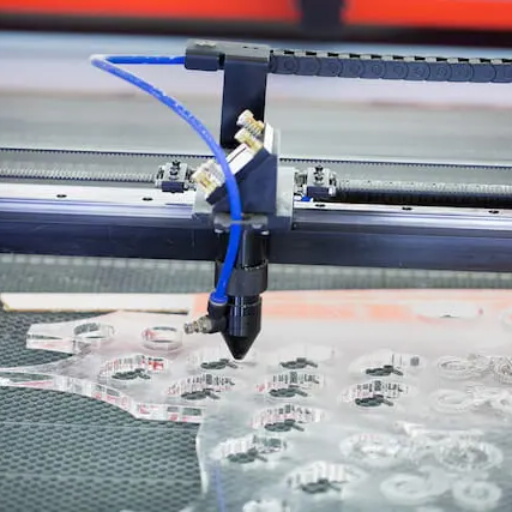
- Precision and Accuracy: Laser cutting offers fine precision for intricate and highly detailed designs, resulting in clean and sharp edges.
- Smooth Edges: The laser cutting process heats the edges, causing them to melt and resulting in very smooth edges that require no further polishing.
- Versatility: The laser cutting is capable of accepting so many different acrylic thicknesses and producing complex shapes, thereby serving very many applications.
- Efficiency: Fast in operation and tall in saving materials, thus making it more time- and price-efficient than traditional cutting alternatives.
- Customization: Designs can be easily adjusted through laser cutting to create customized products tailored to specific requirements.
Precision and Detail in Acrylic Cutting
Laser cutting is ideal for achieving extreme precision and intricate details when working with acrylic. The best laser cutting machines feature sophisticated systems that enable their laser beams to cut with extreme accuracy, down to a fraction of a millimeter. Such precision enables the design of parts with complex geometries, including sharp corners and clean edges, without compromising the integrity or quality of the material. While cutting, the laser also finishes the edges, thereby eliminating the need for a separate finishing process and saving production time. For instance, this level of detail and accuracy is required in signage, architecture, and product design, where the flawless execution of highly intricate patterns is crucial to the design’s function and appeal.
Advantages of Using Laser Technology
Precision and Accuracy
Laser technology provides unprecedented precision when cutting and engraving acrylic materials, enabling the creation of intricate designs. Since the machine is computer-controlled, processes can be guaranteed to be error-free and consistent in finish, even for the most complex designs.
Smooth Polish Finish
One of the significant advantages of laser cutting acrylic is that it creates smooth, polished edges without requiring additional finishing treatments. The plastic workflow is correspondingly shortened, and so is the aesthetic charm of the final product.
Speed and Efficiency
Laser systems can operate at high speeds, substantially shortening production times compared to traditional cutting methods. Thus, they are suitable for large projects or tight schedules that require uncompromising quality.
Versatility of Design
Laser can cut almost all thicknesses of acrylic and work on intricate patterns suitable for angling in the signaling, marketing, and interior world.
Cost-Efficient
Laser cutting eliminates the need for secondary finishing, thereby minimizing waste and making acrylic cutting extremely cost-effective for suppliers.
Non-contact Processing
This gentle-touch cutting process ensures the surface integrity of the acrylic is maintained, preventing any distortion of clarity throughout the entire process.
Common Applications of Laser-Cut Acrylic
- Signage and Displays: Laser-cut acrylic is used in popular custom-made signage and display materials due to its precision and polished finish.
- Interior and Architectural Design: From decorative panels to furniture and light fixtures, laser-cut acrylic creates stylish interiors.
- Retail and Product Packaging: Laser-cut acrylic is used to enhance presentation in fine product packaging and custom retail fixtures.
- Arts and Crafts: Artists and hobbyists use the material for intricate designs, sculptures, and creative works due to its flexibility and ease of patterning.
- Prototyping and Product Development: Inside a variety of industries, from tech gadgets to automotive parts, laser-etched acrylics provide perfect prototypes and parts.
Understanding Pricing and Thickness of Acrylic Sheets
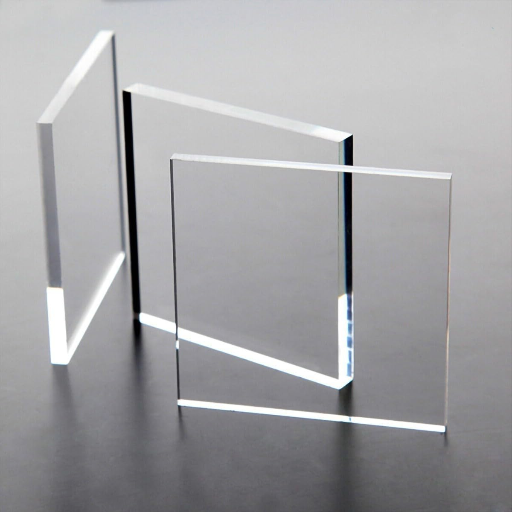
When discussing acrylic sheet pricing and thickness, specific considerations must be taken into account. An acrylic sheet is generally priced based on its thickness, size, and quality level. A thicker sheet will cost more, as it contains more material. Additionally, some extra cost may be incurred for color or special coatings. Typical thicknesses range from 1mm to approximately 25mm or more, and they can be used for various applications; thin ones are suitable for craft works, while heavier ones are used for structural or heavy industrial purposes. Costs can be lowered by buying in bulk or opting for standard sizes, which is why it is essential to consider the job’s requirements and work within the budget’s limits.
Factors Affecting Acrylic Sheet Pricing
Thickness of the Acrylic Sheet
The thicker the sheets, the more the materials required, so directly the cost goes up. Depending on the application, the appropriate thickness should be considered to strike a balance between usability and price.
Size and Dimensions
Bigger or custom-sized sheets typically cost more than standard ones. Standard dimensions may sometimes be a more economical choice.
Type of Acrylic
The prices will vary depending on whether the acrylic is cast or extruded. Cast acrylic is generally more expensive since it is more durable and has better optical clarity.
Surface Treatments and Coatings
Special coatings, such as UV protection, anti-glare finish, or some custom treatment, can increase the price. These will generally be required for specific applications, such as outdoor use.
Quantity Purchased
The more sheets you buy, the better the discount you get, whereas with single sheets or smaller quantities, you may have to pay more. The requirement of a project, if evaluated, should allow for a volume purchase to optimize cost.
Choosing the Right Thickness for Your Project
Regarding the selection of acrylic glazing with a particular thickness, several factors are relevant to the task. The thinner ones, measuring below 1/8 inch, can be used for light-duty applications, such as photo frames or specimens used for display protection. Medium thicknesses, approximately 1/4 inch, offer reasonable durability and are best suited for applications such as furniture, signage, or shelving where moderate strength is required. For heavy-duty applications in structural elements, aquariums, or large installations, a high thickness of at least 1/2 inch is recommended.
When determining the thickness, factors to consider include the size of the acrylic panel, the expected loading or pressure it will encounter, and external conditions such as wind or heat. Considering recommendations from suppliers and utilizing sample sheets for testing will inform your final choice and strike a balance between cost, performance, and safety.
Comparing Wholesale Prices vs. Retail Costs
Wholesale prices of acrylic are generally lower per unit, while retail costs are higher due to added margins for factors like packaging, branding, and distribution.
| Key Points | Wholesale | Retail |
|---|---|---|
| Price/Unit | Lower | Higher |
| Purchase Qty | Bulk | Single |
| Distribution | Direct | Indirect |
| Branding | None/Less | Significant |
| Packaging | Minimal | Enhanced |
| Cost Factors | Base only | Multiple |
Choosing the Right Acrylic Sheets
Depending upon your requirements and priority criteria, the proper acrylic sheets must be chosen. For projects requiring consideration of cost efficiency and bulk purchasing, wholesale acrylic sheets will always prevail due to their lower per-unit pricing and direct distribution system. On the other hand, if quality, packaging, and display are on your list, then retail acrylic sheets would be a better choice. Considering your budget, quantity, and area of application before making a decision is always a good idea.
Factors to Consider: Thickness and Color
Thickness and color are two key factors to consider when selecting acrylic sheets. Thickness determines the strength and durability factor, so it is essential to consider the structural requirements of the project. Thick acrylic sheets are necessary for applications that require heavy support, such as furniture and displays, due to their weight. Conversely, thin acrylic sheets are most suitable for lightweight or decorative applications.
Color also significantly impacts the aesthetic appeal of acrylic sheets. Colorless materials are excellent if transparency and light transmission are a concern, such as for windows, signs, or projects where visibility is essential. Colored acrylics, by contrast, offer a high level of visual appeal and can be used to reinforce branding, present visual interests, or filter light in various ways. Therefore, through a study of the thickness and color of acrylic sheets, they can be made most suitable for a particular application and design.
Specifications for Different Applications
When selecting acrylic sheets for various purposes, the finer requirements of projects necessitate purchases that prioritize factors such as glass durability, transparency, weather resistance, and aesthetic appeal. UV-resistant acrylic sheets for outdoor applications are highly recommended, as they can withstand exposure to the sun’s harsh rays for hours without discoloration or degradation over time. These are great for signage, roofing, and protective barriers.
For interior applications, such as decorative displays, picture framing, or furniture, regular clear or colored acrylic sheets provide a lightweight and versatile solution. Thicker sheets, however, provide greater strength and impact resistance, which is required for projects demanding higher durability, such as aquariums, protective shields, and architectural installations. Armed with this information and current trends, such as frosted or texturized acrylic for privacy panels, it is assured that the acrylic in use will not only meet the functional needs but also conform to modern aesthetic sensibilities.
Custom vs. Standard Sizes: What You Need to Know
Choosing between custom and standard sizes for acrylic sheets ultimately depends on the specific requirements of your project. Standard sizes tend to be cheaper and easier to procure, making them a suitable fit for projects that fall within general requirements or those with a tight budget. They are usually available in two popular size combinations: 24×48 inches and 48×96 inches, fitting most common usages.
Custom sizes, however, render one more flexible and efficient: for those rare one-off projects where exact measurement and dimensions are paramount, an unemployed furniture-maker, a design studio working on retail displays, or even some fine design work, waste has got to be kept to an absolute minimum by custom-sizing of sheets to the consumer’s own exact specifications. On the other hand, these benefits come at a higher price and with slightly longer manufacturing lead times.
Ultimately, the decision comes down to your project, your available timeline, and budget. Custom sizes are well worth the investment if exact specifications or complete creative freedom are needed in your application. Otherwise, standard sizes are more cost-effective and practical solutions for most general applications.
Emerging Trends in Acrylic and Laser Cutting
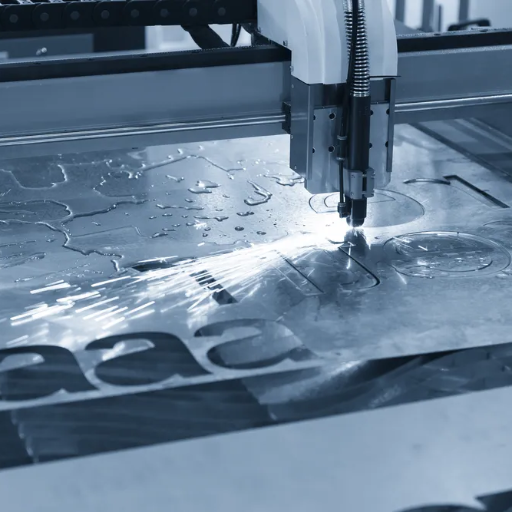
Technology and sustainability being at the, accelerated the formations in the substance of new ideas on acrylic and laser cutting. One significant trend here is the growing use of environmentally friendly materials, as both manufacturers and consumers are increasingly opting for green alternatives. Another growth trend involves integrating automation and AI into laser cutting machinery, resulting in significantly higher levels of precision, speed, and customization. The current industrial trends are leaning toward more intricate designs, which are being marketed to the creative industry. These developments are key to the future of acrylic and laser cutting—they act to modernize it, make it more efficient and versatile, and ultimately meet modern demands.
Latest Advances in Laser Cutting Technology
With the significant advancements in laser cutting technologies, fiber lasers transformed the industry with their sublime efficiency and precision. These lasers are much more efficient in cutting materials and are therefore ideal for large-volume productions when compared to a gas-based CO2 laser. Another significant breakthrough in laser technology is the availability of ultrafast lasers, which can thinly cut with an almost negligible amount of thermal damage, hence required in delicate and thin applications like microelectronics and medical devices.
Apart from this, the incorporation of AI and machine learning into laser cutting systems has led to intelligent automation, capable of real-time error detection, thereby ensuring uniform quality and minimizing material waste. Other cloud-based monitoring systems have also been introduced, enabling manufacturers to supervise and optimize their machines remotely. In contrast to all of these, hybrid systems combining laser cutting with less conventional processes, such as 3D printing or mechanical machining, are expanding the range of operations these machines can perform in direct response to a demand for increasingly versatile solutions. Just as with continued development, these advancements underscore the importance of laser cutting technologies as a means of modernizing production.
Eco-Friendly Alternatives in Acrylic Production
Eco-friendly alternatives in acrylic production focus on minimizing environmental impact by utilizing sustainable materials and processes. This led to the development of bio-based acrylics from renewable resources, such as plant oils and starches, thereby reducing reliance on fossil fuels. Recycling activities have also gained momentum, with some manufacturers seeking to institute a system whereby acrylic waste can be collected from users for recycling, thereby reducing the contribution to landfills. Water-based production processes and solvent-free formulations offer safer and more sustainable alternatives to conventional and older production methods. Therefore, these enhancements aim to demonstrate the industry’s commitment to sustainability without compromising product performance.
Future Trends in Acrylic Applications
For innovative sustainability, enhanced functionality, and customization for the end-use industry, the future of acrylic applications might rest. Technology will continue to evolve, enabling the processing of bio-based acrylic and further reducing environmental impact. Smart acrylics with UV resistance, antimicrobial properties, and thermal insulation are becoming more attractive to the building and healthcare industries. With the growing demand for lightweight yet sturdy materials continuing, new applications for acrylics are emerging in the automotive, aerospace, and renewable energy sectors, remaining adaptable to various global challenges.
Reference Sources
-
Acme Plastics
Website: Acme Plastics – Acrylic Sheets
Acme Plastics offers a wide range of acrylic sheets, including extruded and cast options, with detailed product descriptions and wholesale pricing. -
Delvie’s Plastics
Website: Delvie’s Plastics – Acrylic Sheet Supplier
A long-standing supplier specializing in acrylic sheets for hobbyists, schools, and businesses, providing insights into product applications and availability. -
Accio Business
Website: Accio – Best Selling Acrylic Sheets for Laser Cutting
A resource for identifying popular acrylic sheet types for laser cutting, including insights into their applications in signage, decor, and industrial use. - Top Acrylic Sheet Manufacturers and Suppliers in China
- Guide for Laserschneiden Acryl
Frequently Asked Questions (FAQs)
What are wholesale acrylic sheets meant for laser cutting?
Wholesale acrylic sheets for laser cutting are vast quantities of acrylic sheets being sold at a discount, best for businesses and makers who cut or engrave designs using a laser cutter. These sheets come in different thicknesses and colors, including translucent, which makes them versatile for various applications.
How to Select the Right Thickness for Acrylic Sheets?
The thickness of the acrylic sheet you choose depends on the specific requirements of your project. For laser cutting, typical thickness ranges between 1/8 inch and 1 inch. Thick acrylic sheets provide durability and strength, whereas the thin ones are very light and easy to carry. Consider the application- whether it is for displays, signs, or custom fabrication.
Can I get acrylic sheets cut to size?
Yes. Many suppliers can offer you acrylic sheets cut uniquely to your specifications. Cut-to-size services are offered, allowing you to specify not only the dimensions but also the shape and color of the acrylic sheet. This service proves particularly useful when dealing with project requirements that involve exact measurements or unique designs.
What types of acrylic sheets are there for laser cutting?
Acrylic sheets for laser cutting include cast acrylic sheets and extruded acrylic sheets. Cast acrylics are unbeatable when it comes to clarity and quality, while extruded acrylics usually cost less and are easier to process. Usually, their applications can be interchanged depending on what you want to achieve.
How to Use Acrylic Sheets for UV Printing?
It involves applying UV-curable ink onto the surface of acrylic, which is cured using UV light. This produces bright colors and highly detailed graphics, making it popular for signage and decorative purposes. Ensure you purchase high-quality acrylic sheets for optimal visual results.
What are the advantages of cast acrylic in laser cutting?
Cast acrylic sheets have several benefits, including outstanding clarity, a glossy finish, and superb chemical resistance. They are available in hundreds of different colors and can be easily etched or shaped with the right equipment. All of this makes cast acrylic sheets an excellent choice for creating effective displays and custom applications.