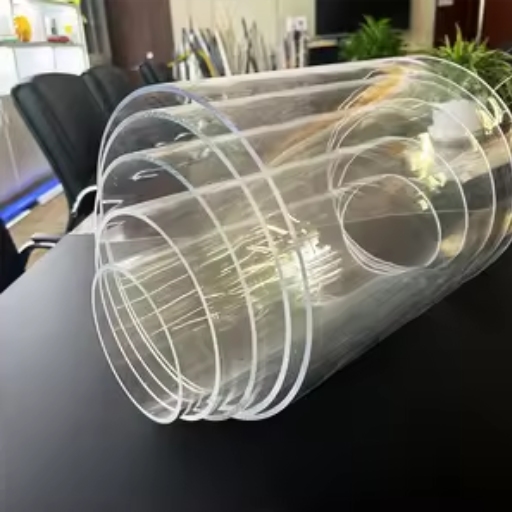

The monitoring of fluid systems needs precise and durable and clear monitoring tools because these three essential qualities apply to all industrial sectors which include medical fields and industrial production. High impact clear plastic tubes are an innovative solution which provides essential strength and transparency through its design to deliver peak performance in challenging environments. This blog post examines the main characteristics of these specialized tubes through their advanced material properties and multiple possible uses which demonstrate their benefits over standard glass products. The article explains how high impact clear plastic tubes revolutionize fluid management systems by showing their ability to enhance monitoring accuracy and provide stronger material choices for users.
Introduction to Fluid Monitoring Tubes
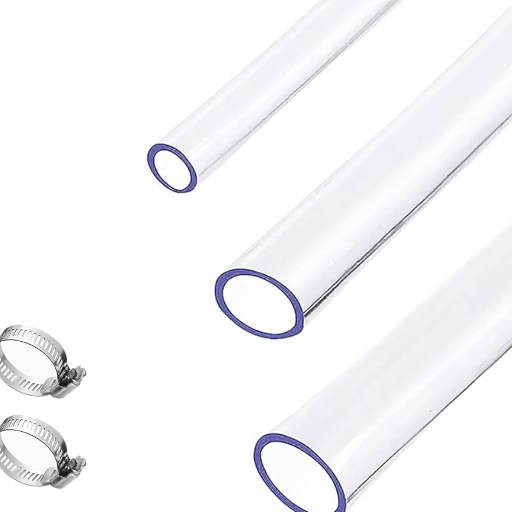
Importance of Fluid Monitoring
The process of monitoring fluids holds critical importance for multiple industries which include both healthcare and manufacturing because it enables precise fluid measurement and control within their operational systems. The monitoring of flow rates together with pressure measurements and fluid condition assessments enables businesses to achieve optimal operational performance while avoiding system breakdowns and ensuring safe operations. Modern fluid monitoring systems use advanced technologies to deliver real-time precise measurements which enable operators to make decisions without experiencing significant time delays. The development of new technologies requires reliable and strong materials like high impact clear plastic tubes because these materials enable operators to monitor processes more effectively through their visual clarity and material toughness.
Overview of Tube Materials
High impact clear plastic tubes serve multiple industries because of their outstanding strength and durability combined with their see-through properties. Manufacturers produce these tubes from polycarbonate and acrylic materials because these substances provide strong protection against physical impacts and environmental hazards which include temperature changes and ultraviolet radiation. The materials have low weight properties which make them suitable for situations that require simple movement and fast setup. The materials provide complete optical transparency which enables people to monitor fluid levels with precise accuracy while they work. Researchers have developed sustainable plastic tubing solutions which provide affordable and environmentally-friendly options for modern fluid monitoring needs through their material engineering advancements.
Applications of Transparent Tubing
Various industries apply transparent tubing because it provides multiple practical advantages which enable its use in different applications. The medical field utilizes this material for intravenous therapy and catheterization and fluid delivery systems that require both clear visibility and sterile protection. The food and beverage industry uses transparent tubing to transfer liquids including juices and dairy products and water which maintains hygienic standards and enables staff to inspect contents visually. Transparent tubing serves laboratories and research facilities as a tool for precise fluid movement and chemical substance transportation. Industrial operations use this material because it provides robust performance for applications which include coolant distribution and pneumatic system management and hydraulic equipment operation. The latest material design improvements have enabled the product to deliver better performance while meeting strict safety requirements and environmental standards for all its available uses.
Types of Plastic Tubing
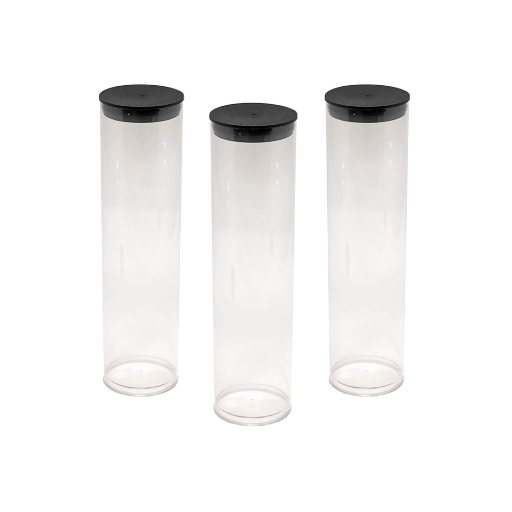
Polycarbonate Tubes: Strength and Clarity
The industrial and commercial sectors prefer polycarbonate tubes because of their outstanding ability to resist impact and their transparent optical properties. The tubes can withstand high-impact forces which protect their structure from damage during tough environments, and their transparent design allows people to see the contents or processes inside. The lightweight construction of polycarbonate tubes combined with their strong durability allows for easy handling, while the tubes perform well in environments that need accurate monitoring or direct observation. Polycarbonate tubing serves medical and aerospace and lighting industries because of its dependable performance and versatile applications, which manufacturers have improved through their development of thermal and ultraviolet protective enhancements. The various characteristics of polycarbonate tubes enable them to fulfill complex operational requirements.
PVC Tubing: Versatility and Cost-Effectiveness
PVC tubing is renowned for its versatility and affordability which makes it a popular choice in multiple industries. The material provides protection against corrosion and chemical damage and physical wear which enables its extended use in plumbing and construction and fluid transport systems. PVC tubing provides lightweight characteristics and installation simplicity which decreases labor expenses and preserves operational productivity. Material technology advancements have increased PVC tubing performance by enabling it to operate under extreme pressure and temperature conditions which allows its use in more challenging situations. The combination of cost efficiency and flexible use of PVC tubing establishes its worth for both standard and specialized applications.
Acrylic Tubing: Aesthetic and Functional Benefits
The exceptional clarity of acrylic tubing together with its attractive appearance makes it a preferred material for visual presentation applications. The material’s transparent properties enable observers to inspect the contents which include materials and fluids that it contains. The visual properties of acrylic tubing enable it to produce exceptional visual effects while its impact-resistant and lightweight design provides superior durability. The material maintains its original appearance through UV protection which prevents yellowing thus making it suitable for extended outdoor use. The development of new acrylic manufacturing methods has improved the material’s protection against heat and chemical exposure which makes it suitable for use in challenging industrial environments. Acrylic tubing provides visual appeal and dependable performance which makes it suitable for use in various industrial applications.
Key Features of High Impact Tubing
Durability and Impact Resistance
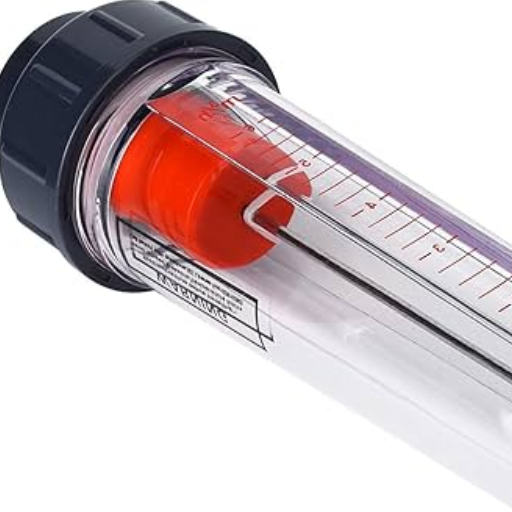
Acrylic tubing stands out as the optimal material for applications that need strong materials because of its outstanding strength and ability to withstand heavy impacts. The material can endure extreme pressure because it maintains its structural integrity while most transparent substances fail under extreme conditions. The scientific progress in material development has improved its capabilities to function effectively in severe environmental conditions. The combination of lightweight attributes and the material’s strength makes acrylic tubing a valuable solution for industrial applications that include construction and aerospace operations. The material’s durability guarantees lengthy service periods which decrease maintenance needs while providing extended value to users.
Transparency for Fluid Visibility
Acrylic tubing provides exceptional visible transparency which enables applications needing to see fluids and materials to operate effectively. The property enables precise flow rate and level measurement together with detection of possible contaminants which industrial applications in pharmaceuticals and chemical processing and water treatment facilities require. The operators can use the material properties to evaluate problems which helps them solve operational issues while maintaining safety. The high optical quality of acrylic tubing functions as a primary selection for visual inspection environments because it offers both enduring strength and complete functional visibility.
Temperature Tolerance and Chemical Resistance
Acrylic tubing has acquired its reputation for complete temperature protection because it can endure extreme temperature conditions. The specific formulation and thickness of acrylic tubing determine its capability to sustain properties from -40°F to 190°F temperature range. Industrial and scientific and commercial applications which experience temperature changes throughout the day require this temperature range for operational dependability. Acrylic tubing provides high resistance to chemical substances because it can withstand contact with various acids and alkalis and other chemical compounds without suffering damage. The material demonstrates resilience which makes it suitable for chemical processing and laboratory equipment work environments that involve contact with corrosive substances. The combination of temperature stability and chemical resistance makes acrylic tubing an ideal material for use in challenging operational conditions.
Choosing the Right Tube for Your Needs
Factors to Consider in Tube Selection
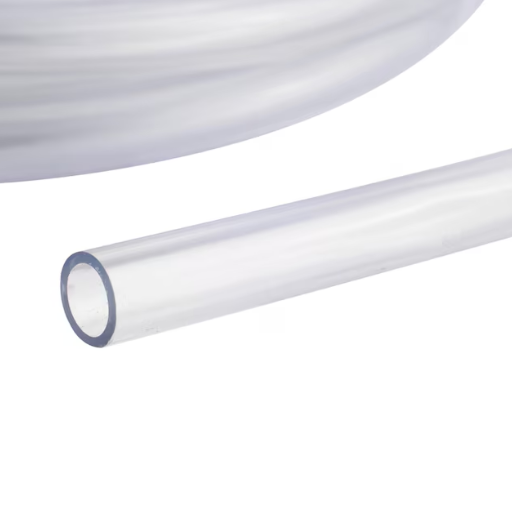
When selecting the appropriate tubing for your application, several critical factors should be taken into account to ensure optimal performance and longevity. The first step requires you to assess the operating environment which includes temperature ranges and UV light exposure and potential chemical contact and corrosive substance contact. The material composition of the tubing must align with these conditions to prevent degradation or failure. The physical requirements of the project need to be assessed through measurements of diameter and wall thickness and flexibility. The specifications for each tubing system will depend on both the type of fluid or gas that needs to be transported and the pressure ratings that the tubing system must handle. You must evaluate how well your system meets both industry standards and required certifications because this factor determines safety and compliance. The cost-effectiveness of a material must be evaluated through its material expenses and durability requirements and maintenance costs. When you choose a top-quality tube for your needs, this decision will help you save money in the future because you will need to replace your tube less often. Through your examination of these elements, you will obtain essential information which helps you choose the best solution for your particular application needs.
Inline vs. Non-Inline Tubing Applications
Inline tubing and non-inline tubing applications show their differences through their dedicated uses and project flow needs. Inline tubing is necessary for systems that require direct pipeline integration of tubing to maintain continuous fluid or gas transportation. The system enables continuous data flow without needing extra machines to maintain operational efficiency. Industrial environments use inline tubing for applications like water purification plants and hydraulic systems and beverage production lines that need constant water flow and accurate system connections. The applications use materials that include stainless steel and high-grade polymers to provide protection against various pressure and temperature and corrosion threats. Non-inline tubing enables users to create systems that either need adjustable installation methods or lack continuous operational requirements. This option is ideal for systems where tubing operates independently or connects to components like reservoirs, tanks, or standalone equipment. Non-inline tubing functions as a standard component in medical devices and agricultural irrigation systems and laboratory equipment. The systems use implementations that allow easy equipment handling between different operation modes instead of needing equipment to function under high-pressure conditions. The design of non-inline systems needs to consider both their specific pathway requirements and their operational process requirements, which makes it essential to choose materials that will work together properly. The intended application of a system determines whether a user should choose inline or non-inline tubing systems. The integrated systems of inline systems create high-efficiency operation but non-inline setups enable users to accomplish their needs through flexible operation. I will evaluate all system requirements to determine which tubing design will deliver optimal performance and complete reliability for my project work.
Recommendations for Specific Fluids
For systems that use water-based fluids engineers need to choose corrosion-protected piping materials which include stainless steel and specific polymer types because these materials will keep their operational capacity throughout extended system use in wet environments. The oil-based fluid requires testing to determine which materials will withstand the process because nylon and fluoropolymers represent essential materials for this purpose. The PTFE (Teflon) tubing system protects against chemical contact because it maintains its structural integrity and chemical resistance properties while exposed to extreme chemical environments. Systems that operate under pressure need polyethylene and reinforced rubber tubing because these materials enable safe and effective gas handling procedures. System performance improves through precise selection of tubing materials that match each fluid’s characteristics which also increases system lifespan.
Installation and Maintenance of Plastic Tubing
Best Practices for Installation
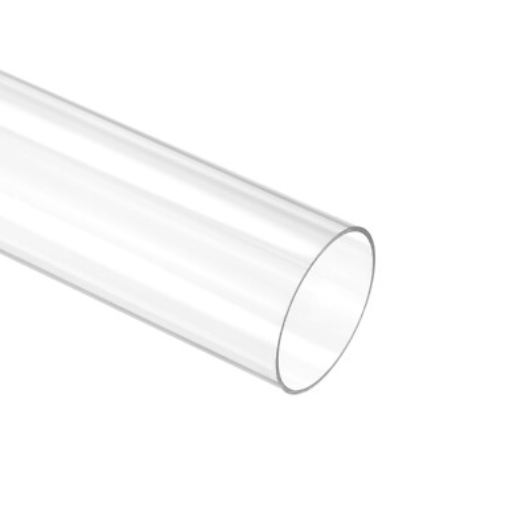
Correct installation of plastic tubing must happen because it serves as the foundation for both efficiency and security during its operational lifespan. The process begins with proper tubing dimension selection which must match the system’s operational needs for both pressure and flow. Technicians should make straight cuts at tubing ends while using the appropriate cutting tool because this method improves their ability to create precise connections without leaks. The installation process requires a full inspection of tubing materials to detect any defects that include abrasions and cracks which jeopardize the material’s strength. The tubing connectors require a secure connection, but technicians must stop before reaching the point of excessive tightness because this condition leads to tubing or fitting damage. Install clips or supports to maintain tubing position along its designated path because these measures stop kinking and abrasion which results from movement and vibrations. Sharp bends should be avoided because they lead to flow reduction and material stress because they exceed the maximum bend radius. All environmental factors need assessment because they include temperature changes and UV exposure and chemical interactions which cause rapid material degradation. Protective coatings together with direct sunlight and chemical source tubing routing create a method to achieve extended material lifespan. The implementation of these recommended practices leads to decreased operational interruptions while maintaining dependable systems which operate efficiently throughout their service period.
Maintenance Tips for Longevity
Regular maintenance is necessary to achieve maximum equipment lifespan together with equipment system performance. The first step requires you to establish periodic inspection times which will help you discover maintenance needs through examination of equipment for signs of wear and leaks and other forms of damage. All worn-out parts need to be replaced without delay because this practice stops minor problems from developing into serious breakdowns. System cleaning requires equal attention because dirt and pollutants create operational barriers which lead to excessive wear on system parts. System operators must use proper cleaning techniques which include materials that match system requirements to prevent system damage. The system needs to function according to its established operating parameters, which define its pressure and temperature and load capacity limits. Equipment will experience premature breakdowns because users continue to operate equipment beyond its designated operational capacities. Complete maintenance records which include specific dates and details of completed tasks will enable you to observe maintenance patterns and establish maintenance schedules. The implementation of proactive maintenance strategies extends equipment lifetimes while delivering reliable performance and efficient operation throughout the entire maintenance period.
Common Issues and Troubleshooting
System administrators need to detect and fix typical problems because these issues can create severe system failures. The system experiences overheating problems because of two main reasons which include blocked filters and inadequate air circulation. The system requires ongoing maintenance which involves checking and cleaning its airflow systems. The system faces power disruptions because of two main reasons which include loose electrical connections and faulty power components. The solution consists of inspecting all wiring elements while making sure that all connections stay properly fastened. The system detects mechanical problems through its ability to identify unusual sounds which indicate either mechanical deterioration or misaligned components. The system needs regular inspections because these checks will help identify potential issues before they become major problems. The organization achieves efficient operations through its combination of preventive maintenance programs and timely equipment repair procedures.
Reference Sources
- A Review of the Real-Time Monitoring of Fluid-Properties in Tubular Architectures for Industrial Applications
Provides an overview of real-time fluid property monitoring in tubular systems, relevant for understanding clear plastic tube applications. - Experimental Study of CFRP Fluid-Filled Tubes Subjected to High-Velocity Impact
Examines the impact resistance of fluid-filled tubes, offering insights into high-impact tube performance. - A Device for Counting Small Particles Suspended in a Fluid Through a Tube
Discusses fluid observation and particle counting in tubes, highlighting the importance of clear tubing for monitoring.
Frequently Asked Questions (FAQs)
What is the difference between OD and diameter when specifying tubing?
The measurement of OD, which stands for outside diameter, describes the complete outer dimension of a circular tube which manufacturers need to determine which fittings and pipelines will work with their product. The actual liquid flow rate and flow capacity through a pipe depend on both inner diameter and outer diameter measurements which need to be measured precisely. Many suppliers list OD and wall thickness so end users can calculate the inner diameter for pumps and catheter applications. The verification of OD through standard measurement tools ensures that manufacturing processes and quality assessments will produce consistent outcomes. The verification of both outer diameter and inner diameter dimensions is essential for laboratory equipment and medical devices to prevent contamination and fitting errors.
How suitable is high impact clear plastic tube for laboratory and medical devices?
Laboratory and medical facilities use clear plastic tubing because it delivers lightweight strength and optical performance which enables users to track fluid movement and conduct diagnostic tests. The polymers used in this product maintain resistance to chemical substances and cleaning solutions which helps maintain their performance during multiple usage cycles. Translucent or fully clear tubing minimizes contamination risk by allowing visual inspection of the liquid and filter integrity; some variants meet food processing and medical device standards. The selection of tubing for catheters, transfer lines, and diagnostic instruments requires assessment of various polymer materials which include polyurethane, polyvinyl chloride, and nylon tubing to determine their mechanical and chemical properties. A reputable supplier can provide documentation on resin composition, quality control, and long-lasting performance.
Does this tubing maintain its protective capabilities against abrasive materials and ultraviolet radiation and corrosive environmental conditions?
The design of high impact clear plastic tubes includes an abrasion-resistant capability which uses special materials and polymer selections to protect against ultraviolet light that causes yellowing damage throughout time. The material selection process offers two options for harsh environments because corrosion-resistant polymers and peek materials can withstand chemical attacks while maintaining their strength. The combination of polyurethane and specialty resin blends provides better protection against abrasive materials and mechanical damage than standard plastic materials. The selection of UV-stabilized product formulations provides better outdoor performance because it extends operational life while decreasing material deterioration. The product data sheets contain information about specific abrasion resistance ratings and the chemical substances that can be safely handled according to their compatibility with your material.
What temperature range can I expect and how does temperature affect performance?
Different polymers operate within specific temperature ranges because polyvinyl chloride and polyurethane exist as mid-range materials while peek and certain engineered polymers function at their peak performance under elevated temperature conditions. The operating environment requires tubing selection because temperature affects three key properties: flexibility and flow rate and the likelihood of cracking or deformation. In medical or laboratory equipment that undergoes sterilization cycles, select tubing which has two essential specifications: it must be rated for multiple temperature cycles and it should withstand chemical sterilant exposure. The temperature of a substance determines its dimensional stability and its ability to prevent leaks through fittings during thermal expansion and contraction cycles. All users must confirm the temperature range specified by the manufacturer to achieve extended product lifespan.
Can this tubing be used with pumps, filters, and standard fittings?
Yes—laboratories and aquariums and food processing facilities and industrial transfer lines commonly use clear plastic tubing with pumps and filters and standard fittings because of its simple installation and cutting capabilities. The fitting system needs both accurate dimension measurements and specific OD limit requirements to create secure seals with barbed or compression fittings and to stop pump-based systems from leaking. For tubing applications with highly corrosive or abrasive fluids choose tubing materials that offer both chemical resistance and abrasion protection to maintain flow capacity and stop fluid leaks. The lightweight durable tubing design helps small pumps function better while allowing medical and diagnostic equipment to maintain precise flow measurement. The end user can complete fabrication and assembly work easily because many suppliers provide both cutting services and matching fittings.
What advantages do optical clarity and translucency provide for monitoring fluid systems?
The high impact clear plastic tube enables visual inspection through its optical clarity which allows users to see liquid color and bubbles and contamination particles and the flow of liquid through the tube system. Translucent tubing allows users to maintain content privacy while using the system to detect liquid presence and track flow rate variations which proves valuable in both food processing and medical environments. The clear tubing provides visual properties of glass while offering six times the strength of glass and protecting against corrosion which enables high-strength performance. The optical properties of polymers need to be evaluated through their light transmission capabilities and their UV monitoring functions according to required light transmission needs. The clarity of a substance provides assistance during visual inspections because it enables inspectors to conduct their work according to established quality control standards.