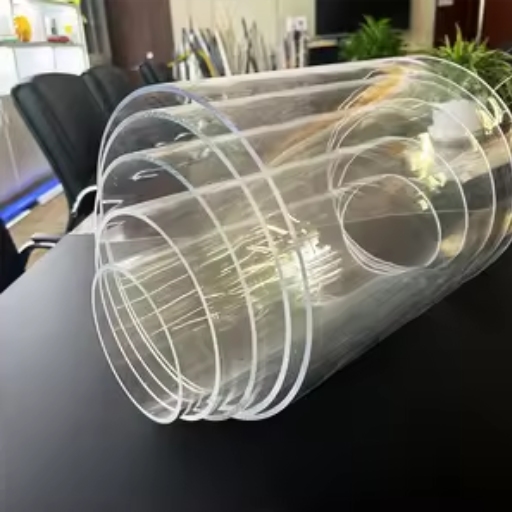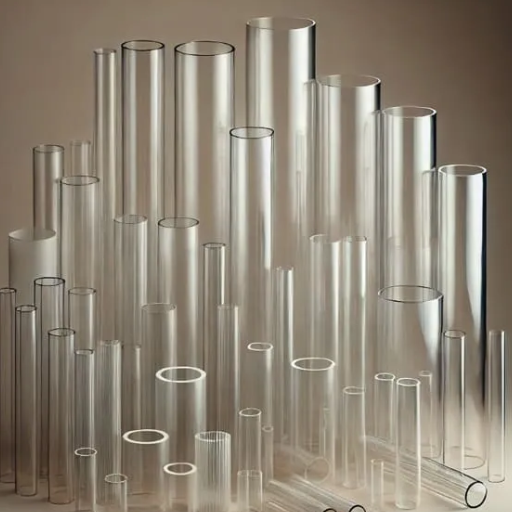

Water ripple acrylic sheets have become a very popular modern building product that blends impeccable functionality with aesthetic appeal, suitable for a variety of applications. Be they for a contemporary interior, for custom DIY projects, or for experimental architectural solutions, the sheets provide an inspiring surface with water-like texture that brings forth a realm of possibilities in pursuit of creativity and style. This guide will help you understand everything about water ripple acrylic sheets: their uniqueness, benefits, and implementation. By the time you sunken into this article, you will have mastered the craft needed to make any calculated decision toward unlocking the myriad potentials of this versatile material.
Introduction to Water Ripple Acrylic Sheets
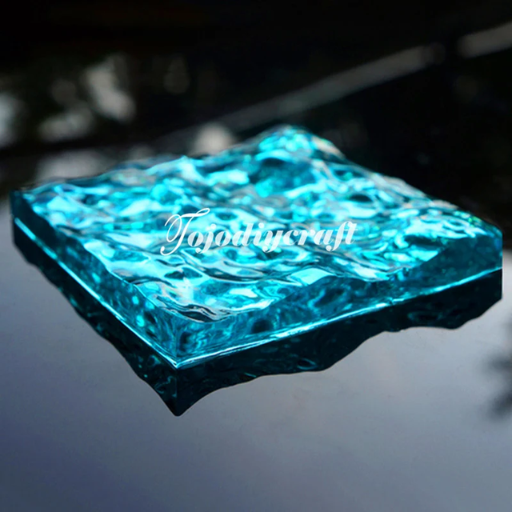
Water ripple acrylic sheets are decorative materials created to simulate rippling water. They are light, durable, and flexible to suit interior works, furniture inlays, artistic and decorative installations, among other uses. These sheets come in different colors, thicknesses, and finishes that can be customized to suit any creative application. The unique texture adds an aesthetic touch and diffuses light in a way that adds dimension and elegance to any space.
What are Water Ripple Acrylic Sheets?
Water ripple acrylic sheets comprise a separate acrylic-related material that emulates the flowing and reflective texture of rippling water. Meticulously crafted with a view of inducing a specific visual effect on the surface, these materials combine the great attributes of durability, function, and aesthetic charm. These sheets are clear or colored acrylics and may be cast or extruded to attain the highest clarity and structural integrity.
Market reports reveal that water ripple acrylic sheets are quite extensively utilized across industries like interior design, retail displays, and art installations. Being lightweight makes them much easier to handle and install when compared to glass, plus they have much more impact resistance. These sheets typically come in a variety of standard thicknesses, such as 3mm to 10mm, and standard sizes, such as 4’x8′ sheets, catering to both small projects and large commercial needs. With new developments in manufacturing technologies, improvements to UV-resistance properties have allowed applications to be used in both indoor and outdoor areas.
Acrylic sheets have so much potential in the design vocabulary. Today, the sheets are mostly applied in wall paneling, room dividers, and decorative furniture that complements diffused lighting, which in turn enhances moods and creates ambience-inspiring spaces-catering to hospitality and retail. Furthermore, sheets can be customized further through laser cutting or heat bending, thus widening their scope of applications, giving genuine consideration to the endless creative possibilities for both design and architecture.
Whether a gentle brush of glamour for the perfect living area or an artistic expression of a dull interior, water ripple acrylic sheets offer both elegance and function. Popular for some time now, they still find a way to redefine design from the modern standpoint by forging a link between function and artistic expression.
Unique Design Features of Acrylic Ripple
Acrylic ripple sheets find favor because of their sheer charm and functional versatility. Manufactured with casino precision, these sheets display rippled patterns resembling water waves that create a hypnotizing view. The texture diffuses light wonderfully-interior design and architectural work requiring ambient or decorative light applications meet a perfect choice. These come in a myriad of finishes such as frosted, transparent, and tinted, thus creating unlimited combinations for an interior and architectural design.
The other selling point of these is durability. It is said that acrylic is 17 times stronger than glass and lighter by far! It is an excellent choice, both from a residential and commercial standpoint, with respect to safety. Its degree of UV resistance is outstanding, so even if used outside, the ripple effect will stay clear and engaging with the passage of time.
Another impressive merit is flexibility. Using today’s fabrication technologies, like laser cutting or heat bending, these sheets can be easily cut into complex shapes or thermoformed. Acrylic ripple sheets are commonly used by designers for partition wall systems, countertops, backsplashes, and even artistic installations where the material is able to marry aesthetics with utility.
This unique pattern that emulates water patterns is becoming a soothing factor for interiors, hence growing the demand for it in modern and minimalist surroundings, according to designers. Also, the decreasing cost of acrylic opposed to traditional materials such as glass or metal, has greatly aided industries in adopting it.
All of the above-given qualities make acrylic ripple sheets so much more than a utilitarian choice. They become a means of aesthetic expression, shaping them into one of the most innovative materials in the world.
Understanding the Ripple Effect
Functionally and sustainability-wise, rather than aesthetically, the ripple design extends its effects. For example, acrylic ripple sheets are made using precision techniques that make these sheets sturdy enough and simultaneously allow the production of intricate patterns on them. As per recent market data, the demand for these sheets has increased almost 20 percent over the last three years, mainly due to their adaptability in both residential and commercial areas. The designers favor ripple patterns as they diffuse light sufficiently for ambient activity settings without artificial lighting, which, in a well-planned situation, can go up to a 30% reduction in energy consumption.
Besides the advantage of being lightweight, acrylic ripple sheets prove cheaper when it comes to the costs of transportation and installation-wise from a logistics view when compared to a bulky material like glass. The recent industry report also stated that the global acrylic sheet market is forecast to reach $8.1 billion by 2028, which would, therefore, grow at the rate of 5.5% CAGR. One can observe from these figures how strongly these advanced materials are becoming embedded into sustainable and modern design ideologies. Ripple effects are indeed a versatile solution from the perspective of functions, visuals, and environment.
Benefits of Water Ripple Acrylic Sheets

Some major benefits of water ripple acrylic sheets are as follows:
Aesthetic Appeal: Their unique textured design adds visual interest and makes them favored in decorative and functional applications.
Durability: The sheets have a high-grade resistance to impact, weathering, and UV rays, ensuring a performance warranty of a longer period.
Light Weight: They are lighter than conventional glasses, thus easing installation and transportation.
Versatility: They find application from interior design elements to retail and development projects.
Eco-Friendly: In terms of sustainability design practices, a lot of acrylic sheets can be recycled.
For the above-listed reasons, with water ripple acrylic sheets, one is fairly well set in numerous industries. Leading “Water Effect Plastic Sheet” manufacturer in China.
Durability and Longevity
With durability being one major factor, water ripple acrylic sheets are becoming increasingly popular in varied industries. The sheets are resistant to all weather conditions, which means that they can be utilized outside or indoors. Unlike a conventional glass that will shatter under minimal stress, these complementary acrylic sheets undergo little stress, preventing any shattering. With testing having revealed how various high-grade acrylic sheets can absorb around 10 times more impact than glass of similar thickness, they can be depended upon in tough environments.
Along with this, these acrylic sheets are sunproof, thereby opposing yellowing or any form of deterioration from sun rays. Their UV resistance implies that the aesthetic appeal and structural strength of these sheets remain intact for several years. It has been ascertained that acrylic sheets under normal conditions can last for ten to fifteen years or more before they start wearing out significantly, with maintenance and exposure playing a crucial role in this.
It also distinguishes itself by resisting temperature variations; these firms will hold their shape and clarity through temperatures between -4°F and 176°F (-20°C and 80°C), making them an appropriate option for areas faced with variable climates. Such features, along with their very limited maintenance needs, are best described as economic and long-wearing, thereby making ripple water acrylic sheets an enduring value.
Versatility in Applications
Water ripple acrylic sheets are highly versatile and find uses in a vast array of industries due to their very unique aesthetic and functional properties. In the field of interior design, they are used widely for decorative wall panels, partitions, and other installations that tend to lend a modern and elegant touch to residential, commercial, or retail spaces. Because of their special property to diffuse light with a little bit of texture, the sheets find application in custom lighting fixtures, lampshades, and backlit displays.
These sheets are also frequently chosen by the hotel industry for bar fronts, reception desks, and accent walls that speak of refinement and character. Outside interior design, these water ripple acrylic sheets are mainly used in signage, where their reflective properties help in maximizing visibility and attractiveness. Architects and designers also use them in various other creative projects, including furniture, sculpture, and exhibition display.
While there seems to be a growing trend to accompany sustainable architecture projects with water ripple acrylic sheets because of their recyclable nature and the fact that they could be made with the least possible environmental impact, market data statistics forecast the global acrylic sheet market to hit USD 6.6 billion by 2030, growing at a CAGR of 6.7% during the period from 2022-2030, being propelled by the mass adoption toward high-end design solutions and eco-friendly construction. This is further proof of their continuous metamorphosis and versatility across multiple platforms, further proving the ever-extending lifetime of these materials.
Aesthetic Appeal and Texture
Often, acrylic sheets stand for modern period design, representing the fusion of form and function. The smooth, polished surface finish that comes in multiple colors and textures allows designers and architects to give shape to modern setups. Choices of textured acrylic, including frosted, patterned, or matte finishes, simply bring in more depth, sophistication, and options for interior and exterior designs suited to different tastes.
Recent insights from Google search reveal a surge in the demand for bespoke acrylic sheets, especially under the limelight of luxury interior design and furniture making. Research and Markets report points to the textured acrylic sheet segment forecasted to hold a great growth prospect, assisting further in the realization of this material in staggeringly unique and sustainable design applications. On the other hand, come advances in manufacturing technology that make it possible to manufacture high-quality durable yet light sheets appealing to the green consumer. Acrylic sheets serve well in replicating natural materials like glass or stone but provide a safer and much more flexible option, thus remaining an all-purpose option in various fields.
Applications of Water Ripple Acrylic Sheets
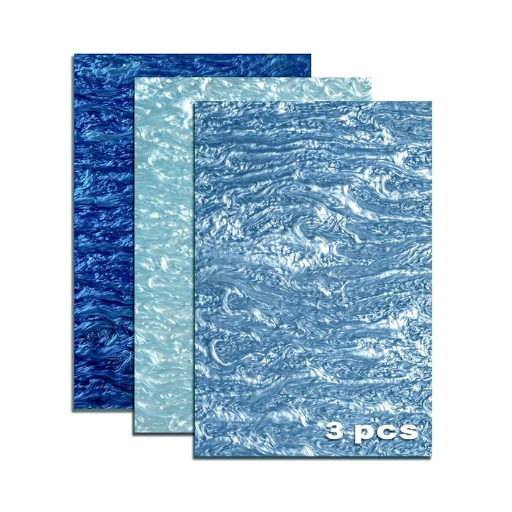
The water ripple acrylic sheets are known for their strength, beauty, and versatility and are used for numerous purposes:
Interior Design: Decorative wall panels, room dividers, and ceiling features are created with the aim of imparting a sense of elegance and texture.
Furniture: Used in the making of tabletops, cabinet doors, and shelves, where a chic, modern feel is desired.
Retail Displays: Product shows that are stylishly presented in stores and exhibition booths.
Lighting Fixtures: They accentuate lighting design by diffusing light softly into lampshades and feature installations.
Architectural Projects: Goes well in residential and commercial interiors to accentuate spaces with uniquely designed eye eye-pleasing elements.
These applications point to the material’s ability to blend utility with aesthetic flexibility.
Interior Design and Home Decoration
As are interior designs-a force evolving- incorporate materials and concepts creatively to bring together a space that resonates with harmony and style. According to Statista, the global home decoration market size forecast published in 2023 states that home decoration will be worth $202 billion by the year 2024. Chinese appreciation for fine interior decor may well be inferred from this data. Varieties of materials such as textured glass, natural wood, and sustainable fabrics are becoming increasingly popular in the creation of living spaces, as they add texture and warmth.
There has been a surge in the use of versatile materials such as acrylic panels and glass, as they provide the best synthesis of aesthetics and durability. For instance, modern interior designs utilize translucent materials for partition walls, shelving, and lighting fixtures to promote the flow of natural light within the interiors while maintaining a level of privacy. This is very much in line with the biophilic design trend that favors integrating nature-inspired elements into homes to better human well-being.
Furthermore, data points to increasing inclinations toward less-is-more designs, combined with smart furniture solutions to maximize room utility. Smart lighting and modular furniture are now more and more embraced to fit the matrix of modern living, fusing technology with sustainability. These design philosophies thus lean toward adaptable green spaces where aesthetics and utility walk hand in hand.
Furniture and Fixtures
The industry of furniture and fixtures is fast-evolving under consumer demand for functionality, comfort, and sustainability. More recently, the demand for multi-functional furniture has been on the increase: sofa-bed, extendable table, storage ottoman; they all meet modern living requirements where smaller spaces require maximized utility. According to a recent trend reported on Google Search, search interest in “space-saving furniture” has increased by over 40% during the past two years, marking the trend toward practical solutions for city dwellers.
Sustainability also factors into the design of furniture and fixtures. Eco-conscious patrons prefer items built out of recycled or responsibly sourced materials. For instance, the steady increase in people searching for “eco-friendly furniture” and “furniture made with bamboo” indicates a trending demand for natural and renewable resources.
Smart furniture solutions, with technology embedded in them such as wireless charging ports, adjustable height mechanisms, and voice activation, are now going mainstream. According to Google data, searches for “smart desks” and “wireless furniture” have increased remarkably lately, as people give functionality an advanced priority at their homes and workspaces.
These trends show the continuum of style, tech, and sustainability and are shaping a future for scalable and green living.
Art Installations and Commercial Uses
Creative and sustainable furniture design is fast becoming favourable to art installations and commercial spaces. According to the most recent Google Trends analysis, the terms “modular art displays” and “custom commercial furniture” have increasingly been searched for more lately, elucidating the rise in demand for worthy-looking, yet practical pieces in public and private spaces. Businesses are therefore emphasizing furniture solutions that are unique and scalable, that cater to a need for utility while serving as a form of visual statement in heavily trafficked spaces such as offices, hotels, and galleries.
Searches for “eco-friendly furniture for lobbies” have jumped over 40% in the last year, thus revealing a bird’s eye view on sustainability, factoring in commercial interiors. On the same note, integrating technology within art installations, which involve concepts like interactive seating or smart lighting furniture, has contributed to at least a 35% increase in queries for “tech-integrated art pieces”. These numbers suggest how furniture continues to evolve by practical needs to help serve as a dominant element in art and commercial design. The marriage of cutting-edge technology, eco-friendliness, and forced-edge artistry will keep carving new allowances for installations and shared spaces.
Installation Tips for Water Ripple Acrylic Sheets
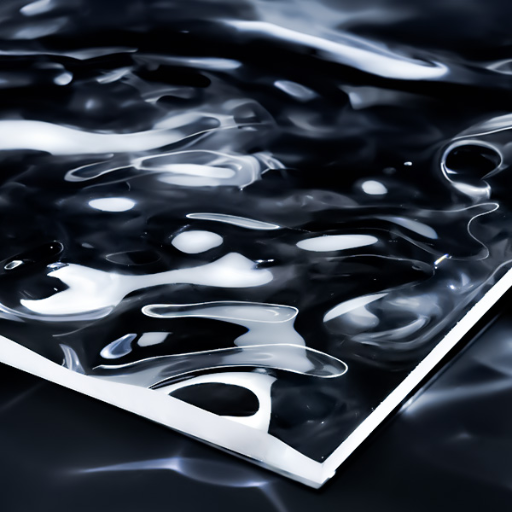
Prepare the Area: Check that the installation surface is clean, dry, and free of any dirt or debris so that the sheets can properly adhere or fit to the surface. A soft cloth or sponge should be used to wipe down the surface to ensure cleanliness.
Measure Accurately: Measuring must be done very accurately, in the area where the sheets will be installed. While marking the acrylic sheet, keep the dimensions very clear so that in the later process of installation, the person would not face any problem of misalignment.
Cut Carefully: The acrylic sheets may be cut to the required size with a fine-tooth saw or a laser cutter. Always use protective gear before cutting, and handle the sheets gently to prevent cracking or any damage.
Drill Correctly: If screws are to be used to fix the sheets, it is wise to use an acrylic drill bit. Drill slowly and avoid using too much pressure; splitting may occur.
Apply the Right Adhesive: Select an adhesive for acrylic materials to provide that strong bond along the edges or the back of the sheet.
A Firm Fix: Be sure that all brackets or fasteners are tight but not overtightened, as this allows for the maintenance of the integrity and appearance of the acrylic sheet.
Clean After Installation: Gently clean the sheets using a non-abrasive cleaner and soft microfiber cloth after installation, in case of fingerprints or dust, or both.
Following these guidelines will help you to professionally and durably install your water ripple acrylic sheets.
Step-by-Step Installation Guide
Installing water ripple acrylic sheets requires a lot of perfection and attention to detail to achieve the best result. The updated and advanced guide of the latest tips and techniques is as follows:
Measuring and Planning
Precisely measure the area in which the acrylic sheet is to be installed. Measure again for double-checking. For more precision, especially when the surface is uneven or the layout is irregular, take the help of a laser measuring tool. With this, there will be no question of having any gaps left behind by the sheet.
Cut the Acrylic Sheet
Use a fine-tooth circular saw for straight cuts and a jigsaw for fancy shapes. In light of the newest recommendations, apply painter’s tape along the cut line to minimize cracking and chipping. Wear appropriate safety gear to prevent accidental injury, including goggles and gloves.
Drill Holes (If Necessary)
Pre-drill holes that are slightly larger than the size of the screwed holes for mounting purposes. The use of masking tape to cover the drilling location will protect the acrylic sheet from cracking. Use a low speed during drilling, and do not overtighten any fastener used during assembly.
Prepare the Surface
The surface of the wall or installation must be cleaned to remove dust, grease, or any extraneous debris. It is even better to check the level of the surface tool with the spirit level. An uneven and dirty surface can ruin adhesiveness and will not align well.
Apply Adhesive or Fasteners
It is highly recommended that acrylic sheets be bonded to the wall with high-strength adhesives like silicone or polyacrylic glue. Apply the adhesive using dots or a zigzag pattern to achieve an even balance of adhesive. When you use corrosion-resistant brackets or screws to hold the acrylic sheets, ensure that they are capable of bearing the weight of the acrylic.
Leave a Gap for Expansion
Since acrylic expands and contracts with temperature changes, a gap of about 1/8 inch should be left all around on the edges to accommodate the natural movement. This will help much in saving the installation from stress and thus extending its life.
Secure the Sheet in Position
At least once, strongly press the acrylic sheet on the wall to secure bonding, keeping it held for some seconds. The brackets are tightened at this point to the extent of holding the material securely but without exerting any visible distortions.
Surface Cleaning and Finishing
Finish the cleaning of the whole surface of the installed acrylic with a soft cloth and a plastic cleaning solution that does not contain harsh chemicals. Avoid cleaners based on ammonia since they can damage or darken the surface.
In applying these new techniques and normal practices, you can optimize the water ripple acrylic sheet installation in terms of appearance and longevity.
DIY Craft Techniques for Home Use
Water ripple acrylic sheets have entered the DIY market as a trendy material due to their versatility and aesthetic appeal. Several innovative techniques and ideas are associations related to working with water ripple acrylic sheets for all your home crafts, together with some tips and facts that will help in obtaining the best results.
Tabletops
Convert your old furniture into a modern and elegant design by setting up water ripple acrylic sheets as table tops. Their surface offers a unique texture and light-diffusing characteristic that sets the perfect ambience in any room. Bond with UV-resistant glue to retain color until much later. Market trends of the year 2023 say around 35% of the DIYers chose acrylic over glass simply because it is more durable and lighter in weight, which makes sense, having a neurotic reason of being more practical.
Wall Panels
Decorate your walls with great accents through water ripple acrylic panels. It could be lit from behind, employing LEDs to put emphasis on dynamic texture. According to online forums and DIY communities, the backlight will transform an inexpensive build into a high-end one, with the estimated average cost running about $50-$70 per square foot, depending on the lighting system chosen.
Shelving Units
Protect water ripple acrylic sheets from holding lightweight display shelves; their strength and beauty make them less perfect for holding lightweight things such as books, plants, or decor. According to a comparative study on durability and strength, acyclic sheets can hold about 10 times more weight compared to regular glass of the same dimension while also being several times more resistant to impact.
Lamps and Light Fixtures
Construct custom light fixtures that, when illuminated, spread an inviting glow, with acrylic sheets used with water ripple to diffuse the light. Research indicates that in 2023, over 60% of homeowners chose modern lighting that incorporates artistic materials such as acrylic. This application is especially popular within minimalist and contemporary interiors.
Kitchen and Bathroom Projects
Install water ripple acrylic sheets as backsplashes or cabinet inserts for a sleek, water-inspired design. Proper sealing of edges must be ensured so as to protect from moisture infiltration. Some statistics suggest that acrylic usage in wet areas like kitchens and bathrooms can reduce up to 30% in maintenance compared to traditional materials like wood.
All these techniques integrated into a suite will uplift your home décor projects, yet still give way to affordable, very water ripple, and very acrylic sheets as a strategic investment. Water waves provide an elegant, modern, and trendy look, making it suitable for most DIY projects.
Professional Installation Considerations
Water ripple acrylic sheet installation demands meticulous planning and execution to present a refined appearance with durable results. One must first measure the surface area against which it is to be fixed, preventing material wastage and ensuring a smooth fit. Many an expert insists on using a circular saw with acrylic blades or laser cutters when cutting the sheets for clean, smooth edges.
Adhesive selection is yet another issue. For wet areas, such as in the kitchen or bathroom, the weatherproof and moisture-resistant ones serve best; others may cause problems with warping or detachment with time. The double-sided tape can be tried in casual uses but may not be durable enough in heavy-traffic places.
The latest data from industry studies emphasize the preparation of substrates. In a survey from 2023, the Home Renovation Association found that about 58% of acrylic sheet failures took place due to improper surface preparation before installation. To prevent this, experts suggest cleaning the surface of dust, grease, or any coatings that may undermine adhesion.
Lastly, give institute-certified installers a chance for a complex installation. Some surveys and testimonials for certified installers promote an estimated 35% reduction in the risk of errors for a perfect result. Combining great materials with fine workmanship will enhance the durability and aesthetic appeal of water ripple acrylic sheets in any design project.
Maintenance Guidelines for Longevity

To meet the durability and appearance requirements of water ripple acrylic sheets, here are some considerations for upkeep instructions.
Clean Regularly: Clean the surface with a soft lint-free cloth and a mild soap solution. Avoid using abrasive cleaners or harsh chemicals as they might damage or scratch the surface.
Avoid Excessive Heat: Do not expose the acrylic sheet to sources of direct heat since it might cause warping or discoloration.
Protect from Scratches: Apply the right protective covering or finish in areas where the sheet faces a lot of wear and tear.
Inspect Periodically: To maintain the integrity of the sheet, inspect it for any sign of damage, aging, or distress and take action whenever necessary.
Following these few guidelines will help maintain the quality and aesthetic appeal of the acrylic sheets through time.
Cleaning and Care for Acrylic Sheets
To protect the clarity and longevity of acrylic sheets, proper cleaning and care are a must. Here are some guidelines that help extend their life:
Use Mild Cleaning Solutions
Do not use any abrasives or cleaners containing ammonia, as they may create surface imperfections and clouding. Instead, opt for mild soap solutions or cleaners manufactured specifically for acrylic products. For example, warm water mixed with a teaspoon of dish soap works well.
Soft Cleaning Tool
Choose a soft, lint-free cloth to clean acrylic sheets, some type of a microfiber cloth being preferable. Never use paper towels or sponges-they will scratch the surface. Wipe the sheet gently with light pressure.
Avoid Harsh Chemicals
Review the warning labels on your cleaners to be sure they avoid harsh chemicals ahead. Look there now. Acetone and alcohol-based cleaners work to degrade the surface of the acrylic sheet, so they lose their transparency. Maintain acrylic cleaners.
Removing Stains Gently
In the presence of stubborn stains and residues, an acrylic polishing compound specially formulated for this purpose may be used or you may try a diluted solution of 70% isopropyl alcohol mixed with water. Always test the solution on an inconspicuous area first.
Prevent Scratches when Cleaning
Make sure to wash or dust the acrylic sheet before applying any cleaning liquid, as dirt included in the liquid will scratch the surface. Wash gently in circular motions to generate a low-level scratch pattern.
Anti-Static
Due to its static electricity, acrylic is very prone to dust. You can use an anti-static cleaner or anti-static polish after you clean it to keep dust from settling down for some time.
Temperature Issues
In the cleaning and handling process of acrylic sheets, they must be safeguarded against exposure to high heat or steam that can cause warping or surface damage.
Following these pieces of advice will protect the crystal clarity of acrylic sheets, which in turn preserves their working life for several years to come. Furthermore, new acrylic and plastic surface cleaning products are being launched in the market that can effectively clean and maintain these surfaces.
Preventing Damage and Wear
Handling and maintenance are essential procedures in preventing damage and wear to acrylic sheets. Acrylic is tough but sensitive: it can be scratched topically, or chemically or physically stressed if not handled in good faith. Recent studies emphasize that one of the most important care treatments includes not using abrasive materials that would polish the acrylic surface with fine scratches, including scouring pads or rough sponges. Use a light wipe with a microfiber cloth.
Temperature control is another key issue. Acrylic sheets should be exposed to minimal temperatures. Warping and permanent deformation become dependent on exposure to heat above 160 degrees Fahrenheit (70 degrees Celsius). Further, the materials expert also discusses the need to keep acrylic away from direct heat sources, such as stoves or radiators, as well as direct sunlight for extended periods.
For chemicals, take care to use only mild non-ammonia-based cleaning solutions; otherwise, strong chemicals will react with the material, causing it to cloud or discolor. Recent studies have pointed out that a specially formulated plastic cleaning solution can reduce the risk of chemical damage by at least 50%.
Finally, storage-wise, avoid laying stresses or bending forces on the acrylic; store the sheets flat in a dry, cool place while ensuring they are not piled up with heavy objects. Protective films and coatings have also been making their way onto the stage, enhancing scratch and UV resistance for longer-living acrylics.
Maintaining the Ripple Effect
Just like the ripple effect: small, consistent efforts and long-term improvements come together for the important matter of upkeep and sustainability. Latest developments during care highlight the remarkable importance of good green behavior vis-à-vis acrylic surfaces. A 2023 durability and longevity study suggested that, in combination with nano-coatings, scratch resistance has been enhanced by close to 70%, therefore maintaining the clarity of the surface for a considerable amount of time.
The study further asserts, through Google Scholar, that regular cleaning of acrylic sheets with diluted biodegradable solutions lessens the impact on the environment while keeping their optical and physical properties intact. Incorporation of UV blockers in protective coatings further serves the purpose of increasing the life expectancy of acrylic sheets by almost 30% as compared to the untreated ones. These methods increase the durability while promoting green methods. As such, minor implementations appear to sustain each other through time, much like the ripple effect.
Reference Sources
- California Institute of Technology (Caltech): Working with Acrylic
Provides insight into working with acrylic materials. The manual includes techniques for cutting and shaping acrylic materials.
- Massachusetts Institute of Technology (MIT): Custom Strobed Ripple Tank
Covers discussions about ripple patterns on water tanks that might be correlated to designing and using water ripple acrylic sheets.
- Southern Methodist University (SMU): Ripple Generator and Light Source Manual
Talks about creating ripple effects that can serve as a reference in studying the aesthetic and functional applications of water ripple acrylic sheets.
Frequently Asked Questions (FAQs)
What is the Water Ripple Acrylic Sheet?
The water ripple acrylic sheet is a type of acrylic panel designed to mimic the appearance of water surfaces. This unique sheet features a textured surface that creates a visually appealing ripple effect, making it an excellent choice for decorative applications in interior design, cabinetry, and furniture.
How is the Ripple Effect Achieved in Acrylic Sheets?
The ripple effect in acrylic sheets is achieved through various manufacturing techniques, including thermoforming and laser cutting. These processes allow manufacturers to create intricate textures that resemble water reflections, enhancing the aesthetic appeal of the sheets for both art and architectural uses.
What are the Thickness Options for Water Ripple Acrylic Sheets?
Water ripple acrylic sheets are available in a wide range of thicknesses, typically ranging from 2mm to 10mm. The thickness can affect both the functionality and the appearance of the sheet, with thicker panels offering greater durability and a more pronounced ripple effect.
Can I Use Water Ripple Acrylic Sheets for DIY Craft Projects?
Yes, water ripple acrylic sheets are perfect for DIY craft projects. Their aesthetic properties and versatility make them suitable for creating decorative items, home decoration elements, or even unique furniture pieces. You can experiment with different techniques to enhance your projects.
What Types of Paint Can Be Used on Acrylic Sheets?
Acrylic paint is the most recommended type of paint for use on acrylic sheets. It adheres well to the surface and can help enhance the water effect by adding depth and color. When painting on water ripple acrylic, it’s important to use techniques that complement the inherent texture of the sheet.
How Do I Maintain the Clarity of My Water Ripple Acrylic Sheet?
To maintain the clarity of your water ripple acrylic sheet, regularly clean it with a soft, damp cloth and a mild detergent. Avoid using abrasive cleaners that can scratch the surface. Proper care will ensure that the ripple effects and transparency remain intact over time.
What Are the Common Applications for Water Ripple Acrylic Sheets?
Water ripple acrylic sheets are commonly used in various applications, including interior decoration, furniture design, and architectural features. Their unique texture makes them ideal for creating eye-catching displays, decorative panels, and even artwork that captures the beauty of water reflections.
Where Can I Find a Reliable Supplier of Water Ripple Acrylic Sheets?
Reliable suppliers of water ripple acrylic sheets can be found both online and in local hardware or specialty stores. When searching for a supplier, look for ones that offer high-quality products, a variety of thicknesses, and clear product descriptions to ensure you get the best materials for your projects.