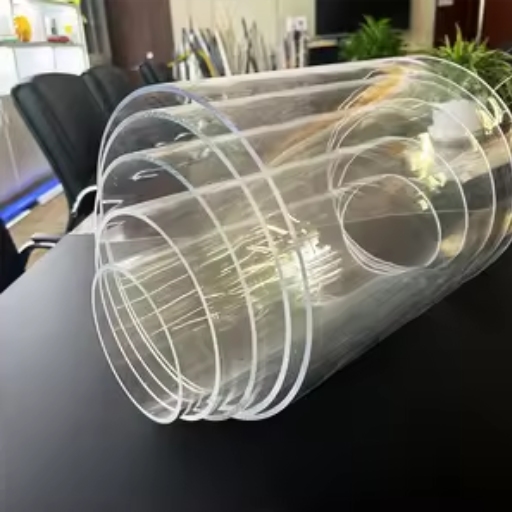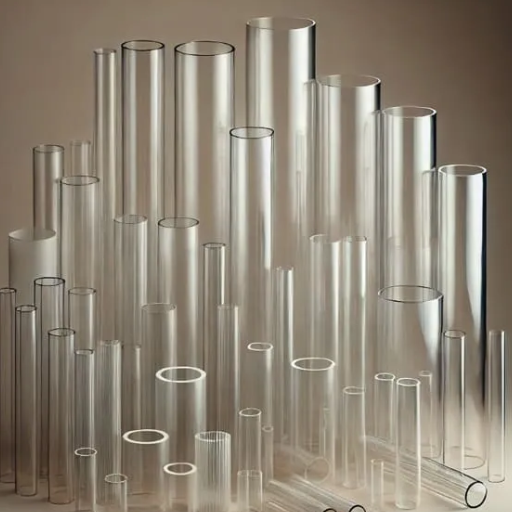

Molding acrylic is an all-important process considered versatile and having myriad applications within industries such as manufacturing, art, and design. Whether professional or hobbyist, fitting the basics of acrylic molding and casting will spell precision and durability in the end. This guide hopes to demystify the technicalities while guiding you through the tools, techniques, and best practices in acrylic molding. From learning temperature control to choosing the right mold for your project, this article is a full roadmap that will take you from raw acrylic to breathtaking functional designs. Prepare to add new skills and take full advantage of this wonderful material.
Introduction to Acrylic Material
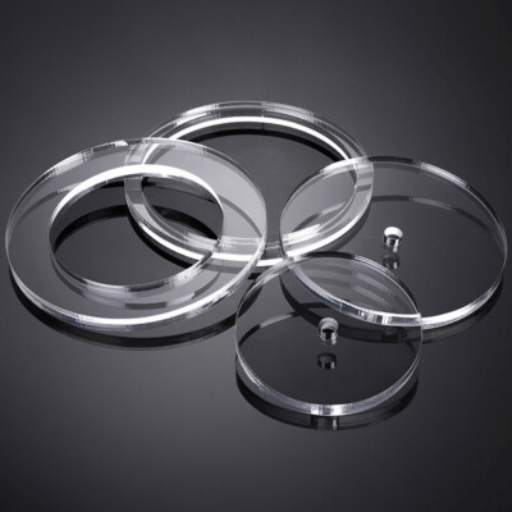
Acrylic is a multipurpose thermoplastic material used chiefly for its durability, clarity, and lightness. The alternative to glass, acrylic is superior in terms of impact resistance, for instance, and does provide the ease of being shaped and fabricated into moulds. It sells in sheets, rods, and tubes and is used for applications in architectural projects, crafting, and industrial design. An added benefit of acrylic is its resistance to weathering and UV rays, which ensures the maintenance of appearance and performance over time.
What is Acrylic?
PMMA is a transparent thermoplastic material that is widely used as a lightweight and shatter-resistant alternative to glass. It is strong yet clear and highly versatile, with the consequence being that some of its uses include windows, displays, signage, and protective barriers. With acrylic, the weathering, UV light, and impact resistance serve to maintain durability even in abusive environments.
Properties of Acrylic Sheets
- ✓
Lightweight: Acrylic sheets are significantly lighter than glass, making them easier to handle and install.
- ✓
High Transparency: They offer exceptional optical clarity, transmitting up to 92% of visible light.
- ✓
Impact Resistance: Acrylic is much more impact-resistant than glass, reducing the likelihood of breakage.
- ✓
Weather Resistance: Acrylic sheets exhibit excellent performance under prolonged exposure to sunlight and outdoor conditions, remaining unaffected by yellowing or degradation.
- ✓
Versatility: They are easily cut, shaped, and machined, depending on various design and functional requirements.
Common Uses of Molded Acrylic
Signage
It finds application in molded acrylic for illuminated signs, displays, and advertisement boards because of its clarity and durability.
Aerospace Components
Acrylic windows stand as a Replacement for all other window materials in the aeronautics field, offering both strength and lightweight properties as canopy and instrument covers.
Architectural Applications
Skylighting, window partitions, and protective barriers are made from this acrylic due to its potential for weather resistance.
Automotive Industry
Used for headlamp covers and for interior trim, where the acrylic is preferred for impact and aesthetic.
Medical Devices
Acrylics are used for safety shields and in incubators and other types of medical equipment where optical clarity and reliability are crucial.
Tools Required for Molding Acrylic
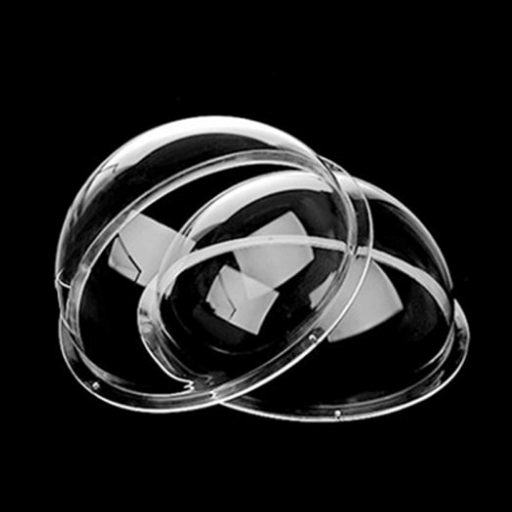
Essential Tools for Molding
- Heat Gun or Oven: A heat gun or oven can be used to melt acrylic, allowing for easier shaping and fabrication.
- Mold or Form: Used to shape the heated acrylic into the desired configuration.
- Clamps: To secure the acrylic in place while it cools and hardens.
- Protective Gear: Such as safety gloves and goggles to ensure safe handling of heated materials.
- Cutting Tools: Including saws or laser cutters for precise shaping before or after molding.
Recommended Safety Equipment
When working with acrylic materials, using the correct safety equipment is essential to prevent injuries or harmful exposure. Recommended safety gear includes:
⚠️ Important: Always store safety equipment in a clean and accessible location. Maintaining these tools in good condition ensures optimal performance and long-term protection.
Best Molding Materials and Supplies
Selecting molding materials and supplies carefully ensures durability, precision, and efficiency in a manufacturing application or craft. Some materials and their uses include:
Silicone
Silicone rubber performs well and can stretch due to its maximum flexibility. It is very durable, partly heat-resistant, and particularly suitable for more complex types and some higher-temperature casting processes. Silicone materials possess non-stick properties that facilitate demolding with minimal residue, especially when food-grade or medical-grade moldings are involved.
Epoxy Resins
The most common application is the combination of epoxy with acrylic, wherein acrylic shapes are used as form models. Epoxy resins are helpful when a smooth finish is required, especially with molds that have great structural integrity. They adhere well and are highly resistant to moisture and chemicals. These properties make epoxy resins well-suited for prototype making and industrial-grade part applications.
Polyurethane
This type of polyurethane is known for its versatility and is therefore usable in many areas, ranging from soft, flexible molds to rigid, high-strength ones. It provides fast curing and excellent wear resistance; thus, industrial and artistic projects heavily rely on it.
Thermoplastics
Thermoplastics, such as acrylic, are heated within a mold and shaped using processes like compression or heating inside an oven. ABS, polycarbonate, and PETG structures that use injection molding often use these types of materials. Such materials offer benefits such as toughness and dimensional stability; however, the main advantage is that they can be melted and reshaped, resulting in a highly efficient process that generates less material waste.
Plaster and Gypsum
In sculptural jobs and low-temperature applications, plaster and gypsum are very cheap materials to consider using. They are easy to handle while maintaining a very low detail level in molds. Typically, due to their fragility, they are not suitable for repeated use or mass production.
Mold Release Agents
A clean separation between the mold and the casting material is achieved by applying a mold-release agent, such as a silicone spray, wax, or a water-based agent. These products help reduce surface imperfections and extend mold life.
💡 Pro Tip: When selecting molding materials and supplies, consider temperature resistance, flexibility, and longevity in relation to the specific application. Also, Material Safety Data Sheets (MSDS) should always be consulted to ensure the materials are properly handled and stored for maximum efficiency and safety.
Step-by-Step Molding Process
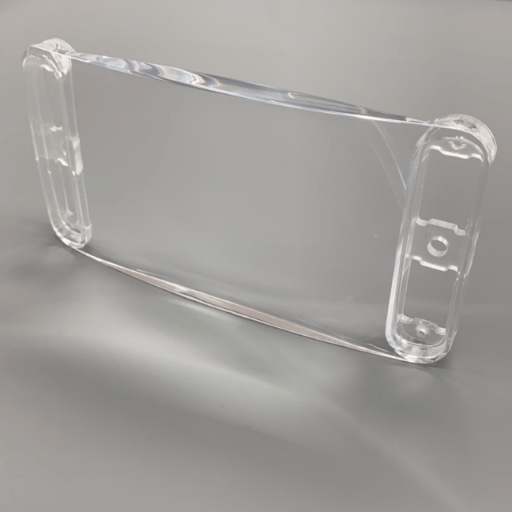
Preparing Your Acrylic Sheet
Proper preparation of an acrylic sheet is essential to ensure flawless molding and achieve the highest-quality output. First, begin by cleaning the acrylic sheet with a lint-free cloth and a mild cleaning solution to remove dirt, grease, and debris. This ensures that no contaminants interfere with the molding process. Use a ruler and a precision cutter to measure and cut the sheet according to the required dimensions. When making cuts, ensure smooth, even edges to prevent stress fractures during molding.
🌡️ Temperature Management Guidelines
Temperature management is an essential consideration in acrylic preparation. Acrylic softens within its glass transition temperature, which is typically located between 160°C and 190°C (320°F to 374°F), depending on the material grade. The heat source used must be appropriately calibrated; even heat distribution is crucial. Carelessness in heat application, leading to overheating, will cause bubbles or discoloration on the material.
Safety reminder: Always wear protective gloves and goggles during preparation to prevent injuries from the sharp edges of heated materials. Properly prepared acrylic sheets provide maximum durability after shaping or molding, while also allowing for precise shaping, thereby minimizing production errors.
Heat Techniques for Bending Acrylic
To bend acrylic successfully, heat must be applied just enough to make the material pliable, but it should never be so much that it damages the acrylic. The most efficient method of bending acrylic is via strip heating, whereby heat is applied to a very narrow strip of the acrylic sheet. This allows the sheet to be bent with precision, forming clean and sharp lines, which are primarily required in mould-making. For larger seats or complex, curved acrylic shapes, convection ovens enable even and uniform heat application.
Optimal Temperature Range
The optimum temperature range for bending acrylic is typically between 300°F and 350°F (149°C to 177°C), avoiding temperatures above this range to reduce the risk of burning or bubbling.
Heating Time Guidelines
A standard 1/8-inch (3 mm) thick acrylic sheet typically requires 5 to 10 minutes of heating to melt, while thicker sheets may require extended periods for proper shaping.
⚡ Critical Cooling Process
Post-heat treatment, a gradual cooling is better since a sudden drop in temperature may result in stress cracks within the material. The recent advancements in temperature gauges, such as infrared thermometers, ensure uniformity in heating throughout the process to obtain professional results.
Creating a Mold for Casting
Making the mold is a crucial step that ensures the accuracy and integrity of the final product. Molds are typically formed using silicone, plaster, or high-grade resins, depending on the nature of their casting material and the level of detail desired. Silicone offers good flexibility for design purposes, particularly when more intricate details are involved. Meanwhile, plaster molds are often considered for simpler shapes or those intended for a one-time use during the casting process, primarily due to their cheapness.
🎯 Key Design Considerations
- Precise Measurements: It is essential to ensure proper dimensioning while maintaining correct alignment to prevent distortion or inaccuracy in the cast. Many producers utilize computer-aided design (CAD) software to create exact mold prototypes.
- Vulcanization Process: Temperatures ranging between 150 °F and 200 °F (65-93 °C) are commonly used to vulcanize silicone molds; this type of vulcanization imparts strength and allows for the mold’s longevity through repeated use.
- Proper Ventilation: The mold cavities should be vented to allow air to escape during the casting process, thereby minimizing imperfections such as bubbles or voids.
- Advanced Technology: Technologists in the field have introduced a 3D printing process in mold making. It allows for the easy creation of highly accurate and customized molds. Photopolymer resins are perceived to be one of the mold materials that can tolerate the rigors of high temperatures and high pressures, making them apt for industrial applications.
🔧 Maintenance Tip: Proper care and maintenance are important, such as thorough cleaning and storage in controlled environments, to have an extended life for molds and consistency in casting quality.
Safety Tips When Working with Acrylic
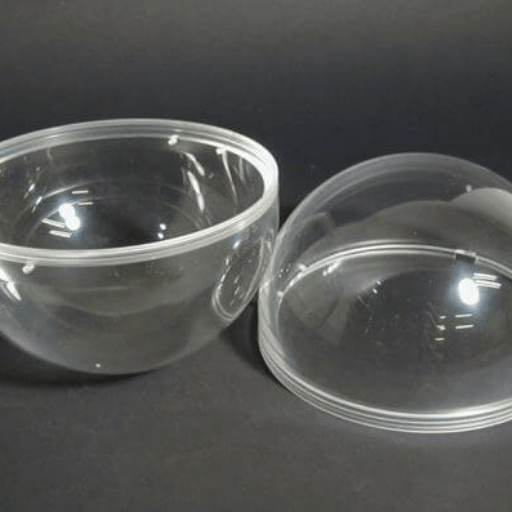
Proper Ventilation and Safety Gear
Proper ventilation while working with acrylic shall ensure air quality and minimize exposure to harmful fumes. A variety of VOCs and particulate matter are introduced into the air during acrylic-cutting, aero-cutting, aero-process, and thermoforming. To further avert these risks, one should work in the open with wind-assisted exhausted or fume extraction facilities capable of yielding at least 0.5 m/s in the vicinity of the work area.
🛡️ Essential Personal Protection
These precautions will go a long way in protecting one’s health and will help provide safer work surroundings when materials are being heated or formed into molds.
Handling Hot Acrylic Safely
When handling hot acrylic, it is essential to consider the thermal properties of this material and potential hazards. Acrylic typically softens around 320°F (160°C) and continues to melt as the temperature increases. Good ventilation is essential when heating, as the fumes may contain methyl methacrylate vapor that can irritate and be alarming in high concentrations.
⚠Safe Handling Procedures
- Heat-Resistant Gloves: Heat-resistant gloves should be worn at all times to prevent burns; however, it is essential to ensure that the gloves are rated for temperatures above the working temperature range of the acrylic.
- Specialized Tools: The use of tools like tongs or clamps is recommended when dealing with the material during heating or post-heating.
- Gradual Cooling: If mechanical shaping or forming of any kind is done upon hot acrylic, always ensure that the acrylic cools slowly since rapid cooling promotes internal stresses that may cause failure or cracking in service.
- Temperature Control: It is essential to maintain a careful temperature regime during heating, as excessive temperature can cause yellowing, deformation, or even burning. The use of a calibrated heat gun, oven, or strip heater designed for plastification purposes will, nonetheless, make all procedures safer and result in a better finished product.
By taking these precautions and maintaining a controlled environment, the risks associated with handling hot acrylic can be significantly mitigated.
First Aid for Acrylic-Related Injuries
When working with acrylic materials, injuries such as cuts, burns, or chemical irritations can occur. Prompt and appropriate first aid can reduce complications and promote healing.
🩹 Cuts and Abrasions
During handling of acrylic sheets, if the skin is cut or abraded, immediately wash the affected area with soap and water so as to avoid infection. Apply gentle pressure with sterile gauze to halt bleeding. Once blood flow has stopped, uncover the wound with a sterile bandage.
🔥 Burns from Heat Exposure
Contact may cause burns while handling hot acrylic or using heating tools.
For Minor Burns:
- Run cool (not cold) tap water over the burned area for at least 10 minutes to calm the pain and downplay the swelling
- One must never apply ice directly to the burn, as doing so may cause more damage to the skin
- Don’t apply excessive pressure to burns that must be loosely covered with sterile, nonstick bandages or clean cloth.
☁️ Chemical Irritation or Fume Exposure
This particular material may generate fumes, especially during cutting, welding, or heating processes. Overexposure can bring irritation to the eyes, skin, or respiratory manifestations.
| Exposure Type | First Aid Response |
|---|---|
| Skin Contact | Rinse the area thoroughly with water for 15-20 minutes |
| Eye Exposure | Flush with water for a minimum of 15 minutes while ensuring the eyelid remains open |
| Inhalation | Move to an area with fresh air and seek medical attention if symptoms (coughing, dizziness, difficulty breathing) persist |
📋 Important Reminder: Safety Reminder: Getting these first aid protocols clear, along with following the accepted safety rules when carrying out any acrylic work, goes a long way in lessening the risks of injury and ensuring a safe working environment. Keep a first aid kit fully equipped and an overview of its contents in mind for quick retrieval after an accident.
Creative Applications of Molded Acrylic
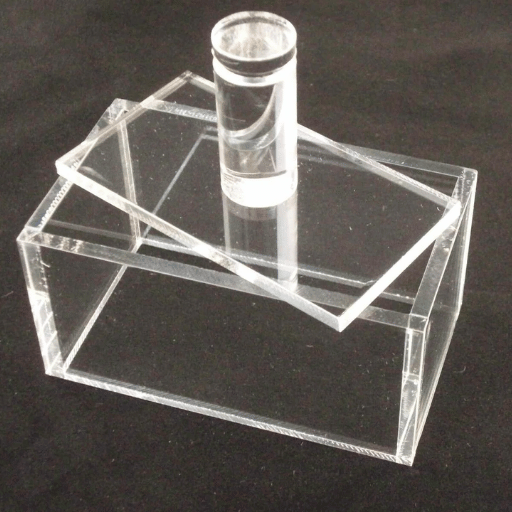
DIY Projects with Acrylic Molds
Acrylic molds are very versatile and precise, which is why they are popular for certain types of DIY projects. The most frequent uses include preparing custom resin artworks such as coasters, jewelry, and decorative ornaments. Acrylic molds offer a smooth surface that prevents the casting medium, such as epoxy resin, from sticking, thereby allowing for easy release of the cast. When such projects are undertaken, it is highly advisable to use the best molds, as the clarity and durability of the mold directly impact the quality of the end product.
🎨 Resin Art
Custom coasters, pendants, and ornamental furnishings can be created using smooth acrylic molds that facilitate easy release.
🏠 Home Décor
Design and make customized wall graphics, table inserts, soap trays, and plant pots from cut acrylic pieces.
🕯️ Candle Making
Molds made from heat-resistant acrylic can be used to create standard custom candles or food-safe projects, such as chocolates and cake decorations.
🪑 Furniture Design
Make custom pieces of furniture such as sleek tabletops or artistic cutouts of chairs with ergonomic curves.
✅ Best Practices for DIY Success
- Proper Measuring & Mixing: Ensure accurate measuring and mixing of casting materials to prevent air bubbles or imperfections in the finish.
- Workspace Ventilation: Ensure the workspace is well-ventilated and use personal protective equipment as necessary to prevent exposure to potentially harmful fumes, particularly when working with paints or during processes that release VOCs.
- Customization Options: Experiment with shapes, colors, and embedded elements such as dried flowers, glitter, or stones to elevate the aesthetic of any space.
- Quality Control: Utilize high-quality molds, as the clarity and durability of the mold directly impact the final product outcome.
With the right tools, safety protocols, and attention to detail, acrylic molds can help create stunning, long-lasting crafts that combine functionality and artistic flair.
Commercial Uses for Molded Acrylic
Molded acrylic is a versatile material widely used across various industries due to its durability, lightweight nature, and optical clarity. One prominent commercial application is in the fabrication of signage and displays. Businesses leverage molded acrylic for illuminated signage, retail fixtures, and point-of-sale displays because it offers high visibility and a polished, professional appearance. Additionally, its customization capabilities allow for tailored designs that align with branding requirements.
🏗️ Architectural & Construction
Molded acrylic is widely used for skylights, windows, and partitions. The impact resistance must be complemented by a UV-stable coating for an outdoor environment, allowing variables such as resilience and transparency to be efficiently considered. The material resembles glass, but it is lighter and stronger.
🔬 Medical Devices & Laboratory Equipment
Helping produce medical devices and laboratory equipment, molded acrylic is in high demand. Incubators, diagnostic instruments, and sterile environment display cases are compatible due to their non-reactive transparent qualities.
🚗 Automotive & Aerospace
In the automotive and aerospace industries, molded acrylic is utilized in applications where instrument panels and interior trim benefit from its strength and precision.
📊 Industry Growth Statistics
Driven by demand from particular markets, the global acrylic market is forecasted to grow at a CAGR of over 5% through 2030, according to the latest industry reports. This growth underscores the significance of acrylic in driving innovation and efficiency in various commercial applications.
Innovative Designs and Techniques
The utilization of cutting-edge design and vantage manufacturing methods has ensured that the versatility and performance of acrylic materials meet the demands of applications. Laser cutting and 3D printing technologies, on the other hand, enable the manufacture of intricate acrylic components with the highest degree of precision. Thus, wasteful material and time loss are among the inefficiencies of these methods from the industrial perspective. Moreover, through polymer blending processes, the impact strength and durability of acrylics have been enhanced to a level that allows them to withstand the harsh environments of construction and heavy machinery.
🔬 Advanced Manufacturing
Such laser cutting and 3D printing technologies are capable of producing acrylic components with the highest levels of design intricacy and precision, while significantly reducing material waste and production time.
💪 Enhanced Durability
With advancements in polymer blending, acrylics have achieved increased durability and impact resistance, enabling their use in demanding applications such as construction and heavy machinery manufacturing.
☀️ UV Protection
Recent improvements in coatings that protect against ultraviolet rays have increased the lifespan of acrylic goods when exposed to outdoor conditions, making them substantially more attractive for use in architectural glazing and solar panel manufacturing.
📈 Innovation Impact: According to statistical data, the application of innovative processes, such as 3D printing, in the acrylic field has increased by more than 15% annually, thereby helping industries achieve both sustainability and cost efficiency. These highlight that acrylic materials are in constant evolution and another language of modern industrial needs.
Frequently Asked Questions (FAQs)
Q: What materials do I need to make a mold for acrylic?
A: To make a mold for acrylic, you will need a mold-making material such as silicone or a rigid plastic, acrylic sheets, a heat gun to become pliable when heated, and a release agent to help separate the acrylic from the mold.
Q: How do I heat acrylic to mold it into various shapes?
A: To heat acrylic for molding, use a heat gun to apply even heat to the surface until the acrylic begins to get soft. Ensure to maintain a temperature of around 320°F or hotter for the best results. Once pliable, you can shape the acrylic according to your design.
Q: Can I use resin for casting acrylic molds?
A: Yes, resin casting can be used to create acrylic molds. Resin provides flexibility and allows for intricate details, making it ideal for crafting custom shapes and designs when combined with acrylic.
Q: What is the best way to cure acrylic after molding?
A: After molding acrylic, it should be allowed to cool and cure at room temperature. This process helps the acrylic maintain its shape and ensures that it is fully set. Depending on the thickness, curing may take several hours, especially when using a heat gun or oven to melt the material.
Q: How can I remove air bubbles from my acrylic mold?
A: To prevent air bubbles in your acrylic mold, ensure proper mixing of your resin and pour it slowly to minimize air inclusion. If bubbles do form, using a heat gun can help you pop them as the heat causes the bubbles to rise and escape.
Q: What techniques can I use to polish my molded acrylic?
A: Polishing molded acrylic can be done using sandpaper to sand the surface smoothly, followed by a polishing compound to achieve a clear finish. Start with a lower grit and move to higher grits for the best results.
Q: How do I make a mold for an acrylic box?
A: To make a mold for an acrylic box, create a frame using silicone or a rigid material that outlines the dimensions of your box. Pour the acrylic into the mold once it has been prepared with a release agent to ensure easy removal.
Q: Is it safe to use a heat gun for molding acrylic?
A: Yes, it is safe to use a heat gun for molding acrylic as long as you follow safety precautions. Always wear gloves and work in a well-ventilated area to avoid inhaling any fumes released when the acrylic is heated.
Q: How can I cut acrylic sheets for my mold?
A: Cutting acrylic sheets can be done using a laser cutter for precision or a utility knife for simpler cuts. Ensure to score the acrylic multiple times for a clean break and always wear safety gear when cutting.
Q: What are some creative uses for molded acrylic?
A: Molded acrylic can be used for various applications including making jewelry, creating clear acrylic displays, and crafting custom containers or boxes. The versatility of acrylic allows for endless creative possibilities.
📚 Reference Sources
- Mold Fabrication – Harvard University: Describes the whole process of mold making by using laser-cut acrylic sheets.
- Acrylic Casting – The Maker Club at The Ohio State University: The article discusses casting small objects in molds using clear acrylic.
- Top Acrylic Sheet Manufacturers and Suppliers in China
- Molding (process)