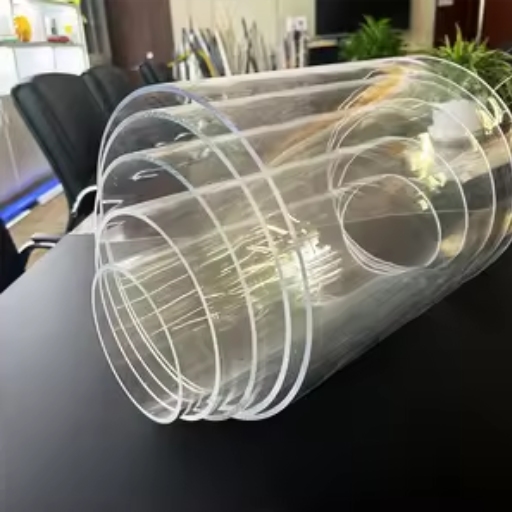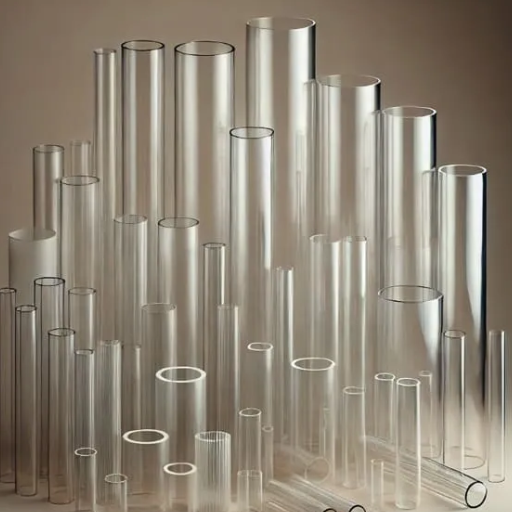

When it comes to modern design and engineering, transparent tubes require their very own domain, where possibilities have been expanded in industries far and wide. Known for their durability, versatility, and unmatched clarity, these materials provide a clear choice for every application, from innovative architecture to cutting-edge manufacturing. This article takes you through interesting insights into clear acrylic and polycarbonate and their solutions: features, applications, and the differences between the two materials. If you’re purchasing materials for a project or are just curious about what makes these materials so resilient, this site is for you. Read on to discover the reasons for these transparent tubes defining the landscape of design and function.
Introduction to Transparent Tubes
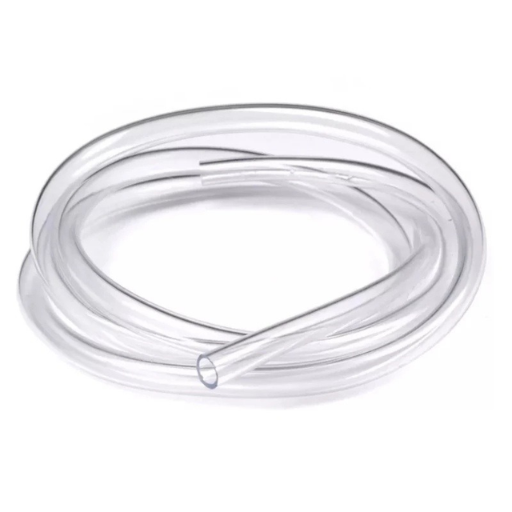
Being transparent, tubes from acrylic and polycarbonate remain very versatile materials used in various industries. The acrylic tube, primarily because of its lightweight nature, durability, and excellent optical clarity, is mainly used for decorative purposes or as display cases. Conversely, polycarbonate tubes, considered for their impact resistance and temperature tolerance, are chosen for industrial and structural applications. Both materials find use owing to their strength, weather resistance, and ease of machining, providing solutions both practical and aesthetic in almost every field.
What are Transparent Tubes?
Transparent tubes are cylindrical structures made of materials such as acrylic, polycarbonate, or glass, allowing light to pass through completely or partially. Because of their versatility, strength, and appeal, such tubes find applications in construction, manufacturing, medical instruments, and retail.
Materials and Properties
Acrylic Tubes: Acrylic has distinguished itself in optics due to its high clarity, light weight, and ability to resist UV radiation. These tubes will not yellow over time and are ideal for decorative works, lighting, or display cases. The light transmission rate is approximately 92%, almost as clear as glass.
Polycarbonate Tubes: Celebrated for its extremely high impact resistance, 200 times stronger than glass, and better heat resistance, polycarbonate is preferred for industrial applications and safety-related applications. Polycarbonate tubes generally operate within temperatures from about -40°F to 266°F (-40°C to 130°C), depending on their variations meant for certain industrial uses.
Applications of Transparent Tubes
Industrial Application: Transparent tubes are used in fluid transfer and to protect machinery and other pressure applications where visualization of the contents inside is essential.
Retail and Displays: Transparent tubes for display and product showcase that raise their levels of protection from weathering.
Medical Equipment: Acts in sterile environments to transport liquids or for diagnostic applications requiring visual observation.
Lighting and Design: Lighting and design installations employ acrylic and polycarbonate tubes for the dual purpose of utility and aesthetics.
Major Features
Weather resistance allows them to be used outdoors.
With ease to machine, any size or shape can be customized.
Higher impact resistance (especially for polycarbonate).
Fewer environmental hazards since many can be recycled.
Transparent tubes strike a fine balance between form and function as they speak of transparency, strength, and reliability in myriad applications.
Common Applications of Clear Tubing
With its transparency, durability, and versatility, clear tubing fulfills numerous useful roles in different settings:
1. Medical and Pharmaceutical Sectors
Clear tubing is extensively used in medical applications such as IV lines, dialysis machines, and surgical equipment. This is due to the high need for visual inspection for any casualties or contamination that compromises the life of the patient. It is mostly made from PVC or silicone materials so that their properties could be non-reactive, sterile, and biocompatible. An estimated value of almost $10 billion was given to the medical tubing market as of 2022 by Allied Market Research, an indication of the ever-increasing demand for healthcare.
2. Food and Beverage Processing
Clear tubing finds use in the food industry, e.g., breweries, dairies, and beverage production facilities for liquid transfer. These tubes are made from FDA-compliant materials to ensure safety and sanitation in use. Transparency enhances operators’ ability to monitor and document liquid flow during production for quality control and efficiency assurance. Statista reports the rise in demand for food-safe tubing materials globally, propelled by the growth of the food and beverage industry, which is expected to record a CAGR of 6.3% for the period 2023-2030.
3. Industrial and Chemical Processing
Clear tubing gets the preference in industrial applications for the transport of liquids and gases. Polycarbonate or fluoropolymer materials are selected for handling harsh chemicals owing to their corrosion resistance and ability to withstand high temperatures. The Industrial Tubing Market is slated to grow at a rate of 4.6% CAGR, indicating the need for solutions that can perform in aggressive environments.
4. Aquariums and Water Systems
Clear tubing is commonly used in aquarium and water filtration systems to ensure clean water circulation and management as it is less prone to detection of blockages or air bubbles, thus maintaining water safety.
5. Consumer Goods and Creative Arts
Transparent tubing is equally useful in artistic applications such as encasements for LED lights, storage containers, or crafts. Their aesthetic appeal and lightweight functional benefits enable them into an array of innovative ways.
Coordinate high performance, transparency, and versatility, clear tubing continues to be the major force in many slowly mutating industries. With all the materials science advancements, clear tube application stands much higher to be expanded to cater to the demand of the future markets.
Benefits of Using Acrylic and Polycarbonate Tubes
Although acrylic and polycarbonate tubing are known worldwide for their surgical features and are required in many industries, the benefits of these materials remain to be realized, based on their special features and some data:
Clarity and Transparency
Both acrylics and polycarbonate tubes provide excellent optical properties. So, an acrylic sheet would transmit about 92% of the rays, more than glass. These two materials are excellent when good looks must be maintained and even more so for transmission of light. Applications include displays, aquariums, and lighting fixtures.
Durability and Impact Resistance
Polycarbonate tubes offer great impact resistance and are hence preferred for safety applications such as protective barriers, guards, and enclosures for machines, being about 250 times stronger than glass. Also, acrylic tubes are less impact-resistant, but they turn out to be good enough for general-purpose applications that demand lightweight products.
Lightweight Nature
The tubes of acrylic and polycarbonate are significantly lighter when compared to conventional materials such as glass and metal, by as much as 50 percent for glass. The benefit accrued from the lightweight nature is that it reduces the cost of transportation, allows ease of installation, and supports any application that requires movement.
UV Resistance and Weatherability
Making it well suited for outdoor application, acrylic resists UV rays without yellowing for a long time. Polycarbonate tubes are also often treated with a coating of UV resistance, thereby increasing their life when exposed to sunlight and adverse weather conditions.
Temperature Resistance and Thermal Stability
Most heat-resistant polycarbonate resists deformation from heat up to around 250°F (121°C), while acrylic resists heat up to 160°F (71°C). Giving priority to the Polycarbonate in very heat-intensive conditions, while the Acrylic remains way too useful in situations at a mildly elevated temperature.
Customizability and Versatility
Both tubes may be machined for cutting, moulding, and shaping to fit unusual requirements and specifications. Besides, their colour choices, many sizes, and varied thicknesses meet highly specialised designs in the fields of medical instrument making, construction, and design.
Cost-Effectiveness
Being affordable compared to polycarbonate, acrylic tubes represent an option for projects that do not require a high rating in impact resistance. Both types of tubes thus represent good examples of adaptability when markets demand low investment.
Eco-Friendliness in Manufacturing
The materials are generically recyclable at the end of their working life, minimizing further rubbish. Recent improvements in manufacturing methods have also helped reduce the environmental in which these plastics, thereby allowing a green approach to the use of those plastics.
The wide variety of benefits given to acrylic and polycarbonate tubulars keeps relevant nowadays in the fields of architecture, health, automotive, and electronics. Their viability, coupled with growing material science, fix them firmly as a step in modern making.
Materials Used in Transparent Tubes

Transparent tubes are manufactured from either acrylic or polycarbonate. Acrylic is preferred because it is clear, with some level of scratch resistance, and is thus particularly suited for display and decorative uses. Polycarbonate is more suitable when impact resistance and strength are the paramount criteria of utility; it is, therefore, more demanding in application. Both materials are lightweight, versatile, very transparent, and can accommodate almost all industrial applications. Leading “Transparent Tube” manufacturer in China.
Acrylic Tubes: Properties and Advantages
Acrylic tubes are highly valued for the superb clarity they offer, comparable to glass, but are lighter and somewhat more impact-resistant. Because of their good light transmission, applications would include lighting, aquariums, display cases, and even medical devices. These tubes offer over 92% transmission of visible light. Since acrylic tubes also resist UV radiation, they are an excellent choice for outdoor use as they do not yellow or degrade with time when exposed to sunlight.
An important advantage of acrylic tubes is that they are easily fabricated; they can be cut, drilled, polished, and formed into various shapes without affecting strength. They also bear up to chemical attacks-reasonably resistant to cleaning agents and solvents, so they are easy to keep clean.
Thermally, the melting temperature for acrylic tubes is close to 160°C (320°F), and they remain serviceable in temperature ranges serving nearly normal environmental conditions, which, however, might require slight caution under the application of heat phenomena. Density-wise, acrylic tubes weigh a mere 1.19 g/cm³, so that compared to glass, they can score bigger points in this respect, for easy handling, as well as in installation.
Acrylic tubes, bearing different grades such as coloured, frosted, and UV-stabilised, offer an avenue for the fulfillment of various aesthetic and functional requisites. Further, with manufacturer custom sizes and thicknesses, a broad range of industrial uses can be catered for. The combination of durability and good looks makes acrylic tubes budget-friendly for both functional and decorative applications.
Polycarbonate Tubes: Strength and Durability
Polycarbonate tubes boast the highest strength and impact resistance and for this reason, require high levels of special treatment. They have up to 250 times the power of impact resistance that glass has; they do not shatter under great pressure. This very trait makes it a staple in aerospace, construction, and automotive industries where strength and safety bear paramount importance.
Polycarbonate tubes are good at temperature resistance and can stand temperature variations as low as -40°F and as high as 248°F (-40°C to 120°C) without deformation under loads. From the mid-life stage, we can all concur that the yellowing of polycarbonate is so unsightly; this, however, will most probably not happen with these tubes due to a mechanism that allows UV resistance. Therefore, polycarbonate tubes are perfect for use since they can be applied either inside or outside. The tubes possess optical clarity similar to glass and are much lighter in weight.
Further, developments have led to even higher versatility, with improvements to flame-retardant and chemical resistance properties that now let the polycarbonate tubes perform in even more niche environments. They are installed in security barriers, greenhouse constructions, lighting fixtures, and industrial machine guarding. From custom sizes, wall thickness, and design options, polycarbonate tubes have proved to be more critical than ever in contemporary engineering and design. Stemming from the strength, durability, and versatility combination, polycarbonate tubes are indeed among the best solutions pertinent to numerous industries.
Comparing Clear Plastic Tube Options
From the point of view of choosing clear plastic tubes for industrial or commercial purposes, key factors like material composition, durability, resistance to weather conditions, and specific application needs should be taken into account. The common materials are polycarbonate, acrylic, and PVC, each of which brings its advantages to bear:
Polycarbonate Tubes: They are the hardest and strongest in terms of impact resistance; thus, the polymers are the most durable. It could be exposed to extreme temperatures ranging from -40°F to 248°F and should probably be UV-resistant for outdoor applications, including use in greenhouses or as security barriers. Polycarbonate tubes are 250 times stronger compared to glass and much more flexible, allowing the tubes to perform well in harsher circumstances.
Acrylic Tubes: If a cheaper alternative is desired with an emphasis on light-weight and optical clarity, acrylic tubes are unbeatable. They are not as sturdy as polycarbonate but offer over 90% optical transparency and good weather resistance. These tubes find application areas such as display cases, decorative installations, or lighting.
PVC Tubes: If you’re looking for the cheapest polyvinyl chloride, PVC clear tubes are appropriate for less demanding jobs like low-pressure water delivery or drainage. They possess low impact resistance but can take temperatures ranging between 33°F and 140°F, resisting the majority of chemicals, including legitimately strong acids or bases.
Data Comparison Table
|
Material |
Impact Resistance |
UV Resistance |
Temperature Range |
Optical Clarity |
Recommended Uses |
|---|---|---|---|---|---|
|
Polycarbonate |
High (250x stronger than glass) |
Excellent |
-40°F to 248°F |
Moderate (Good) |
Security barriers, industrial machines, greenhouses |
|
Acrylic |
Moderate |
Good |
-30°F to 160°F |
Excellent (90% clarity) |
Displays, signage, lighting, decorative items |
|
PVC |
Low |
Poor (Minimal) |
33°F to 140°F |
Moderate (Cloudy) |
Low-pressure systems, drainage, and plumbing |
The correct answer depends on the application at hand. For use in the heavy industrial sector, polycarbonate stands out. Acrylic is better for cheap projects where looks matter; PVC is fine for very simple, low-demand tasks.
Manufacturing Processes for Transparent Tubes
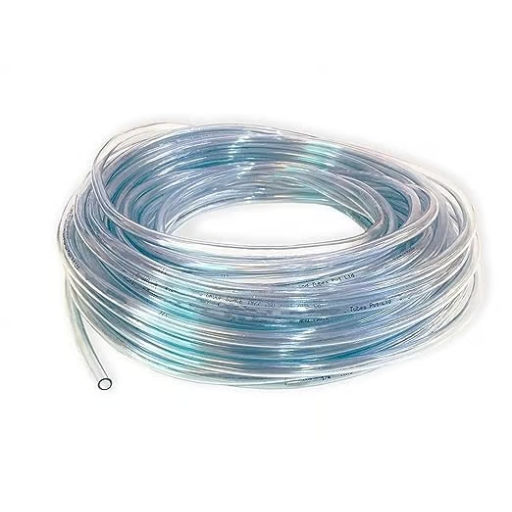
Three major processes are used in making these transparent tubes:
Extrusion: The most widely applied technique. Raw materials such as polycarbonate, acrylic, or PVC are melted and forced through a shaped die to form continuous tubes. This method offers high efficiency and can be applied to tubes with various diameters and thicknesses.
Injection Molding: It tends to heat and inject the material into a mold of a tube shape, perfect for producing shorter tubes that require tight tolerances and uniformity.
Blow Molding: In this type of process, the material is heated and inflated inside the mold to form hollow shapes, mainly for more complicated or arbitrary shapes.
Functionality, durability, and cost-effectiveness are assured with the selection of the manufacturing process based on the application requirements and material properties.
How Acrylic Tubes are Made
Acrylic tubes are produced through the mastery of exact processes combining technology and substances. The two most commonly employed ways for acrylic tube manufacture are extrusion and casting.
Extrusion:
In this standard process of extrusion of acrylic tubes, melted acrylic is forced through a cylindrical die. Low-cost and highly efficient, it is deemed suitable for volume production. The extrusion process produces tubes with uniform wall thicknesses and diameters. On the other hand, a slight difference may arise in the optical clarity of extruded tubes when compared with cast acrylic.
Casting:
With casting, one obtains high-quality acrylic tubes with the best optical clarity and strength. The mold for the tubes is cylindrical; liquid monomer solution is poured into it, and through polymerization, the solution solidifies. Casting is chosen for applications wherein perfect transparency, strength, and environmental resistance are required. It is, of course, more labor-intensive and generally more expensive, but yields the best results for premium-grade applications.
A Glimpse into Modern Technologies
Modern advancements in the field capitalize on automation and computer optimization concepts to create even better manufacturing outputs. As market data suggest, the demand for precision acrylic tubes used in fields such as medical device-creating, lighting, and architectural designs has been steadily rising for many years. CNC machining represents where major innovations in offering an intricate level of customization to acrylic tube-based needs of industries of today.
Environment concern carries weight in one of the most very able optimization stages. Some manufacturers now prefer the use of recycled materials in acrylic production and ensure there is no wastage of material during production. This approach is well complemented by the global efforts at making the environmental footprint of industrial activities leaner.
An interesting and important aspect is that manufacturing constantly balances these two: time-tested methods and modern technology to answer the ever-expanding functionality and aesthetic requirements of acrylic tubes from various industries.
Polycarbonate Tube Manufacturing Techniques
Manufacturing processes of polycarbonate tubes involve precise techniques that accord precision engineering with materials science to achieve quality in durability and versatility. One of the most common production methods is extrusion. In this process, the raw polycarbonate resin undergoes melting and is then fed through the die in order to achieve the desired tubular shape. This method creates tubes with highly consistent dimensions and optical clarity needed for lighting, medical, and structural applications.
Injection molding serves as another critical process in polycarbonate tube manufacturing. It became preferred, especially for jobs involving shorter tubes or intricate shapes. Aggressive applications that deal with extreme temperatures or mechanical stress are preferred in polycarbonate since it resists impact and heat.
Recent advances in the manufacturing industry have begun to include 3D printing with polycarbonate material. Additive manufacturing guarantees a custom solution that increases speed and makes complex geometries much easier to achieve compared to conventional methods. Literature suggests that the impact resistance of polycarbonate produced by 3D-printing is up to 65% higher than for some other plastic materials customarily used in rapid prototyping.
Also, manufacturers have increasingly incorporated sustainability measures in their manufacturing processes. For example, recycled polycarbonate material is presently used to manufacture green tubes without compromising on quality. It is stated that polycarbonate recycling leads to nearly 50% reduction in greenhouse gas emissions compared to the use of virgin materials, thus gaining it environmental status.
Surface treatment could then be applied with such as UV coatings or anti-static finishes to further improve the durability and functionality of the polycarbonate tubes for optical, electrical, and industrial uses. Combined with the above technologies and evolving methods highlight the importance that polycarbonate tubes hold across many industries, ensuring accuracy and meeting exacting standards.
Innovations in Tube Production
Technology in tube manufacturing has indeed revolutionized the domain, shortening the entire process and enabling greater design possibilities for polycarbonate tubes. The greatest advancement comprises 3D printing technology for custom tube configurations. Using 3D printing allows manufacturers to produce tubes with intricate geometries and dimensions accurately, resulting in less material wastage and shorter production times. According to the 2023 report by Grand View Research, the global 3D printing market is forecasted to witness a CAGR of 23.3% during 2023-2030, with tubing applications expected to drive significant growth.
Another trend is hybridized production methods that correlate extrusion with the contemporary automation domains. Automation means tighter tolerances, improved qualitative consistency, and speedier production. For example, the manufacturers use laser-assisted extrusion methodologies for improving uniformity in wall thickness and the strength of tubes.
Furthermore, sustainability is probably the highest priority in the tube production evolution. Brands are becoming more and more involved in utilizing recycled polycarbonate materials as well as bio-alternatives to lessen their environmental footprints. A 2022 study attested that the usage of recycled materials in the tube-manufacturing process can reduce carbon emissions by as much as 30%, thus giving weight to the direction of the greener pathway.
These innovations have turned the tube production into an industry where efficiency, sustainability, and technology go hand in hand, catering to the divergent industrial requirements.
Sustainability in Transparent Tube Production
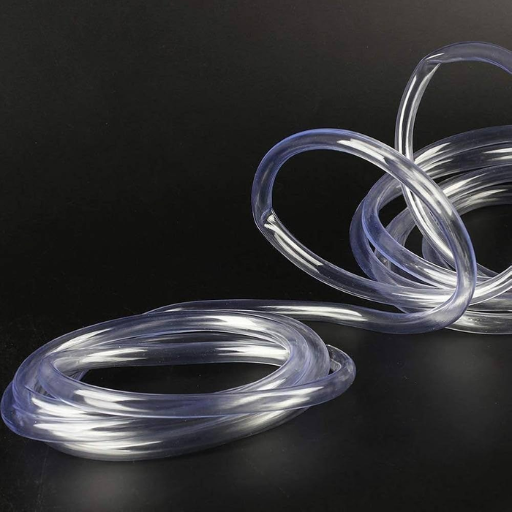
Sustainability in transparent tube production cuts carbon emissions and minimizes wastage, thereby minimizing the impact on the environment. With the integration of recycled materials into production, emissions can be cut by up to 30%, as certified by some recent studies. On the other hand, bio-based and renewable materials guarantee that the eco-friendly line does not lose its supremacy in product quality. Accordingly, these efforts aid more toward environmental conservation, while also being animated in the quest within the industry for greater efficiency and long-term forethought.
Eco-friendly Materials and Practices
Technology integration has foisted the accelerated development and adoption of environmental materials and practices. Newer innovations in biotechnology and nanotechnology are assisting in the search for sustainable alternatives to conventional materials. Bio-composites, for example, wherein natural fibers are mixed with biodegradable resin, are now used in several fields, from automotive to construction, as durable and lightweight materials.
Plant-based plastics have come into view, with expectations to cut down human-consumed plastics worldwide by up to 20% by 2030, as stated in a report by Bioplastics News. Such plastics are made from cornstarch or sugarcane, being biodegradable alternatives to cutting down on fossil-fuel dependencies. Advances in recycling technologies reduced emissions from aluminum production considerably by enabling the recycling of nearly 90% of aluminum waste.
Moreover, the rise of the use of green building materials such as low-carbon concrete and cross-laminated timber has grown by 12% annually in the last five years, according to data from the Global Green Building Market report. These materials also cut down energy use and help buildings last longer and operate more efficiently.
Taking the technological solution hand-in-hand with the conventional eco-friendly methods, such as waste reduction, are some key measures that have to be taken to reduce the environment’s detrimental effects from industrial and consumer activities. Also, a surge in public awareness and supportive policies will set the pace for the full-scale application of these technologies.
Recycling Options for Acrylic and Polycarbonate Tubes
Recycling acrylic and polycarbonate tubes presents peculiar issues as well as promising opportunities. Acrylic, which is otherwise known as PMMA, can be recycled, but the process entails breaking it down into its monomer form through chemical recycling or mechanical processes. This recycled material can then be reprocessed into new products with some level of quality degradation. Polycarbonate, a plastic that is versatile yet quite slow in acquiring durability, can also be recycled mechanically by shredding, melting, and refashioning it into other products or through chemical recycling, great to recover base materials.
Limited access to specialized recycling facilities able to dispose of acrylic and polycarbonate needs consideration across many regions. Globally, recent data indicate that just 10 percent of all plastic waste is recycled effectively, given impediments like contamination, lack of infrastructure, and economic feasibility. Some advanced recycling technologies, like pyrolysis and solvent-based, are now under development to enhance the processing efficiencies of these types of plastics and thus improve their recovery angles.
In addition, the EPR scheme instills responsibility upon manufacturers of acrylic and polycarbonate products to ensure their materials get collected and recycled after consumer use. Therefore, many companies are investing in closed systems to close their product loop and in doing so lessen their direct feedstock from virgin resin and promotion of the circular economy. Therein lies the tradeoff: it is also obnoxiously complex for waste management companies, product manufacturers, and governments to collaborate on the scale necessary to meaningfully reduce waste and damage to the environment.
Future Trends in Sustainable Tube Manufacturing
Technological advances, regulatory changes, and an ever-growing consumer demand for environmentally sensitive products are some forces driving advancement in sustainable tube manufacturing. One such trend is the adoption of biodegradable and compostable materials such as PLA and paper alternatives, which consequently reduce dependence on conventional plastics. From this perspective, Allied Market Research recently published a report expecting that the global biodegradable plastic market would be worth $14.92 billion by 2028 and would grow at a CAGR of 9.2% from 2021 onward. The said growth manifests the demand for materials that decompose naturally on their own, without disturbing the environment on any level.
Moreover, another trend is the use of advanced recycling technologies, such as chemical recycling technologies, in which plastic waste is chemically broken down to its basic monomers and reconstructed into its original form. For example, Loop Industries uses a patented technology to depolymerize PET plastics and polyester fibers into pure monomers and reconstitute them into high-quality sustainable feedstock. This is a very promising technology for tube manufacture where durability and fair recycling are coequal requirements.
Another trend emerging in tube manufacturing is the promotion of clean energy integration in manufacturing processes. Among the manufacturers in tube production employing innovative measures to minimize carbon output are those that favor solar and wind energy for tube production. For instance, recent studies in Europe have revealed that solar-powered factories are capable of cutting emissions by almost 30%, thereby making the production processes more sustainable and simultaneously compliant with the designated targets for carbon neutrality.
Strict policies that promote sustainable practices are also being brought in by the governments and organizations of the world. For instance, under the European Union’s Green Deal, special attention is placed on the establishment of a circular economy, pressuring manufacturers to develop products that can be easily recycled and reused. Such policies create incentives for modular and easily disassembled designs for tubing at the end-of-life stage to promote recycling.
Innovations in materials, along with state-of-the-art recycling approaches and renewable energy adoption, provide all signs of a bright future for sustainable tube manufacturing. If this sector is fully invested in and supported by cross-industry collaborations, the world stands to benefit immensely from its worthy sustainability goals.
Practical Applications of Clear Tubing
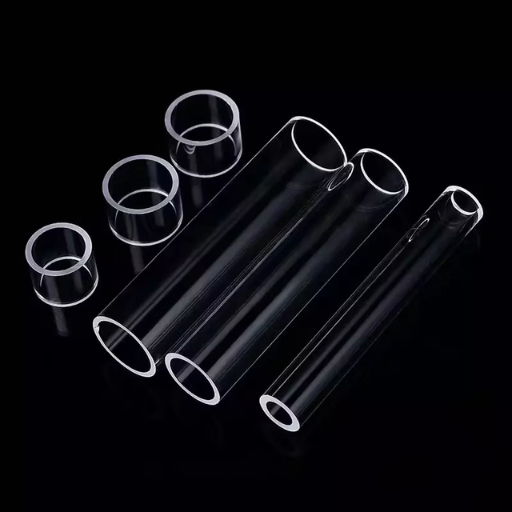
Due to its clarity and versatility, clear tubing sees tremendous practical application in various industries. In medical use, it is employed for the transfer of fluids-as in IV lines and catheter lines-where the clear nature guarantees visibility and accuracy. In laboratories, it is used for transporting gases and liquids through an experiment, facilitating an easy view of flows. Similarly, in food and beverage preparation, it is used to conveyor liquids such as syrups and oils, following sanitary standards with visual inspection. Aquariums and water filtration systems also use it as water visibility checks are needed to avoid flow and clogging.
DIY Projects with Clear Acrylic Tubes
Clear acrylic tubes are very versatile DIY materials, combining durability and good looks. Here are a few creative projects and practical service areas where these tubes tend to shine:
Custom Lighting Fixtures
Clear acrylic tubes are turned into light fixtures. Adorned with strips of LED lights lined inside the tube, the modern pendant lights can also be the source of an ambient light display. The clarity of the material, combined with its light diffusing ability, makes it fitting for sleek and futuristic designs.
Aquaponic or Hydroponic Systems
An alternative for sustainable gardening makes clear acrylic tubes find use in building little aquaponic or hydroponic systems. The tubes, obviously transparent, enable the user to check water level and have smooth water flow to help the plant’s roots to grow in nutrient water.
Clear Desk Organizers
Design a clutter-free zone with homemade clear acrylic pencil holders or cable management systems. The tubes can be cut and assembled into functional designs to reduce clutter, while looking neat and stylish.
Decoration and Displays
Clear acrylic tubes are just perfect for table decorations or centerpieces, they’d serve as alternatives to actual vases or even small terrariums. Their transparent nature would highlight decorations or plants inside, an excellent way to enhance creativity and interior design.
Custom PC Water-Cooling Loops
Technophiles usually employ clear acrylic tubes for custom water cooling loops inside computers. Their transparency allows the user to see cooling fluids in action, thereby ensuring that the setup is both efficient and visibly appealing.
Prototype Models and Science Experiments
Acrylic tubes are also employed in constructing models or as educational aids for science experiments. For instance, they may be used for a fluid flow demonstration or a small wind tunnel for engineering projects.
Key Benefits for DIY Projects
According to the recent market data, clear acrylic tubing has enjoyed increasing popularity mainly because of its durability, light weight, and resistance to UV and weather conditions. It has always remained reasonably priced, but at the same time lends a polished, top-shelf look to any project. Moreover, acrylic is far easier to cut and mold than, say, glass, thus providing tremendous avenues for creativity for the DIY practitioner.
Transparent Tubes in Scientific Research
When it comes to various scientific research applications, transparent acrylic tubes are fundamental apparatuses due to their properties of clarity and chemical resistance. These tubes serve critical functions in fluid mechanics experiments, allowing researchers to witness phenomena with liquids and gases in controlled environments. For instance, clear acrylic tubing gets used in biomedical models for simulating blood flow or respiratory systems because it is non-toxic and lightweight.
Recent research findings unveiled the exceptional material performance of acrylics under temperature and pressure conditions. According to a 2023 report on material performance in the laboratory environment, transparent acrylic tubing had 25% more durability than conventional glass tubing when exposed to continuous vibrations in test setups. Their versatility has also increased their popularity for custom fabrication of equipment that smoothly integrates into spectrophotometry, chemical synthesis, or sample transport systems in experiments.
Additional advantages that make the transparent acrylic tubing viable cost-wise compared to quartz or borosilicate glass include its cheapness and availability, giving even research setups with tight budget constraints access to precise instrumentation with no compromise on quality. With such widespread adoption of acrylic tubing, it is evident that it serves as a great tool for enhancing the innovation of scientific pursuits.
Using Clear Tubing in Water Cooling Systems
Some water cooling designs have become very popular in clear tubing, be it in PC building or industrial aspects, due to their beauty and utility. Transparent tubing will offer an inside view of how the coolant passes into action and adds that much needed visual oomph to the custom cooling setup. The flexibility and clarity of acrylic or PVC tubing allow one to easily spot air bubbles or foreign matter that may hamper the system’s efficiency.
UV-reactive and colored coolants have been gaining ground in water cooling since they really go well with transparent tubing. When LED lighting gets in the equation, one gets colorful and customizable effects that beautify the whole build. Industry experts have said that the demand for aesthetically pleasing cooling systems has gone up by 35% in the last three years, thus explaining how clear tubing has gained popularity in high-performance builds.
Additionally, clear tubing goes well with other materials in the cooling system, such as metal fittings or reservoirs, and can sustain high and low temperature changes without deterioration. For example, a common acrylic tube used in water cooling stops functioning at around 194°F (90°C), which fits right into a top-tier build producing a lot of heat. The tubing is also resistant to any chemical reaction that may occur due to premium-grade coolants, ensuring that it has an extended lifespan.
The versatility, affordability, and aesthetics of clear tubing keep it relevant in a water cooling system for both functional and display purposes. Whether for process monitoring or customization, it has become highly important for designers and enthusiasts alike.
Reference Sources
- Penn State University: Conceptualizing the Transparency Tube Measurements
Covers the topic of transparency tubes in measuring streams and in some educational activities.
- University of South Carolina: Calibration and Use of the Transparency Tube
Examines the use of transparency tubes to measure water clarity, emphasizing low cost and easy portability.
- PubMed (NLM): Endoscopic Esophageal Mucosal Resection Using a Transparent Tube
Describes a medical application of transparent tubes for endoscopic purposes.
Frequently Asked Questions (FAQs)
What is a transparent tube made of?
A transparent tube can be made from various materials, including acrylic, polycarbonate, and PVC. Each material offers different properties, such as impact resistance and optical clarity, making them suitable for various applications.
What are the common applications of acrylic tubes?
Acrylic tubes are versatile and can be used in a range of applications, including decorative projects, display cases, water cooling systems, and even scientific setups. Their lightweight and durable nature makes them ideal for both DIY projects and industrial uses.
How do I choose the right diameter for my clear plastic tube?
The diameter of a clear plastic tube depends on your specific project requirements. Consider the fluid transfer needs, the space available, and any fittings or connectors you plan to use. Common diameters include 4mm and 8mm, but a variety of diameters are available to fit different applications.
What is the difference between acrylic and polycarbonate tubes?
Acrylic tubes offer excellent optical clarity and are lightweight, making them suitable for decorative uses, while polycarbonate tubes are known for their strength and impact resistance, making them ideal for more demanding applications. Polycarbonate is also three times stronger than glass, providing added durability.
Can I cut a clear rigid tube to a specific length?
Yes, clear rigid tubes can be cut to your desired length using appropriate tools. It’s essential to measure accurately and use a cutting method that ensures a smooth edge to avoid any damage or compromising the structural integrity of the tube.
Are transparent tubes suitable for use in aquariums?
Yes, transparent tubes can be used in aquariums as they provide clear visibility and can be made from materials that are chemical-resistant and safe for aquatic life. Ensure that the material you choose is compatible with water and will not leach harmful substances.
What type of clear tubing is best for a water cooling system?
For a water cooling system, clear tubing made from materials like PVC or acrylic is often recommended. These materials provide good clarity, are lightweight, and resist chemical reactions with coolant fluids, ensuring efficient transfer and durability in the system.
How do I reinforce a clear tube for structural applications?
To reinforce a clear tube for structural applications, consider using thicker walls or combining it with additional support structures. Using materials like polycarbonate can also enhance strength and resistance to impact, making the tube more durable for demanding projects.
Where can I shop for a selection of clear tubes?
You can find a selection of clear tubes at hardware stores, specialty plastic shops, or online retailers. Many suppliers offer a variety of diameters, lengths, and materials to meet your specific project needs.