
Technology has become cutting-edge in material working, with laser cutting being the boon for precision and efficiency. Acrylic sheet laser-cutting machines represent a stage of innovation that enables artisans across various industries to create high-quality, intricate designs with absolute precision. Whether in manufacturing, advertising, or creative designing, these lasers have become an essential tool for professional engraving and cutting.
Introduction to Acrylic Sheet Laser Cutting
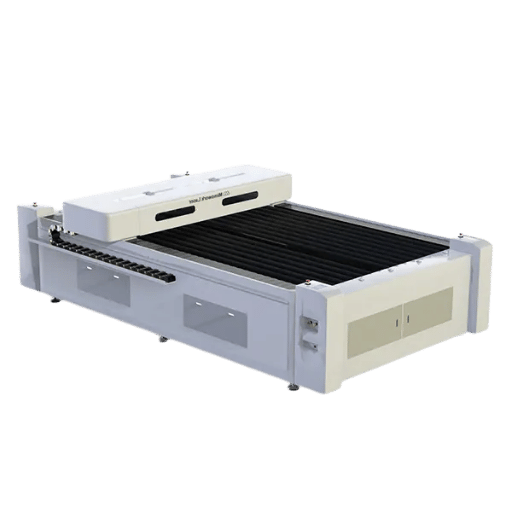
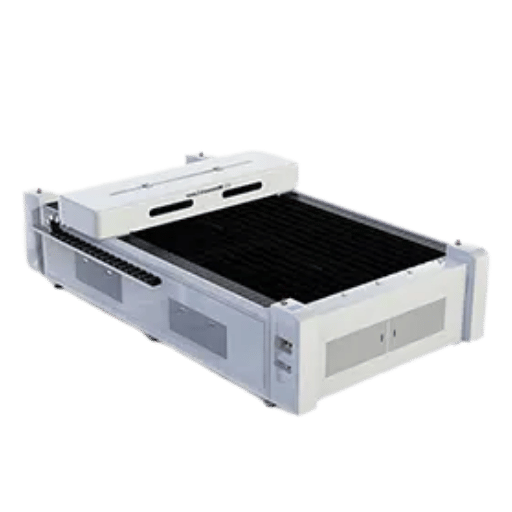
Acrylic sheet laser cutting is a precision-driven process that uses highly concentrated laser beams to cut and engrave acrylic with high accuracy and speed. The process produces smooth edges, eliminating the need for finishing trims and reducing material waste. The machinery is highly sought after by various industries, including signage, architecture, and product design, for its ability to carve intricate patterns and produce reproducible results on cast and extruded acrylic.
What is Acrylic?
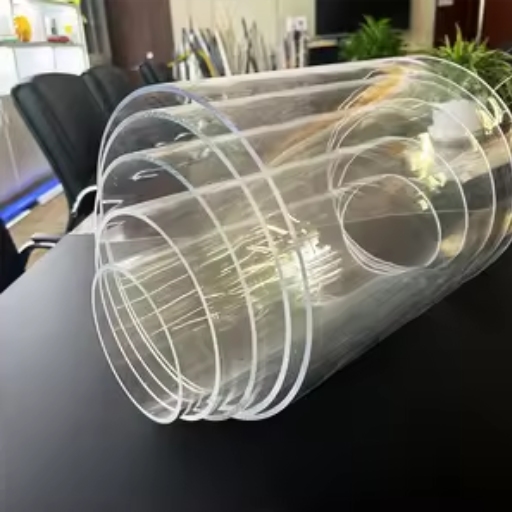
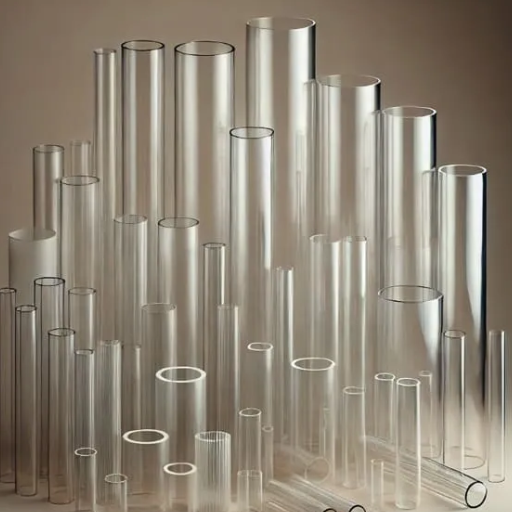
Presenting an all-out winning combination of versatility, durability (that, contrary to popular belief, is said to be lightweight), translucency, and molecular resistance to impact, acrylic is the sass answer to glass: It offers better optical clarity and weather resistance. It is delivered as sheets, rods, or tubes, allowing for better utilization in construction, design, and manufacturing.
Overview of Laser Cutting Technology
Laser cutting technology is among the most exact and efficient processes, using a pinpointed beam of light to cut through or engrave a chosen material. It accomplishes its task by focusing the laser beam on the surface of the material, melting, burning, or vaporizing the surface in a controlled manner.
Key Advantages of Laser Cutting:
- Reduced material waste – maximizes efficiency
- Minimal post-processing – clean cuts from the start
- Complex design capability – intricate patterns with high precision
- Versatility – works with metals, plastics, and wood
How Laser Cut Acrylic Works
Laser-cut acrylic works by focusing a highly concentrated laser beam on the acrylic surface for cutting or engraving. The laser generates a strong heat source that melts or vaporizes the acrylic along the path, hence leaving smooth edges with intricate designs. This is an efficient procedure that guarantees the accuracy of the process while retaining the structural integrity of the acrylic during cutting.
Benefits and Applications of Laser Cutting Acrylic
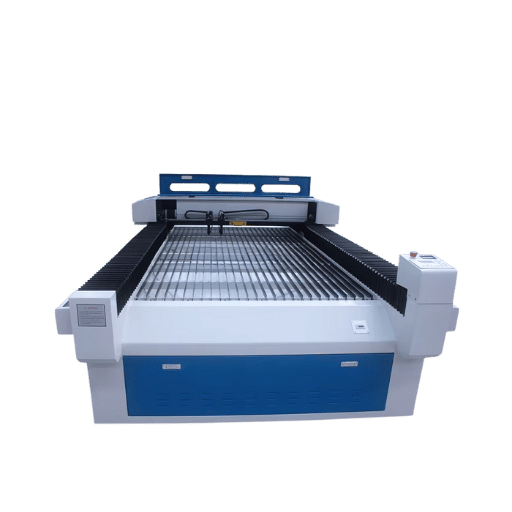
Advantages of Using Laser-Cut Acrylic
🎯 Precision and Accuracy
Laser cutting delivers exceptional precision, allowing for intricate and complex designs with high consistency.
✨ Smooth Edges
The heat from the laser melts the acrylic, resulting in clean and polished edges without the need for additional finishing.
🔧 Versatility
The range of possible applications is surely broad and presently being increased every day, including signage, décor, prototypes, and industrial components.
⚡ Efficiency
Fast and reliable process that reduces production times while maintaining quality.
🌱 Minimal Waste
More environmentally friendly, since maximum material utilization, along with the minimum amount of waste, is generated.
Common Applications of Acrylic Laser Cutting
Creative Acrylic Projects to Consider
💡 Project Ideas:
- Custom Signage: Create vibrant and precise acrylic signs for businesses, events, or personal use
- Decorative Wall Art: Design intricate acrylic wall panels that add modern artistic touches
- Engraved Gifts: Produce customized acrylic keepsakes, plaques, or ornaments
- Lighting Fixtures: Craft unique acrylic lamp shades or LED light designs
- Educational Models: Develop clear and accurate models for educational demonstrations
Types of Acrylic Laser Cutting Machines
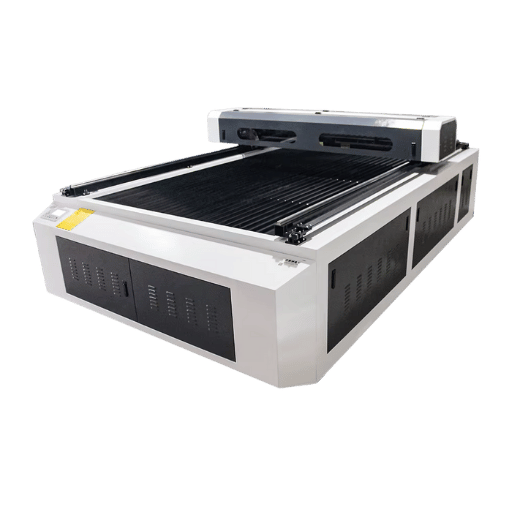
CO2 Laser Cutters
Specialized laser-cutting machines utilize a carbon dioxide gas mixture to generate a laser beam that is focused on specific areas of materials for cutting, engraving, and marking on a wide variety of materials, operating at infrared wavelengths (typically around 10.6 µm). Laser cutters are generally well-suited for cutting non-metallic materials, including acrylic, wood, fabric, paper, and glass.
Key Features:
- Power Range: 30 W to over 400 W for all kinds of work
- Advanced Control Systems: High precision and efficiency
- Motion Control: Stepper motors or servo motors for precise positioning
- Safety Features: Air-assist and fume extraction systems
Best For: Signage, model-making, packaging, and electronics prototyping with smooth, polished edges that eliminate secondary finishing needs.
Fiber Laser Cutters
Fiber laser cutters are advanced machines that enjoy a pan-industry reputation for their precision, speed, and ability to handle a wide range of materials, including acrylic casting and extrusion. Unlike their predecessor, the CO2 laser, fiber lasers utilize a diode-pumped optical fiber as the lasing medium.
Performance Advantages:
Ideal For: Aerospace, automotive, electronics manufacturing, and jewelry production where accuracy and efficiency are paramount.
Hybrid Laser Cutting Machines
Hybrid laser machining technology is considered an evolution in fabrication technology that merges the strengths of laser sources like CO2 and fiber into a single system.
Performance Statistics:
- Efficiency Increase: Up to 30% as compared to single-source machines
- Cutting Speed: Exceeding 30 meters per minute
- Precision: Kerf accuracy within 0.01 millimeters
- Material Flexibility: Handles both metallic and non-metallic materials
Perfect For: Industries requiring diverse material processing, like automotive, aerospace, and signage, where both flexibility and high throughput are critical.
Maintenance Tips for Acrylic Laser Cutting Machines
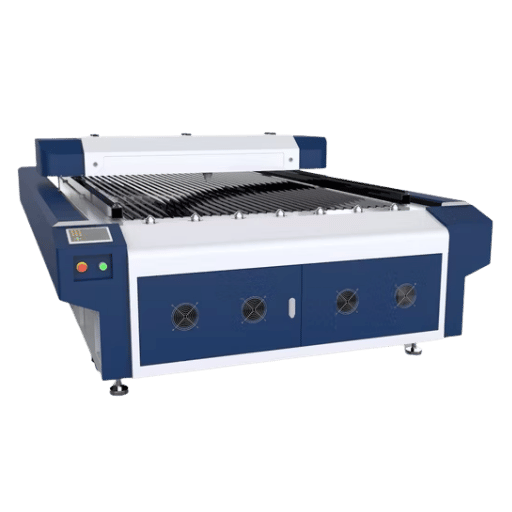
Regular Cleaning and Upkeep
🧹 Daily Maintenance Checklist:
- Lens and Mirror Inspection: Clean with a lint-free cloth and manufacturer-approved solution
- Air Filter Monitoring: Check weekly, replace every 3-6 months
- Cutting Bed Cleaning: Take away debris from cutters after every session to prevent fire hazards
- Exhaust System Check: Confirm ventilation remains clear and unblocked
- Calibration Verification: Check for beam alignment and power settings once every month
Adjusting Settings for Optimal Performance
Common Issues and Troubleshooting
⚠️ Incomplete/Rough Edges
Causes: Incorrect focus, insufficient power, improper gas pressure
Solutions:
- Verify focus lens alignment
- Match power settings to material thickness
- Adjust assist gas pressure
🔥 Burn Marks/Heat Damage
Causes: Overheating, improper gas types
Solutions:
- Reduce cutting speed
- Switch to nitrogen gas
- Use pulsed laser system
🐌 Reduced Cutting Speed
Causes: Dirty/damaged lens, poor beam quality
Solutions:
- Clean and inspect lens regularly
- Align laser beam path
- Check for mechanical wear
📐 Misaligned Cuts
Causes: Calibration errors, mechanical wear
Solutions:
- Recalibrate machine regularly
- Maintain mechanical components
- Ensure proper alignment
Safety Precautions When Using Laser Cutters
Personal Protective Equipment (PPE)
🛡️ Essential Safety Equipment:
- Laser Safety Glasses: Match laser wavelength and intensity specifications
- Flame-Resistant Gloves: Protection against burns and heated materials
- Respiratory Protection: N95 or P100 filters for particulate matter
- Protective Clothing: Lab coats or flame-resistant garments
- Compliance Standards: OSHA and ANSI regulation adherence
Ventilation and Exhaust Systems
Devising a good design for ventilation and exhaust systems is key: the air quality must be maintained, potential airborne contaminants must be eliminated, and workers’ health and safety must be ensured in industrial and laboratory environments.
System Components and Standards:
- HEPA Filters: Capture over 99.97% of particulate matter
- Activated Carbon Filters: Effectively absorb chemical vapors
- VAV Systems: Variable air volume for energy efficiency
- Compliance: OSHA regulations and ASHRAE 62.1 guidelines
Understanding Laser Safety Standards
Laser safety standards are critical rules meant to prohibit the usage of lasers that may pose a potential risk to human health or safety. The International Electrotechnical Commission (IEC) is involved in classifying lasers into different classes based on their potential for biological damage.
Safety Classification System:
- Class 1: Least hazardous – safe under everyday use
- Class 2: Low-power visible lasers
- Class 3: Medium power lasers requiring caution
- Class 4: Most dangerous – requires stringent safeguards
Compliance Standards: ANSI Z136 and IEC 60825 ensure workplace safety and regulatory compliance across industries using laser technology.
Frequently Asked Questions (FAQs)
❓ Can a diode laser cut thicker acrylic?
Diode lasers can cut acrylic sheets up to a specific thickness. Beyond that, the thin acrylic requires a significantly more capable laser system, namely a CO2 laser, for greater-than-10-mm thickness. To cut thicker acrylic, it is best to consider a laser with a power of 40 watts or higher when making a purchase.
❓ What are the types of acrylic suitable for laser cutting?
The types of acrylic suitable for laser cutting include cast acrylic, extruded acrylic, and transparent acrylic sheets. Each type has different properties; for example, cast acrylic is often preferred for its clarity and ease of engraving, while extruded acrylic may be more cost-effective for larger projects.
❓ What should I consider when using a laser cutter and engraver for acrylic projects?
Consider the acrylic material’s thickness, the laser’s power, and the air assist for clean cuts. Use suitable laser software to optimize your designs for better performance.
❓ How can I achieve clean edges when cutting acrylic?
Clean edges are produced when a laser cutter is finely tuned and the correct settings for the acrylic thickness are considered. If air assist is used, it helps reduce the weld and produces a much smoother finish on the cut edges.
❓ Is it possible to engrave acrylic with a CO2 laser?
Yes, acrylic can be engraved with a CO2 laser. They can create fine engraving on the acrylic surface, which has made it a very popular option for various products and in designing and branding them.
❓ What are the advantages of using a desktop laser engraver for small business applications?
The desktop laser engraver is a compact and affordable unit, providing flexible working equipment for any small business. With the laser system, entrepreneurs can create advertising acrylic products, signage, and promotional materials, thereby developing ways to expand product lines and promote customer engagement.
❓ Can I cut and engrave on wood acrylic using a laser cutting machine?
Yes, most laser cutters can easily cut and engrave wood and acrylic. The process is similar to that of regular acrylics; therefore, it yields excellent aesthetic results, making it an ideal option for beautifully crafted, personalized gifts and decorative items.
❓ What is the best acrylic laser cutter for beginners?
The best acrylic laser cutter for beginners largely depends on the budget and project needs, although many agree that a 40W laser cutter offers the best trade-off between power and cost. The 40-w cutter would generate enough laser power to cut and engrave most commonly available acrylic thicknesses without intimidating the inexperienced user.
🚀 Conclusion
Acrylic sheet laser cutting machines stand at the highest echelons of precision fabrication technology, further into the realms of versatility, efficiency, and quality across diversified industries. From extremely fine decorative pieces to horrible industrial elements, the systems used old-fashioned acrylic fabrication. For any small business owner, a designer, or a manufacturer, investing in the proper laser cutting equipment will open endless creative avenues and ensure professional results that speak to competitive standards in today’s marketplace.
📚 Reference Sources
- Laser Cutters | Engineering Product Innovation Center (Boston University): Details on laser cutting machines at Boston University’s EPIC lab, including specifications for cutting acrylic sheets
- Epilog Laser Cutter – Duke Innovation Co-Lab: Duke University’s description of Epilog Laser Cutter capabilities for acrylic sheet processing
- Top Acrylic Sheet Manufacturers and Suppliers in China: Industry analysis of acrylic sheet production and quality standards
- Laser Cutting Technology Standards: Technical documentation on laser cutting processes and material compatibility