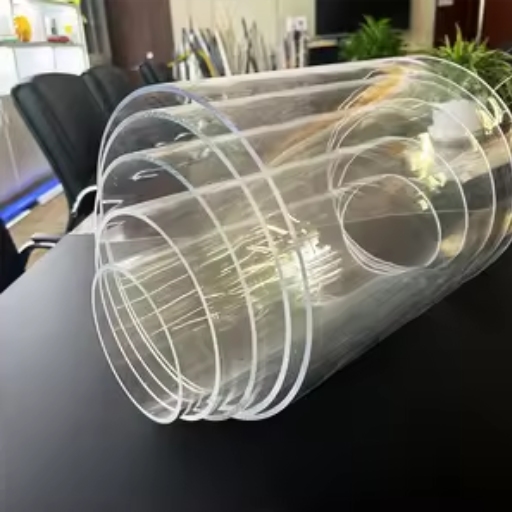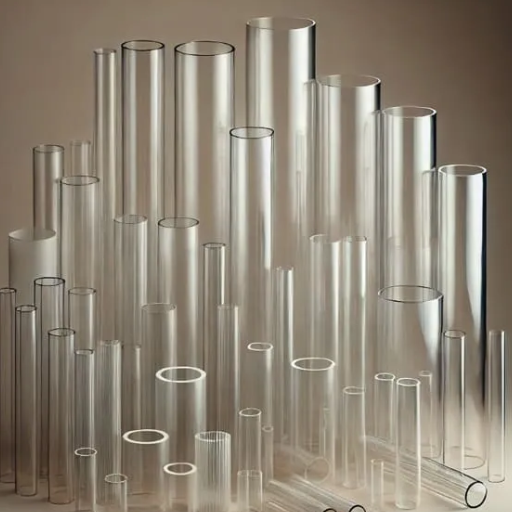

Unrivalled in accuracy and craftsmanship, CNC machines are indispensable for any custom-made acrylic fabrication. Regardless of the requirement i.e. from fancy cases to rugged boards accessing data from multiple layers of deposition, ‘cnc acrylic service’ is particularly flexible with its accuracy and implementation to accommodative expectations. The productive potential of CNCs for plastic materials is highlighted in this article, which investigates the benefits, technology, and options for utilizing them; therefore, it is a comprehensive solution for both professionals and home users. HelStrip currently offers this book, as it features photographs on how to transform ordinary glass pipes into well-designed services that cater to all client desires.
Understanding Acrylic and Its Applications
Acrylic, a material with the chemical name polymethyl methacrylate (PMMA), can be defined as a clear plastic that is easily molded, shaped, and machined. Acrylic is renowned for its optical clarity, strength, and ease of manufacture in various shapes and sizes. Multiple industries utilize acrylic, including signs, display cases, lamps, OEM parts, a range of light fixtures, lenses, and other protective shields. Its wide functional range, along with its pleasing appearance, makes it a sought-after material for both design and commercial use.
What is Acrylic?
In day-to-day speech, acrylic is a more common name for polymethyl methacrylate (PMMA), a thermoplastic admired for its versatile characteristics. The material is non-brittle, clear, lightweight, and, most importantly, it lets in more than 90% of light while providing a 92% transparency range. It is also effective at preventing color from fading or turning yellow, which helps alleviate some of the fading concerns associated with outdoor signage use. It can also be cut and molded into various shapes that are useful both in industry and as creative outlets. These properties of acrylic make it suitable for multiple applications, including signage, aquariums, glazing, shields, figure seats, and the plastic components in medical devices. In most cases, you will find cnc acrylic service as it is effective both in a recycling and cost perspective.
Benefits of Using PMMA in CNC Machining
- Transparency and Optical Clarity: PMMA is a material of high transparency, transmitting light very well, making it suitable for demanding applications that require high levels of clarity and specific finishes.
- Machining Ease: PMMA is relatively easy to machine; therefore, complex designs and high levels of detail can be produced during the CNC process.
- Strength: The material withstands impacts and resists structural degradation, which is beneficial for the long-term service of components machined from it.
- Lightweight: Compared to many plastics, PMMA has a low density and is therefore suitable for making lightweight objects.
- Versatility: PMMA can be machined into any shape or size desired, a feature that makes it applicable in numerous areas, ranging from conceptualization to the production of consumer products.
Acrylic vs. Glass: Why Choose Acrylic?
Acrylic is chosen over glass for its lightweight nature, impact resistance, design flexibility, clarity, and cost-effectiveness.
The CNC Machining Process for Acrylic

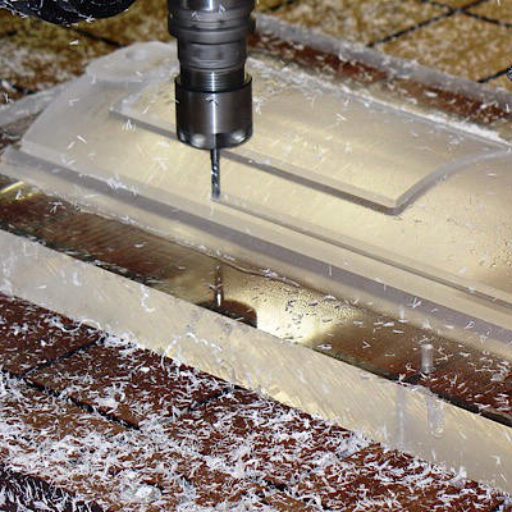
Choices are available for different types of finishes for the CNC acrylic service, catering to customized shapes and edges as demanded. With the CAD design completed, it is necessary to prepare the design programming which will go into a machine for automation. The acrylic plate is placed within the CNC machine and the arguments- the cutting edges are set to the proper configuration. The CNC unit is programmed to cut, modify, and grind the acrylic with accuracy and precision, leaving the most abrasive edges in place. Cut-off breakages and melting are avoided as such feed, speed, and cooling are controlled at all times. Such a technique allows one to own extremely beautiful and clearly constructed acrylic artwork even with very complicated patterns.
Overview of CNC Machining Technology
Advancement in CNC machining involves the use of computers to program machine tools. The manufacturing process has been simplified thanks to this, since it helps in achieving the utmost precision in every single dimension of the task, with both simple and intricate shapes in metals, plastics as well as acrylic materials. It is easy to use with current CNC applications for design CAD and manufacturing CAM. The most important aspects are how productive they are, how the waste is minimized and how exactly similar components are obtained time after time. In today’s world, CNC machines have found their place in almost every sector, including aerospace, automotive, and electronics in one way or another. This is because the technology is robust, universal, and convenient.
How CNC Acrylic Machining Works
Operating a CNC acrylic tool provides an automated way of dry cutting and shaping acrylic sheets to specific dimensions and configurations according to predetermined designs. This requires first making a micro-level three-d lipid reconstruction using CAD, then CAM to turn this into instructions which the machine interprets. The configuration of these tools shows that an instrument like a router drill or end mill is used to carve the acrylic with precision.
Axially engaged cutting tools spinning at over 20,000 rpm are commonly used to achieve clear and neat cutting. The special cutting rules are constructed using sharp cutting tools with high rake angles to prevent such problems as cracking or splitting, which occur commonly with acrylic turning. Also, workable thermal systems such as air jet or cold air are deployed to control the pressure built up within the body during the cutting operations as it would affect the design appropriately or worse, good bounds of finish.
Or consider such figures: in a CNC machine, the tightness of the specification can be measured in microns, down to ±0.0001 inches, which allows for the creation of highly detailed and intricate features. Moreover, another statistic shows that the vintage can lean as much as 40% on the modern-day CNC acrylic boring, cutting down the time to produce parts for such process-driven companies.
Additionally, this technology has implemented measures to reduce waste and pollution. The cutting and nesting activities, as provided by the advanced software, enable the use of every part of the acrylic to its maximum potential. As a result of these changes, CNC acrylic service remains popular in the production of lenses, signboards, exhibition stands, and mock-ups for the retail, medical, and consumer electronics markets.
Common CNC Machined Acrylic Techniques
- Cutting and Engraving: This aspect of CNC machines allows them to cut up acrylic sheets with utmost precision into complex shapes and designs or even engrave detailed words and patterns.
- Polishing: CNC machining is capable of performing flame polishing or diamond polishing to refine the surface at the cut edges of the acrylic.
- Drilling: With CNC drilling, it is possible to produce accurate holes with accurate dimensions and precision positioning for containment and fixing members.
- Bending and Forming: This type of heat application is used in bending acrylics to produce specific shapes, thereby allowing for versatile, customized design capabilities.
- 3D Milling: This method allows for constructions of intricate and different three-dimensional shapes out of a single piece of acrylic and therefore is used in a cnc acrylic service.
Design Tips for CNC Machined Acrylic Parts
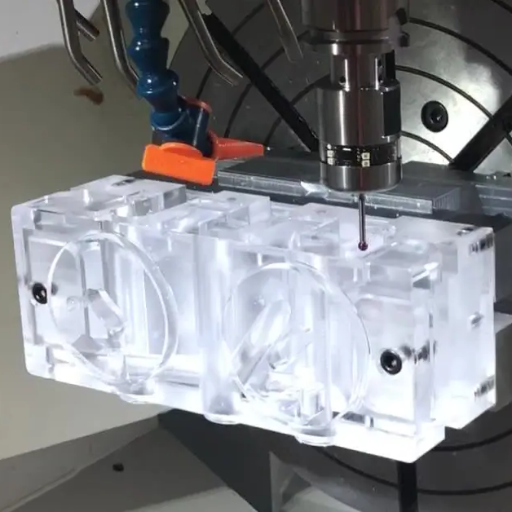
- •Draw upon the Correct Equipment: Choose equipment that is intended for acrylic to ensure it is cut, shaped, and finished to avoid any of the hostilities chips, cracks or burns during the process. Thus the cutting is flawless and the material seems perfect after cut completion.
- •Control the Machine Speed: When setting the machine, regulate the speeds and feeds used, ensuring that excessive heat from the friction of the cutting tool on the cutting surface does not occur and causes no distortion or melting of the workpiece.
- •Manufacturers: As desired, to achieve internal radii design instead of squared corners to the medium, avoiding localized stress risers, enhancing the architecture of the part.
- •Pick the correct version of the acrylic: Think about whether cast accommodates accommodators for better eyesight or extruded proves cost-effective due to its consistency and price.
- •Counter Any Finishing Techniques: Include any finishing activity e.g. polishing or sanding in the surface creation design to enhance the surface and visual aspect of the design.
Best Practices for Designing Acrylic Parts
- Evoking Thermal Expansion: Acrylic expands and contracts in response to temperature changes. Include provisions to grant adequate clearance and incorporate into the design considerations for the coefficient of thermal expansion to prevent stress or deformation.
- Maintain Wall Thickness: Uniformity in wall thickness reduces stress concentration and may also help prevent cracking. Wherever possible, if you require to go with different wall thicknesses, use gradual transitions to distribute stress evenly.
- Avoid Sharp Corners: Use rounded edges and corners to minimize the risk of fracturing. Sharp corners concentrate stress and cause a reduction in load capacity, hence more vulnerable to damage under impact.
- Bond Oblique Joint Design: For glued acrylic parts, the joint design should maximize the surface contact area between the parts, and the adhesive selection should be chosen to be compatible with acrylic for a stronger, more durable bond.
- Machinability: When machining, avoid designs that are too complex, as this can compromise the structural integrity of the material. Set reasonable machining tolerances to ensure precision without creating stress during the manufacturing process.
- Consider Load Distribution: Arrange the design so that loads are evenly distributed. Localized stresses can crack the acrylic. Gussets or ribs can strengthen these critical areas.
- Surface Protection: These applications require a coating or the use of UV-resistant variant material on acrylic surfaces exposed to abrasion or UV light.
Such measures, from the engineering know-how, ensure that acrylic parts remain functional and serviceable even in trying conditions.
Considerations for Clarity and Precision
To obtain superior clarity and precision in CNC machined acrylic parts, a series of factors have to be taken into consideration during machining:
- Tool Selection: Use only very sharp and well-sized tools to avoid surface imperfections and achieve clean cuts. Diamond polishing of tools is considered best for finishing acrylic to a high polish.
- Cutting Speeds and Feeds: At this stage, it is essential to ensure that cutting speeds and feed rates are kept within limits to prevent simultaneous heat buildup and stress generation, which can cause burning marks on the surface. Excessive heat is detrimental because it can destroy the surface by melting, which is undesirable for maintaining clarity or accuracy.
- Material Preparation: Clean the acrylic sheet or block, and remove its protective film only if necessary, being careful not to leave any debris or residue that could interfere with precision.
- Post-Machining Operations: Polishing and buffing the machined edges enhance transparency and optical quality. Flame polishing works well, but one must be extremely careful with acrylic to avoid damage.
- Cooling and Lubrication: During the machining process, ensure that an adequate coolant-applying system is in place, whether using air, mist, or liquid cooling, to reduce heat buildup that could potentially lead to cracks or damage to the acrylic.
- Machining Tolerances: Be explicit about assigning tight tolerances in the design, as acrylic’s thermal expansion can have a direct impact on dimensional accuracy under varying environmental conditions.
By paying attention to these points, combined with continuous quality checks, manufacturers can produce CNC-machined acrylic parts that meet the requirements of utmost clarity and precision for a variety of applications.
Designing for Optimal Machining of Thermoplastic Acrylic
Designing for the optimal machining of thermoplastic acrylic requires considering the material’s characteristics under machining conditions. Consider some of the following must-know strategies for your design:
- Minimize Sharp Corners-Acrylic creates stress fracture when under high stress. Having round corners for the design reduces the concentration of stress, thereby increasing the complete durability of the workpiece.
- Select Proper Thickness-This refers to the thickness that is appropriate for the given application and balances strength and flexibility needs. Thin sections may warp or break during machining, while thick sections may sever operations.
- Accounting for Thermal Expansion: Acrylic expands and shrinks with temperature changes. Always design components to tolerate these slight dimensional changes when interfaced with assemblies, more so when applications are exposed to varying environmental conditions.
- Polishing Requirements: Application-wise, there is a need for post-machining polishing to maintain optical clarity in the design of your application, ensuring easy access to those areas. This certainly ensures smooth transparent surfaces, free from scratches, or clouding.
- Cutting Path Optimisation: When programming CNC, use smooth continuous cutting paths to maintain the integrity of the material and reduce chatter or tool marks. Also eliminate any abrupt tool entry path to avoid chipping.
However, when these issues are identified during the design stage, the designer can incorporate them into the design setup to meet the functional and aesthetic requirements of machined acrylic. A well-planned part offers easy machinability, which supports the final product’s performance and lifespan across multiple industries.
Applications of CNC Acrylic Machining

One of the primary industries where CNC acrylic machining is utilized is manufacturing; the operations performed with CNC machining are inevitable due to the high precision that CNC can offer. Some typical applications involve optical lenses, light guides, and display panels in the electronics and automotive sectors. CNC machining is used for manufacturing components of medical equipment, signage, and artistic and architectural elements. In addition to providing intricate designs, the machining is exact, which generally favors the CNC acrylic machining for the manufacturing of parts, whether those are functional or decorative.
Industries Utilizing CNC Machined Acrylic
- •Electronics: Manufacture light guides, display panels, and protective covers.
- •Automotive: Best for precision optical lenses and interior decorative components.
- •Medical: Used in making parts such as covers of diagnostic equipment and surgical tools.
- •Advertising and Signage: Used for high-grade, durable signage and promotional displays.
- •Architecture and Design: Used for artistic installations, furniture, and structural elements for both aesthetics and functionality.
Innovative Uses of Acrylic in Modern Design
Acrylic is a very versatile material for contemporary design due to its durability, lightweight nature, and adaptability. It finds application in minimalist furniture that is elegant and functional. Acrylic is also used by designers as a material for statement lights, in keeping with their sleek modern aesthetic. In interior design, acrylic is often used to form room dividers onto which tabletops and shelves are mounted, creating a clean, contemporary look. With its transparency and capability to combine tinted or textured finishes, acrylic strikes a balance between function and art. Indeed, acrylic continues to inspire innovative applications in both residential and commercial settings.
Examples of Custom Acrylic Projects
- Acrylic Wall Panels – Used for office or any interior use to keep elegant translucent half-partitions allowing light into the room but maintaining privacy.
- Acrylic Furniture – These are custom tables, chairs, and shelves designed to marry durability with contemporary looks.
- Display Cases-These are perfect for displays of collectibles, awards, or retail merchandise as they are clear and protective.
- Signage – Acrylic signs for branding, often laser-cut or engraved, providing a sleek and professional finish.
- Lighting Fixtures-Decorative acrylic lamps or chandeliers meant to enrich the ambiance with sleek forms that diffuse light.
Choosing the Right CNC Acrylic Service Provider
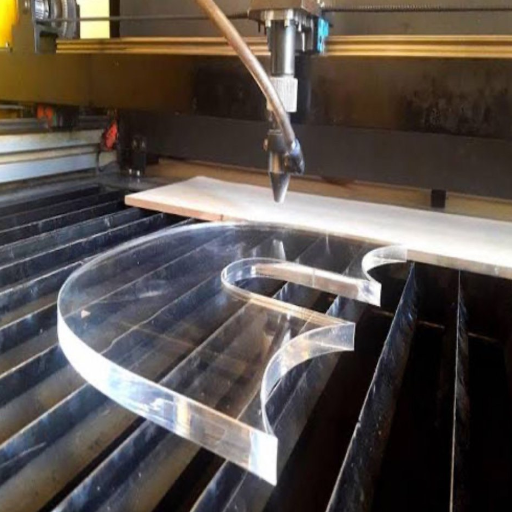
Before choosing a CNC acrylic machining provider, consider their experience, technology, and customization options. They should be using advanced CNC machines for that very precision while, in fact, looking at samples gives quality and versatility. Look for providers offering transparent communication, the best pricing, and time delivery so they can meet your project requirements properly.
What to Look for in a CNC Machining Service
- Precision and Accuracy: Verify that service providers use CNC machines capable of precise and accurate cuts, particularly for intricate designs.
- Materials: A provider that can handle various materials, such as acrylic, metals, and plastics, should be sought to meet your project requirements.
- Customization Options: The service provider must be capable of accepting custom designs and specifications to meet the unique requirements of each project.
- Quality Assurance: Check for stringent quality control procedures to maintain prices of crafts worthiness and product consistency.
- Turnaround Time: Assess their ability to deliver the projects within agreed-upon time limits and without compromising quality.
Questions to Ask Your CNC Acrylic Service Provider
- What acrylic materials and thicknesses can you work with?
- Can you provide prototypes or samples before full production?
- What precision and tolerances can your machines achieve for highly intricate designs?
- Will you offer any finishing operations, such as polishing or engraving?
- How long is the typical lead time for projects? Also, do you accept rush jobs?
Evaluating Quality and Precision in Machined Acrylic Parts
Several points should ideally be checked when evaluating machined acrylic parts to verify for quality and conformity. Inspect the edges for transparency to ensure they were cut correctly and that the cutting tool used was sharp. Verify dimensional accuracy to ensure the part meets the specified dimensions within the permitted tolerances outlined in the design. It is also necessary to check for uniform surface areas, especially at stages of polishing, finishing, or engraving. Check for quality-control measures, methods that confirm durability, or how well processes hold up over production batches, to gain confirmation of consistent output. Working on these quality factors assures an outstanding, lower tolerance, really well-crafted acrylic component.
Reference Sources
-
The Ultimate Guide to CNC Machining Acrylic Parts – Covers essential techniques and considerations for CNC machining acrylic.
-
Acrylic CNC Machining: A Comprehensive Guide – Discusses the efficiency of CNC machining for acrylic, especially for small batch production.
-
The Guide to CNC Machining Acrylic Parts – Provides an overview of benefits, techniques, and applications of CNC acrylic machining.
- Top Acrylic Sheet Manufacturers and Suppliers in China
- Guide for Laserschneiden Acryl