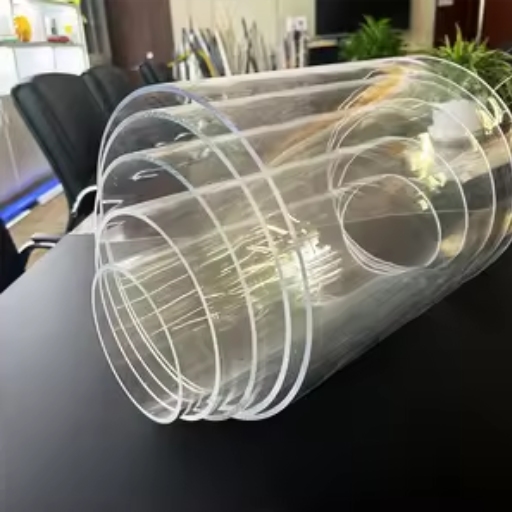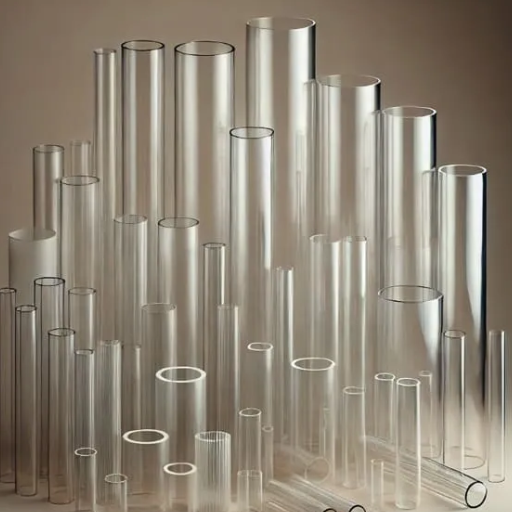

Acrylic is among the most adaptable and durable materials used in modern design and manufacturing, offering virtually unlimited possibilities for any personal or professional project. Custom-cut acrylic sheets will be your friend for any design that requires intricate cuts or materials that need to be fabricated in unique ways for one-of-a-kind applications. This article sheds light on custom-cut acrylic, discussing the advantages it offers, detailing the fabrication techniques used to bring your design to life, and explaining why it is the material of choice for a wide range of applications, from home decor to industrial solutions. Come and see us as we delve into the possibilities of acrylic and explore how its applications can be utilized in creating your next project.
Acrylic Overview
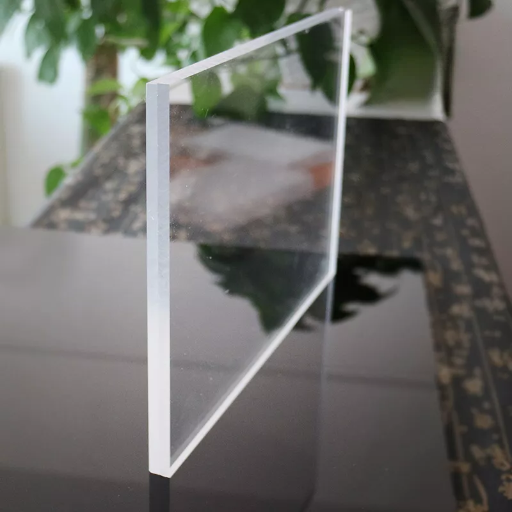
Acrylic is a lightweight, extremely durable, and versatile plastic that finds use in various fields, including signage, displays, and furniture making. It is best known for its clarity and durability. It almost convincingly replicates the appearance of glass while being slightly more resistant to impact and easier to form. The properties of acrylic make it resistant to the weather for all indoor and outdoor uses. It can be cut, molded, or otherwise modified, making it highly desirable for both creative and practical applications.
What is Acrylic?
Acrylic, also known as polymethyl methacrylate, is a synthetic polymer recognized for its transparent properties, durability, and versatility. Any form of acrylic was first introduced into production in the early 1900s and has since gained notoriety as a building material, as well as a choice for more innovative design. Being lightweight, acrylic is thus an alternative to glass, offering nearly the same optical clarity but significantly greater strength and impact resistance. Moreover, acrylic has UV resistance, allowing it to retain its transparent features and integrity even after prolonged exposure to sunlight. Some examples of applications include signage, aquariums, and skylights, while others encompass furniture and automotive parts. With modern technology, acrylic can be developed into various colors, textures, and thicknesses, leading to more opportunities for both functional and decorative applications.
Types of Acrylic and Their Uses
Clear Acrylic Sheets
Clear acrylic is often used for window applications, display cases, and protective barriers due to its delicate transparency and UV resistance, which make it a durable and lightweight alternative to glass.
Colored Acrylic Sheets
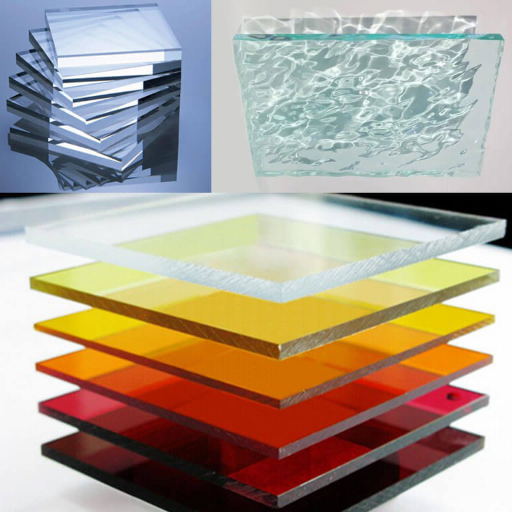
Acrylic sheets come in every imaginable color and are thus widely used in decoration, signage, and interior design for their bright colors and customizable finishes.
Frosted Acrylic
With its matte surface and diffusing finish, frosted acrylic is typically used to subtly diffuse light in applications such as privacy screens, partitions, and lighting fixtures.
Mirrored Acrylic
The mirrored acrylic finds use in retail displays, decorative purposes, and automotive applications as a lighter and shatterproof alternative to conventional mirrors.
Textured Acrylic
Acrylic with embossed or patterned surfaces is ideal for creating visual interest and is practical for use on tabletops, cabinet inserts, and decorative panels.
Differences Between Acrylic and Plexiglass
Acrylic and Plexiglass are essentially the same material, with Plexiglass being a trademarked brand name for acrylic sheets. However, minor differences in manufacturing processes can result in slight variations in their characteristics.
Custom Acrylic Sheets
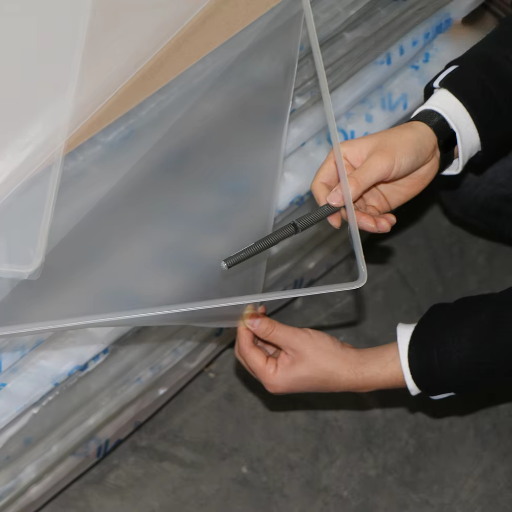
Custom acrylic sheets are versatile and adaptable to various construction needs. It can bear the acrylic sheets with the highest clarity, make them durable if needed, and provide UV resistance if required for the application. Hence, the decision rests on personal budget considerations and brand preference. Both of them are alike, almost, in characteristics, yet differ ever so slightly in flexibility and price.
Benefits of Custom Cut Acrylic
- Precision Fit: Custom-cut acrylic sheets ensure a perfect fit for given dimensions, resulting in minimal waste and enhanced efficiency in any project.
- Versatility: They find versatility in a wide range of applications, including signage and displays, protective barriers, and even home décor.
- Durability: Highly resistant to impacts and weather, acrylic makes a fine choice for both indoor and outdoor usage.
- Lightweight: Weighing much less than glass, acrylic is easier to handle and install.
- Clarity and Aesthetic Appeal: Acrylic sheets maintain good optical clarity, providing a sleek and professional look to any project that requires transparency or shine.
Applications for Custom Acrylic Sheets
🏪 Retail Displays
Acrylic sheets are primarily used to create attractive retail displays, shelving, and signs that effectively showcase products.
🪑 Furniture Design
They are often integrated into modern furniture design solutions for tables, chairs, and partitions because of their lightweight and stylish appearance.
🏗️ Architectural Features
Skylights, wall panels, and decorative features in houses and commercial buildings can be done with acrylic sheets.
🐠 Aquariums and Tanks
Due to its clarity and strength, acrylic is often used for the construction of aquariums and water tanks.
🛡️ Protective Barriers
Acrylics are primarily used as safety shields or sneeze guards in workplaces, schools, and public places for added protection that does not obstruct visibility.
Designing Your Custom Acrylic Solution
Once the custom acrylic design is in the making, it must be weighed for functionality and appearance. First, determine the design purpose: any display cases, furniture, or architecture. Then, select the appropriate thickness and grade of acrylic based on usage, wear, clarity, and other factors. Afterward, ensure that exact measurements are taken for a perfect fit. Additional embellishments, such as a frosted acrylic finish, colored tints, or laser-etched designs, could be considered if they enhance the final product. Partnering with seasoned fabricators or leveraging state-of-the-art software for precision will inject versatility in tailoring a design to suit your very needs. Additionally, safety is a consideration; therefore, for load-bearing and high-impact applications, reinforced acrylic is always recommended.
Fabrication Techniques for Acrylic
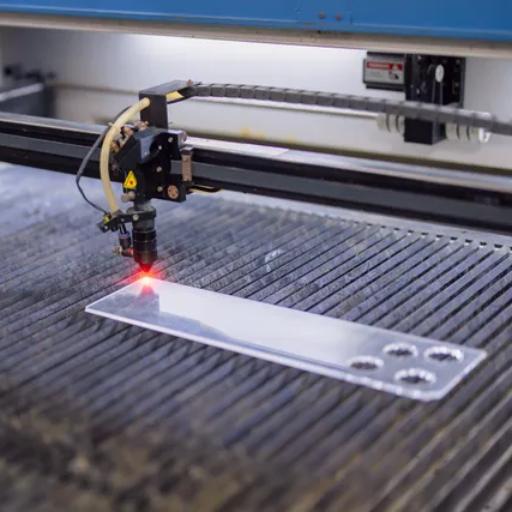
When working with acrylic, the first consideration is to choose the appropriate variety and thickness for your objective. In fabrication, techniques such as cutting with laser cutters or saws are commonly employed to obtain precise shapes. In thermoforming, the acrylic is heated and then shaped into the desired form. Joining can be achieved through solvent welding or by applying adhesives to establish strong bonds. Edges can be polished with a flame or abrasives for a smooth finish. Therefore, utmost care should be taken when handling, and special tools should be used to prevent the material from being damaged during fabrication.
Methods of Cutting and Shaping Acrylic
When acrylic work is considered, there are different ways for cutting and shaping the material to suit the specific requirements of the project:
🔥 Laser Cutting
Laser cutting is one of the exact methods for cutting acrylic. The beam of the laser cutter is focused along the cutting line, melting and vaporizing the acrylic, and leaving very smooth, human-like edges. It offers excellent detail, repeated precision for multiple copies when needed.
🪚 Saw Cutting
Cutting acrylic sheets can also be done with saws, such as circular saws, jigsaws, or table saws. These saws use wonderful blades. Saw cutting requires steady hand control to prevent chipping or cracking of the material. Best for straight cuts or larger pieces.
✂️ Scoring and Breaking
This method is economical for thin sheets of acrylic. It means the acrylic plate is deeply scored along the cutting mark with a scoring knife, then bent along the score until it snaps cleanly. This one is better suited for simple straight cuts.
🔥 Thermoforming
Heating acrylic softens the plastic, allowing it to be molded into shapes or bent along its edges. Heat can be applied using either a strip heater, a heat gun, or an oven, depending on the intricacy and size of the project. After formation, it hardens upon cooling.
Note: The proper method for acrylic projects depends on their thickness, complexity, design requirements, and the availability of tools and equipment.
Joining Techniques for Acrylic Sheets
There are three common types of joining methods for acrylic sheets and here they are:
🧪 Adhesive Bonding
In comparison to solvent-based glues, the adhesives can soften the surfaces of the sheets, resulting in a very strong joining as the adhesives set. This will give an optical or invisible type of joining.
🔩 Mechanical Fastening
The surface of acrylic can be securely joined using screws and bolts, or any other suitable fastener. This method is best suited for projects with joints that require disassembly or adjustment; however, care must be taken to prevent cracking during drilling or fastening.
🔥 Thermal Welding
Heat applied to the edges melts the acrylic. As the temperature cools, the welded parts are fused. This is a method of creating relatively durable joints, typically requiring specialized tools.
Each method must be chosen based on the project’s design, strength considerations, and available tools. Preparing the acrylic edges is crucial to ensuring a strong and aesthetically pleasing join.
Finishing Options for Custom Acrylic Products
Finishing the custom acrylic product is essential to impart both the aesthetic and functional aspects to the item. Some of the standard finishing techniques for an acrylic product are as follows:
✨ Polishing
The process of polishing involves creating precise, smooth edges on an acrylic surface. Flame polishing is the most famous method, where a high-temperature heat source smoothes and melts the edges. Machine or hand polishing may be employed for more complicated or precise finishes.
🔷 Beveling
Beveling techniques create an angled edge on acrylic products, making them look more attractive and deeper. It is best suited for decorative items, signs, or architectural elements.
🖊️ Engraving
Acrylic is laser or mechanically engraved to manufacture intricate designs, logos, or text. It is frequently used for awards, custom signage, and personalized gifts.
🎨 Painting and Coating
The acrylic surface may be painted or coated either to impart colors or to provide extra durability. They work well, giving a very classy finish and also protecting the acrylic against UV rays and wear.
🌫️ Texturing
Texturing involves applying patterns or frosted finishes to an acrylic surface. Sandblasting and chemical etching are two of the most popular methods for creating such textures and are often used for privacy screens and decorative panels.
🔥 Heat Bending
Heating and bending are the processes used to mold the acrylic into beautiful shapes and forms. These methods are capable of creating furniture, retail displays, and art installations.
In this way, one can create customized acrylic products that fulfill both practical needs and aesthetic preferences, giving them a professional sheen.
Applications of Custom Acrylic Solutions
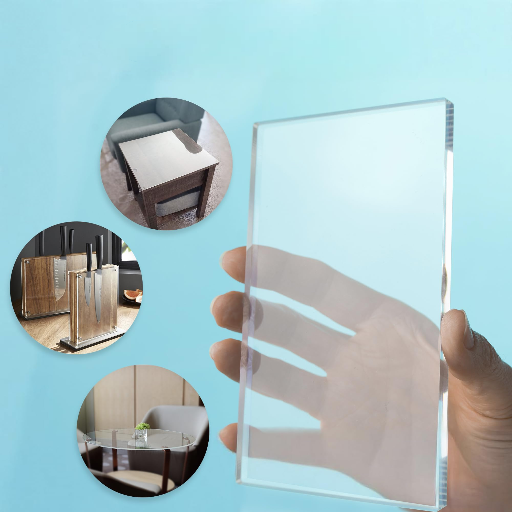
Custom acrylic solutions are utilized in a wide range of spheres, all providing versatility and durability. The retail sector utilizes acrylic custom-made displays, shelving, and signage to maintain a clean and professional look. Interior design utilizes it to make decorative subdividing panels, privacy screens, and furniture components. Medicine uses it for protective barriers and equipment. Additionally, it is adaptable and suitable for use in art installations and custom design projects. These applications demonstrate the versatility of the material in meeting the diverse functional and aesthetic needs of customers.
Display Solutions in Retail and Marketing
Custom acrylic stands offer numerous features that lend themselves to modern retail and marketing displays, thanks to their versatility and aesthetic appeal. Being transparent, acrylic displays provide maximum space for the product, presenting a clean and simple aesthetic that builds up the perception of value. Acrylic solutions, from pos displays to branded signage, embrace the shopping atmosphere, drawing consumers’ attention. Additionally, custom acrylic solutions can be designed with the colors, logos, and unique shapes of companies, further strengthening and reinforcing their brand identity and messaging. Clearly, these insights demonstrate that companies are increasingly turning to acrylic solutions for innovative and durable displays that combine both form and function to engage their customers.
Acrylic Sneeze Guards: Safety and Design
An acrylic sneeze guard is an excellent way to maintain hygienic situations in public and at the workplace. Such installations essentially act as a barrier against airborne droplets that are released when someone sneezes or coughs; hence, the spread of these droplets is reduced. The guards provide excellent visibility and structure, with an outstanding capacity to serve all functionality beyond the basic need for protection against the virus. Moreover, stylish and accommodating designs ensure that these guards can blend nicely into any surroundings where aesthetics are a priority alongside safety.
Creative Uses in Art and Home Decor
Due to its modern aesthetic, durability, and flexibility, custom acrylic has become an increasingly popular choice in art and interior decoration. Artists use acrylic sheets in multi-layered compositions to achieve a three-dimensional effect, thereby lending a sleek, polished finish to the artwork. The acrylic can also be laser cut into intricate shapes for the production of unique sculptures or decorative wall panels.
Custom acrylic is an integral part of the design lexicon for the home, from furniture such as coffee tables to shelving units and functional yet striking decorative pieces, including picture frames, display cases, and lighting. Its characteristic feature is the ability to imitate the transparency of glass, while being lightweight and highly resistant to shattering. The almost limitless spectrum of colors and finishes that it offers provides ample scope to contrast or grow with any modern interior. Its versatility ensures that it will always be favored for combining creativity with function, both for the artistic world and interior decoration.
Considerations When Working with Acrylic
Handling acrylic necessitates caution to prevent scratching or cracking. Keep in mind the use of appropriate tools, such as a fine-toothed saw or laser cutter, to cut edges cleanly. For applications involving higher temperatures, heat-resistant grades of acrylic should be used, since standard grades can warp. Any cleaning is best accomplished with a soft, non-abrasive cloth, coupled with mild soap, to maintain clarity and a smooth finish. Store it in a cool, dry place away from direct sunlight and heat, as discoloration or warping may occur over time.
Understanding Acrylic Transmission Properties
Light made its entry through Acrylic sheets, as they allow as much as 92 percent of the visible light to bestow the shadow of clarity upon it, greater than glass. The famous miracle of clarity preserves its transparency even when subjected to several years of sunlight. This material is also available in various shades of transparency and opacity to suit different needs. Additionally, it resists harmful ultraviolet rays, thereby preventing yellowing and deterioration over time. This makes acrylic a demand in areas where clear visibility and durability are essential.
Responsive Design for Custom Acrylic Projects
The importance of responsive design for acrylic custom projects lies in functionality, aesthetics, and user satisfaction. Responsive design, in this context, means acrylic components adjusting to project requirements or environmental conditions. Acrylic sheets can be cut, molded, and thermoformed into practically infinite shapes, allowing for designs tailored to specific dimensions or applications. Such versatility is what propels the project through industries like retail, interior design, and architecture.
Custom acrylic projects can remain durable while accommodating unusual design ideas through precise measuring, highly technical fabrication methods, and top-notch materials. Yet, protective coatings against UV—the design features varying degrees of transparency—maintain the artistic appeal of the product while enabling it to withstand intense conditions over time. User preference is a highly mutable factor, and whether for utility or decorative value, responsive design provides custom acrylic solutions with the capability for effective adaptability in service.
Common Challenges in Acrylic Fabrication and Solutions
🔴 Break or Chip During Cutting
Problem: Improper cutting techniques and dull tools cause the acrylic to crack or chip.
Solution: One can minimize damage by using specialized tools such as carbide-tipped blades and varying the cutting speed.
🟠 Heat Sensitivity Causes Warping
Problem: Acrylic, being heat sensitive, can warp or distort if the fabrication temperature rises.
Solution: It is essential to ensure temperature control and cooling throughout processes like engraving or bending.
🔵 Scratches and Scuffing of Surface
Problem: Surface scratches on acrylic can detract from its view and beauty.
Solution: Application of scratch-resistant coating or polishing is a good remedy to retain the acrylic’s precise finish.
🟢 Adhesive Marks or Weak Bonding
Problem: Using the wrong adhesives can leave visible marks on the joints, resulting in a weak bond to the final product.
Solution: Always choose acrylic-compatible adhesives and apply them carefully to ensure a clean and strong bond.
🟣 Imprecision
Problem: Complex designs and intricate detailing can be challenging due to the material properties of acrylic.
Solution: Working with laser cutters and CNC machining yields precise and accurate results.
Reference Sources
- Acme Plastics: Cut-to-Size Clear Acrylic Sheet – Cast – Cast – Offers a variety of customization options and edge polishing methods for acrylic sheets.
- TAP Plastics: Cut to Size, Polycarbonate & Acrylic Plastics – Provides cut-to-size plastic and plexiglass sheets in a wide range of colors and sizes.
- Custom Made Better: Acrylic Sheets – Features specialty acrylic sheets with unique color effects for various crafting possibilities.
- Top Acrylic Sheet Manufacturers and Suppliers in China
- Guide for Laserschneiden Acryl
Frequently Asked Questions (FAQs)
❓ What is custom cut acrylic, and how does it differ from normal acrylic?
It is an acrylic product designed and made to accommodate the specific requirements or specifications of the customer. Unlike regular sheets of acrylic, these can be custom fabricated in size, shape, and finish for particular uses such as special acrylic displays or prototypes.
❓ What are the advantages of cast acrylic over other types of acrylic sheet?
Cast acrylic offers superior clarity and strength compared to other forms of acrylic. It also offers tremendous UV protection, making it suitable for undertakings exposed to sunlight. More scratch resistance is another attribute of cast acrylic, and it is easy to work with, thus perfect for displays and signage.
❓ What qualities should one have in mind when choosing acrylic plexiglass sheets?
Generally, one should consider the usual qualities-thickness, color, finish (glossy or non-glare), and many more. Also, one should think of how the product is going to be used-so if it is for an outdoor display then UV protection may matter, or being lightweight and easy to hang might be the priority.
❓ Can custom acrylic solutions keep exhibition booths safe?
Yes, custom acrylic solutions can display items in exhibition booths with maximum protection. Durable acrylic materials, such as Lucite or Acrylite, ensure the displays look as good as they can withstand handling throughout the event, providing a glare-free display of items.
❓ What is the turnaround time on custom acrylic orders?
The turnaround time depends on the complexity of the design and schedule of the supplier. However, some companies offer expedited shipping to help you meet a tight deadline for an exhibition or other important event.
❓ Are there any creative uses of custom acrylic display products?
Creative uses of custom acrylic display products include pop displays in retail environments, in-store safety sneeze guards, or even museum-worthy showcases for art. The possibilities are endless given their versatility and quality.