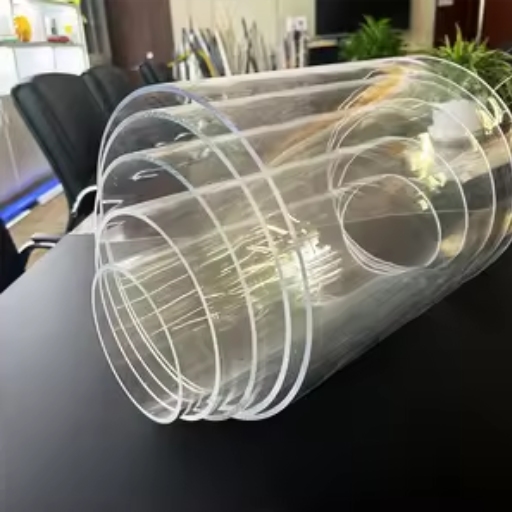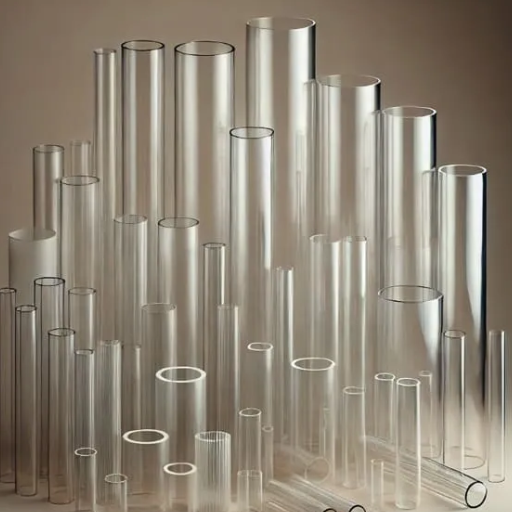

Clear acrylic, often referred to as polymethyl methacrylate (PMMA), has become a practically indispensable and versatile material in various industries. Due to its remarkable transparency, strength, and lightweight nature, clear acrylic offers numerous advantages, making it the preferred choice for different application areas, including construction, interior design, automotive, and medical technologies. This article will cover the key benefits of clear acrylic, providing insight into why this material is replacing traditional materials like glass and is often the first-choice option in modern engineering and design solutions. Whether you are a professional seeking new materials to explore or a curious individual interested in its potential, this guide will present what differentiates clear acrylic and how it can be applied in practical use.
Introduction to Acrylic and Its Benefits
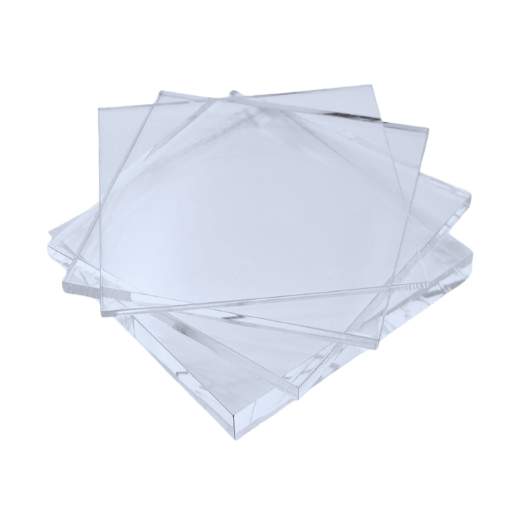
Clear acrylic, also known as polymethyl methacrylate (PMMA), is a lightweight, sturdy, and highly transparent material used across various industries. Being clear, it is selected for optical reasons, weather resistance, and ease of fabrication. The practicality of acrylic as a replacement material for glass remains strong. Acrylic weighs almost 50% less than glass and boasts up to 17 times higher impact resistance, making it a safer and more versatile choice. It is a durable material for both indoor and outdoor environments due to its resistance to UV rays and chemicals. With these attributes, acrylic is considered ideal for applications that require strength, clear visibility, and adaptability.
What is Acrylic?
Acrylic is a transparent, lightweight plastic that is hard-wearing in nature. It stands as an alternative to glass for various applications owing to its much greater impact resistance and convenience of handling. It is very versatile in the sense that it offers excellent weathering and ultraviolet (UV) resistance, making it well-suited for various showcases both indoors and outdoors. It is this very strength, adaptability, and clarity that have made acrylic a favorite in the industry for construction, automotive, and design.
Overview of Acrylic Plastic
The plastic known as acrylic is light, shatterproof, and highly resistant. It can be used as an alternative to glass in applications requiring superior optical clarity. The plastic is also weather-resistant and does not yellow or degrade upon exposure to sunlight. On the other hand, acrylic is easy to shape and fabricate, allowing some degree of freedom in its application, from signage to protective barriers and display fixtures. Due to these characteristics, combined with affordability, the product has become very popular in almost every industry.
Hook: Why Choose Acrylic?
Acrylic is a highly commercial and common material, highly regarded due to its unusual combination of properties and cost-effectiveness. It offers light transmission of approximately 92%, comparable to glass, but is significantly lighter; hence, acrylic is often preferred over other plastics. A tensile strength of approximately 10,000 psi makes it suitable for a wide range of uses both outdoors and indoors, presenting all the advantages that acrylic offers in a given application. It has been studied that good acrylic remains optically and physically unaffected even after an extended period under UV radiation. This means that acrylic is most suitable for outdoor signage and protective barriers. Moreover, with the advancement of manufacturing technology, impact-resistant acrylics have been developed and are approximately ten times stronger than ordinary glass. Thus, this feature is further enhanced by being easy to clean and recycle, giving the modern industry a cradle-to-cradle material solution.
Durability and Strength of Acrylic Sheets

Comparison with Glass: Strength and Weight
|
Parameter |
Acrylic |
Glass |
|---|---|---|
|
Weight |
50% lighter |
Heavier |
|
Impact |
High resistance |
Brittle |
|
Flexibility |
Flexible |
Rigid |
|
Scratch |
Prone |
Resistant |
|
Clarity |
Slightly lower |
Superior |
|
UV Block |
99% |
Minimal |
|
Cost |
Lower |
Higher |
|
Safety |
Safer on breakage |
Shatters sharply |
Scratch Resistance of Acrylic
Acrylic sheets are less scratch-resistant than glass, although they are favored by many for their lightweight nature, flexibility, and impact resistance. However, great strides have been made in the realm of surface treatments and coatings to enhance their scratch resistance. Hard-coat technologies nowadays typically utilize silicon-based or UV-cured coatings for the material, thereby supporting it through everyday abrasion and maintaining optical clarity over time.
According to industry data, acrylic sheets are rated standard from 2H to 3H on the pencil hardness scale; however, with the addition of a coating, this rating can increase to 6H-9H, making them strongly resistant to wear and tear. These coatings would thus be preferred in demands such as exhibitions for public viewing, automotive components, and protective barriers where increased durability is demanded. Although much more prone to surface damage, uncoated acrylic remains lightweight and is cost-efficient for large applications or where trade-offs are considered.
Impact Resistance and Longevity
A key characteristic of acrylic material is its superior impact resistance compared to standard glass. Being able to withstand approximately 17 times more impact than glass, this is surely an ideal consideration for skill-based environments. Its endurance through opposition offers lifetime guarantees for demanding activities, such as construction, industrial safety equipment, and sports barriers. Additionally, the resistance to UV rays reduces the degradation that may occur, including yellowing and weakening of the structure. With such properties, acrylic becomes a cost-effective and dependable material for projects requiring both strength and aesthetic value, ensuring that it will not fail in its performance or appearance over time.
Versatility in Applications
Common Uses of Acrylic in Various Industries
- Automotive Industry: Used for headlamp covers, interior panels, and displays because it is lightweight and impact-resistant.
- Construction and Architecture: Installed in windows, skylights, and decorative panels because of its weather resistance and lightness.
- Retail and Displays: Advertised very timely for signages, display cases, and point-of-sale stands since it has high clarity and looks good.
- Medical Industry: All used for equipment enclosures, protective barriers, and medical device components because it is hygienic and non-toxic.
- Arts and Design: Preferred for making sculptures, custom-made furniture, and decorative pieces because it is easy to shape and has many bright colors.
Acrylic in Home Decor and Design
Among its desirable features—versatility, durability, and pleasing aesthetics —acrylic has found its place in contemporary home decor and design. Acrylic offers both functionality and beauty, and is often used in applications such as coffee tables, chairs, and shelving, providing a sleek, modern look alongside practicality. Unlike glass, it is lightweight, which lends a hand in creating innovative design solutions. Newer processes have introduced UV-resistant coatings and scratch-resistant finishes to this material, making it more suitable for everyday use.
Additionally, as an interior accent, acrylic is gaining importance in the manufacture of light fixtures, wall panels, and home accessories, as it can imitate glass or experiment with color. Market reports show an increase in the demand for acrylic products in the home decor market, where consumers appreciate their affordability and customization options. Acrylic pairs well with almost any design style, whether in matte, clear, or frosted finishes—a testament to its versatility, which spans from minimalist to eclectic design styles. The numerous uses undoubtedly represent the significance of acrylic in contemporary home settings, especially when considering the benefits acrylic offers.
Innovative Applications of Acrylic Plastic
The versatility, durability, and visual appeal of acrylic plastic have found applications across industries. One exemplary application in architectural and interior design is the use of acrylic sheets for window installations, skylights, and decorative panels. Acrylics, being renowned for their high light transmission, provide an alternative to glass that is lightweight and shatter-resistant, making them ideal in safety-conscious environments such as schools and hospitals. Therefore, acrylics may be formed and constructed into virtually any shape for inventive structural design, including custom-made furniture and intricate partitions.
Headlight lens covers, mirror covers, and instrument panels have been incorporated into the automotive industry. They have been treated with UV- and scratch-resistant coatings through high technology to ensure durability and performance in extreme environments. Furthermore, acrylic is used in manufacturing optical lenses for spectacles and camera equipment because it is very clear and highly impact-resistant.
Recent developments in acrylic technology have expanded its applications in the medical field. Acrylics are now being used extensively for prosthetics, specific dental procedures, and in some types of laboratory equipment due to their biocompatibility and ability to be sterilized. Due to its inertness and versatility, acrylic has also found applications in various medical imaging devices and acrylic safety screens.
Aside from the evident attention to developing recyclable and bio-based acrylic, manufacturers are also engaged in greener conversion processes, thereby reducing the carbon footprint of acrylic production without compromising what makes acrylic special. These breakthroughs place acrylic plastic at the core of creating a greener and more innovative tomorrow.
Cost-Effectiveness of Acrylic
Price Comparison: Acrylic vs. Other Materials
|
Material |
Price |
Durability |
Weight |
Scratch Resistance |
UV Resistance |
Heat Retention |
Ease of Installation |
|---|---|---|---|---|---|---|---|
|
Acrylic |
Mid-range |
High |
Lightweight |
Moderate |
High |
Good |
Easy |
|
Glass |
High |
Moderate |
Heavy |
High |
High |
Excellent |
Difficult |
|
Polycarbonate |
Comparable |
Very High |
Lightweight |
Low |
Moderate |
Moderate |
Easy |
|
PVC Foam Board |
Low |
Low |
Very Light |
Low |
Low |
Poor |
Very Easy |
|
Cast Iron |
High |
Very High |
Very Heavy |
High |
High |
Excellent |
Difficult |
|
Porcelain |
High |
High |
Heavy |
High |
High |
Excellent |
Difficult |
Long-Term Savings: Maintenance and Replacement
Hence, a careful analysis of initial expenses versus ongoing operational costs, such as maintenance and replacement, must be undertaken to determine long-term material viability. Durable materials typically require higher initial costs; however, this is offset by lower maintenance and a longer service life. For example, cast iron is very durable and rarely wears out; thus, it hardly ever needs replacement for many decades, saving money for a long time, despite its high initial cost. On the other hand, glass and porcelain retain their structural integrity over time, requiring minimal maintenance when used in controlled environments.
In contrast, materials such as PVC foam board, being cheap and lightweight, do not withstand the test of time, exhibiting low durability and resistance; hence, they show increased rates of replacement during the studied periods. Polycarbonate might be the perfect middle ground, being highly impact-resistant and requiring moderate maintenance, which makes it moderately priced when lightweight and sturdy materials are needed. Life cycle cost analysis, combined with application-oriented requirements, helps decision-makers select the most cost-effective materials over time through informed maintenance and replacement strategies.
Value for Money in Different Use Cases
VfM varies widely depending on the application and context to which materials or systems are given. For example, in construction, materials such as reinforced concrete or structural steel are utilized due to their value, which stems from their resilience in harsh environments and long-term durability, resulting in minimal life-cycle costs. On the other hand, energy-efficient solutions, such as LED lighting and Smart HVAC systems, require an upfront investment, with significant energy savings flowing back into the system in the long term, while also reducing operational costs.
Another powerful example of optimizing VfM can be seen in the transportation sector. The transition to electric or hybrid vehicle fleets is proven to be cost-effective compared to conventional internal combustion engines, resulting in savings on fueling, maintenance, and government incentives for such vehicles. Similarly, aerospace applications with advanced composites, such as CFRP, demonstrate a very good VfM due to their lightweight properties, which enhance fuel efficiency and reduce operational wear and tear.
Again, digital technologies are one significant area in which VfM is the key consideration. The ease of scalability and flexibility of cloud computing infrastructures for businesses enables them to generate cost advantages by reducing physical server maintenance needs. The adoption of predictive maintenance using IoT sensors in manufacturing environments would maximize operational performance, reduce unplanned downtime, and increase equipment lifespan. Across industries, pinpointing well-tailored solutions that address specific needs enables organizations to balance capital expenditures against substantial long-term economic and functional benefits.
Ease of Maintenance of Acrylic Products
Cleaning and Care Tips for Acrylic Sheets
Acrylic sheets require proper cleaning and care to maintain their clarity, durability, and aesthetic appeal over time. The general rule of thumb is to clean any acrylic surface with a soft microfiber cloth or a non-abrasive sponge using lukewarm water and a mild, non-ammonia-based detergent. However, any surface cleaner with harsh chemicals should be avoided to prevent creating micro-scratches on the acrylic. Abrasive scrubbers and glass cleaners containing ammonia act as foreign elements, causing either micro-scratches or chemical reactions that may degrade the acrylic material.
For greases or adhesive residues, rub off using isopropyl alcohol (also known as rubbing alcohol), but in small amounts. Rinse the surface thoroughly with water after cleaning and dry it with a clean, lint-free cloth to prevent water spots from forming. To avoid additional scratches, place protective padding or felt beneath any items placed on the sheets.
According to statistics, the functional life of acrylic sheets can be increased by 50 to 70% depending on where they are installed and how frequently the area is subject to dirt or handling, provided they are regularly maintained and properly handled. Adhering to these methods will ensure that the post-installation performance and optical clarity of acrylic items are safeguarded while minimizing future replacement costs.
Repairability and Longevity
Acrylic sheets are pretty durable, but minimal damages, such as scratches or blemishes, can occur with day-to-day use. Although these surfaces are suitable for buffing and polishing, which keeps them transparent, heavier damage must be addressed by filling deeper scratches or dents with special repair kits for acrylic, thus improving the usability of an item without requiring its complete replacement.
Another key feature of acrylic sheets is their durability when working in a controlled environment. It is reported from research that if acrylic is well taken care of, i.e., cleaned regularly with a non-abrasive cleaner and protected from UV rays, then it can last well for about 10-15 years or more. In actuality, it is common nowadays for acrylic sheets to undergo some form of UV treatment to protect against yellowing and brittleness caused by prolonged exposure to sunlight, thereby significantly improving their lifespan when used outdoors.
Furthermore, modifications in acrylic manufacturing technology, such as improved chemical resistance and anti-scratch coatings, significantly contribute to enhancing the reliability of the material itself. The better these characteristics, the less its deterioration and maintenance requirements, thus making acrylic a very economical and sustainable option for industries from construction to automobile and interior design. Proactive care and repair techniques can significantly extend the functional life of acrylic sheets, thereby maximizing their long-term value.
How Acrylic Stands Against Wear and Tear
Acrylic is highly resistant to wear and tear, being a durable yet lightweight substance. It is stronger and, thus, able to withstand impact better than glass, while retaining good clarity over time. The surface of acrylic can be coated with anti-scratch and chemical-resistant coatings, further enhancing its usability. With proper maintenance and care, applying cleaning agents without abrasives will help sustain acrylic performance even with frequent usage. Therefore, acrylic is a dependable and versatile material for both commercial and residential applications.
Frequently Asked Questions (FAQs)
Q: What are the advantages of acrylic compared to glass?
A: Acrylic is lighter than glass and, therefore, easier to handle and install. It also has greater impact resistance, i.e., it will generally shatter or break less easily under stress. Furthermore, it possesses excellent optical clarity and remains stable under high-temperature changes; hence, it is suitable for both indoor and outdoor applications.
Q: What other advantages exist for using acrylic sheets?
A: The durable acrylic sheets withstand many weather conditions in different environments. They are easy to fabricate into specific shapes and sizes, which might be a pro or a con for acrylic. Therefore, they are easy to clean and maintain, thus remaining always clear and attractive.
Q: How does acrylic help with signage?
A: Being lightweight and carrying a high-class finish, acrylic signage is trendy for many applications. It is easy to cut and shape into intricate designs. Besides excellent light transmission, acrylic sheets can be made UV resistant to maintain the vigor of the signage under all conditions.
Q: What are the advantages and disadvantages of acrylic plastic?
A: The advantages of acrylic plastics include their resistance to shattering, the fact that they are light, and are easily workable. However, the disadvantages include the fact that they can scratch easily and may turn yellow if not adequately treated. Understanding these advantages and disadvantages will enable individuals to make informed decisions when selecting materials for specific applications.
Q: Is acrylic a durable material for outdoor use?
A: Yes, Acrylic is widely accepted as a very durable material that withstands weathering and UV exposure, thereby making it the best option for outdoor use. Resistance to high temperatures and impact ensures that acrylic can maintain its appearance in a harsh environment.
Q: How easy is it to clean transparent acrylic sheets?
A: Clear acrylic sheets are easy to maintain and clean. Use a mild soap solution and a soft cotton cloth for cleaning. In no case should abrasive cleaning materials or harsh chemicals be used that could scratch the acrylic. This regular maintenance will help to keep it looking new and extend its lifetime.
Q: Can acrylic panels be used in glazing applications?
A: Yes, acrylic panels can effectively form part of glazing applications. Compared to the weight of glass, they offer a much lighter alternative while providing no less optical clarity. However, they also ensure enhanced protection against impact and add thermal properties to the panel, making it perfect for any type of glazing, whether for windows or protective barriers.
Q: What types of acrylic are available for different applications?
A: Acrylic is available in a variety of forms, from cast acrylic sheets to extruded acrylic sheets. Cast acrylic is said to offer better optical clarity and strength than extruded acrylic, which is lighter and less expensive. Depending on the application, users can better determine the type that best suits them.
Q: What makes acrylic a popular choice for various projects?
A: Acrylics constitute a good choice because of their versatility, durability, and lightness. Whether for home decor, signage, or protective barriers, acrylics are easily fabricated and customized for practical and aesthetic appeals.
Reference Sources
1. Factors that contribute to the accuracy of rapid curing clear acrylic resins.
- Authors: S.B. Keng, D. Cruickshanks Boyd, E. Davies
- Published in: Journal of Oral Rehabilitation, 1979
- Key Findings:
- The subject of this study is the various factors that affect the clarity of rapid-curing clear acrylic resins used in the field of dentistry.
- The most potent effect on clarity is the choice of separating medium. Quite to the contrary, where tin foil is opaque, alginate moulds, and mainly their separators, tend to cause bleaching effects on the surface, which can often be removed by healing, thereby enhancing the dullness.
- Other involved factors, i.e., porosity from rapid curing and the dryness of stone models, were noticed to be of little consequence.
- The appropriate application of dental acrylic resins should correspond to physiological and clinical requirements, as well as to the aesthetic aspects of the outcomes (Keng et al., 1979, pp. 327–335).
2. Caltech (California Institute of Technology): Information about the traits of acrylic, durability, coupled with screening out the yellowing effect.
4. Plastic