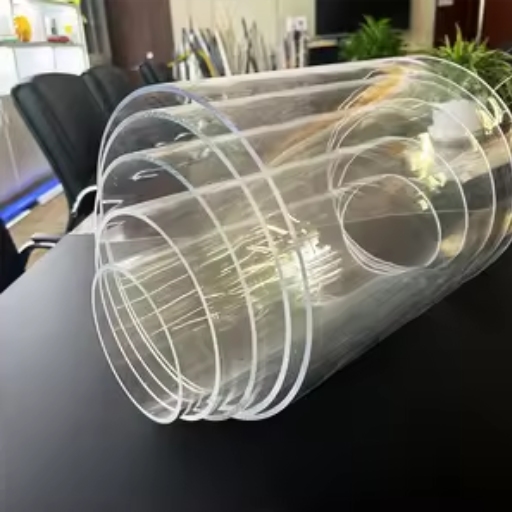

Acrylic panels have become the preferred solution to turn conventional spaces into visually arresting and utilitarian environments. Being versatile, these decorative elements present a myriad of opportunities in design, thus meeting aesthetic and utilitarian demands. Whether used in residential interiors, commercial properties, or retail displays, acrylic panels allow designers and architects to experiment with new textures, bright colors, and intricate patterns. This article looks into the uniqueness of decorative acrylic panels, their advantages, applications, and the evolution of contemporary spaces. In short, find out how this ever-adaptive material is shaping design with its flexibility and creative possibilities.
Introduction to Decorative Acrylic Panels
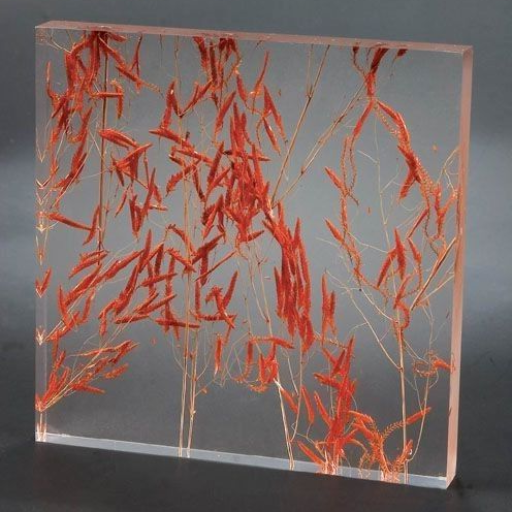
Lightweight, durable, and versatile, decorative panels serve functional purposes in various spaces, adding permanent aesthetics. These are made of polymethyl methacrylate or acrylic for intense clarity. They come in several designs, colors, and finishes, emulating the textures of glass, wood, metal, or custom textures. They are mainly used for interior partition walls, wall claddings, signage, and retail display boxes, where beauty is enhanced by the practicality of easy maintenance and resistance to impact. Interchangeable and infinitely versatile, decorative panels constitute one of the significant tools in contemporary architecture and interiors.
What are Decorative Acrylic Panels?
Depending on various possibilities, decorative acrylic panels also find their artistic application, functionally designed for different settings and ambient value. These panels are highly lightweight, shatter-resistant, and nearly as clear as glass if not better. Before the advancement in manufacturing, finishes, texture, and colors could not be given to decorative acrylic panels, now they can simulate finishes of natural materials such as wood, stone, or metal without compromising on the benefits of acrylic. Interior design, architectural accents, retail environments, and signage applications all frequently utilize acrylic panels due to their high affordability and low maintenance requirements. Furthermore, in support of green design, many acrylic panels are recyclable or can be manufactured with recycled materials.
Benefits of Using Acrylic Decorative Panels
1
Versatile Design Options
Acrylic decorative panels offer an almost infinite array of finishes, colors, and textures to be tailored to special design or functional application requirements. Such versatility enables their use in either modern or traditional interiors.
2
Durability and Longevity
Acrylic panels offer greater resistance to impacts and are less likely to crack or break than glass or other alternative materials. This implies an extended lifespan in areas of high traffic.
3
Lightweight and Easy Installation
The significantly lower weight of acrylic decorative panels, compared to other materials such as glass or stone, facilitates their handling, transportation, and installation, thereby reducing labor costs and shortening project completion times.
4
Low Maintenance
These panels require minimal maintenance. Simply wipe them occasionally with a soft cloth and a mild cleaning solution, and they’ll retain their appearance and functionality. That’s why they’re a practical choice for many uses.
5
Eco-Friendly Solutions
A fair number of acrylic panels are recyclable; some may contain recycled content during their manufacture. This practice thereby champions sustainable design while minimizing the ecological footprint of construction projects.
Applications in Interior Design and Architecture
- Wall Cladding: Decorative acrylic panels are commonly used for wall cladding in both residential and commercial spaces, providing a clean, contemporary look while being lightweight and easy to install.
- Partitions and Room Dividers: Acrylic panels are available in a range of finishes and transparency levels, serving as elegant room dividers or partitions that allow for creative space separation while still allowing natural light to filter through.
- Ceiling Features: These panels are also utilized in creating specialized ceiling concepts, including the sublime backlit types, thereby keeping the interiors visually engaging and elegant.
- Furniture Applications: Acrylic panels are used in furniture design as tabletops, cabinet doors, or shelving surfaces, infusing modern aesthetics into heavily used pieces.
- Signage and Branding: With numerous options for customization, decorative acrylic panels are ideally suited for creating impactful signage and branding solutions in interior design projects, where function seamlessly meets artistic expression.
Types and Styles of Decorative Acrylic Sheets

Decorative acrylic sheets are available in a variety of types and styles, including frosted, textured, mirrored, colored, patterned, and transparent options.
Frosted vs. Clear Acrylic Panels
Frosted acrylic panels prioritize privacy and light diffusion, whereas clear acrylic panels emphasize visibility and transparency.
Textured and Patterned Decorative Sheets
Textured and patterned decorative sheets are versatile materials with myriad applications in both residential and commercial spheres, enhancing beauty with their utilitarian attitude. These sheets are manufactured via intricate processes like embossing, etching, or lamination engraving surface textures that resemble patterns from nature like wood, stone, or fabrics or convey contemporary artistic motifs.
Some Features:
- The surface Treatment offers aesthetic charm: the textured surface patterns visually interest and create a sense of space within.
- Durability: Such sheets tend to remain resistant to scratches, abrasions, and any environmental factors for an extended period.
- Light interaction: Many textured sheets diffuse light differently, creating an excellent play of light that complements the ambient lighting.
- Versatility: These products are used in various applications, including wall cladding, furniture overlays, partitions, and signs.
Colored Acrylic Decorative Panels
Colored acrylic decorative panels prove to be versatile materials, finding application in both function and beauty. Hence, they are available in a broad spectrum of brilliant colours and provide flexibility in terms of design considerations to meet different creative and architectural needs. They are light to handle and durable enough; hence, they can be fabricated, installed, and maintained. Colored acrylic panels are used in interior decoration for installations, such as feature walls, partitions, and furniture accents, as well as being used in commercial installations for signage and display purposes. Depending on whether the panels are light-transmitting or diffusing, the looks of their installation could have been their most extraordinary charm.
Enhancing Spaces with Decorative Acrylic Wall Panels

Decorative acrylic wall panels elevate the ambience of spaces with their blend of functionality and aesthetic versatility. Their lightweight yet durable composition ensures easy installation and long-term usage. The colors, patterns, and finishes can all be customized to suit your preferences. Indeed, they can be adapted for all types of designs, complementary to diverse settings. Generating rays of interest with light diffusion makes acrylics a favorite in new-age interiors, commercial displays, and architectural highlights.
Using Wall Panels for Room Divisions
The wall panels made of acrylic serve as a means of dividing spaces between rooms. This means that they are lightweight and sturdy, making them ideal for setting up a separate space. This choice offers flexibility in both residential and commercial applications. They also come in customized design styles that will enable them to blend seamlessly with existing decor. Transparent acrylic selections are considered “frosted” for partial privacy with light transmission. They offer very low maintenance and make the solid modern interior arrangements a durable choice.
Ceiling Panels: A Unique Approach
Decorative acrylic panels have thus become a solution to contemporary ceiling designs, allowing for the perfect blend of utility and aesthetics. The panels are lightweight, durable, and impervious to environmental factors such as moisture and temperature fluctuations, making them suitable for both residential and commercial use. Another advantage of these panels is their flexibility, offering designers the freedom to work with intricate patterns, textures, and colors, as well as other possibilities to create visually captivating ceilings that complement the interior. The translucency, on the other hand, can be maximized to create a more dramatic ambiance with lighting, where it diffuses light evenly to render warmth and a welcoming atmosphere. This potent combination of durability, customization, and artistic potential has undoubtedly contributed to the increased desirability of acrylic panels as a distinctive and environmentally friendly choice for ceiling installations.
Custom Furniture Accents with Acrylic Sheets
When creating custom furniture accents, acrylic sheets hold significant importance because they offer endless flexibility. I use this material to attain perfect shapes, clean lines, and bright colors that suit any modern or minimalist setup. Being hardy and lightweight, they work well for everything from tabletops to shelving, highlighting the practical and lasting beauty the design should convey.
Maintenance Tips for Decorative Acrylic Panels

Essential Maintenance Guidelines
- Use a Soft, Non-Abrasive Cloth: Always clean acrylic panels with a soft, lint-free microfiber cloth to prevent scratches on the surface. Avoid using rough materials, such as sponges or brushes.
- Clean with Mild Soap and Water: For regular cleaning, mix a small amount of mild dish soap with warm water. Gently wipe the surface, then rinse with clear water to remove any residue.
- Avoid Harsh Chemicals: Refrain from using cleaning agents that contain ammonia, isopropyl alcohol, or any other harsh chemicals that could cloud or damage the acrylic surface.
- Remove Scratches with a Polishing Compound: You can remove minor surface scratches on acrylic or suitable plastic with a polishing compound or a suitable plastic polish. Work gently, following the product’s instructions for best results.
- Protect from Excessive Heat and Sunlight: Over time, direct sunlight and heat sources can cause the panels to discolor or warp. Attempt to position the panels in a temperature-controlled setting, if possible.
Cleaning Techniques to Prolong Life
The protection of acrylic decorative panels includes cleaning techniques to maintain their longevity and appearance. Detail cleaning recommendations follow:
Non-Abrasive Microfiber Cloth
Always use a soft, lint-free microfiber cloth to clean the surface, preventing scratches. Abrasive materials will tarnish the surface finish, compromising its clarity with time.
Soap Solution for General Cleaning
Prepare a solution using lukewarm water and mild liquid soap. Dip the microfiber cloth in this mixture, wring out the excess liquid, and gently wipe the panel. Never use ammonia-based cleaners because they can cause clouding or cracking of acrylic surfaces.
Rinse and Dry Thoroughly
Fresh water rinsing is necessary after using the soap solution to clean off residue. Dry the surface with a second, dry, clean microfiber cloth by lightly patting it to prevent the formation of water spots or streaks.
Avoid Harsh Chemicals and Solvents
Use no chemical solvents whatsoever, including acetone, alcohol, and benzene, as these solvents can degrade the acrylic, causing it to become brittle and discolored.
Anti-Static Treatment to Prevent Dust
Anti-static treatment is recommended since acrylic surfaces attract dust due to static charge. Applying an anti-static agent to cleaners designed for plastics will decrease dust accumulation and facilitate future cleaning.
Note: When used routinely, these cleaning methods will keep decorative acrylic panels shining with clarity and the integrity of structure intact for many years.
Best Practices to Avoid Scratches and Damage
Following these guidelines will keep decorative acrylic panels beautiful and free from scratches and damage:
- Use A Soft, Non-Abrasive Cloth: Clean any acrylic surface with a microfiber cloth or soft cotton material. This will prevent surface abrasions. Do not use paper towels or rough fabrics.
- Avoid Harsh Chemicals: Never allow ammonia-based cleaners or solvents to come in contact with these panels. Discoloration and microcracking will occur with prolonged exposure. Instead, use cleaners made for acrylic.
- Handle With Care: Whenever moving or installing panels, wear gloves. This will avoid accidental scratches or fingerprinting. Try to avoid with sharp or rough objects as well.
- Protect Against Impact: Try to install panels in areas where they won’t face frequent traffic or place barriers that will shield them from accidental impacts or deep scratches.
- Apply Protective Coatings: Consider scratch-resistant coatings or films on acrylic for an extra layer of protection against wear.
Necessary: Following these guidelines will minimize damage and extend the lifespan of your decorative acrylic panels.
Regular Care for Aesthetic Appeal
To maintain the aesthetics of acrylic decorative panels, I clean and handle them with care on a routine basis. I gently dust with a soft lint-free cloth and apply mild, non-abrasive detergent solutions diluted in water, steering clear of harsh chemicals. I also keep a close watch for any light scratches or blemishes on the surface, treating them swiftly with acrylic polishing compound to maintain their clarity and finish. Observing this very routine allows me to keep the panels looking good for long.
Choosing the Right Decorative Acrylic Panels

Depending on the application and the environment where decorative acrylic panels are to be used, take such considerations into account: thickness, durability, impact resistance, and so on pertinent to meet structural requirements. Consider such finishes as clear, frosted, or textured and how they might relate to the actual aesthetic intended. Ensure that panels are resistant to UV rays and rated for fire when they will be used outdoors or under circumstances requiring such considerations. Ultimately, opt for a supplier that offers both quality and customization options, providing you with the best blend of function and design.
Assessing Your Design Needs
When deciding on the overall design for decorative acrylic panels, start by determining the primary function of the panels: are they intended to serve purely aesthetic purposes, strictly functional ones, or a combination of both? Regarding the placement of the panels, whether indoors or outdoors, with regard to selecting the proper environment-leveling endurance prerequisites such as UV resistance or waterproofing, bear this in mind. Insofar as the visual aura, if it must be clear, opaque, or bear a unique custom pattern, the final finish has to align with the entire design idea being sculpted. Thickness and size should also be considered, depending on structural and spatial needs, while taking into account the existing frames with which the panels are to be installed. Finally, opt for a panel that meets safety requirements, including fire resistance so that performance and safety can be assured.
Balancing Style, Budget, and Functionality
When selecting decorative acrylic panels, adopt a strategic approach that balances beauty, economics, and functionality.
To create a balanced set of variables, one must first identify the exact use of panels within the space: Is it maximizing the diffusion of natural light, emphasizing privacy, or building ambiance as an artful focal point? Depending on your functional considerations and design schemes, choose from finishes such as high-gloss, matte, or textured. Is the area prone to foot traffic or occasional moisture? A panel shall wear and tear, so much so that its longevity is secondary in consideration. For example, coating alternatives can offer the distinct advantage of coexisting with UV-resistant considerations, or they might resist scratches while ultimately saving on maintenance costs.
Consider material costs for the budget, as well as the installation length and future upgradability. And so, the trend of modular design and light-weight acrylic materials will remain one of the best-known options for simplifying installation and cutting labor costs. Keep in mind any energy-efficiency and green certifications that will apply to your panels, as sustainable building materials have become the demand of modern consumers.
Key Takeaway: Therefore, by adopting a data-driven approach, you can confidently recommend decorative acrylic panels that strike a great balance between style, budget, and function, ensuring the finished product is both practical and aesthetically pleasing.
Step-by-Step Guide to Selection
1
Determine Project Requirements
Clearly define the project’s scope including its dimensions, the use of the panels, environmental considerations, and aesthetic requirements. Note whether panels are to be applied indoors or outdoors since this will impact material specifications.
2
Analyze Material Properties
Analyze the physical and chemical properties of the acrylic panels, including impact resistance, UV resistance, flame retardancy, and thermal expansion, to ensure they meet the project’s specified conditions.
3
Assess Light Transmission
Assess proper light transmission requirements, available texture options, and color finishes of the panels to ensure they satisfy both functional and aesthetic requirements.
4
Verify Compliance
Verify that the panels comply with local building codes and certifications to ensure they meet the requirements for energy, environmental considerations, and safety.
5
Review Maintenance
Research the maintenance offers for each panel entered, considering cleaning frequency, resistance to wear and tear, and the predicted service time in the condition specified.
6
Request Samples
Request Acrylic Panel samples or mock-ups to establish an objective view of the panels, texture, and performance before making a decision.
7
Consider Installation
Consider the ease of installation, potential incompatibility with existing structures, or any additional tooling requirements when selecting your product.
8
Perform Cost Analysis
Perform a thorough cost analysis, considering the cost of the panels, shipping costs, installation costs, and their long-term value, to ensure that the selection falls within the provided budget constraints.
9
Consult Experts
Talk to manufacturers, suppliers, or designers for insights and suggestions regarding the most suitable options depending on your specific criterion.
10
Finalize Selection
Optimize selections for acrylic panels with respect to a compromise between mechanical/functional performance, durability and aesthetics, and to meet all project criteria.
Reference Sources
- Outwater – Decorative Acrylic Panels: Discusses the aesthetic and functional benefits of clear acrylic panels for modern spaces.
- Wayfair – Decorative Acrylic Panels: Highlights how acrylic panels can transform traditional wall spaces into stunning features.
- Décor Fusion Acrylic Laminates: Provides details on high-gloss and super matte acrylic laminates for creating visually appealing interiors.
- TT Plastic Land – Acrylic Sheets: Exploring Color and Finish Options: Discusses the versatility of acrylic sheets, including customization options for unique designs.
- Guide for Patterned Acrylic Sheets
Frequently Asked Questions (FAQs)
What are decorative acrylic panels?
Decorative acrylic panels are highly versatile panels made from high-quality acrylic plexiglas that find use in a vast array of situations, including wall paneling, cabinetry, and decorative features. They come in several finishes, patterns, and colors to exalt the glory of any space, such as a textured acrylic panel or an acrylic panel with a swirl design.
What are the advantages of having an acrylic decorative panel?
Some benefits offered by acrylic decorative panels include long-lasting durability, light in weight, and smooth texture. Moreover, these are economical, and hence, their popularity rises in various applications, as do any cheaper solutions than glass or marble would offer.
Could decorative wall panels serve as partition panels?
Yes, decorative wall panels can serve as practical partitioning elements, especially in open spaces. Giving a semi-private atmosphere without obstructing the passage of light is a feat that panels made of either clear or frosted acrylic accomplish very well.
What about the thickness options for decorative acrylic panels?
Decorative acrylic panels are available in varying thicknesses, 3mm being one of the most common for lightweight applications. With increasing thickness, they get to become more durable and in the context of sight, heavier.
Are there any other types of finishes available for acrylic decorative panels?
Yes, acrylic decorative panels are available in a variety of finishes, including gloss, matte, and textured. Such variety allows designers to choose an acrylic decorative finish that best suits their aesthetic preference as well as practical needs.
Can decorative acrylic panels be used in outdoor applications?
Yes, provided it is of a higher quality, acrylic decorative panels can be applied in outdoor situations, as they boast features such as long-lasting durability against weathering and other elements. However, it would be prudent to select panels designed for outdoor applications to ensure they will withstand the deleterious effects of UV rays and temperature fluctuations.
Ready to Transform Your Space?
Decorative acrylic panels offer endless possibilities for enhancing modern spaces with their versatile designs, durability, and aesthetic appeal. Whether you’re looking to create stunning wall features, elegant room dividers, or eye-catching ceiling installations, these panels provide the perfect blend of functionality and beauty.