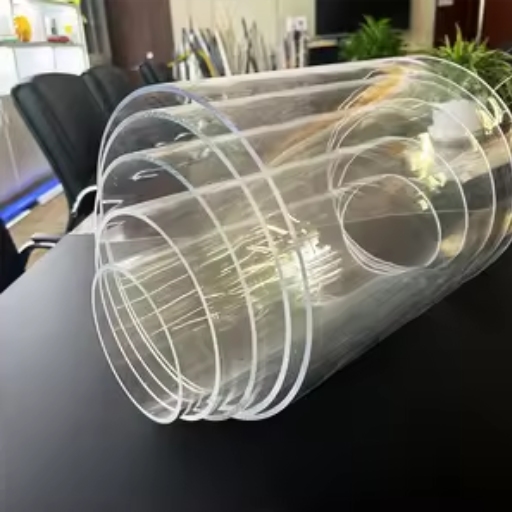

Nowadays, acrylic squares are in high demand across various industries for their versatility, durability, and aesthetic appeal. They are utilized in numerous ways, ranging from crafts and home decorating to building and advertising. Hence, the choice for the perfect acrylic square involves knowledge about its sizes, materials, and purposes. This guide offers insight into the world of acrylic squares, providing an in-depth look at their dimensions, applications, and benefits. Any professional designer, crafting enthusiast, or casual inquisitor will find this article equips them with the information needed to make an intelligent choice for their project.
Introduction to Acrylic Squares
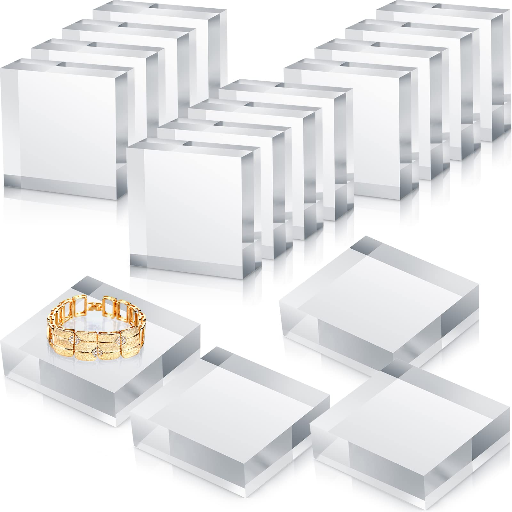
Being flat sheets of acrylic cut to square dimensions, acrylic squares are widely known for their versatility, toughness, and high clarity. They are lightweight and essentially shatter-resistant, with good optical properties, making them a preferred choice in sectors such as construction, interior design, and crafting. Acrylic squares are available in various thicknesses and sizes for use in applications such as protective barriers, signage, display cases, and decorative purposes. They can be cut with ease and machined, adding more adaptability to the projects for which they can be employed.
What are Acrylic Squares?
Acrylic squares are precision-crafted sheets of polymethyl methacrylate (PMMA), a thermoplastic recognized for its strength, transparency, and versatility. They are cheaper alternatives to glass with up to 10 times more impact resistance and excellent optical clarity. Produced either by extrusion or cell-casting processes, acrylic squares offer high resistance and can withstand indoor and outdoor applications. Modern data suggest that these are prominently used in architecture, retail, and technology for making products such as sneeze guards, LED light panels, and technical elements in electronics. Production, therefore, is now more advanced, allowing for several customizations, such as UV coatings, anti-reflective finishes, and various color options, all of which further expand their application scope.
Types of Acrylic: Clear and Colored Options
Clear Acrylic
Clear acrylic has excellent optical clarity, transmitting up to 92% of the visible light through it. These types of acrylics are used in applications where an adequate level of transparency is necessary; for example, in display cases, aquariums, and glazing. They are considered suitable substitutes for glass because their being lighter and highly impact-resistant.
Colored Acrylic
Colored acrylic comes in a plethora of hues and finishes, including opaque, translucent, and fluorescent varieties. These are employed in architecture, signage, decorative panels, and artistic installations that allow for compilation of cool designs. Both clear and colored acrylics benefit from modern manufacturing techniques, such as laser cutting and CNC machining, which enable precise customization into any form a particular project demands.
Benefits of Using Acrylic Squares in Crafts
- Durability: Acrylic squares can withstand a very high amount of impact, and they tend to resist breakage much better than glass. This provides a truly long-lasting option for your crafting needs.
- Lightweight Nature: Despite their sturdiness, acrylic squares weigh very little, making them easy to handle and transfer during the crafting process.
- Versatility: Can be cut, shaped, and engraved by a variety of tools, from laser cutters to hand tools, ensuring that limitless fine arts can be created.
- Aesthetic Appeal: Acrylic squares come in a variety of shades and can be finished to any level of opacity, adding glitz to the crafts while providing a professional finish.
- Weather Resistance: Aluminum can withstand sunlight, moisture, and fluctuating temperatures well, so the craft items will stay intact and beautiful even if they are placed out.
Applications of Acrylic Squares
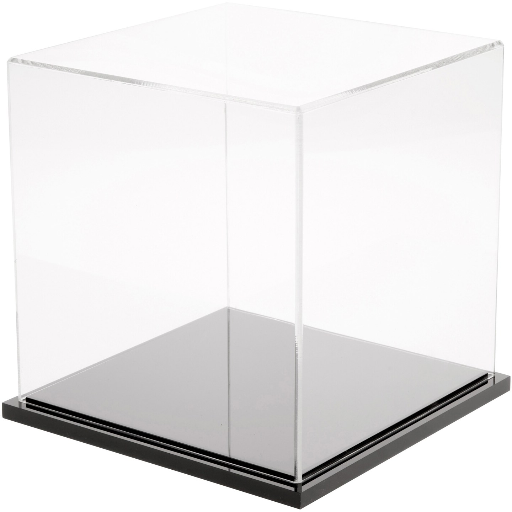
Signage and Displays
With their qualities of clarity, durability, and customizability by engraving or printing, acrylic squares are widely used for professional signs, retail displays, and exhibition panels.
Architecture and Interior Design
Often used in decorative panels, furniture parts, and room dividers, acrylic squares offer a unique blend of aesthetic appeal and structural functionality.
Art and Craft Projects
Artists and craftspersons use acrylic squares in the making of sculptures, picture frames, and other crafts because they cut and shape with ease.
Protective Barriers
These serve as sneeze guards, counter shields, or protective coverings in public spaces, and acrylic squares provide a clear and sturdy option.
Lighting Fixtures
Light diffusers, lamp covers, and decorative lighting elements can be made out of acrylic squares, which offer good light transmission and heat resistance.
DIY Craft Projects with Acrylic Squares
Acrylic squares are quite versatile regarding DIY crafts, and I find them very easy to work with. I use them to build custom photo frames, colorful coasters, or wall art. Cutting or engraving acrylic allows for absolute precision on design as required. It is worthwhile to have keychains or pretty plaques made from acrylic squares, as they make the perfect balance: lightweight yet sturdy. Their clear transparency to color varieties offers boundless creative growth opportunities.
Using Acrylic Squares for Display Purposes
Acrylic squares make for the ultimate slick display. Resistant to shattering in nature, acrylic squares provide a safer alternative to glass, particularly in public or high-traffic areas. These squares can be utilized for signage, product displays, or photo exhibits, as they allow for clear visibility and vibrant display. They are also very lightweight, so you can mount or move them whenever you want, making it easier to rearrange the display. With its various thicknesses and finishes, an acrylic square can be suited towards both functional and aesthetic purposes in any environment.
How to Incorporate Acrylic Squares in Jewelry Making
The jewelry community has grown fond of acrylic squares because this application combines the versatility, strength, and ability to serve as a substitute for more costly counterparts, such as glass or gemstones. To work with acrylic squares successfully, makers should first choose the size, color, and finish that best suit the concept. For instance, transparent or frosted-colored acrylic squares fit perfectly into a minimalist design, while boldly colored or textured ones can make a loud statement.
In general, a tiny hole is drilled in the acrylic to provide an attachment point. The use of appropriate tools, such as acrylic drill bits, prevents chipping or cracking of acrylic. Thereafter, they are attached to metal components such as jump rings, earring hooks, or necklace chains to create pendants, dangling earrings, or bracelet linkages of a geometric nature.
Further customization of the acrylic squares can be achieved by painting, engraving, or layering decals on them. Laser-cut patterns or inscriptions can be implemented, taking the acrylic square’s uniqueness to a whole new level. Sanding and finishing the edges will make a big difference, so opt for fine-grit sandpaper or polishing compound to ensure smoothness. These components weigh nothing and cost virtually nothing, making it impossible for any professional or hobbyist jeweler to overlook these limitless design options.
Sizes and Thickness of Acrylic Squares
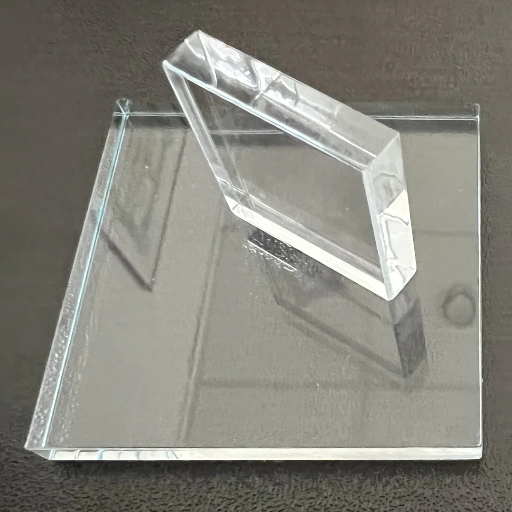
Acrylic squares are available in a range of sizes and thicknesses for specific applications. In standard sizes, it ranges from small, 2 inches, to 24 inches or more on the larger side. The thickness ranges tremendously, from thin thicknesses of 1/16 inch used in lightweight applications to as thick as 1 inch for structural or decorative applications. Custom sizes and thicknesses can often be sourced for special projects, providing otherwise impossible versatility in terms of design and function.
Popular Sizes Available
These standard sizes are widely available from most suppliers, making them easily accessible for a variety of personal and professional uses. Other sizes may be available upon special request to accommodate unique project requirements.
Understanding Thickness and Its Impact on Use
Thickness plays a vital role in influencing the test of the acrylic, determining its application, and influencing projects to some extent. The thickness of acrylic squares may vary, but is usually between 1/8 inch (3mm) and 1 inch (25mm), the latter being required for specific, specialized uses. For instance, thinner options, measuring approximately 1/8 inch, are best suited for lighter applications, such as photo framing, display cases, or craft projects. Meanwhile, thicker ones, such as 1/2 inch or 1 inch, offer greater strength and rigidity, and are used structurally in applications ranging from furniture to aquariums and protective barriers.
Thicker acrylic sheets, however, are categorized into those that provide better resistance to impact and also bending under pressure, thereby allowing them to be assured for long-term applications in harsher environments. On the other hand, the heavier weight and higher cost might prove deterrents in considering them for more portable, budget-conscious projects. Advanced processes now ensure optical clarity, regardless of thickness, thereby eliminating distortion when using thicker sheets, making them a viable alternative to glass. Hence, when deciding on acrylic squares, understanding how thickness correlates with the intended application ensures an ideal balance between performance and practicality.
Choosing the Right Size for Your Project
Selecting the right size of acrylic squares for your project is a crucial step that enhances both its functionality and aesthetic value. Start by choosing the specific sizes required to fit your application. An exact size makes it easier for an acrylic square to fit the design properly. In structural applications, the load-handling capacity must be considered in conjunction with tolerances, ensuring that the selected size is not compromised when subjected to stress or force.
Furthermore, sizing usually dictates the design solution. Many suppliers offer pre-cut sizes or will cut sheet sizes to accommodate less-common dimensions, providing more flexible design options. Consider both the work surface and possible waste materials, as these can affect cost efficiency on larger projects. Ultimately, tailoring acrylic square dimensions closely to requirements and design objectives yields a highly customized solution that is optimized for both durability and performance.
Working with Acrylic Squares
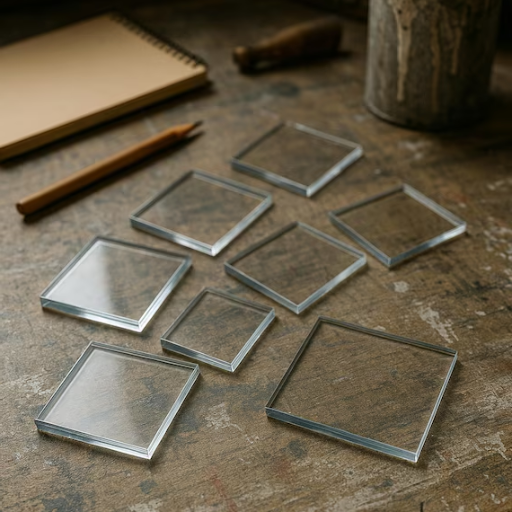
Acrylic squares require precise tools and techniques to get clean results. Standard cutters are laser cutters for intricate designs. Table saws cut acrylic sheets straight with a fine-tooth blade, and scoring knives are useful for fragile acrylic sheets. The material to be cut should always be clamped down to ensure it does not move. Recommended drill bits for drilling plastic must be used to prevent cracking or melting. If necessary, sandpaper can be used to smooth the edges, or one can opt for flame polishing. For joining acrylic pieces, solvent glues provide a strong and seamless weld. Handle the material with care to avoid scratches, and clean it with a suitable, non-abrasive solution for general maintenance.
Best Tools for Cutting and Shaping Acrylic
Laser Cutters
Precise cuts and clean edges
Table Saws
Fine-tooth blades for plastics
Scroll Saws
Delicate patterns and curves
Rotary Tools
Precise shaping and finishing
With acrylic, I highly recommend laser cutters to get a precise cut and clean edges or using table saws with fine-tooth blades made especially for plastics. Scroll saws or jigsaws equipped with acrylic blades will yield better results when working with delicate patterns. Rotary tools, when fitted with the right attachments, are excellent for precise shaping and finishing. Always use the sharpest blades available, designed for plastic. This is the surest way to achieve highly professional results while keeping your acrylic from being damaged.
How to Achieve Polished Edges on Acrylic Squares
Each polished edge on acrylic squares requires proper tools, effective working techniques, and a meticulous attention to detail. Once cut to shape, the acrylic edges may be filed down with sandpaper by grit progressions. Start with garnet with coarse grit (180 or 220) to maintain significant imperfections. Then, proceed to medium grit (400) and finish with fine grit (600, 800, or higher) to achieve a smooth finish. Wet sanding can be used to prevent the sandpaper from clogging and overheating during the polishing process.
Next, polish the surface once the edges are smooth enough. To attain a mirror finish, use your polishing wheel attached to a soft cloth and use an acrylic polishing compound. Use only a small amount of the compound, applying moderate, steady pressure along the edges. Hand tools offer a significant advantage for smaller or more intricate parts, in particular, when combined with a rotary polishing tool. Keep in constant motion to prevent uneven rise or darkening.
For an even better finish, try flame-polishing. Flame-polishing involves running the edges quickly with a high-temperature, gas-fuelled flame, such as the flame from a propane or butane torch. The edges will melt ever so slightly, creating the desired smooth and glossy finish. The negative aspect about flame-polishing is that you really need to have some practice and a really steady hand so that your workpiece doesn’t get warped or scorched. Good ventilation is recommended for the use of this method, as well as safety precautions, such as wearing gloves and eyewear protection.
Following these steps of sanding, polishing, and flame-polishing, if desired, will create edges that match the perfect clarity and refinement associated with professional-grade acrylic.
Painting and Finishing Techniques for Acrylic
Only paints suitable for adhesion and durability are used on non-porous surfaces to paint acrylic surfaces. Paints for acrylics give the best results without peeling or cracking; these can be acrylic enamels or urethane-based paints. The surface should be thoroughly cleaned to remove any dust, grease, or residue before painting; this can usually be done by using isopropyl alcohol or a mild detergent solution.
Priming is considered an option to improve paint adhesion further. Using a plastic primer or an adhesion promoter creates an essential intermediate layer between the acrylic and the paint itself, resulting in a more uniform and durable finish. Airbrushing and spray painting are considered superior to brush painting, as they eliminate the risk of streaks and provide an even coat.
An application of clear topcoats or sealers will protect the painted surface from UV rays, scratches, moisture, and other environmental factors, sometimes finish in high gloss, sometimes in matte, or satin finish, depending on what is required, from the aesthetic point of view, as well as from the functional one. It is best to allow all paint layers and topcoat to cure fully, following the manufacturer’s complete drying time specifications, for an impressive, professional, and lasting solution.
Regular maintenance involving smooth cleaning with non-abrasive materials would surely help maintain the contacted surface over time.
Care and Maintenance of Acrylic Squares
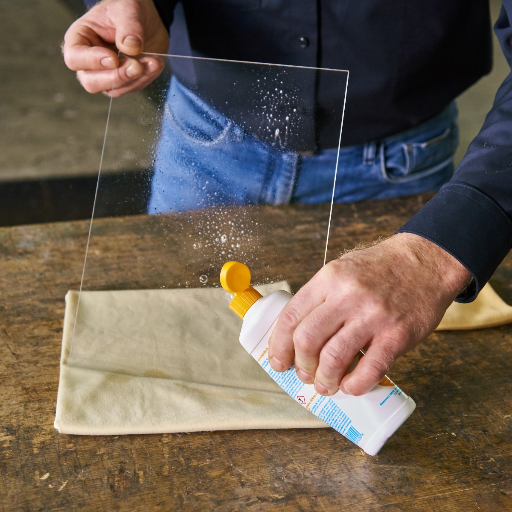
Regular cleaning of acrylic squares is essential to ensure longevity, using a soft, lint-free cloth along with mild soap and water or a specialized acrylic cleaner. Does not allow any abrasive materials to rub against it, especially harsh chemicals or ammonia products that can cause scratches. Handle with care to prevent chipping the acrylic. Store it in a cool, dry place, away from sunlight, to minimize discoloration and warping. It can be polished with an acrylic polish if stains or scratches appear, strictly following the manufacturer’s instructions.
How to Clean and Maintain Acrylic Squares
- Initial Cleaning: Begin by gently dusting off any loose dust, dirt, or debris with a microfiber cloth to prevent inadvertent scratching.
- Deep Cleaning: When necessary, use a diluted solution of lukewarm water with a small amount of dish soap. Apply gently with a non-abrasive sponge or cloth, using circular movements.
- Avoid Damaging Materials: Items such as paper towels or anything that produces lint or scratches should be avoided.
- Rinse and Dry: Rinse thoroughly with clean water to remove all soap residue, then gently pat dry with a lint-free cloth.
- Scratch Treatment: Use the polish or scratch remover for acrylic recommended by the manufacturer to treat deep stains or superficial scratches.
⚠️ Important Warning
Never use harsh chemicals like acetone, ammonia, or window cleaners, as they can severely degrade the acrylic, leading to clouding or cracking.
Proper storage of acrylic squares also helps extend their lifespan. Store them in a temperature-controlled environment, away from direct sunlight and high humidity levels, to prevent warping or discoloration. By following these cleaning and maintenance procedures, you can maintain the optical clarity and toughness of acrylic squares for several years to come.
Storage Solutions for Acrylic Sheets
Storing acrylic sheets requires maintaining their integrity. They should always be laid flat horizontally on a clean, stable surface. Placing some foam or cloth between the sheets is recommended to avoid scratching or abrasion. Do not place any heavy objects on top of the sheets, as excessive pressure can cause them to deform. If flat storage is not possible, store them on a rack at a slight angle to prevent warping. The storage conditions should be dry and well-ventilated, avoiding direct sunlight or extreme temperature changes, so the sheets retain clarity and remain stable in their physical properties.
Replacement Tips for Long-Term Use
- Regularly inspect the acrylic squares for signs of damage, including cracks, discoloration, or distortion. Early diagnosis of any damage would warrant repair and replacement, hence maintaining the integrity of the material.
- Replace When Scratches Accumulate: With age, continuous cleaning procedures and abrasive environmental action can cause visible scratches, compromising both the appearance and function of the panels. Replace when wear forms are significantly visible.
- Take Care Against UV Degradation: If acrylic is exposed to sunlight for an extended period, it is at risk of becoming yellow or brittle due to UV rays. Hence, replace squares that show signs of structural degradation or yellowing to maintain aesthetic and structural quality.
- Ensure Required Thickness: Make sure that the acrylic squares being bought as replacements have a thickness suitable for the application intended to be used for thus assuring structural compatibility and safety.
- Invest in High-Quality Alternatives: When replacing old acrylic squares, it is wise to opt for a high-quality, UV-resistant option that will provide longevity, thereby reducing the need for frequent replacements.
Frequently Asked Questions (FAQs)
Reference Sources
-
Delvie’s Plastics Blog: The Complete Guide to Maintaining and Protecting Acrylic Sheets – Offers practical tips for maintaining acrylic sheets and insights into their durability.
-
FLAcrylic: Uses of Acrylic Sheets: 10 Surprising Applications – Discusses various applications of acrylic sheets, which can be relevant for understanding their versatility.
-
Amazon Product Page: Multi Squares Acrylic Router Templates – Highlights the use of acrylic squares in crafting and woodworking projects.
- Guide for Patterned Acrylic Sheets
Ready to Start Your Acrylic Square Project?
With this comprehensive guide, you now have all the knowledge needed to choose, work with, and maintain acrylic squares for any application. From crafting to professional displays, these versatile materials offer endless possibilities for creativity and functionality.