
Precision and clarity are the hallmarks of professional acrylic cutting. Whether the project is a weekend DIY project or a well-paying job with many bills attached, the choice of a circular saw blade is the key to the success of any project. There is a plethora of options on the market, and selecting the blade that provides clean, chip-free cuts while protecting the acrylic from damage can be overwhelming. This guide aims to make your selection easier by giving an idea of which blades work best for cutting acrylic, tailored to your specific needs. From types of blades to tips for efficiency, everything will be covered here to jump ahead in acrylic cutting.
Understanding Acrylic and Its Applications
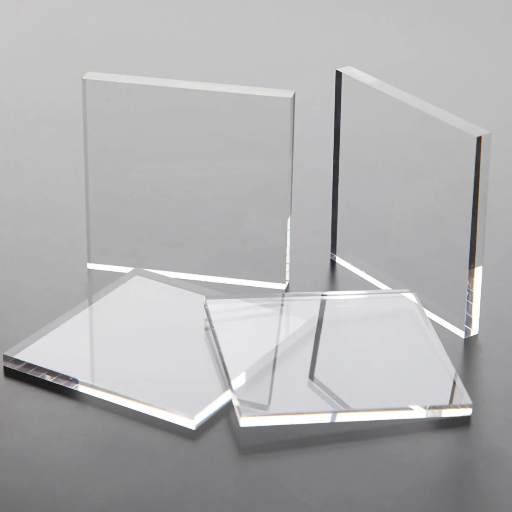
The commercial names of acrylic include names like Plexiglas. It is a plastic that is tough and versatile, possessing strength, clarity, and lightness. Acrylic blankets are widely applied in construction, signage, automotive, and interior design industries. For projects that demand transparency, such as glass, but require high impact resistance, acrylic is the preferred choice. In addition to being able to be shaped and cut, acrylic is used for custom fixtures, displays, and creative projects. This practical and adaptable material is renowned for both its functional and decorative applications.
What is Acrylic?
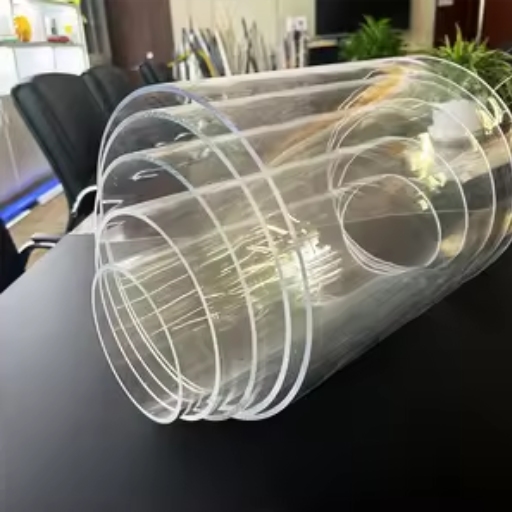
Acrylic, also known as polymethyl methacrylate (PMMA), is a multifaceted thermoplastic that offers exceptional clarity and durability, similar to that of glass. These qualities enable PMMA to be preferable in a wide array of applications where weightlessness, resistance to shattering, and weathering are paramount. It is available in sheets, rods, and tubes and can also be heated and reshaped into the desired configuration, opening doors to multiple industries, including architecture, product design, and advertising. Additionally, artists and designers have further applications due to the superior optical clarity and a wide range of colors to choose from. With the development of new manufacturing processes, significant strides have been made in making acrylic a more environmentally friendly material, opening up possibilities for recycling and reuse, and thereby maintaining its status as a sought-after material.
Common Uses of Acrylic Sheets
- Signage and Displays: Acrylic sheets complement clear, vibrant, and durable signs and display cases.
- Protective Barriers: They are installed in many offices, shops, and medical facilities as sneeze guards or protective shields.
- Furniture and Décor: Acrylic is capable of creating contemporary and chic furniture, including tables and chairs, as well as decorative pieces.
- Aquariums and Terrariums: The clarity and strength of the material make it ideal for creating aquariums and terrariums.
- Skylights and Windows: Given their strength and lightness, acrylic sheets serve very well for skylights, windows, and light covers.
Benefits of Using Acrylic Over Other Materials
- Lightweight and Durable: Weighing less than glass, an acrylic sheet tends to be more rugged and easier to transport and install.
- Shatter Resistant: The acrylic tends to be less easily shattered than glass, thus decreasing the odds of an injury or damage resulting from an impact.
- Optical Clarity: Acrylic retains optical clarity and, in many cases, maintains better transparency over time compared to glass when exposed to sunlight.
- Weather Resistant: It is capable of withstanding various weather conditions, including UV radiation and temperature fluctuations, without any degradation or yellowing.
- Fabrication Ease: Versatile enough to be cut, shaped, and molded into practically anything you wish, acrylic is the default solution that fits multiple applications.
Types of Circular Saw Blades for Cutting Acrylic

In the cutting process, selecting a circular saw blade becomes crucial if one aims for clean and smooth results. Usually, the three major types of circular saw blades used for cutting acrylic are:
- Carbide-Tipped Blades: These blades are rigid and provide excellent service, offering smooth, very accurate cuts with no chipping of the acrylic.
- Fine-tooth Blades: Featuring several small teeth, these reduce vibrations and maintain clean edges during cutting.
- Plastic Cutting Blades: Designed for synthetic materials, these blades ensure cutting accuracy with minimal cracking or melting, even at minimal levels.
A blade with more teeth, a higher running speed, and a decent feed rate are key factors to ensure the best results.
Overview of Circular Saw Blades
When choosing a circular saw blade for working with acrylic, emphasis should be placed on selecting those that make clean and precise cuts. A highly tooth-edged blade, having at least 60 teeth, is considered best, as it prevents chipping or cracking of the acrylic. In fact, carbide-tipped blades with an inscription for plastics would be ideal because of their durability and precision. Additionally, it is best if the saw runs at a constant speed, as any variation in this will, in other ways, hinder the cutting technique, ultimately causing overheating and deformation of the acrylic.
Carbide Tipped Blades vs. Standard Blades
Carbide-tipped blades offer greater durability, precision, and heat resistance compared to standard blades, making them ideal for cutting acrylic.
80 Tooth Blades for a Smooth Finish
When cutting acrylic for a smooth finish, 80-tooth blades serve as an excellent alternative. These blades are designed with a large number of teeth to minimize chipping and produce a finer edge on acrylic materials. The teeth in these blades are closely spaced, which offers a better finish while cutting on thick or fragile surfaces. An 80-tooth blade is less likely to crack the material during the cutting process, unlike a blade with comparatively fewer teeth.
An 80-tooth blade, when combined with a firm, high-speed saw and fed slowly and evenly, yields the best results. This allows the heat to dissipate from the cut, minimizing the melting of the acrylic. Although a bit expensive, its answer to finishing quality and smoothness is why professionals mostly prefer it. When manufacturing display cases, signs, or any other high-precision acrylic products, these blades offer the best possible performance.
Selecting the Right Blade for Your Circular Saw

For cutting acrylic, blades with the following tooth characteristics for a circular saw should be chosen: fine-tooth blades for plastics or acrylic materials. Check for blades with “carbide-tipped” or “plastic cutting” labels, preferably with high tooth counts of 60 and higher for clean and precise cutting, with the least chipping and melting.
Factors to Consider When Choosing a Blade
- {counter(item)}
Tooth Count: Blades with an increased number of teeth, typically 60 or more, are selected to ensure smoother, more exact cuts with less chipping. - {counter(item)}
Blade Material: Blades made of carbide or other high-grade materials are preferred for durable cuts, especially on plastics or acrylic. - {counter(item)}
Kerf Thickness: Thinner kerfs result in less wastage of material and minimize melting that may occur while cutting through acrylic. - {counter(item)}
Blade Coating: Non-stick or low-friction-coated blades are beneficial in preventing heat buildup and gumming, a common issue in acrylic cutting. - {counter(item)}
Compatibility: Make sure that the specific blade matches the model of your circular saw for the safest and highest level of performance.
Comparing Tooth Configurations: ATB vs. Flat Tooth
ATB (Alternate Top Bevel) teeth are ideal for clean crosscuts and reducing splintering, while Flat Tooth configurations excel in durability and ripping cuts.
Techniques for Cutting Acrylic with a Circular Saw

Cutting acrylic with a circular saw demands precision and care to prevent cracks or chips. Begin by firmly clamping the acrylic sheet to ensure no movement during cutting. Using a fine-toothed blade, specifically designed for cutting plastics, will usually yield a relatively smooth finish. The blade should be set so that the depth is just below the thickness of the acrylic; this allows you to cut slowly and evenly, preventing overheating of the plastic, which can cause the edges to melt. Tape can be applied loosely along the cutting line to minimize chipping. Of course, wear all safety gear while performing such cuts.
Preparation and Setup for Cutting
Preparation is a critical factor in making neat and accurate cuts while working with acrylic sheets. First, ensure your workspace is well-lit, stable, and free of clutter, so you have maximum control and safety. Gather all the tools needed, such as a fine-toothed saw or better yet a scoring knife, clamps, and masking tape, along with safety equipment like goggles and gloves. Measure and mark your cutting line using a straight edge and a marker, and double-check your measurements to ensure accuracy. Securely clamp your acrylic sheet to prevent it from moving while cutting. You may also opt to score lightly along the cutting line to make finer cuts with your preferred tool instantly. The option of scoring will significantly improve precision.
Cutting Techniques to Avoid Chipping
To minimize unwanted chipping during the cutting of acrylic sheets, specific techniques and tools should be employed. A fine-toothed blade should always be used, as it works well against creating a rough edge or chips, and it must be a blade specifically designed for use on plastic materials. When using a jigsaw or a circular saw, lower adjustable speed settings offer the best compromise for control and precision. Apply adhesive masking tape along the cutting line for additional edge support, since it helps against cracking or splintering. Apply steady and even pressure while cutting; do not force the tool through the material, as this can result in uneven cuts or even damage. Well-maintained and sharpened blades are essential: dull blades cause chipping. Proceeding along these lines will ensure smooth and clean cuts on acrylic sheets.
Using a Backer Board for Cleaner Cuts
A backer board will provide the cleanest cuts on acrylic sheets. Place your acrylic sheet atop a sturdy backer board, such as plywood or MDF, so that the material is supported from below and vibrations are reduced, thereby lowering the chances of chipping or cracking. Ensure that the backer board is larger than the acrylic sheet so it can fully support it while cutting. Subsequently, clamp both the acrylic sheet and the backer board down to immobilize them; any movement will cause uneven cuts. This method will give you a much more precise finish.
Maintenance and Care of Circular Saw Blades

Maintenance of circular saw blades is essential to achieve optimal performance and extend the life of the tool. Below are preventive measures to keep the blades:
- Clean Regularly: Remove pitch, resin, and debris with a blade cleaning solution to prevent buildup that significantly affects cutting efficiency.
- Inspect for Damage: Look for at least cracks, missing teeth, or warps on the blade before using it one more time. Damaged blades should be replaced immediately.
- Sharpen When Needed: A dull blade decreases cutting accuracy and requires considerable effort. Sharpen the blade by sending it to a sharpening service or sharpening it by yourself.
- Store Properly: Always keep blades dry and stored in a protective case or rack to avoid damage or moisture.
- Use the Right Blade: The blade type should always be matched to the material to avoid premature wear or damage.
If these steps are followed, the circular saw blades remain in excellent condition, ensuring efficient and safe operations.
How to Clean and Maintain Your Blades
To maintain the blades’ cleanliness and sharpness for safe and precise work, clean them after each use. First, clean the circular saw blades by carefully removing the blade from the saw, as per the manufacturer’s instructions. Then prepare a warm, soapy mixture (mild liquid soap will suffice) in a bucket or container. Soak the blade in this solution for 10-15 minutes to loosen resin, pitch, and debris. Scrub the teeth gently with a nylon brush or with a soft-bristled toothbrush, avoiding damage to the blade.
Once cleaned, thoroughly rinse the blade under clean water, then dry it thoroughly with a soft cloth to prevent rust formation. If you like, you may also use a light coat of rust inhibitor or WD-40. Regular maintenance includes inspecting the blade for excessive wear, cracks, or warping, as well as sharpening the blade as needed. If these steps are carried out regularly, you extend the life of blades and put them into demand. Safety is always a top priority, with gloves worn and blades handled carefully during washing and maintenance.
When to Sharpen or Replace Your Blade
Anytime it starts struggling with clean cuts or if the edges hurt my finger to touch, I sharpen the blades. However, if I determine that there are visible cracks or chips, or if it is severely warped, then I will replace the blade, as these issues compromise safety and functionality. I tend to look out for such conditions very much, so I always have some sense as to what to go with, whether to put more sharpening work on or go for something new.
Storage Tips for Prolonging Blade Life
- Clean and Dry Thoroughly: Always ensure the blade is thoroughly cleaned after use to remove any debris that may have fallen off and prevent rust. And then it must be thoroughly dried before its storage.
- Apply a Protective Coating: Place a thin layer of oil or a rust-prevention substance on the blade to prevent rust and corrosion.
- Store in a Dry Location: Keep the blade in a cool, dry place, away from moisture and direct sunlight, to prevent damage.
- Use a Blade Cover or Sheath: Protect the sharp edges of the blade and prevent nicks or injuries by storing it in a designated cover or sheath.
- Keep Away from Other Tools: The blades will sit nicely if storage is done away from tools that might accidentally come in contact with the blade surface and cause damage or dulling of its edge.
Reference Sources
-
Acrylite Knowledge Base: This resource provides detailed information on the types of circular saw blades used for cutting acrylic sheets, including blade diameters and tooth counts. Visit here1.
-
Signs101 Forum: A community discussion offering advice on cutting acrylic sheets with circular saws, including recommendations for special blades and metal-cutting blades with carbide tips. Visit here2.
-
Acrylite Fabrication Manuals: This manual provides recommendations for saw blade sizes and tooth selections for cutting acrylic, ensuring optimal performance. Visit here3.
- Top Acrylic Sheet Manufacturers and Suppliers in China
- Guide for Laserschneiden Acryl