
Laser cutting has made a huge impact on the way we create materials, with acrylic sheets being at the helm for achieving precise and creative results. From minute details in designs for artistic projects to application and usage as functional parts for engineering tasks, hydraulic acrylic sheets provide never to be exhausted potential when combined with laser cutting technology. This article deals with understanding why acrylic would be the perfect product for laser cutting by depicting characteristics, uses, and other settings to get better results. Whether a practicing designer or an amateur working enthusiast, learn about new opportunities that acrylic sheets provide in precision and creative freedom.
Understanding Acrylic Sheets

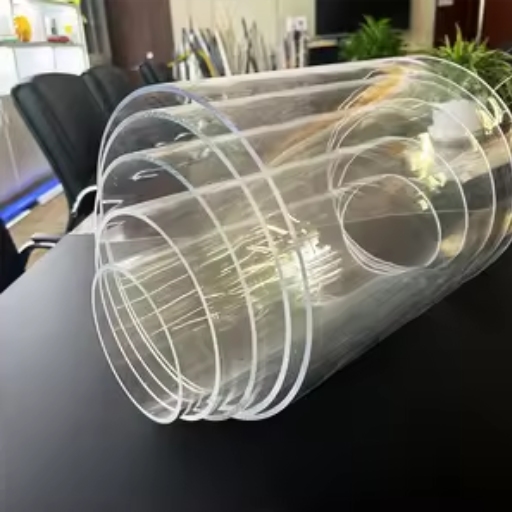
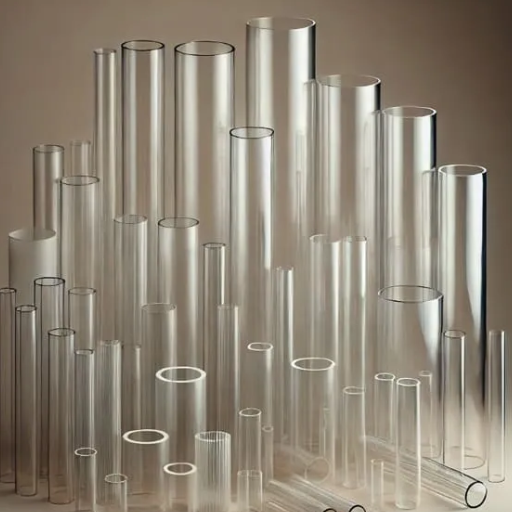
Acrylic sheets are versatile plastic materials made of polymethyl methacrylate (PMMA) and are appreciated for their clarity, durability, and light weight. This product is fabricated, consisting of color in its compound with varied thickness and finish to suit diverse applications. Acrylic is weather resistant, making it ideal as an alternative to glass for structural applications both inside surroundings, as well as outdoors. It can be manipulated easily by shaping, engraving, or cutting, with laser cutting being very popular and a common favorite for designers and fabricators in need of extreme and creative flexibility.
What is Acrylic?
Acrylic, also referred to as polymethyl methacrylate (PMMA), is a transparent thermoplastic generally considered as a home to have great versatility and durability, used in several businesses. It came into production during the 1930s and hence enjoyed a preference as it is akin to glass in clarity and lightweight. Acrylic sheets, with trade names such as Plexiglas® and Lucite®, are approximately 17 times impact-resistant as ordinary glass and hence considered safer where breakage matters.
Weather resistance is one major consideration; hence, it can resist sunlight exposure for a long time and harsh weather conditions without yellowing or losing its structural strength, thus justifying its usage for both indoor and outdoor applications. Acrylic has a light-16 (transmittance rate)738; an amazing 92% of visible light is allowed to travel through it, earning a reputation for providing crystal clarity that, in most cases, is better than glass.
The makers have made a promise of stress relief to designers and manufacturers since it could be molded, cut, drilled, or engraved in any way; thus, acrylic tends to give stellar flexibility to its design applications. Acrylic finds its applications in signage, aquariums, lighting fixtures, automotive parts, and protective barriers. Therefore, while acrylic has many functionalities, water also suggests recycling with other materials as part of global awareness for the sustainable use of materials.
Types of Acrylic
The working of acrylics varies depending on the variety, so they are applied in dispersed industries. The two major types of acrylic are cast acrylic and extruded acrylic.
1. Cast Acrylic
Cast acrylic is produced by pouring liquid acrylic into a mold to harden; it is considered to be a higher quality material. Because of its great optical clarity, abrasion resistance, and weather resistance, it finds uses in top-end applications such as aquariums, museum displays, and signage. It is easier to machine and more resistant to crazing (the formation of small cracks) under pressure than extruded acrylic. As with most materials having labor-intensive production methods, it is generally more expensive than extruded acrylic. Recent market studies evidence that acrylic cast covers a major share of the acrylic sheet industry because of demand from the architectural and automotive sectors.
2. Extruded Acrylic
Extruded acrylic is manufactured by forcing acrylic continuously through rollers; this also gives it a more consistent thickness than cast acrylic. Being cheaper, it is less durable and lacks the optical clarity of cast acrylic. It is common for use in applications such as picture frames, point-of-purchase displays, and protective screens, where the price is somewhat diminished due to the size of the project. Industry statistics appear to confirm its popularity in jurisdictions boasting huge manufacturing sectors, including Asia-Pacific, wherein price becomes an overshadowing factor in material selection.
3. Specialty Acrylics
Apart from these major types, specialty acrylics will satisfy niche markets, including impact-modified or colored acrylic sheet products. The impact-modified acrylic sheets are made by mixing acrylic with other substances to improve strength and flexibility. They are suitable for high-impact applications such as skylights or vehicle windows. Colored acrylic sheets come in various opaque, translucent, and fluorescent colors, which are widely applied in creative areas such as interior design and advertising.”
The various kinds of acrylic materials and their applications show the huge versatility and adaptability of this material across industries, and the continuous improvements in this domain highlight how relevant it still is in modern material sciences.
Properties of Clear and Colored Acrylic Sheets
Clear and colored acrylic sheets are very well known for having an unusual combination of optical clarity, durability, and light weight. Clear acrylic, commonly known as “plexiglas,” has a light transmission rate of about 92% as compared to ordinary glass. This very high clarity, along with being resistant to yellowing when exposed to UV rays for a long time, makes it suitable for uses wherein it is required to maintain clarity of view, i.e., aquarium panels, retail displays, and so on.
Colored acrylic sheets, however, are available in a whole range of bright colors and translucent, transparent, or opaque finishes. These sheets retain all the physical properties of their clear counterparts-lighter weight and resistant to impacts-and in return bestow the very qualities of aesthetics and utility. Signage, decorations, and interior design accents that demand both utility and visual appeal assure popular applications.
Both types have excellent weather resistance, so these sheets may be kept outdoors without suffering from any visible degradation for a very long period of time. Moreover, acrylic sheets mold very well and are easily machined; hence, they are well suited for customized designs or any project requiring great detail. They have even been tested to withstand impacts as much as 17 times that of traditional glass very definition of durability on wounds.
Modern coating technology has resulted in the application of anti-glare and scratch-resistant layers on these acrylic sheets, further enhancing their performance under intense conditions or rough handling. The better performance has thus allowed the industries to strengthen application areas in automotive, renewable energy, and healthcare. For instance, on the renewable energy side, acrylic remains an important material to protect solar panels while maximizing transmission of light.
In addition to either clear or colored form, acrylic sheets exhibit an unusual combination of functional and aesthetic qualities that satisfy the divergent needs of modern industries.
The Benefits of Laser Cutting Acrylic
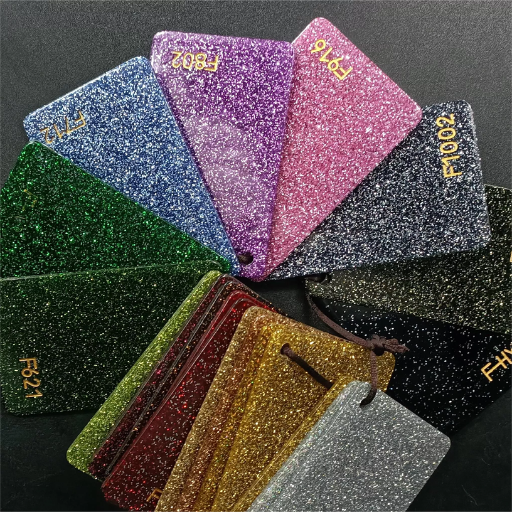
With laser cutting, acrylic can be processed with precision, speed, and adaptability. This deep engraving technique can achieve extremely precise cuts with smooth, polished edges and, therefore, does not require any finishing work. The process is faster and can execute even the most intricate designs comfortably, making it perfect for custom jobs. In addition to saving on raw materials, laser cutting guarantees uniform results, making it an economical option for many industries like signage, arts and crafts, and manufacturing.
Precision and Versatility in Design
Laser cutting acts as a very precise means of cutting and an opportunity for case designs in modern industries. Currently, based on developments in laser technology, cutting tolerances can reach an accuracy of ±0.1 mm must-have threshold for the precision needed in minute works of art. This kind of measurement can prevent failure in industries such as electronics and aerospace, which require minute deviations.
It can cut very well with such a large variety of materials, ranging from acrylic, wood, and metals, to fabric. It would assist-preferably-with the laser cutter in cutting metals such as stainless steel and aluminum more efficiently. It is said that advancements in fiber laser technology ensure productivity boosting up to 30% compared to conventional methods and keeping operational costs down, thus benefiting both small-scale and large-scale industries.
The software integration allows for very complicated geometries to be worked out with ease, ensuring less room for errors and very fast turnaround times for the prototypes, along with production models. This development further strengthens the position of laser cutting as an important assisting tool in the race of precision and efficiency between industries today.
Cost-Effectiveness of Laser-Cut Acrylic
Laser-cut acrylic is one of the most inexpensive methods in industries that are suitable for combining efficiency with the best quality. The minimal waste produced during manufacturing contributes primarily to the cost-effectiveness of laser-cut acrylic. Since laser cutting operates with extraordinary accuracy, it has allowed the manufacturer to use materials more optimally with less scrap to save money on raw materials. Recent data suggest laser cutting cuts waste of materials by up to 30% when compared to the conventional means of cutting.
Moreover, the versatility of laser-cut acrylic adds to its overall value. From the design side, since complex designs and detailed geometries can be made without much tooling, a company can save on tooling change fees and maintenance. Research says that laser cutters require maintenance only after 500 to 1,000 operational hours, lowering the running maintenance-related costs.
Labor costs are also cut using a laser-cutting system. The operator can supervise cutting with very little intervention, allowing fast completion of a project and reduced labor output per unit. For small-scale production or prototyping, the speed and accuracy of laser-cut acrylic increase turnaround time, a big saving in time and money. Advanced laser-cut acrylics stand better in domains like sign production, architectural modeling, and custom fabrication-time saving is very much appreciated in these domains with intricate designs.
In contrast with long-running analysis, laser-cut acrylic transparency also consumes far less energy compared to other cutting options. Owing to better energy use, the latest fiber laser systems deliver about 50% energy savings in comparison with CO2 lasers of umpteen years gone. These factors, together with the outstanding durability and beauty of acrylic, make the laser cut a most useful cost-saving option.
Applications of Laserable Acrylic
Due to its versatility, precision, and ability to bear fine finishes, acrylic is highly favored across a wide array of industries. Some of the key applications include:
Signage and Displays
Laser-cut acrylic is commonly used for indoor as well as outdoor signage. Smooth edges and fine details allow for the fabrication of professional-looking corporate store signs, directional placards, and promotional displays. According to industry analysts in 2023, the global acrylic sheet market size is expected to witness a CAGR of 5.3% for the period 2023 to 2030, fueled by demand from industries such as advertising and branding.
Architectural models and prototypes
Acrylic laserable is a preferred choice among architects and designers for building intricate scale models. The fact that it is transparent and allows the engraving of very fine details in patterns aids their realistic depiction of glass windows or textured surfaces.
Custom Products and Decoration
In the era of custom and personalized products, many businesses offer products for consumers seeking custom products. Award items, nameplates, keychains, and home decorations are custom-made with laserable acrylic. Market trends show that demand for personalized goods has been steadily growing, with the custom gift market expected to touch $43.3 billion by 2027.
Acrylic furniture and interior decor
The clarity of acrylic makes it attractive to modern furniture and home décor. A design therein employs laser cutting for precise edges and detailed designs. Featherweight yet sturdy lends both aesthetic and functional merits.
Electronics and Technology
Laserable acrylic finds its way into tech industries, mostly making enclosures, panels, and parts for devices. The fact that modern laser systems are efficient and environmentally friendly fits well with the technology industry’s endeavours for sustainability.
Medical and Laboratory Equipment
Medical and laboratory equipment is made from acrylic because it is nontoxic and easy to clean: sterilization trays for tools and protection barriers. Laser cutting may also ensure that these products meet the rigorous requirements of the medical industry.
The versatility of laserable acrylic, combined with advances in laser technology, has opened wider application areas and newer markets in which it is adopted. Offering durability, a good finish, and environmentally friendly features has ensured its presence in many industries-from designing to healthcare.
Best Practices for Laser Cutting Acrylic
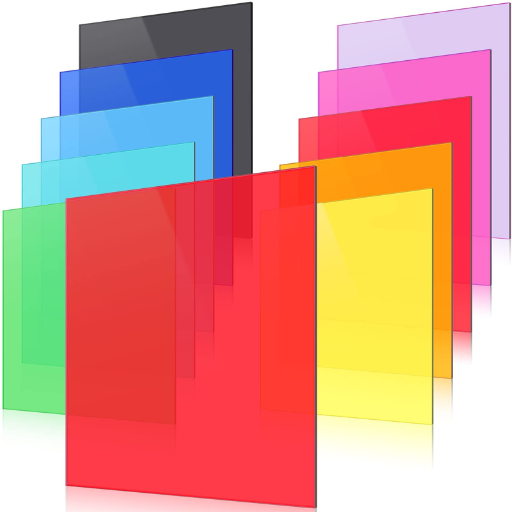
Select the Correct Acrylic Type: Cast acrylic is preferred for engraving because it yields a frosted look. Extruded acrylic is suitable for cutting, with clear edges that are not frosted.
Set Laser Settings: Set the power and speed according to the thickness of the acrylic. A test cut must be carried out before proceeding.
Provide Ventilation: Good ventilation facilities should be in place for the timely removal of fumes occurring during cutting.
Use Protective Film: The protective film on acrylic sheets may be left as is or cut so that the surface remains free of scratches and/ or dust residue.
Focus the Laser: Properly adjust the focusing of the laser for neat and precise cuts.
Avoid Overheating: Keep a laser power level that won’t warp the acrylic; maintain constant speed while cutting.
Edge Cleaning After Cutting: Use polish/water or flame to smooth rough surfaces. Leading “Acrylic Sheet for Laser Cutting” manufacturer in China.
Selecting the Right Laser Settings
Choosing an appropriate set of laser parameters ensures accuracy and fast cutting or engraving processes. Parameters are dependent on such factors as material type, material thickness, and desired finish quality. Below, the main parameters involved are briefly described, which must be considered and optimized:
Power Settings
Laser power has a direct effect on the cutting depth and quality of the process. Thin materials would ideally be subjected to low power to prevent scorching or burning. Thicker materials may require higher power, though, for an unequivocal cut. For example, to cut 3mm acrylic, typically, a power of 60-70% from a 40W laser is needed; for 6mm, nearly 90-100% power might be needed.
Speed Settings
Cutting speed involves how fast the laser travels across the material surface. Slower speeds can create deeper cuts, and the faster speeds work well for engraving or shallow cuts. For instance, for engraving wood, speeds of 300-500 mm/s might be used, while cutting speeds can range from 10-50 mm/s depending on the thickness.
Frequency (Hz) or Pulse Rate
Frequency controls how many times the laser pulses occur during a cut. Low-frequency settings (e.g., 500-1000Hz) work well for cutting hard materials like acrylic, as they allow the heat to dissipate around the edges. High frequencies (e.g., 2000-5000Hz) suit more detailed engraving or softer types of wood.
Air Assist
A layer of air helps to aid in cutting by getting rid of debris and preventing flare-ups to some extent; it ensures crisper lines and cleaner edges, especially for highly flammable materials such as wood and fabric.
Material Settings
The different materials react differently when exposed to a laser, so their optimal settings will always require some experimentation. For example, MDF might produce a lot of debris and thus require a combination of lower power with greater air assistance, while leather needs slower speeds to avoid charring.
Test Runs & Adjustments
Before initiating the final work, test on scrap to fine-tune the settings. Make a test grid with different power-speed combinations and analyze the output to find out the best setting.
Example Laser Settings for Common Materials
|
Material |
Thickness |
Power (%) |
Speed (mm/s) |
Frequency (Hz) |
|---|---|---|---|---|
|
Acrylic |
3mm |
60-70% |
15-20 |
1000-2000 |
|
Plywood |
6mm |
80-90% |
5-10 |
500-1000 |
|
Leather |
2mm |
40-50% |
10-30 |
2000 |
|
Cardboard |
1mm |
20-30% |
100-150 |
1000 |
When these settings are well calibrated, painful issues like imperfect cuts, burnt edges, or inefficiencies can be avoided altogether, producing a beautiful thing. Refer to your laser machine’s manual for suggested values to begin with, and then, depending on the particular project, you could dial in adjustments.
Using the Proper Thickness of Acrylic
It is important to select the right acrylic thickness for your project so that laser cutting or engraving can be perfect. Generally, the thickness of acrylic sheets may range anywhere from 1mm to 20mm and you can decide based on its use, strength demands, or the working capabilities of your laser cutting machine.
Some examples of where these various thicknesses are commonly used:
|
Thickness Range |
Common Applications |
Notes |
|---|---|---|
|
1–3 mm |
Signage, decorative panels, and lightweight craft items |
Ideal for projects requiring flexibility or delicate detailing. |
|
4–6 mm |
Acrylic displays, light fittings, and small structural elements |
Provides a balance between sturdiness and ease of manufacturing. |
|
8–10 mm |
Furniture, aquarium windows, and structural designs |
Offers strong support for medium to heavy-duty applications. |
|
12–20 mm |
Architectural features, industrial tools, and large-scale designs |
Suitable for larger, load-bearing applications. May require high-power lasers for precise cuts. |
Acrylic Thickness Selection Factors:
Machine Capacity:
Make sure the laser cutter you use will be able to work on the thickness that you have chosen. For example, a 40W laser is ideal for thinner sheets (1-5 mm); the higher the wattage of the laser, the quicker it will cut through thicker materials, of course.
Level of Detail:
Embossed intricate designs are best left on thin acrylic, for thin acrylic can maintain base fine details better than thicker ones, which lose the crisp edge to heat spreading and melting.
Strength and Durability:
A heavier project will require thicker acrylic for strength and rigidity. Keep in mind, thicker sheets need to be cut slowly so that charring or warping does not come into play.
Visual Appeal:
Typically, thin acrylic receives a glossy finish after being laser cut; however, thicker sheets lend themselves well to stunning multi-layered effects when engraved or edge-lit.
Take this guide into consideration to aid your decision process in optimizing your acrylic cuts or engravings for both practical and aesthetic value. Do not neglect to test new samples of material with your particular machinery frequently for the best results. Always check out and incorporate suggestions from reliable and valid sources or communities regarding the most up-to-date techniques.
Ensuring a Clean Cutting Surface
On an acrylic project, having a spotless cutting bed surface is imperative for precise and superior results. Dust particles, debris, and residues on the cutting bed are enough to interfere with laser effectiveness, causing imperfections such as scorch marks, rough edges, or irregular cuts.
Tips and tested methods to maintain a clean cutting surface include:
Clean the Surface Often
Regular cleaning of the cutting bed will ensure debris doesn’t build up to shift the material or obstruct the laser beam. Use a vacuum or a soft brush to brush off any dust or stray acrylic particles after each cutting procedure.
Masking Tape to the Rescue
Applying two layers of masking tape on either side of the acrylic sheet protects it from laser residues and scorch marks. Studies have found that this method reduces the risk of laser burn marks by about 40%. Once done, remove the tape and enjoy a smooth finish.
Examine the Honeycomb Cutting Table
Check your honeycomb cutting bed or any extra cutting support for an adhesive buildup, melting acrylic, or burn marks. Such residues can interfere with heat distribution a little during cutting, leading to uneven edges.
In-Depth Ventilation
Proper fume extraction preserves safety and minimizes the smoke residue from settling down on the material. Too much residue from smoke can stain the acrylic surface, thereby diminishing its aesthetic appeal.
Dedicated Cleaning
Non-abrasive cleaning solvents or isopropyl alcohol, as recommended by manufacturers, can be used to cleanse the acrylic surface of smudges, grease, or almost imperceptible marks. Use a lint-free cloth to clean the protection.”
Machine Maintenance Is Worth the Effort
Regular cleaning of the lenses and mirrors of laser cutters is paramount since dirty optics would cause scattered beams and a lesser cutting effect. When your machining is perfect, everything will follow.
With cleaning regimens and machine maintenance combined, your device will definitely last longer, as well as make it possible to provide good, custom-made acrylic projects consistently.
Avoiding Common Mistakes in Laser Cutting
Using Wrong Settings
Always check once again the laser cutter’s power, speed, and frequency settings depending on the material you are working with. Wrong settings will give you a badly cut piece, maybe burned, or with irregular edges.
Skipping Test Cuts
Check by making a very small test cut on scrap material before you carry this further onto your project. Doing so will pinpoint potential problems without wasting your resources.
Improper Material Placement
Make sure that the material lies flat and is firmly held on the cutting bed. Materials that are uneven or loosely placed can cause inaccurate cutting, if not a lack of processing.
Neglecting Ventilation
Ventilation should be maintained at the laser-cutting operation site. The slow action of smoke gathering might lessen cut quality and endanger health.
Ignoring Maintenance
Not maintaining and servicing this machine, that is, cleaning and checking components such as the lens and mirror regularly, will result in a reduction in performance with increased errors in the process.
Overheating the Material
The overheating of materials during laser cutting produces several problems, including warping, discoloration, or even combustion in the worst cases. This happens especially for materials such as plastics, acrylics, and thin metals that have low melting points. It is believed that overheating mostly results from using the wrong settings for laser power or speed. For example, if the cutting speed is too slow, a lot of heat may build up, while too much laser power increases the chance of damaging the material.
It is believed in the industry that controlling heat perfectly can increase the accuracy of the cut by 30%. Prior to doing a production run, it is recommended to do test cuts on scrap materials. Cooling systems, such as air assist or water cooling, also dissipate the heat so that the quality of the cut is improved and burn marks and warping are prevented. Keeping an eye out on how the material reacts during the cutting procedure is equally important, so corrections may be made in real-time to reduce the chances of overheating.
Inappropriate Speed and Power Settings
Choosing speed and power settings is one of the most important steps in processing materials accurately and without causing damage through laser cutting or engraving. When the speed and power settings on a laser machine are not appropriate for the material being processed, there are probably different issues arising, such as incomplete cutting, burning of material, or deformation.
Therefore, actual burning marks may appear as a result of overusing power while marking and cutting, forming burns so thick they are visible, or they even have the potential to burn materials that are flammable. When the power is set too low, however, and the speed is too fast, the laser cannot penetrate through the material in a single pass. It thus ends up leaving uncut portions and requiring additional passes, which translates into more time spent on production. Various laser cutting specialists state that the best results with thin materials like acrylics or woods occur most of the time at power settings between 20 and 60%, whereas carving and cutting metals may require upwards of 80%.
In its most recent publication, Google further recommends employing test matrices or small cut grids with varying values of speed and power to fine-tune the particular settings necessary for your material and project. On the other hand, combining such optimal settings with modern laser software that offers dynamic speed control will ensure better precision and efficiency, even for complicated designs. Referring back to your machine’s manual or guidelines offered by the manufacturer would also help; these often contain base settings for common materials and can really save time and reduce trial-and-error.
Preventing Warping and Poor Quality Edges
Warping and poor-quality edges are some defects manufacturers encounter during cutting by laser, resulting in an imperfect finish or impaired functionality of the project. Proper attention must be given to focusing the laser to avoid those problems. The laser should be well calibrated to focus on the material’s surface to attain a clean cut. In addition, the choice of the material has to be made carefully; good-quality and flat materials will negate the effect of warping from irregular surfaces.
Heat distribution plays a vital role in this process. Adjusting the power and speed according to the type of material minimizes excessive heating, which can lead to distortion of the material or darkening of the edges. An air assist system is also helpful, blowing away the debris and heat accumulation in the cut zone to maintain edge quality.
A cooling bed or low thermal transfer supports will produce great results when working with acrylics and other thermoplastics that tend to warp very easily. Trends indicate that materials such as plywood and MDF tend to warp with low cutting speeds combined with high air pressure, while synthetic materials like PETG tend to benefit from very short bursts of cuts to prevent them from accumulating heat. Doing test cuts and searching laser communities for tips on the material for which you’re preparing will always help in bringing consistently good outcomes for any kind of application.
Maintaining and Handling Acrylic Sheets

Acrylic sheets can be gently cleaned using a microfiber cloth and a solution of mild soap. Never use any abrasive cleaners or rough tools to do the cleaning, as this can cause certain scratches on the surface. Always try to handle the sheets with care to prevent cracks or chipping. Lifting them is a better option while moving rather than dragging them against the surface. The acrylic sheets should be stored in a cool, dry environment, away from direct sunlight and heat, to avoid any unwanted warping or discoloration. Further protection to the surface can be provided by applying protective film before installation.
Cleaning Techniques for Acrylic
Acrylic surfaces are very resilient, but to keep them clear and extend their life, proper cleaning methods must be followed. The following suggestions have been laid down in keeping with industry standards and recent studies to get the best results, while also prolonging the acrylic surface’s lifespan:
Use Non-Abrasive Materials
Always wipe acrylic surfaces with a microfiber cloth or a sponge, which is soft sponge. Scratching the acrylic surface through the application of abrasive cleaning materials such as scouring pads or hard brushes, is now seen as the main culprit responsible for ruining the look of the product over time.
Mild Solutions Are Always Better
For cleaning, make a mild soap solution in lukewarm water with dishwashing liquid. Avoid strong chemicals such as ammonia, acetone, or alcohol-based cleaners that make surfaces prone to micro-cracks or cloud formation. Commercial acrylic cleaners, if used, should state that they are safe for use on acrylic or plexiglass.
Rinse Well
Clean the acrylic surface well with clean water and wash away the soap or washing solution left on the acrylic surface. Any remaining residue on the surface can be a further cause of build-up, which can attract more dirt or cause dullness.
Dry Quickly to Avoid Water Spots
Use a soft cloth, free from lint, for drying the acrylic surface right after rinsing. Air drying might cause water spots, especially when the water supply is hard.
Maintenance in Regular Intervals
Dust the acrylic surface regularly with an anti-static cloth. Since static charge attracts dust and dirt, the use of anti-static cleaners can help to reduce this.
Avoid Heat and UV
Keep acrylic products away from direct sunlight and from any high temperature, prolonged exposure to which, along with the UV rays, will give discoloration and warping. If they must, applications of modern UV protectant sprays can add further protection.
Latest Insights from Studies and Market Trends
It is seen from recent literature that green, biodegradable cleaning solutions tend to become the best accepted choice to clean acrylics. In addition, in recent years, the advancement of protective coatings has enabled them to become more resistant to scratches and to UV damage, thus reducing maintenance frequency. According to research, regular maintenance, including the monthly deep cleaning of acrylic surfaces with recommended products, can increase the lifespan of acrylic surfaces by some 20%. One of the easiest forms of preventative care would be installing protective films, either during transport or even before installation.
Using these care techniques, combined with staying informed of the latest innovations in cleaning, results in keeping acrylic surfaces looking brand new for many, many years.
Proper Storage to Prevent Damage
Proper storage plays an important role in keeping acrylic in good condition and preventing any damage. To best prevent environmental weathering, acrylic sheets should be stored in dry conditions, within controlled temperatures of 50°F to 75°F, and with a 50% level of relative humidity. Extreme heat or cold conditions cause warping and cracking over time, as wide changes in temperature place the material under stress.
The best way to store acrylic sheets is horizontally on a flat, sturdy surface with soft padding underneath on which to rest them, preventing any kind of scratching. Should the sheets need to be stored in a vertical position, make sure the sheets are standing up at an angle of about 10-15° to provide resistance to bending and are also supported evenly throughout their height. Racks with padded dividers or spacers are recommended to avoid point pressure, which could cause dents or cracks.
The industry also recommends that the sheets should not be subjected to UV light during storage. It will avert both color fading and damage to the UV-sensitive coating that may have been applied to the acrylic surface. To prevent degradation of coatings, the sheets should either be stored away from sunlight or covered with a tarp or film that blocks UV light.
Lastly, never put on top of acrylic sheets any heavy objects that could stress or worse damage them. In an effort to keep the surface flawless and functional for a long period of time, implementing these storage measures and at the same time staying updated on the latest methods would serve anyone and any organization well.
Safety Precautions When Working with Acrylic
Working with acrylic calls for stringent safety methods to guarantee a smooth and safe working experience. Acrylic can be quite versatile and easy to handle, but improper treatment or lack of safety measures while cutting, heating, or polishing can pose hazards. Here, however, we look at some important precautions:
Providing Adequate Ventilation
Fumes are emitted from acrylic upon heating or laser cutting. These fumes contain volatile organic compounds (VOCs), and high concentrations cause respiratory irritation and dizziness. Therefore, it is imperative to work in well-ventilated areas or use an exhaust system, such as fume extraction, especially when heat or solvent chemicals are involved in the process.
Wearing Safety Gear
Personal Protective Equipment (PPE) is essential while cutting or handling acrylic. Safety goggles protect one’s eyes from tiny particles that fly off during sawing or drilling. Gloves protect hands from sharp edges, and one should also wear a dust mask or respirator to shield oneself from fine acrylic dust particles potentially caught up in the air.
Avoid Excess Heating
Excessive heating melts the acrylic and causes warping while releasing toxic fumes. Set temperature control when heating or bending. For instance, acrylic is supposed to soften at a temperature of about 320°F (160°C); therefore, use heating equipment with the temperature control setting to prevent exceeding this.
Limit Static Charge
Acrylic surfaces gain static charge quickest, attracting dust or applying little electric shocks. Anti-static treatments and cleaners minimize such buildup. Besides, keeping humidity in your workshop at an adequate level will help cut down on static buildup.
Precision in Tool Operation
When using power tools such as drills and saws, always ensure they come fitted with acrylic blades to reduce the risk of cracking or chipping. Keep the cutting speed around 3000 rpm for nice finishes. Clap always to keep the material still and avoid accidents when cutting.
Proper Disposal of Waste
Acrylic does not decompose; hence, disposal of this material, if not done responsibly, will harm the environment. Many times, endeavor to recycle acrylic scraps or find alternative uses for leftover materials; check your local recycling programs and ensure you comply with environmental regulations.
Studies consulted by safety experts show that prolonged exposure to acrylic dust or fumes in poorly ventilated settings may increase respiratory conditions by 20%. Addressing these issues of ventilation and wearing appropriate PPE lessens risks considerably. Following these precautions makes working with acrylic safe, not just for you but also for the environment.
Reference Sources
- Cleveland Institute of Art (CIA): MakerStock Acrylic Sheet
Information on pre-cut acrylic sheets made specifically for laser cutting and related fabrication processes.
- Maryland Institute College of Art (MICA): Plexiglass Clear Acrylic
Stresses that acrylic sheets work well with laser cutters and may be easily handled in fabrication labs.
- Brigham Young University (BYU): Laser Cutting: Materials
Provides insight into the sizes of the acrylic sheets available and suitable for laser-cutting projects.
Frequently Asked Questions (FAQs)
What is acrylic for laser cutting?
Acrylic for laser cutting refers to a type of plastic material specifically designed for use with laser cutting machines. It comes in various forms, including cast acrylic and extruded acrylic, and is favored for its versatility, durability, and smooth cutting results. The material is available in clear, colored, and opaque options, making it suitable for a wide range of applications, from signage to home decor.
What types of acrylic sheets are best for laser cutting?
There are two primary types of acrylic sheets used for laser cutting: cast acrylic and extruded acrylic. Cast acrylic is ideal for laser cutting due to its excellent optical clarity and ability to achieve clean edges. Extruded acrylic is generally more affordable but may not yield as clean cutting results as cast acrylic. Depending on the project’s requirements, both types can be laser cut effectively.
How does the laser cutting process work with acrylic sheets?
The laser cutting process involves using a focused laser beam to cut through acrylic sheets. The laser cutter melts or vaporizes the material, creating precise cuts and engravings. The cutting speeds can vary based on the thickness of the acrylic, the power of the laser cutter, and the desired finish, such as flame-polished edges for a smooth appearance.
Can I engrave acrylic sheets using a laser cutter?
Yes, acrylic sheets can be engraved using a laser cutter. The engraving process involves using a lower power setting to remove a thin layer of the acrylic material, creating detailed designs and patterns. Laser engraving on acrylic allows for high precision and can produce eye-catching results, making it ideal for custom projects like keychains and picture frames.
What are the benefits of using colored acrylic sheets for laser cutting?
Colored acrylic sheets offer several benefits for laser cutting projects. They provide vibrant aesthetics and can enhance the visual appeal of items such as signage and home decor. Additionally, the opaque colors can diffuse light beautifully, making them suitable for decorative applications. Colored acrylic sheets can also be engraved to reveal contrasting colors, adding depth to designs.
How do I prevent scratching on laser-cut acrylic?
To prevent scratching on laser-cut acrylic, it is advisable to keep the protective film or paper on the acrylic sheets during the cutting process. This protective layer acts as a barrier against dust and debris that can cause scratches. Furthermore, using a well-calibrated laser cutter with appropriate settings can help achieve clean cuts without damaging the surface of the acrylic material.
What are the common applications for laser-cut acrylic?
Laser-cut acrylic has a wide range of applications, including signage, home decor, DIY projects, and custom ornaments. Its lightweight nature and optical clarity make it a popular choice for items such as picture frames, keychains, and decorative panels. Additionally, the ability to cut and engrave intricate designs allows for creative freedom in various projects.
What is the difference between cast and extruded acrylic sheets?
Cast acrylic sheets are made by pouring liquid acrylic into a mold, resulting in a denser and more durable material suitable for laser cutting. On the other hand, extruded acrylic sheets are produced through a continuous extrusion process, making them less expensive but more prone to warping and lower optical clarity. For high-quality laser cutting and engraving, cast acrylic is typically preferred.