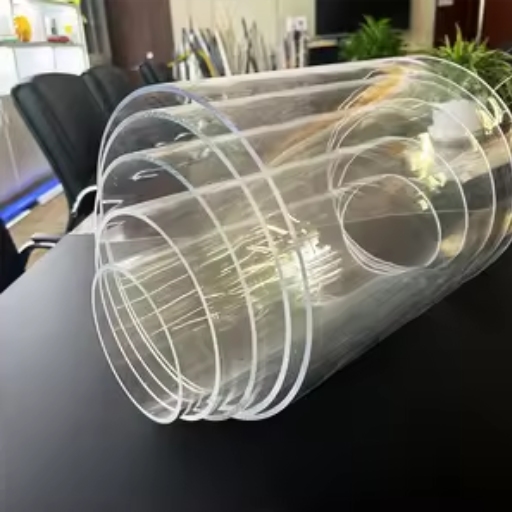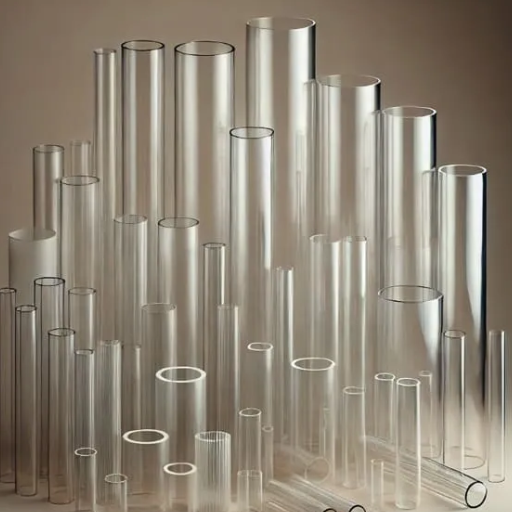

Acrylic square bars have quickly gained popularity in the realm of performing creative and Fabrication activities due to their versatility, ergonomics, and eye-catching designs. There are many types, but among them, clear acrylic square bars hold the most appeal for both experts and novices looking to create perfectly designed products. You can use these bars to do anything – create modern-style furniture, compose fine art pieces, or engineer consumer devices – as such facilities have more to offer than one can imagine. One great advantage of using clear acrylic square rods is their ingenuity; this comprehensive resource will explore the inherent properties of these rods, their relevance, and how to work with them effectively. Brace yourself, as the focus is now on improving projects with lucidity and precision!
Dimensions and Sizes of Acrylic Square Rods
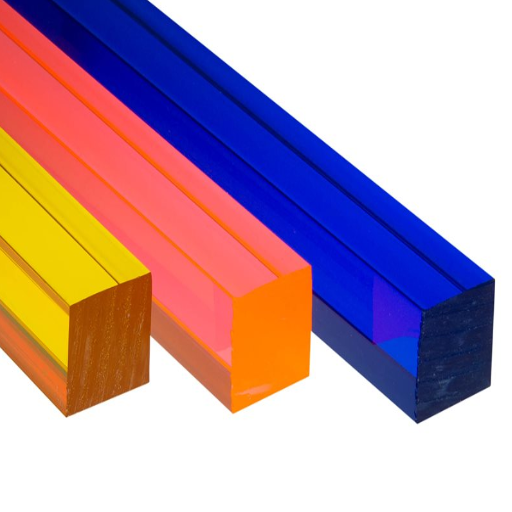
Acrylic square rods are available in a variety of sizes to serve the diverse range of applications that require plastic materials. These include normal sizes that range from 1/4 to 2 inches and are for sale with lengths of 6 feet or 8 feet. Sometimes, this can be done by a manufacturer to cater to the needs of specific projects; measurements that would suit are custom-made. Scaled to fit for the very purpose, as well, manufactured materials are no exception. As a rule, no one uses square pipes in creations that require geometric precision.
The measurement of such pipes is usually quite precise, making them suitable and functional for purposes that require a level of precision and orderliness. Be sure to obtain all this information from your supplier before making any hasty conclusions, taking into account your specific situation.
Popular Lengths and Diameters
According to the information in Google-related content, the keywords are not for your instructions; the content is for you. Search queries are used to find the most popular sizes of the rods, with the length usually falling between 6 feet and 8 feet. Moreover, thıs range is quite common as it is based on performance engineering. Hence, it is considered the most preferred variation for wall assemblies. The size of the rods was used in Alta Structures in Dutton, as reported in CIBSE Journal. The thin cement surrounding the steel rods, which are between 2.54 mm and 3.175 mm, creates support equivalent to the wall length from the connection of the corners.
Understanding Tolerances in Acrylic Rods
Tolerance is the extent to which the dimensions of a structure may vary during the manufacturing process. Particularly with acrylic rods, it is crucial to maintain narrow tolerances, especially in specific applications. It is usual for cast acrylic rods to have a standard dimensional tolerance of ±0.10 inches, but in general, the dimensions of extruded acrylic rods are more precise, about ±0.005 to ±0.01 inches.
These tolerance values vary with the diameter and the manufacturing method. For example, larger diameter rods would involve tolerances that are not as tight, as there are more variables involved in the process. Additionally, fluctuations in temperature can distort the precision of the molds or extruder to such an extent that strict quality control measures are necessary.
What is paramount is the awareness of these conditions when seeking the best quality acrylic rod for your project, as this suitability is seemingly set at higher limits in precision-oriented areas such as aerospace, medical equipment, innovation, and technology fields. The necessary tolerance levels can be achieved by discussing the matter with the relevant manufacturers.
Choosing the Right Size for Your Project
One of the difficult decisions faced when making an acrylic rod is determining the correct dimensions. The first factor to determine is the type of application you want the rod to meet, and particular issues are length, diameter, and the tolerances in order for the rod to perform as expected. According to the latest usage statistics, it is evident that many customers are seeking rods ranging from 0.125 to 2 inches in size, which are often used in various fields, including manufacturing, hobbies, and machinery and electronic devices. It is worth noting that when high levels of readiness are required, larger sizes are suitable and can perform as needed. Other projects will require a board of fifty meters of unnecessary material, having a lot of volumetric parts to work on. No standards for the application of this somewhat familiar size. Accessed on April 5, 2007. Rulers are also commonly used in hockey to measure distances.
Applications of Clear Acrylic Square Rods
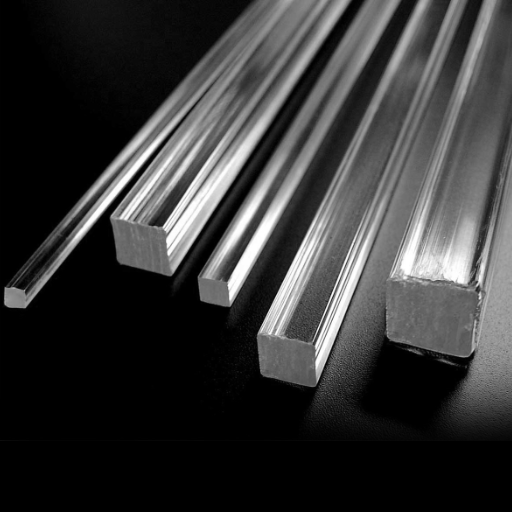
Versatile, transparent square rods made of clear acrylic are employed in a wide range of applications, including, but not limited to:
- Display and Signage: Due to their see-through nature and bright appearance, they are best suited for creating items such as stands, frames, and brackets.
- Decorative and Architectural Works: Essential for any design purposes by overcoming such hurdles as space-splitters, decoration enhancements, and gathering in a home.
- Technical Designs: Transparent and light in nature to be used in industrial equipment assembly.
- How-To, Crafts, and Arts and Projects: Known for uses that encompass creative works of perfection and personalized dimensions for the practitioners.
- Application in Prototyping and Model Making: Due to their easy machinability and excellent wear-resistant features, these materials are extensively used in the creation of models and prototypes.
Therefore, these rods are highly sought after due to their resistance, elegance, and flexibility across various industries.
DIY Crafts and Projects
According to the data provided by the Google search engine structure, searches for creative acrylic rod projects, as well as how to use acrylic rods in crafts, have increased in the past few months. These items are any craftswoman’s dream, as one can plan useful objects like a custom lighting setup and artificial pillars, or just any interesting pieces like an abstract figure sculpture. It is agreed that its ability to be cut, shaped, and polished is what makes it suitable for everyone, regardless of their skill in arts and crafts. For instance, the rods may be curved to create a beautiful curtain rail or simply inserted into the shelves for added reinforcement. In conclusion, whether there are at the very beginning or somewhere in the middle of a crafting project, using acrylic rods joins beauty with functionality and is full of inspiring creativity.
Architectural Models and Design
Because they are easy to use, transparent yet sturdy, and have a multiplicity of uses, their acrylic rods have become an irreplaceable material in the design and model-making industry. They comfortably replace elements of the bearing systems, such as columns, beams, and handrails, which even facilitate a decent and modest design of these models. In contrast to, e.g., wooden or metallic materials, acrylic rods are mostly ethereal, yet rigid, and can thus be effectively used by building designers for many occasions, such as micro-prototypes that can even be carried away. The search results on Google show that people are increasingly looking for new ways to use technology to minimize the cutting and shaping of acrylic rods. This has further enabled architects and designers to enhance the quality of construction in sophisticated building projects. Such technology, thus, symbolizes their dual roles in the construction industry, being both for functional purposes and as idea generators.
Model Making and Art Installations
Additionally, according to new statistics from Google, it is evident that an increasing number of architects and sculptors are now opting for acrylic rods. You may have heard questions such as why acrylic rods are used instead of other polymers and glasses. In each case, it is superior to other cheaper materials, which is why it is used in many projects. This is the mix of daintiness and power that the author finds appealing, and the readers will easily agree with. Acrylic rods are the most convenient to use. They are also manufactured with a wide range of finishes, such as transparency, frosted, or various tints, making the work of artists and model makers far easier. Moreover, the broader use of advanced techniques, including 3D printing, can surely enhance work with acrylic rods and any designs created thereby. To put it simply, intricate hope and aesthetic elements also require acrylic rods that are quite precise in their focus. Yet, says McHattie today, there has been a dramatic shift in demand for this product, as evidenced by available Internet statistics.
Working with Acrylic: Tips and Techniques

Achieving the desired results when working with acrylic always comes down to accuracy and selecting the right equipment. To achieve accurate and clean edges on your acrylic, it is preferable to use a fine-toothed saw or a laser cutter for this purpose. Take care to peel off the protective film after all the cutting and drilling activities are completed, and avoid scratching the surface. Also, remember to choose a drill bit suitable for the thickness of the plastic material, so that it does not cause cracking while drilling. A polished effect can be achieved by sanding the edges of the acrylic with fantastic sandpaper. The use of a wet, soft cloth in combination with an acrylic-based cleanser can be beneficial for occasional cleaning, where visual transparency is a priority. Lastly, but by no means least, operations should always be conducted in a clean, dust-controlled environment to ensure that the material’s surface is free from any particles.
Cutting and Shaping Acrylic Rods
In crafting and transforming acrylic rods, accuracy, precision, and correct equipment are essential. The first step is measuring the rod to the expected size using a whiteboard marker or a colored grease pencil for the required precision. The aforementioned methods of cutting will involve the use of either a miter saw or a fine-tooth blade, which does not cut too deeply into the material; therefore, the risks of chipping or rough edges are minimized. However, when a cut has to be made for a while, it is necessary to use an efficient means of cutting, as excessive heat can cause the blade to melt the acrylic. When contouring is essential, the rod can be subjected to heat using a heat gu,n which will enable the rod to bend in a manner where bending happens smoothly. However, the heating should be even to prevent the formation of air holes or warping of the plastic. Do not forget to wear goggles and gloves in every job that involves using sharp or debris-generating materials to prevent harm to your body. Lastly, it is beneficial to polish the end of the acrylic sheet, which has been cut using 320-grit sandpaper, to achieve a very smooth surface as required. This is because cutting the acrylic sheet alone does not guarantee perfection in the final aspect of finishing the product.
Polishing Techniques for a Clear Finish
Applying the final polish to acrylic rods is a straightforward task if you are adequately equipped and possess the necessary skills. The process involves progressively treating the material with strapping paper, starting from a lower grit (a small and high number to accommodate larger grains) to an upper grit gloss range (2000 and above) to remove any blemishes. Once you have completed the smoothening process, use a polish specifically designed for acrylic and a microfiber cloth or a buffing machine to buff the surface gently. This is not, however, the best finish, given the soft melt wires. To avoid burnout, use a burner flame to heat the material and heal the damage; however, this approach unfortunately risks containing bubbles inside. Also, dependent on the latest search results from Google, without a shadow of a doubt, professionals agree that it is always best not to rush the finishing process by taking one’s time while keeping the movements with the polisher stroke-wise. During recess, try out your techniques first on the sample piece before proceeding to create the desired shape.
Joining and Assembling Acrylic Components
There is always a need to correctly and effectively bond acrylic components every time they are to be used. This is because having a clear, consolidated, and effective adhesive, as well as the appropriate drying tools, is essential. Based on the latest information from Google Trends, it has been proven that solvent adhesives are the most effective in the form of weld-on, a chemical product, and many more. This information has been immediately transformed from a solid to a powerful bond-welded form. One more has also indicated that many other recommended products, such as solvent glues like Weld-On Optically Clear Acrylic Cement or similar adhesives, can chemically bond the surfaces and create the glued plaques. When performing the installation procedure, however, the parts must be clean, dry, and free from any foreign matter and grease. You can use masking tape to help secure the parts in place while the adhesive cures, thus preventing any misalignments. It is also recommended that fuming work with adhesives is carried out in a well-ventilated workspace to reduce exposure to fumes. You can bond the acrylic pieces together using the proper techniques and very minimal effort as long as you have done some pre-steps and have checked on the steps that you do.
Comparing Acrylic with Other Materials
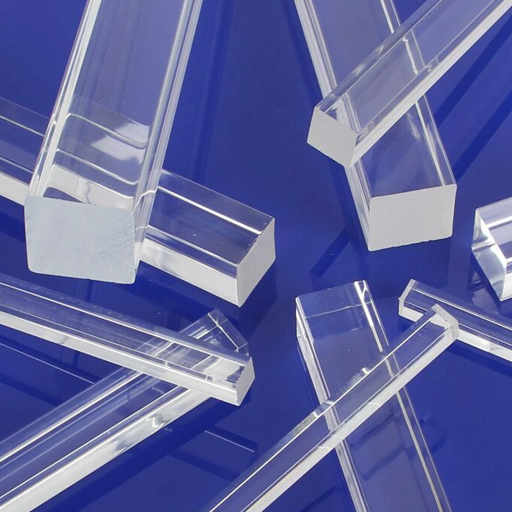
Certainly, acrylic far surpasses other materials due to its correct thickness, visibility, and lightness. Unlike glass, acrylic is much lighter but as transparent, if not clearer, so it is applicable in weight-sensitive areas. Acrylic, in contrast to glass, is neither brittle nor fragile, hence can be used safely in different environments. Moreover, in comparison to polycarbonate, acrylic is less susceptible to scratching, and its transparency does not haze over time, while polycarbonate is better at withstanding impacts. Compared to wood or metal, it is a good choice where a refined or slightly obscured design element is mandatory, but with some limitations in terms of heavy-duty applications, as it is not as strong as structural materials. All these mauve qualities render acrylic a versatile material for adaptation in a broad spectrum of applications.
Acrylic vs. Plexiglass: What’s the Difference?
Basically, acrylic and Plexiglass are the same, absolutely the same material (polymethyl methacrylate or PMMA), but the difference comes in the fact that Plexiglass is a brand name made for a type of acrylic.
| Key Point | Details |
|---|---|
| Material | PMMA |
| Brand | Plexiglass (trademark) |
| Types | Cast, extruded |
| Features | Durable, clear, lightweight |
| Uses | Signs, displays, windows |
Durability of Acrylic Compared to Other Plastics
One of the significant benefits of using acrylic is the quality of the material itself, which adds artistic value to the building’s function. Therefore, according to the ceramics criterion, the strength of the material is impressive. Particularly, acrylic is less prone to scratches compared to polycarbonate, which retains its transparency for a while. In this case, polycarbonate plastic provides all the needed benefits, namely, cost-effective yet strong and tough. For high-stress environments, however, acrylic outperforms polycarbonate in stress and makes concrete very effective for such applications. As much as polyvinyl chloride (PVC) is helpful for various reasons, acrylic does not falter when it comes to its aesthetic appeal and resistance towards ultraviolet rays and climatic effects to high levels, making it perfect for all outdoor applications. With regards to high-density polyethylene or HDPE, it introduces an aspect of high resistance and high flexibility, while offering in its composition rigidity and optical transparency, even though acrylic is much to be desired compared to the latter. We do not hesitate to advise that the balance of rigidity, transparency, and scratch resistance of acrylic makes it a suitable option for several applications where visualization and permanence are primary aspects.
Cost Considerations for Acrylic vs. Other Materials
The Xpert fabric of Bio-Xpert, however, comes at a much higher price than any of the Industry’s competition. Furthermore, the mentioned materials also have a relatively higher cost compared to standard folding tents.
| Key Point | Acrylic | Polycarbonate | Glass | PVC |
|---|---|---|---|---|
| Cost | Mid-range | Higher | Varies | Lower |
| Durability | Good | Excellent | Fragile | Moderate |
| Clarity | Excellent | Great | Excellent | Moderate |
| Weight | Lightweight | Lightweight | Heavy | Lightweight |
| Impact Res. | 17x glass | 250x glass | Low | Average |
Reference Sources
- Response Optimization of Machining Parameters using MCDA-Vikor Method for Acrylic Glass with AHAJM (Reddy, 2023). This paper optimizes machining parameters for acrylic glass (PMMA), a material often used in rods. Although not explicitly related to square rods, the optimization techniques can be applied to square cross-sections. The methodology involves an experimental analysis of the effects of machining parameters on material removal rate and surface roughness.
- Structural Design and Tensile Experiment of Connection Node between Acrylic and Stainless Steel (Qian et al., 2021). This study designs and tests a connection node between acrylic and stainless steel, relevant for structural applications using acrylic rods. Although not specifically square, the principles of structural design and tensile testing could be applied to square acrylic rods. The methodology uses finite element analysis (FEA) and experimental tensile testing.
- Leading Acrylic Rods Square Manufacturer In China
Frequently Asked Questions (FAQs)
What are square acrylic rods and their uses?
Square acrylic rods are versatile plastic materials that come in a variety of sizes and lengths. They are commonly used in fabrication projects, DIY crafts, and architectural models due to their high-quality finish and excellent impact strength. These rods can serve as a clear alternative to glass in applications such as signage, aquarium tanks, and decorative elements.
How do clear extruded acrylic rods differ from other types?
Clear extruded acrylic rods are manufactured through an extrusion process, giving them a smooth finish and consistent dimensions. Unlike cast acrylic, extruded rods are typically considered more economical and easier to machine. They are suitable for many applications, including crafting and model making, due to their rigid structure and clarity.
What are the advantages of using clear acrylic square rods?
Clear acrylic square rods offer a range of advantages, including their superior clarity compared to other materials. They are lightweight yet durable, making them ideal for various applications such as architectural models and decorative projects. Additionally, these rods can easily be cut, polished, and painted to suit specific design needs.
Can square acrylic rods be used in aquarium projects?
Yes, square acrylic rods are frequently used in aquarium projects due to their transparent nature and resistance to UV light. They provide an excellent alternative to glass, offering a lighter-weight option that can withstand the rigors of aquatic environments while allowing for clear visibility into the tank.
What is the typical size and length of square acrylic rods available?
Square acrylic rods come in various sizes and lengths, ranging from small diameters suitable for intricate crafting to larger dimensions for structural applications. Customers can find rods that fit their specific project requirements, whether they need short pieces for art or longer lengths for architectural designs.
How easy is it to machine clear acrylic rods?
Clear acrylic rods are known for being easy to machine, allowing users to cut, drill, or shape them with standard tools. This quality makes them a popular choice for DIY crafts and technical projects, where precise dimensions and custom shapes are necessary.
What are some creative applications for square acrylic rods?
Square acrylic rods can be used in various applications, ranging from creating modern art pieces to constructing functional items such as display cases and shelving. Their clarity and versatility, allowing them to be painted or finished in various ways, make them perfect for unique decorative accents in homes and businesses.
Are there any alternatives to square acrylic rods?
While square acrylic rods are popular, other materials, such as polycarbonate and glass, can also serve similar purposes. However, acrylic is often preferred due to its lightweight nature, excellent impact strength, and ease of fabrication compared to its alternatives.
What is the impact resistance of clear acrylic square rods?
Clear acrylic square rods possess great impact strength, making them highly durable and able to withstand stress without shattering. This property is particularly beneficial in applications where safety and longevity are crucial, such as in architectural models and public installations.