
Acrylic sheets and polycarbonate sheets make for two major choices when it comes to the appropriate material for your next project. Both materials offer their advantages and characteristics, which make the two apt for many uses: Construction, designing, a DIY project, and industrial use. Still, it’s good to know the difference between these two versatile materials so you can make an informed choice when shooting the one that fits your needs. In this article, we will paint a good picture of the strengths, weaknesses, and uses of acrylic versus polycarbonate sheets so you can already make a stand regarding whichever seems apt for your unique requirements. So, remain on this page, and together we shall explore the durability, cost-efficiency, lustre, and other attributes!
Introduction to Acrylic and Polycarbonate
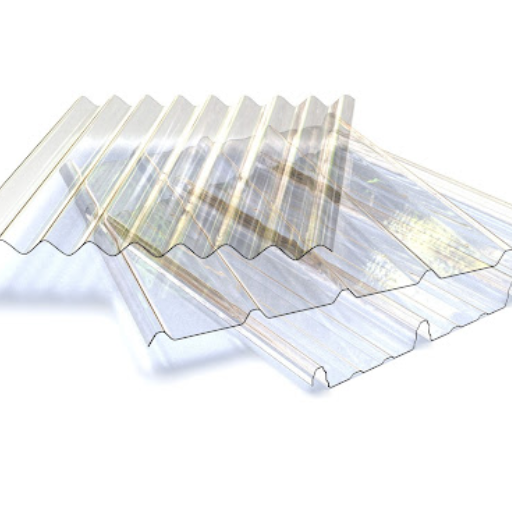
Two of the commonly recognized plastics are acrylic and polycarbonate. Their high durability, transparent nature, and the great latitude of applications have made them famous. Being light-weight and cheap, acrylic sheets find a place in signage, display cases, as well as in-home improvements. Polycarbonate sheets are preferred more in design and fabrication environments because of their high strength and impact resistance: protective barriers, greenhouses, and safety glazing. Acrylics resist better to scratches better, while polycarbonates offer flexibility and durability. Decision-making depends greatly on the needs of your project, including cost or budgetary considerations, strength requirements, and environmental exposure.
What are Acrylic Sheets?
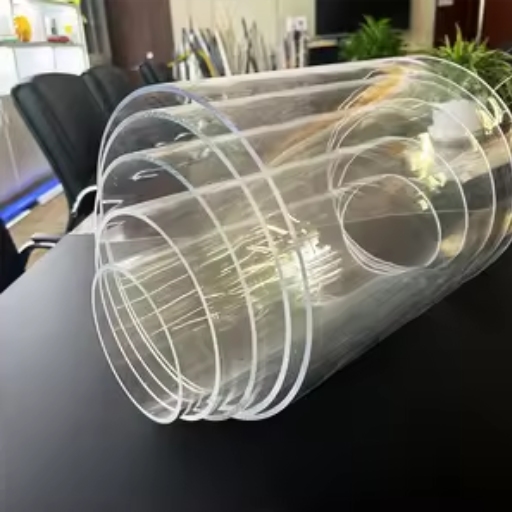
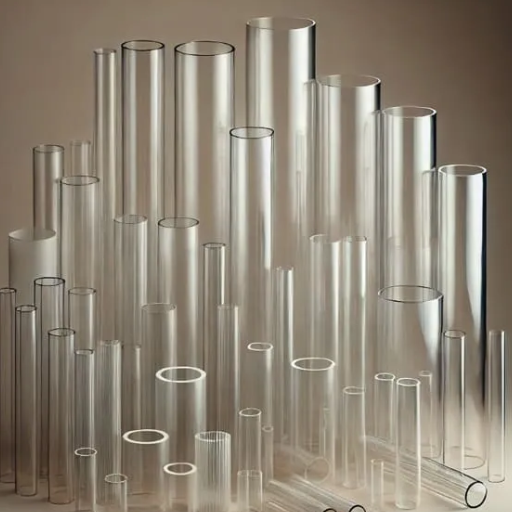
Acrylic sheets are transparent thermoplastics that are lightweight and offer great clarity. These sheets prepared from PMMA serve as glass substitutes due to their shatter-resistant properties and ease of fabrication. Depending on colors, thicknesses, and finishes, acrylic sheets find usage in diverse applications.
The tallest glass acrylic has a transparency level of about 92%, which is comparable to that of a glass window or even sometimes better. In addition to being half the weight of glass, acrylic sheets are ten times more resistant to impacts, making acrylic sheets ideal for windows, display cases, signs, aquariums, and furniture.
Acrylic sheets are weather-resistant and capable of withstanding exposure to UV rays without much discoloration or degradation. Manufacturing advancements have also made them better thermal insulators, thus making acrylic suitable for interior as well as exterior applications. Moreover, acrylic has excellent machinability and can be cut, drilled, engraved, or laser etched to match a design requirement.
Data suggest that acrylic sheets have an ever-increasing demand in the global market, which is expected to reach the value of around $6.6 billion by 2030, according to recent analysis. This is largely due to their applications in industries such as construction, automotive, and interior design. Acrylic sheets are a popular, practical choice globally for decorating, construction, or industrial use. Leading “Acrylic Sheets Vs Polycarbonate Sheets: A Comparison” manufacturer in China.
What are Polycarbonate Sheets?
Polycarbonate sheets are versatile, lightweight, and strong, being made from thermoplastic polymers. Being extremely strong yet having excellent impact resistance, polycarbonate sheets are a common alternative to glass in many areas. They are transparent and allow high light transmission. Since these sheets can endure extreme temperatures, they find varied applications in interiors as well as outdoors.
One of the top attributes that polycarbonate sheets have is high impact resistance, about 250 times stronger when compared to glass under similar conditions. This makes them the better option in applications where added safety is required, such as bulletproof windows, protective barriers, and security glazing. They can also be used for roofing, greenhouses, and outdoor covers due to their UV-resistant properties when coated.
The global polycarbonate sheet market is growing steadily, with the market valued at over USD 2 billion by 2028, owing to rising demand from sectors such as automotive, electronics, construction, and medical devices. Technological developments have also facilitated the production of different types of polycarbonate sheets, like solid, multiwall, and corrugated sheets, for particular purposes.
In this industry, eco-innovation is gaining ground, with manufacturers focusing on recyclable and sustainable solutions. The polycarbonate sheets, having strength, flexibility, and adaptability to eco-environment, are guaranteed to still realize prominence in various industries around the globe.
Common Applications of Acrylic and Polycarbonate
Both planes and polycarbonates are widely used materials that serve best in various industries because they are durable, transparent, and versatile. These are some of the principal applications of these materials:
Architectural and Construction Industry
In construction, acrylic and polycarbonate sheets are very much in demand for their properties of being lightweight and impact-resistant. Polycarbonate sheets could thus be mentioned when discussing roofs, skylights, and greenhouses as they insulate excellently and permit the transmission of sunlight while blocking out harmful UV rays. Acrylic sheets are used widely in windows, partitions, and display cases because of their clear, glass-like appearance. Recently published studies point toward an increasing use of these materials in green building concepts where emphasis is laid on energy efficiency and eco-friendliness.
Automotive and Transportation Industry
Polycarbonate is gaining in popularity in the automotive industry for uses including headlight lenses, sunroofs, and windshields because of its strength and shatter resistance. Acrylic, on the other hand, is used widely for interior vehicle applications such as dashboards and decorative accents due to its aesthetic appeal. In accordance with recent market trends, polycarbonate glazing is being increasingly adopted in electric vehicles in order to reduce weight and enhance energy efficiency, underscoring its adaptability to the changing demands of the transportation industry.
Electronics and Technology Industries
For casing devices, providing display screens, and protective panels, these materials are highly sought by the electronics industry. Polycarbonate is usually the first choice for any gadget that requires the property of being impact-resistant such as smartphones, tablets, or even laptops. Acrylic, having a smooth finish, is also used for screens and for making custom display panels. Increasing global demand for consumer electronics keeps pushing the boundaries of innovations in the direction of acrylic- and polycarbonate-based materials for use in this sector.
Signages and Advertising
Acrylic sheets are preferred in sign making because they can be tinted and shaped easily. These sheets allow an illuminated sign, an advertising board, and display stands to stand out visually. Polycarbonate sheets are used in places where the signs are exposed to severe weather conditions. Research shows that about 60% of outdoor signs now incorporate weather-resistant polycarbonates for superior longevity and performance.
Until recently, the use of polycarbonates in the medical field was geared towards applications such as incubators, surgical instruments, and shielding devices, where sterilization and porosity resistance were of concern. Acrylics, too, have a fair share of applications, especially in the domains of medical enclosures, dental prosthetics, and display cases, and with the increase in demand for protective solutions in healthcare settings, and especially post-pandemic, both materials have seen remarkable growth.
Agriculture
Polycarbonate sheets find extensive uses in agriculture for erecting greenhouses and cold frames because of better insulation and UV-protection. Recent reports chart the global greenhouse market witnessing a parabolic rise in the dependency on polycarbonate materials, which are more rugged and cost-effective than conventional glass setups.
This swift growth of the world market for acrylic and polycarbonate materials is driven by their unique set of capabilities that fit diverse applications. With the development of manufacturing processes and the thrust on sustainability, these materials in the near future will be much sought after across many industries.
Physical Properties of Acrylic and Polycarbonate
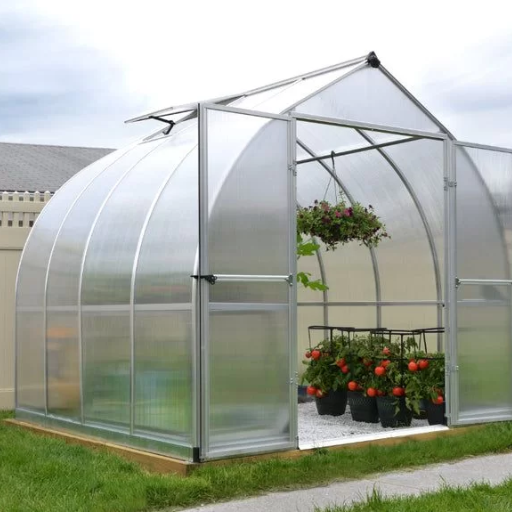
Acrylic is unparalleled in its optical property clarity and is, therefore, an excellent choice for any application demanding transparency and light transmission. It is lightweight, rigid, and weather resistant, meaning it resists even prolonged exposure to sunlight without degrading much.
Polycarbonate, on the contrary, is highly impact-resistant, giving it strength and durability well above that of acrylic. It is also lightweight, flexible, and has an excellent resistance to extremes of temperature, affording it the possibility to be used in more demanding environments. While acrylics and polycarbonates share a wide array of uses, polycarbonate often gets picked when shock resistance is paramount, and acrylic whenever the goal is optical proficiency and beauty.
Optical Clarity and Transparency
In the realm of optical clarity and transparency, both acrylic and polycarbonate find their grounds of distinction in this respect as they cater to differing masses and demands. Acrylic is known for its superior optical clarity. Light transmittance is approximately 92%, compared to glass and polycarbonate. So it can be considered suitable for those applications where extremely high transparency with a very clear-cut view, such as display cases, windows, and signage, is needed.
With slightly lesser transmittance, probably at levels from 88 to 90 percent, polycarbonate offers an interesting blend of adequate optical clarity and exceptional strength. It is less prone to shattering and cracking from impacts, unlike acrylic, and hence, is ideally selected for application settings involving polycarbonate, such as safety glasses, protective barriers, and security glazing.
Additionally, by advancing the coatings on either material, their optical quality has been further enhanced. Anti-glare and UV-resistant coatings on polycarbonate, for example, help curb the yellowing and hazing effect from prolonged exposure to sunlight, thus improving outdoor performance. Any eventual visible difference is quite subtle under everyday circumstances, but for jobs where visual clarity takes precedence, acrylic usually prevails. Yet for tough, load-stressing applications, a slight compromise in optical clarity can be more than recouped by polycarbonate’s sturdiness.
Impact Resistance
Being widely recognized as the resister of things requiring high durability, polycarbonate is the perfect choice for exceptionally strong impact resistance. Industry data suggest that polycarbonate resists impact 250 times more than glass and some 30 times more than acrylic. Such strength means it could endure a high-stress location without cracking under constant pressure or being hit with a sudden force.
Bulletproof glass, protective eyewear, and industrial guards are applications where polycarbonate gives the best resistance against impact. It is tough enough to take on outdoor exposure, resisting any damage that may be caused by flying debris, hail, or an accidental drop. The polycarbonate is also known for maintaining its strength over a significant temperature range, thereby enhancing its performance under extreme conditions.
Weight and Thickness Variations
The polycarbonate sheets are weighed and measured in quantities befitting diversified applications. Manufacturers generally provide polycarbonate sheets in thicknesses ranging from 0.5mm (0.02 inches) to above 25mm (1 inch), thus allowing for the best solution to meet the cause and thermal requirements. Thin sheets measuring between 0.5mm and 1mm are economical and lighter and find their use mostly in the making of lightweight protective barriers or any indoor application. Thicker sheets may weigh more than 10mm and find their use in heavy-duty applications like bullet-resistant glass or roofing panels for industrial buildings.
What about weighage? Polycarbonate weighs right through half of glass, yet is far more robust. For instance, a polycarbonate sheet of 6mm thickness weighs around 7.2 pounds per square meter, whereas glass of similar size weighs nearly double. Being so light, the transportation cost will be lower, while handling and installation will be more convenient.
Another innovation in the polycarbonate industry has been the production of multiwall polycarbonate sheets that feature a hollow or layered structure. This reduces the weight considerably but keeps its insulating properties and impact resistance. Ideal for greenhouses, skylights, and other structural applications where a lighter load is of the essence without compromising durability.
Durability and Weather Resistance
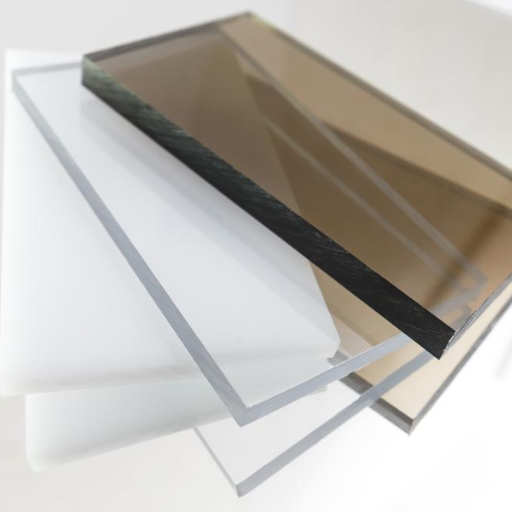
Polycarbonate is highly resilient and resistant to various weather conditions, ideally suited for outdoor applications. It withstands heavy impacts, severe sunlight, rain, and snow without cracking or fading with time. To prevent discoloration and extend life, many polycarbonate sheets come with UV-resistant coatings. Its hardness and ability to cope with severe climates assure long-term performance in various settings.
UV Resistance in Acrylic vs Polycarbonate
When discussing the Pearson’s UV resistance of acrylic vs polycarbonate, it turns into two different materials with very distinctive characteristics in this regard, i.e., they behave and deteriorate differently with extended exposure to UV rays from sunlight. Acrylic, being the much-coined term for polymethyl methacrylate (PMMA), has impeccable innate UV resistance. It does not weather fast and barely yellows on aging through prolonged sunlight; thus, it is a good choice for outdoor signage, skylighting, or displays. Industry sources recently have spoken of uncoated acrylic lasting for 10 years or more without meaningful degradation from the effects of UV rays.
Conversely, polycarbonate, being second to none when we speak of impact resistance, does not boast much UV resistance naturally. Exposure to sunlight causes polycarbonate to yellow, discolor, and deteriorate in the long run unless we apply some kind of protective UV coating. But some manufacturers, by a stroke of genius, provide their polycarbonate sheets with specialized UV-resistant coatings that restore the performance of this material almost to its original state, thereby giving the material another 7-10 years of life while maintaining the clarity under usual outdoor conditions.
According to research and technical specifications of manufacturers, an untreated acrylic, in general, shows better UV resistance than an untreated polycarbonate. However, polycarbonate coated with a UV-protection layer can perform equally well. The selection of one from the other could be based on the specific requirements of the application concerning durable use, optical clarity, etc., not to mention the fact that UV-resistant coating adds some cost to polycarbonate.
Temperature Tolerance
Different temperature tolerances are exhibited by acrylic and polycarbonate, making them still more specialized when considering connecting environmental factors. Acrylic, being softer and more prone to deformation, has a comparatively lower continuous-use temperature, which is generally about 160°F or 70°C. On the other side of things, polycarbonate can really take the heat: It has a continuous-use temperature of 248°F (120°C) and can be exposed to heat for a short time at about 270°F (132°C).
This very high level of heat tolerance in polycarbonate also reduces the chances of it cracking or warping under fluctuating or extreme heat conditions. This property comes in quite handy when it finds use under industrial, automotive, or outdoor applications, where the material tends to undergo significant temperature variations. Polycarbonate retains its structural form at colder ambient temperatures, too: It works rather well down to -40°F (-40°C), whereas acrylic is liable to develop brittleness at such low temperatures.
Other important application-dependent parameters require consideration: duration of exposure and mechanical stress. These two are factors that can sway the materials’ performance. In general, polycarbonate would best serve in an environment of thermal cycling or long exposure to heat, whereas acrylic is fit for more stable temperature conditions. Anyhow, the final choice should be consistent with the thermal demands of the intended application in conjunction with the characteristics of each material.
Long-Term Performance in Outdoor Settings
In such lagging cases, an outdoor environment may face the application of sun UV radiation with moisture and temperature changes in the long term.
According to recent scientific and industry references, polycarbonates and acrylics each have distinct long-term performances under these conditions.
Polycarbonate Performance
While polycarbonates stand much to impact and harsh temperature conditions from -40°F to 280°F (-40°C to 137°C), they may slowly discolor or degrade after long UV exposure. Nowadays, UV rays are usually applied as a coating on polycarbonate sheets so that they can remain for about 10 years or more in outdoor conditions. Some studies suggest that polycarbonate treated with UV will retain 80% of its transparency after an exposure of 10 years outdoors, making it an extremely reliable material for heavy-duty environments like roofing and panels for greenhouses or protective coverings.
Acrylic Performance
Acrylic displays excellent optical clarity and is inherently resistant to UV-induced yellowing, and without the need for any protective coatings for keeping it transparent over time, it is considered an ideal material for outdoor signage or display cases. However, acrylic is more brittle and prone to cracking under high-impact stress or load as compared to polycarbonate; hence, its long-term performance is very much dependent on installation techniques and environmental considerations. Various reports state that acrylic can maintain transparency and hold up against weathering for 20 years or longer in mild climate conditions, but its performance is said to be reduced in areas with frequent thermal cycling.
Environmental Data and Comparisons
From the meta-analysis of materials performance research:
UV Resistance: UV-treated polycarbonate ranks 4-5 on a scale of 5 in UV stability, while standard acrylic ranks 5.
Period: Polycarbonate coatings typically last 10-15 years outdoors, while acrylic might go on for about 20-30 years without any treatment.
Strength: Polycarbonate has an impact strength of 250 times that of glass, while acrylic has 17 times that of glass but is considerably less than polycarbonate.
Considerations
With the aim of balancing factors for better performance and durability, decision-makers may consider environment-specific stressors: UV intensity, temperature variability, and physical impacts when choosing between polycarbonate and acrylic for long-term use in outdoor conditions.
Cost-Effectiveness of Acrylic and Polycarbonate
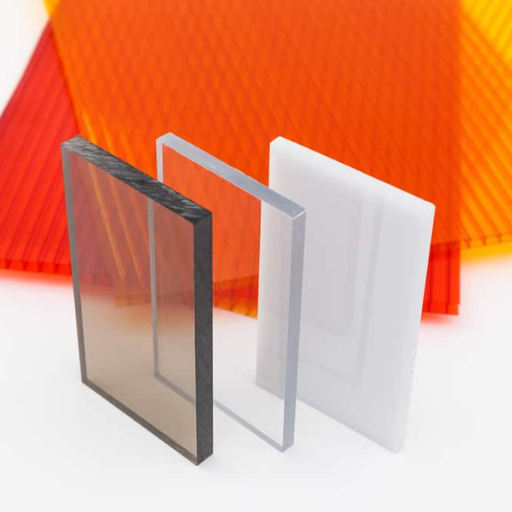
When considering cost-effectiveness, acrylic generally ranks as being cheaper compared to polycarbonate, considered at the outset. Acrylic has good clarity and durability for those applications wherein the physical stresses are low and there are few impacts envisaged, and hence it could be used decoratively or for light use as a cost-effective choice. Polycarbonate, on the other hand, is a pricier material, and the price should be justified by applications requiring it for higher impact resistance and durability, and resistance against extreme conditions. The choice is dependent, eventually, on the requirements of the project and, in the long run, the trade-off between initial cost and longevity.
Initial Costs of Acrylic vs Polycarbonate Sheets
Initial costs of acrylic and polycarbonate sheets, while being compared, must consider factors such as quality, thickness, and market demand. Whereas acrylic sheets are much cheaper, their price may range from $5-$15 per square foot, depending on their thickness and the manufacturing company. Polycarbonate sheets tend to be more expensive, owing to their greater strength and additional benefits like impact resistance and UV protection; normally, the cost ranges from $10 to $30 per square foot.
Therefore, higher prices for polycarbonate entail superior performance in demanding environments, industrial applications or wherever weather resistance is very much desired. Acrylic, being less expensive, is the preferred option for decorative installations, retail displays, or projects for which strength is not all that critical.
As recent data shows, competitive prices exist at both levels, with market trends and technological advances acting as catalysts. For example, advancements in methods of manufacturing have slightly lowered the price difference between the two materials. However, the buyer may want to consider the initial costs in relation to benefits over time, where polycarbonate generally has a much longer life, thus reducing the frequency of replacement in various applications.
Maintenance and Replacement Costs
Polycarbonate and glass are quite different when considering maintenance and replacement costs. Known for its impact resistance, the polycarbonate offers a long-lasting service life, thus greatly lowering the chance of damage and the need for replacement. Depending on whom you ask and which source you consult, polycarbonate roofing or panels may last 10-15 years with little maintenance. Cleaning it with mild soap and warm water is usually all that is required to keep it looking good and working properly, thus preventing long-term maintenance costs.
Glass, in contrast, although eternal in style and in some conditions highly resilient, is more prone to cracking or shattering on impact or in extreme weather, which leads to being replaced more often. It is also pointed out that glass installations might have to be maintained more often in order to deal with the scratching, staining, or sealing problems arising in double-glazed systems, thus growing labor and material costs over time.
Yet another advantage of polycarbonate is its lightweight nature, which means it can be handled during replacements and to reduce the installation downtime and cost compared to glass, which is heavier and requires more specialized labor. Buyers should therefore factor in these practical costs when weighing the total lifetime costs of these materials in their projects.
Value Over Time: Which is More Cost-Effective?
The long-term cost-effectiveness of polycarbonate relative to glass can be gauged in terms of initial investments, maintenance, durability, and energy efficiency. Current data indicate that the cost of polycarbonate sheet materials ranges from a low of 30 to 60 percent compared to that of glass, depending on thickness and grade. Moreover, strengthened with impact resistance 250 times the capacity of glass, polycarbonate ensures cost saving in replacement because such damages should rarely occur, if at all, in areas prone to violent weather.
Further, polycarbonate exhibits remarkable thermal insulation properties, having a thermal conductivity (k-value) of almost half that exhibited by glass. This translates into lower heating and cooling costs experienced by buildings, thereby ensuring savings on the energy front. For example, it has been confirmed by research that the application of polycarbonate in greenhouses helps in saving almost 20% energy annually as compared to conventional glass.
In return, glass is durable but very aesthetic and requires more cleaning and maintenance since it gathers dirt and scratches much more readily than does the polycarbonate. Labor costs in glass maintenance then become significant enough to be included in the total cost of any project over time.
Finally, price notwithstanding, polycarbonate is certainly a far better option due to its advantage with durability and energy efficiency coupled with minimum maintenance. The buyer should therefore analyze their application instances and project requirements to place an informed recommendation on the basis of these insights.
Advantages and Disadvantages of Each Material
Advantages
High impact resistance strength, making it durable against damage.
It is lightweight, which facilitates ease in transportation and installation.
Excellent insulation qualities help decrease energy consumption.
UV treatment can be availed to reduce sun damage.
It requires the least maintenance when compared with glass.
Disadvantages
It may easily get scratches if proper care is not undertaken.
With extended periods of sun exposure, it may yellow, although this can largely be prevented with UV treatment.
The look is usually dull and less clear compared to that of glass.
Advantages and Disadvantages of Glass
Advantages
Offers an extremely high level of optical clarity, giving it a refined look.
It is resistant to scratches, and hence retains its look through the passage of time.
It can be practically applied to an array of applications, including architectural and planning purposes.
Does not get affected by UV radiation in terms of reduction.
Disadvantages
The heavier and thus prone to breaking, it poses a little challenge in shipping and handling.
Due to its weight and fragility, it would require considerable structural support.
More maintenance in terms of cleaning, repairing, etc.
Provides poor insulation compared with polycarbonate; it affects energy efficiency.
Pros of Using Acrylic
It is lightweight and rugged
Whereas acrylic weighs less than any other glass, it must be easily moved and handled. Its light-weight nature, however, allows it to absorb impacts and be 17 times stronger than ordinary glass, so it is rarely broken.
High Clarity
Acrylic provides up to 92% light transmission, which is close to the clarity of glass. It also resists water yellowing, with applications ranging from windows and aquariums to signage.
UV Protection
Currently, UV stabilizers are incorporated into the production of acrylic to protect it from sun damage, thus making it suitable for outdoor applications. Reports indicate that premium acrylic sheets could perform for more than 10 years under the sun without major degradation.
Cost Effective
Acrylic used to be less expensive for the initial cost than glass, and long-term costs were also lower because further shipping and handling expenses were little. The durability and strength of acrylic also contribute to fewer frequent replacements.
Ease of Custom Fabrication
Because it can be easily cut, shaped, and molded, acrylic is often preferred for complicated design work in architecture and product design. Its ease of manipulation is a major asset in those industries where custom fabricated work abounds- such as retail displays and automotive.
Weather Resistant
In the face of inclement weather conditions such as intense heat, heavy downpour, or snow, acrylic bears up better than lots of other counterparts including glass. This perspective-altering ability to maintain its structural integrity and appearance under hostile weather conditions stands in good stead for its outdoor applications.
Eco options
Nowadays, many manufacturers make and market recycled and recyclable acrylics to fit so well into the increasing sustainability requirements. For example, recycled acrylic serves to limit the disposal of waste while offering almost the same performance as the virgin materials.
Cons of Using Acrylic
Environmental Impact During Production
Though the once-hurdled production of recycled acrylic has made great strides, the conventional method of acrylic production can still cause adverse environmental effects. Acrylic is produced from petroleum products, meaning carbon emissions occur during its production, besides is a non-renewable resource. For instance, depending on the research, the production of a kilogram of acrylic sheets probably emits about six kilograms of CO2 equivalent, exacerbating environmental concerns.
Non-Biodegradable
Acrylic cannot be biodegraded; if improperly recycled, it will stay in the landfill for hundreds of years. It is feed for landfill sites, presenting long-term landfill management problems. Non-biodegradable yet recyclable variants exist; however, improper disposal of acrylic products certainly adds to the global plastic pollution issue.
Susceptible to Scratches
Acrylic gets scratched quite easily when compared to other materials like glass. These scratches grow over time, staining its appearance aesthetically. Without proper maintenance or coatings to prevent scratching, this drawback stands against using it where lasting resistance against abrasion is of paramount importance.
Lower Heat Resistance
Usually, acrylic starts to warp or deform at a temperature level of about 160°F (71°C). This restricts its usefulness in arenas where it is exposed to high temperatures; most of the areas near cookers, places where one can feel the heat from the flames of fire, or in industrial lines that require a higher level of thermal resistance.
The upfront cost can be considerably higher for plastic materials like acrylic if compared with similar materials such as polycarbonates or plain glass, which actually makes the cost budgeting factor come into consideration, especially for the large-scale applications.
Taking these drawbacks in conjunction with its advantages will allow the user to decide whether acrylic will fit their needs or not.
Pros and Cons of Polycarbonate
Polycarbonate is a highly versatile thermoplastic material known for its strength and adaptability to a myriad of applications. An elaborate overview of its qualities is presented here:
Advantages of Polycarbonate
Excellent Impact Resistance
Polycarbonate has fantastic impact resistance, about 250 times stronger than glass, thereby providing an excellent alternative for applications such as shatterproof safety glasses, bulletproof windows, and barriers.
Being Lightweight and Easy to Mount
Although it is an extremely strong material, polycarbonate is also lightweight, almost half as much as glass, thus simplifying transport and installation. Less structural support is required for college or workhouse applications.
High Thermal Resistance
This property grants ready acceptance of polycarbonate to heat: it does not deform when exposed to heat for any longer period, nor does it become brittle. This is often an advantage in the choice of products for roofing panels in climates of variable temperatures.
UV Protection
More than one polycarbonate sheet enjoys a UV-resistant coating to improve its life in outdoor applications. This enhances the life of greenhouses, skylights, and other exposed structures.
Flexibility
Incomparably more flexible than glass and some metals, the material opens options to designers and manufacturers for the creation of curved or intricate designs without compromising strength.
Disadvantages of Polycarbonate
Scratches Easily
Polycarbonate scratches easily when one expects it to be hard and strong with impact resistance. For this reason, it may require special coatings it or regular maintenance for uses where heavy wear is likely.
More Costly than Some Alternatives
Another alternative may prove cheap upfront, but polycarbonate offers much better long-lasting value because of its durability. This, however, could pose a hindrance to projects with a tighter budget.
Susceptible to UV Degradation Without Coating
Polycarbonate will yellow or become brittle when exposed to the sun when not coated against UV, thus losing its usefulness for outdoor applications; for this reason, using it without treatment is not ideal at times.
Limited Chemical Resistance
Polycarbonate does not hold up well to certain chemicals, such as solvents and abrasive cleaners, while acrylic does well against them. Such limitations can render it less handy in situations where chemical exposure is frequent.
Applications and Market Updates
As per new trends of the industry reported in the year 2023, polycarbonate remains extensively used in the automotive, construction, and electronics industries. For example, the material’s uptake in the electric vehicle market is fast gaining pace, owing to its lightweight and durable nature, which supports enhanced vehicle efficiency. Besides, architects increasingly use polycarbonate panels for energy-efficient roofs and glazing solutions.
According to MarketsandMarkets™, polycarbonate is expected to grow at a 5.3% CAGR to $24.9 billion by 2028. This rise in demand is propelled by its application in construction, consumer goods, and the medical field, where heat resistance, transparency, and strength are required.
Based on these pros and cons and on further insights from relevant market trends, users will be able to make a better-informed choice about the use of polycarbonate for their requirements.
Reference Sources
- University of Arkansas: Glazing Materials
Since it deals with the properties of polycarbonate and acrylic sheets, thermal performance and flammability are among the emphases.
- Massachusetts Institute of Technology (MIT): Plastics in Glazing and Lighting Applications
Discusses acrylic and polycarbonate sheets for glazing and lighting, embracing applications and benefits.
- National Park Service (NPS): Preservation Matters: Protective Glazing of Stained Glass
Considers acrylic and polycarbonate sheets for protective glazing, with emphasis on issues concerning resilience and breakability.
Frequently Asked Questions (FAQs)
What are the key differences between acrylic and polycarbonate sheets?
The key differences between acrylic and polycarbonate sheets include their impact resistance, UV resistance, and optical clarity. Acrylic sheets, often referred to as plexiglass, are known for being less expensive than polycarbonate sheets but are also more likely to chip. Polycarbonate sheets, on the other hand, are 250 times more impact resistant than traditional glass and provide superior UV protection.
How does polycarbonate compare to acrylic in terms of impact resistance?
Polycarbonate is stronger and has a higher impact resistance compared to acrylic. It is 250 times more impact resistant than glass and is often used in applications where durability is crucial, such as in safety glasses and bullet-resistant windows. Acrylic, while durable, is not as strong under heavy impact.
Is acrylic or polycarbonate better for outdoor use?
When comparing acrylic vs polycarbonate for outdoor use, polycarbonate is generally the better choice due to its high UV resistance, which prevents yellowing and degradation from sunlight exposure. Acrylic can become brittle over time when exposed to UV rays, making polycarbonate the preferred option for outdoor applications.
What types of acrylic are available for various projects?
There are several types of acrylic available, including cast acrylic, extruded acrylic, and acrylic plexiglass sheets. Each type has its own manufacturing processes and characteristics, making them suitable for different applications, such as display cases, glazing, and signage.
Can acrylic sheets be used as an alternative to glass?
Acrylic sheets are often used as an alternative to glass due to their lightweight nature and impact resistance. They are less likely to shatter than traditional glass and are easy to clean, making them a popular choice for display cases and other applications where safety is a concern.
What is the cost difference between acrylic and polycarbonate sheets?
Acrylic sheets are typically less expensive than polycarbonate sheets. While the initial cost of acrylic may be lower, it’s essential to consider the long-term benefits of polycarbonate, such as its higher impact resistance and UV protection, which may save money on replacements over time.
How do the optical properties of acrylic and polycarbonate differ?
The optical clarity of acrylic is higher than that of polycarbonate. Acrylic sheets provide excellent light transmission and are less prone to distortion, making them ideal for applications like picture framing and display cases. Polycarbonate, while also clear, may not offer the same level of optical clarity, but compensates with its durability.
What applications are best suited for polycarbonate sheets?
Polycarbonate sheets are best suited for applications that require high impact resistance and durability, such as safety barriers, eyewear lenses, and greenhouses. Their strength and UV resistance make them ideal for environments where traditional glass might break easily.
How does using acrylic affect my project?
Using acrylic can significantly enhance your project by providing a lightweight, shatter-resistant material that is easy to work with. It can be easily cut, shaped, and formed for various applications, making it a versatile choice for DIY projects, signage, and displays.