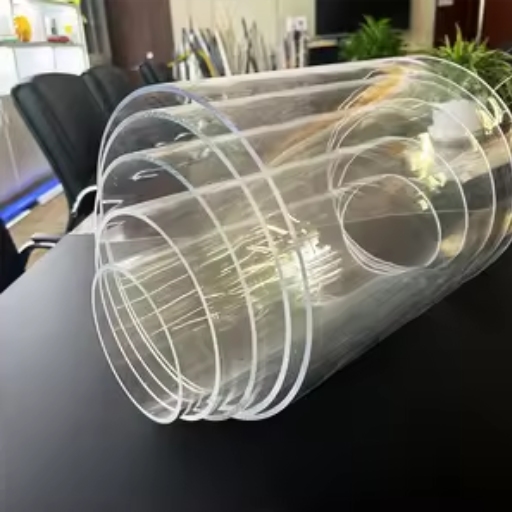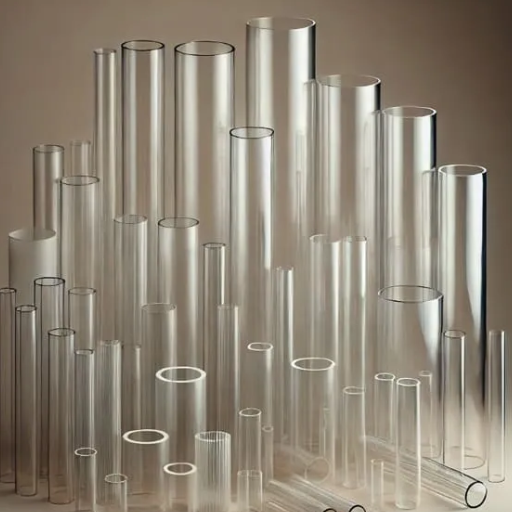

Acrylic sheets with adhesive backing have become a pivotal material in various industries, from architecture and interior design to crafting and commercial signage. Versatile, durable, and easy to apply, they are excellent choices for the seasoned professional and passionate hobbyist alike. This comprehensive guide aims to impart in-depth knowledge of these innovative sheets, including the processes involved in their manufacture, key properties, and numerous usage possibilities.
Introduction to Acrylic Sheets with Adhesive Backing

Adhesive sheets with acrylic backing are among the most versatile materials available for various industries, including construction, signage, and interior design. These sheets boast the strength and clarity of acrylic, with an adhesive layer applied by the manufacturer. Therefore, installation is easy, and additional adhesive is unnecessary. Harnessing a composition that offers great resistance to impact, UV light, and weathering, these acrylic sheets become acceptable for use both indoors and outdoors. Easy installation procedures are desired during jobs where precise placement is required or rapid installation is preferred.
What are Acrylic Sheets?
Acrylic sheets, also known as polymethyl methacrylate (PMMA), are lightweight and adaptable thermoplastic panels that offer unmatched optical clarity, strength, and weather resistance. Considered a shatter-resistant form of glass, it is less heavy and finds applications in various fields. Modern-day manufacturing techniques offer the flexibility to incorporate these sheets in different finishes, thicknesses, and colors, enabling both functional and aesthetic applications.
Acrylic sheets are increasingly becoming a sought-after product for industries such as architecture, automobile, and signage. Queries about durability, UV resistance, and ease of fabrication are a testament to their growing popularity for outdoor applications and demanding environments. These materials do not yellow or degrade with light; they can be cut, bent, laser engraved, or thermoformed easily for exact modifications. With advancements in production technology, acrylic sheets are also evolving to be environmentally friendly, and many types are now recyclable and designed to have a low environmental impact.
Types of Acrylic Sheets
Acrylic sheets are generally categorized into the following types: cast acrylic, extruded acrylic, impact-modified acrylic, UV-resistant acrylic, textured acrylic, light-diffusing acrylic, solar-tinted acrylic, and mirrored acrylic.
Understanding Adhesive Backing
It is the adhesive backing, or an already-applied sticky coating on the package, that facilitates installation on various surfaces. This enables easy installation in printing applications or others. Depending on the application, the adhesive backing may be either temporary or permanent. The essential criteria to consider are surface compatibility, temperature tolerance, and the adhesive’s strength to ensure its adequate use in a particular environment or application.
Benefits of Using Acrylic Sheets with Adhesive Backing
Easy Installation
No additional tools and materials are necessary due to the back adhesive application, thus saving considerable time and effort during installation.
Enhanced Aesthetic Appeal
Adhesive panels provide a clean surface without visible fasteners or hardware, therefore ideal for modern applications in interior design.
Versatile Uses
Adhesive acrylic sheets can be applied to various materials, including wood, metal, glass, and plastics, offering valuable adaptability for diverse projects.
Customizable Strength and Durability
Depending on the adhesive used, these sheets may provide either a temporary or a permanent solution, suitable for the structural and functional requirements.
Resistance to the Environment
Such high-quality products often resist moisture, UV, and temperature so well that they ensure durability and reliability in all environments.
Durability and Longevity
Acrylic sheets with adhesive backing are renowned for their exceptional durability and long service life. Its scratch resistance, weather, and UV degradation resistance ensure that it maintains its structural integrity and aesthetic appeal over time, even under adverse conditions. Proper application and maintenance will ensure that the sheets perform reliably for years, making them a dependable choice for both indoor and outdoor applications. With such longevity, the sheets prove to be both cost-effective and sustainable, due to their less frequent requirement for replacement.
Ease of Use and Installation
Acrylic sheets with adhesive backings are designed for intuitive and optimal installation over a wide range of applications. The adhesive strip eliminates the need for a bonding agent during installation, thereby simplifying the attachment procedure while ensuring a safe and secure fit. Typically, the sheets feature a pre-applied, compatible, and best-performing pressure-sensitive adhesive that adheres well to various surfaces, including metal, wood, plastic, and glass.
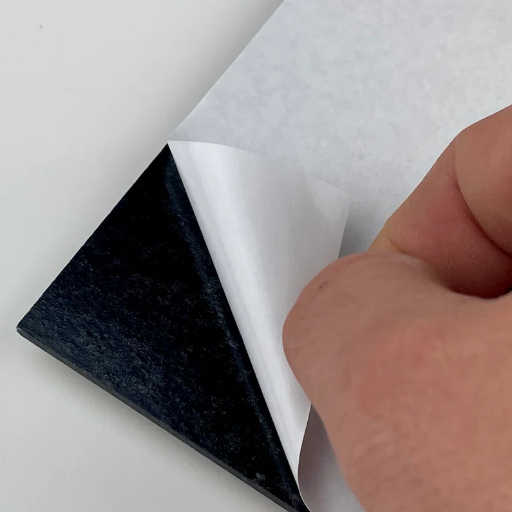
It shall be inserted by peeling off the backing and sticking to reduce installation time and minimize the chance of human error. Clean the surface thoroughly before installation, removing all dust, grease, and contaminants. Then, position the sheet and apply even pressure along its surface to ensure a proper adhesive bond.
Versatility Across Applications
Acrylic sheets with adhesive backing have become widely used in several industries due to their versatility, durability, and ease of use. They are commonly used in the making of signage, providing a smooth, professional finish to logos, display stands, and information plaques. These sheets maximize transparency and adhesion to various surfaces, ensuring the production of durable and visually appealing works that are suitable for any wall décor.
Furthermore, one finds their use in interiors for mounting wall décor, fabricating barrier shields, or simply beautifying furniture. The medical field also benefits from using these in the assembly of cleanroom partitions and protective shields, as their chemical resistance and adhesive strength perform adequately.
Industrial applications of adhesive-backed acrylic sheets are equally fascinating, with notable uses in protecting machinery components and providing insulation as well. Being able to withstand harsh environmental conditions and maintain adhesive integrity even under mechanical stresses highlights its ability to work for solutions, both temporary and permanent, in a multitude of industries.
Applications of Acrylic Sheets with Adhesive Backing in Various Industries

- Automotive: Acrylic sheets with adhesive backing are used to adhere decorative trims, fasten lightweight panels, or provide strong weatherproof seals for vehicle parts.
- Electronics Industry: Such sheets are used for encapsulating sensitive electronic components, providing thermal insulation, and protecting them against moisture and dust.
- Construction Industry: These offer bonding for panels and enhancement to insulation layers, introducing added stability to construction materials.
- Retail and Displays: Acrylic sheets are used to custom fabricate signage, point-of-sale displays, and product displays that necessitate seamless bonding.
- Aerospace Applications: These sheets are used for lightweight bonding in instrument protection and adhesion to a variety of high temperature environments.
Construction and Interior Design
Acrylic sheets with a sticky backing provide an extremely versatile medium that is at the core of modern construction and interior design, thanks to their durability and ease of use. These sheets offer a straightforward method for creating wall paneling, decorative partitions, or custom furniture finishes. Their adhesive nature allows them to be installed without the assistance of mechanical fasteners, saving installation time and ensuring a clean, uninterrupted finish on the piece.
Furthermore, the highest quality optics of acrylic give way to highly aesthetic finishes; hence, these materials are preferred choices for illuminated panels and accent walls in any interior realm. They also resist biodegradation from moisture, UV exposure, and chemical wear in any ambiance. The sheets also are considered the lightest amongst others and become therefore a choice for the more ornate designs and modular applications, where less weight ensures Maximum structural efficiency.
Emerging adhesive technologies have only fueled their acceptance by offering adhesive properties, stronger adhesion strength, and broader compatibility with substrates ranging from wood and metal to concrete. These properties, in turn, have rendered acrylic sheets with adhesive backing an essential product of aesthetic and functional developments in the realm of construction and interior design.
Signage and Product Displays
Acrylic sheets with adhesive backing excel in creating professional signage and eye-catching product displays. Their weather resistance makes them ideal for outdoor applications. At the same time, their ability to bond to diverse surfaces, such as glass, concrete, or metal, eliminates the need for additional hardware, thanks to the adhesive backing.
The retail world truly welcomes this very product, which allows the product to be beautifully displayed with its clean lines and superb graphic appeal. The acrylics can be fabricated, cut, or engraved according to custom requirements or more complex design needs, allowing the company to create highly conspicuous display units. Their UV resistance and optical clarity comprise another significant characteristic that will keep any acrylic product intact in any time frame regardless of heavy exposure in the long haul.
Crafting and DIY Projects
Acrylic sheets with adhesive backing are highly versatile for craft and DIY projects, thanks to their ease of use on one side and the functionality on the other. With its glued backing, it is a simple matter for anyone to adhere the sheet to surfaces like wood, glass, or metal without the need for extra hardware or tools. It would be perfect for custom decals, decorative panels, or signage. Additionally, these blocks can be easily cut or shaped to meet a specific design need, resulting in an exact and polished outcome. The finished product, due to their good strength and crack resistance, may be kept in fine condition for a long time.
Step-by-Step Guide to Using Acrylic Sheets with Adhesive Backing

Installation Process
Follow these detailed steps for optimal results when installing acrylic sheets with adhesive backing.
Prepare the Surface
Ensure the surface to which the acrylic sheet will be applied is clean, dry, and free from dust, grease, and debris. Use a mild concentrate, or even isopropyl alcohol, along with a lint-free cleaning cloth, to achieve a thorough cleaning.
Measure and Mark
Measure the area where the acrylic sheet will be installed. Mark the dimension on the sheet, as well as on the surface, if needed, to maintain correct alignment.
Cut the Acrylic Sheet (if needed)
If the sheet requires resizing, use suitable tools, such as a fine-toothed saw, a laser cutter, or an acrylic scoring tool. Protect yourself by adhering to safety norms along the way and keep an eye out for sharp edges once cutting is finished.
Test Placement
Set the acrylic sheet over the surface while the adhesive backing is still in place, and examine it for alignment and fitting. This is the stage when you make necessary adjustments.
Remove the Adhesive Backing
Carefully peel off the backing on small increments, commencing from one corner. Do not touch the exposed adhesive to avoid contamination.
Apply and Secure the Sheet
Align the exposed corner of the sheet with the target surface and begin applying the sheet slowly. Gradually peel away the backing and press it onto the surface, smoothing out the bubbles.
Remove Air Bubbles
Use a squeegee or piece of soft fabric to gently apply pressure against the surface of the sheet, moving from the center toward the edges to expel any remaining air bubbles, ensuring the sheet adheres completely.
Check for Stability
When the entire sheet is secured to a surface, move around the surface of the sheet and give it a thorough check for any loose areas or misalignment. Make minor adjustments as necessary.
Clean the Finished Application
After installation, wipe the surface of the acrylic sheet clean with a non-abrasive cloth to remove any fingerprints or dust that may detract from its polished look.
Allow Adhesive to Cure
Allow the adhesive ample time to bond with the surface. Usually, the manufacturer provides curing instructions that recommend a bonding time ranging from a few hours to 24 hours.
Best Practices for Cutting Acrylic Sheets
Cutting acrylic sheets needs careful precision and consideration in order to get nice clean edges and keep from marring the material. Below are some pointers to obtain better results:
⚠️ Safety First
Always prioritize your safety by wearing protective eyewear, a dust mask, and gloves when working with cutting tools.
- Use the Right Tools: If cutting in a straight line, use a scoring knife or a table saw equipped with a fine-toothed blade for plastics. If cutting into fancy shapes or curves, then a jigsaw or laser cutter would be the way to go as they can be exact without adversely affecting edge quality.
- Secure the Acrylic Sheet: Ensure the sheet is clamped securely to the work surface to prevent movement during cutting. This preserves the accuracy of the cut and reduces the chances of cracks or an improper cut caused by instability.
- Mark and Measure Accurately: Use a straightedge to mark the cut line with a marker. Measurement accuracy is essential, as any discrepancy will result in wasted material or necessitate further adjustment.
- Maintain a Medium Speed While Cutting: Power cutting should be done at a medium speed. Overheating can affect the edge by melting or roughening it.
- Support the Acrylic Fully: The surface area must be adequately supported to lessen vibrations while cutting, especially for thinner sheets that flex and crack more easily.
- Edge Finishing: At the end, smooth the edges with fine-grit sandpaper or an edge scraper, if one is available. Polishing with a buffing wheel will further enhance the edge, affording it a professional finish.
How to Adhere Acrylic Sheets Effectively
This requires a solvent glue, such as Weld-On, which chemically bonds the surfaces with a strong and clear seal. First, the surfaces must be clean, dry, and free of debris or oil. After that, I place the sheets together precisely, clamping or jigging them into a fixed position. Apply a small amount of adhesive along the seam with the help of a needle-tip applicator to prevent the substance from building up too much. Then, I just let that cure—the time depending on the instructions of the manufacturer so it gets to the strongest point before being handled. You must ensure that there is good ventilation and use glove protection whenever this glue comes into contact with your skin.
Maintaining Acrylic Sheets for Optimal Performance
Cleaning acrylic sheets is a crucial step in maintaining them. They must be cleaned frequently using a gentle soap or detergent diluted in lukewarm water. Use an excellent anti-lint cloth or microfibre towel to gently wipe the sheet’s surface, avoiding heavy rubbing, as this may cause undesired scratches. Never use ammonia-based cleaners, as they simply cloud or damage the material. Prolonged exposure to direct sunlight or high temperatures should be avoided to protect the sheets from warping or yellowing. For longer-term protection, use an acrylic polish designed to clear your acrylic and help it resist minor scratches. If properly handled, acrylic sheets will last; therefore, proper storage conditions must be observed, such as keeping them indoors in a dry and cool place, and avoiding stacking them on top of each other.
Choosing the Right Acrylic Sheet

Thick, transparent, or impact-resistant factors come into focus for the selection of acrylic sheets, depending on the application. Consider whether the use of cast or extruded rubber is most economical, depending on the situation. Cast acrylic will offer superior clarity and strength, whereas extruded acrylic will be less expensive and easier to cut. One must also check for UV resistance and the type of finish, such as matte or gloss, based on both functional and aesthetic needs, as well as colors that serve these purposes. One must always refer to the technical specification to determine suitability with respect to variable environmental conditions and the required loads.
Factors to Consider: Thickness and Size
When considering the thickness and size of the acrylic for a project, consider the structural integrity and mechanical or functional performance required for the specific application. Thickness is primarily a function of bearing loads and resisting impacts; for instance, an application such as a guard or barricade or aquarium could call for thicker sheets (1/2 inch or above), whereas thinner sheets (1/8 inch) may be used for ornamental purposes. Further, size should be chosen based on material cost-efficiency and fabrication feasibility, as large sheets may require additional support or a custom cutting process. Tolerances set for thickness variances should also be reviewed, as they may be counterproductive when following strict assembly requirements. Always cross-reference dimensions against project specifications to achieve the best marks on practicality and cost.
Understanding Adhesive Strength
The adhesive strength of acrylic sheets with adhesive backing will depend upon several factors and chiefly upon the choice of adhesive used, surface preparation, and even the environmental conditions. Pressure-sensitive adhesives generally provide acceptable bonding to smooth surfaces. However, surface preparation may require cleaning with a 50/50 mix of isopropyl alcohol and water to remove contaminants, such as dust or grease, that can prevent proper bonding. Other scenarios are temperature versus beginning. However, an adhesive generally works best within the temperature range recommended by the manufacturer. This range is typically 60 to 80 degrees Fahrenheit. It is essential to maintain pressure during application, as this activates the adhesive and increases bonding surface contact. Always review the product specification to ensure compatibility with the results expected in the application.
Specific Use Cases for Different Acrylic Sheets
Acrylic sheets are flexible materials that find applications in various industries, primarily due to their strength, clarity, and adaptability. Transparent acrylic sheets are used in applications where optical clarity is crucial, such as display cases, windows, or aquariums, where transparency and durability are paramount. Frosted acrylic sheets work perfectly with designs that require privacy settings, office partitions, diffusers, or decorative panels, as the surface texture effectively inhibits glare and diffuses light.
UV-resistant acrylic sheets are designed for outdoor use, such as signage, skylights, or protective panels, where sunlight exposure must last longer while retaining dye resistance. Impact-resistant acrylic is commonly used in protective barriers, guard machines, high-risk environments, and conflict applications that require strength and resistance to shattering. Each type of acrylic sheet offers specific features for specialized use, and project requirements must be taken into consideration to ensure optimal performance and wearability. Always consult data from manufacturers and technical specifications to ensure suitability for specific environments.
Reference Sources
-
A Comprehensive Guide to Gluing Acrylic – This guide provides insights into different adhesives for acrylic and their advantages and disadvantages.
-
3M Adhesive Backing on Acrylic Discussion – A community discussion on the use of 3M adhesive backing for acrylic, including practical experiences.
-
Adhesive Sheets – Houston Acrylic – This source details applications and specifications for adhesive-backed acrylic sheets.
- Guide for Patterned Acrylic Sheets
Frequently Asked Questions (FAQs)
Ready to Get Started?
Whether you’re a professional contractor or a DIY enthusiast, acrylic sheets with adhesive backing offer unmatched versatility and ease of use for your next project. Their durability, clarity, and simple installation process make them an excellent choice for a wide range of applications.