

Tubular photobioreactors, in the highly-hyped innovative strides of biotechnology, have opened up industries to solutions for some of today’s most pressing problems—be it biofuel production, pharmaceuticals, or environmental management. These closed systems, constructed as tubes, create the most favorable conditions for cultivating microalgae to their maximum growth and productivity. The control offered over parameters like light, gas exchange, and sterility is unparalleled. This article investigates the engineering plan, the circumstances, and important fields for tubular photobioreactors. Whether you are a scholar, an industrial executive, or simply curious as to how algae figure into sustainable artistry, this broad view will deepen your understanding of why such systems matter to cutting-edge biotechnological innovations.
Key Takeaway
Tubular PBRs represent the pinnacle of controlled microalgae cultivation, offering superior light exposure and contamination control compared to traditional open-pond systems.
Introduction to Photobioreactors
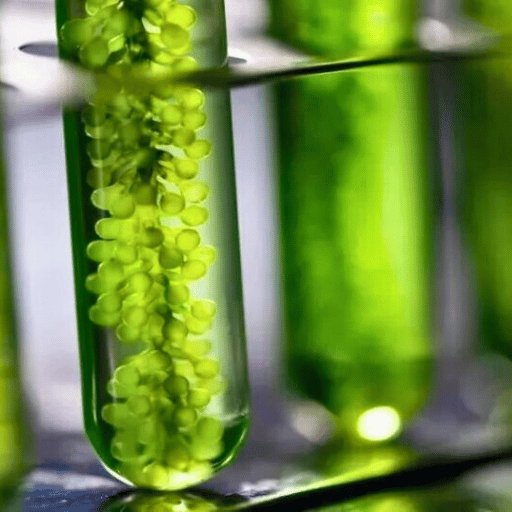
Photobioreactors are closed systems that encourage the growth of photoautotrophic organisms, such as green algae, under set environmental conditions. These advanced systems optimize important growth factors—including light, temperature, the availability of carbon dioxide, and nutrients—for maximum growth of cells and photobiomass. As such, photobioreactors provide uncontaminated environments which ensure minimum resource leakage and high utilization efficiency. They are crucial to biofuel production, pharmaceuticals, and environmental bioremediation. Module designs, scalability, and a wide range of practices allow photobioreactors to operate in settings ranging from research labs to industrial applications, helping to secure reproducible results.
What are Photobioreactors?
Photobioreactors are sophisticated systems designed to grow phototrophic microorganisms such as algae, cyanobacteria, and other photosynthetic organisms under controlled environmental conditions. By modulating factors such as light intensity, temperature, pH, dissolved gases, and nutrient concentrations, photobioreactors maximize growth efficiency while ensuring the productivity of metabolites. They present potential for a wide range of applications, from biofuel production to pharmaceuticals, through the development of beneficial sustainable bioprocesses that effectively and amply support these industries.
Importance of Tubular Designs in Algae Cultivation
Tubular photobioreactors occupy a prominent position in the algae cultivation scenario, largely due to their extremely high surface-to-volume ratios. This design provides the means for superior light exposure, an indispensable factor for photosynthetic efficiency. Hydrodynamics in these reactors are effectively managed, reducing temperature and nutrient gradients and avoiding photoinhibition. Additionally, these designs offer scalability and simplicity in aseptic maintenance, making them ideal for commercial applications in biofuel production, high-value compounds, and environmental biotechnology. Effective containment minimizes contaminant risk and maximizes resource utilization, making them conducive to sustainable cultivation techniques.
Overview of PBR Applications
Photobioreactors (PBRs) are pivotal in myriad industrial applications regarding controlled, high-yield cultivation of algae and other microorganisms. Major sectors that engage subcontractors operating PBRs include biofuel production, where algae lipids are converted into biodiesel, and the pharmaceutical industry, which finds PBRs essential for mass-producing high-value bioactive compounds like omega-3 fatty acids and antioxidants. On a minor scale, PBRs have opened doors to environmental biotechnology, such as carbon capture and nutrient recycling, as algae absorb CO₂ in wastewater while simultaneously removing excess nitrogen and phosphorus. Their simplicity and accuracy in design render PBRs an indispensable asset for enhancing sustainable practices across multiple industrial streams.
Technical Specifications of Tubular Photobioreactors
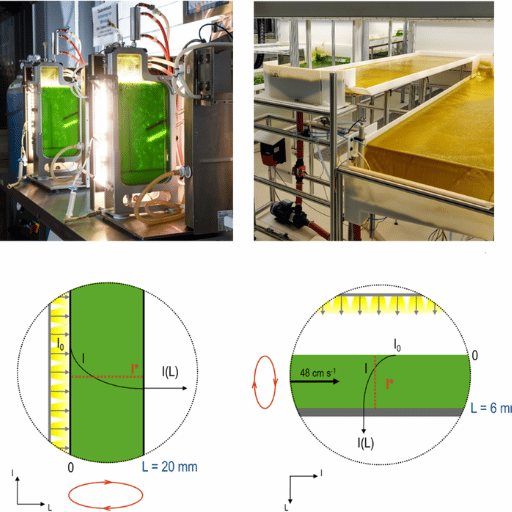
A tubular photobioreactor is designed for efficient lighting and optimal biomass production. The major technical points include:
| Feature | Specification Details |
|---|---|
| Material Composition | Borosilicate glass or high-transparency, chemical-resistant polyethylene. |
| Tube Diameter | Typically 2 to 10 cm for optimal light penetration and gas exchange. |
| Circulation System | Active mixing with integral pumps to promote circulation and prevent sediment. |
| Light Source | Natural lighting or wavelength-adjusted LED lights for optimized growth. |
| Gas Exchange | Precise CO2 and oxygen exchange control systems. |
| Temperature Control | External water jackets and integrated cooling systems. |
Materials Used in PBR Tubing
Photobioreactor (PBR) tube materials must possess a high degree of durability, transparency, and chemical resistance. High-quality borosilicate glass is often chosen for its exceptional optical clarity, thermal stability, and resistance to chemical degradation. Alternatively, lightweight polymer materials—such as polycarbonate and UV-resistant polyethylenes—are easier to procure and install while maintaining a balance of transparency and strength. These materials are designed to tolerate long exposure to light, temperature fluctuations, and the operational stresses inherent in continuous algal cultivation.
Dimensions and Configuration of Tubular Glass
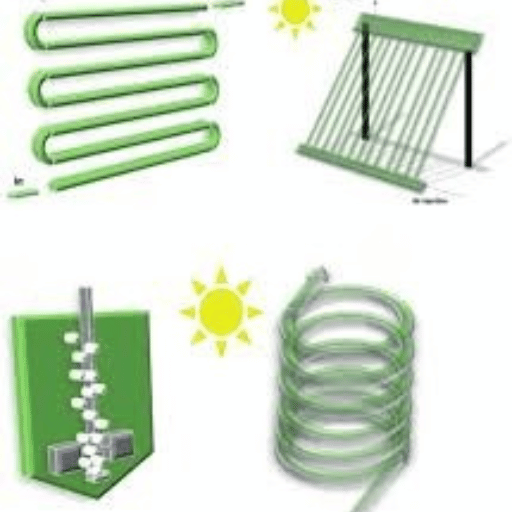
The sizes and shapes of tubular glass in algae systems are optimized to maximize light penetration and fluid dynamics. Tubes typically range in diameter from 50 mm to 100 mm to ensure sufficient light exposure and effective fluid flow. Wall thickness, generally between 2 mm and 5 mm, provides the necessary tolerance for operational pressures while minimizing thermal resistance. In modular systems, glass tubing is often fashioned in 1-2 meter lengths for easy assembly and maintenance. Configurations vary between horizontal and vertical designs; horizontal facilities are often used for larger projects, while vertical designs are ideal for compact installations. These dimensions balance efficiency, durability, and economic value for large-scale photobioreactors.
Closed System vs. Open System
Closed systems, such as tubular or flat-panel photobioreactors, provide an optimum environment where contamination risk is minimized and factors like light, temperature, and gas exchange are managed. These systems support monospecific cultivation of microalgae for high-value applications, offering production consistency and expansion potential. In contrast, raceway ponds (open systems) are more dependent on natural weather and solar conditions. While cheaper, they are vulnerable to contamination and environmental fluctuations. While open systems are popular for low-cost biomass production, closed systems are the “indisputable king” for precision and quality outcomes. The choice depends on the intended end use, cost constraints, and specific goals.
Benefits of Tubular Photobioreactor Systems
- ✓
Enhanced Contamination Control: Closed systems minimize risk, ensuring higher yield and quality. - ✓
Efficient Utilization of Light: Tubular designs increase photosynthetic efficiency and productivity. - ✓
Improved Gas Exchange: Integrated mechanisms for CO2 and O2 maintain system stability. - ✓
Scalability: Modular configurations allow easy scaling from lab to industry. - ✓
Resource Efficiency: Reduced water usage and effective nutrient management. - ✓
Controlled Conditions: Precise regulation of temperature, pH, and environmental factors.
Advantages of Tubular Designs for Algae Culture
The advantages of tubular designs include a High Surface Area-to-Volume Ratio, which augments photosynthesis through high light penetration. Their Scalability allows for industrial production while maintaining uniform growth conditions. Enhanced Containment Control ensures culture purity and uniform output by reducing contamination risks. Furthermore, Great Mixer Attributes prevent sediment formation and ensure equal exposure to nutrients. These systems offer Energy Efficiency by lowering the requirements for fluid transfer and are highly Adaptable to various species or environmental settings due to their modular nature.
Cost-Effectiveness and Efficiency
The cost-effectiveness of tubular PBR systems hinges on operation methods that eliminate unnecessary losses, ensuring maximum resource utilization. Minimized waste of water and nutrients significantly slashes feed costs. Because the structure is sealed, it prevents contamination-induced risks, representing a better investment than repeated crop losses. Energy for stirring and air supply is used conservatively, allowing for low operational costs. With various add-on modules, the system can be transformed for different capacities, making the tubular photobioreactor a strong economic choice for biotechnology control.
Impact of Illumination on Algae Growth
Illumination is the most influential factor in algal growth, depending on light energy levels, wavelength, and photoperiod. Optimal light intensity leads to peak photosynthetic activity, with blue and red light being most effective for chlorophyll absorption. Maintaining light-dark cycles prevents photoinhibition and supports metabolic rhythms. Precise control of these factors in artificial systems enhances biomass production and metabolite synthesis, making illumination a fundamental consideration for commercial cultivation.
Applications of Tubular Photobioreactors Across Industries
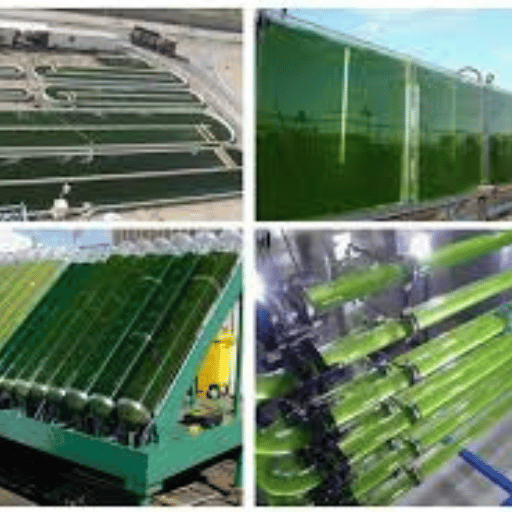
Tubular PBRs offer versatility across several sectors. The biofuel industry uses them for sustainable feedstock production, while the pharmaceutical industry employs them for high-value compounds like antioxidants and anti-inflammatory agents. In the food and beverage industry, they are ideal for microalgal supplements and natural colors. Additionally, they assist in wastewater treatment by removing nutrients and pollutants, purifying water while improving environmental sustainability. These mechanisms illustrate the viable innovation PBRs bring to various sectors.
Biofuel Production
Tubular reactors are crucial in the biofuel sector for cultivating microalgae as sustainable feedstock. Microalgae efficiently convert solar energy and CO2 into lipids, which are processed into biodiesel. The closed nature of tubular PBRs ensures maximal performance while minimizing contamination risks for large-scale production. This technology is expected to help meet renewable energy demands while slashing greenhouse gas emissions and mitigating climate change.
Pharmaceuticals and Nutraceuticals
Algae are essential for nutraceutical and drug development, providing bioactive compounds like omega-3 fatty acids, pigments, and proteins. These are used in anti-inflammatory agents, cardiovascular supplements, and the beauty industry. Bioreactors allow for the collection of high-purity bioactives with consistency and scalability. This application meets the increasing demand for health-promoting products through resource-efficient management.
Environmental Sustainability Efforts
Integrating algae into industrial practices is a game-changer for sustainability. Algae cultivation has a negligible carbon footprint, requiring less land and freshwater than traditional farming. By absorbing CO2, algae provide a pathway for carbon capture. Implementing algae-based systems allows industries to reduce their environmental footprints in line with circular economy principles, promoting resource-efficient production and waste reduction.
Reference Sources
ALGOMA Algal Biotechnology LLC: Presents high scalability, low energy PBRs for growth rate and yield.
SCHOTT – Photobioreactors: Explores durable glass tubing with focus on UV stability and biosecurity.
Frontier Tech Hub: Underlines the adaptability and potential of algal PBRs in several industry sectors.
Frequently Asked Questions (FAQs)
What materials are commonly used for algae photobioreactor (PBR) tubing?
Pharmaceutical-grade borosilicate glass and specialty plastics like polycarbonate and acrylic are standard. Borosilicate glass is favored for UV stability and durability, while plastics are chosen for affordability, though UV resistance must be monitored for long-term reliability.
How do you maintain PBR tubing for ideal performance?
Regular cleaning prevents biofilm formation and blockages. This can be automated via CIP (clean-in-place) systems or manual mechanical brushes. Monitoring for scale or microbial growth is essential for operational consistency.
What are common problems with PBR tubing?
Frequent issues include turbidity from organisms, mineral scaling, and decreased light transmission from deposits. Air bubbles can also disrupt flow dynamics. Proactive maintenance and compatible chemicals are required to limit work stoppages.
How will I find the right tubing diameter for my PBR system?
The diameter is determined by hydraulics, light passage, and biomass density. Wider diameters increase liquidity but may reduce light efficiency; narrow diameters improve light but may cause blockages. Testing or computational models are used to find the optimal size.
What written safety guidelines should be followed for handling PBR tubing?
Tubing should be handled carefully to avoid physical damage. Guidelines mandate personal protective equipment (PPE) during maintenance, especially when working with glass. Cleaning substances must be verified for compatibility and rinsed thoroughly to prevent culture toxicity.