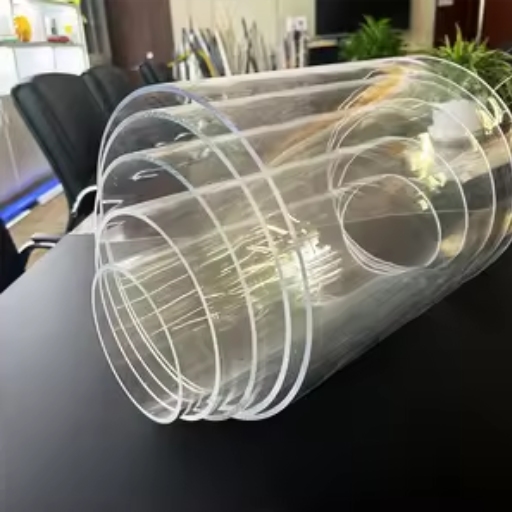

Acrylic Sheets are used in a wide range of applications, from DIY crafts to professional construction jobs, offering versatility, durability, and visual charm, all of which are contradictory to the purpose. Like working with any material, working with acrylic requires precise consideration, especially when cutting it. In deciding about an acrylic cut, it is all-important. Selecting the right cutting tool will enable you to achieve perfectly smooth edges, minimize material waste, and, overall, make your project easier to complete. This guide examines the various acrylic cutting tools, comparing their advantages and disadvantages, and provides practical scenarios for their effective use. Whether you consider yourself a seasoned professional or a hobbyist caught lately in the throes of starting, here you will find insight into which options to pursue.
Introduction to Acrylic Cutting Tools
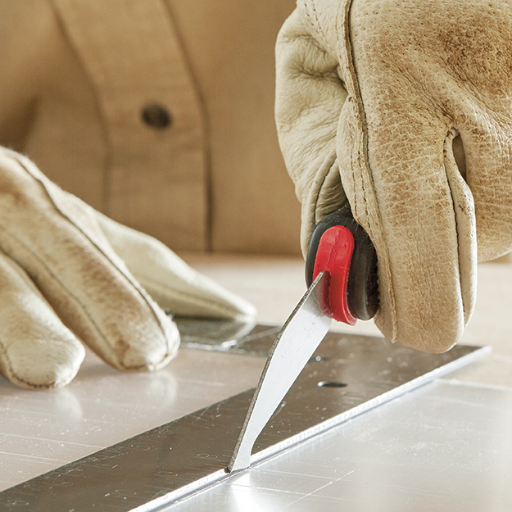
Acrylic cutting tools refer to instruments that are custom-made to cut and shape acrylic with utmost efficiency. Depending on the degree of precision required and the application’s demands, some of the standard tools include handheld cutters, laser cutters, and table saws. Handheld cutters are simple tools for creating straight lines, whereas laser cutters precisely cut through the material for intricate designs. In contrast, table saws maintain a balance of versatility and power when cutting heavier acrylic sheets. It is, therefore, an issue of complexity in your project, material thickness, and your ability to consider which tool will best serve you.
What is Acrylic and Its Uses?
The material is known for its polymethyl methacrylate (PMMA) composition, and it is widely recognized for being versatile and thermoplastic. It can be used as an alternative to glass because it is not only very shatter-resistant but also offers very high optical clarity. This ability to be easily molded also gives the material enormous flexibility regarding its applications.
Acrylic is often used to make signs, display cases, aquariums, and shields for protection, commonly found in retail environments and offices. It is studied in architecture for the use of acrylic as skylights and windows and in the automotive field for headlights and taillights. Acrylic is, therefore, popular among arts and crafts enthusiasts because of its ease of cutting and shaping for creative purposes. Recent technological innovations have expanded its uses by allowing it to be incorporated into medical equipment and furniture, thereby demonstrating the versatility of the material.
Overview of Acrylic Cutting Tools
These cutting tools ensure accurate and clean cuts, with a smooth finish on the one-of-a-kind material. Some tools used for this purpose include common laser cutters, which are highly precise and suitable for intricate designs; table saws with fine-toothed blades for making straight cuts; and scoring tools for making simpler cuts on fragile sheets of acrylic. Rotary tools and CNC machines are also very popular for engraving or cutting very complex shapes, with the suitable tool being determined by the project’s requirements, the thickness of the acrylic, and the desired finish. Tools must be adequately maintained and used at the appropriate angle or speed to produce good results with acrylic.
Importance of Choosing the Right Cutting Tool
The proper selection of cutting tools is crucial in ensuring precision, efficiency, and safety in any acrylic-based undertaking. Correct cutting tools combine the quality of the cut with the ability to minimize the likelihood of material cracking, chipping, or melting due to the heat produced. Saws, laser cutters, or CNC machines all excel in certain situations; hence, it is crucial to align the cutting mechanism with the thickness of the acrylic and the complexity of the design. Furthermore, using a suitable cutting tool at the optimal speed yields a significantly better finish, thereby reducing waste and saving time and resources. When high-quality cutting equipment is procured, the best possible results are achieved, aligning with the currently advanced directions in material processing.
Types of Acrylic Cutting Tools
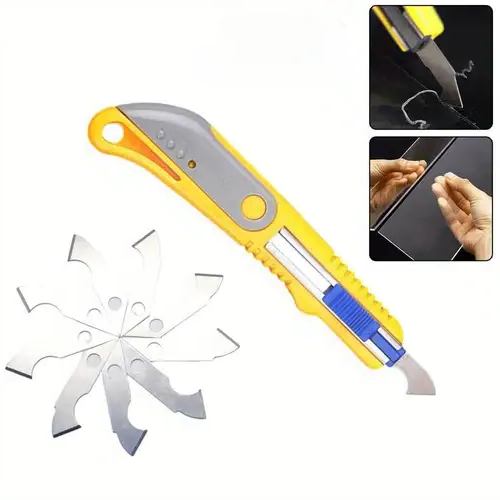
Acrylic cutting tools encompass a range of equipment, including saws, laser cutters, CNC machines, routers, and scoring tools.
Plexiglass Cutters: Specialized Options
When one requires fine cuts in plexiglass, professionally designed tools come into their aid—establishing methods that would adversely affect the cutting process used to be considered an efficient working technique. However, tools with blades for scoring, such as a standard utility knife, are especially beneficial with straight cuts in thin sheets of Plexiglass. Thicker sheets should probably be cut by power tools such as table saw or jigsaw, through fine-toothed, carbide-tipped blades, to avoid cracking or chipping during the cutting process. The advanced options, such as laser cutters and CNC machines, excel in situations requiring intricate designs and precise repeatability, making them a favorite in the professional world. Depending on the thickness of the material to be cut and the desired result, the most suitable tool will be chosen, thus ensuring the cleanest of cuts that one can trust to hold. The ease of balance between what is to be carried out, requirements in detail during construction, and maintenance throughout long-time usage is what enlarges one’s view when selecting a tool to work along.
Utility Knives and Scoring Tools
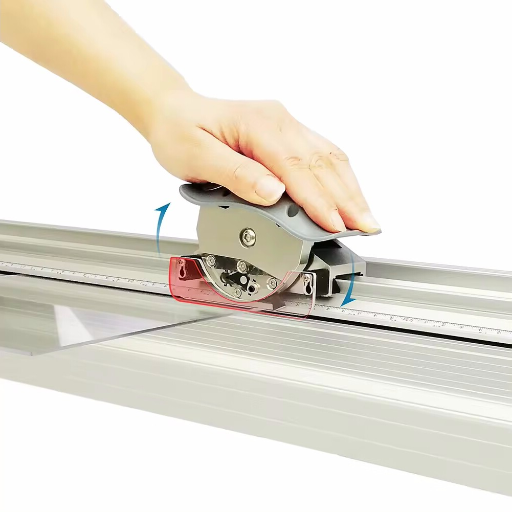
Utility knives and scoring tools offer a practical and inexpensive solution for cutting thin sheets of acrylic. These tools will allow straight cutting, and require a steady hand for the edge to be clean and pristine. When using these tools, the acrylic sheet must be scored several times along the cut line until it snaps cleanly, applying gentle pressure. These utility knives are extremely easy to use and readily available, but are best suited for simple projects that do not require complex designs or precision cutting beyond the basics.
Laser Cutters for Precision Cutting
Laser cutters are highly efficient means of achieving acrylic cutting with exact precision and smooth edges. Through a concentration of rays of light, these laser cutters melt the material, allowing for achievement of detailed designs and complex shapes with utmost precision. It is excellent for projects that require results akin to those of a studio as the product does not need any sanding or polishing after being cut. Nowadays, with improved technology, operators of laser cutters can adjust the settings to accommodate various thicknesses and types of acrylic, minimizing material wastage during operation. The same versatility they display is embraced as they take on large-scale industrial applications, as well as intricate custom work, a gamut of creative applications.
Functionalities and Advantages of Different Cutters

Benefits of Using a 709-1 Acrylic Plastic Cutter
- Precision Cutting
The 709-1 acrylic plastic cutter offers clean and precise cuts, thus suitable for intricate designs and projects requiring greater detail.
- Ease of Use
Enjoying an easy design, it offers effortless usage for both craftspeople and beginners, requiring minimal effort to produce good results.
- Durability
The 709-1 cutter was built with hard materials, designed for frequent usage, making it highly durable and easy to maintain.
- Versatility
It cuts through all sizes of acrylic, so applications range from hobby to industry.
- Cost-Effective
709-1 reduces unnecessary material wastage and accelerates the cutting process, thereby saving valuable time and money.
Comparing Manual and Electric Cutting Tools
Manual and electric cutting tools for acrylic differ in terms of precision, speed, ease of use, cost, and suitability for specific applications.
Innovations in Acrylic Cutting Technology
Advancements in acrylic cutting technology have, in recent times, greatly favored efficiency, precision, and versatility. Laser cutting machines are at the forefront of the market, enabling the creation of exact patterns on acrylic surfaces with high accuracy. Such machines use advanced software for design integration that guarantees consistent results even in carrying out complex tasks. Furthermore, new CNC (Computer Numerical Control) machining techniques enable high-speed, automated cutting with improved precision, reduced material waste, and increased productivity. Portable and easy-to-use tools with enhanced safety features have also been introduced, thereby bringing state-of-the-art acrylic-cutting technologies within the reach of small businesses and hobbyists.
Choosing the Right Tool for Your Project
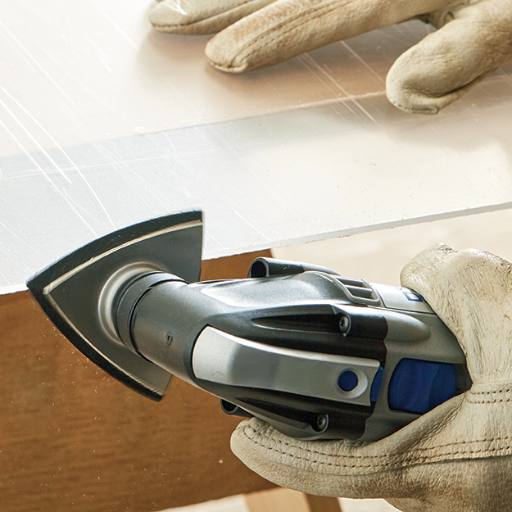
When choosing the right cutting tool for your acrylic project, consider the thickness of the acrylic, the complexity of the design, and the level of precision required. For designs requiring high precision, laser cutters are best suited for producing fine edges. For less complex cuts and budget-oriented options, one can work with a jigsaw equipped with a fine-toothed blade or a scoring knife. Choose a tool that you can work with in your workspace with your own skill level.
Factors to Consider When Selecting a Cutter
- Thickness of Acrylic
The tool must be capable of accommodating the thickness of the acrylic sheet to yield clean and accurate cuts.
- Complexity of the Design
For intricate or detailed designs, precision tools such as laser cutters are suitable, while simpler designs may require less specialized equipment.
- Cutting Speed
The tool should be evaluated by how fast it can cut through acrylic while maintaining edge quality.
- Skill Level
Select a tool that suits your experience and comfort level to guard against errors and damage to the material.
- Budget
Determine how much you are willing to spend on the tool; balancing between cost, functionality, and prospective utility.
Material Thickness and Type of Acrylic Sheet
Cutting acrylic will have you considering not just the size but also the kind of acrylic sheet. Very thick acrylic sheets tend to require hefty machinery such as a table saw or even a laser cutter to achieve the best clean and smooth-cut results. Generally, thinner sheets can be cut by less expensive and simpler implements, such as scoring knives. Another thing to consider: cast or extruded. Cast acrylic is more durable, less prone to cracking, and more pleasant to work with, thus cheaply considered. Extruded acrylic is more economical but tends to chip easily if placed under stress or in heat conditions. Therefore, understanding the distinct qualities of your product can directly guide you to deciding on the suitable cutting tool and technique required.
Tips for Achieving Clean Cuts
Use a Sharp Blade or Fine-Toothed Saw
Ensure the cutting tool is sharp to prevent causing cracks or jagged surfaces. The dull blade produces uneven cuts that compromise the acrylic surface.
Secure the Acrylic Properly
Hold the acrylic sheet with clamps or on a sturdy surface during cutting. This prevents movement and consequently errors or unclean cuts.
Apply Steady, Even Pressure
Maintain steady pressure while scoring or sawing the acrylic to avoid premature breakage or chipping. An uneven force might lead to rough or fractured edges.
Mask the Acrylic Surface
Apply a masking tape over the area you are going to cut. This reduces chances of scratches and chips on one hand, and allows the making of precise markings on the other.
Polish the Edges After Cutting
Following the acrylic cut, sand or polish the edges to smooth out inclined and sharp sections, resulting in a sleek finish.
Maintenance Tips for Acrylic Cutting Tools
- Clean Instruments
Wash away any dirt or acrylic residue after each use, allowing for efficient cutting.
- Check for Sharpness
When dull, a potboiler will deliver uneven cuts and will require either sharpening or replacing.
- Lubricate the Moving Parts
Lubrication should be applied to all moving parts of the tools, including hinges and motors.
- Store Properly
The stored tools should be placed in a location that will protect them from rust and damage.
- Respect the Installing Guide of the Tool
Maintenance should be carried out according to the instructions provided in the tool’s manual to ensure the most extended life and optimal performance.
Cleaning and Care for Longevity
These acrylic cutting tools require proper maintenance to maintain both their durability and precision. Always wash them properly, free of debris and acrylic residue, immediately after use. Cleaning materials should be as soft as lint-free cloths, and a mild cleaning solution should be used. Under no circumstances should harsh chemicals be used, as they may mark the surface of the tool. If your fingers cannot reach a groove where residue is stuck, use a tiny brush or compressed air for gentle removal.
Inspect your tools for wear and damage, especially the cutting edges and mechanical parts. Any buildup on the blades should be carefully removed to allow for the cleanest cut possible. Dry the tools after each cleaning to prevent rust or corrosion from forming, which can be especially hazardous if the parts are made of metal. Store these tools in their case or a designated area, safely away from moisture and extreme temperatures. Such measures will ensure the longevity of your tools as well as the perfect performance of every single time.
Sharpening and Replacing Cutting Blades
Sharpening is done with a sharpening stone or a file following the original angle of the blade to keep its edge. The purpose of regular sharpening is to ensure clean and efficient cutting action of blades. In case the blade is too damaged or worn, I simply replace it with a new one fitting the machine and secure it firmly before use.
Storage Best Practices to Prevent Damage
To prevent damage, acrylic cutting tools should be stored in a clean, dry environment, away from excessive humidity and extreme temperatures. Use a protective case or sleeve to avoid a scratch on the sharp edges or accidental nicks that may dull them. Organize the tools in a way that will never allow two tools to come in contact in direct form or may cause loss of shine or damage. Also, keep the materials away from corrosive elements that may cause rust or deterioration over time. Inspect tools periodically to ensure they are in good condition.
Reference Sources
-
How To Cut Acrylic Sheets: A Comprehensive Guide – This guide explores popular tools like table saws, circular saws, and jigsaws for cutting acrylic sheets.
-
Cutting Acrylic Sheet – A Complete Guide – This source provides detailed information on tools and techniques specifically designed for cutting acrylic sheets.
-
The Ultimate Guide to Cutting Acrylic Sheets with Precision – This guide covers various methods, tools, and tips for achieving precise acrylic cuts.
- Top Acrylic Sheet Manufacturers and Suppliers in China
- Guide for Laserschneiden Acryl
Frequently Asked Questions (FAQs)
Which is the best cutting tool for acrylic used in DIY purposes?
The best cutting tool for acrylic promotion of DIY purposes is usually considered to be based on the thickness of the acrylic sheet. A scorcher or simply a box cutter may be used for thin sheets. If the sheet is quite thick, consider using either a professional acrylic or plexiglass sheet cutter or a laser cutter as a cleaner alternative.
How can one cut acrylic sheets with a cutter tool?
Use a straight edge to score the acrylic surface with the cutter tool. Running a cutter blade in the line with even pressure will score the acrylic surface. After this, the sheet can be snapped to score cleanly. For much larger sheets, a saw blade or a trimmer is more precise.
What are the perks of using a hot knife for acrylic cutting?
A hot knife can melt acrylic, allowing it to be cut through smoothly, with the edges being smoothed and preventing cracking. This most useful for hard interlaying and craft-cutting projects.
What differs a plastic cutter and a cutting knife?
Plastic cutters are generally used for cutting various plastics, including acrylic, whereas a cutting knife is a more general tool that could cut through many materials. A plastic cutter typically features a sharper blade, allowing for a cleaner cut on plastic sheets.
How do I take care of my acrylic cutting tool?
An acrylic cutter requires blade sharpening, depending on usage and other criteria, and consideration must be given to keeping the blade free of all kinds of dirt. Regular cleaning of the blade and tool is essential to prevent buildup. Check rotary tools and saw blades for any damage and replace them accordingly to ensure they perform efficiently in cutting jobs.
What types of blades are suitable for cutting acrylic?
The best blades for cutting acrylic sheets are those of a saw-blade fine-toothed type, a scoring knife, or a sharp acrylic cutter blade. These blades reduce chipping to provide smooth edges, a crucial aspect of achieving a professional finish.
Ready to start your acrylic cutting project? Choose the right tool and create with precision!