
When talking about the manufacturing and design industries, the versatile and durable materials come first and clear cast acrylic sheets are one of the most preferred choices also. They are well-known for their crystal-clear transparency, high durability, and flexibility—these sheets are being used for not only signs and displays but also protective barriers and furniture and the list goes on. On the other hand, if you are thinking about using clear cast acrylic for your upcoming project, then knowing the price structure and what options are available, is really important for making informed decisions. The article will discuss the factors that mainly affect the cost, look into the different types of acrylic sheets that are present in the market and offer you the tips for selecting the right acrylic sheet that will fulfill your specific needs. If you are an experienced industry professional or just an inquisitive creator, this guide will provide you with very useful information to explore the possibilities of this extraordinary material.
Acrylic Sheet Overview
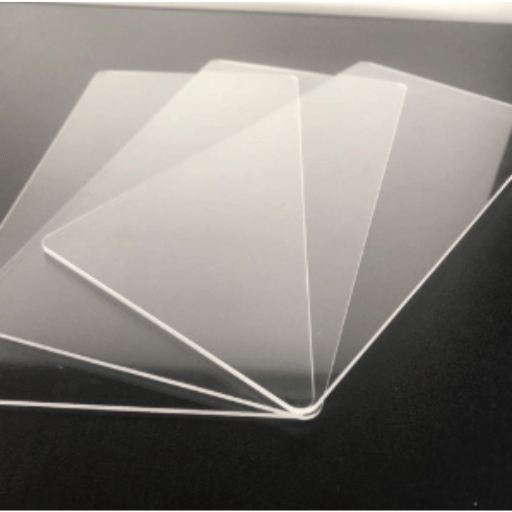
Acrylic sheets, or plexiglass, are plastic materials that are lightweight, strong, and versatile, and are frequently used as a replacement for glass. Their transparency, resistance to impact, and longevity in outdoor conditions are the attributes that make them suitable for a wide range of uses—from windows and signs to furniture and art. They are available in different thicknesses, colors, and finishes. If you think about it, the cutting, shaping, and customization processes of acrylic sheets are so easy that they are considered a broad range of uses. You may get material for practical applications such as protective dividers or playful designs; whatever it is, acrylic sheets will not only be a dependable but also a good-looking solution.
What is Clear Cast Acrylic?
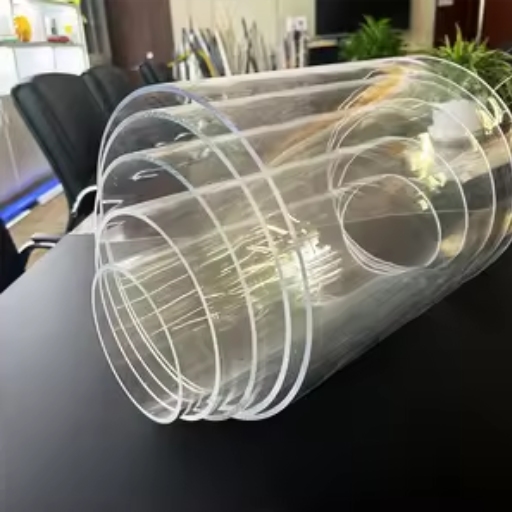
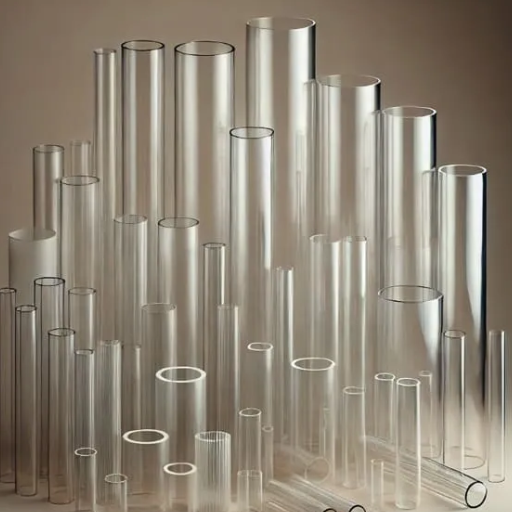
Clear cast acrylic is a variety of acrylic sheet that is made by the casting process that includes pouring liquid acrylic resin into molds and letting it cure. The resulting product of this method is a very versatile and also a superior quality product that is characterized by its clarity, durability, and resistance to yellowing. Often clear cast acrylic sheets are referred to as the best ones among the other types, mainly because of their light transmission that is almost equal to glass, hence light and hence in needing applications that require transparency and brilliance.
Common Applications
From a search engine point of view clear cast acrylic is very much in demand because of its use in various sectors like construction, interior design, and retail. It is frequently used for display cases, signage, aquariums, protective barriers, and even artistic installations. Consumers often ask about its scratch resistance, ease of fabrication, and ability to resist environmental factors, which makes it a trustworthy choice for both indoor and outdoor applications. Its versatility also makes it a material of choice for laser cutting, engraving, and other customization methods. Clear cast acrylic not only provides functionality but also adds a modern and sleek appearance to the décor or area regardless of the purpose whether it is practical or aesthetic.
Differences Between Acrylic and Plexiglass
Acrylic and Plexiglass are names that are mostly used to mean the same thing, although they are not exactly the same thing. Acrylic is a generic name for a plastic that is produced from polymethyl methacrylate (PMMA). At the same time, Plexiglass is a trademark for one of the types of acrylic sheet. In short, all Plexiglass is acrylic but not acrylic is Plexiglass. The Plexiglass quality is always the same and it is controlled such that it is a top grade product in the terms of thickness and clarity—these qualities are very important in applications like display cases, airplane windows, and signage where the accuracy is very high.
Looking at it practically, the differences in quality often come down to brand assurance and sometimes price. Acrylic sheet is a product that can be classified in different ways depending on the cost with cheaper ones being more susceptible to warping, scratches, or uneven thickness. On the contrary, Plexiglass being the elite brand, is likely to offer better longevity, UV protection, and scratch-resistant features which might attract professionals and industries that rely on such attributes more.
Nonetheless the two materials are similar in that they are light, shatterproof, and can be used in many applications. Users’ differences in their search online reveal that they are interested in durability, cost, and in particular the material’s suitability for DIY projects, greenhouses, and aquariums. If you are in doubt as to what material to use, the project size, budget, and quality assurance factors are the main things to think about.
Types of Acrylic Sheets
Acrylic sheets consist of various types that can be used in a multitude of applications. The most popular categories according to the data from the latest search engine are; clear, colored, textured, mirrored and UV resistant acrylic sheets. Each category is characterized by some special properties that make it the right one for a particular use.
1. Clear Acrylic Sheets
These are the most frequent type characterized by their absolute transparency and glassy-like appearance. They are lightweight, long-lasting, and perfect for uses like picture frames, display cases, and windows.
2. Colored Acrylic Sheets
These sheets offer the chance for creativity and flexibility as they come in many shades. Youngster and bright colors are often created for signage, and decorative panels, and in the case of art projects, a vibrant color palette may sometimes be a necessity.
3. Textured Acrylic Sheets
Textured acrylic can have various patterns or finishes, such as frosted or non-glare surfaces, to make it suitable for privacy screens, interior design, etc. It can also serve the purpose of light diffusion.
4. Mirrored Acrylic Sheets
They are used in decorative applications, retail displays, and even in the design of lightweight furniture because of their being non-breakable and shatter-resistant, and even lighter than traditional glass mirrors.
5. UV-Resistant Acrylic Sheets
This type of acrylic is widely used in outdoor applications like greenhouses, skylights, and protective covers because of its ability to endure sun exposure for a long time without getting yellow or degraded.
Selection Tip: When choosing the best acrylic sheet for your project, consider invisible light, color, texture, reflection, and resistance to heat and moisture as the primary factors. Also, consider the budget and the purpose of the project as the criteria for your decision-making.
Factors Influencing Acrylic Sheet Pricing
1
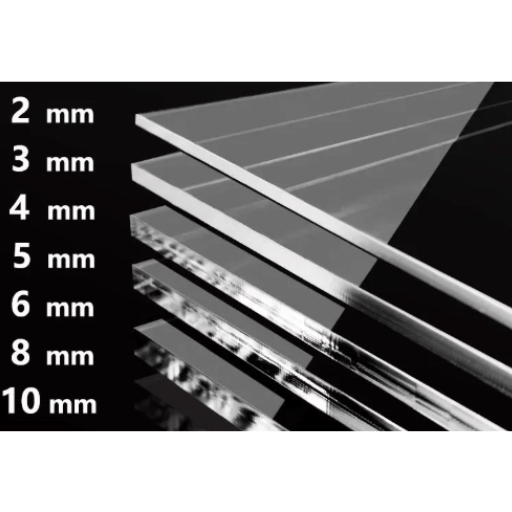
Thickness
More expensive are the thicker sheets of acrylic because they involve more material and processing.
2
Size
Costlier are larger sheets due to the more material that is to be used and to the increased production handling.
3
Type of Acrylic
Specialty types continue to be more expensive than standard acrylic with UV-resistant, or impact-resistant sheets being the main examples.
4
Finish and Color
Often, custom finishes (e.g. frosted, mirrored) or unique colors come up with a premium.
5
Quantity
Discounts are the rule for bulk purchases, whereas higher per-sheet costs are the case for small orders.
6
Brand and Quality
Durability and performance have been the main reasons for the high price of branded or high-quality acrylic sheets.
7
Market Demand and Supply
Price hikes can occur because of changes in demand or supply chain uncertainties, especially during peak-demand times.
Thickness and Its Impact on Cost
The thickness of the acrylic sheets is a crucial factor for their price. The thicker sheets are more expensive in comparison to the thinner sheets because they consume more raw material and energy during the manufacturing process. For example, the cost of a standard 2mm acrylic sheet is much lower than that of a strong 10mm sheet, which is very often used for heavy-duty purposes such as structural glazing or display cases.
The latest data search engine shows that most of the consumers ask about the cost differences between the thinner and thicker options as well as their performance characteristics. Thicker sheets, besides being more durable and stronger, are also more impact-resistant, thus, they are perfect for high traffic or demanding areas. The customers aiming for low-cost solutions might find the thinner sheets good enough for decorative or less-demanding projects. But, for long-term applications or projects that require enhanced sturdiness, buying the thicker acrylic sheets is a prudent decision despite the higher initial cost.
Type of Acrylic: Cast vs. Extruded
Choosing between cast and extruded acrylic sheets necessitates the realization of their differing manufacturing processes and properties, which are essential for making an enlightened decision. Cast acrylic, made by pouring liquid acrylic into molds, provides the highest optical clarity and excellent durability as a result of these properties. It is less prone to cracking when stressed, therefore it is perfect for intricate designs, exact machining, or demanding applications like signs and display cases.
Extruded acrylic, on the other hand, which is a plastic formed by pushing through a die, is cheaper and has a uniform thickness, so it is a good choice for big projects like skylights, framing, and point-of-sale displays. Even though it can be easier to incur scratches and be chemically sensitive compared to cast acrylic, the synergistic effect of its thermoforming ability, its lower price, and the huge volume of projects make it favorable for the latter.
Market Insights
As per the latest search engine trends regarding data, the term “cast vs. extruded acrylic” is one of the consumers’ favorites. A lot of them even performed those searches to find out materials with the best performance for the specific use cases. Cast acrylic still posts the highest number of searches and is the preferred choice, while extruded acrylic is gaining the ground for being economical. Finally, the decision between the two would hinge on the compromises between the desired material characteristics and the budget limitations, which should be based on the project requirements.
Market Trends Affecting Prices
By utilizing the latest data search engine, one can easily see that demand for cast and extruded acrylic has been greatly affected by changing customer preferences and economic factors at large. For example, the rising popularity of DIY projects has resulted in a growing demand for extruded acrylic which is favored for its low price and wide-ranging applications. At the same time, cast acrylic searches are very much related to the industries that require its superior optical clarity and durability, such as luxury design and high-end retail displays.
Moreover, the global supply chain disruptions and unstable raw material prices have played a part in the price fluctuation of both acrylic types. The latest data indicates that the rising eco-conscious consumer practices is another reason, with some buyers opting for the more expensive acrylic that passes the sustainability tests. In general, the price factor is closely related to market conditions, end-use requirements, and the consumer’s readiness to pay for quality improvements.
Buying Considerations for Clear Cast Acrylic Sheets
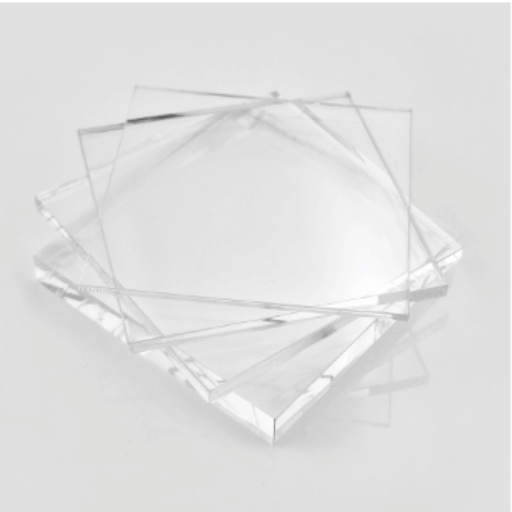
When it comes to buying clear cast acrylic sheets, the following factors should be taken into account:
- Thickness Requirements:
Choose the thickness according to the application. heavier sheets are more durable and strong, while lighter ones are inexpensive and suitable for less demanding purposes.
- Transparency and Clarity:
If the quality of the visual is very important, so make sure the sheet has a high optical clarity, like for displays or protective barriers.
- Durability:
Search for sheets that have great impact resistance and weatherability, for outdoor use especially.
- Size and Customization Options:
Manufacturer should be checked for custom sizes or cuts that take less material and will not need adjusting after purchase.
- Quality Certification:
Opt for sheet from reputed manufacturers which are certified to meet industry standards for Controlling Quality and Performance.
- Budget and Pricing:
Do price comparisons among suppliers, thinking that the quality will be slightly higher but will also save money in the long run through increased longevity.
Key Takeaway: By paying attention to these factors, the acrylic sheets will surely be in accordance with the project demands successfully.
Quality vs. Price: What to Look For
When choosing acrylic sheets for your projects, it is very important to find a proper equilibrium between quality and price. The most popular among the quality indicators are, according to the data trends search engine, durability, transparency, and environmental resistance, which people are willing to pay a bit more for at first. The lower-priced ones that do not seem attractive during the initial phase of purchasing often come with such disadvantages as shorter lifespan, easier to damage, or lack of aesthetic appeal.
Apart from that, the search data indicates the material buyers are looking for is no longer determined by price only but the one offering the best performance within a reasonable budget. Consequently, if the project requirements include longevity, low maintenance costs, and dependable performance investing in quality sheets would be the right choice as they would over time reduce the need for replacements or repairs thus offsetting the initial cost. Moreover, it is advisable to look for suppliers who offer warranties or certifications, as these can provide the confidence and guarantee that the product complies with the high quality standards.
Finding Reliable Suppliers
Finding reliable suppliers is one of the most important steps in the process of making a project successful because a partner who can be relied upon can give a steady quality, prices that are competitive, and customer service that is excellent. One of the first steps you need to take is to do an online supplier search through directories, reviews, and sites like ThomasNet or Alibaba, where you will be able to get thorough information along with the ratings given by users for different vendors.
Key Statistics
In a survey that Statista conducted in 2023, it was reported that more than 70% of businesses considered quality certifications that were suppliers had been certified as their main criteria. The quality certifications ISO 9001 or ASTM standards are some of the certifications that could be used as a yardstick to assess a supplier’s quality consciousness.
On the other hand, tools such as Supplier Evaluation Frameworks and B2B procurement platforms allow buyers to assess various aspects of the supplier such as lead times, price reliability, and sustainability practices.
Another evaluation method is the request of product samples or small initial orders which helps to ascertain material quality and delivery processes before committing to a large purchase. In addition, many reputable suppliers also provide references or case studies from past clients, which might give one more insight into their reliability and ability to meet requirements under strict deadlines. Choosing suppliers who have proven their worth, offer guarantees, and are customer-oriented is an approach that definitely leads to less problematic transactions and fruitful partnerships in the long run.
Where to Buy: Online vs. Local Stores
Choosing a place for shopping involves to a great extent the matter of convenience, variety and pricewhether it is an online platform or a local store. To assist you in making the right choice, here is a comprehensive comparison:
📱 Online Stores
In recent years, online shopping has experienced immense growth, with total global e-commerce sales reaching more than $5.7 trillion in 2023 as per Statista. The main attraction of online shops is their accessibility and large assortment. Consumers can shop for products any time, at any place. The major retailers like Amazon, Walmart, and small online stores provide a wide range of products often with the help of customer reviews, ratings, and competitive prices.
✅ Advantages:
- Convenience: It is possible to purchase at any time and from any place you want.
- Competitive Pricing: The majority of internet shops are giving discounts and running promotions because of their low operational costs.
- Wide Selection: Get hold of things that might not be found in your area.
- Detailed Reviews and Ratings: Through feedback from other consumers, buyers can assess a product’s performance and quality.
⚠️ Considerations:
- Shipping Times: Innovations like same-day delivery notwithstanding, certain items may still take their sweet time and get delivered after several days or even weeks.
- Returns and Exchanges: May be tiring depending on the seller’s rules and regulations.
- Lack of Tangibility: Products can’t be visually inspected by buyers prior to making the purchase.
🏪 Local Stores
Local stores, particularly smaller ones, keep up the good work and even gain more clients since they provide a personalized experience and instant access to the products. The U.S. Small Business Administration indicates that small businesses represent 44% of the overall economic activity which further emphasizes their role. Local shops generally meet particular customer demands and give personalized advice, thus becoming a necessity for the society.
✅ Advantages:
- Hands-on Shopping: Buyers are allowed to interact with products through visual, tactile, and functionality inputs prior to obtaining them.
- Immediate Access: Shipping is not needed; the items are already there waiting for you.
- Customer Support: A very effective service through well-informed personnel who provide assistance.
- Community Impact: Buying from local stores helps local economies and contributes to job creation, thus supporting the community.
⚠️ Considerations:
- Limited Inventory: In particular, local shops might not carry as wide a range of products as their internet rivals in niche markets.
- Higher Prices: Retail prices for some items might be higher due to the overhead costs associated with brick-and-mortar stores.
- Store Hours: Customers can only shop during the opening times, which may not be very convenient for them.
📊 Key Trends and Data
- Hybrid Shopping: The “brick-and-click” model that enables clients to buy on the internet and collect from the shop is very popular. For instance, Target’s curbside pickup orders increased by more than 70% in 2023.
- Consumer Trust: A study by eMarketer in 2023 found that, although 67% of American consumers consider e-commerce the best option for electronics, still, 55% prefer to buy food and essential items at the local stores.
- Sustainability: The local shops are generally less harmful to the environment than the online delivery services that operate on large-scale logistics.
Final Recommendation: In the end, it all boils down to the type of product you are buying, your choices of convenience or sustainability, and the importance you give to immediacy and personal interaction. If you want to have the best of both worlds, then it would be a good idea to mix strategies, that is to say, taking advantage of the wide range of products available online while at the same time supporting your favorite local stores for some categories.
Cutting and Customization Options
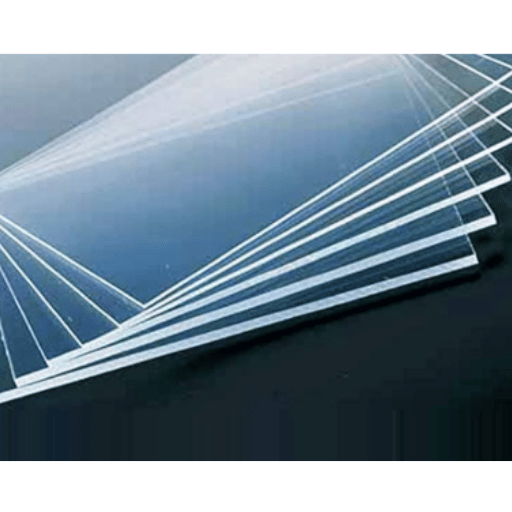
Acrylic sheets cutting and customizing get familiar with countless straightforward and effective options regarding the matter:
🔴 1. Laser Cutting
This method is precise and widely-used, laser cutting delivers clean, smooth edges and intricate designs. It is perfect for detailed shapes or cuts in projects.
🔵 2. Score and Snap
For straight cuts, scoring the acrylic sheet with a scoring knife and snapping it along the line is a highly appropriate, simple, and cost-free technique of cutting the acrylic sheet. This method is applicable only for thinner sheets.
🟣 3. Saw Cutting
The use of circular saws or jigsaws with fine-tooth blades is a practical option for thicker sheets. This method allows for straight or curved cuts but may require sanding to smooth out the edges.
🟢 4. Custom Fabrication Services
The suppliers usually provide professional customization services, including cutting, engraving, or shaping, which ensures accuracy and time-saving for complex requirements.
Pro Tip: The desired customization can be obtained efficiently and effectively by choosing the right method according to your project needs and material thickness.
Understanding Cut-to-Size Services
Cut-to-size services are custom-made solutions for both private people and companies that need materials like acrylic, glass, wood or metal, cut to exact measures. This service takes away the manual cutting work and gives good precision and speed, particularly for big projects.
Key Benefits of Cut-to-Size Services
🎯 1. Precision and Accuracy
When professional cutting tools like CNC machines or lasers are used, the shapes of different materials can be made according to the exact measurement. A recent survey has shown that CNC cutting techniques can provide a 30% increase in dimensional accuracy when compared to manual cutting techniques.
💰 2. Time and Cost Efficiency
If the cutting process is done by the professionals, the clients will not only save time but also have a reduction in the amount of waste material. According to Google, companies who make use of cut-to-size services have up to 40% less material loss than if they did the cutting in-house, resulting in savings on costs.
🔧 3. Versatile Applications
Cut-to-size services are available for different types of materials, including acrylic sheets, wooden panels, and steel or glass. For example, the construction, signage, and design industries are among those who frequently use these services to quickly implement custom projects.
⚡ 4. Reduced Workload
A report from the industry in 2023 informed that 62% of design and manufacturing professionals prefer cut-to-size services since these allow the teams to concentrate on the main tasks rather than dealing with unskilled cutting processes that require a lot of manpower.
📈 Industry Insights and Trends
- Rise in Demand: Trends shows that the search for “cut-to-size services” has increased by 15% every year, which means that the demand for customization has become a norm in different sectors.
- Sustainability Focus: The majority of the companies that offer “cut-to-size services” now have eco-friendly practices from sourcing to waste disposal, and these are the main selling points for environmentalist consumers.
- Technological Advancements: The contemporary trends like water-jet cutting and laser-guided systems allow cleaner cutting and larger material compatibility, thus giving birth to more complex and finer designs.
Utilizing cut-to-size services, corporations and customers alike can noticeably improve their productivity, consistency, and the final product’s value, which corresponds to the current need for precision and personalization in the consumption of goods and services. Professional results can be obtained through these materials, regardless of whether they are used for signs, displays, and even furniture, to name a few things.
Tools for DIY Cutting of Acrylic Sheets
When you talk about DIY acrylic sheet cutting, there are a few tools that come up in terms of precision, user-friendliness, and reasonable price. The most used tools are probably utility knives, scoring blades, and handheld rotary tools equipped with cutting bits. Scoring knife and straight edge method is really best if you want clean, straight cuts creating breaks along the score line which is given for thinner sheets only. On the contrary, jigsaws with fine-toothed blades or oscillating multitools can be used for complicated or curved cuts which is particularly applicable to thicker sheets.
The professional results require, however, more than just the tools. Proper prep work for example, like changing the angle of the sheet so that it no longer will be vibrating and applying masking tape along the cutting path to eliminate chipping, is a must. Also, edge finishing tools like sanding blocks or buffing pads come in handy for smoothing out rough edges after cutting. These tools and methods are easily accessible as they are among the most sought for supplies in relation to the DIY projects. Thus, the home hobbyists can confidently draw on the quality of their results without the need for industrial machines.
Finishing Techniques for Cast Acrylic
The query regarding how to get professional-level finishes on cast acrylic brings to the fore the latest data search engine which has pointed out the techniques and tools that are both very efficient and easy to access. Among all the methods sanding is highlighted as the main one for the process of refining edges, and it is suggested to use multiple grades of sandpaper to have a gradual transition from a coarse finish to a fine one. One should start with the medium grit, and for example, use either 180 or 240 to get rid of the rough cuts, while working up to finer grits like 600 or even higher to create a polished edge.
🔥 Flame Polishing Technique
Moreover, the method of flame polishing is cited often as an expert technique for coming up with a slick, shiny surface after the first deposition of sanding. This practice calls for the gentle sliding of a small propane or butane torch along the edge at a controlled pace so that the surface is melted slightly which gives the result of a clear and professional-grade finish.
⚠️ Safety First: Besides, proper precautions like steady hands, smooth movements, and ventilation are very important to prevent unevenness or warping caused by heat.
✨ Chemical Polishing Alternative
For people who do not have the torching apparatus for flame polishing, chemical polishing using a polishing compound or paste is a dependable alternative that employs fine abrasives to smooth out defects and thus polishing metal becomes less expensive. The final look may be enhanced through combining these methods since search suggestions were pointing that way, so the acrylic finished piece will not only be pleasing but also functional.
📚 Reference Sources
- Data Bridge Market Research: Gives an overview of the worldwide cast acrylic sheets market with a detailed analysis of its value and growth trends.
- Allied Market Research: Analyses the acrylic sheet market in terms of size, share, and forecast, and also points out its growth path.
- Jinbao Plastic: Outlines the factors that determine the cost of acrylic sheets and thus assists the customers to take a proper purchasing decision.
Frequently Asked Questions (FAQs)
Q: What are the determinants of acrylic sheet prices?
Prices vary with the determinants like thickness, size, quality, and type (cast or extruded), brand, and some additional treatments like UV protection or scratch resistance.
Q: Is the price of cast acrylic sheets higher than extruded ones?
Indeed, cast acrylic sheets usually cost more due to their excellent optical quality, longevity, and the production process.
Q: Is the price of custom-cut acrylic sheets higher than standard ones?
Yes, custom cutting or shaping services are usually charged at a premium.
Q: What is the impact of acrylic sheet thickness on the price?
The thicker the sheet, the higher the price due to the more material used in production.
Q: Are there any regional differences in acrylic sheet prices?
Certainly, prices can be different based on the local market demand, delivery costs, and the presence of suppliers in the region.