

Efficient cultivation of microalgae has become a foundational innovation across several industries meant for biofuel and bio-pharmaceutical realms. Bioreactor design is central, and good design can make or break scalability, cost-efficiency, and the overall success of these microalgae production systems.
This article looks at some engineering tactics for optimizing the bioreactor, focusing on microalgae growth with special emphasis on the incorporation of modern technologies and sustainable practices. The integral understanding of the unique biological requirements of microalgae and the discovery of bold, inventive ways that are meant to drive resource efficiency serve as the operational content of this chapter on bioreactor designed microalgae production. This article is all about the science and technology underpinning the industry.
Introduction to Microalgae Cultivation
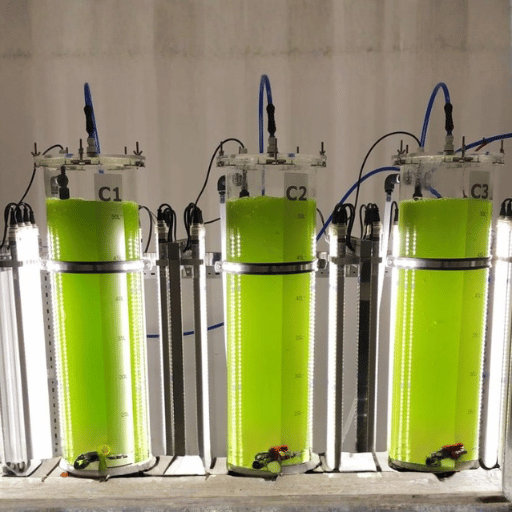
Microalgae cultivation refers to the controlled growth of microscopic algae species to produce biomass for various applications, such as biofuels, nutritional supplements, and pharmaceuticals. Cultivation is efficient only if the main process parameters leading to production, e.g., light, temperature, photoautotrophic species, nutrients, and CO2 levels, are fully understood. There are plenty of choices; open-held cultures can be ponds, while closed systems might be photobioreactors. Any specific approach comes with advantages and drawbacks. Recent advances in cultivating microalgae aim to improve production and keep the industry price advantageous while striving for minimum impact on natural resources.
What are Microalgae?
Microalgae are small, tiny photosynthetic organisms that are usually found in both freshwater and marine living waters. These organisms convert sunlight and the resultant biomass, which contains a plethora of valuable compounds like lipids, proteins, carbohydrates, and pigments. Microalgae are explored greatly for their applications in biofuels, food and feed, pharmaceuticals, and wastewater treatment due to their high productivity capabilities, growth on nonarable land, and applications. The synergy between the versatility and efficiency of the microalgae gives them remarkable attention in their contribution to sustainability and innovation efforts.
The Importance of Microalgae in Modern Agriculture
In modern agriculture, microalgae play an important role by addressing various issues related to food production, such as resource utilization, sustainability, and soil health enhancement. Using a variety of bioactive compounds, they work as natural biofertilizers and biostimulants, thereby pushing plant growth and crop yield up and down synthetic chemicals. Microalgae-based products also increase soil nutrient content and enhance plant resistance to pests and diseases. Rapid growth rates, utilization of waste streams, waste minimization, and reduced environmental impact have, therefore, made microalgae important in circular agriculture.
Overview of Algae Cultivation Technologies
Algae cultivation technologies require a categorization into two groups: open and closed systems. These two categories optimize growth parameters by minimising operational and environmental footprints. Open systems (raceways, etc) run on sunlight may be cost-effective, but there is a high risk of contamination and their scalability may be limited. Closed systems (photobioreactor operations) provide the advantage of containing the cultivation set-up by protecting it against contaminants; thus, closed systems create optimal conditions for the hybrid growth of different species. The hybrid systems, in a way, couple together the best from both systems, but further integrate automation solutions and continuous data acquisition into process management systems that optimize the delivery of nutrients, exposure to light, and CO2 usage. Such technologies are critical for maintaining the scalability of algae production in intensive agriculture for biofertilizer and biofuel applications. This trend presents a future for sustainable and profitable farming.
Understanding Photobioreactors
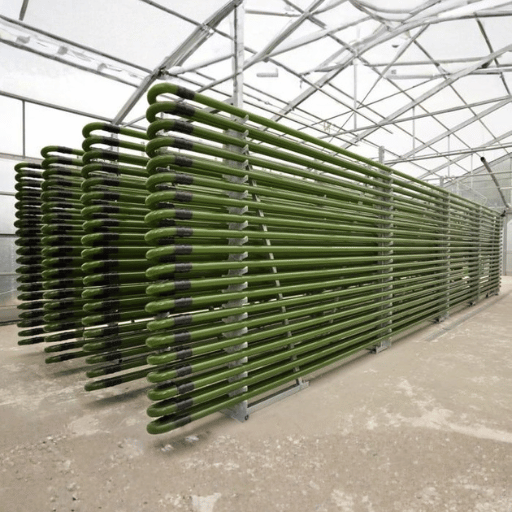
Closed systems called photobioreactors are intended to perform the cultivation of microalgae in a controlled environment under optimal conditions. Operating photobioreactors allow controlling parameters that condition microalgae growth rate and production, namely, light, temperature, pH, and nutrient concentration. On the other hand, by way of eliminating contamination and water evaporation, done with open culture systems, photobioreactors enhance the efficiency and uniformity of algae farming, mostly for high-value applications such as pharmaceutical production or biodiesel, in which the product quality and purity are critical.
What is a Photobioreactor?
Photobioreactors are closed systems for photosynthetic cultivation of microorganisms under optimized environmental conditions, mainly microalgae, cyanobacteria, or diatoms. These reactors inherently harvest energy through light to induce photosynthesis in the production of biomass, bioactive compounds, biofuels, etc. Hence, by having tighter operational control over variables like light intensity, CO2 concentration, temperature, nutrient availability, and others, these photobioreactors will achieve high productivity, high scalability, and more valuable products than any traditional cultivation technique. Closed designs add another layer to preventing contamination and differentiation in the environment, hence making them key equipment in the sector of biotechnology, pharmacology, and renewable energy.
Types of Photobioreactors for Microalgae Cultivation
Photobioreactors of microalgae cultivation are broadly classified into closed systems and parallel systems, each with a set of unique characteristics and applications. These closed systems, following a tubular, flat-plate-and-column design, limit conditions to ensure the most favorable growth and less contamination by controlling precisely environmental parameters. The tubular photobioreactors feature some transparent tubes for obtaining sufficient light. The flat-plate systems offer a high surface-to-volume ratio to achieve efficient gas exchange. Column photobioreactors, which consist of bubble and airlift designs, convince efficient mixing and aeration. Even though open systems like raceway ponds require low investment, they are deprived of protection against environmental hazards and contaminants. This makes them suited for strain-tolerant, large-scale, low-cost practices. The selection of a photobioreactor is dependent upon particular requirements, such as the desired product, cost constraints, and scalability.
💡
Pro Tip
When selecting a photobioreactor, prioritize the surface-to-volume ratio. Higher ratios generally allow for better light penetration and gas exchange, which are the primary limiting factors in dense microalgae cultures.
Benefits of Using Photobioreactors
Photobioreactors offer several advantages in controlled biological production processes. Thus, through controlling environmental parameters such as light intensity, temperature, and pH, accurate conditions are maintained for algal growth. Such controlled conditions undoubtedly minimize risks of contamination and boost productivity. Moreover, the capabilities allow algae photobioreactors to use water, nutrients, and carbon dioxide more efficiently that finally makes them environmentally sustainable. Their scalability is also an asset being adjustable to meet various production needs. As a result, they have been instrumental in business lines like pharmaceuticals, biofuels, and food production.
Designing Effective Algae Cultivation Systems
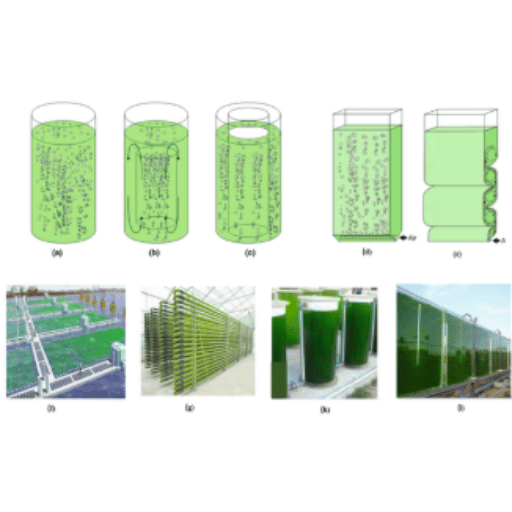
Sustainable aboundingly productive cultivation and designs of algae entail different factors, each necessitated to be optimized. Focus areas in this context include the following:
- ✓
Adequate Lighting: If there are no lights, the algae will never grow (nor can the photosynthesis). Natural sunlight is preferred, but supplemental lighting works best anywhere on the earth. - ✓
Nutrient Supply: Balanced nitrogen, phosphates, and trace elements prevent growth limitation. - ✓
Mixing and Aeration: Uniform mixing ensures cells receive light and nutrients while removing excess oxygen. - ✓
Temperature Control: Maintaining a range of 20-30 °C is fundamental for predictable productivity. - ✓
Contamination Avoidance: Enclosed interventions and sterilization thwart physical and biological impurities.
Operators can easily plan for an efficient and constant actuation of biomass production within specific algal strain and cultivation objectives if they properly address these problems while designing the systems for one specific group.
Key Components of Closed System Photobioreactors
- 1
Bioreactor Vessel Design
Vessels are usually made of semitranslucent materials like glass or specialty plastics for maximum light penetration. Common configurations include tubular, flat-panel, and column designs. - 2
Lighting System
LED systems are widely used due to low energy consumption and the ability to tune wavelengths to specific algal strains to boost productivity. - 3
Gas Exchange System
Moves CO2 into the culture and removes O2 build-up, which can inhibit growth if concentrations become too high.
Additional components include automated Nutrient delivery, Temperature regulation units (water jackets or heat exchangers), Mixing mechanisms (mechanical or airlift), and Monitoring systems (sensors for pH, DO, and light intensity).
Material Selection: Tubing for Algae Cultivation
The choice of tubing for algae production systems has a significant impact upon operational efficacy, endurance, and contamination prevention. Key points to consider include the material construction, transparency, flexibility, and chemical resistance. Materials like PVC, Polyethylene or silicone are usually found to withstand environmental stresses and resist UV light and chemical exposures, largely because they are resistant to prolonged degradation. Tubes should preferably remain so transparent to allow the light to reach the photosynthetic activity while simultaneously should be robust enough to resist biofouling. The tube should not fail or collapse under various temperatures and pressures to ensure long-term system reliability for closed and open culturing systems. A careful observation of these can be cited as contributing to enhanced productivity and sustainability in algae production.
Factors Influencing System Design
Algae culturing systems are influenced by several interdependent factors affecting the operational efficiency and output. The uniform availability of light reaches the top of the operational considerations among others. Here, the light spectrum must be efficiently distributed because the culture had to be performing photosynthesis at the same rate. The nutrient systems must be carefully constructed to deliver nutrients only at the right time, minimizing waste because wider constraints on nutrients usually limit cultures of algae. The temperature in the plant system must therefore be kept within the range of algal growth, albeit permitting local diurnal and seasonal variations. Gas exchange mechanisms, with an emphasis on CO2 injections and O2 removal, must be intelligently integrated to ensure unhindered growth. Scability is crucial since the system must be designed to ultimately meet the goals for production while keeping in mind upfront costs. The mutual alignment suggests that all the particularities specific to an algal strain must help guarantee that truly productively and economically efficient outcomes are achieved.
Flexible Tubing for Algae Cultivation
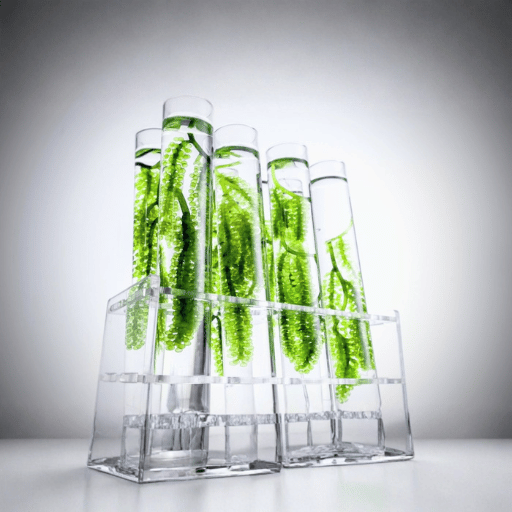
The flexible tubing, providing the essential portal needed in closed systems for photobioreactors, efficiently transports nutrients, harvested algae and carbon dioxide. There is a need for the tubing material to be strong enough and chemically inert from UV or any kind of contamination over light time. Silicone and PVC are common choice materials atop the list owing to their operating range of flexibility, and ability to bear extreme exposure to varying environments. Properly selected tubing is imperative in optimizing flow dynamics, hence reducing maintenance for long-term system reliability.
Types of Flexible Tubing: Acrylic vs. Plastic Tubes
| Feature | Acrylic Tubing | Plastic Tubing (PVC/PE) |
|---|---|---|
| Flexibility | Brittle/Rigid | High Flexibility |
| Transparency | Excellent Optical Clarity | Variable (Clear to Opaque) |
| Ideal Use Case | Visual Monitoring/Structures | Dynamic Routing/Vibration Damping |
Wall Thickness and Its Impact on Cultivation
Wall thickness is a critical parameter having to do with the operation of culture/aquaponics systems/units, and it bears directly on tubing durability, pressure resistance, and thermal stability. With thicker walls, tubing also contains neater strength, and tubing is thus much more able to bear higher internal pressures and resist collapse internally due to vacuum. This is particularly in the event you have a two-multiple because it relies on precision flow rates and a steady feed because constant pressure is required. However, a thinner wall may be advantageous in situations which need flexibility for all reasons where easy fitting is a requirement, and suitability to working conditions must be carefully checked. An appropriate analysis of the wall thickness must integrate parameters related to fluid viscosity, pressure dexterity, and environmental stress, so that long-term efficiency and reliability in cultivation setups may apply any liquid to a more demanding wall.
Preventing Contamination in Tubular Systems
⚠️ Important Note
Maintaining sterility in tubular systems is paramount. Even minor stagnation can lead to biofilm development. Systems must support regular CIP (Cleaning In Place) or SIP (Sterilization In Place) procedures to ensure long-term viability.
In tubing systems, several factors have to be considered to prevent contaminations like: material selection, design, and maintenance. An easy-to-clean and non-reactive material such as stainless steel or special grades of polymers makes the system minimal for the growth of biofilm while avoiding chemical interaction. Good system design must support a complete smoothing-out of the inner surface so as to prevent any occurrence of ‘in-standing’ deposits and, hence, to ensure stagnation mitigation. In addition, the system must undergo routine CIP (cleaning in place) or SIP (sterilization in place) procedures as well as regular inspections to make sure the system remains free of contaminants. Monitoring critical points such as joints and connections helps in the early identification or mitigation of possibilities of contamination.
Maintenance and Optimization of Bioreactor Systems
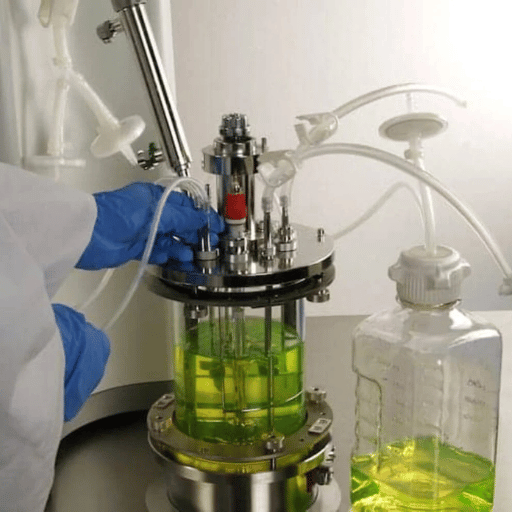
Maintaining the bioreactor systems calls for a focus on regular practices, cleaning procedures, and component changes every now and then to keep the devices at maximum performance ability. Routine checks and filling and flushing processes help to define and correct some physical wear or deviations in any parameters, such as an unwarranted temperature, pressure, or flow rates. A recognized cleaning procedure is a must to avoid bioslime (biofilm) and microbial contamination. Optimization involves the adjustment of parameters like mixers’ rpm, oxygen feed rates, etc., to enhance cell growth and product yields. In an environment full of automated monitoring tools, the precision of the constant remains high, saving the people there from human errors and maintaining consistent operational efficiency and system reliability.
Routine Maintenance Practices for Photobioreactors
An effective maintenance regime is crucial to efficiently sustain high performance and system longevity of photobioreactors. Such treatment includes regular inspections and calibration of all sensors in order to ensure equipment monitors the pH, dissolved oxygen, and temperature correctly. Aided in the re-creation of several non-abrasive, validated procedure guidelines, cleaning of the reactor surfaces and components maintain a clinch to a controlled zone devoid of fouling and microbial contamination, especially in the case of transparent surfaces assisting light penetration. Checks of seals, tubing, and connectors for wear and leaks are important due to holding the integrity of the holistic photobioreactor system. Periodic evaluations of agitation and gas-exchange systems ensure optimal mixing and nutrient distribution. Performance is enhanced through an ingrained maintenance program with specific schedules and guidelines as specified by the manufacturer and meanwhile minimized unnecessary equipment downtime, thereby enabling the overall superb performance of the photobioreactor system.
Optimizing Growth Conditions for Microalgae
For optimizing the culturing conditions of microalgae, critical control of the environment is required. The light intensity is maintained in accordance with the requirement of the algae strain, and the photoperiod is maintained in such a manner that the algal cells do not get photoinhibited by too much light. Also, carbon dioxide must be regulated to keep the pH under control, generally between 7.0 and 8.5, with a supply of sufficient carbon needed for biomass growth. Equally important is the control of temperature for a given organism under the optimal temperature range: this effect will lead the organism in preventing thermal stress and maximizing metabolic efficiencies. Furthermore, nutrient levels, especially total nitrogen, phosphorus, and trace elements, must be bagged in a suitable combination so as to avoid limitation or accumulative effects in the nutrient species. The realtime monitoring and adjustments of these variables, complemented by the utilization of advanced sensor technologies, result in maximized productivity and high, steady yields.
Monitoring and Troubleshooting Common Issues
In order to efficiently monitor and solve regular issues in production systems, a structured approach is paramount, alongside the availability of good diagnostic tools. Calibration and appropriate maintenance of sensors are crucial in guaranteeing accurate data for standards such as pH values, temperature settings, and nutrient concentrations. Early identification of a departure from such parameters should facilitate quick corrective measures that will not reflect too noticeably on the system’s performance. It is necessary to combine root-cause analysis techniques to tackle this kind of issue occurring regularly through process variables and environmental aspects. Predictive analytics should be applied to assist in predicting and mitigating whatever risks can arise to impede proper system operation and cause downtimes.
Reference Sources
- →
PLEXIGLAS® – Efficiently Cultivate Microalgae in PLEXIGLAS® Tubes. Focuses on light, CO2, and nutrient optimization. - →
OSTI – Exploration of Commercial-scale Cultivation of Microalgae. Advanced strategies in large-scale tubing systems. - →
MDPI – Overview and Challenges On Large-Scale Cultivation. Insights into industrial sectors like pharmaceuticals and biofuels.
Frequently Asked Questions (FAQs)
What is algae culture tubing?
Transparent tubing used in photobioreactors to grow micro-algae while providing optimal light, CO2, and nutrient distribution.
What are the materials used to build microalgae culture tubing?
Common materials include PLEXIGLAS®, glass, and durable transparent plastics like PVC or silicone.
How to describe the importance of tubing in microalgae culture?
Tubing supports controlled growth conditions, efficient light distribution, and significantly reduces the risk of contamination.
What are the other industries where microalgae tubing is utilized?
Sectors include food, pharmaceuticals, cosmetics, aquaculture, and renewable energy.
What are the benefits of utilizing microalgae culture tubing?
Key benefits include high scalability, maximum yield levels, and suitability for a wide variety of algae species.