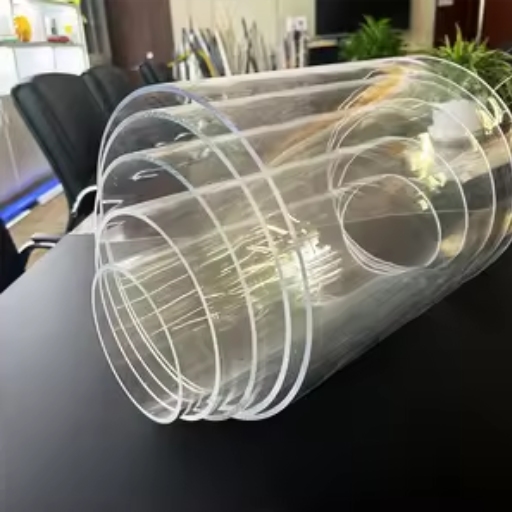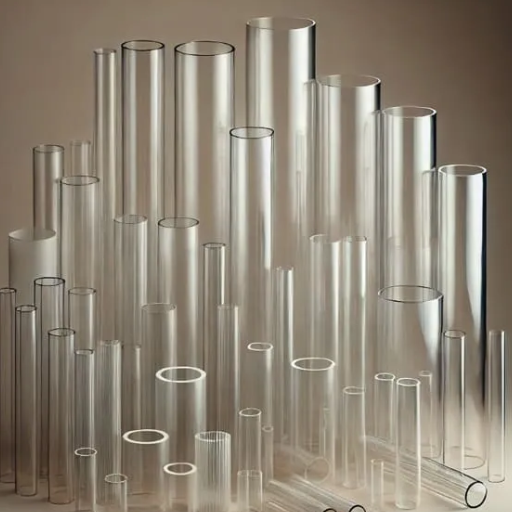

Being known for their versatility, durability, and unparalleled transparency, acrylic sheets have become one of the must-have materials in numerous industries. Thus, it becomes necessary to have them cut to a precise dimension while creating architectural displays, industrial applications, or executing any form of creative project. This blog post discusses the edge given indeed by a customized plastic acrylic tube and the other is the more recent development of PBR (Polymer Based Resin) for those were searching. We will see how they can fulfill one’s specialized needs, enlarge the functionality, and offer extreme flexibility for the professional and amateur communities.
Introduction to Acrylic Tubes
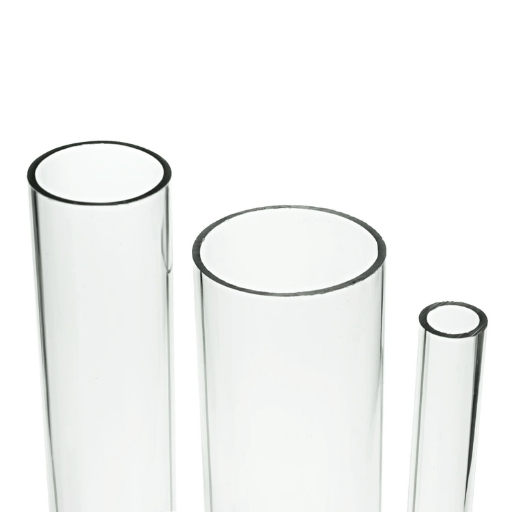
Acrylic tubes are lightweight, durable, and widely used across a plethora of industries. Renowned for their extreme clarity, they offer when they could be best-viewed qualities under-strength of impact and weathering. They are often seen being used for applications such as display cases, lighting fittings, and medical devices capable of being tailored to stand up under their high-impact resistance, flexible properties, and specific requirements from cutting. Acrylic tubes are one of the simplest materials to work with, and as such it has been the first choice for many professionals and hobbyists to engage in projects that require exceptional precision and performance.
What are Acrylic Tubes?
Acrylic tubes are hollow and cylindrical structures composed of polymethyl methacrylate (PMMA), known for its transparency and UV resistance and durability. These tubes render good optical clarity, resistance, and, provided they retain a high level of impact, making them ideal for demanding use cases in industries and various businesses. Acrylic tubes can be machined, laser-cut, or thermoformed for their versatility making customization for diameters to meet particular designs across industries such as in construction, medical devices, electronics, and the display manufacturing business.
Types of Acrylic: Extruded vs. Cast
Extruded acrylic is produced by a process of continuous manufacturing, producing sheets or tubes with uniformly set thickness and lesser manufacturing costs. Such acrylic material has high optical clarity and can find application conveniently when precision tolerances are not critical. Cast acrylic, by contrast, is made by molding liquid plastic acrylic and then curing it for enhanced strength, chemical resistance, and optical properties. In applications needing higher performance and greater durability and engineering precision, cast acrylic is the choice. However, extruded and cast acrylics have their respective roles and preference, based on the performance and aesthetics of the application.
Key Takeaway
While extruded acrylic is cost-effective for general use, cast acrylic offers superior durability and chemical resistance for high-precision engineering projects.
Understanding PBR Options
Physically-Based Rendering (PBR) factors come up as the most important components for the generation of realistic material appearance, their basic function being in the simulation of the interplay between surfaces and light. The major theme of PBR encompass two crucial workflows: the metallic-roughness workflow and the specular-glossiness workflow. Metallic-roughness defines a surface, having the metalness and roughness parameters of the material, thereby determining the reflectance and various microscattering properties of the surface. On the other hand, the specular-glossiness workflow further allows varying the specular color and glossiness values in order to control the distribution of surface reflections and smoothness. Both processes are anchored by a strong mathematical grounding, and the choice between workflows is based on what the user wishes in their material control and compatibility with the renderer. With adequate PBR renderings, an object appears the same to different lighting conditions. This setup has established itself as being the best at producing extremely detailed, lifelike material representation.
Features of Acrylic Tubing

- ✓
Clarity and Transparency: The optical clarity that acrylic tubing offers is second to none, perfectly suited to applications where high visibility or light transmission is necessary. - ✓
Strength and Durability: Although acrylic tubes are lightweight, they are impact resistant and hold up well against the rigors experienced over time. - ✓
UV Resistance: Many acrylic tubing options have been created specifically for their UV resistance; this ensures they will maintain their performance and not change color after a long exposure to sunlight. - ✓
Ease of Fabrication: Acrylic tubing provides maximum cutting, drilling, and shaping versatility without sacrificing structural strength. - ✓
Chemical Resistance: Because acrylic tubes have the desired resistance to many chemicals, they are appropriate for environments that involve exposure to anywhere from solvents to other substances. - ✓
Temperature Tolerance: With fairly constant operating temperatures, acrylic tubes are effective only when in the temperature-controlled operating environment.
Transparency and Clarity
Light transmission rate of acrylic tubing—surpassing ordinary glass.
Acrylic tubing stands out in transparency and clarity with approximately a 92% light transmission rate, way too higher in comparison with ordinary glass. This optical clarity minimizes distortion for maximum visibility, especially for instances where there is the need to have a closer look, such as for decorative applications. On the other end, it wins more points owing to its unmatched resistance to yellowing in light of time and still exhibits reliable performance both indoors and outdoors. With all these characterizations, one may consider it an excellent material to fulfill industry requirements from advertising to construction to scientific instrumentation.
Durability and Rigid Properties
Because of its robust tensile strength, and its resistance under tension, acrylic is exceptionally durable and firm against environmental stress. The impact strength of acrylic is about 17 times that of ordinary glass, which allows for a considerable breakage threshold when put under mechanical stress. Furthermore, it is UV stable, weather and temperature resistant, giving it a preferred status for casting in both indoor and outdoor applications. Having a rigid structure with dimensional stability under long-term use, it has become the established material in so many diverse industries.
Customizable Dimensions: Length and Diameter
Acrylic can be custom-cut into any size, offering unequalled flexibility and allowing for the precision fitting of lengths and diameters to specific specifications of an application. Such plastic being malleable to this extent ensures a compatibility that is universal, be it towards small intricacies in engineering and manufacturing or those bigger architectural marvels besides. This material, thus, has in-built structural integrity, and such precision treatments with cutting definitely guarantee the necessary material dimensions while dealing with it.
Benefits of Using Acrylic Tubes

- 1
High Optical Clarity
Acrylic tubes provide excellent transparency, making them the preferred choice for different applications that mandate the feature of visibility. - 2
Impact Resistance
Acrylic tubes prevail over glass when it comes to resisting impacts, thus reducing the possibility of breakage/disintegration. - 3
Lightweight Construction
Acrylic is significantly lighter than either glass or metal, which makes installation and transport convenient. - 4
Versatile Applications
This attributes to a variety of verticals including outdoor signs, medical devices, and architectural endeavors. - 5
UV and Weather Resistance
Weather lays no havoc upon these acrylic tubes, which do possess the capability to withstand UV rays and extreme weather conditions retaining durability in outdoor surroundings. - 6
Customizable Dimensions
These tubes come in various length and diameter options while wall thickness is also customizable for a highly specific application.
The salient points reveal an acrylic tube as a good choice for certain various practical and aesthetic purposes.
Lightweight and Versatile Material
Acrylic tubes are incredibly lightweight and versatile due to the unique blend of properties they possess, which include high impact resistance, exceptional optical clarity, and ease of fabrication. Their low density minimizes structural weight in installations and their ease of working allows them to be cut, shaped, and bonded with precision. These properties make a cylindrical acrylic tube an excellent material option for pretty much any industry requiring robust and custom inputs.
Resistance to UV and Weathering
Acrylic tubes offer impeccable resistance against UV rays as well as weather conditions, thus maintaining optical clarity and structural properties to a great extent, even after long hours left under the sun and extreme environmental conditions. The quality of the acrylic tube with regard to durability contributes to its capital parameterination through designed resistances against yellowing or cracking. Acrylic tubes are therefore very much on the safer side with due respect to various outdoor applications in its resistance capacity, which could indeed stretch past other competing materials in their respected durability and longevity.
Cost-Effectiveness Compared to Alternatives
Acrylic tubing provides excellent value when you compare the price of other material options, such as glass or polycarbonate. The material costs less, reduction in the weight saves on both transportation and handling; and the long-lasting nature of this material drastically reduces repair and replacement costs. By virtue of these aforementioned factors, together with performance, durability, and material cost balance, acrylic tubing brings the best return on investment for commercial and industrial applications.
Applications of Acrylic Tubes

- •
Display and Exhibition Structures: Acrylic tubes have a plethora of uses in display stands, shelving, and exhibition units because of their clarity, lightness in weight, and beauty. - •
Architecture and Interior Design: They may be found in lighting fixtures, ornamental structures, and furniture used for sophistication and modernity. - •
Aquariums and Water Features: Acrylic tubes are capable of being used in aquariums, waterfalls and other hydro installations because of their superior clarity and minimal impurity. - •
Laboratory Equipment: Due to their corrosion resistance and the strength and durability of the plastic, hollow acrylic plastics are suitable for scientific applications-testing cells, be visualized flow-structures, and control housings. - •
Industrial Piping and Custom Components: Besides the flexibility of hose strength, designers customarily employ them for lightweight and hardy tubing in situations where the same has been at a prime order, mainly in relation to equally light-weight prototyping and specialized machinery.
This new development embraces the acrylic tubes and the application and market options that this material’s versatility offers.
Uses in Lighting Solutions
Since acrylic tubes contain excellent optical clarity, are light, and resistant to impacts, they are widely employed for lighting systems. Whenever the LED systems are operated, they contribute as a good refiner of lighting, ensuring uniform light distribution and minimizing glares. Their customizability means they can ideally be molded and colored to meet manifold aesthetic and functional aspirations across architectural, industrial, and decorative lighting applications. They are also offered with UV protection for long, ensuring thus their preference, used in both indoor as well as outdoor lighting arrangements.
Applications in Aquariums
Acrylic tubes are exceedingly useful in aquariums, mainly because of their exceptional cleanliness, as well as due to their resistance to moisture and corrosion. The custom-made water flow systems of aquariums are well taken care of with these tubes that, while conveying a clear view, also provide clarity so that the flow of water is never compromised. In addition, acrylic tubes are durable enough to provide service for long periods in aquatic environments since these materials exhibit high levels of chemical and UV resistance. These convenient features ensure they’re environmentally friendly, reliable, and long-lasting, thereby making acrylic tubes an integral piece of both commercial and residential aquarium setups.
Architectural and Decorative Uses
Architects and Set-Designers heavily use Acrylic tubes polymers in applications like architecture and decoration owning to its versatility, resistance to wear and tear, and visual qualities. This is produced especially well for clear balustrades and light fixtures; for contemporize art sculptures and display cases. They embody an ideal combination of machineability and easily formed shapes, availing architectural designers with the flexibility to develop decorative systems on a totally custom basis, and this, without loss of structural integrity. Further, such resistance to UV or temperature makes it apt for use over the years with importance for both outdoor and interior uses more times the choice is therefore the perfect ones for any type of fillings.
Comparing Acrylic Tubes with Alternatives

Acrylic tubes are often compared with materials like polycarbonate and glass for similar basic applications. Acrylic tubes are Glossier and show better resistance or less damage and quality that fits in applications where perfection and optical properties are in demand. However, polycarbonate has a higher resistance for impacts, and is highly recommended for spots that need more impact resistance for short periods of force. When compared to polycarbonate and glass, acrylic tubes are just stronger, have been fitting for their lighter weight so get fewer fixtures made in settings. Glass has much greater heat resistance thus is much better for specific applications involving high temperatures. These distinctions help determine the best material based on what is required: toughness, weight, clarity, or environmental considerations.
| Feature | Acrylic | Polycarbonate | Glass |
|---|---|---|---|
| Optical Clarity | Excellent (92%) | Good | Moderate |
| Impact Resistance | High (17x Glass) | Extreme | Low |
| Weight | Lightweight | Lightweight | Heavy |
| UV Resistance | Superior | Moderate | N/A |
Acrylic vs. Polycarbonate Tubing
Acrylic and polycarbonate tubing offer relative advantages subject to the requirements and environments where they are meant for. Typically, acrylic tubing displays superior optical and UV resistances, thereby being well-suited for more crystalline purposes in art, display, etc. Acrylic is inexpensive, lightweight, and holds up well under atmospheric exposure. Polycarbonate, on the other hand, offers high resistance to impact, as well as temperature, in industrial applications or where high stress is encountered. For only very lightweight, visually oriented projects, acrylic is probably the material for the job. Whereas polycarbonate is the right answer for heavy-duty purposes requiring strength and endurance under extreme environmental conditions. Ultimately, the choice of tubing here depends on the mechanical, optical, and environmental use-related demands.
Cost Comparison with Glass and Other Materials
Polycarbonate and acrylic offer a considerably less costly distinction than glass, particularly in terms of sustainability. Although the material cost for polycarbonate may be initially higher compared to that of glass, its added tolerant impact stance, lightweight, and less susceptibilities to damage contribute to reduced maintenance and replacement costs with time. Acrylic is generally less expensive than polycarbonate and reasonable for low-impact applications considering the disadvantages of durability and electrical strength. Furthermore, the polycarbonate and acrylics in general favour glass, but according to the requirements of a given project-performance, cost targets conflict with otherwise possible additions to the projects were by weight, safety, and versatility must be considered.
Performance Comparison in Various Applications
Polycarbonate performs excellently in applications demanding high impact resistance, including bulletproof glazing cases, safety shields, and guards for industrial machinery. It provides strength and flexibility allowing for greater general toughness under stressful circumstances. On the other hand, acrylic is better suited as a material in applications where optical clarity and UV resistance are critical, such as display cases, signages, and aquariums. And so, for projects emphasizing both good light transmission and good finish for less money, acrylic is a viable alternative. Hence, the selection should be driven by variables like physical requirements, environmental conditions, and budget regarding the specific use-case as a result of a fierce comparison of Polycarbonate vs Acrylic.
Reference Sources
- LinkedIn: Acrylic Tube Market Size, Demand And Top Brands Forecast From 2026 To 2033. Regions of growth and demand for acrylic tubes are discussed, emphasizing applications in a wide range of industries.
- HTF Market Report: Global Acrylic Tube Market Status Trend Report 2020-2032. This report offers a comprehensive account of the global market status of acrylic tubes, including their size, forecasts, and life-cycle trends.
- Market Research Future: Acrylic Based Paints Open the Way for Rich Market Size, Share and Global Outlook 2035. Though acrylic paints are given a special treatment, the exposition ought to contribute to a better understanding of the acrylic market’s development trends.
Frequently Asked Questions (FAQs)
💡
What does a photobioreactor tube mean in the context of acrylic?
The tubes are transparent or semitransparent and used in a photobioreactor to cultivate algae or microorganisms under controlled conditions.
💡
Why would you choose to use acrylic tubes in a photobioreactor?
Acrylic tubes stand out mainly for their high light transmission, which gives them an advantage; for their mechanical strength and non-decoration in time; and for their resistance to the environment. You will need above mentioned qualities for ideal placement of light and maintenance of structural integrity.
💡
Which industries use PBR acrylic tubes?
The sight is available in biotechnology, renewable energy, pharmaceuticals, food and beverages, cosmetology, and environmental management polyurethane lines for the cultivation of algae.
💡
What are advantages of using acrylic PBR tubes?
These tubes should have a good light transmission, should be light in weight but strong and resistant to UV radiation and chemical corrosion.
💡
What types of microbes can be grown in Acrylic PBR Tubes?
Microalgae like Spirulina, Chlorella, and Haematococcus can be developed for the creation of biofuels, food, and drug applications.