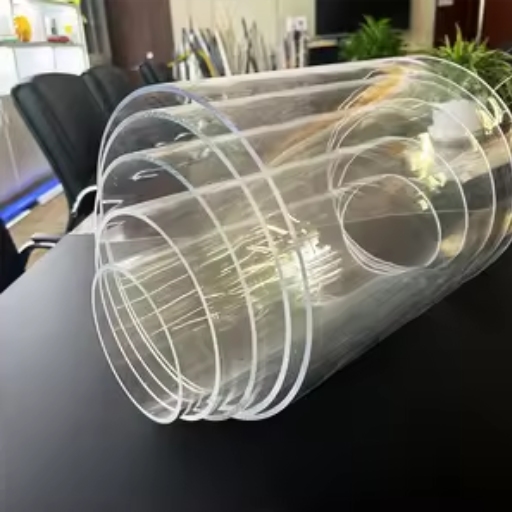

To maintain a thriving planted tank, various essential factors need to be balanced, and one crucial component is the best method for carbon dioxide (CO2) delivery. It is the CO2 gas itself that largely supports the process of photosynthesis ensuring the health, strength and robustness of growth of this nature. Upon its pages, the blog-article discusses the usage of aquarium CO2 reactors and diffuser tubing that support CO2 distribution and allow for detailed analysis and evaluation of their efficiency. This guide, whether you are a seasoned aquarist or a beginner hobbyist, is beneficial to choose your own equipment because it explains how such devices secure the vitality of one’s aqua plants.
Introduction to CO2 Systems in Aquariums
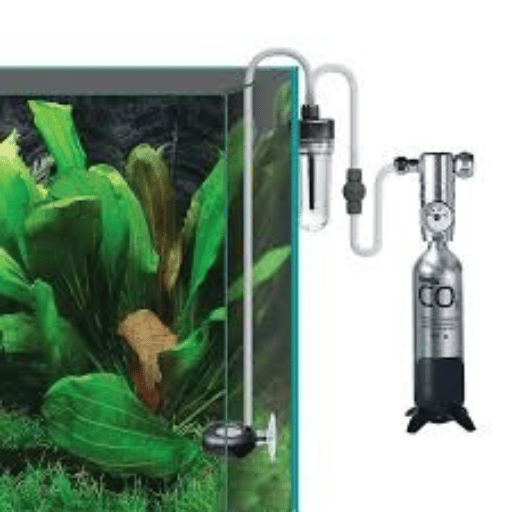
CO2 systems are essential for maintaining healthy plant growth in planted aquariums. CO2 systems work by infusing carbon dioxide into the water, from which plants gain during photosynthesis to provide energy for growth. A well-monitored CO2 system seeks to achieve good high growth plant levels whilst avoiding imbalance-induced algae overgrowth. Key components of a CO2 system are CO2 cylinder, regulator, diffuser, and of course tubing. These elements interact harmoniously to govern the allocation of CO2, supplying a stable and potentially highly viable environment for aquaplants.
Importance of CO2 for Planted Tanks
CO2 is an essential part of planted tanks as it plays a necessary role in the metabolism of plants, especially as a component in photosynthesis. Through a continuous, dependable source of CO2, aquascapers can create a healthier, more vibrant-growing set of plants, producing an aquatic environment that presents a reasonable balanced aquarium ecosystem. Where CO2 is insufficient, plants may fall behind with their energy demands, as a result, giving stunted growth while directly competing with existing algae for a few available nutrients. With proper planning and maintenance, intact CO2 systems work to maximize plant vitality while reigning over the stability of life ecosystems within the aquarium.
Overview of CO2 Reactors and Diffusers
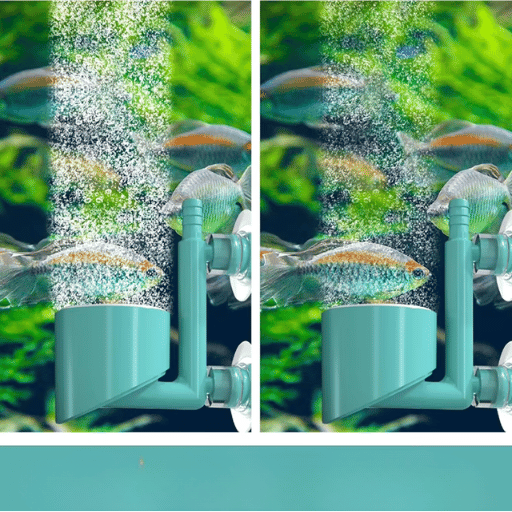
In aquariums, there are two ways to dissolve carbon dioxide that have distinct advantages and bash mechanisms: reactors and diffusers. Reactors function in such a way that they can break down the gas bubbles in a controlled chamber in proximity to solid surface, resulting in a more effective process for turning the smallest bubbles into CO2 in the water column. This makes the reactor very effective in large tanks or setups being comparatively more costly mainly to minimize any wastage. On the other hand, diffusers are ceramic discs or other media, on which micro-sized bubbles of CO2 are formed and then dissolved into water as they float upwards toward the surface. While diffusers can be less efficient in larger setups, they are smaller and keep a lower demand for CO2 in smaller systems in which they are best suited for any use. Depending on the size of your tank, how densely it is planted, and whether you wish to go the simplest or most efficient route shall determine the method you choose. Both, when used properly, are quite important for the best growth of aquatic plants and very balanced levels of CO2.
Understanding CO2 Injection in Aquariums
CO2 injection is a critical factor for aquariums in nurturing robust plant growth and maintaining a thriving aquatic ecosystem. By providing plants with essential carbon dioxide, it enhances their photosynthesis process, leading to more oxygen concentrations within the system and better absorption of nutrients. The choice between diffusers and reactors is therefore to be made based on the size of the aquarium, density of plants, and operational needs. While diffusers can be considered in smaller tanks or low-maintenance setups for their simplicity, reactors often guarantee efficiency and consistency in larger or high-demand systems. Ultimately, understanding what the specific requirements are of your aquarium for CO2 supplementation will always assure a healthily functioning aquatic environment.
What is a CO2 Reactor Tube?
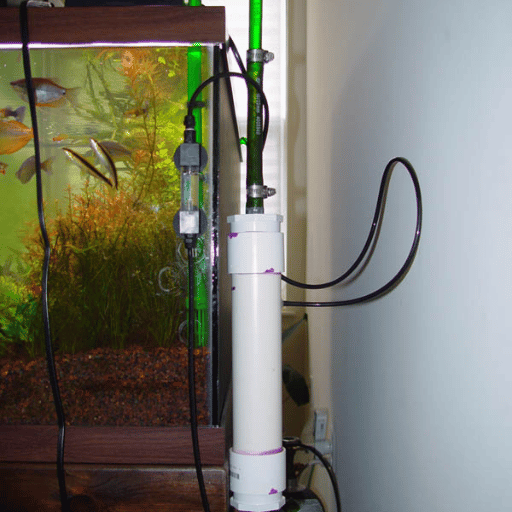
The CO2 reactor tube does the job of allowing carbon dioxide (CO2) into a planted aquarium and acts as a device for processing the same. It creates a substrate on a medium as CO2 is allowed in and mixed abundantly with water-ensuring no leakage of gas is wasted. The reactor tube is attached to a CO2 dozing system and usually laid within the filter line in the path of the water circulating. This, way, all CO2 will get scattered evenly in the water through the whole tank, providing the same level that helps the plants to grow fine.
Definition and Functionality
Surpassing all other forms of CO2 devices, the CO2 reactor is the lifeline of the aquascaping and the planted environments. Very best in reaching the waterclass with CO2, reactors guarantee that plants are receiving the exact amount of carbon dioxide needed for optimal growth. The secret of its performance is the ability to organize a well-managed environment for mixing and dynamic water-flow pattern aimed at the uniform distribution of CO2, hence minimizing wastage, instigating the much-needed stability into the system, and eventually maintaining the health and eminence of aquatic plants at an extremely effective rate.
How CO2 Reactors Work in a Planted Aquarium
In a CO2 reactor, carbon dioxide gas is dissolved into the aquarium water by adopting an arrangement that maximizes gas-to-water contact. This means that the water is channeled into the reactor chamber, and then CO2 is added and distributed evenly with its constant turning. The presence of some internal devices or filter media such as sponges or bio-balls helps break apart the CO2 bubbles into smaller parts, providing more areas on which CO2 absorption can occur. This way, the CO2 gas can be uniformly encompassed in the water column, ensuring that the optimal levels of carbon dioxide are upheld so as to support plant growth by generating less waste and preventing the gas from escaping into the atmosphere.
Comparison of CO2 Reactors and Diffusers
Carbon dioxide reactors and diffusers have the same basic objective of off-gassing carbon dioxide into aquariums, but each operates differently and is chosen for different applications. Applicable much the same is a lively observation that reactors with nearly as efficient systems permit a near-100% dissemination of gas into the water. Such reactors provide an edge when faced with large tanks or high-demand setups where stable CO2 levels are crucial. Contrastingly, diffusers work on a more efficient gas/solid contact, passing CO2 through the ceramic heads to create tiny CO2 bubbles which dissolve as they move closer to the upper part of the column. Though in principle diffusers provide lower gas exchange, they are quite more primitive and a bit cheaper, best suited for respectively smaller scale and relatively easy application systems. In the end, the downside of a reactor on a diffuser is the size of the tank and budget limitations, along with very specific requirements pertaining to the level of carbon dioxide that will match the aquatic environment.
Benefits of Using a CO2 Reactor Tube
| Benefit | Description |
|---|---|
| Efficient Carbon Dioxide Solution | CO2 Reactor Tubes suffice to carry out a complete dissolution of the carbon dioxide into the water and consequently make it available to aquatic plants so that the gas losses at least is mitigated. |
| Uniform CO2 Distribution | A CO2 reactor tube distributed dissolved CO2 evenly in the aquarium through the aid of the circulation or filtration system, thereby eliminating the need for any form of uneven plant growth. |
| Reduced Gas Loss | Reactor tubes reduce the risk of loss of CO2 gas into the atmosphere to a far lesser extent when compared with diffusers. This makes them preferable both in terms of cost and functionality over time. |
| Encouraged Development of Plants | With an acceptable CO2 level, natural light becomes more beneficial in photosynthesis, hence promoting healthy plant growth in the aquarium. |
| Easy Maintenance | These types of tubes take extremely little maintenance after you have connected and tried them out, and for the long-term convenience, they are the best fit. |
Enhanced Plant Growth and Health
Advanced plant growth in an aquarium is subject to a balance of good CO2, light, and nutrients. To supply CO2 to an aquarium in the most efficient way, then, the reactor tube plays a special role in making CO2 have a good diffusion rate. With CO2 readily available for rapid photosynthesis, plants easily take up more nutrients in good measure, promoting healthy and successful growth. A reactor system provides an environment with a reasonable degree of stability that results in minimum stress placed on some plants, thereby reducing the chances of unleashing deficiencies and decays. With exact parameters, aquarists can thus secure the good health of plants forever.
Improved Water Quality in Planted Tanks
The use of advanced reactor systems and mechanisms for CO2 injection is a direct boost to water quality in the planted aquariums by stabilizing essential fish (pH and dissolved nutrients) variables in balance, allowing biological and chemical processes to sustain ecosystems. By minimizing fluctuations, therefore aiding in efficient nutrient circulation, such systems reduce the chance of algae blooms, thereby minimizing the pile-up of organic wastes, thus giving clearer and healthier aquatic habitats.
Efficiency and Cost-Effectiveness
Installing advanced filtration mechanisms means that we are maintaining the fish tank ecology and ensuring a well-balanced cost-effective flexibility. Aquarists stand to benefit from lower operational expenses, reduction in manpower hours, the need for less frequent replacement of water, and less frequent administration of chemicals. Besides, a less sure concept would support, reset, and maintain the well-being of the aquarium environment, which will minimize operational expenses and deliver while responding to constant performance. This synchronization of efficiency and practical experience states their importance for small-sized aquariums, or installations come in large.
Selecting the Right CO2 System Components
Choosing the Right CO2 Reactor Tube
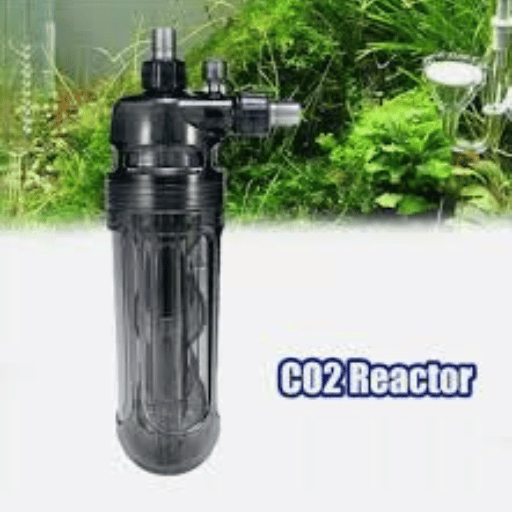
In making a choice of CO2 reactor tube, with due consideration to the compromise between tank size and configuration. Therefore, the water volume in the aquarium must match the capacity of the tube for optimum efficiency of CO2. Invest in units that work well against wear and wear-induced corrosion for enhanced longevity. Always research on flow rates and installation compatibility with the existing equipment in the presence of the reactor. Have in mind state-of-the-artness in the convenience of mounting as well as maintenance, which will surely augment efficiency and simplify wide-ranging operational situations.
Factors to Consider When Selecting a CO2 System
For C02 systems with aquariums, pay attention to system compatibility, as well as exact dosing and scalability. For plants, the system has to be compatible with size and volume to keep CO2 levels at optimal levels. Make use of any version that sports precise regulators and bubble counters so that CO2 monitoring stays accurate and there’s no risk of over- or under-saturation. If you already anticipate future upgrades or expansions, opt for a system which allows easy upgrade and modularity installation. Do not forget about durability, reliability, and maintenance, hence clear but perhaps least important yet having a direct bearing on long-term performance and personal experience.
Comparing Different Types of CO2 Tubing
The material composition, permeability, flexibility, and durability are the important factors when comparing different varieties of CO2 tubing. The good CO2 tubing made up of materials of thin wall with low permeability, like polyethylene and polyurethane, built to withstand the pressures experienced by pressurized CO2 systems. Standard airline tubing made up of silicone will be easier for CO2 to escape because the material is quite porous. Additionally, the flexibility of the tubing is important for routing the tubing to the various parts of a planted aquarium, and it must arguably be somewhat stiff because of its large diameter. Go with guidance from producers legit on safety being your best bet for continual function and efficient CO2 delivery.
Understanding CO2 Pressure Proof Tubing
Basically, CO2 pressure tubing is meant to work under pressure caused by the CO2 system, diminishing waste gas and increasing system efficiency within the aquarium. Its normal construction includes the use of specialized new materials, such as polyurethane or polyethylene, that provide the least hazardous paths for the carbon to escape compared to that, which goes right through silicone tubing. The tubing is structured in such a way that high pressure will not deform or distress it over time. Selecting pressure-proof tubing is completely necessary for accurately maintaining CO2 levels for the sake of plant growth and to avoid a costly leak of CO2. Thus, always refer to the documentation for compatibility with CO2 system pressure ratings to ensure proper performance.
Maintenance Tips for CO2 Systems
1. Monitor for Leaks Regularly
Check for any leaks in all connections, hoses, valves, or other parts where CO2 might lose out. Even a tiny leak can reduce CO2 efficiency over time and increase CO2 wastage.
2. Clean Diffusers and Reactors
Ensure the optimal marineminus 770diffusion of CO2 remains one of your main goals. For maximized planned system performance purposes, diffusers should be cleaned on a regular basis.
3. Monitor CO2 Levels
Periodic reevaluation of water parameters, such as CO2 concentration, is of the greatest importance an aquarist may help to stay in safe levels by moderate setting of the pH towards 6.6 to 6.8.
4. Replace Tubing at Will
A faulty CO2 tube might wear out over time or develop cracks. As soon as any sign of wear is detected, replace it with CO2-proof tubing.
5. Check the Equipment
The equipment should be checked for consistent output pressure from the regulator joint and diligently cleaned for blockage-free CO2 delivery.
6. Check all Sensors and Calibrate
It is imperative that you verify the devices are properly calibrated for accurate readings during system operations.
7. Regularly Schedule Cylinder Refills
Keep a close track of the levels in the CO2 cylinder and replace it before it completely runs out; this will be to completely avoid any interruption in the operation of the system.
Regular Inspection of CO2 Tubing and Fittings
Periodic inspection of carbon dioxide (CO2) tubing and fittings is of great importance to ensure the system’s integrity and operational efficiency. One should check each tube for outward signs of wear, like cracks, discoloration, and brittleness. All connection joints must be inspected for secure fittings and any signs of leakage, using either a pressure test or a leak test fluid. Any initial aging or defective parts must be replaced before they incapacitate the system. This kind of maintenance extends the life of a system, eliminates costly repairs, and minimizes downtime.
Cleansing the CO2 Diffuser
To effectively clean the CO2 diffuser, begin by disconnecting it from the system and soaking it in a solution of diluted bleach or special cleaning agent at a ratio of usually 1:10 water. Let it soak for about 30 minutes, which should be enough to loosen the algae, impurities, and mineral deposits. At the end of soaking, begin thorough rinsing with running water to be sure there is little or no cleaning solution left on the diffuser. Without leakage or decreased efficiency, reconnect the diffuser, making sure it is seated and secured properly. Regular cleaning is necessary, at least monthly or more often if there is greater use of the system, to maintain evenly distributed CO2 and continuous good performance of the system.
Monitoring CO2 Levels and Adjustments
Periodic monitoring of CO2 is crucial to accomplish accurate performance of the system and maintain a consistent water environment. The requirement for making accurate and precise estimations of CO2 level leads us to either purchase a good quality CO2 indicator or to use a drop checker filled with a ready-made reference solution. The ideal CO2 concentration is between 20 and 30 ppm, depending on what the specifics are for a particular aquaculture setup. After adjusting the rate of injection of CO2 into the system, alterations should be undertaken in small steps to observe the plant’s reaction, aquatic inhabitants, and pH changes that all depend directly on the CO2 concentration. To regulate CO2 accurately and ensure continuous stability throughout, apply continuous testing and at times, if suitable, engage automatic CO2 controllers in the setup.
Reference Sources
- Aquarium Co-Op – Easy Setup For Aquarium CO2. A Guide
Tips for Setting Up CO2 Systems in Aquarium, Some Real Recommendations for Different Tank Sizes. - Green Aqua – CO2 reactors: the Pros and the Cons
This article discusses the ups and downs associated with CO2 reactors and the advantages of gas dissolving ability. - The Planted Tank – CO2 Diffuser/Reactor for 200G
The high tech planted tank with optimal plant growth set up forum.
Frequently Asked Questions (FAQs)
What is an aquarium CO2 reactor tube?
It is a device employed in aquariums to decompose CO2 gas in the water, thereby promoting maximum plant growth.
How does a CO2 reactor tube work?
The CO2 gas is injected into a reactor chamber mixing with the irrigation water that produces fine bubbles or dissolving into the water for maximum CO2 absorption.
Why use a CO2 reactor over a diffuser?
Reactors are much better in dissolving CO2 gas, especially in large tanks. They reduce excess CO2 waste brought about by diffusers.
What are the benefits of using a CO2 reactor tube?
Common advantages include better plant health, proper distribution of CO2, and prevention of algae growth due to a balanced CO2 concentration.
What size CO2 reactor tube do I need?
The size and type, really, would depend on the aquarium’s size and more. Larger tanks will require a much bigger reactor-or more-efficient reactors.