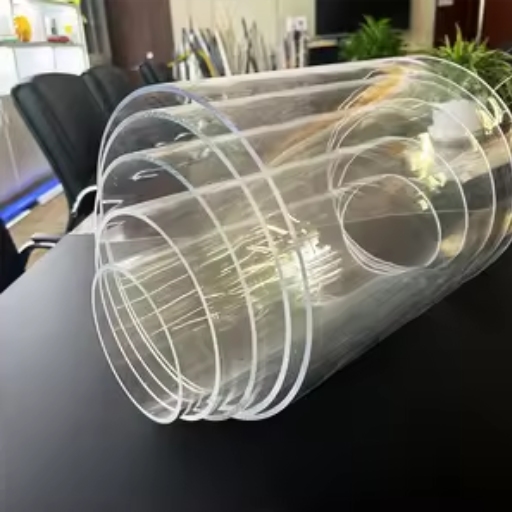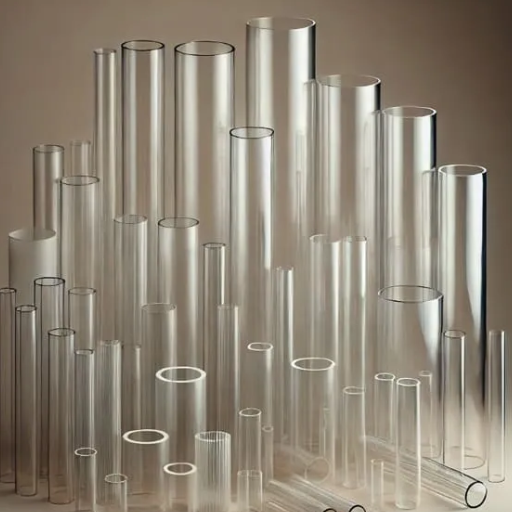

A visually striking and durable aquarium requires the use of appropriate materials and among them acrylic sheets are the first choice not only for the aquarium hobbyists but also professionals. Cast acrylic sheets, also known for their strength, transparency, and flexibility, provide an excellent alternative to classic glass aquariums. The following article describes the unique characteristics of acrylic sheets, like their pressure resistance and design variety, that characterize them as the best choice for aquariums. If you are an aquarium lover, a custom tank designer, or just someone who is after modern options, then this guide will tell you the reason why acrylic sheets are changing the industry of aquariums and how they can make your aquatic exhibits much more impressive.
Introduction to Acrylic Sheets for Aquariums

Aquarium acrylic sheets have been proving their worth as a very good alternative for traditional glass aquariums because of their durability, transparency, and flexibility of use. In contrast to glass, acrylic is lighter but much stronger, hence it can easily withstand the pressure from water in large tanks. Moreover, the material’s high resistance to impacts makes it less likely to crack or break, thus giving a safer option for aquatic habitats. It is also possible to create any shape by molding acrylic, which results in custom designs and invisible joints between panels that add to the viewing experience. The light transmission property of acrylic is so good that most of the light transmitted appears to be pure, in turn, a very colorful display of aquatic life is created. All these factors combined make sheets of acrylic an ideal choice for aquarium installations in both private homes and public places.
The Growing Popularity of Acrylic Aquariums
Acrylic aquariums are gradually gaining more and more popularity because of their longevity, weightlessness, and variety of designs. Acrylic, in particular, is a material that not only showcases the fish but also provides the fish with the best comfort in terms of temperature control. Its crystal clear quality alone is enough to make the aquarium a great decorative piece and an attractive place to view aquatic life. Consequently, it has become a common choice among both professionals and hobbyists for the creation of unique, elaborate aquarium designs. Besides, the remarkable clarity of acrylic allows for an unobstructed view, thus enhancing the aesthetic appeal and immersive experience of showcasing underwater creatures.
Why Choose Acrylic Over Traditional Materials?
Acrylic is a perfect material choice and its lightweight characteristics, and thus, easy handling and installation. Its impact resistance guarantees long life and less chance of fractures or broken pieces. Besides, acrylic possesses superb insulation capability which contributes to the maintenance of the same water temperature. Its capacity for being shaped into any form makes it suitable for extraordinary, custom shapes while its transparency ensures an unmatched viewing experience thus it is a very suitable material for contemporary aquarium designs.
Overview of Acrylic Uses in Aquariums
The use of acrylic in aquariums is widespread owing to its lightness, toughness, and flexibility properties. Moreover, it permits the customization of shapes and patterns, thus accommodating different aquarium sizes and aesthetics. The transparency of acrylic improves the viewing experience, while its superior insulation characteristics contribute to the stability of water temperatures. The excellent resistance of acrylic to impacts and the reduced chances of it cracking or breaking compared to glass have made it even more favored for home and commercial aquariums.
Benefits of Using Acrylic Sheets

1. Lightweight and Durable
Acrylic sheets are way lighter than glass, thus making them more convenient for handling and installation. Nevertheless, they possess excellent durability and resistance to impacts which leads to minimal risk of breaking.
2. Optical Clarity
Acrylic indeed gives very good visibility since it is totally clear, so people can enjoy distortion-free view of fish and plants even if the aquarium is deep and time has passed.
3. Customizable Shapes and Sizes
Acrylic can be effortlessly shaped and cut into different dimensions, which indeed opens up the possibility for creating the most imaginative and extraordinary aquariums.
4. Thermal Insulation
When compared to glass, acrylic has much better thermal insulation properties thus, leading to stable water temperatures and lower energy costs.
5. UV Resistance
UV resistance is a feature that modern acrylic sheets usually possess which helps in preventing yellowing and thus keeping the aesthetic appeal over the long term.
Key Advantages of Acrylic Aquariums
Superior Clarity and Aesthetic Appeal
Acrylic is the material that prevails in the aspects of clarity and purity of the optical performance, as it allows the user to have a clear and unobstructed view of the aquarium. Its property of being very light and its capability of being bonded without any visible seam make it possible to create modern, stunning and aesthetically pleasing designs that will attract attention and, in fact, probably elevate the space itself.
Light Weight and Ease of Handling
The weight of acrylic sheets is much lesser than that of glass, making them much easier to work with, move around, and put in place. This lesser weight not only streamlines the building process but also adds to the safety during the installation, thus making acrylic the best option for many uses.
Impact Resistance Compared to Glass
Acrylic sheets are regarded as the better option if we compare their impact resistance with that of glass, since they can withstand up to 17 times more impact forces. This quality makes acrylic not only a safer but also a more dependable choice in places where strength and prevention of breakage are of primary concern, such as in securing barriers, windows, and structural applications.
Comparison of Acrylic with Other Materials
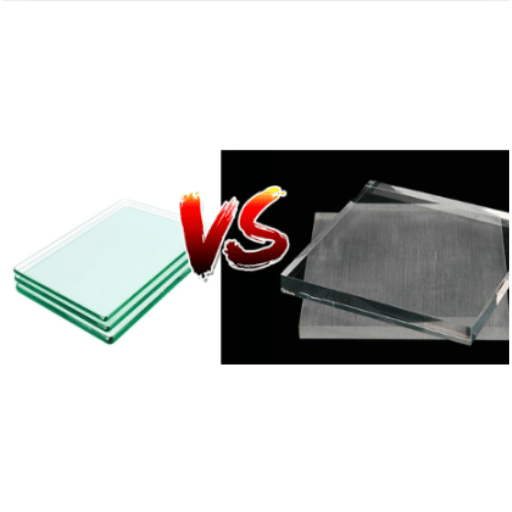
In contrast to glass, polycarbonate, and wood, among other materials, acrylic has its own distinctive characteristics in the following aspects:
The combination of acrylic’s clarity, durability, and adaptability attributes makes it the most wanted material for a wide range of use and it offers a powerful mixture of aesthetics, practicality, and cost-effectiveness.
Acrylic vs. Glass: Detailed Comparison
✓ Acrylic Pros
- • Very light material, convenient to work with
- • More impact resistant, less susceptible to breakage
- • Easy to cut and shape for various applications
✗ Acrylic Cons
- • Gets scratched easily without proper coating or care
- • Can change color or spoil with prolonged UV exposure
✓ Glass Pros
- • Excellent scratch resistance, maintains clarity long-term
- • Highest heat resistance among common plastics
- • UV radiation proof, doesn’t yellow with exposure
✗ Glass Cons
- • Heavier and more fragile, increases breakage risk
- • Not easy to mold or customize into complicated shapes
Decision Guide: When you are making a choice between acrylic and glass, take into account factors such as longevity, weight, need for customization, and maintenance in the long run to arrive at the best option for your project.
Other Plastic Alternatives: A Brief Overview
Alongside the more traditional plastic substitutes, there are polycarbonate, PETG, and polystyrene as well. Polycarbonate has being characterized by its extreme resistance to impact and has the common application in protective uses. PETG is an option that is light-weight, versatile and is the most popular material due to its being easy to produce and its transparency. Polystyrene is cheaper but also not as durable as one could say and thus is used for disposable or light-weight applications. Each alternative differs in the parameters of strength, flexibility and transparency, which makes it possible to choose one that fits the particular project needs.
Choosing the Right Material for Your Aquarium
When you are choosing the right aquarium material, you should take into consideration its durability, clarity, and how easy it is to maintain. Polycarbonate is an excellent choice for tanks that are impact resistant and long-lasting. If you want an option that is flexible, transparent, and reasonably priced, then PETG is a versatile option. On the other hand, polystyrene is the best material for small, light, or temporary setups. Evaluate your specific needs, such as size, weight, and budget, so that the material fits your project objectives.
Tips for Selecting Acrylic Sheets
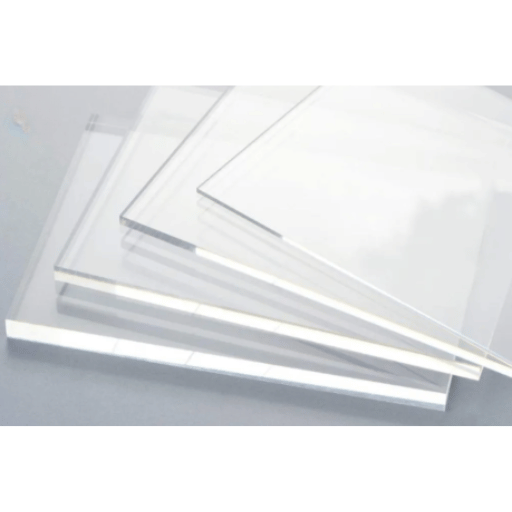
1. Consider Thickness
It is good to understand that the thickness you choose has to do with the application of the sheet. Thicker materials not only have the biggest durability but they are also used for the aquarium that is one of the most demanding applications or for parts of the buildings.
2. Check for UV Protection
In case the acrylic is to be outdoors, confirm that it is UV-resistant so that no yellowing or degradation occurs as a result of exposure over time.
3. Look for Clarity and Finish
If looks are one of your considerations, you should get sheets that have high transparency and a smooth surface, especially for display cases or furniture.
4. Evaluate Thermal Resistance
For applications in places where there are temperature changes, pick acrylic with the necessary thermal resistance to keep working properly and to avoid warping.
5. Assess Size and Customization
Choose sheets that are of the right size that your application requires and check if you can get custom cutting for accuracy.
6. Verify Quality Standards
Always opt for acrylic sheets supplied by trustworthy dealers that are in accordance with the industry quality standards for strength, durability, and safety.
Technical Considerations
Understanding Thickness and Its Importance
The thickness of acrylic sheets is a decisive factor that has an influence on their strength, flexibility, and the possibility of their being used for particular purposes. The thicker the sheet the more it becomes stronger, more durable and resistant to impacts which makes the sheet suitable for heavy load or high traffic areas while the thinner one would be able to get more flexibility for various tasks like deep carving or making light weight installations. Selecting the thickness wisely will allow the acrylic to resist the conditions of the intended use without losing its functionality or safety.
Choosing the Right Grade of Acrylic
The selection of acrylic type is dictated by its application. Cast acrylic gives the best optical quality, has the highest chemical resistance, and is most suitable for high-class presentations or complex models. Extruded acrylic is cheaper, more manageable to cut, and suitable for everyday uses. If you require heavy-duty applications, then impact-modified acrylic will give you the best strength and durability. Deciding on the right grade brings about maximum performance, savings, and appropriateness to meet the requirements of the project.
UV Resistance and Its Impact on Aquatic Life
The protection of aquatic organisms through UV resistance is of paramount importance as it reduces the extent of the adverse effects caused by ultraviolet rays. The impact of prolonged UV exposure on marine ecosystems may be drastic, i.e., it may hinder phytoplankton growth, thus diminishing the primary food sources and even disturbing the whole food chain. So, the materials that have UV resistance features are invariably used in marine areas to protect the critical infrastructures, machines, and living places, thus, permitting the environment to continue and causing lesser harm to ecology. By reducing the severity of UV damage we, in turn, can enhance the preservation of aquatic biodiversity and also the maintaining of the ecosystem balance.
Reference Sources
- Acme Plastics – 6 Benefits of Acrylic Sheet Aquariums: Acrylic aquariums are indeed not only cost-efficient but also strong and transparent to a great extent, and these are just a few of the advantages.
- FLAcrylic – Acrylic Aquarium: Is It the Right Choice for Your Fish?: It tells about the advantages of acrylic aquariums; amongst them are light weight and high clarity, as well as their applications in different industries.
- Turbo Plastic – Benefits and Applications of Clear Cast Acrylic for Aquariums: Today’s acrylic sheets are characterized by a number of pros, like great transparency, resistance to impact, and easy modificability.
- Excelite – Benefits of Using Acrylic for Aquarium Fish Tanks: Thermal insulation is a vital property of acrylic that keeps the temperature of the water in aquariums constant.
Frequently Asked Questions (FAQs)
What is the use of acrylic sheets in aquariums?
Acrylic sheets are the main material for aquarium since they are light, strong, and have superior transparency to glass.
Reasons for using acrylic instead of glass in aquariums?
Acrylic is a material that has greater strength, better resistance to impact, and easier forming process, also more insulation than glass.
Are acrylic aquariums safe for fish?
Acrylic is a non-toxic substance that doesn’t harm aquatic life. Hence, it is a great option for fish tanks.
How thick should acrylic be used for aquariums?
The thickness required is based on the aquarium’s size and water pressure. Thicker acrylic sheets are needed for larger tanks.
Are acrylic aquariums able to take the strain of high water pressure?
Acrylic does have great strength and thus can withstand high water pressure, so it is considered usable for large aquariums.
Conclusion
Acrylic sheets represent the perfect convergence of innovation, functionality, and aesthetic excellence in modern aquarium design. Their superior properties—from exceptional clarity and impact resistance to lightweight construction and design flexibility—make them the premier choice for both hobbyists and professionals seeking to create stunning aquatic displays. Whether you’re building a custom home aquarium or designing a large-scale commercial installation, acrylic sheets offer unmatched versatility and performance. By understanding the key considerations such as thickness, grade selection, UV resistance, and proper maintenance, you can harness the full potential of acrylic to create breathtaking underwater environments that will captivate viewers for years to come. The future of aquarium design is transparent, durable, and brilliantly clear—and it’s made of acrylic.