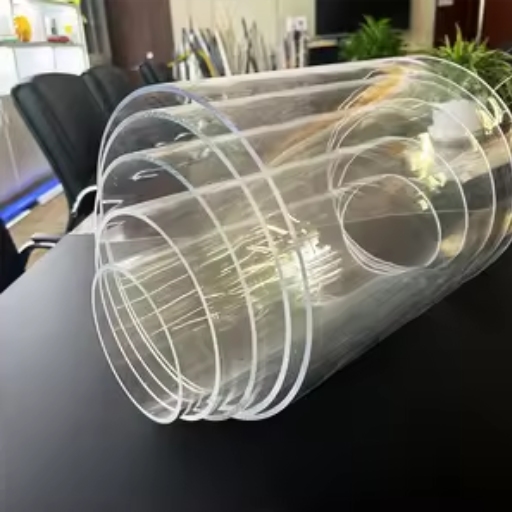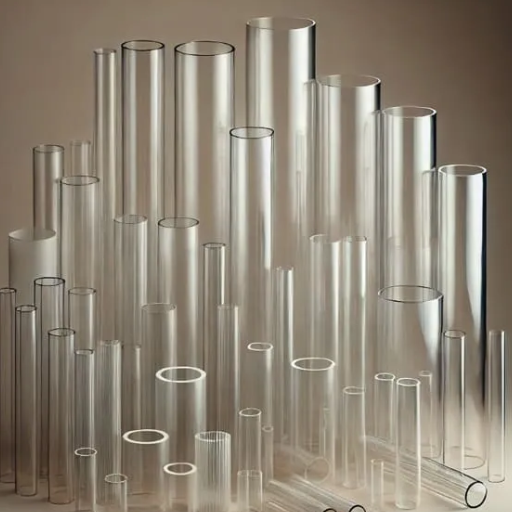

Material selection for aquaria becomes a critical consideration between durability, clarity, and operational excellence. Glass versus clear cast acrylic has been the topic of debate with different points in favor of each. However, the acrylic sheets are a class apart for the modern aquarium, featuring greater clarity, ease of work, and high resistance to impacts. This article discusses the benefits that clear cast acrylic offers to aquaria and showcases its applications in both residential and commercial settings. Whether you’re a hobbyist or a professional, understanding why clear cast acrylic is an industry favorite for aquaria remains beneficial; this insight will aid you in making informed decisions for your next aquatic display.
Understanding Acrylic Sheets

Due to their versatility and strength, these sheets are lightweight, durable, and highly transparent materials used in various applications. Acrylic sheets offer apparent optical clarity with the transmission of light through them reaching nearly 92%, which is more than the clarity of standard glass. Furthermore, these acrylic sheets are resistant to UV light exposure and weathering, providing an excellent opportunity for use in both indoor and outdoor settings. Their impact resistance is many times greater than that of glass, reducing the likelihood of breaking. Since acrylic sheets are widely used where durability, clarity, and environmental resistance are needed, they are an ideal choice to meet these requirements.
What is Cast Acrylic?
Cast acrylic is a thermoplastic material processed by casting, which involves pouring liquid acrylic monomer into molds and polymerizing it into solid sheets under strictly controlled conditions. This exacting method of production yields higher optical clarity, excellent strength, and a significantly more uniform structure. Compared to extruded grades of acrylic, cast acrylic offers better chemical and scratching resistance; therefore, demanding applications call for the best.
Also known as plexiglass, cast acrylic finds applications in various industrial settings, including construction, automotive, medical, and design fields, owing to its versatility and high performance. Applications also include protective barriers and aquariums, as well as optical lenses and illuminated signage. Being easy to machine in the good sense of cutting, drilling, or thermoforming allows it to be custom-designed and made to precision. Advances in manufacturing and market demand also draw attention to its sustainability potential, as acrylic sheets can be most of the time recycled and reprocessed.
Types of Acrylic Sheets for Aquariums
Acrylic sheets for aquariums include clear acrylic, colored acrylic, UV-resistant acrylic, impact-modified acrylic, and cell-cast acrylic.
| Type | Key Features | Durability | Clarity | UV Resistance | Usage Scope |
|---|---|---|---|---|---|
| Clear Acrylic | High transparency | High | Excellent | Low | General |
| Colored Acrylic | Various colors | Moderate | Good | Low-Medium | Decorative |
| UV-Resistant Acrylic | UV protection | High | Excellent | High | Outdoor |
| Impact-Modified Acrylic | Break-resistant | Very High | Good | Medium | High stress |
| Cell-Cast Acrylic | Superior quality | High | Excellent | Medium | Custom |
Comparing Acrylic and Glass Aquariums
Acrylic and glass aquariums differ primarily in weight, clarity, strength, scratch resistance, cost, and customization possibilities.
| Parameter | Acrylic | Glass |
|---|---|---|
| Weight | Lightweight | Heavy |
| Clarity | Excellent | Moderate |
| Strength | High | Lower |
| Scratch Resistance | Low | High |
| Cost | Higher | Lower |
| Customization | Flexible | Limited |
| Durability | Long-term | Fragile |
| Maintenance | Complex | Simpler |
Benefits of Using Acrylic for Aquariums

🪶 Lightweight Construction
The acrylic alternatives to glass are lighter, making them easier to transport, install, or reposition if needed.
👁️ Greater Clarity
Acrylic allows an atmosphere’s life to be seen through without distortion, maintaining a distance from the views provided by glass.
💪 Strong and Impact Resistant
Acrylic offers a strong build with considerable impact resistance, which demonstrates higher resistance to cracking or shattering over its longer lifespan.
🎨 Customizable Design
Acrylic also accommodates a wide range of shapes and sizes, providing greater creative flexibility for a unique or custom aquarium.
⏰ Long Term Durability
Being non-brittle and resistant to environmental stresses makes the acrylic aquarium highly durable and very much in the best position to be carried out for long-term duties.
Lightweight Nature of Acrylic
The first attribute of acrylic that makes it generally preferred over glass is its purity, lightness, and low weight. Acrylic weighs nearly half as much as glass for the same volume. This halves the weight, making it easily transportable, manageable, and installable, especially in applications involving large structures like aquariums. Another characteristic of lightweight acrylic is that it reduces the load on supporting surfaces, eliminating the need for reinforced stands or structures, while delivering durability and strength.
Durability and Strength of Cast Acrylic Sheets
Cast acrylic sheets stand apart from other materials in terms of durability and strength, excelling in both structural and visual applications. The sheets are superior in impact resistance, being up to 17 times more impact-resistant compared to glass, while maintaining practically the same level of optical clarity. Due to its resistance to mechanical stresses, cast acrylic will find suitability as a feature in places where safety and the long life of materials are prime considerations, such as windows, shields, or barriers, to name a few.
Additionally, cast acrylic exhibits higher resistance to environmental factors, including UV exposure and temperature fluctuations, which ensures a longer service life with minimal degradation. Further enhancing the molecular structure through advanced manufacturing processes also provides modern cast acrylic with better load-bearing abilities and resistance to cracking or crazing upon stress application. This set of superior strength, durability, and resistance to external conditions enables cast acrylic to become an even more versatile solution in commercial and industrial applications.
Optical Clarity of Clear Acrylic
Clear acrylic is known for its exceptional optical clarity, allowing 92% of visible light to pass right through it with minimal distortion. It is therefore almost transparent, much like glass, except that it is lighter and more resistant to impact. If the acrylic is scratched, its surface can be polished to return its clarity, providing long-term visual performance. With this capability, it finds use in various applications that require precise light transmission and minimize glare, such as lenses, display cases, and architectural glazing.
Choosing the Right Acrylic Sheet

Choosing the correct acrylic sheet depends on the application requirements. The critical factors to consider include thickness, size, and surface finish to provide proper performance. UV-resistant acrylics should be used outdoors if they are to avoid yellowing and degradation. If a higher resistance to impact is required, then choose a thicker sheet or impact-modified acrylic. Cast acrylic is best when high optical clarity is a must and distortion must be minimal, unlike extruded acrylic. Additionally, consider whether anti-glare or anti-scratch coatings are necessary.
Factors to Consider: Thickness and Clarity
Acrylic sheet selection always begins with choosing the thickness, which depends on the material’s structural integrity and its intended use in a particular job. Thicker acrylic sheets tend to be more rigid and resistant to shocks, making them an excellent candidate for load-bearing applications or heavy-duty uses, such as partitions, outdoor signage, or aquariums. Thinner sheets, being lightweight and cost-effective, are often preferred in applications where weight reduction is crucial, such as product displays or lightweight fixtures.
Clarity comes next for the optical or aesthetic requirement. Cast acrylic displays better clarity with fewer distortions and is thus preferred when a high degree of transparency, polished, and professional appearance is desired. On the other hand, anti-scratch finishes can be applied to preserve surface quality, which may ultimately affect clarity. Correct thickness and clarity ensure optimal performance tailored to the specific needs of a given application.
UV Resistance and Manufacturing Standards
⚠️ Important Considerations
When selecting acrylic sheets for aquariums, consider both UV resistance and adherence to manufacturing standards to ensure durability, safety, and long-lasting service. UV-resistant acrylic sheets are capable of withstanding extended periods of sun exposure, preventing them from discoloring or becoming brittle and weak due to UV rays.
This becomes more important for any aquariums located adjacent to natural light, as over time, it can cause both aesthetic and structural damage through UV degradation.
Manufacturing standards play a crucial role in ensuring the quality and consistency of acrylic materials. Select those acrylic sheets that conform to quality certifications such as ASTM D4802 or ISO 7823-1. These certifications ensure that the material is of uniform thickness, with superior optical clarity, and is resistant to cracking under pressure. Moreover, cast acrylic sheets are generally preferred over extruded ones for aquariums due to their higher strength and superior optical properties, which enable them to withstand large volumes of water.
Considering UV resistance and very stringent manufacturing standards should place you in an excellent position to select the most promising acrylic sheet for aquarium applications, while ensuring its long-term clarity, maintenance, and safety.
Cut-to-Size Options and Customization
When selecting the apt cut-to-size acrylic sheet for the aquarium, consider opting for the cast variety of acrylic, which is essentially dependent on precision and quality. Cast acrylic sheets exhibit superior strength and optical clarity, the qualities necessary to withstand the water pressure of a large tank, unlike the extruded type. Your supplier should also guarantee an accurate cut, taking into account the specific dimensions you provide. This also facilitates a reduction in subsequent alterations and assures a perfect fit.
Customizations may include drilling holes for filtration systems or producing curved panels for unique designs. Explain your needs to a reputable supplier who will adhere to established industry standards, ensuring that the material and customized processes remain durable and transparent for the lifetime of the product. Precise dimensions and customizations of high standards create a safe, beautiful, and long-lasting aquarium set-up.
Maintenance and Care for Acrylic Aquariums
Essential Maintenance Steps
1. Cleaning on an Occasional Basis
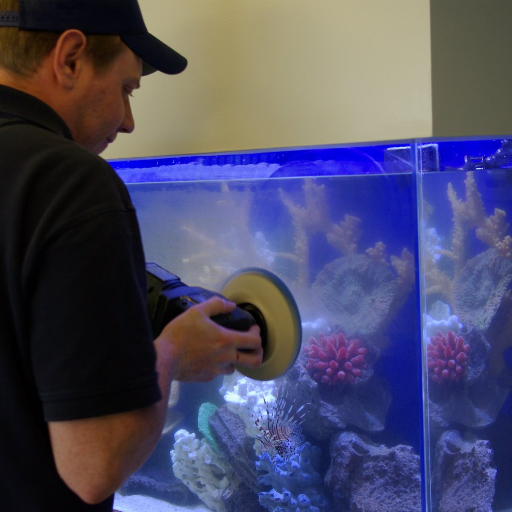
Intermittent cleaning is paramount in ensuring the utmost clarity and thus longevity of acrylic aquariums. Use a soft cloth or sponge, specifically designed for acrylic surfaces, to clean or wipe down both the inside and outside walls of the aquarium. Under no circumstances shall abrasive scrubbing pads or harsh chemicals be used, as they pose a significant risk to acrylic surfaces and may result in scratching or damage to the acrylic. On rare occasions, when tougher residues need to be removed, use cleaners that are safe for acrylic.
2. Water Quality Management
Keep checking water parameters-from temperature to pH, from ammonia to nitrate-to maintain the wellbeing of aquatic life. Conducting partial water changes once in any given week or fortnight helps wash away the waste-particle buildup and keeps the water conditions in tip-top form.
3. Scratch Prevention
Avoid scratches by taking care when attaching or repositioning decorations and handling equipment inside the tank. If scratches do appear on the acrylic, most of the time they can be fixed by using acrylic-safe scratch removal kits, but deep scratches might require a professional’s attention.
4. Inspection and Repairs
Carry out intermittent inspections on seals, fittings, and bonded joints while on the lookout for any wear or damage. If given smooth treatment, leaks or structural weaknesses may ensue, which affects the durability of the aquarium.
Cleaning Techniques for Scratch Prevention
For cleaning the acrylic aquarium without imparting scratches, I generally resort to non-abrasive materials such as soft microfiber cloths or cleaning pads that are safe for acrylic. To remove algae, I use specialized scrapers for acrylic that prevent damage to the surface. I am careful when applying any cleaning solution to ensure it is safe for acrylic and avoided any use of harsh chemicals such as ammonia, which could form micro-cracks or cloudiness. In most cases, wiping with gentle circular movements is sufficient to loosen the dirt; there is no need to apply excessive pressure. Thus, this routine keeps the surface clear and well-maintained.
Maintaining Pristine Condition Over Time
To keep those lovely acrylic aquariums in tip-top condition, regular maintenance is required. Perform a water change once a week to prevent the accumulation of waste and help maintain water quality. Using a soft microfiber cloth, gently clean the exterior, taking care not to scratch it. Check for scratches or wear periodically; if any develop, use an acrylic-safe polishing kit to restore clarity. Keep an eye on your filtration system and clean or replace parts as needed to maintain optimal performance. Also, never place the aquarium under direct sunlight because may cause discoloration and temperature fluctuations. All of these practices, in the end, will help keep the aquariums beautiful and operational.
Long-term Performance of Acrylic vs. Glass
Acrylic offers greater impact resistance, lighter weight, and better insulation, while glass is more scratch-resistant, less prone to discoloration, and maintains clarity over time.
| Parameter | Acrylic | Glass |
|---|---|---|
| Impact resistance | High | Low |
| Weight | Light | Heavy |
| Insulation | Strong | Weak |
| Scratch-resistance | Low | High |
| Discoloration | Possible | Unlikely |
| Clarity retention | Moderate | High |
| Cost | Higher | Lower |
| Maintenance | Regular | Minimal |
Innovative Uses of Acrylic in Aquarium Design

Acrylic properties render the material suitable for modern aquarium development across various applications. Large, clear and durable acrylic panels are employed in the construction of massive aquariums, even custom-shaped versions. Their construction does not face the structural challenges posed by a heavier material, such as glass, unlike other giant tanks made of glass. The high-impact strength capability ensures safety, which is much needed in high-traffic public areas, especially in aquariums within zoos or marine parks. It is also used for curved or dome tanks, which offer a truly immersive viewing experience that would be difficult to realize with conventional materials. Designing must-have filtration elements and decorative features is another area where acrylic really shines, allowing for complex design integration that enhances both function and form.
Unique Shapes and Seamless Joints
Using acrylic in aquarium design has significantly expanded the possibilities for creating unique shapes and seamless joints. Because acrylic is so malleable and has an impressive strength-to-weight ratio, it can be thermoformed into intricate and imaginative shapes, such as tunnels, cylindrical tanks, or multi-level exhibits. Unlike glass, acrylic panels can be chemically joined to create bonds so thin that they become invisible to the naked eye. This ensures that the bonding itself is watertight. From a visual standpoint, it enhances the continuity of the tank, providing visitors with an unobstructed view and an immersive viewing experience. Besides being transparent and strong, the lightweight physical nature of acrylic has opened up new possibilities in constructing bigger aquariums within the weight constraints set upon architectural and exhibit designs.
Custom Features to Enhance Aesthetics
Acrylic offers an extraordinary range of options for custom features, making aquariums aesthetically more pleasing. One unusual aspect is the use of curved panels to provide an uninterrupted view; the skylight glass cannot offer such a solution. Furthermore, the capacity of acrylic being molded into complex shapes allows for unique overhangs, tunnels, and domes to enthrall viewers in a 360-degree view. Another commercial design opportunity allows embedded lighting to shine through acrylic, enhancing appeal with illumination that supports marine creatures in great detail. These myriad possibilities demonstrate how acrylic can transform aquariums into dynamic, artistic pieces that are adored by millions.
DIY Acrylic Aquarium Projects
Acrylic is a very versatile and durable material. Working with a custom-type aquarium can be quite rewarding. With a DIY acrylic aquarium, one starts by carefully planning both dimensions and designs to ensure the chosen fish are comfortably accommodated, all while maintaining the tank’s structural integrity. These panels are then held together with the best bonding agents available, while the edges are cut with a razor-sharp, pointed blade, paying close attention to forming seam joints properly so that they are watertight. These features would also include pre-drilled holes for filter systems with LED lights, if desired, all for maximum utility and aesthetic appeal. The DIY process makes the whole setup worthwhile, as it allows for a personal and engaging creative experience with the work.