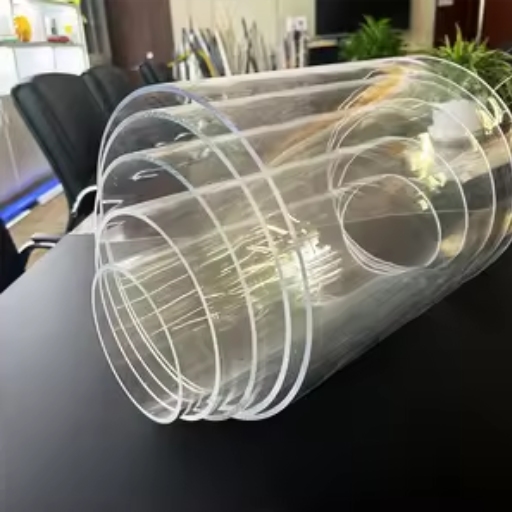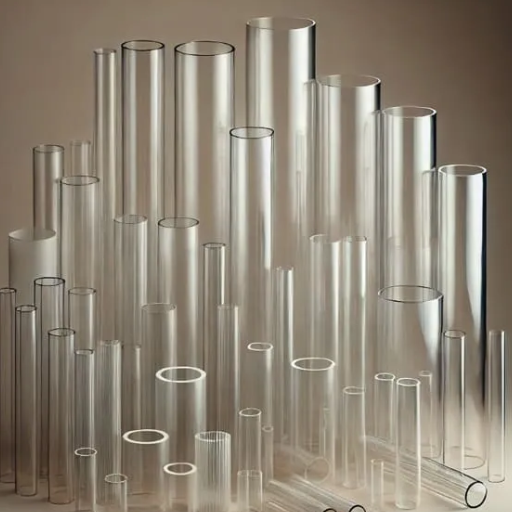

Regarding a barrier against damaging UV rays, ordinary materials and constructions must be considered. In terms of the material, acrylic is considered versatile and is highly appreciated for durability, clarity, and adaptability. What then needs to be analyzed concerning the potential for acrylic to block UV rays? Acrylic’s potential for protecting against ultraviolet light is particularly important in cases such as windows, skylights, outdoor furniture, and display cases. Here is a comprehensive look at the science behind the blocking of UV rays by acrylic, its uses against sun damage, and some information that will help you go forth with informed decisions. Stay with us as we put the spotlight on the truth behind acrylic in UV protection.
Introduction to Acrylic and UV Protection
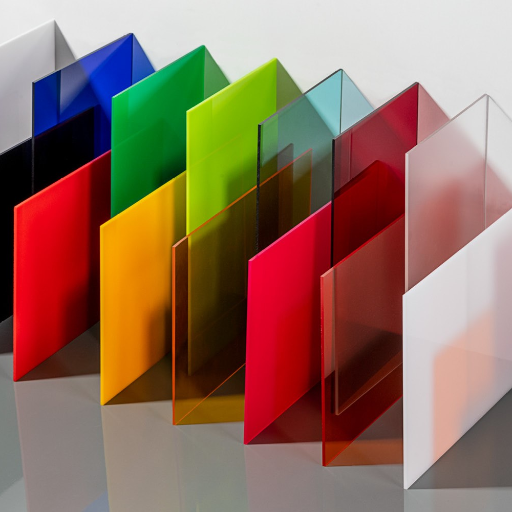
Though acrylic provides adequate protection against UV rays in many applications, the natural property of an acrylic sheet is to block most UV rays, filtering 98% of harmful UV rays, making it an ideal solution for windows, display cases, and outdoor furniture that may otherwise be subjected to sun damage. Some types of acrylic are also manufactured with enhanced UV-blocking capability for improved protection, making it a truly versatile material for both outdoor and indoor use.
The Importance of UV Filtering
UV blocking plays a vital role in protecting life and materials from the dangerous aspects of ultraviolet rays. Prolonged exposure to UV rays will damage the skin, causing early aging, or sometimes even skin cancer. Fading, discoloration, and weakening of structural life due to UV radiation are some of the problems that materials face. Incorporation of any one of these three UV blocking treatments; IB coatings, blockout films, or UV filtering acrylic sheets can drastically reduce the risk. The need for such treatments is paramount in areas bearing higher degrees of sunlight, allowing for durability and preserving the value of all surfaces, products, or even homes. Whether working in a residential or commercial environment, it keeps people safe from health hazards while assuring the sustainability of materials through longer life spans.
Overview of Acrylic as a Material
Acrylic remains one of the most versatile plastics ever manufactured. Being crystal-like clear, acrylic is the best candidate to replace glass in terms of clarity, whereas the impact resistance is far greater. This plastic is easily molded, cut, and fabricated, making its way into various applications, including windows, display cases, signs, and even furniture. When weather-resistant in nature, acrylic does not produce a yellow tint from glare or degrade over time under the sun, making the product popular both inside and outside. Thermally and UV-resistant acrylic is well-suited to withstand even the harshest environments. Meanwhile, the material is easily recyclable and lasts long, making acrylic a favored eco-friendly material in design and manufacturing in contemporary times.
Key Benefits of Acrylic Sheets
- Lightweight and Strong: With a high strength-to-weight ratio, acrylic sheets offer strength and durability at a significantly lower weight compared to glass.
- Optical Clarity: They offer unmatched clarity and light transmission, maintaining up to 92% light transmittance, making them perfect for applications requiring clear visibility.
- Weather Resistance: Resistant to weathering agents, acrylic sheets stand tall against UV rays, rain, and temperature shifts, thus promoting durability in outdoors.
- Fabrication Ease: Acrylic can be cut, drilled, bent, and joined with ease to create a variety of forms for diverse designs and applications.
- Eco-Friendly and Recyclable: Being recyclable, acrylic sheets, coupled with a long lifespan, will lessen the burden on waste generation, thereby promoting sustainable practices.
Material Properties of Acrylic
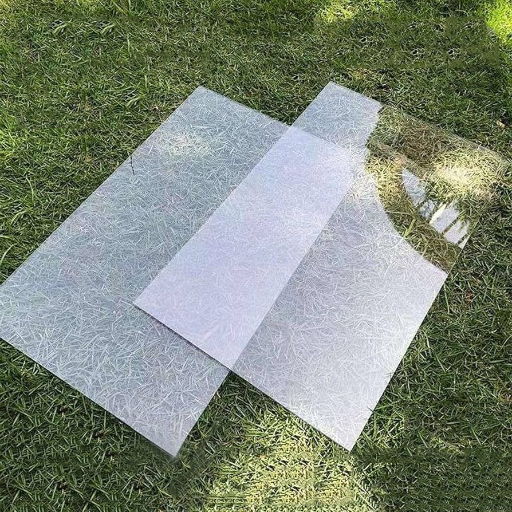
Acrylic finds its versatility and durability in a few key properties:
Clear Optics
Acrylic is well-equipped in terms of transparency, allowing about 92% of the light incident upon it to pass through. Thus, it is helpful for many optical finishes.
High Impact Resistance
Much stronger than glass, this quality ensures greater safety and longevity.
Weightlessness
Now, with the light weight of acrylics, they are easily handled and installed.
Highly Durable against Weather
It can withstand UV exposure and temperature changes without any yellowing or degradation.
Thermal Properties
The low melting temperature of acrylic allows easy thermoforming into the required shape.
Easy Maintenance
Any amount of polishing can be given to acrylic to restore its clarity after many years of usage.
Owing to all these properties, acrylic is preferred for a host of applications including signage, lighting, furniture, and construction.
Composition and Structure of Acrylic Plastic
Acrylic plastic is a common name for polymethyl methacrylate (PMMA), a synthetic polymer derived from the methyl methacrylate monomer (MMA). Its structure contains extremely long chains of repeat monomers that impart lightweight yet sturdy properties to it. Acrylic is produced by polymerization, which can be done in bulk, in solution, in suspension, or in emulsion. This renders it highly versatile and capable of combining optical clarity with resistance to weathering. The molecular structure of PMMA confers the unusual ability to remain transparent, making it a suitable replacement for glass in many industries.
How Acrylic Transmits and Filters UV Rays
Acrylic is known for its notable UV transmission and filtering properties, making it a versatile material that can be tailored to suit the desired type of light management. Some degree of natural filtration of UV rays occurs, allowing approximately 92% of visible light to pass through standard acrylic sheets. However, the level of UV protection that an acrylic sheet gives to a particular application depends on grade and any treatment or coating applied to it.
UV-resistant acrylic is designed to block harmful UV rays within the 200-400 nm window and is defined as something that does so to at least 98-99% for outdoor screening over more extended periods. Such a type of acrylic would be employed for skylights, outdoor signage, and protective barrier, or in museums or galleries where artifacts and artworks require protection from UV-induced discoloration or degradation.
The UV transmission capabilities, or lack thereof, also find specialty applications. Both UV-transparent and UV-filtering panels, tailored for specific industries, are reportedly available from manufacturers. Usually, UV-transparent acrylics find their use in tanning beds or in UV curing systems, for they do transmit UV light perfectly well; UV filtering sheets, on the other hand, would be most wanted in sun protection products such as eyewear lenses and greenhouse panels.
According to recent research findings on UV performance, improvements in acrylic formulation have significantly enhanced UV filtering. Many of these improved acrylic-based products now offer superior UV protection compared to traditional polycarbonate, thereby extending the life of this usable material under prolonged sunlight exposure. Therefore, acrylic remains a prime material in cases where either controlled UV transmission or filtering is of utmost importance.
Comparison with Polycarbonate and Other Materials
Acrylic is favored for its clarity and UV resistance, whereas polycarbonate excels in impact strength. Other materials, such as glass and PETG, offer niche benefits in specific applications.
This table highlights critical parameters like material clarity, UV resistance, impact strength, weight, durability, and cost to assist in material selection decisions.
UV Protection Capabilities of Acrylic Sheets
Acrylic sheets serve as perfect UV protectors. By nature, these sheets can block approximately 90% and sometimes even more of the harmful UV rays; hence, they are preferred in those applications where sun protection is required. The ability to resist UV degradation gives them a fighting chance against yellowing that could occur over time, thereby increasing their lifespan while maintaining crisp clarity and structural integrity. Additionally, since they are lightweight, durable, and maintenance-free, acrylic sheets excel as both an outdoor utility for projects and a protective barrier.
Inherent UV Blocking Properties
Acrylic sheets inherently possess the ability to block ultraviolet rays, thus protecting against about 90 percent or more harmful ultraviolet rays. Such properties make it ideal for protecting against sun damage. Due to these very properties, they resist yellowing and degradation through prolonged exposure to sunlight, thereby assuring a clear view along with durability with the course of time. Considering their UV resistance, along with their lightweight and rigid composition, makes acrylic sheets great for outdoor applications such as protective barriers, roofing, and signage.
Coatings and Treatments for Enhanced UV Filtering
Specialized coatings and treatments are applied to the surfaces of acrylic sheets to provide extra protection against UV exposure. These coatings focus on blocking extra ultraviolet radiation while also reducing glare and minimizing damage caused by prolonged sun exposure. For instance, applying UV-blocking films on acrylic sheets will prolong their life while maintaining their optic clarity. Scratch-resistant coatings are also very common, as they offer material protection from scratches and improve the material’s ability to withstand harsher outdoor conditions. The latest nanotechnology methods, however, have made it possible to develop self-cleaning coatings that repel dirt and water from the surface, ensuring the acrylic surface remains clean and effective in UV filtering. With the help of these developments, acrylic sheets have entered areas where durability has long been an issue.
Measuring Acrylic’s UV Block Efficiency
The efficiency of acrylic in blocking UV rays is measured using UV testing equipment that filters out harmful ultraviolet rays. The test measures the percentage of UV light transmission through acrylic sheets under controlled conditions. Consequently, by comparing results against best possible industry standards or benchmarks, we get to determine the efficiency level at which the material blocks UV radiation.
Applications of Acrylic in Various Industries
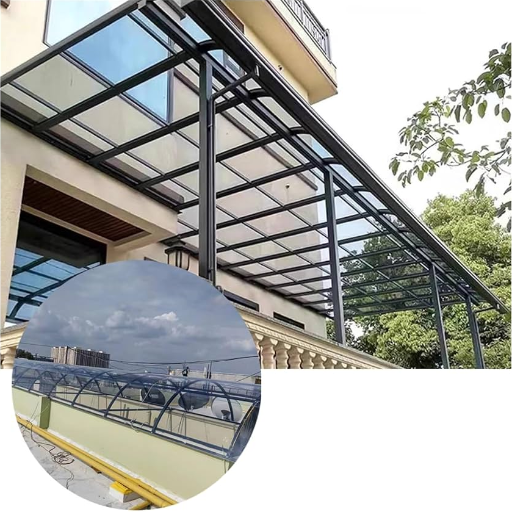
Construction and Architecture
In the realm of construction, acrylic is employed to fabricate skylights, windows, and protective barriers for durability, clarity, and weather-resistant qualities.
Automotive Industry
This material then finds its uses in forming car headlamp lenses, interior panels, and exterior accessories to light-weight and durable production.
Retail and Display
Acrylic is sought for its solutions in signage, display cases, and point-of-sale applications due to its excellent light transmission and ease of shaping or customization.
Medical Field
Medical devices, equipment covers, and even prosthetics are fashioned using acrylic, since the material is lightweight, strong, and biocompatible.
Art and Design
Artists and designers purchase acrylic sheets to make sculptures, furniture, and protective coverings for artworks, respecting its aesthetic appeal and versatility.
Acrylic in Construction and Architectural Design
Due to its strength, weightlessness, and aesthetic appeal, acrylic has numerous applications in construction and architectural design. It is an alternative glazing product, as it is shatter-resistant and offers excellent optical clarity; therefore, it is commonly used in windows, skylights, and facades. Designers utilize these acrylic sheets as partitions, lighting fixtures, and decorative panels that can be molded or cut into custom shapes to meet specific design requirements. Moreover, since it is resistant to UV rays and can withstand weather elements, its application can be done indoors or outdoors, thereby ensuring durability under varying environmental conditions. However, acrylic is also aesthetically pleasing; modern buildings boast acrylic in their design, really making it a favorite among architects and builders.
Use of Clear Acrylic in Automotive Applications
Being durable yet weighing lighter than glass, clear acrylic finds considerable application in automotive craft. Parts such as window glass, light covers, and instrument panels are obvious, highly weather-resistant, and crystal clear. It is resistant to scratches and easy to mold, thus making it a less expensive choice for aerodynamic and stylish designs. Such qualities place clear acrylic as a convenient and efficient choice for automotive design.
Eyewear and Acrylic’s Role in UV Protection
Acrylic eye lenses play a vital role in health promotion with strong UV radiation protection. UV-blocking acrylic lenses work by absorbing and filtering both UVA and UVB rays, which are known to contribute to the development of cataracts and macular degeneration in the human eye. Being lightweight yet stiff, acrylic offers a good compromise between comfort and safety, making it a suitable material for both sunglasses and ophthalmic eyewear. Newer acrylic lens technology ensures enhanced optics and coatings for anti-glare and scratch resistance. These attributes position acrylic as a high-demand material for designing stylish and functional glasses, driven by increasing public demand for UV protection suitable for various uses.
Advantages and Limitations of Using Acrylic
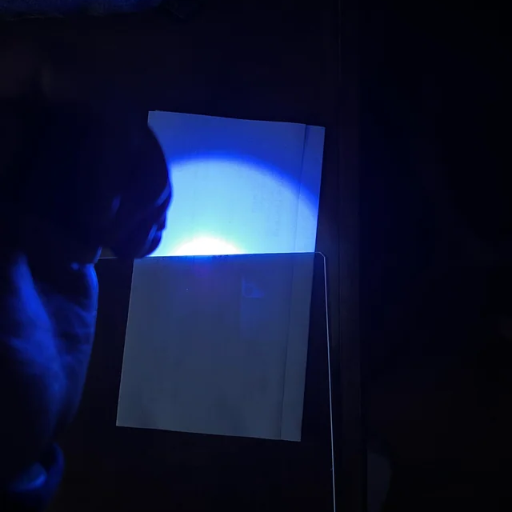
✅ Advantages of Using Acrylic
- Lightweight and Durable: Acrylic is significantly lighter than glass, making it easier to handle for specific applications, such as eyewear. Its durability will guarantee its long life even in harsh conditions.
- Optical Clarity: Acrylic exhibits exceptional transparency and clarity, ensuring high-quality visual performance.
- Impact Resistance: It is more resistant to impact and does not shatter easily, making it a safer material for various applications.
- Versatile and Customizable: Acrylic can be easily molded, colored, or coated according to need in various fields.
- UV Protection: The latest acrylics are typically coated properly to shield against UV, enhancing safety.
⚠️ Limitations of Using Acrylic
- Scratch Susceptibility: While durable, acrylic is more prone to scratches than materials with an appropriate coating, like glass.
- Heat Sensitivity: Acrylic can warp or distort at high temperatures, limiting its use in environments with such temperatures.
- Less Rigid than Glass: It may flex or bow under pressure, thereby compromising the structural integrity of some applications.
- Environmental Considerations: Acrylic is not so eco-friendly since it comes through non-renewable resources and is hard to recycle.
In light of these advantages and drawbacks, potential users will be able to decide if acrylic is the right choice for their particular applications.
Benefits of Using Clear Acrylic for UV Blocking
Clear acrylic offers excellent potential for UV protection and, therefore, should be employed wherever UV protection is necessary. Acrylics can block out 98% of UV rays that otherwise may cause photo-fading or damage to objects such as artwork, photographs, and interior furnishings from sunlight exposure. Given that it is a lightweight but sturdy material, acrylic is equally considered for windows, protective masks, and outdoor displays. Progressive developments have further enhanced some varieties to achieve better UV blocking, thereby ensuring permanence without compromising visibility or aesthetics.
Limitations of Acrylic Compared to Other Filters
Acrylic, although having immense advantages, faces a few limitations compared to other filters. The one eminent limitation is temperature resistance. Due to prolonged high temperatures, acrylic may warp and degrade; therefore, it is never suitable for applications where heat resistance is needed. Additionally, acrylic can be scratched more easily than glass in some instances, necessitating the use of scratch-protecting coatings in demanding environments.
Second, it has a lesser degree of clarity when compared to certain specialty glass or optical filters, especially for precision lenses or laser-related applications. Another fact is that it exhibits less chemical resistance than some other materials, meaning that harmful solvents or cleaning agents can potentially attack it. Therefore, a thorough assessment is necessary to determine whether acrylic is the best fit for a particular use.
Considerations for Selection in Specific Applications
The consideration of durability, optical clarity, weight, and cost-effectiveness is crucial when selecting acrylic for any application. It is lightweight and optically very clear, so it is suitable for windows, displays, and screen protectors. However, it is not as impact-resistant as polycarbonate and can be easily scratched. With surface treatment or coating, these problems can be reduced. Additionally, acrylics can perform well in both indoor and some outdoor applications; however, prolonged exposure to UV radiation can cause them to degrade unless they have been stabilized. It is easy to fabricate and can be obtained in different colors and thicknesses. It can also resist moisture, making it versatile in such applications as signage, furniture, and aquariums.
Frequently Asked Questions (FAQs)
Reference Sources
- UV Filtering Acrylic vs. UV Transmitting Acrylic
This article explains the differences between UV filtering and UV transmitting acrylic, including their UV blocking percentages. - Top Benefits of UV Resistant Acrylic: Durability and Protection
Highlights the features of UV-resistant acrylic, including its durability, light transmission, and protection against fading. - These are the Five Best UV-Resistant Plastics
Discusses acrylic as one of the top UV-resistant plastics, emphasizing its inherent UV resistance and minimal degradation. - Top Acrylic Sheet Manufacturers and Suppliers in China
- What Type of Plastic Is Acrylic
Conclusion
Acrylic proves to be an exceptional material for UV protection, offering up to 98% UV ray blocking capability while maintaining excellent optical clarity and durability. Its versatility across industries, from construction to eyewear, combined with its lightweight nature and weather resistance, makes it an ideal choice for applications requiring both functionality and UV protection. While it has some limitations compared to other materials, its advantages often outweigh these considerations, making acrylic a preferred solution for UV filtering needs.