
The essential requirements for medical equipment and tools demand their designers to establish exact standards which need to maintain operational safety while ensuring all functions perform reliably. The medical field relies on USP Class VI PMMA tubing as an essential component which medical professionals use to perform their tasks. What makes this material so valuable? This blog post will explore the unique properties and benefits of USP Class VI PMMA tubing which functions as the essential material for applications that need high cleanliness standards and biocompatibility and durability requirements. This article explains why this tubing functions as a dependable solution for medical professionals and device designers and healthcare researchers who want to learn about advanced materials.
Understanding USP Class VI Standards

Definition and Importance of USP Class VI
The USP Class VI standards establish the highest certification requirements that medical and pharmaceutical materials must meet. The standards determine whether a material is safe for patient contact through direct contact and indirect contact by testing its biocompatibility between patients and medical devices through detailed testing procedures. The tests evaluate three main areas which include systemic toxicity assessment and intracutaneous reactivity tests and implantation effect studies. The medical device industry requires materials to meet USP Class VI standards because these standards prove the materials are safe and do not cause harmful biological responses. The manufacturers establish product safety through these strict benchmarks which act as their main quality control standards to gain trust from both healthcare providers and patients.
Comparison with Other Medical Grade Standards
The requirements of USP Class VI emerge through comparison with other medical-grade standards which demonstrate its comprehensive nature. The international standard ISO 10993 establishes a framework which requires medical device manufacturers to conduct extensive biological assessments that include testing for cytotoxicity and sensitization and genotoxicity. ISO 10993 provides device manufacturers with a wider assessment system which includes testing for systemic toxicity and implantation and intracutaneous reactivity according to USP Class VI requirements.
FDA CFR Title 21 establishes another main standard which contains detailed requirements about medical device materials that must pass safety tests before they can touch patients or come into contact with patients. The FDA standard requires material testing which combines with regulatory compliance and risk management across different conditions, while USP Class VI focuses only on biocompatibility testing under specific conditions.
Manufacturers use multiple standards to prove their compliance with international safety regulations and quality standards which serve as essential benchmarks. The combination of USP Class VI and ISO 10993 and FDA CFR Title 21 creates an evaluation system which enables manufacturers to develop medical devices that meet healthcare industry requirements.
Applications in Sensitive Medical Environments
The integration of USP Class VI, ISO 10993, and FDA CFR Title 21 standards establishes a fundamental framework which protects patient safety through the assessment of material performance in medical environments that require rigorous safety standards. The development of materials for implantable devices and drug delivery systems and surgical instruments depends on these standards which establish essential requirements. The ISO 10993 testing method proves material biocompatibility which decreases the chances of harmful reactions when materials touch human tissues. The FDA CFR Title 21 guidelines enable manufacturers to verify that their materials achieve both sanitary standards and essential functional requirements needed in sterile settings. The comprehensive standards enable manufacturers to fulfill healthcare professionals’ requirements while enhancing patient care and treatment results.
Properties of PMMA Tubing
Material Composition and Characteristics
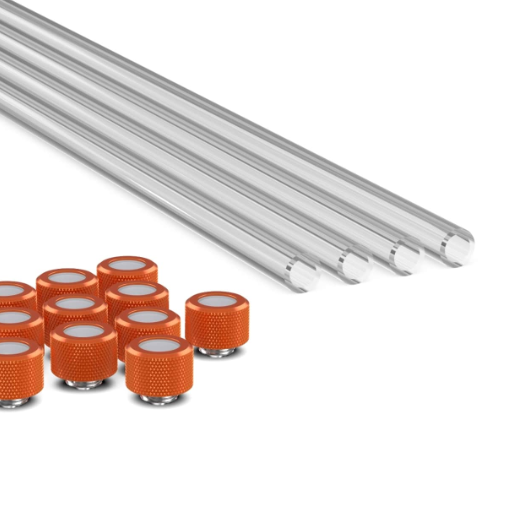
Polymethyl methacrylate which scientists refer to as PMMA forms a lightweight thermoplastic material that displays high strength and provides excellent optical properties together with protection against ultraviolet light. The material demonstrates high transparency which permits 92% of light to pass through making it the perfect alternative to glass for multiple different uses. The material exhibits high weathering resistance together with chemical exposure resistance which enables it to maintain operational integrity across multiple different conditions. The material meets biocompatibility standards which make it suitable for medical-grade tubing applications that require safe and non-reactive materials. The polymer provides exceptional formability together with a high strength-to-weight ratio which makes it suitable for multiple industries that include healthcare and manufacturing.
Advantages of Using PMMA in Medical Applications
Polymethyl methacrylate (PMMA) provides multiple unique benefits which medical applications require to guarantee both dependable performance and secure operation in essential medical settings. The material functions as an optimal solution for medical equipment which includes endoscopic lenses and incubator windows because of its ability to transmit light at high levels through its transparent optical properties. The material maintains its structural strength during sterilization processes because its combination of sturdy durability and fracture resistance enables it to endure such challenges. The biocompatibility of PMMA enables its usage in intraocular lenses and bone cements and surgical implants which protect patients from harmful reactions. The combination of its light weight and design flexibility enables the creation of customized solutions which fulfill the requirements of complex medical equipment and surgical procedures. The essential role of PMMA in medical technology development and patient treatment optimization becomes evident through these factors.
Comparison with Other Materials: Acrylic vs. Polycarbonate
| Feature | Acrylic (PMMA) | Polycarbonate |
|---|---|---|
| Clarity | Complete Clarity (Optical Grade) | Good (Slightly less than Acrylic) |
| Impact Resistance | Better than glass | Outstanding (250x glass) |
| Weight & Cost | Lightweight / More Economical | Heavier / Premium Cost |
The two materials acrylic and polycarbonate both provide transparent protective strength which enables multiple applications yet they each possess unique properties that make them better suited to specific use cases. The material known as acrylic or PMMA (polymethyl methacrylate) allows users to see through it with complete clarity while maintaining its original appearance over an extended period, making it perfect for display cases and signage which require permanent visibility. The product weighs less than polycarbonate while providing better protection against scratches.
Polycarbonate offers outstanding impact protection because its strength exceeds glass by 250 times, which makes it the ideal material for constructing bulletproof windows and safety shields and automotive parts. The material provides better bending capabilities because it maintains its shape under heavy pressure without sustaining damage. Polycarbonate maintains its original appearance during regular use but requires special protection to prevent scratches from occurring.
Acrylic costs less than polycarbonate which makes it the more economical option for budget-sensitive projects that require material selection. The choice of materials should be based on the specific application needs which include product durability and optical performance and material flexibility and product costs.
Benefits of Using Class VI Platinum Cured Silicone Tubing
Why Choose Platinum Cured Over Other Silicone Types
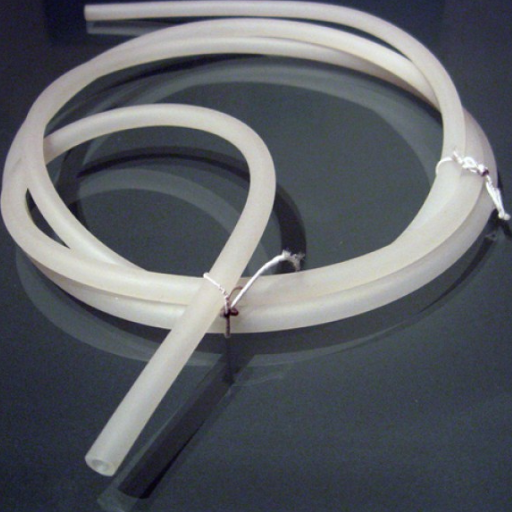
The platinum cured silicone tubing demonstrates exceptional performance because of its high purity and strength and its ability to function in various applications. Platinum curing produces no contaminants through its process while reducing extractable materials to create a product that achieves both safety and cleanliness requirements. This product serves as the perfect material for industries which include pharmaceuticals and biotechnology and food processing where businesses need to control contamination risks. The platinum cured silicone material delivers outstanding flexibility and strength and its ability to withstand extreme temperatures which makes it suitable for use in harsh conditions. The material maintains its original clarity because of its non-yellowing characteristics which make it appropriate for critical applications that need accurate and dependable results.
Impact on Patient Safety and Product Integrity
Platinum cured silicone functions as an essential material which protects both patient safety and product quality across multiple industrial sectors. The material serves as a perfect selection for medical and pharmaceutical use because of its biocompatibility and non-toxic properties which permit contact with patients and sensitive biological materials. The product safeguards patient health by eliminating dangerous effects which would occur through its use because it prevents all possibilities of leaching and contamination. The product maintains its intended quality and effectiveness at strict operational standards because of its thermal stability and chemical inertness, thus becoming essential for fields that require precise and consistent performance.
Durability and Longevity in Medical Use
The exceptional durability and long-lasting properties of silicone make it an ideal material for medical applications. The natural properties of silicone-based products enable them to withstand extensive usage in tough conditions because they remain undamaged through time. Implantable devices require this exceptional durability because they must function properly within the human body throughout their entire operational period. Silicone maintains its structural strength after multiple sterilization processes which allows tools and devices to be reused while maintaining high cleanliness requirements. The material’s biocompatibility combined with its minimal reaction potential with other substances allows it to perform optimally in challenging medical environments which demonstrates its outstanding dependability and worth to the medical field.
Applications of USP Class VI Tubing in Medical Devices
Common Medical Devices Utilizing PMMA Tubing
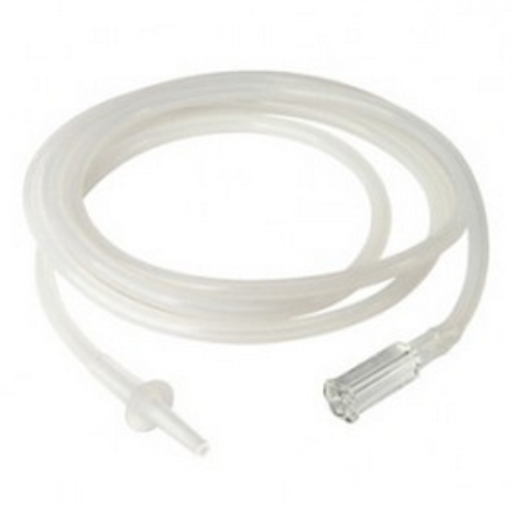
From my research, I can say that polymethyl methacrylate (PMMA) tubing plays a critical role in various medical devices because of its superior optical clarity and its ability to endure physical stress and its compatibility with living tissues. Medical catheters depend on this material because its smooth surface and protection against microbial growth provide safe conditions for patients during medical procedures. The material becomes essential for endoscopic and imaging equipment because it combines lightweight features with rigid design which helps preserve accuracy and light transmission.
The PMMA tubing system provides drug delivery systems with a method to control and deliver sterile medications. The material allows healthcare professionals to monitor fluid flow through transparent materials which improves accuracy while decreasing critical care errors. The material serves as a component for blood filtration systems because it maintains chemical resistance and operates effectively under extreme pressure conditions which enables long-term dependable performance.
The multiple applications of PMMA tubing exist because it possesses excellent material properties which make it essential for creating and operating various medical devices. The healthcare system benefits from PMMA because it serves both diagnostic equipment and life-saving treatment devices to create vital healthcare advancements.
Custom Tubing Solutions for Specific Applications
Custom tubing solutions exist as fundamental components which various industries use to meet their unique requirements in healthcare and biotechnology and engineering work. Material science research has achieved new material developments which enable engineers to create tubing products that meet their specific building needs through precise size specifications and multiple flexible design options and specific protection against chemicals. Custom tubing products in healthcare settings enable medical facilities to use their safe energy through their special design which meets both their requirement of protecting sensitive waste and their need to test advanced diagnostic equipment. The laboratory research work in biotechnology requires special tubing solutions which help scientists protect their fragile materials while conducting their experiments to obtain trustworthy research data. Through the combination of revolutionary design methods with premium materials which include PMMA silicone and polyurethane the solutions achieve maximum industry requirements for strength and operational efficiency and security which makes them vital to multiple business fields.
Regulatory Approval Processes for Medical Devices
The regulatory approval process for medical devices establishes comprehensive requirements which ensure that products achieve safety and efficacy and maintain quality before they become available to consumers. The process differs from one country to another because each region establishes particular rules which local authorities such as the FDA in the United States and the EMA in Europe and other global agencies enforce. Manufacturers must first classify their devices into risk categories which determine the necessary testing and manufacturing control and documentation procedures. Class I devices which manufacturers consider low-risk require a straightforward regulatory process while Class III devices which support or sustain life need thorough pre-market approval.
The process consists of four critical stages which include preclinical testing and regulatory submission and review processes and post-market surveillance. The majority of countries have chosen to implement or adopt the ISO 13485 standard which establishes a quality management system requirement for medical devices. The increasing complexity of digital health technologies and AI-based devices requires regulators to develop new frameworks which address their advanced capabilities. Successful approval navigation requires organizations to establish partnerships with notified bodies while adhering to region-specific obligations and implementing ongoing quality enhancement practices.
Considerations When Selecting Medical Tubing
Assessing the Lumen Size and Flow Requirements
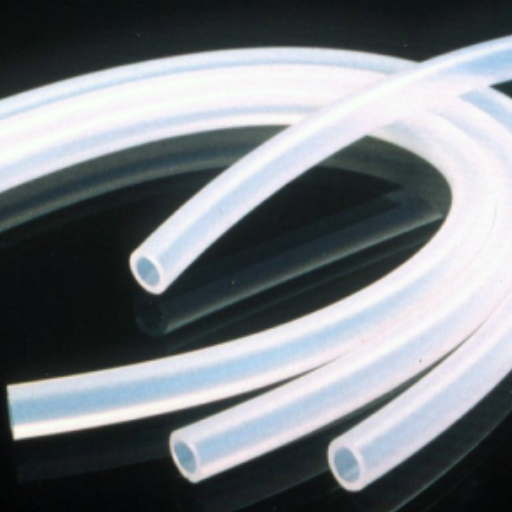
I begin my assessment of medical tubing lumen size and flow requirements by examining the specific application. The lumen size determines flow rates which need to match the required procedure flow rates for optimal system performance. The need for larger lumen sizes in IV therapy and suction device applications arises from their requirement to handle high fluid flow without creating blockages. The smaller lumen size operates better in precision-based applications which need tight dosage control for drug delivery systems. The correct lumen size selection provides two benefits by ensuring patient safety and enhancing device performance.
I evaluate how the selected tubing material interacts with both the chosen lumen size and the liquids and gases that it will carry. The assessment needs to incorporate three critical elements which include viscosity and pressure requirements and the risk of particle accumulation. Materials such as silicone and polyurethane enable users to create products with multiple sizes because these materials provide both flexibility and resistance against kinking. The selection process requires consideration of both regulatory compliance and biocompatibility standards, which ensure that tubing remains safe for patient use throughout its designed period of usage.
The tubing connection to the entire medical device system becomes my final consideration. The system needs to ensure that all connections and attachments between devices match the lumen size because this design prevents leaks and operational problems that could arise during real-time system use. I can develop better solutions for both clinical operations and operational requirements through my research work and expert collaboration activities.
Factors Influencing Material Choice: Cost vs. Performance
The process of selecting medical tubing materials requires assessment of both performance and cost factors as essential decision elements. The use of high-performance materials which include silicone and fluoropolymers provides exceptional biocompatibility and chemical resistance and durability attributes yet their premium prices create financial constraints for the entire project budget. The use of PVC and thermoplastic elastomers TPE provides cost savings yet it creates material trade-offs which affect both temperature resistance and flexibility and material lifespan.
The selection process involves assessing the specific application demands, such as pressure requirements, exposure to fluids, sterilization methods, and patient safety considerations. A device requiring extension of its operational life within hazardous chemical environments will require a financial commitment toward purchasing superior materials which provide better performance. The lifespan requirements of single-use devices provide a better option for selecting cost-effective materials which deliver sufficient performance throughout their entire usable period.
The latest industry data along with real-world case studies that demonstrate material performance should be consulted to achieve optimal balance between two competing objectives. The evidence-based approach produces solutions that remain cost-effective and reliable in functionality while maintaining required safety standards and operational efficiency.
Ensuring Compliance with Medical Standards
The development and deployment of healthcare devices and solutions require strict adherence to medical standards. The regulatory frameworks established through FDA regulations and ISO standards create specific requirements which medical products must meet to prove their safety and effectiveness and operational dependability. The process of staying current with standard updates demands extensive research work which involves consulting reliable sources such as medical journals and regulatory updates and industry case studies. The organization uses current information to create a compliance culture which supports innovation that meets new healthcare system requirements. The organization needs comprehensive documentation and effective quality assurance methods to establish compliance with regulations and sustain product approval throughout its entire development process.
Reference Sources
- USP General Chapter <825> Impact on Nuclear Medicine Technology Practice
An exploration of USP standards and their application in medical practices, including labeling and material compliance. - Plastics Used in Medical Devices
A detailed overview of various plastics, including PMMA, used in medical devices and their applications. - Biocompatibility of Medical Devices
This book covers biocompatibility testing and standards for medical devices, including PMMA tubing.
Frequently Asked Questions (FAQs)
What is the specification for USP Class VI PMMA tubing?
The USP Class VI PMMA tubing specification requires testing to 6.35 mm dimensions which include chemical composition requirements and biocompatibility assessment which must comply with FDA standards. The specification will indicate polymer type—PMMA rather than silicone or plastic blends—and detail mechanical properties like flexural strength and resistance to crack development under stress. The manufacturers supply information about standard tubing dimensions and they offer custom length options and laboratory use tubing kits. The equipment compatibility section usually includes information about medical device manufacturer systems which use catheters and fluid transfer connections. The specification requirements help to establish dependable performance for human applications which also helps to meet regulatory requirements.
What FDA testing and approval requirements are necessary for USP Class VI PMMA tubing which is used in catheter production?
The FDA requires catheter materials to demonstrate biocompatibility through USP Class VI standards and other approved standards and through testing which assesses device performance in both laboratory environments and clinical settings. The testing process will assess three aspects which include cytotoxicity and systemic toxicity and implantation studies that assess material safety for human contact. The results must demonstrate that materials achieve biocompatibility and comply with requirements for their intended use. Manufacturers must provide documentation which includes their polymer composition information and details about their bulk tubing manufacturing process and their material testing for protection against environmental conditions that include sterilization and mechanical stress. The FDA will evaluate manufacturing procedures and control systems and reliability testing results to determine the safety of using the product in medical equipment. Medical device manufacturers must validate their products to operate safely while minimizing the likelihood of developing cracks and experiencing other types of mechanical damage.
What sizes and configurations are available for USP Class VI PMMA and related tubing products?
USP Class VI PMMA tubing is commonly offered in a range of diameters which includes 6.35 mm as a frequently selected option and customers can choose between bulk tubing or pre-cut tubing kits for laboratory and production use. Suppliers provide options for wall thicknesses, lengths, and end-termination to suit specific equipment and catheter assemblies used in medical settings. Alternative materials such as cured silicone tubing and tubing kits or flexible plastic variants are available when different compliance or handling properties are required. Many manufacturers provide custom solutions which enable them to create products that match specific device requirements while also ensuring that their components work with current operational systems. The availability of bulk tubing allows medical device manufacturers to efficiently scale their production processes while maintaining consistent and dependable product performance.
How does biocompatibility and resistance to cracking affect device selection?
Biocompatibility is a primary concern for any material used in human-contact applications; materials must be demonstrated to be biocompatible through testing and meet compliant standards to minimize adverse reactions. The ability of tubing to resist crack initiation and propagation establishes its long-term reliability which protects against operational failures in catheters and other devices. PMMA materials deliver excellent dimensional stability and chemical resistance to certain substances whereas platinum cured silicone maintains flexibility and decreases tear risk during dynamic loading. The device selection process requires assessment of polymer properties and laboratory testing results and the clinical setting for which the device will be used to find the most secure solution. The use of a material which has demonstrated dependable functionality under anticipated operating conditions protects patients while facilitating regulatory approval.
Where can medical device manufacturers source compliant USP Class VI PMMA tubing and compatible products?
Medical device manufacturers can source compliant USP Class VI PMMA tubing from dedicated suppliers who deliver complete testing documentation and specification sheets and trackability information for both bulk tubing and preassembled tubing kits. Vendors frequently provide related products which include Wheaton® USP Class VI platinum cured silicone tubing and silicone tubing and tubing kit options that meet diverse device design and equipment requirements. Reputable suppliers will supply FDA-relevant testing data, material certificates, and assistance with laboratory testing plans to support regulatory submissions. When selecting a supplier, verify their history with medical device manufacturers and their capacity to deliver consistent, reliable performance. The testing of supplier materials for human use and biocompatibility and resistance to expected conditions must occur because it represents a critical requirement for successful device development and approval process.