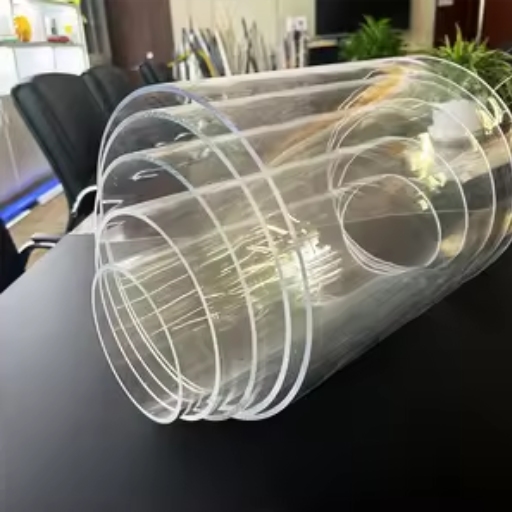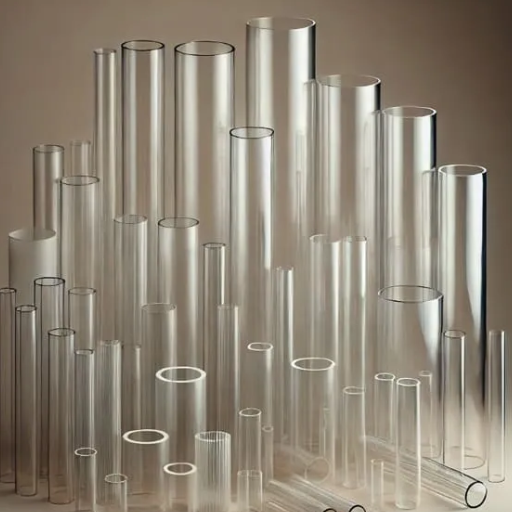

When working on editions or repairs of game calls, the choice of material is highly critical. Along with their durability and usefulness, acrylic rods are a favorite among hunters and call makers due to their superior sound capacity. Acrylic rods bring the essential balance of beauty and utility, be it in duck, goose, or other necessary calls. This article shares information on why acrylic rods stand out for game calls, what benefits they offer, and how they can give your hunt a finer edge. Join us in exploring all you need to know about this material, which is a must for avid hunters and call makers alike.
Understanding Acrylic Rods
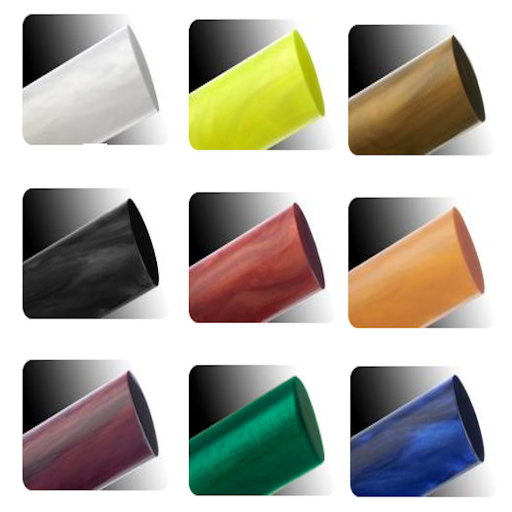
Acrylic rods are durable, lightweight, and versatile materials made from a specific plastic known as polymethyl methacrylate (PMMA). They are valued for their extreme clarity and durability while maintaining a bright color, which explains their use in many areas, including game calls. Acrylic rods are the easiest to machine and get shaped into designs that create superior acoustics for call makers. Secondly, they could resist weathering and moisture, thus ensuring extended use across various environmental conditions.
What are Acrylic Rods?
Acrylic Rods are cylindrical, made from acrylic, which is derived from polymethyl methacrylate (PMMA). They are widely used in various fields, including construction, design, and engineering, as they are known for their unmatched visual clarity, high strength, and versatility. These rods, in their basic form, can be transparent; they can bear colors of any hue or appear frosted, thereby extending a vast category of both aesthetic and functional appeal. With excellent weather resistance and durability, acrylic rods can maintain their properties even under prolonged UV exposure or harsh environmental conditions. To add to the properties above, they can be machined for specific purposes, such as decorative displays, game calls, furniture accents, and laboratory equipment. Further, they are lightweight and shatter-resistant, with easy keep-up, thereby providing an alternative to glass in many situations.
Types of Acrylic Material
Brief Summary: These materials of acrylic are transparent, colored, mirrored, textured, anti-static, UV-filtering, abrasion-resistant, and impact-modified-polymer, for different applications.
| Key Point | Acrylic Types | Features |
|---|---|---|
| Clear | Transparent | High clarity, versatile |
| Colored | Vibrant hues | Aesthetic appeal |
| Mirrored | Reflective | Durable, UV-resistant |
| Textured | Patterned | Privacy, strength |
| Anti-static | Static-free | Protects electronics |
| UV-filtering | Blocks UV | Sun protection |
| Abrasion-res. | Scratch-resistant | Durable, public spaces |
| Impact-mod. | High strength | Resilient, versatile |
Benefits of Using Cast Acrylic
Generally, Acrylic provides the best solution for clarity and transparency.
- Exceptional Optical Clarity
Cast acrylic glass transmits more than 92% of high-intensity visible light. It does not turn yellow over time and, therefore, becomes a valuable material for optical clarity in applications that require clear visibility, such as display cases or windows.
- Light in Weight and Shatterproof
Cast acrylic is a material that is approximately half the weight of glass and is also far more resistant to impact than glass. This advantage makes it easy to handle in environments where it is likely to get broken.
- Weatherproof and UV-Proof
The cast acrylic material resists weather and UV rays to a great extent, remaining durable even for outdoor use. It never fades, cracks, or degrades even under extreme environmental conditions.
- Simple to Fabricate and Customize
Cast acrylic can be easily cut, shaped, drilled, or glued, offering numerous solutions for various designs. Because of its machinability, it can be customized for projects ranging from signage to architectural features.
- A Variety of Colors and Finishes to Choose From
Cast acrylic is available in the broadest range of colors, textures, and finishes to fit all aesthetic requirements. Frosted, transparent, or loud, you name it, and there is a finish for just about whatever the design dictates.
Creating High-Quality Game Calls

- Material Selection
Game call quality highly depends on the types of materials employed. Acquire durable and weather-resistant materials such as cast acrylic or wood, as they would guarantee longevity and consistent performance.
- Sound Grain
Emphasizing the design of calls that produce sounds that seem and feel realistic in time, with the intention of imitating the target animal, stands foremost in the thought process. The call needs to be very carefully tuned to be more effective in the field.
- Easiness
A perfect game call should feel intuitive, easy, and comfortable to work with so that hunters of any skill level can yield the desired outcome with the least amount of effort.
- Detailing
Every aspect of the craftsmanship, from machining to assembly, should be considered to ensure that the call is reliable and performs well in every felting environment.
Materials Needed for Call Making
Developing a compelling game call requires the use of proper high-grade materials, as each has its specific function in sound production. Let us look at the primary materials used for making calls together:
- The wood
Acoustic materials, including cedar, walnut, and maple, with durability, are preferred for more prolonged use. The density and grain of the chosen wood will determine its resonance and tone.
- Acrylic
Among synthetic products, acrylic is most often chosen for its consistency and weather resistance, as well as the clear, loud sounds it can produce. Its machining and customization are also very simple.
- Reeds and Latex
Thin, flexible materials such as latex and Mylar are essential for both diaphragm calls and some reed series. These materials allow for different tones and imitate sounds made by other living creatures.
- Metal Hardware
Brass or stainless steel components are suitable for inserts, connectors, and tuning parts, making them durable and mechanically reliable.
- Adhesives and Finishes
Adhesives bond various parts securely, while finishes could be oil or polyurethane, protecting wooden floors from moisture and wear.
- Cutting and Machining Tools
Precision tools such as lathes, saws, and sanders are necessary for shaping components and assembling them with precision.
When coupled with competent manual work, the materials and tools team enables game call makers to manufacture reliable, multi-use, top-of-the-line products tailored for different kinds of hunting.
Choosing the Right Acrylic Color
Choosing the acrylic color for game calls involves both aesthetic and practical considerations. Based on recent trends and preferences highlighted by Google’s data, hunters often strike a balance between practicality and subjective taste. Bright colors like orange or neon green are popular owing to their visibility in an open field, making it easier to spot a dropped call. Conversely, darker shades such as black and brown, or woodland camouflage patterns, are chosen where being in harmony with natural surroundings is a prerequisite for stealth. Going for transparent or swirled acrylics is also increasingly in fashion these days because it allows the hunter, without compromising any performance, to exhibit a slightly more personal and unique choice of call. It is finally the style of hunting, ambience, and individual choice that guides options in color.
Application in Hunting
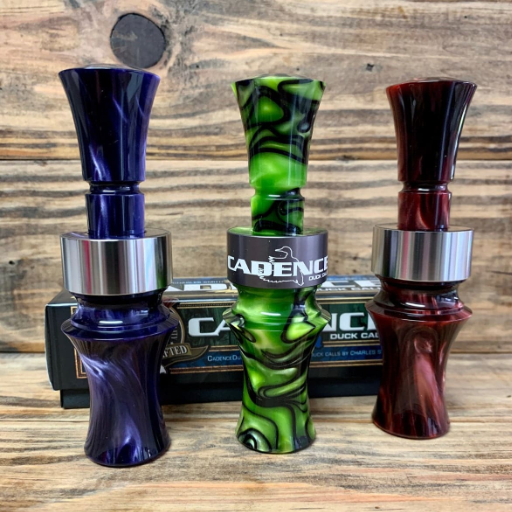
In the realm of hunting, call-making sounds are crucial for luring animals by replicating their natural calls. The effectiveness often rests on colors and design adaptations fit for the environment. In wooded or grassy locales, for instance, muted or camouflage-colored calls help keep the hunter concealed from the animal, effectively minimizing its detection. Such calls, on the bright or personalized end, are rather apt for terrains where visual stealth is unnecessary, being easy to spot and recover if dropped. In all events, their color selection either breaks or makes their utility and thereby, their fishing success.
The Importance of Quality in Duck Calls
The skill and craftsmanship employed initially in bringing a duck call into existence have effectively turned this extravagantly simple piece into one of nature’s enigmas. High-grade duck calls make the calls more realistic, luring waterfowl into range by mimicking the slight tonal variances of a live duck. The flightmen and wildlife experts have thus forwarded the explanation that calls made with precision construction employ better materials, such as acrylic or wood, with much greater clarity and durability than the plastic, low-priced variety.
According to a 2022 survey by Field & Stream, 85% of hunters reported better outcomes with the use of prime duck calls, attributing their success to sound realism and consistency. Aside from design innovations that allow for an adjustable reed and refinements enabling fine-tuning of pitch and volume, it is indeed putting the target at the forefront, for in different fields, the wind can vary in direction, while in others, the distance from the waterfowl will vary.
A worthy investment in a so-called exotic call would go a long way, amenable enough to attract ducks. In contrast, cheap calls would soon be defeated by the usual rigors of the environment or by the freezing of reeds during winter. The professional call in the hands of a well-trained craftsman is designed to withstand adverse conditions and, therefore, consistently delivers general performance throughout the seasons. Thus, a hunter would always have to think about the quality of duck calls as a means of increasing the effectiveness of their capability in the field.
How to Use Acrylic Duck Calls Effectively
With technique comes the know-how of when calling is adequate. Begin by choosing a call appropriate for your area and the species you wish to hunt; different ducks may respond to other tones. Practice the basic call sounds such as the “quack,” “feed chuckle,” and “hail call,” always being able to produce them consistently. Acrylic calls produce a very sharp and loud tone; thus, in windy or open terrain where clear sound is a must, these calls serve the purpose well.
To improve your chances, focus on the calling time related to the behavior of ducks. Do not call too much, since it makes ducks suspicious of you. Instead, pay attention to how the birds respond and modify your tone, rhythm, and volume accordingly. Nearer to the water, softly calling while ducks are nearby, simulates the sounds of a safe and comfortable feeding area. Also, good upkeep of acrylic duck calls is essential-clean after every use so that no debris builds up, affecting the sound quality. When you use it tactically and consistently with practice, acrylic duck calls will surely give you another level as an efficient hunter.
Comparing Acrylic Calls to Wooden Calls
Brief Summary: Acrylic game calls are weather-resistant, resilient, and loud, while wooden game calls possess a softer, smoother sound and require constant care.
| Key Point | Acrylic Calls | Wooden Calls |
|---|---|---|
| Durability | High | Moderate |
| Sound | Loud, sharp | Soft, natural |
| Weather Res. | Excellent | Susceptible |
| Maintenance | Low | High |
| Aesthetics | Customizable | Unique grain |
| Weight | Lightweight | Heavier |
| Cost | Higher | Moderate |
| Range | Long-range | Close-range |
Tools and Equipment for Call Makers
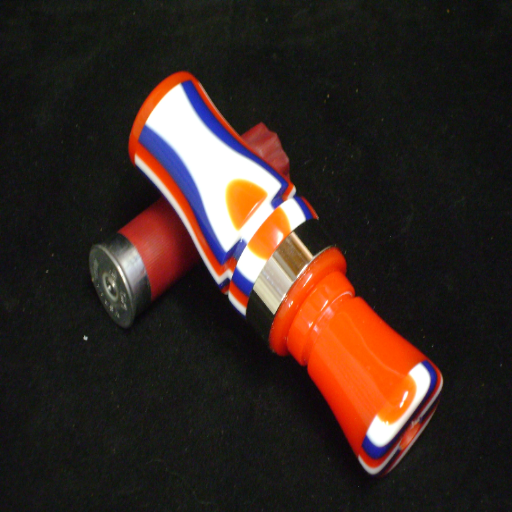
Cutting-edge-quality duck calls require all the people, tools, and equipment they can muster to achieve perfect results for optimal function. Below is a list of essential tools every call maker should own:
- The lathe serves as the primary shaping tool for the barrel and insert of a duck call.
- Precision must be maintained; hence, an accurate and reliable lathe will guarantee consistency in the designs.
- Drill press: Used for drilling holes in barrels and inserts with extreme precision to perfect the airflow.
- Band saw: Used for cutting blanks to size before shaping on the lathe.
- Sandpaper and finishing supplies: Used to smooth and polish finishes to a clean, totally professional look.
- Acrylic or wood blanks: Raw material from which calls are made, with acrylics giving durability and wood providing that traditional full-bodied tone.
- Tuning tools: Include reeds, tone boards, and other particulars for adjusting and fine-tuning the call’s sound.
These are the core tools, which can be supplemented for enhanced duck call production and fine-tuning to yield top performances on the field.
Essential Machines for Shaping Acrylic
When it comes to shaping acrylic for duck calls, precision and efficiency matter. Essential machinery is usually employed:
- Lathe Machines: A lathe is essential for shaping the acrylic blanks into smooth, cylindrical forms. The ability to carve out intricate shapes and uniform dimensions certainly makes the lathe popular with call makers.
- Drill Press: To ensure the bore is precisely through the acrylic to secure airflow and sound emphasis.
- Bench Grinder or Belt Sander: To perfect the edges and take care of rough surfaces for a fine finish.
- Router Table: For custom designs on the call’s exterior to enhance aesthetics and ergonomics.
- Buffing Machine: For polishing the acrylic to a stunning gloss and therefore intensifying the professional appeal of the duck call.
According to more recent advances and trends demonstrated by Google searches, CNC machines can be integrated into the process. CNC offers the highest levels of precision, allowing complex designs to be replicated comfortably, which makes it a powerful complement for any modern workshop. This type of equipment greatly improves not only efficiency but also the overall quality and consistency of duck calls.
Recommended Call Making Supplies
According to the latest statistics from Google’s research engine, these are the bare essentials for realizing a high-grade duck call:
- Acrylic Blanks – Acrylic in clear and vibrant colors is always the preferred choice for its iconic durability and beauty. These are favored in the making of professional-grade duck calls.
- CNC Machines – CNC provides a promising avenue for developing intricate designs and getting consistent results, hence steadily gaining preference for efficiency and uniformity by many craftsmen.
- Wood Blanks – Wood, with its deep tones and natural appearance, remains a favorite among one and all. These hardwoods are maple, walnut, and cocobolo, which are highly sought after for their exceptional acoustic properties.
- Polishing Kits – For a splendid finish, every kit requires polishing, and each polishing kit includes sanding pads, buffing wheels, and polishing compounds.
- Tuning Reeds and Inserts – To produce tones of various kinds, high-quality functional reeds and inserts must be provided, or they can also be purchased pre-made or shaped.
- Rotary and Drill Tools – Tools such as lathes and rotary drills help shape and finish the duck-call body with care.
Being up-to-date with the latest tools and materials can empower call makers to meet further the needs of a discerning clientele, as well as those reflected in updated search data.
Reference Sources
- “Acoustical comparison between decrescendo calls of female mallards and mimicry by humans using artificial duck calls” (Callicutt et al., 2013, pp. 101–106). This 2013 study compared the acoustic properties of duck calls made from various materials, including acrylic, with those of real female mallards. The methodology involved recording the calls of wild mallards and then having a panel of duck callers use calls made from different materials (including acrylic, cocobolo, osage orange, pecan, and bocote). Acoustic analysis was performed on the recordings to compare the frequencies and other characteristics of the calls. Key findings indicated that acrylic calls with double reeds produced notes acoustically most similar to those of female mallards in decrescendos. This suggests that acrylic is a suitable material for creating realistic duck calls.
- Leading Acrylic Rods for Duck Calls Manufacturer In China
Frequently Asked Questions (FAQs)
What are acrylic rods for duck calls?
Acrylic rods for duck calls are specialized materials used in the construction of duck calls. These rods are made from high-quality cast acrylic, which provides excellent clarity and durability, ensuring that the calls produce a crisp and clear sound. The rods can be shaped and machined to create various call designs, making them a popular choice among callmakers.
How do acrylic rods compare to wood for duck calls?
Acrylic rods offer several advantages over wood when creating duck calls. Unlike wood, which can absorb moisture and change sound quality over time, cast acrylic rods maintain their structural integrity and sound quality. Additionally, acrylic allows for more intricate designs and colors, such as pearl or black, which can enhance the visual appeal of the calls.
What is the cost of acrylic rods for duck calls?
The cost of acrylic rods for duck calls can vary based on factors such as size, color, and quality. Generally, high-quality cast acrylic rods are more expensive than basic plastic options, but they are favored by serious call makers for their superior performance and durability. Prices typically range from $10 to $50 per rod, depending on the specifications.
What are the benefits of using cast acrylic rods for call making?
Using cast acrylic rods for call making provides several benefits, including excellent tonal qualities, durability, and resistance to environmental factors. These rods can be machined easily, allowing callmakers to create precise sound chambers that enhance the call’s effectiveness in duck hunting. Additionally, the variety of colors available, such as white or pearl, allows for customization.
Can acrylic rods be used for other types of game calls?
Yes, acrylic rods can be used to create various types of game calls, including turkey calls and goose calls. The properties of cast acrylic make it an ideal material for producing high-quality sounds across different types of calls. Callmakers often choose acrylic for its versatility and performance characteristics.
How do I choose the right acrylic rod for my duck call project?
When selecting an acrylic rod for your duck call project, consider factors such as the desired sound quality, color preference, and the specific design you plan to create. It’s essential to choose high-quality cast acrylic to ensure the best performance. Additionally, consider the dimensions of the rod required for your call design to ensure a proper fit.
What tools are needed for working with acrylic rods?
To work with acrylic rods for duck calls, you will need several tools, including a lathe for shaping, chisels for carving, and sanding tools for finishing. A heat gun can also be helpful in bending acrylic if your design requires it. Ensure that you have the appropriate safety equipment, such as goggles and a mask, to protect yourself while working.
Are there any reviews available for acrylic rods used in call making?
Yes, many callmakers provide reviews and testimonials regarding the use of acrylic rods for duck calls. These reviews often highlight the advantages of using high-quality cast acrylic, detailing their experiences with different colors and designs. Reading reviews can help you make an informed decision when choosing materials for your duck call projects.