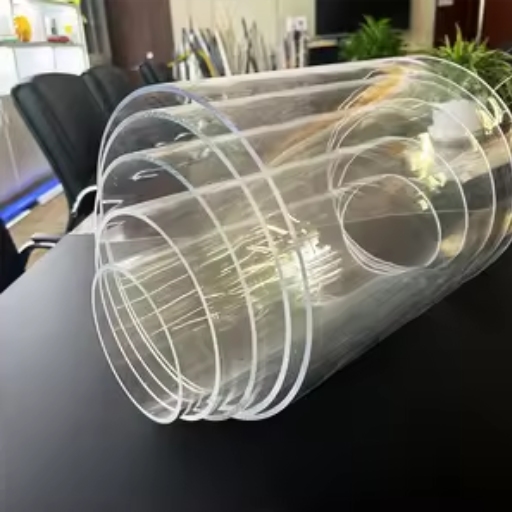

Designing aquariums and tanks is all about achieving the right mix of usability and beauty. Clear acrylic tubes have come to be the most sought-after option in the aquarium industry for both professionals and hobbyists. They are versatile and pleasing to the eye, thus capable of raising the visual value of any aquatic setting. But what is it that makes these tubes so vital when it comes to aquariums? This article will classify the advantages, applications, and distinguishing characteristics of clear acrylic tubes so that you can internalize their role in the making of a lively and eco-friendly aquatic setup. Whether your goal is to improve water circulation, make unique tank parts, or merely give your design a stylish modern look, you will find all the information you need right here.
Introduction to Acrylic Tubing
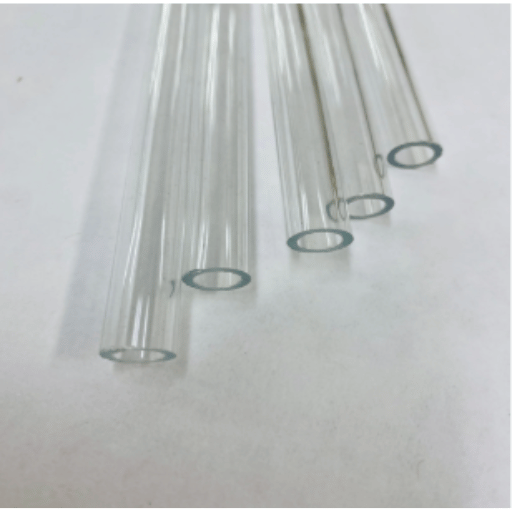
Acrylic tubing is an important factor in aquarium setups because of its durability, flexibility, and transparency. Acrylic plastic, unlike glass, is very light but very strong which leads it to resist cracking or shattering and become the long-lasting option even in high water pressure or frequent handling. Its crystal-clear appearance gives a view without obstruction, thus it perfectly fits into the aquatic environment. Moreover, acrylic is a material that can be altered in many ways, making it the best choice for creating new water flow systems, custom tank parts, or ornamental features. Its property of being chemically corrosion resistant adds to its usage in freshwater and saltwater aquariums, providing a high level of reliability for both hobbyists and professionals.
What is Clear Acrylic Tubing?
Clear acrylic tubing is a very light, yet strong, material produced from transparent acrylic and is usually selected for its power, clarity, and adaptability. It is able to withstand impacts, is not affected by the weather and resists chemical attack, making it suitable for a variety of applications such as fish tanks, factory equipment, and art installations. Its see-through feature provides a good view and its ability to be modified makes it a favorite for both the practical and the aesthetically pleasing.
Benefits of Using Acrylic in Aquariums
Acrylic as a material for aquariums has numerous advantages. First, its lightness makes it not only more manageable but also easier to install than glass. Besides, it undergoes higher resistance to impact, thus reducing the chances of cracks or breaks and ensuring greater safety. Moreover, it is very clear, giving a view of aquatic living organisms without any distortion. Additionally, the material can be fashioned into any shape that one desires without difficulty, making it very easy to design aquariums creatively. Its resistance against weathering as well as chemical corrosion ensures that it lasts and performs for a long time, which is why it is a preferred choice among both hobbyists and professionals working with aquariums.
Comparison with Other Materials
Acrylic, in relation to glass, is much lighter, has better impact-resistance, and is less likely to break into dangerous shards, so it is safer and more convenient to work with. Another positive feature of acrylic over glass is that it is possible to mould it into any desired shape, thus giving more freedom in design. On the downside, glass is much harder to scratch than acrylic, but the latter’s excellent clarity and UV resistance guarantee a clear and undistorted view for a longer time. Therefore, for long-lasting performance, durability, and creative designs, acrylic is often the material that is preferred over glass.
Choosing the Right Acrylic Tube
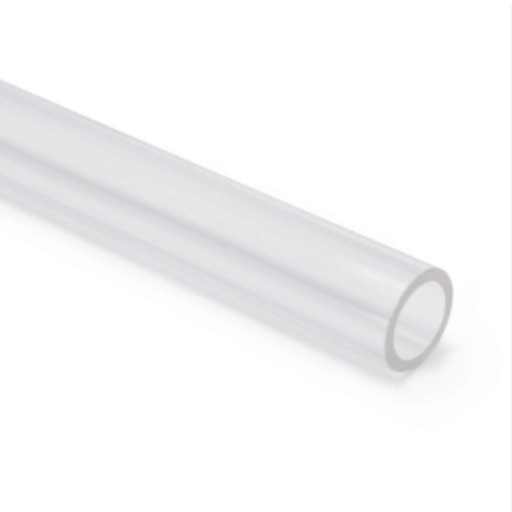
The proper acrylic tube selection revolves around your aquarium needs specifically. Bear in mind the factors below:
Key Factors to Consider:
- Size and Diameter: Check that the dimensions of the tube allow for the required water flow and do not obstruct any existing connections or systems.
- Clarity: Go for high-quality, crystal clear acrylic that can provide the best possible visibility and appearance.
- Thickness: Select a thickness that can endure the water pressure and, at the same time, offer long-lasting and safe use.
- Heat Resistance: Make sure the acrylic can tolerate the temperature conditions of your aquarium, especially for those with heating components.
- Water Type Compatibility: Make sure the tube can withstand both freshwater and saltwater environments so that there is no risk of corrosion or degradation over time.
A thorough analysis of these factors guarantees a trustworthy and durable solution for your aquarium setup.
Factors to Consider: Diameter and Length
The diameter and length of an acrylic tube for your aquarium must be chosen according to your system’s needs. The diameter must provide good water flow but at the same time, it should not limit circulation or cause pumps to work harder. As for length, measure the distance exactly so the tube fits your installation, preventing extra material that might make installation harder or too short a length that may hinder functionality. Always be accurate in order to improve performance and keep your aquarium system balanced.
Understanding Thickness and Wall Thickness
The diameter and wall thickness of tubing are essential to ascertain its lifespan and compatibility with your aquarium system. Tubing with adequate wall thickness can resist the pressure of water flow and avoid either sagging or leaking. On the whole, thicker walls grant more resilience and lifetime, particularly in high-pressure systems. In the case of tubing selection, please contemplate adjusting the ratio of flexibility to strength so that the tubing will not only meet the particular requirements of your setup but also perform reliably over time.
Compatibility with Aquarium Water Systems
When evaluating the compatibility of tubing with your aquarium water system, it is imperative to take into account factors such as the material’s resistance to wear, exposure to chemicals, and the quality of water. For instance, silicone or PVC tubes are commonly found in aquariums due to their ease of use, toxicity-free nature, and inability to get corroded. Besides, make sure the diameter of the tubing fits the requirements for flow and fittings of your system so that you can keep the performance at its best without facing problems like leaks or flow restrictions. Always use tubing that is specifically rated for aquatic use to ensure the protection of the ecosystem in your tank.
Maintenance Tips for Acrylic Tubes

Essential Maintenance Practices:
- Regular Cleaning: Acrylic tubes should be cleaned using mild soap mixed with warm water. It is best to steer clear of abrasive cleaners or harsh chemicals as they will surely scratch and damage the surface. Wipe the surface with a soft cloth or sponge only.
- Inspect for Damage: From time to time look for cracks, scratches, or wear. If you deal with damage early it will not only prevent further problems but also prolong the life of the product.
- Avoid High Temperatures: The acrylic tubes should not only be placed near but also kept away from direct heat sources at all times to avoid warping or changing their shape. Make sure the heating system in the aquarium is suitable for the tubes.
- Handle with Care: The acrylic tubes will always require gentle handling to prevent the occurrence of accidental impacts which are the main cause of dents and cracks.
- Dry Thoroughly: It is necessary to check that the tubes are completely dry after cleaning before their reinstallation to avoid the appearance of water spots as well as keeping the clarity of the tubes.
For preserving your acrylic pieces and ensuring their optimal performance in your aquatic environment, practice these suggestions.
Cleaning and Care Techniques
The most effective and recommended way to clean acrylic tubes is by using a soft, non-abrasive cloth or sponge with a solution made of warm water and mild soap. Be sure to not use harsh chemicals or scrubbers that could scratch the surface. Rinse well to get rid of any soap residue, and use a microfiber cloth to dry the tubes completely so that they remain clear and do not get water spots. If you regularly do this, you will enjoy the durability and beautiful look of your acrylic setup.
Preventing Scratches and Damage
It is essential to handle acrylic tubes with care, as well as to avoid the use of abrasive cleaning tools, in order to prevent scratches and damage to them. The tubes should be stored in a protective case or soft material to avoid contact with rough surfaces. When working with or relocating acrylic parts, check that the area around is clear of any sharp objects. Taking these measures will keep your acrylic tubes looking good and intact for longer.
Longevity and Performance Optimization
For acrylic tubes, routine cleaning with the use of non-abrasive materials and mild detergents is highly recommended in order to avoid residue buildup and thus, prolong their life and performance. Proper installation is to be made, and excessive stress to be avoided, while exposure to harsh environmental conditions such as extreme temperature or UV light should be limited. Checking for cracks or wear at intervals may help to detect problems in good time, thereby saving the tube’s durability and functionality over a long period.
Understanding Acrylic Pipe Options

Different types of acrylic pipes are available to accommodate different applications, and among them, the main two are cast acrylic and extruded acrylic. Cast acrylic pipes are characterized by their strength, transparency, and resistance to cracking, which altogether makes them perfect for either high-performance or decorative uses. Extruded acrylic pipes offer economical and uniform dimensions, thus are suitable for general-purpose applications. When it comes to selecting acrylic pipes, it is best to take into account parameters such as durability, visual clarity, and cost to guarantee proper selection for your project.
Rigid vs. Flexible Acrylic Tubing
When choosing between rigid and flexible acrylic tubing, the first factor to look at is the application. Rigid acrylic tubing has excellent structural strength and is perfect for all the projects that need accurate forms, toughness, and resistance to high pressure or chemicals. Flexible acrylic tubing gives a larger range of usability for projects that require movement or need to be installed in small places. The selection must consider the exact performance requirements and mounting limitations of your project.
Clear Acrylic Pipe vs. PVC Pipe
The prime points of dissimilarity between the clear acrylic pipe and the PVC pipe are transparency, durability, and application. Transparent clear acrylic pipes allow light to pass through to the extent of 93%, giving good optical clarity, and thus making them perfect for use in visibility-monitoring situations such as display or fluid monitoring systems. Besides, they are also more UV resistant and more aesthetically appealing than opaque pipes. However, PVC pipes have a better price-performance ratio, they are more versatile, and their greater impact resistance throughout the various stages of manufacture makes them more suitable for high-pressure or industrial applications. Thus, the decision whether to use one or the other is strictly determined by your needs for visibility, strength, and budget.
High Impact and Resistance Features
The great resistance and high-impact features of substances like PVC make them very appropriate for tough applications. PVC pipes, for example, are made in such a way that they can bear heavy pressure and, at the same time, are not easily damaged by impact; thus, they are durable even in industries and high-stress environments. Their flexibility and lower price have also made them a practical choice. When transparency and UV resistance are not that important for your application, PVC is frequently the wise choice for getting reliable performance within budget.
Reference Sources
- Amazon – Transparent Acrylic Aquarium Feeding Tube: A product intended for aquarium feeding, demonstrating the usefulness of acrylic tubes in aquariums.
- Pentair AES – Acrylic Tubing: Gives information about acrylic tubing like thickness, bonding options, and uses in aquariums.
- Acme Plastics – Benefits of Acrylic Sheet Aquariums: Emphasizes the benefits of acrylic materials in aquariums like durability, clarity, and relative low cost.
Frequently Asked Questions (FAQs)
Q: What are acrylic tubes used for in aquariums?
In aquariums, acrylic tubes serve many functions, such as feeding, filtration, aeration, and sometimes they are used just to add beauty to the tank.
Q: Why choose acrylic tubes over other materials?
Acrylic tubes have become the choice of most aquarists because of their several properties; they are light, strong, see-through, and resistant to water and chemicals, which makes them perfect for aquarium use.
Q: Can acrylic tubes be tailored to specific aquarium requirements?
Certainly, custom aquarium setups are made easy by cutting, shaping, and bonding acrylic tubes according to the required specifications.
Q: How do I clean acrylic tubes in an aquarium?
A very gentle approach with a soft cloth or sponge soaked in mild soap and water will work best. Do not use abrasive cleaning products because they can leave scrapes on the acrylic surface.
Q: What sizes are available for acrylic tubes?
Acrylic tubes can be found in different diameters and lengths, thus being able to accommodate a variety of aquarium applications.
Clear acrylic tubes offer unmatched versatility, durability, and aesthetic appeal for aquarium enthusiasts. By carefully selecting the right specifications and maintaining them properly, you can create a stunning and functional aquatic environment that stands the test of time.