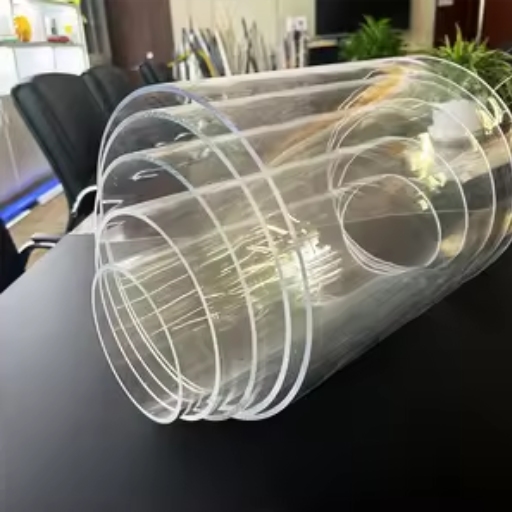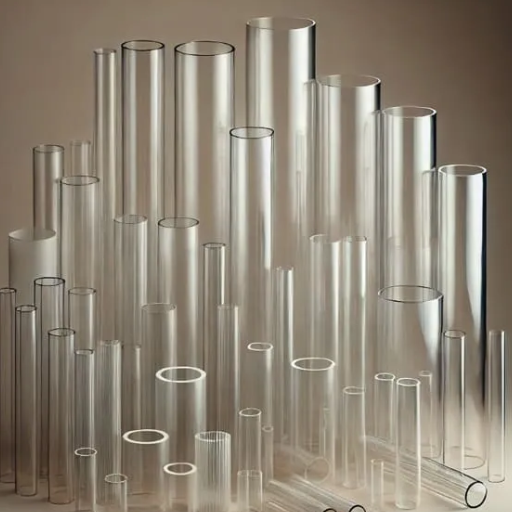

Material acrylic has given many industries a new way of working and the clear cast acrylic tubing is certainly one of the most versatile and innovative solutions. Renowned for being remarkably transparent, lightweight, and having an indestructible nature, it is the number one choice for a myriad of applications. Whether it be industrial machines, architectural designs, or creative displays, clear cast acrylic tubing offers unmatched functionality for even more dazing variety in applications. This article is a conversation about the incredulous characteristics that make it an indispensable material and weigh well in its appeal with industries for its clear applications, benefits, and requiring fair explanations for why this material is rated among the must-haves in all other industries. In every function from aesthetics, see why clear cast acrylic tubing is the future of modern design and engineering, shaping itself by now.
Key Takeaway
Clear cast acrylic tubing provides superior optical clarity (92% light transmission) and structural integrity compared to extruded alternatives, making it the premier choice for high-end industrial and medical applications.
Understanding Acrylic Tubing
Acrylic tubing is a manifold extruded material known for strength, translucence, and lightweight nature. Acrylic is typically constructed using ranging levels of polymethyl methacrylate (PMMA), a material that is light, displays exceptional optical clarity, and has good scratch resistance, UV resistance, and impact resistance. Both extruded and cast types of acrylic are available for modernists to design an array of industrial equipment and top scientific instruments or decorative architectural goods. Given its ease of customization and durability, acrylic routinely finds application in various selective industries.
What is Clear Cast Acrylic Tubing?
Clear cast acrylic tubing is a high-grade cylindrical material prepared by molding molten acrylic into precision-crafted molds. Such a production process guarantees an unparalleled optical clarity, great endurance, and uniform, picture-perfect finish compared to the extruded alternative. The material has great resistance towards ultraviolet radiation, weathering, and chemical attack, thereby being the choice material for uses where a strong, lightweight, and visually transparent material is required. Some common applications of the cast acryl tubes include scientific projection equipment, aquariums and possibly high-end light fittings where aesthetics are just as crucial as the performance.
Differences Between Cast and Extruded Acrylic Tubing
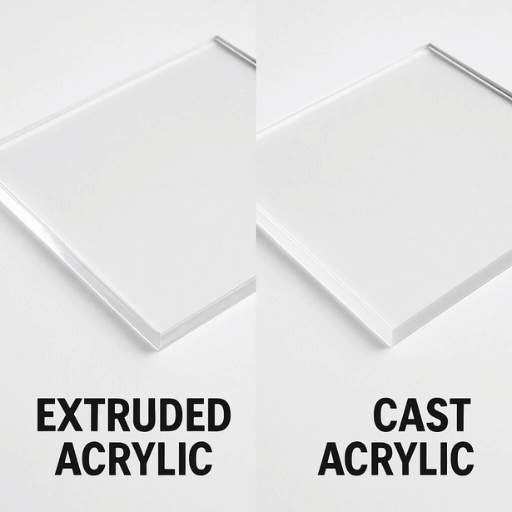
Cast acrylic tubes and extruded acrylic tubes are vastly different concerning their manufacturing processes, offering very significant impact on their properties and usage. Cast acrylic tubes are made through the process of pouring hot acrylic liquid into molds aided by its improved structural integrity, chemical resistance, and clarity grade. It can defy great weights and thus is considered suitable for rugged environments and exacting applications. Contrarily, extruded acrylic tubes come into being as a result of an extrusion process wherein speed and time-specific pressure forces the acrylic material through shaping die in a way creating a homogenous and cheaper form. Unfortunately, the material shows less resistance to scratching, is more inclined to crack under tensile strain, and has less optical clarity as compared to a cast acrylic. These differences make cast acrylic the best choice for applications, whereas extruded acrylic is customarily recommended for cost-sensitive projects that allow for minimal undermining of durability and appearance.
| Feature | Cast Acrylic Tubing | Extruded Acrylic Tubing |
|---|---|---|
| Manufacturing | Liquid mold casting | Die extrusion process |
| Optical Clarity | Superior / Precision finish | Standard clarity |
| Durability | Higher chemical/heat resistance | Lower impact resistance |
Key Properties of Acrylic Tubing
Regarded for high optical clarity, an acrylic tube can offer transmission of visible light up to 92% through its structure, which in essence makes it ideal for applications which truly demand sheer looking transparency. Along with this, the acrylic tubing is supposed to have enough resistance to UV radiation and weathering that makes it a good choice for open-air use. Its physical characteristics of half the weight of glass ensure secure handling and installation. Acrylic tubing also demonstrates good resilience to numerous acids, bases, and hydrocarbons, although it may be attacked by harsh solvents like acetone. As well, tubing shows high dimensional stability and can be thermoformed or machined with precision, thus enhancing versatility in design and manufacturing. While modificated impact strength is not as high as with polycarbonate, acrylic is still sufficient for a wide range of commercial and industrial purposes.
Applications of Acrylic Tubing
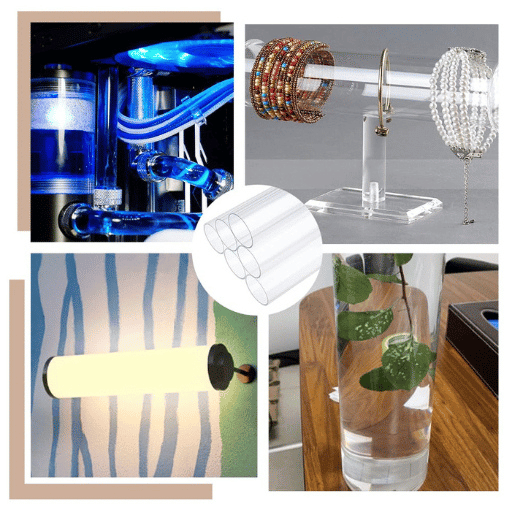
The applications of acrylic tubing across various industries are due to the fact that it provides optimal strength, transparency, and light weight:
- ✓
Industrial Equipments: Used as view panels, sight-glasses, and machine body covers. - ✓
Medical and Scientific Fields: Laboratory gadgets, pipettes, and bio-reactors. - ✓
Architectural Purposes: Display cases, lighting fixtures, and aesthetic features. - ✓
Aquariums and Marine: Viewing windows, decorative features, and water systems. - ✓
Signage and Advertising: Illuminated signs and exhibition constructions.
The diversity in these applications underscores flexibility and reliability A place application poses strict requirements for.
Industrial Uses of Clear Acrylic Tubes
Clear plastic tubing is used across a wide variety of industries for their excellent durability, high optical clarity, and ease in any kind of fabrication. These tubes are normally used in the food industry for flow meters, level indicators or sight glasses. They manage tough chemicals so they are also suitable for in-lab apparatuses, reactors, and containment systems. Besides, these tubes also operate well for enclosure shields and intricate machine components as well as give the backbone for futuristic engineering structures, underlining highly diverse performance thresholds.
Medical and Pharmaceutical Applications of Acrylic Tubing
Acrylic tubing plays a focal role in the medical and pharmaceutical industries, thanks to its outstanding clarity, biocompatibility, and chemical resistance. Transparent pharmaceutical tubing allows for precise visual observation of fluid flow in medical devices, like IV systems or diagnostic equipment. Acrylic tubing’s resistance to a wide range of chemicals makes it appropriate for use in manufacturing processes within the pharmaceutical industry, particularly for transport and containment of sensitive or reactive substances. The material sparkles here with the lightweight yet durable nature that allows today’s fresh materials well-defined roles in medical research, lab equipment, and sterilizable components. How valuable must both these features be for the strict healthcare standards upheld?
Research and Development with Acrylic Tubing
The current research and development in the context of acrylic tubing is geared towards enhancing its properties in consonance with the changing needs of the industry and the healthcare sectors. This would involve improving thermal stability, increasing resistance to shock, and developing stealth coatings to improve chemical compatibility. It is also common to work on refining techniques for manufacturing, like precision extrusion, in order to get closer to ultra-tight tolerances, which are necessary for critical applications. This is to ensure that when the conditions change in scientific, medical, and industrial competitive environments, the acrylic tubular remains a state-of-the-art solution.
Benefits of Using Clear Acrylic Tubes
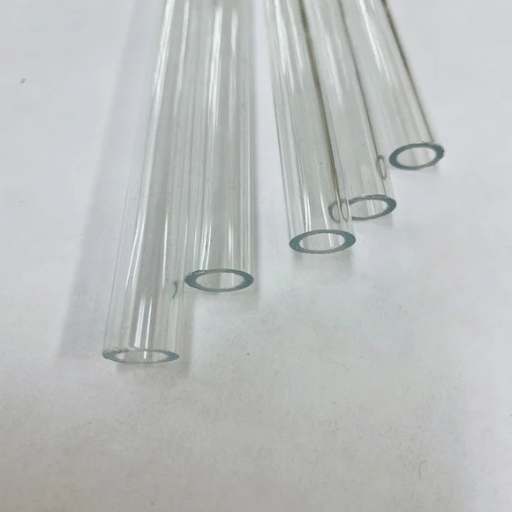
Clear acrylic tubes provide a variety of benefits for modern applications:
- ✓
Durability: Impact-resistant and weather-resistant for indoor and outdoor use. - ✓
Transparency: Superior optical clarity for maximum visibility. - ✓
Lightweight: Lighter than glass, reducing load and simplifying installation. - ✓
Chemical Resistance: Suitable for industrial and laboratory environments. - ✓
Customizability: Easy to cut, shape, and machine to exact specifications. - ✓
Cost-Effective: Generally less expensive than glass or polycarbonate while offering high performance.
Advantages Over Other Plastic Tubes
Acrylic tubes clearly outperform other plastic tubes in a number of important ways. Their exceptionally good clarity gives them very superior transparency to materials used for see-through application or appeal. Additionally, the immense structural durability and impact resistance while remaining lightweight compare favorably with more weighty materials such as glass. Moreover, acrylic tubes exhibit excellent UV resistance and outlast most other plastics by remaining perfectly clear and structurally sound under the unceasing attack from sunlight. Also, because of their chemical resistance and machining ease, these are being used in a multitude of industries as a useful and cheap alternative to an expensive and less durable material. All these factors together make acrylic tubes a bright name in the plastic industry.
Durability and Chemical Resistance
Acrylic tubes owe their exceptional durability to their high resistance to both impact and stress. They have excellent chemical resistance. This means they can take on a variety of substances, like dilute acids, alkalis, and oils, without a risk of structural breakdown. These qualities all make them excellent for applications demanding longevity and reliability under harsh conditions.
Clarity and Aesthetic Appeal
Acrylic tubes, owing to their unmatched clarity that provides a light transmission rate of about 92% and therefore exceeds that of traditional glass, have gained popularity. Such high transparency, complemented by flawless finish of the surface, makes it an ideal material for applications where aesthetics and pronounced visibility become utmost crucial. In addition to this, their long-term aesthetic and functional performance—a feature achieved due to their transparency standards—enables no-yellowing or clouding, even in UV light and environmental exposure. In design excellency and technological spheres, this merits acrylic tubes as an excellent choice of material.
Choosing the Right Acrylic Tubing
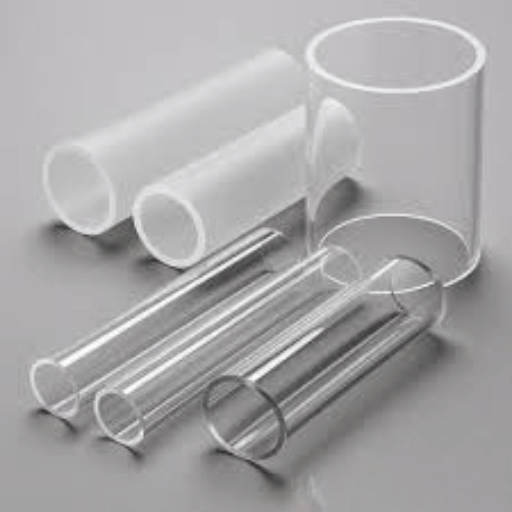
There are numerous considerations in selecting the product for use in applications:
- 1
Size and Dimensions
Calculate inner and outer diameters and wall thicknesses based on flow or structural needs. - 2
Temperature Tolerance
Verify the operating parameters are within the tube’s thermal threshold to prevent deformation. - 3
Chemical Compatibility
Ensure resistance to specific substances (acids, oils) likely to be encountered during exposure. - 4
Certification and Grade
Check for compliance with medical, food-grade, or industrial standards where required.
Factors to Consider: Diameter and Wall Thickness
In picking acrylic tubing, it is necessary to take into account the diameter and wall thickness parameters, which together affect performance and suitability for any application one has in mind. It is important that the outer diameter (OD) and inner diameter (ID) measure in line with the necessities of flow, structure, or fit of the component. A robust wall ensures that the tubing will be durable and possess the high resistance needed to withstand external pressures; such tubing is the best choice for extreme stress environments. Distinguishing thin-walled tubing can be looked upon to cater to lightweight designs or applications that need extra flexibility. The measurements should all be proper based on the requisite load, operation conditions, and adherence to tolerances within specified design to ensure efficient and safe performance.
💡
Pro Tip
For applications involving high pressure or structural support, always prioritize Cast Acrylic over extruded to avoid stress cracking over time.
Assessing Chemical Compatibility
The compatibility of chemicals is a deciding factor for material selection or system design. Through this, however, one is sure that the applied materials are those that would, without getting worse on exposure, withstand the chemicals. This asks for an estimate of the chemical effects of the material composition within its work environment. This includes environmental factors like temperature, concentration, or the period of exposure, all speeding their chemical activity. Accepted industry-standard chemical compatibility charts, testing protocols, and historical performance data are some parameters that give guidance, but in most cases, testing under an operating condition is seen as necessary for validation. Going for compatible materials minimizes corrosion, contamination, and mechanical failure occurrences in the longer run, making certain that systems remain reliable and meet the safety standards.
Custom Cut-to-Size Options
Custom cut-to-size options offer a tailored material solution for precision in applications and for optimized material utilization. Advanced machines and specific expertise enable reliable precision-engineered-components ensure meeting exact requirements to reduce wastage and enhance efficiency. Such cutting-edge methodological tools are very useful in industries such as manufacturing, civil and engineering concerns as their precise dimensions often directly determine their performance and compliance to technical standards. Placing an emphasis on custom enterprises for your cut-to-size solutions provide a higher level of accuracy, save your team’s time very much, and satisfy the specific demands for the project and hand over the most solid and winning outputs.
Reference Sources
- Petro Extrusion Specialists: Excels in producing lightweight and customizable extruded acrylic tubing.
- IQS Directory: Details on laboratory sight glasses and other industrial acrylic tube uses.
- Alands Plastic: Exploring tremendous scope in engineering, architecture, and retail.
- Sabin Plastic: Comparison of clear acrylic tubes vs glass on cost, impact, and weight.
- SpecialChem: Information on medical-grade plastics and user-friendly features.
Frequently Asked Questions (FAQs)
So what is lab grade acrylic tubing?
Lab grade acrylic tubing is a high-quality transparent tube made from acrylic material. It is used in laboratory and scientific applications.
What are the advantages of making use of acrylic tubing in the laboratory?
Lightweight, durable, resistant to impact, and possessing perfect optical clarity, acrylic tubing is the best choice for fluid monitoring, among other laboratory activities.
What are the most common applications of lab grade acrylic tubes?
It is used in various fields such as fluid transfer systems, sight glasses, chemical experiments, as well as shields for sensitive equipment.
How do acrylic tubes compare to glass tubes?
Acrylic tubes are less delicate and heavy compared to glass tubes, but they also scratch more easily and are less heat resistant.
Is lab grade acrylic tubing chemical resistant?
The majority of the chemicals used in labs are resistant to acrylic plastic, but it depends on the chemical in question and its concentration.